
Last updated September 23, 2026
Free visual inspection and a written scope of work before any mitigation begins - photos, moisture readings, and drying logs go in your claim file
The scope we write is the scope we bill. Anything new gets shown to you, in writing, before we touch it.
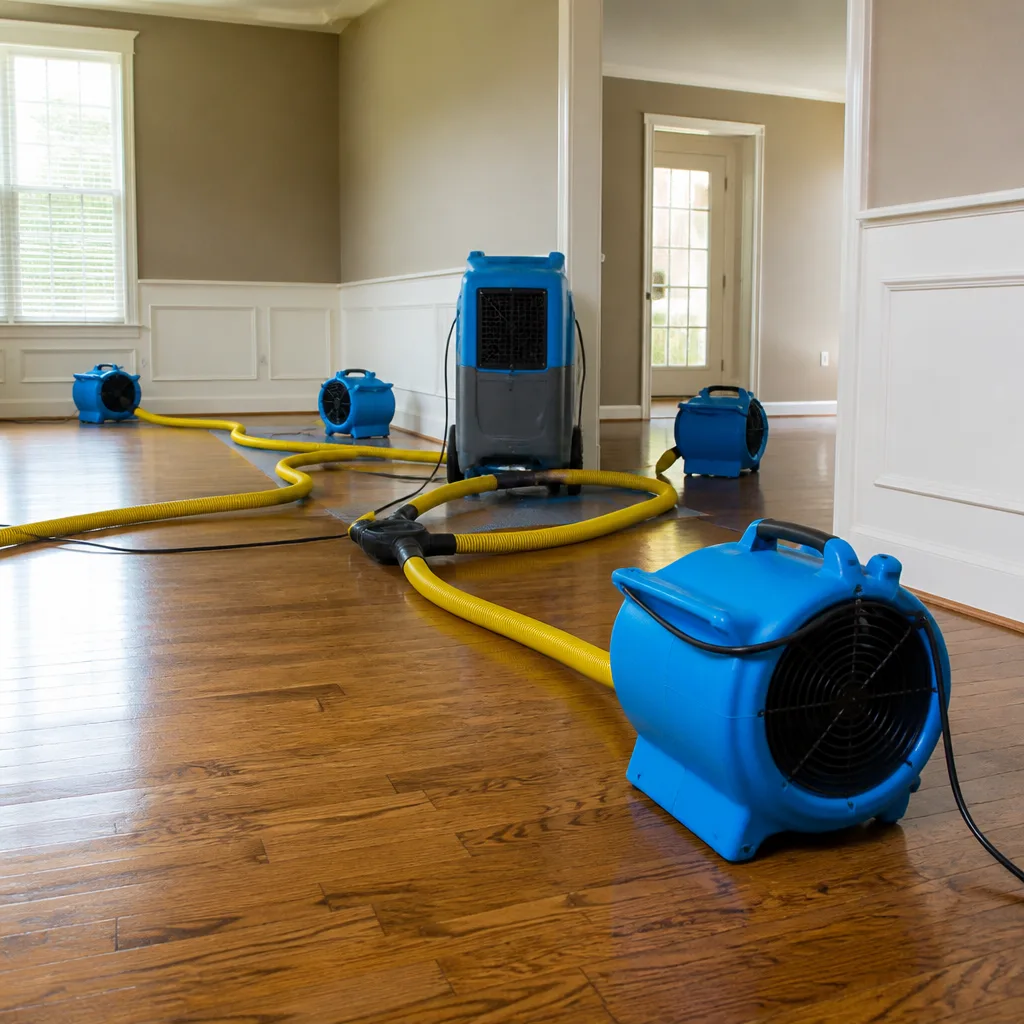
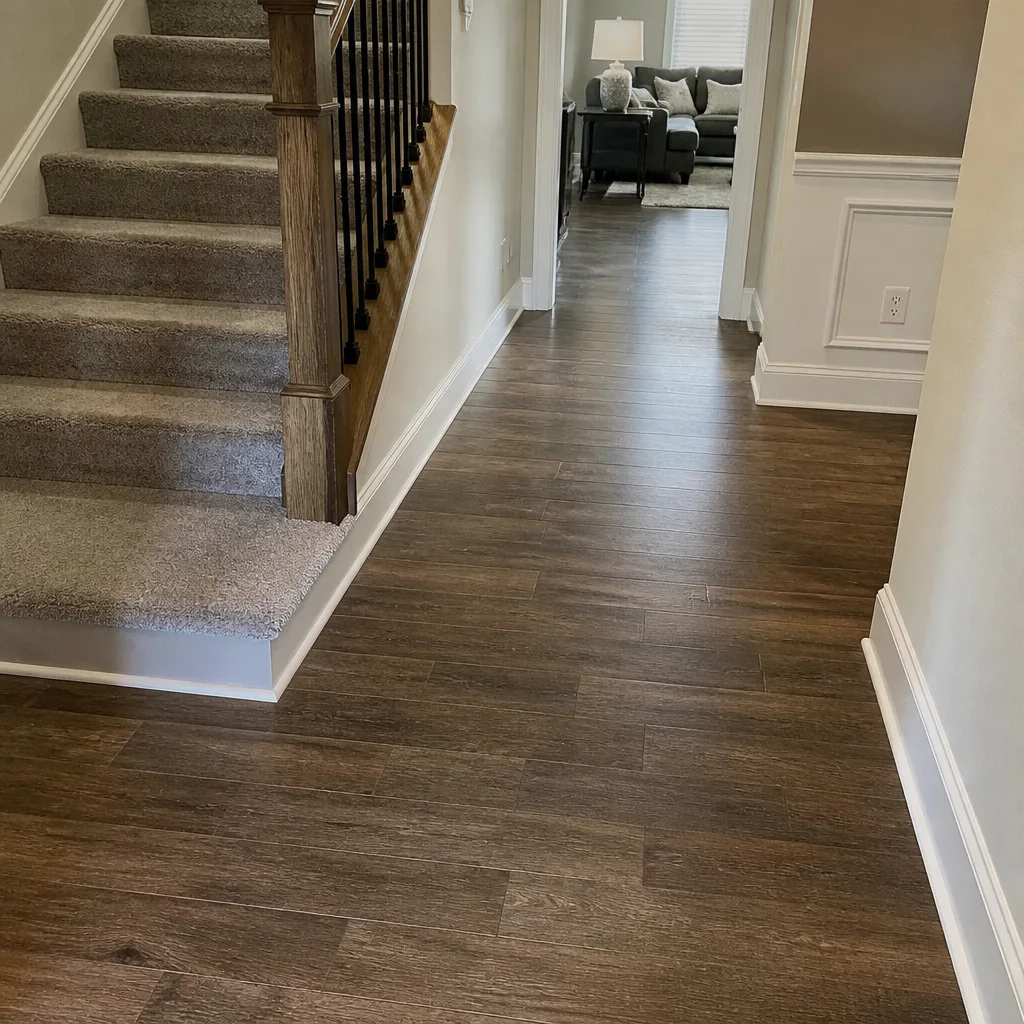
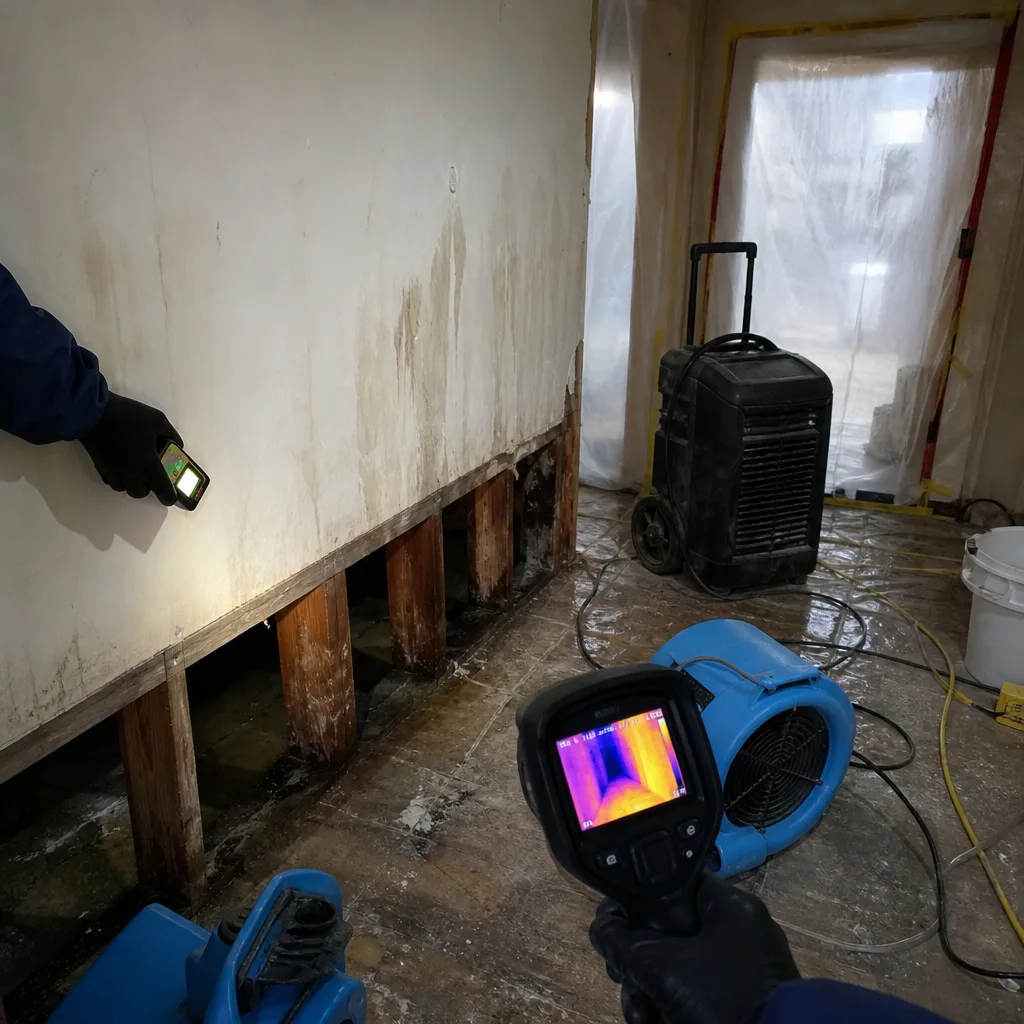 Before
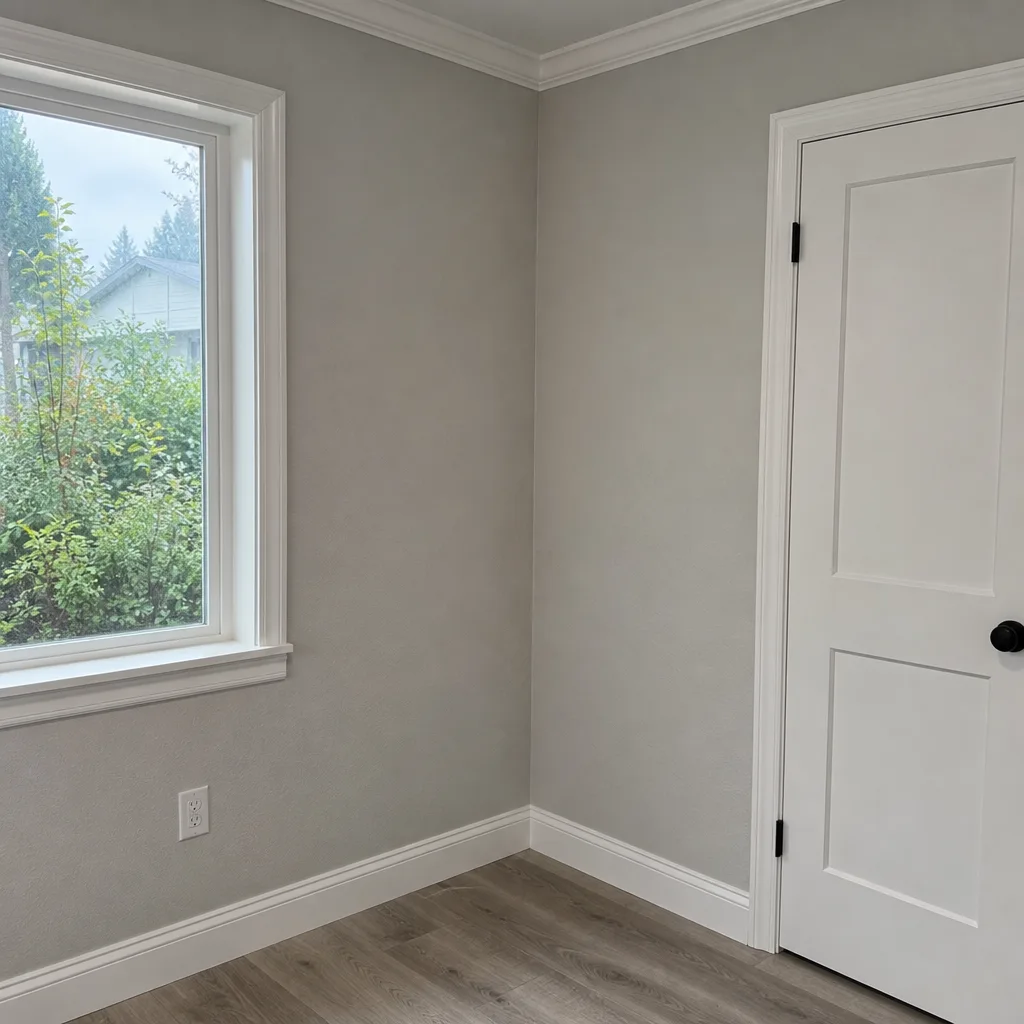 After
After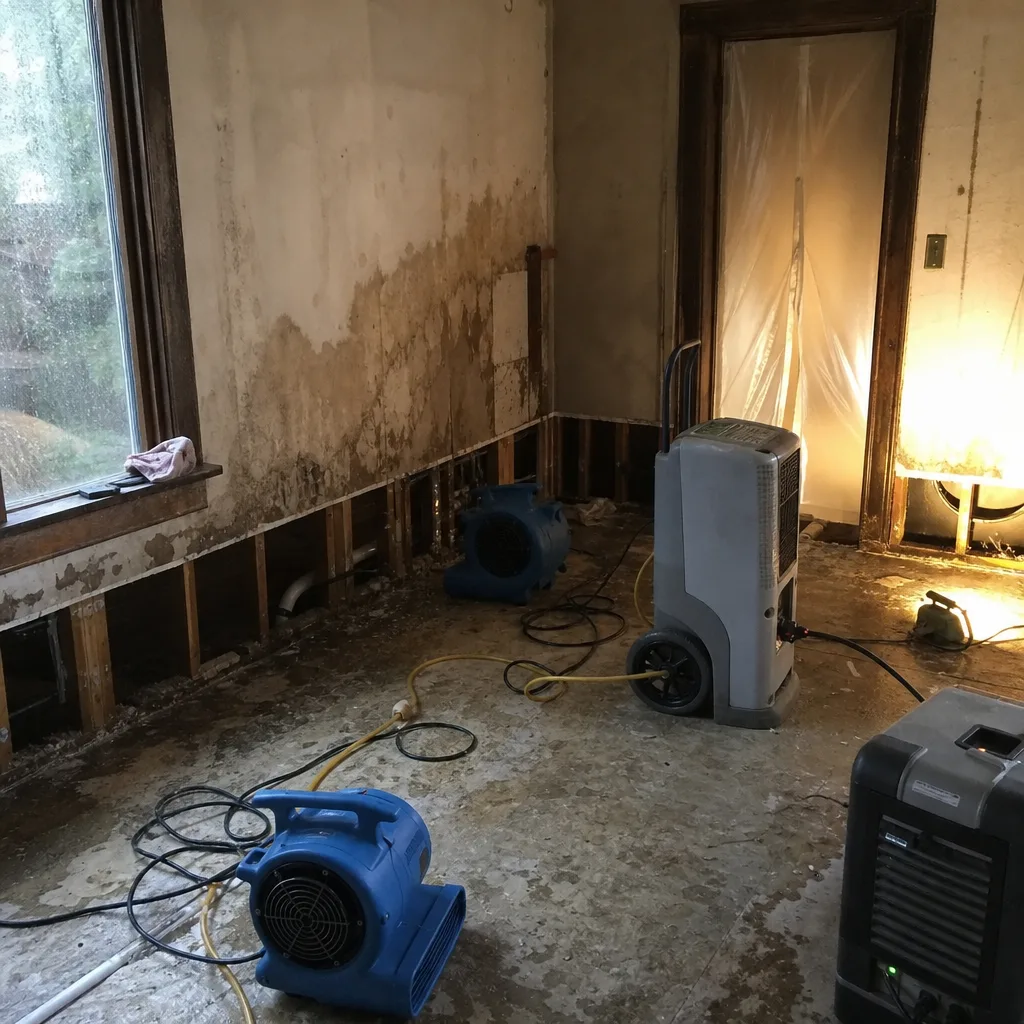 Before
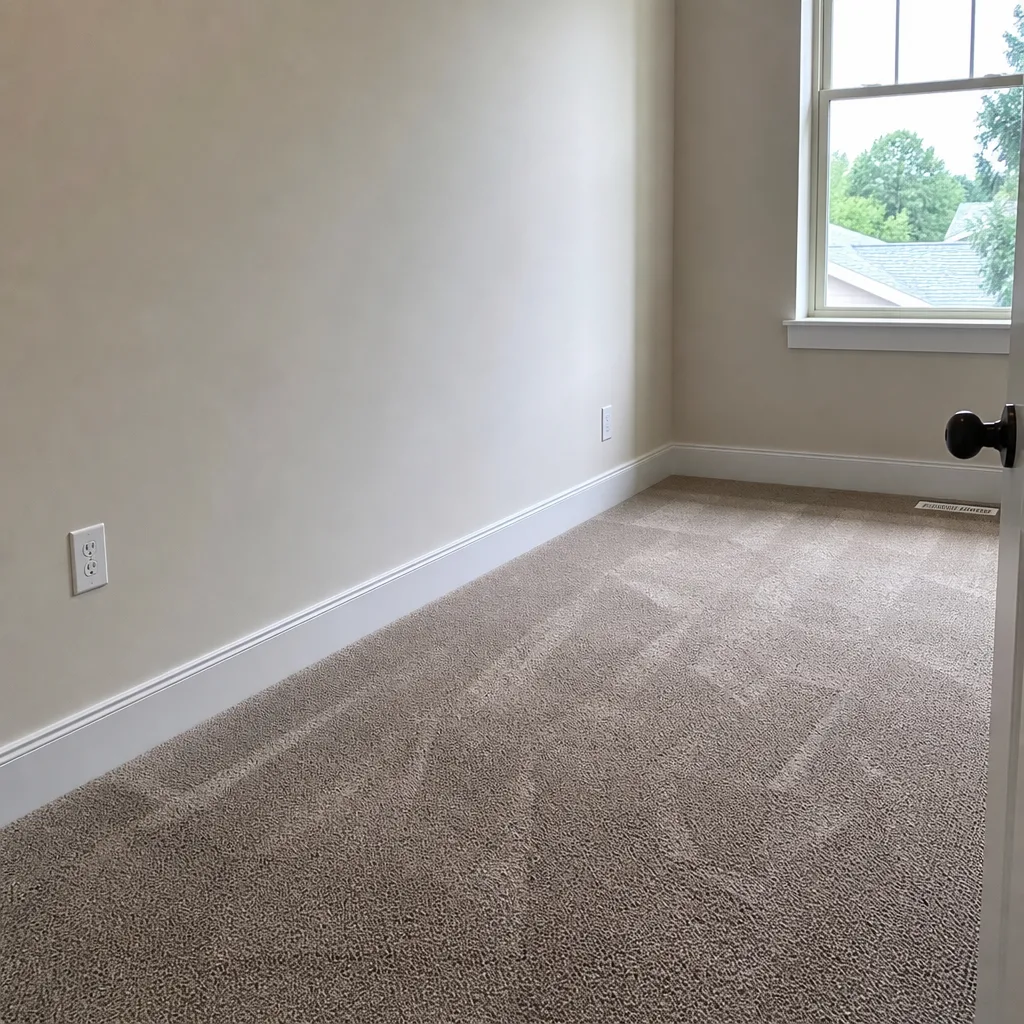 After
After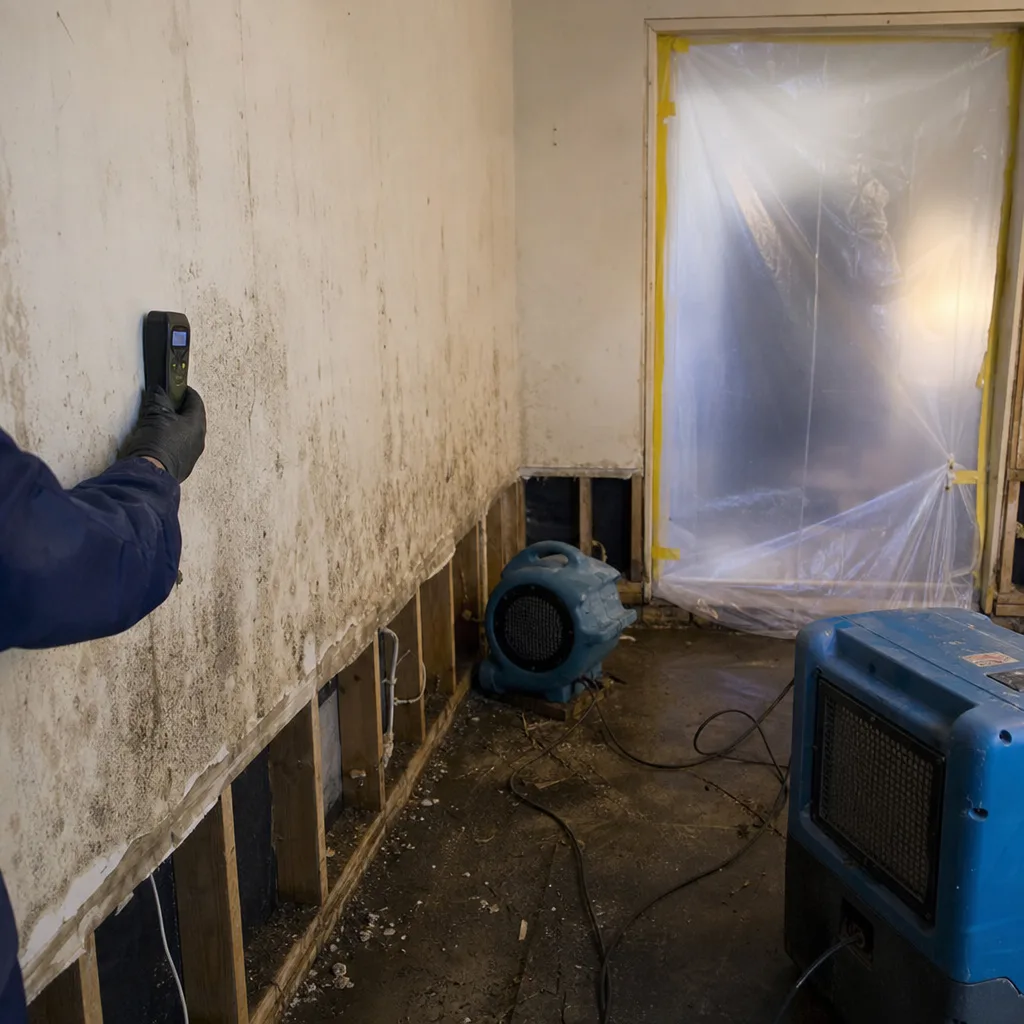 Before
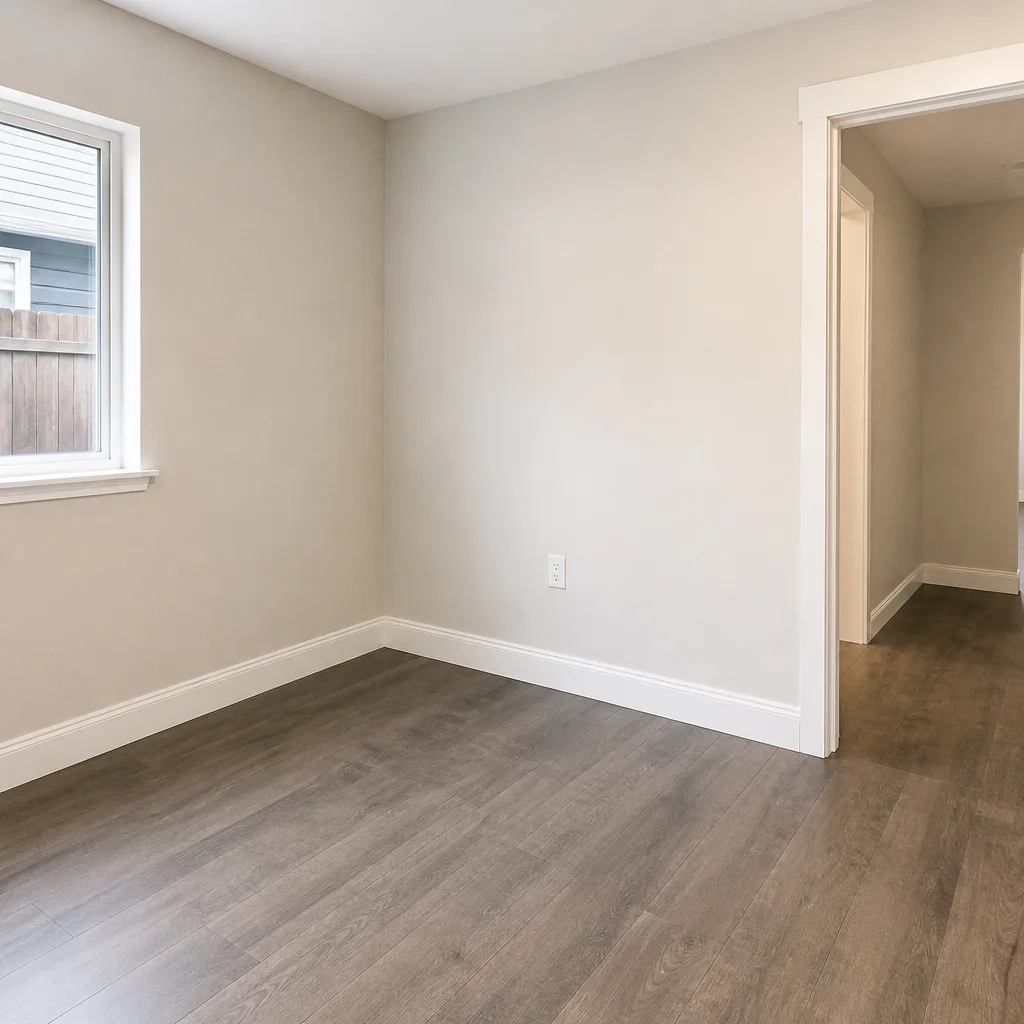 After
AfterDamage Restoration Cost Breakdown: The Tacoma Homeowner’s Reference for 2026
The average Tacoma water damage restoration invoice contains at least three line items that an adjuster has authority to reduce without explanation, and most homeowners never know which three they were. We’ve reviewed thousands of claims since 2011, and the pattern is consistent: invoices that arrive as a single total number get picked apart, while invoices built from unit prices with daily documentation behind each one get paid in full. This guide-along with our more guides & resources-breaks every restoration cost to its component parts using the same Xactimate category codes your adjuster uses, so you can read any invoice line by line and know what documentation protects each charge.
Quick Answer
Water damage restoration in Tacoma typically runs $3,200-$8,500 for mitigation alone on a standard single-family home, with reconstruction adding $12-$28 per square foot depending on finishes. The total claim value often differs by 20-35% between projects with complete day-one documentation and those reconstructed from memory. This guide shows the exact line-item structure, the documentation that protects each charge, and the specific Tacoma market conditions that affect pricing in 2026.
Table of Contents
- How to Read a Restoration Invoice Using Xactimate Codes
- Tacoma Mitigation Costs: Equipment, Labor, and Materials
- Reconstruction Costs Per Square Foot in Tacoma’s 2026 Labor Market
- The Three Categories Adjusters Reduce Most, and the Documentation That Stops Them
- Overhead and Profit (O&P): How It’s Calculated in Washington State
- The Documentation Gap: A Real Tacoma Claim Scenario
- Mold, Fire, and Storm: Where Costs Diverge from Water Damage
- Common Mistakes to Avoid
- When to Call a Professional
- Frequently Asked Questions
BeforeAfterHow to Read a Restoration Invoice Using Xactimate Codes
Most insurers in Tacoma process restoration claims through Xactimate, the pricing software that sets unit costs by ZIP code and trade. When a restoration company submits an invoice as a single total, the adjuster sees a number to negotiate downward. When that same invoice arrives as a line-item scope with Xactimate codes, each charge carries a defined market rate and a specific task description. The adjuster’s authority to reduce shrinks to the items where documentation is thin.
Here is how a typical Tacoma water damage mitigation scope breaks down by Xactimate category:
| Category Code | Description | Typical Unit | Tacoma Range (2026) |
|---|---|---|---|
| WTR | Water extraction and initial mitigation | Per square foot | $1.85-$3.40 |
| DRY | Structural drying (equipment and monitoring) | Per day, per machine | $32-$58 |
| CLN | Antimicrobial application | Per square foot | $0.55-$1.20 |
| DEM | Controlled demolition (wet drywall, flooring) | Per square foot | $2.10-$4.80 |
| HMR | Haul-away and debris removal | Per cubic yard | $48-$95 |
| INS | Insulation removal/replacement | Per square foot | $2.80-$5.50 |
Each code corresponds to a specific action with a measurable output. WTR-DRY-CLN on a 400-square-foot finished basement in North Tacoma, for example, should show: extraction of standing water to a measurable depth, deployment of specific dehumidification equipment with serial numbers logged, and antimicrobial application to defined surfaces. Without that specificity, the adjuster can apply a “lump-sum reduction” of 15-25% that the homeowner may never notice on the Explanation of Benefits.
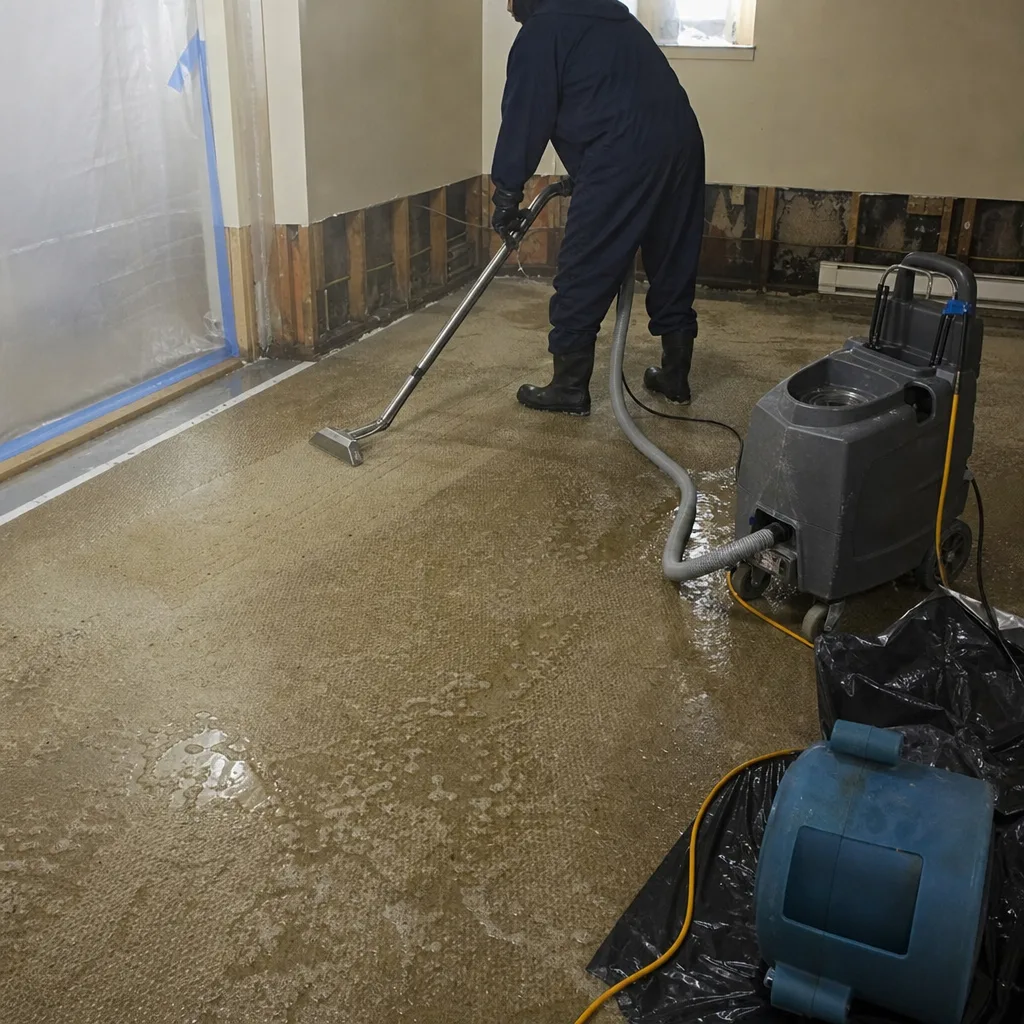
The water damage restoration process in Tacoma follows IICRC S500 standards, which define the psychrometric conditions that justify each day of drying. Psychrometric data, for homeowners unfamiliar with the term, is the measurement of temperature, relative humidity, and vapor pressure that proves a structure is actually dry, not just surface-dry to the touch. Our daily drying logs record these readings room by room, and they are the first document an adjuster requests when challenging DRY category charges.
Tacoma Mitigation Costs: Equipment, Labor, and Materials
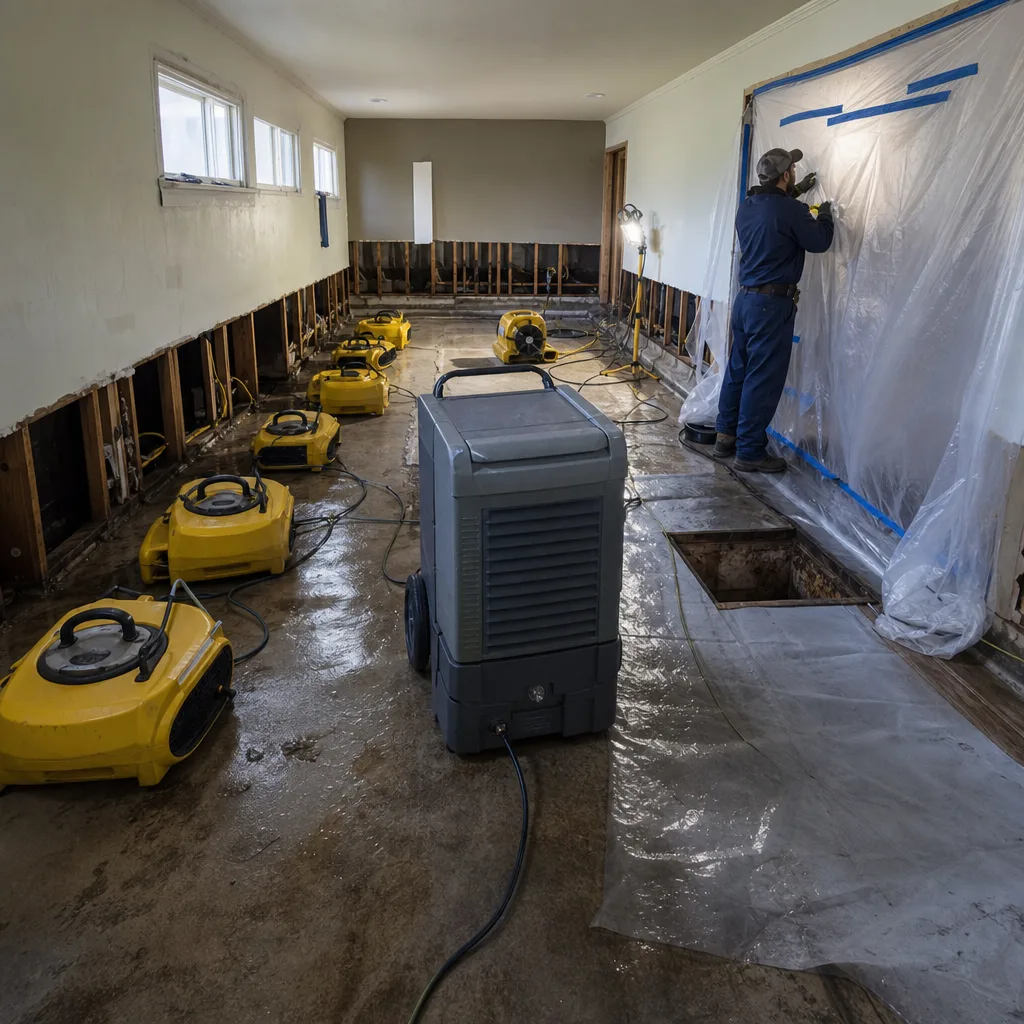
Mitigation is the emergency phase: stopping the water, removing what cannot be saved, and drying what can. In Tacoma’s climate, this phase carries specific complications that affect pricing. The Pacific Northwest’s high ambient humidity, particularly from October through May, means outdoor air often cannot assist drying. We rely on closed-system dehumidification, which extends equipment days compared to drier climates and increases the DRY category total.
Equipment costs per day in Tacoma (2026):
- Refrigerant dehumidifier (Dri-Eaz LGR 7000XLi or Phoenix 200 HT): $42-$58/day
- Desiccant dehumidifier (for hardwood or deep structural drying): $68-$95/day
- Air mover (B-Air Grizzly or XPOWER X-430): $18-$28/day
- Injectidry hardwood floor drying system: $145-$195/day
- Negative air machine with HEPA filtration: $55-$78/day
- Thermal imaging moisture detection (per visit): $125-$195
Labor rates in Tacoma’s restoration market have risen steadily since 2022, driven by demand from new construction and storm seasons that overlap. A certified water damage technician commands $68-$95 per hour in 2026, with lead technicians and project managers at $95-$135. These rates appear in Xactimate as WTR-LAB and DRY-LAB line items, typically billed in quarter-hour increments.
Antimicrobial application, the CLN category, varies by product and affected material. Category 1 clean water losses require less aggressive treatment than Category 2 gray water or Category 3 black water. In Tacoma’s older housing stock, particularly in neighborhoods like Proctor and North Slope where galvanized plumbing still serves some homes, gray water events are more common due to backup scenarios. CLN costs for a Category 3 loss can run 2.5-3 times higher than Category 1, and the product specification (Benefect, Concrobium, or industrial-grade quaternary ammonium) should appear on the invoice.
Reconstruction Costs Per Square Foot in Tacoma’s 2026 Labor Market
Reconstruction begins after mitigation declares the structure dry per IICRC standards. This is remodel work scoped and priced in writing before demolition starts, not emergency service dispatched by the hour. In Tacoma’s current market, reconstruction costs reflect specific regional factors: lumber and drywall delivery from regional suppliers, Damage Restoration Permits, Codes & Inspections in WA: What You Need to Know through the City of Tacoma’s Land Use Services, and the skilled labor shortage that has persisted since 2020.
Typical reconstruction unit costs in Tacoma (2026):
| Item | Unit | Tacoma Range |
|---|---|---|
| Drywall (hang, tape, texture, prime) | Per square foot | $3.80-$6.50 |
| Paint (two coats, standard ceiling/walls) | Per square foot | $1.60-$2.80 |
| LVP flooring (material + install) | Per square foot | $7.50-$14.00 |
| Engineered hardwood (material + install) | Per square foot | $11.00-$19.50 |
| Baseboard (remove and replace) | Per linear foot | $4.20-$7.80 |
| Electrical outlet relocation/replacement | Per outlet | $185-$325 |
| Permit and inspection (City of Tacoma) | Per project | $285-$650 |
The permit line deserves attention. Tacoma requires permits for reconstruction affecting structural, electrical, or plumbing systems, and for any work exceeding $6,000 in value. A restoration company that omits permit costs from the initial scope is either absorbing them (unlikely) or planning to add them later (a scope-creep scenario that Haven Standard, Clause 1 prohibits). Our written prices include permit identification and estimated fees before work begins.
Finish quality drives the range within each category. A basement rental unit in South Tacoma may receive standard flat paint and LVP flooring at the lower end. A primary bedroom in the Stadium District with custom trim and Level 5 drywall finish will run toward the upper end or beyond. The written scope should specify the finish level, not assume it.
The Three Categories Adjusters Reduce Most, and the Documentation That Stops Them
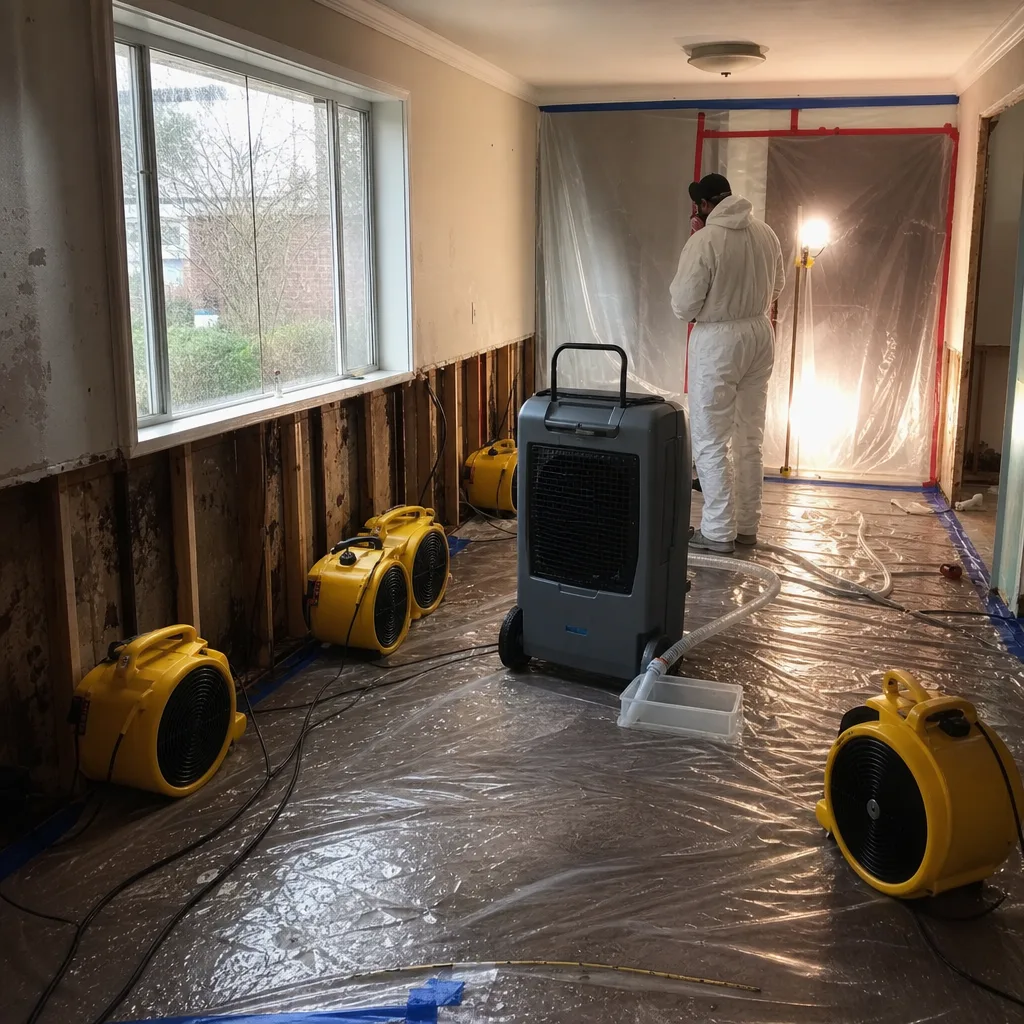
After reviewing thousands of claims, we’ve identified the three line-item categories where Tacoma-area adjusters most frequently apply reductions, and the specific documentation that prevents each one.
1. DRY (Structural Drying): Excess Equipment Days
Adjusters challenge DRY charges when the invoice shows more drying days than the adjuster’s rule-of-thumb suggests. The defense is daily documentation: moisture readings with meter type and calibration date, equipment serial numbers proving the machines were actually on-site, and psychrometric data showing progressive drying. Our drying logs, delivered to the homeowner and available to the adjuster, include all three. A log that shows vapor pressure differential, the measurable force that drives moisture from materials into the air, demonstrates that drying was actively managed, not passively waited out.
2. CLN (Antimicrobial Application): Unnecessary or Excessive Treatment
Adjusters reduce CLN when the invoice lacks justification for the product used or the area treated. Documentation here requires: water category classification per IICRC standards, material-specific treatment protocols, and product data sheets showing EPA registration for the intended use. We photograph each treated area before and after application, with timestamps, and include these in the photo record delivered to the homeowner.
3. O&P (Overhead and Profit): Eligibility Disputes
O&P is not a line item on every claim, and its absence or reduction is often the largest dollar impact on the homeowner. We address this in the next section, but the documentation principle is the same: a written scope with multiple trades, properly coded, triggers O&P eligibility under standard policy language. A single-total invoice obscures the multi-trade nature of the work and invites O&P denial.
Overhead and Profit (O&P): How It’s Calculated in Washington State
Overhead and Profit represents the contractor’s cost of business operations and net earnings, typically calculated as 10% overhead plus 10% profit, applied to the subtotal of repair work. In Washington State restoration claims, O&P is standard on projects involving three or more trades, though insurers may dispute its application to mitigation-only scopes.
The policy language that governs O&P is typically the “Reasonable Repairs” or “Property Protection” clause, which obligates the insurer to pay the cost of work necessary to protect the property from further damage and restore it to pre-loss condition. Case law in Washington, including precedents from the Western District, supports O&P on multi-trade restoration where the contractor coordinates trades, schedules inspections, and warrants the work.
Here is how O&P affects a typical Tacoma claim:
| Scenario | Subtotal | O&P (20%) | Total |
|---|---|---|---|
| Mitigation only (water extraction, drying, demo) | $4,800 | $0 (disputed) | $4,800 |
| Mitigation + reconstruction (drywall, paint, flooring) | $14,200 | $2,840 | $17,040 |
| Full rebuild (multiple trades, permit, inspection) | $28,500 | $5,700 | $34,200 |
The difference between row one and row two, $2,840 on a typical claim, is often the largest single adjustment an adjuster makes. A scope that clearly separates mitigation from reconstruction, with trade-specific line items, establishes the three-trade threshold that triggers O&P. A single-total invoice does not.
Our Tacoma restoration services include written scopes that separate mitigation and reconstruction phases, with trade identification on each line item, specifically to protect O&P eligibility. This is not padding; it is accurate coding of work that is already being performed.
The Documentation Gap: A Real Tacoma Claim Scenario
In March 2024, we were called to a water loss in the North End of Tacoma, a 1920s bungalow with a finished basement. A failed washing machine supply line had released approximately 80 gallons of Category 2 water. The homeowner had initially contacted another company, which extracted visible water and placed two fans, then submitted a single-page invoice for $2,400 with no daily logs, no equipment serial numbers, and no moisture readings.
The adjuster reduced the claim to $1,680, a 30% cut, citing “insufficient documentation to support drying duration.” The homeowner, now with a basement that smelled of mildew six weeks later, called us for a second opinion.
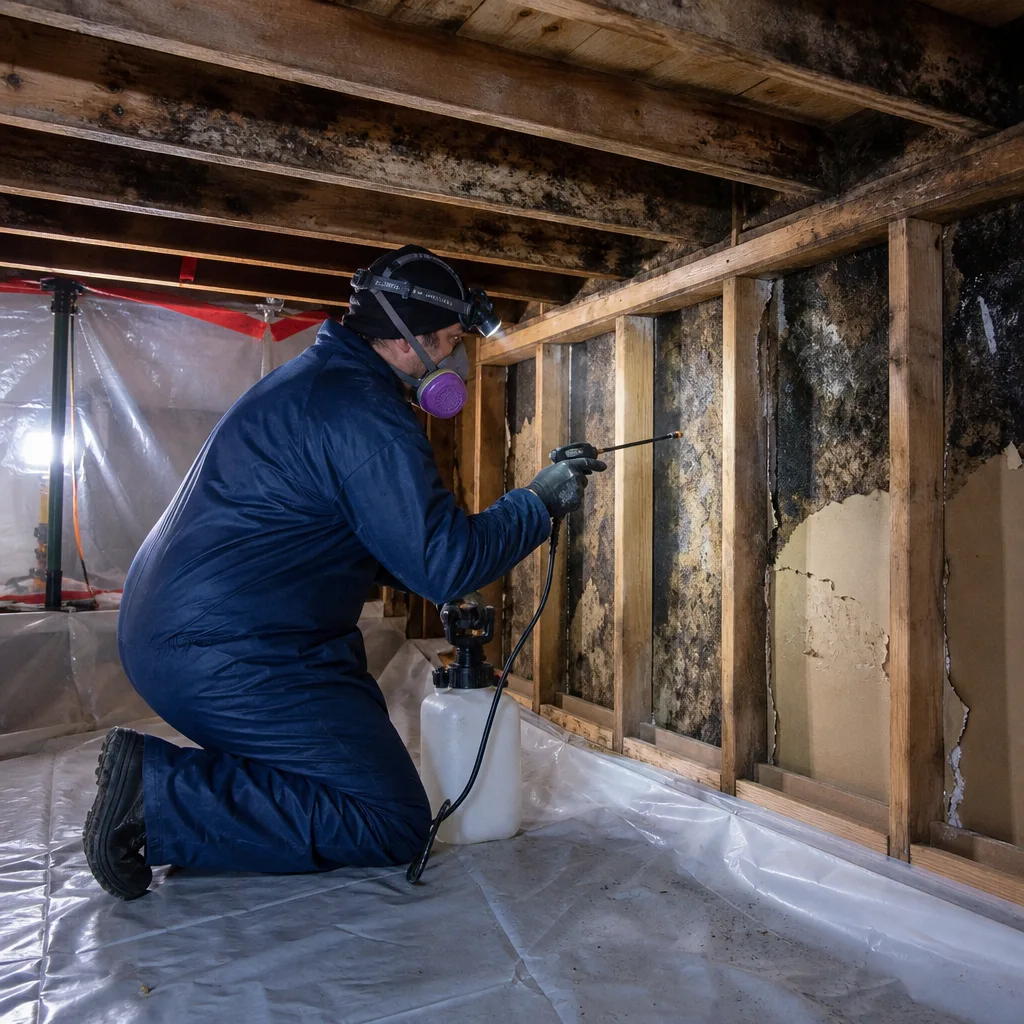
Our assessment found moisture content in the sill plate at 22%, well above the 16% threshold for dry per IICRC standards, with secondary mold growth on the back side of the drywall that had been left in place. We documented everything: thermal images showing the moisture boundary, moisture readings with meter calibration dates, and a written scope before demolition began.
The complete remediation and reconstruction scope totaled $8,400. The difference between the initial $2,400 invoice (reduced to $1,680) and the actual cost of proper restoration, $8,400, is the documentation gap. The homeowner’s out-of-pocket exposure, after insurance, was determined by whether the initial scope was defensible.
This scenario repeats across Tacoma, particularly in older neighborhoods where building assemblies are less forgiving of incomplete drying, as covered in our Damage Restoration Warning Signs: A Tacoma Homeowner’s Reference Guide. The Hilltop, Central Tacoma, and Lincoln District all have significant pre-1950 housing stock where moisture trapped in lath-and-plaster or balloon framing creates secondary damage that appears months later. Daily documentation, with equipment serial numbers and moisture readings, is the only protection against both adjuster reduction and latent damage.
Mold, Fire, and Storm: Where Costs Diverge from Water Damage
While water damage forms the baseline for restoration pricing, mold remediation, fire and smoke restoration, and storm damage each carry cost structures that diverge significantly.
Mold Remediation
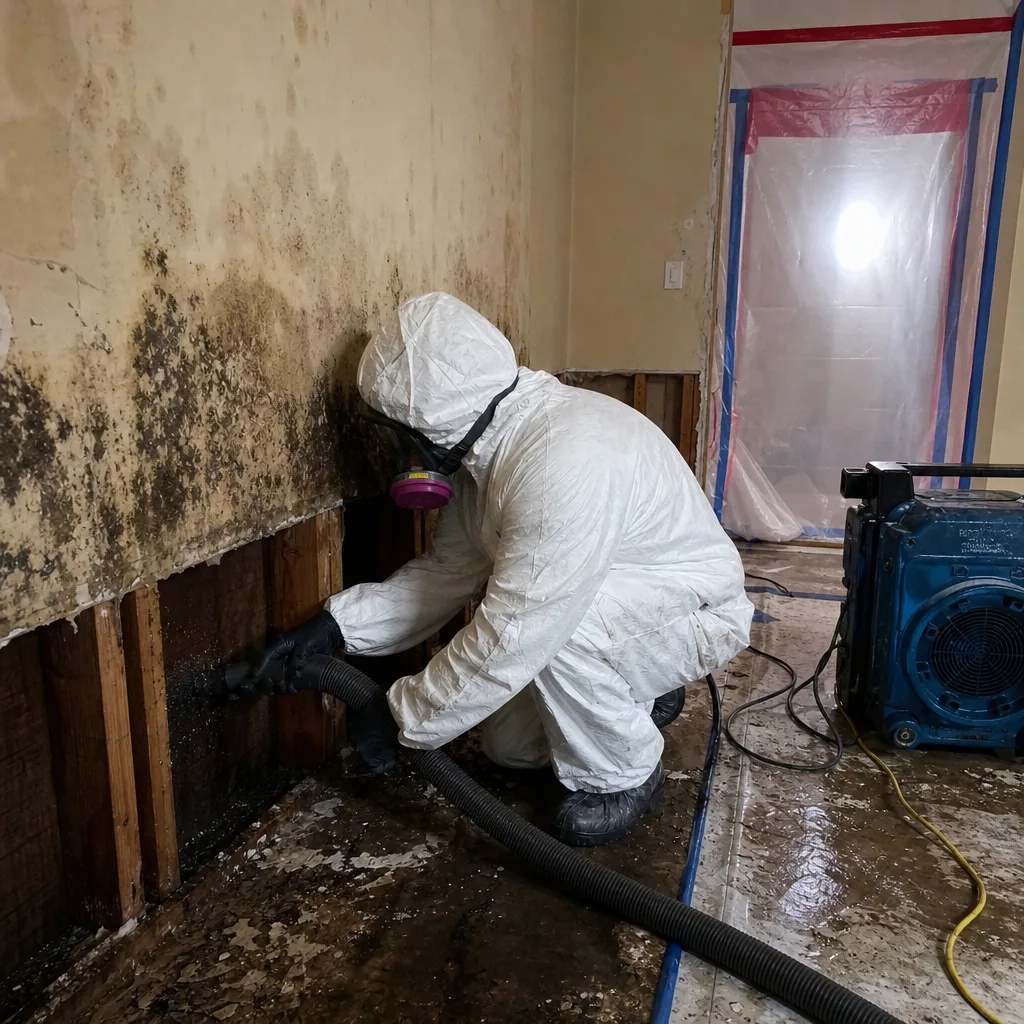
Mold claims in Tacoma are heavily influenced by two local factors: the region’s high humidity, which sustains active growth year-round, and the prevalence of crawl spaces in mid-century homes, particularly in East Tacoma and the Port area. Crawl space mold remediation requires containment, negative air pressure, and often removal of vapor barrier and insulation. Costs typically run $15-$28 per square foot of affected area, with containment setup (a fixed cost) making small jobs disproportionately expensive. A 200-square-foot crawl space mold job may cost $3,800-$5,600, while a 1,200-square-foot basement with surface mold might run $8,500-$14,000.
Air quality testing, required in Washington for post-remediation clearance, adds $450-$780 for a standard three-sample panel. This is not optional for documented remediation; it is the proof that the job was completed to standard.
Fire and Smoke Damage
Fire restoration costs are driven by the distinction between structural damage (burned materials) and content damage (smoke-impacted belongings). Structural fire restoration in Tacoma runs $45-$85 per square foot for partial losses, with total losses rebuilding at market construction rates. Content restoration, including ultrasonic cleaning of electronics and textiles, is priced per item or per cubic foot of storage.
The critical documentation in fire claims is the scope separation: what is cleaned, what is replaced, and the basis for each decision. Adjusters challenge replacement of smoke-impacted items when cleaning is technically possible, even if not practical. Our photo documentation includes close-ups of smoke residue patterns, which support replacement recommendations when cleaning would not restore function or appearance.
Storm and Disaster Damage
Tacoma’s storm risk includes wind-driven rain, tree impact, and occasional snow load damage. Storm claims often involve multiple perils (water, wind, impact) with separate deductibles and coverage limits. Documentation here requires peril-specific identification: which damage occurred during the storm event, which developed subsequently due to delayed mitigation, and the timeline connecting each. A tree impact that breaches the roof, followed by rain intrusion, creates both wind and water claims with different documentation requirements.
Common Mistakes to Avoid
- Accepting a single-total invoice. An invoice without line items is built to be negotiated downward. Demand Xactimate-coded line items with unit prices, quantities, and extended totals for every charge.
- Starting reconstruction before the structure is verified dry. In Tacoma’s humid climate, surface dryness is misleading. Moisture readings in wood framing should reach 16% or below before drywall or flooring goes back; otherwise, you’re building over active moisture.
- Overlooking permit requirements. Tacoma requires permits for electrical, plumbing, and structural work over $6,000. Unpermitted work can void insurance coverage and create title issues on sale.
- Assuming all antimicrobial treatments are equal. The product matters for both efficacy and insurance coverage. EPA-registered products with specific claims for the water category and material type are documentable; generic “disinfectant” claims are reduction targets.
- Neglecting to document pre-existing conditions. Photos of the property before work begins protect against claims that damage was pre-existing. This is particularly important in Tacoma’s older neighborhoods where wear is expected.
- Signing a direction-to-pay without understanding the scope. Some contractors ask homeowners to sign insurance proceeds directly to the contractor. Do not sign without a written scope, a fixed price, and a clear understanding of what happens if the insurance payment is less than the scope total.
When to Call a Professional
Call for professional assessment when water has affected finished materials (drywall, flooring, cabinets), when the water source is Category 2 or 3 (gray or black water), when mold is visible or suspected, or when the affected area exceeds approximately 10 square feet. In Tacoma’s climate, delays of even 24-48 hours in professional drying can convert a Category 1 loss to Category 2, or a manageable water loss to a mold remediation.
For fire, smoke, or biohazard situations, professional response is appropriate immediately. These situations involve safety hazards and regulatory requirements that homeowner action cannot address.
DryMark Restoration Tacoma offers free estimates in Tacoma. Call (253) 265-9692 for a written scope before any work begins, or bring a competitor’s written estimate for our free second opinion.
Frequently Asked Questions
Water damage mitigation for a typical Tacoma single-family home runs $3,200-$8,500, with reconstruction adding $12-$28 per square foot depending on finishes. A finished basement with LVP flooring and standard drywall might total $8,500-$14,000 for mitigation and reconstruction combined. Call (253) 265-9692 for a written estimate specific to your situation, estimates are free.
Most Tacoma homeowners policies cover sudden and accidental water damage, subject to the policy deductible and coverage limits. The amount paid depends heavily on documentation: claims with daily drying logs, equipment serial numbers, and moisture readings are paid at higher rates than those with single-total invoices. We document to IICRC, RIA, and IFA standards specifically to support full claim payment, and we coordinate directly with adjusters when requested.
For emergency water damage, DryMark Restoration Tacoma provides live phone coverage 24 hours a day, 7 days a week with no voicemail on emergency lines. Dispatch times vary by current call volume and your location within Tacoma, but emergency mitigation is prioritized same-day. Reconstruction work is scheduled, not dispatched, and is scoped in writing before any work begins.
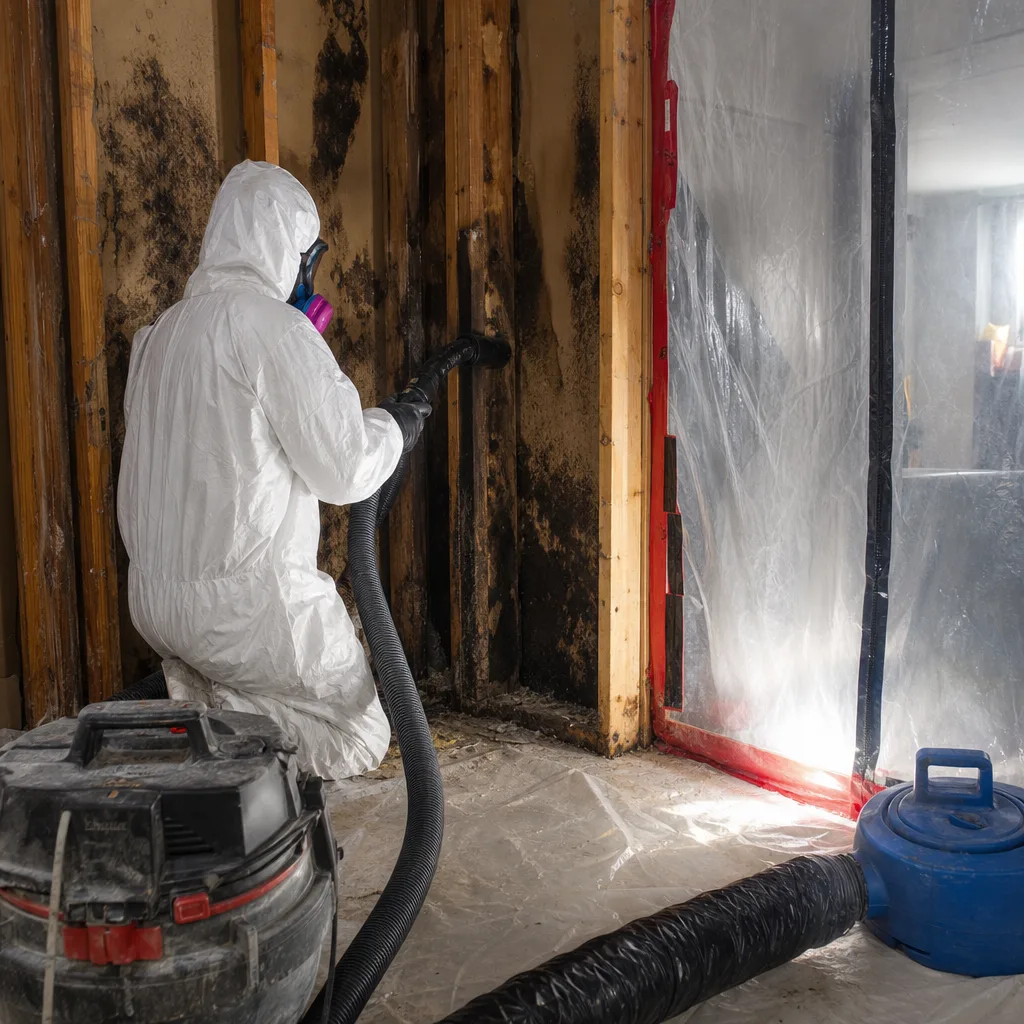
Visible mold growth exceeding 10 square feet, or any mold resulting from Category 2 or 3 water damage, requires professional remediation per IICRC S520 standards. DIY cleaning of surface mold often spreads spores and leaves root structures intact. In Tacoma’s humid climate, incomplete remediation typically returns within 6-12 months. Professional remediation includes containment, negative air pressure, HEPA filtration, and post-remediation air quality testing that documents completion.
We can coordinate directly with your adjuster, or work through you, whichever you prefer. Our documentation package, daily drying logs, and photo record are designed to answer the standard adjuster questions before they are asked. Many Tacoma homeowners prefer direct coordination, which we provide with your authorization, so that scope questions are resolved by the party who performed the work.
The Haven Standard is the operating framework Alicia Brennan established when founding Back to Dry in 2011. It includes specific clauses that protect homeowners: Clause 1 requires a written price before any work starts, with no scope-creep additions once the crew is inside. The 365-Day Done Right Promise, also under The Haven Standard, guarantees that if work is not done right, we make it right. These are written commitments, not marketing language, and they prevent the cost overruns that occur when scopes are verbal or incomplete.
Price differences usually reflect scope differences: what is included in drying (structural materials only, or contents and structural), what reconstruction is assumed, and what documentation is provided. A lower price may omit equipment days that Tacoma’s humidity actually requires, exclude permit costs, or plan to add charges later. The Haven Standard, Clause 1, requires that our written price includes everything we can identify before work begins, so that the price you approve is the price you pay.
The Bottom Line
Restoration costs in Tacoma are knowable, line by line, when the invoice is built from unit prices with documentation behind each charge. The difference between a claim that is paid in full and one that is reduced by 20-35% is usually not the work performed, but the documentation that proves it. This guide gives you the structure to read any invoice, ask the right questions, and hold every party, including us, accountable to the numbers.
Written by Alicia Brennan, Owner at DryMark Restoration Tacoma, serving Tacoma since 2011.