
Last updated September 23, 2026
Free visual inspection and a written scope of work before any mitigation begins - photos, moisture readings, and drying logs go in your claim file
The scope we write is the scope we bill. Anything new gets shown to you, in writing, before we touch it.
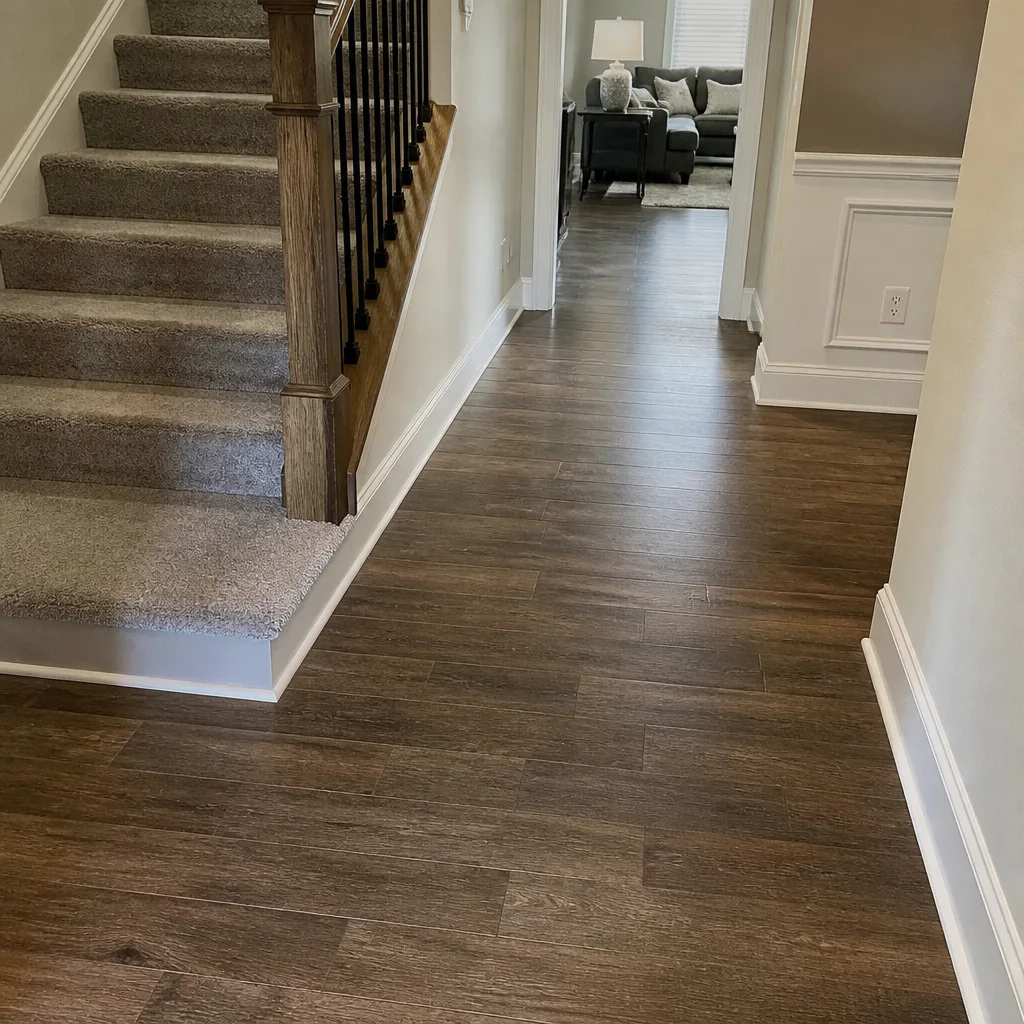
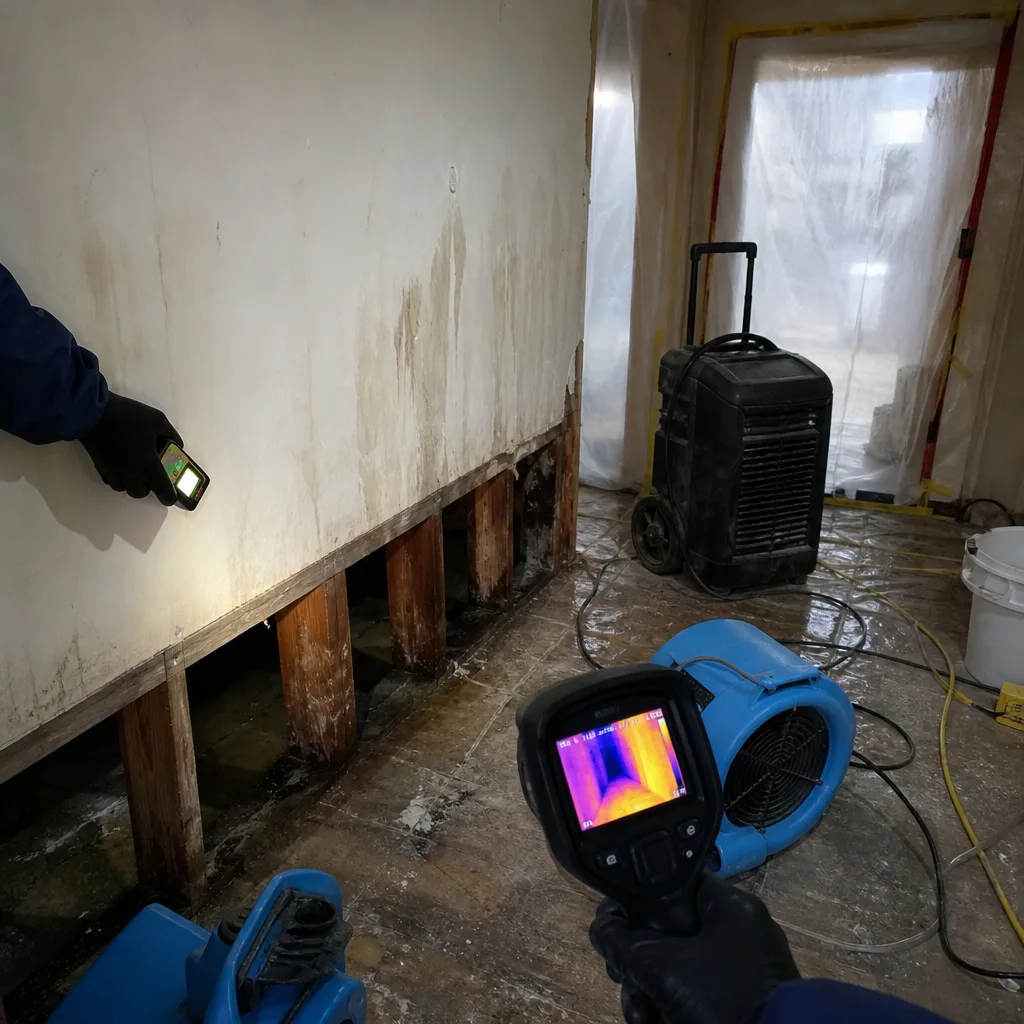 Before
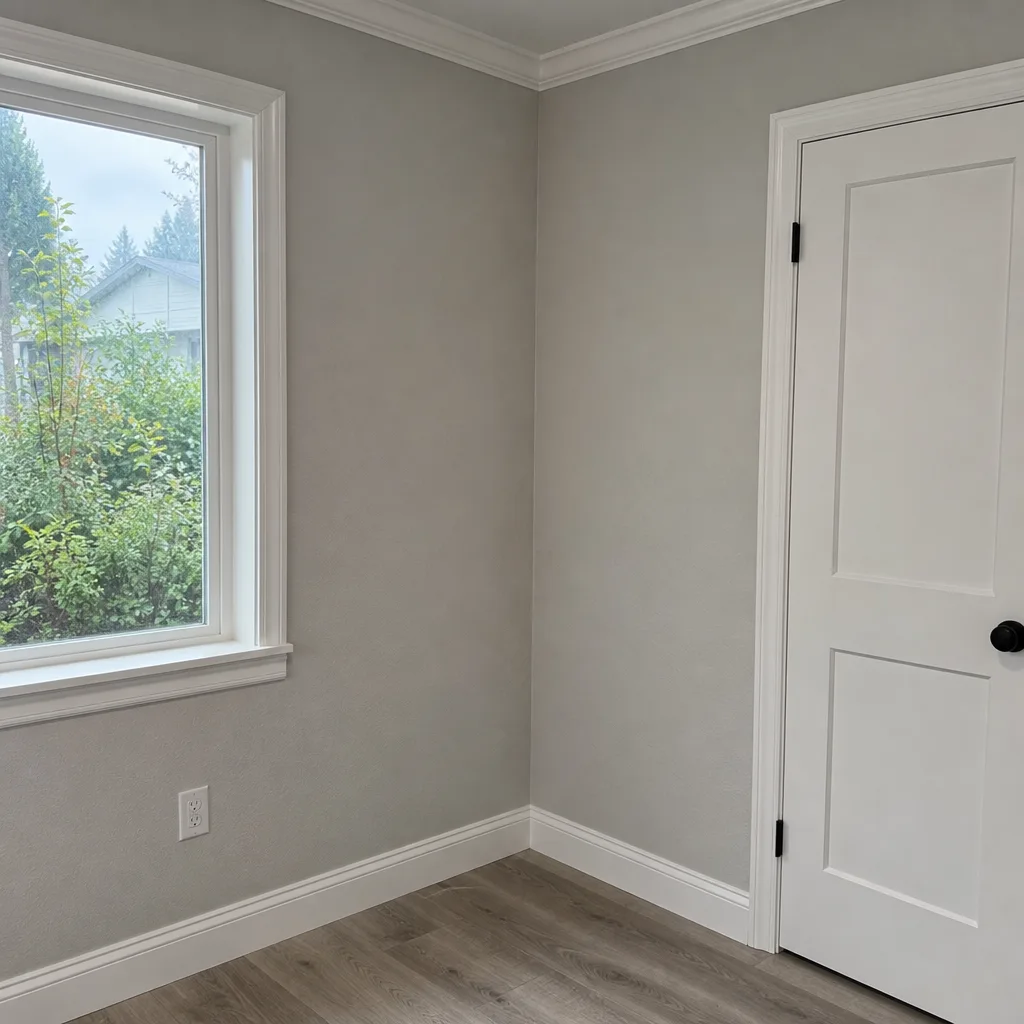 After
After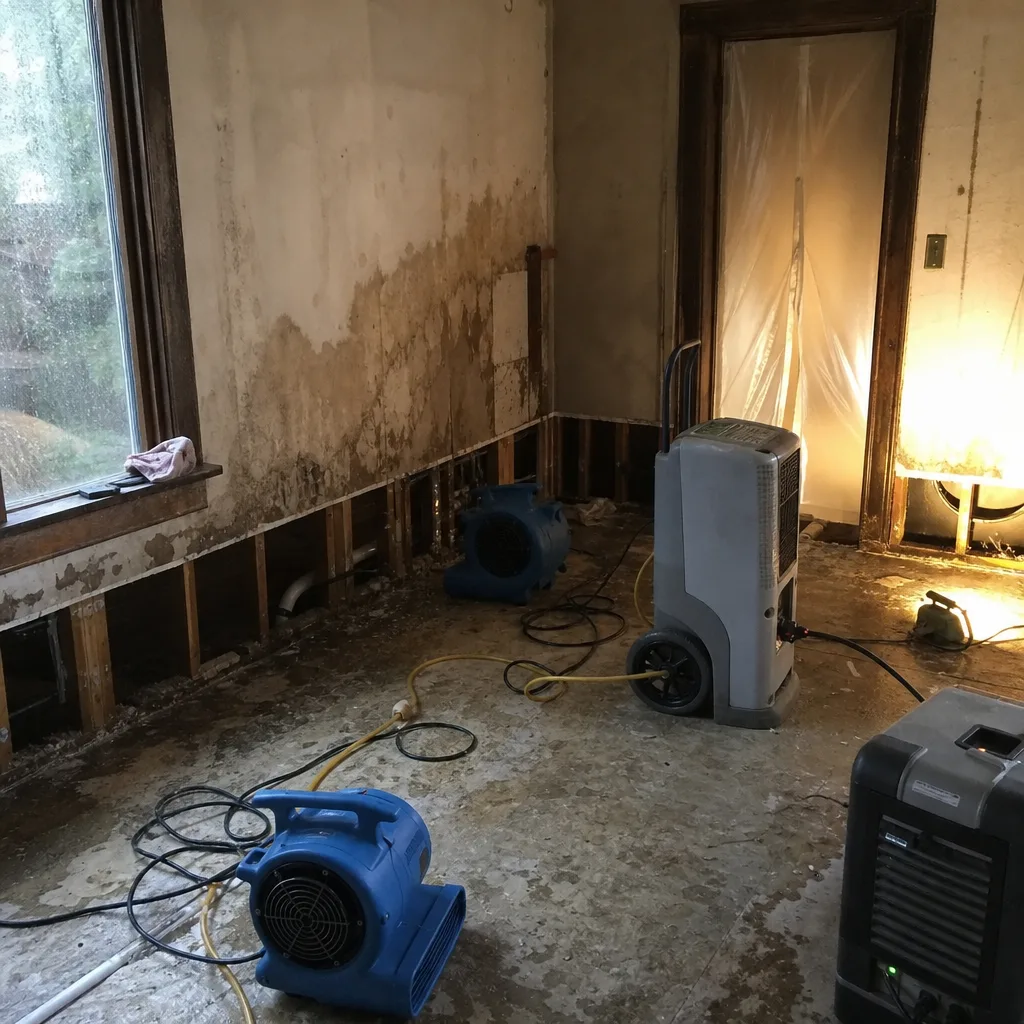 Before
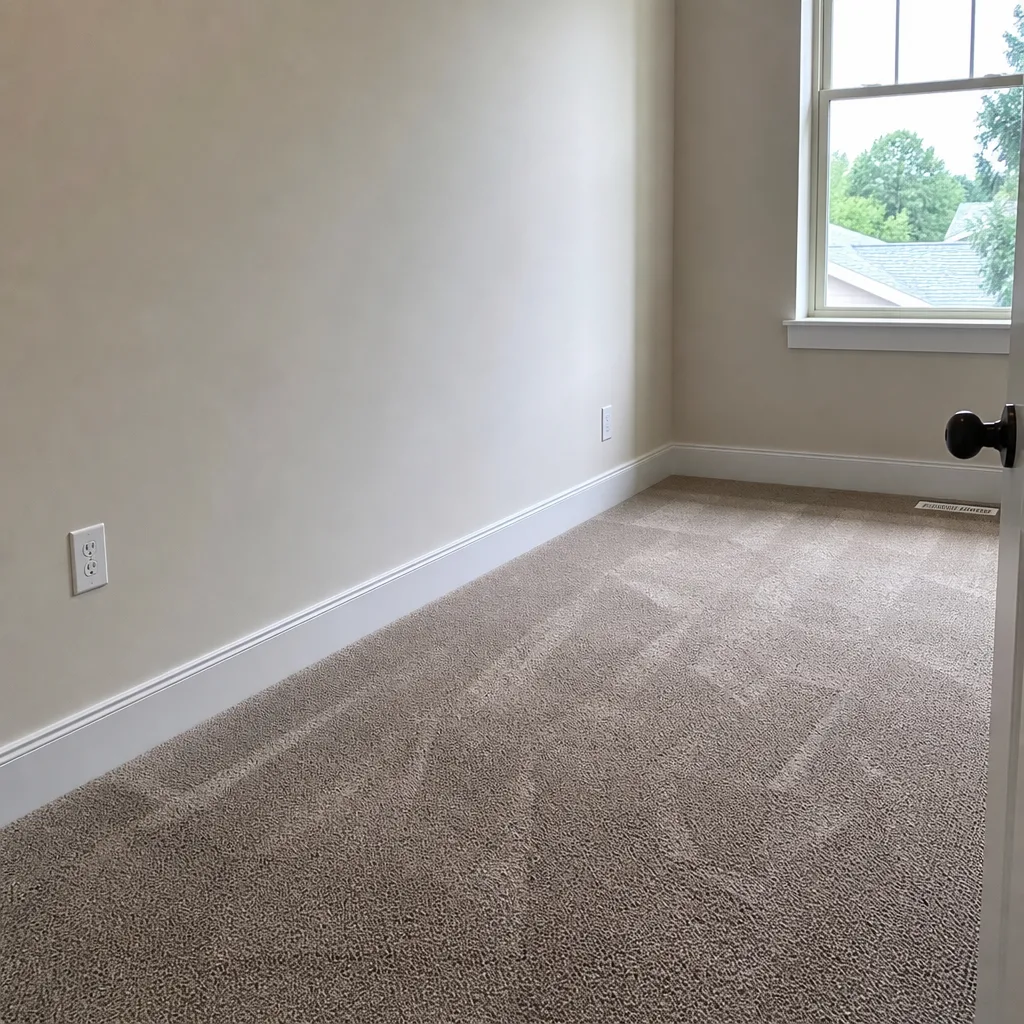 After
After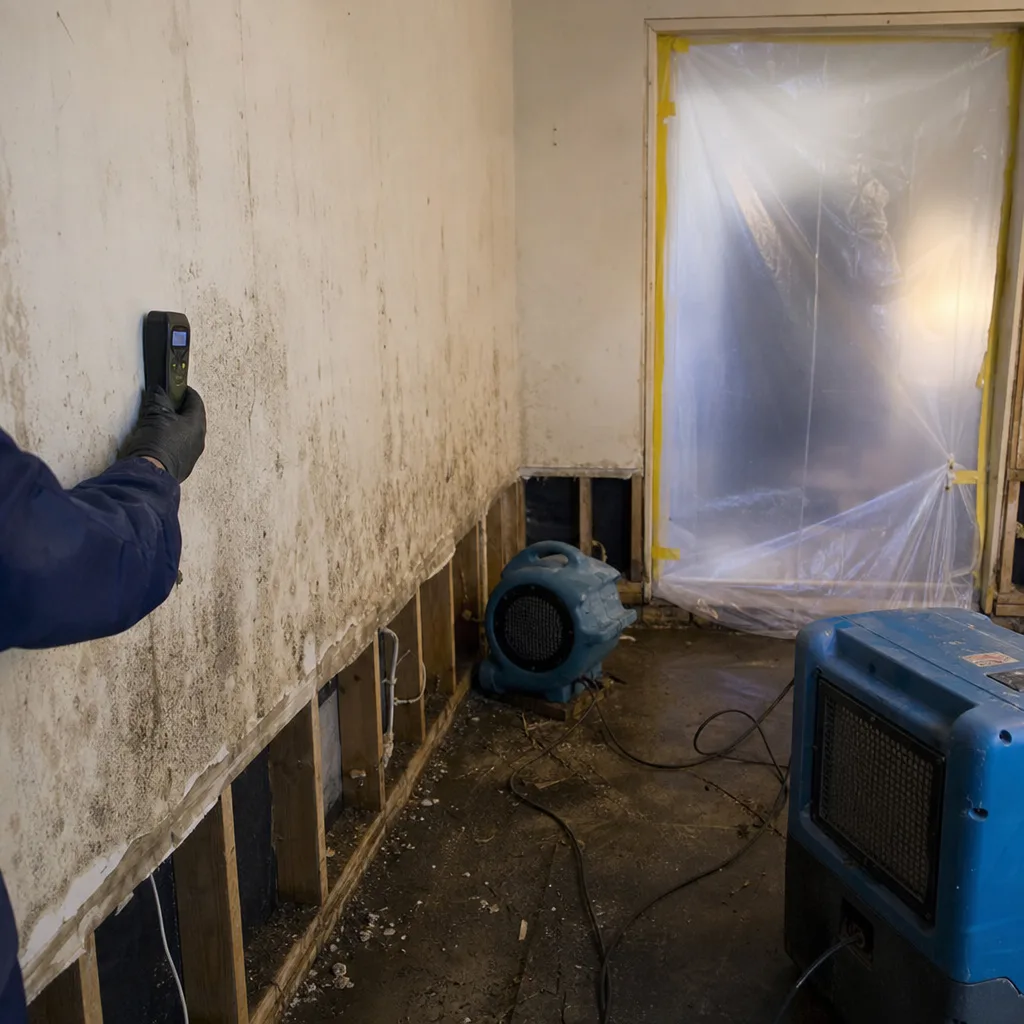 Before
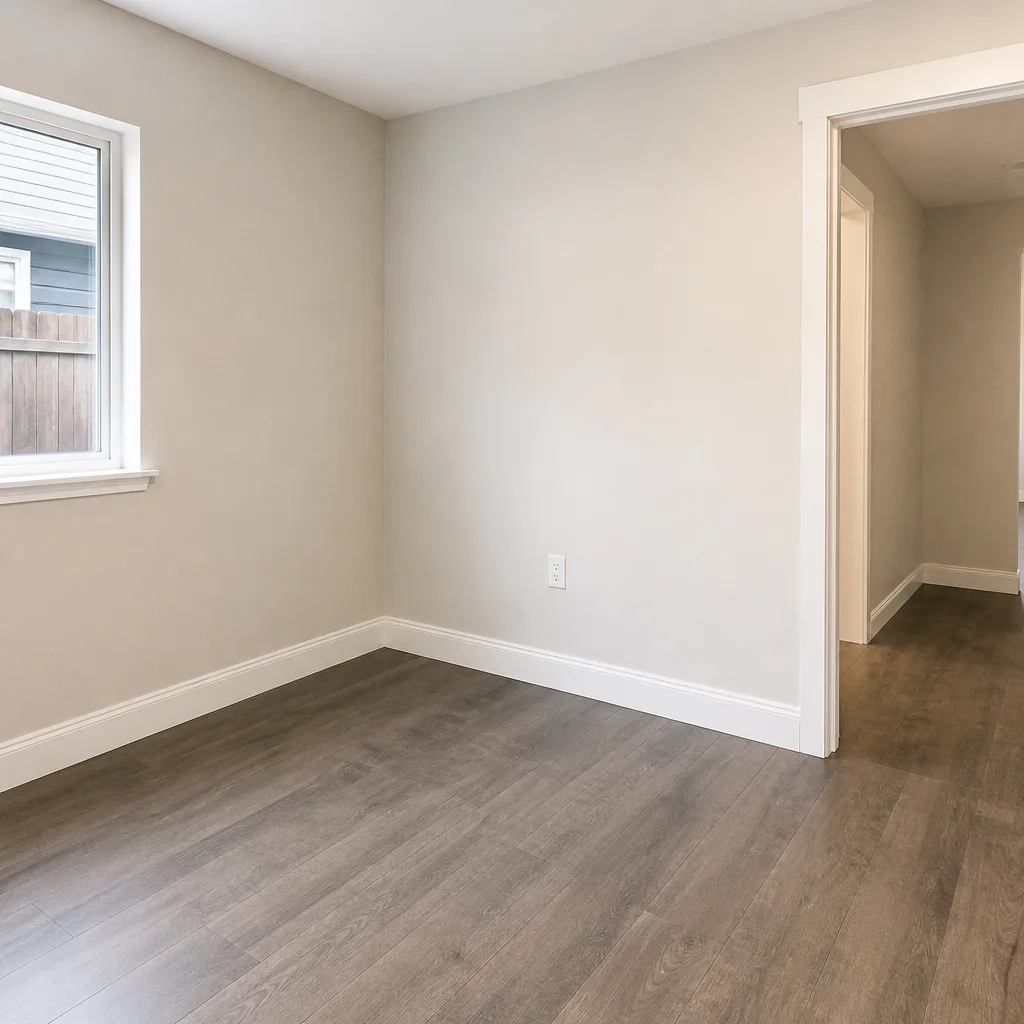 After
AfterDamage Restoration Permits, Codes & Inspections in WA: What You Need to Know
A restoration project that skips a required City of Tacoma permit doesn’t just risk a stop-work order - it eliminates the only third-party inspection record that could corroborate your contractor’s scope of work if the insurer demands proof. In our experience reviewing competitor estimates since 2011, we’ve seen homeowners lose thousands in covered payments because the work was “completed” with no inspection trail. This guide explains what Washington and Tacoma codes actually require, how to distinguish permit-triggering work from mitigation-only scopes, and why the inspection record belongs in your claim file, not in your contractor’s desk drawer. For Damage Restoration Warning Signs: A Tacoma Homeowner’s Reference Guide, see our companion resource.
Quick Answer
Most water and fire damage mitigation - drying, cleaning, debris removal - does not require a permit in Tacoma. But structural repairs, electrical replacement, plumbing rerouting, and any work affecting load-bearing elements trigger City of Tacoma permits under the Washington State Building Code. A passed inspection creates a public record that protects your insurance claim and your property’s resale value; skipped permits create a documentation gap that insurers and buyers can exploit.
Table of Contents
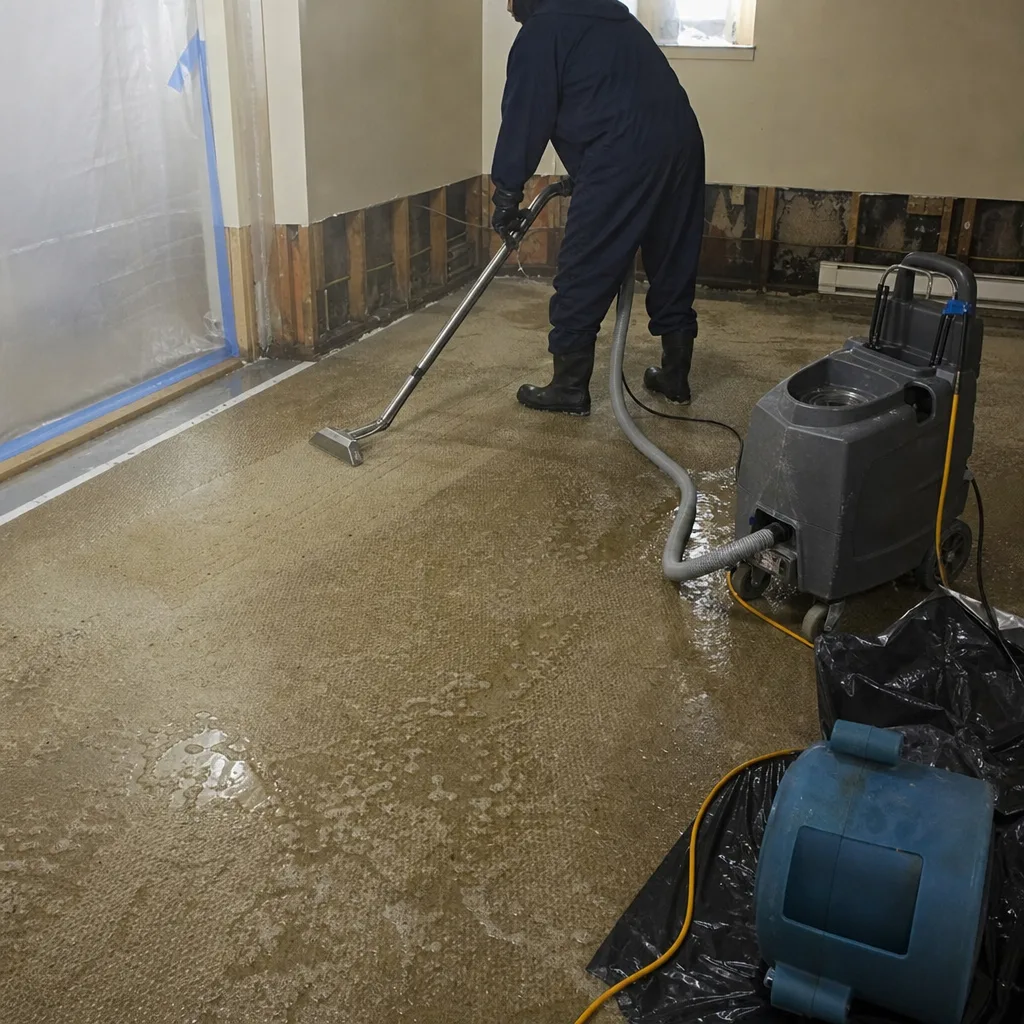
- Tacoma Municipal Code: What Triggers a Permit
- How Washington’s State Building Code Interacts with Tacoma’s Local Amendments
- Mitigation vs. Restoration: Knowing Which Category Your Project Falls Into
- Why a Passed Inspection Report Beats a Contractor’s Certificate
- Recovering Tacoma Permit Records After the Fact
- Using Inspection Documentation in Insurance Negotiations
- Common Mistakes to Avoid
- When to Call a Professional
- Frequently Asked Questions
BeforeAfterTacoma Municipal Code: What Triggers a Permit
The City of Tacoma adopts the Washington State Building Code with local amendments published in Title 2 of the Tacoma Municipal Code. For restoration work, the permit threshold is not the cause of damage - it’s the nature of the repair. Understanding this distinction prevents both unnecessary delays and illegal work.
Work that typically requires a Tacoma permit:
- Structural repairs to framing, sheathing, or foundation elements, including sistering joists or replacing sill plates after prolonged water exposure
- Electrical work beyond like-for-like fixture replacement - rewiring circuits damaged by water or fire, replacing panels, or adding temporary power during drying operations that alters permanent wiring
- Plumbing modifications: relocating supply lines, replacing drain-waste-vent systems, or installing new fixtures where none existed
- HVAC ductwork replacement or modification, including transitions from flex duct to hard pipe in fire-damaged systems
- Drywall or plaster replacement exceeding 32 square feet in a single room when the underlying structure is also repaired
- Roofing repairs exceeding 100 square feet or involving structural decking replacement
Work that typically does not require a permit:
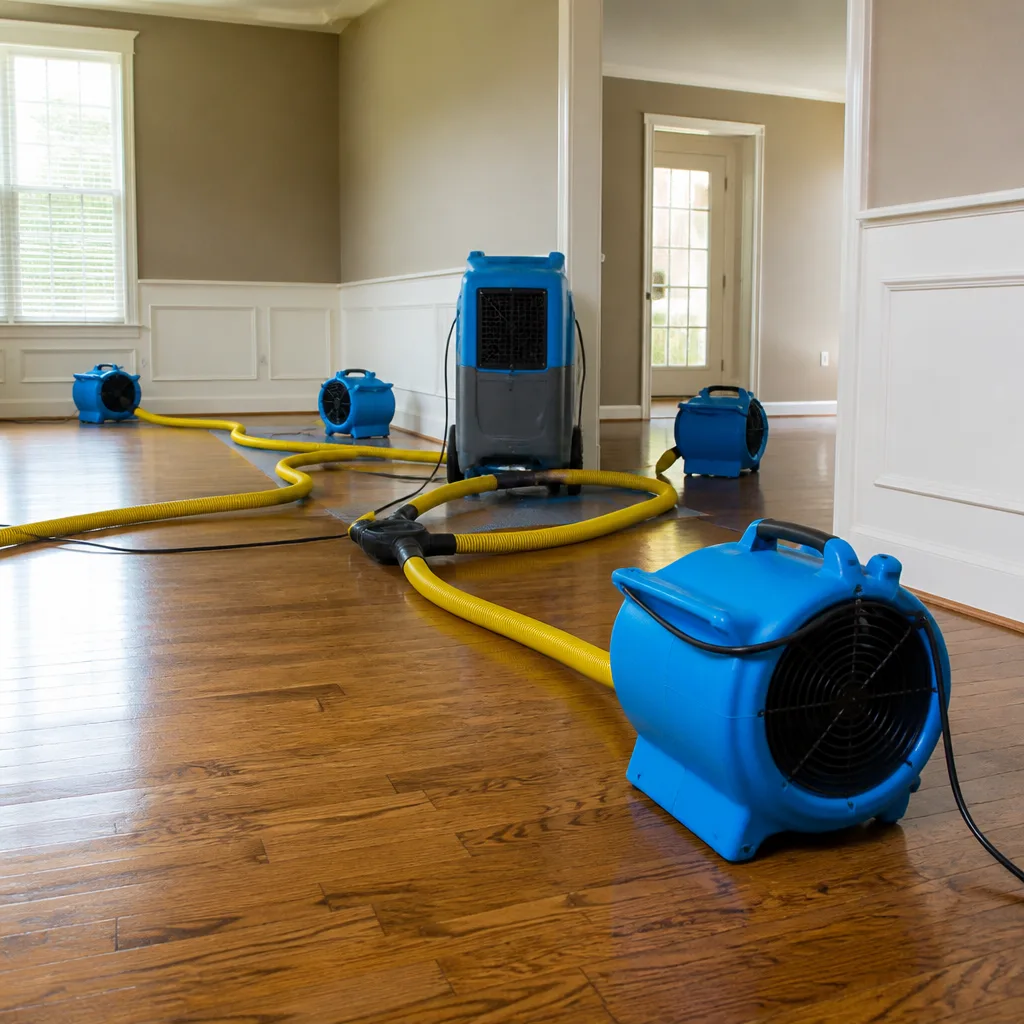
- Water extraction, dehumidification, and applied structural drying using professional-grade equipment from Dri-Eaz, Phoenix, or similar manufacturers
- Contents cleaning, pack-out, and storage
- Odor treatment and air scrubbing
- Surface mold remediation on non-structural materials when no building components are removed or altered
- Demolition of non-structural finishes (carpet, pad, baseboard, non-load-bearing drywall) for access and drying
Tacoma’s permitting office at 747 Market Street processes most restoration-related permits within 5-10 business days for standard reviews, or 24-48 hours for emergency repairs that present immediate safety hazards. The emergency pathway requires a licensed contractor’s affidavit describing the hazard. We’ve used this pathway after winter storm events in Tacoma’s North End and Proctor District, where saturated plaster lath in pre-1940s homes threatened collapse.
The permit fee structure in Tacoma scales with project valuation. For restoration work under $5,000 in total cost, the base permit fee runs approximately $150-250 as of 2024, with additional fees for electrical and plumbing trade permits. These costs are typically recoverable under standard homeowners insurance policies when the underlying damage is covered, provided the permit is obtained and documented.
How Washington’s State Building Code Interacts with Tacoma’s Local Amendments
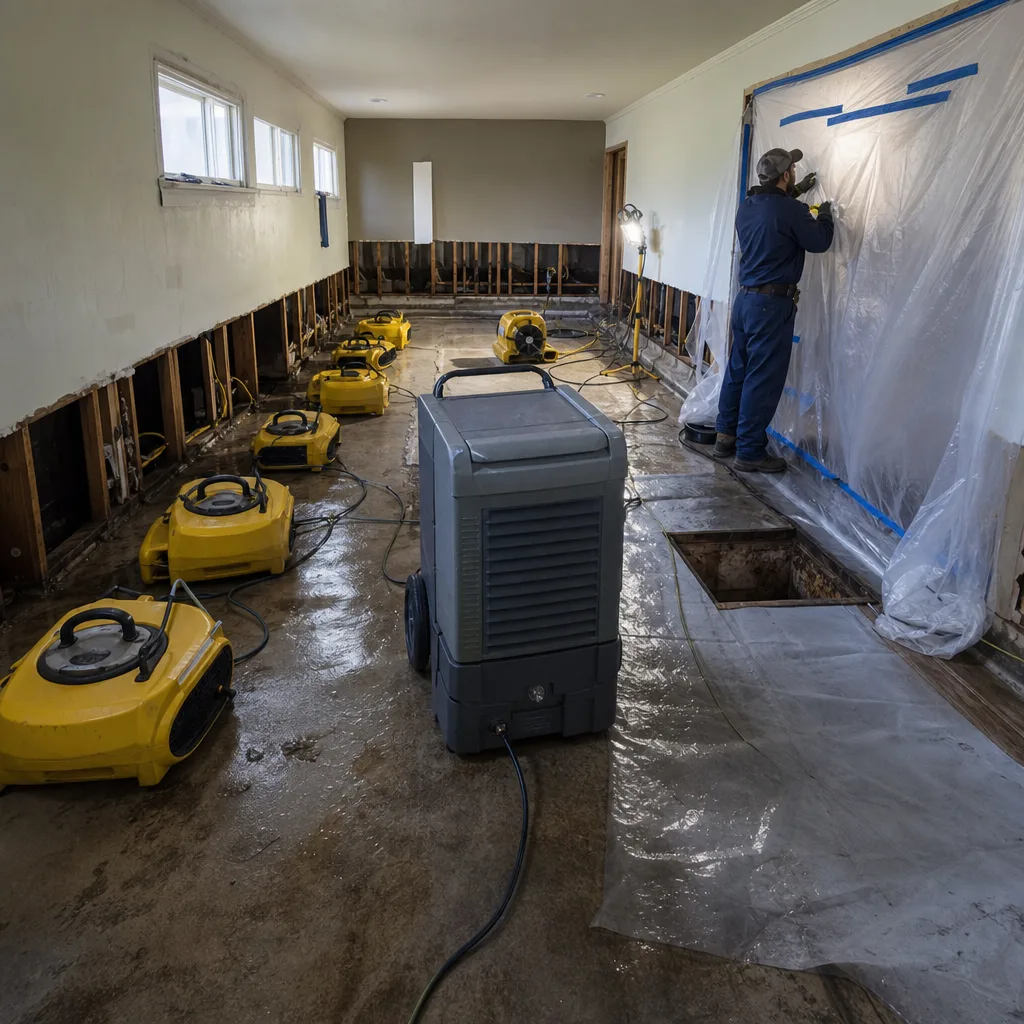
Washington operates under RCW 19.27, the State Building Code Act, which mandates adoption of the International Code Council family of codes with state-specific amendments. Cities may adopt additional local amendments, but cannot reduce requirements below the state minimum. For restoration contractors, this creates a layered compliance environment where the strictest applicable standard governs.
Key state-level requirements affecting restoration:
- Floodplain management (WAC 51-50): Structures in Tacoma’s FEMA-mapped flood zones, including portions of the Puyallup River corridor and Marine View Drive area, must meet specific elevation and material requirements when substantially damaged. A building is “substantially damaged” when repair costs exceed 50% of pre-damage market value. This determination is made by the City of Tacoma’s floodplain administrator, not the contractor, and requires documentation of pre-damage condition.
- Energy code compliance (WAC 51-11R): Replacement of more than 30% of a building’s thermal envelope - common in fire restoration - triggers current energy code requirements for insulation values and air sealing, even if the original construction predated those standards.
- Seismic provisions: Tacoma’s location in a high-seismic zone means structural repairs must meet current detailing requirements for anchor bolts, hold-downs, and shear wall nailing patterns that may exceed original construction.
Tacoma’s local amendments add several restoration-relevant requirements:
- Historic preservation overlay: Properties in Tacoma’s designated historic districts, including much of the Stadium District and parts of Old Town, require additional review for exterior alterations and may need Tacoma Landmarks Preservation Commission approval before permits issue.
- Stormwater management: Restoration work that disturbs more than 1,000 square feet of impervious surface triggers stormwater control requirements, relevant for large-scale commercial losses or multi-unit residential properties.
- Fire-damaged structure assessment: Tacoma Fire Department requires a structural engineer’s letter for any fire restoration involving truss or engineered lumber repair, even when the visible damage appears minor. This requirement, added after regional truss failures in the 2000s, catches many contractors unprepared.
The interaction between state and local codes matters most when work spans jurisdictional boundaries. A water loss in Tacoma’s unincorporated fringe may fall under Pierce County’s building department instead, with different fee schedules and inspection protocols. We verify jurisdiction before quoting every job - Haven Standard, Clause 1 requires a written price before work starts, and that price depends on knowing which permits apply.
Mitigation vs. Restoration: Knowing Which Category Your Project Falls Into
This distinction determines whether you’re buying emergency services or construction services, and the permit requirements follow accordingly. Misclassification is the most common error we see in competitor estimates.
Mitigation-only scope characteristics:
- Goal is stabilization and prevention of further damage, not return to pre-loss condition
- No permanent repairs are performed; damaged materials are removed and the space is dried or cleaned
- Equipment is temporary: dehumidifiers, air movers, HEPA filtration, negative air machines
- Documentation focuses on moisture content readings, psychrometric data (temperature, relative humidity, vapor pressure differential - the force that drives moisture from wet materials into the air), and daily drying logs
- Typical duration: 3-7 days for water damage, longer for complex mold or odor situations
Restoration scope characteristics:
- Goal is return to pre-loss condition or better
- Permanent repairs include new materials, fixtures, and systems
- Work requires trade skills: carpentry, electrical, plumbing, HVAC, finishing
- Documentation includes material specifications, installation details, and permit/inspection records
- Typical duration: weeks to months depending on scope
The gray zone - where most permit disputes arise - involves “demo-to-dry” work. When we remove water-damaged drywall to expose wall cavities for drying, that’s mitigation. But if we discover compromised framing and sister a new joist alongside the damaged one, we’ve crossed into structural repair and triggered permit requirements. A competent contractor flags this transition before performing the work, obtains the appropriate permit, and adjusts the scope and price in writing - Haven Standard, Clause 1 again.
In Tacoma’s climate, the gray zone appears frequently. Our wet winters and marine influence mean water travels farther and stays longer than in drier regions. A seemingly contained leak in a Hilltop basement can wick through rim joists and into subflooring two rooms away. The moisture meter tells the story: readings above 16% in softwood framing or 13% in hardwood indicate sustained saturation that may compromise structural integrity. When we find these readings, we document them with photos, explain the implications to the homeowner, and provide a written amendment to the scope before any structural work begins.
Why a Passed Inspection Report Beats a Contractor’s Certificate
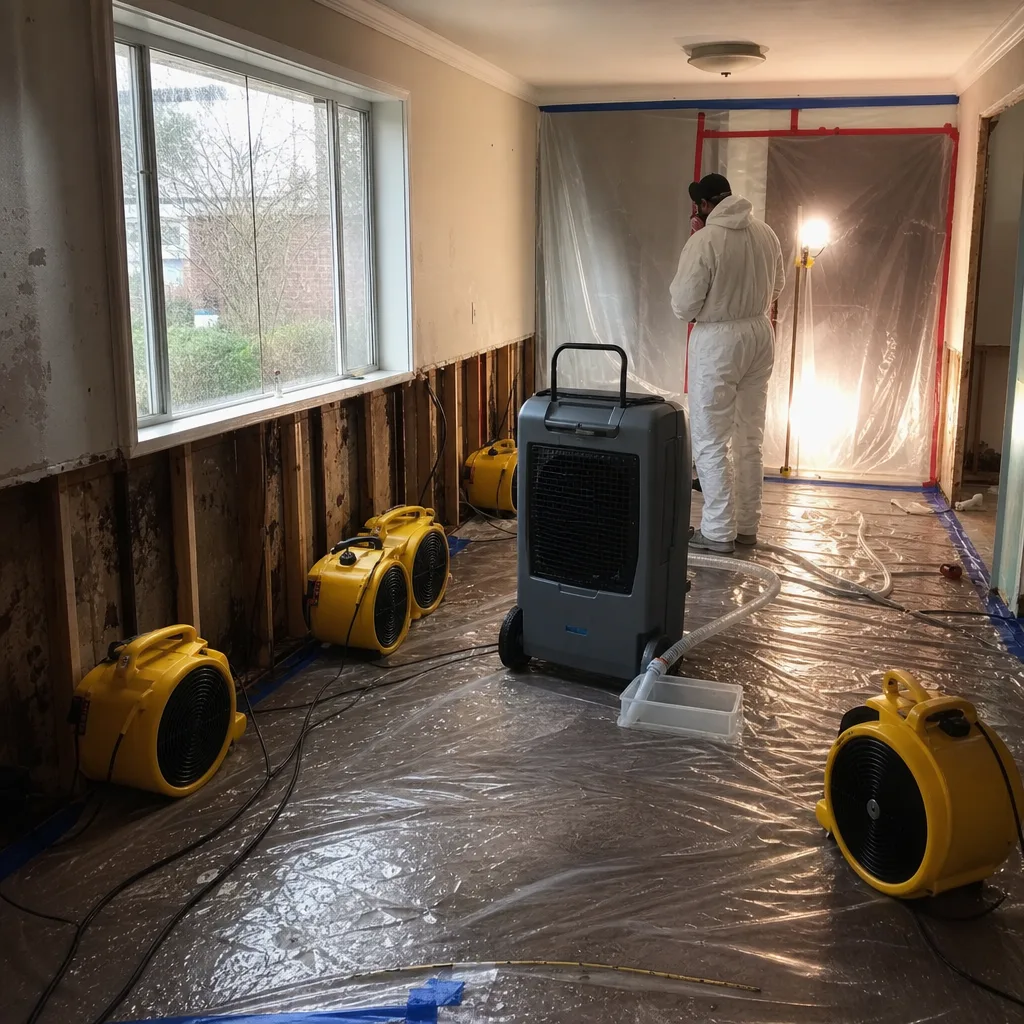
A contractor’s certificate of completion is a self-issued document. An inspection report is a third-party verification, filed with the City of Tacoma and retrievable by property identification number. The difference becomes critical in three scenarios we’ve encountered repeatedly since 2011.
Scenario one: insurance final payment disputes
Insurers routinely request “proof of completion” before releasing holdback funds on replacement-cost policies. A contractor’s invoice shows what was billed, not what was done correctly. A passed inspection report from Tacoma’s building department confirms that an independent inspector verified code-compliant installation. We’ve seen adjusters release $15,000-40,000 holdbacks immediately upon submission of inspection records that competitor invoices alone couldn’t unlock.
Scenario two: property sale due diligence
Tacoma’s competitive housing market means buyers conduct thorough inspections. Unpermitted work, even high-quality work, triggers renegotiation or sale cancellation. Title companies flag permit gaps. A clean permit history with passed inspections signals transferable value; a gap signals potential hidden defects and liability. We’ve been called to re-inspect and permit-after-the-fact work that previous owners completed without documentation - a process that costs 2-3 times the original permit fee and may require opening finished walls.
Scenario three: warranty and defect claims
The 365-Day Done Right Promise under The Haven Standard covers our work specifically. But for subcontracted trades - electrical, plumbing, roofing - the permit inspection creates a separate accountability layer. If a roof leak reappears six months after restoration, the permit file contains the inspector’s notes on underlayment installation and flashing detail. This documentation often reveals whether the defect stems from workmanship or subsequent damage, protecting both homeowner and contractor from unfounded claims.
Our standard deliverable on every restoration job includes: the written scope and price (Haven Standard, Clause 1), daily photo records, moisture logs or drying documentation, and copies of all permit applications and inspection results. This complete file is what turns a restoration invoice into a payable insurance claim without a fight - the documentation gap our founder, a former claims adjuster, built this company to close.
Recovering Tacoma Permit Records After the Fact
Not every previous owner documented their work properly. When you’re buying a Tacoma property or filing a claim on inherited damage, you may need to reconstruct the permit history. Here’s how the process works.
- Search the online portal: The City of Tacoma’s permit history search allows lookup by address or parcel number. Records extend to the mid-1990s for most properties. Search variations of the address - “123 Main St” and “123 Main Street” may return different results due to historical data entry practices.
- Request a property report: For $25-50, Tacoma’s building department produces a comprehensive permit history including applications, inspection results, and final status. This report reveals not just what was permitted, but what was started and never completed - a red flag for unfinished or failed work.
- Check for “permits by others”: If the previous owner used an unlicensed contractor or performed work themselves, no permit may exist. In these cases, we recommend a professional assessment of concealed areas, particularly around plumbing and electrical systems common in water and fire restoration.
- Evaluate the gap: Missing permits for visible work - a replaced kitchen after a pipe burst, a new roof after storm damage - suggest either unpermitted work or work performed under a different address record. Both require investigation before you assume the work was done correctly.
- Permit-after-the-fact: Tacoma allows retroactive permitting for work that predates ownership transfer, but the process is punitive by design. Fees are doubled. Inspections may require destructive testing - opening walls, removing finishes - to verify concealed work. We’ve guided homeowners through this process after discovering unpermitted basement finishing in Proctor and Stadium District properties that masked ongoing moisture problems.
The risk of unpermitted restoration work extends beyond code compliance. Insurance policies contain exclusions for damage resulting from faulty, inadequate, or illegal construction. If a water loss originates from unpermitted plumbing, the insurer may deny the entire claim, not just the repair of the defective work. The permit record is your first line of defense against this exclusion.
Using Inspection Documentation in Insurance Negotiations
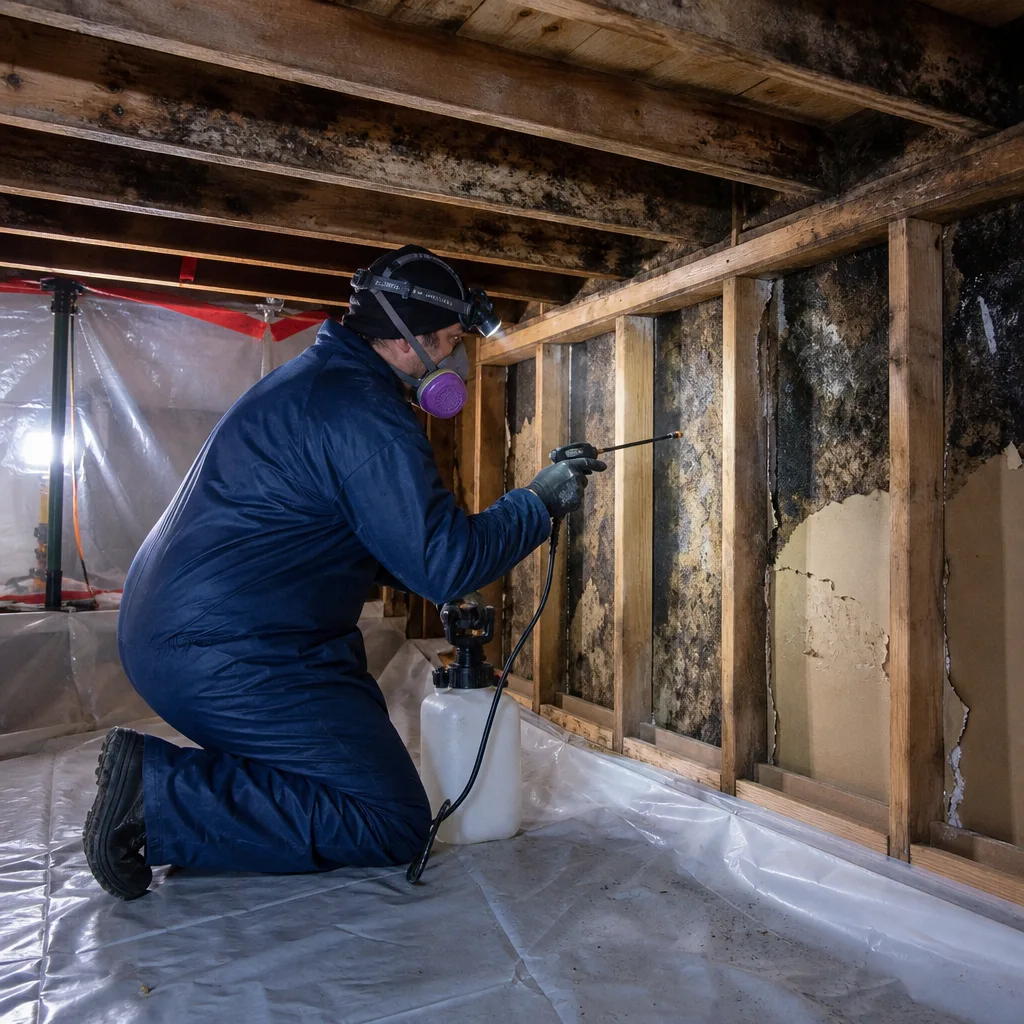
Insurance adjusters evaluate claims against documented evidence. The more specific and verifiable your documentation, the smoother the negotiation. Here’s how we structure inspection records for maximum claim value.
Before work begins: We photograph the loss conditions with moisture meters in frame, showing readings and serial numbers. We document the cause when visible - the failed washing machine hose, the ice dam, the electrical arc point. These photos establish the covered peril and the scope of resulting damage.
During mitigation: Our daily drying logs, produced using equipment from Dri-Eaz and Phoenix and documented to IICRC standards, record psychrometric conditions at multiple points in the affected space. Vapor pressure differential readings show when materials have reached equilibrium with ambient conditions, justifying equipment removal and transition to repairs.
During restoration: We photograph each phase of repair with permit cards visible where required. Electrical rough-in photos show wire gauge, staple spacing, and panel connections before wall closure. Plumbing pressure test results are photographed with gauge readings and timestamps. These images, combined with passed inspection reports, create irrefutable proof of code-compliant work.
At completion: We compile the permit file, inspection results, final photos, and our 365-Day Done Right Promise into a single deliverable. This package typically resolves any adjuster questions without additional documentation requests.
When adjusters push back on scope, we reference specific code requirements. “Tacoma Municipal Code requires GFCI protection on all basement receptacles - the 2017 NEC adoption made this mandatory, and our permit inspection verified compliance.” This framing shifts the conversation from “is this necessary?” to “is this code-compliant?” - a much harder position to dispute.
Our fire restoration work in Tacoma frequently involves this negotiation. Smoke damage often requires replacement of HVAC ductwork, which triggers mechanical permit and inspection. Adjusters sometimes propose cleaning instead of replacement. Our documentation of particulate infiltration in flex duct, combined with the permit requirement for new duct in fire-affected systems, typically resolves this in the homeowner’s favor.
Common Mistakes to Avoid
- Assuming mitigation and restoration use the same contractor. Many water damage companies perform only drying and cleaning, then subcontract repairs or refer you elsewhere. If your “restoration” contractor never mentions permits, they may be planning to leave before permit-triggering work begins - leaving you to manage permits and inspections with the repair contractor.
- Accepting “we’ll pull permits later” as a plan. In Tacoma, work begun without required permits faces stop-work orders, doubled fees, and potential demolition orders for concealed work that cannot be inspected. “Later” often means “never” or “after a problem forces our hand.”
- Confusing a business license with a contractor’s license. Tacoma requires both for permit applications. A restoration company may hold a city business license for mitigation services but lack the contractor endorsement needed for structural, electrical, or plumbing permits. Verify before work starts.
- Overlooking permit requirements in “like-for-like” repairs. Washington energy code and seismic provisions often prohibit exact replacement of older systems. That 1970s electric furnace cannot be replaced with an identical unit; current code requires higher efficiency and different safety controls. The permit inspection catches these requirements; skipping it risks non-compliant installation.
- Discarding inspection records with closing documents. Permit records belong in your permanent property file, not in the contractor’s file or the trash. Digital copies should be backed up. We’ve helped homeowners reconstruct documentation years after work completion when insurers or buyers requested verification.
- Hiring based on speed promises for restoration work. Mitigation demands rapid response - water moves fast, and every hour increases damage. But restoration work requiring permits cannot be rushed through inspection. Contractors who promise “done in a week” for structural repairs are either skipping permits or haven’t pulled them yet. Both are red flags.
- Failing to verify flood zone status after major water losses. Properties in Tacoma’s Puyallup River corridor or Marine View Drive area may face substantial damage determinations that affect future insurance availability and building requirements. The permit process includes this verification; avoiding permits means remaining ignorant of these constraints.
When to Call a Professional
Call a licensed, permitted restoration contractor when your loss involves structural elements, electrical or plumbing systems, or when the total repair scope exceeds your comfort with self-managed permits. Our How to Hire a Damage Restoration Contractor in Tacoma: A Step-by-Step Guide walks through exactly what to verify before signing. The break-even point varies by homeowner, but in our experience, most Tacoma property owners benefit from professional management once drywall removal reveals framing damage, or when multiple trades are needed.
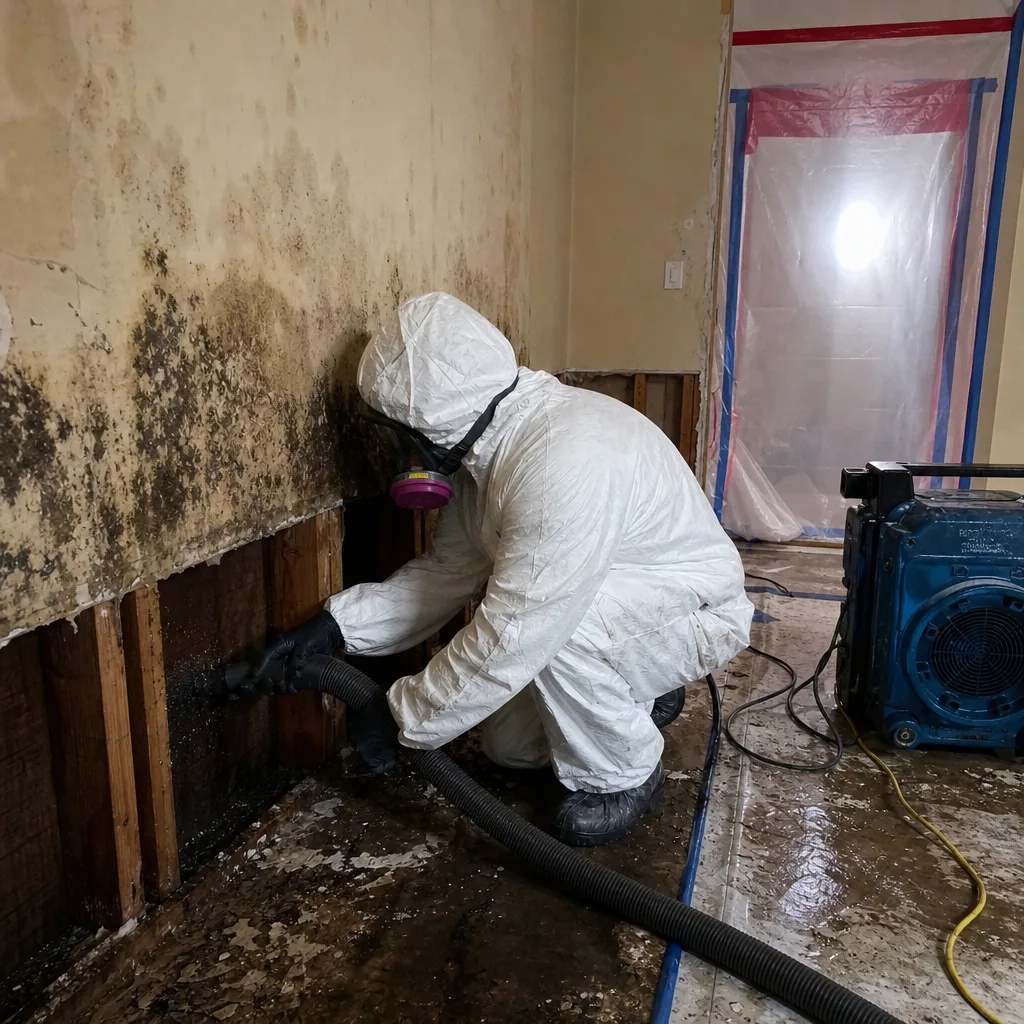
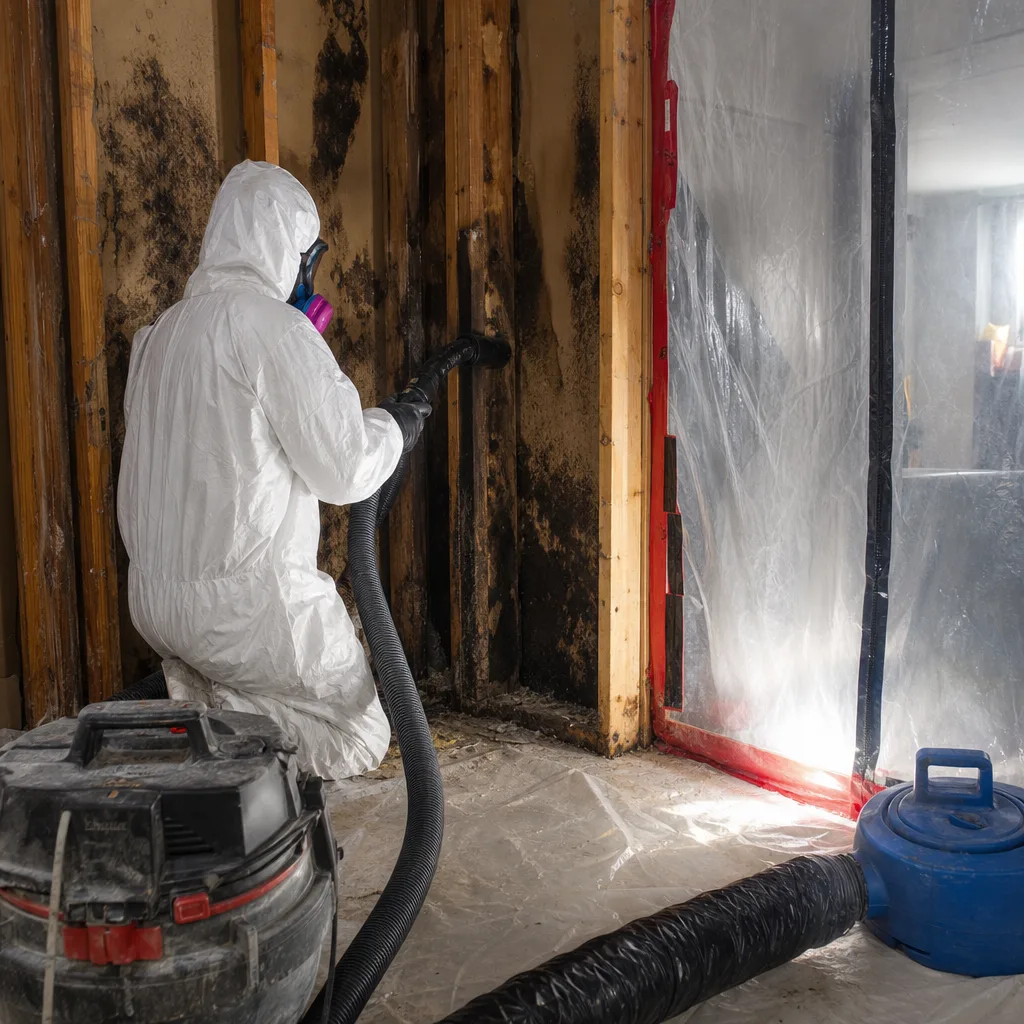
Mold remediation presents a specific trigger: visible mold on structural materials, or airborne spore counts elevated above outdoor baseline, typically indicates concealed growth that requires controlled demolition and repair. This work crosses into permit territory quickly, and the health implications favor professional containment and documentation.
DryMark Restoration Tacoma offers free estimates in Tacoma - call (253) 265-9692. Every estimate includes a written scope, a written price before any work starts, and a clear statement of which permits apply to your specific situation. We also provide a Free Second Opinion on any competitor’s written estimate, reviewing their permit assumptions and scope for gaps that could cost you later.
Frequently Asked Questions
No. Emergency water extraction, applied structural drying, and temporary dehumidification are mitigation services that do not require permits under Tacoma Municipal Code or Washington State Building Code. But if drying requires removal of structural materials that will be replaced, or if inspection reveals damaged framing, electrical, or plumbing that needs repair, permits become required for the restoration phase. Call (253) 265-9692 if you’re unsure where your project falls - we’ll assess and document the distinction in writing.
Standard permit review takes 5-10 business days. Emergency repairs presenting immediate safety hazards - structural instability, exposed electrical, compromised gas lines - qualify for 24-48 hour expedited review with a licensed contractor’s affidavit. We’ve obtained emergency permits for storm-damaged properties in Tacoma’s North End within a single business day. The key is submitting complete documentation with the initial application; incomplete submissions restart the clock.
Typically yes, when the underlying damage is covered under your policy and the permits are obtained as part of the restoration scope. Standard HO-3 and HO-5 policies include “reasonable repair costs” that encompass code-required upgrades and permit fees. The key is documentation: the permit application must reference the covered loss, and the inspection record must verify completed work. We include permit fees in our written scopes with specific line-item documentation for adjuster review.
You face three risks: potential code violations that affect safety and insurability, gaps in your property’s permit history that complicate sale or refinance, and possible insurance exclusions if future damage relates to the unpermitted work. Tacoma allows permit-after-the-fact applications, but fees are doubled and inspections may require opening finished surfaces. We recommend a professional assessment of concealed areas before attempting this process - call (253) 265-9692 for documentation guidance.
Not the mitigation phase - debris removal, soot cleaning, odor treatment, and contents pack-out are typically permit-free. But fire restoration almost always involves permit-triggering work: electrical circuit replacement, HVAC ductwork replacement (required when smoke particulates infiltrate flex duct), structural repair of charred framing, and drywall replacement exceeding threshold square footage. Tacoma Fire Department additionally requires a structural engineer’s letter for truss or engineered lumber repair. We coordinate these requirements as part of our standard fire restoration scope.
Washington law allows property owners to act as their own contractors on their primary residence, pulling owner-builder permits. But this route carries significant liability: you assume responsibility for code compliance, inspection scheduling, and contractor coordination. For insurance claims, owner-builder status complicates documentation and may affect coverage for defects. Most Tacoma homeowners find that a licensed restoration contractor’s permit management, included in the project scope, provides better protection and smoother claim resolution. Our DIY vs Professional Damage Restoration: The Tacoma Homeowner’s Decision Guide breaks down when each approach makes sense.
The Bottom Line
Permits and inspections in Washington restoration work are not bureaucratic obstacles - they’re documentation assets that protect your claim, your property value, and your legal position. The key distinctions are simple: mitigation dries and stabilizes without permits; restoration repairs and rebuilds typically requires them. Tacoma’s specific amendments to state code, particularly around flood zones, historic districts, and fire-damaged structures, create local requirements that generic advice misses. The inspection record, filed with the City of Tacoma and retrievable for decades, outlasts any contractor’s promise and often determines whether your insurer pays in full. Before work starts, get the permit question answered in writing, included in your scope, and priced transparently - Haven Standard, Clause 1: written price before work begins, every time, no exceptions. Explore more guides & resources on protecting your Tacoma property.
Written by Alicia Brennan, Owner at DryMark Restoration Tacoma, serving Tacoma since 2011.