
Last updated September 23, 2026
Free visual inspection and a written scope of work before any mitigation begins - photos, moisture readings, and drying logs go in your claim file
The scope we write is the scope we bill. Anything new gets shown to you, in writing, before we touch it.
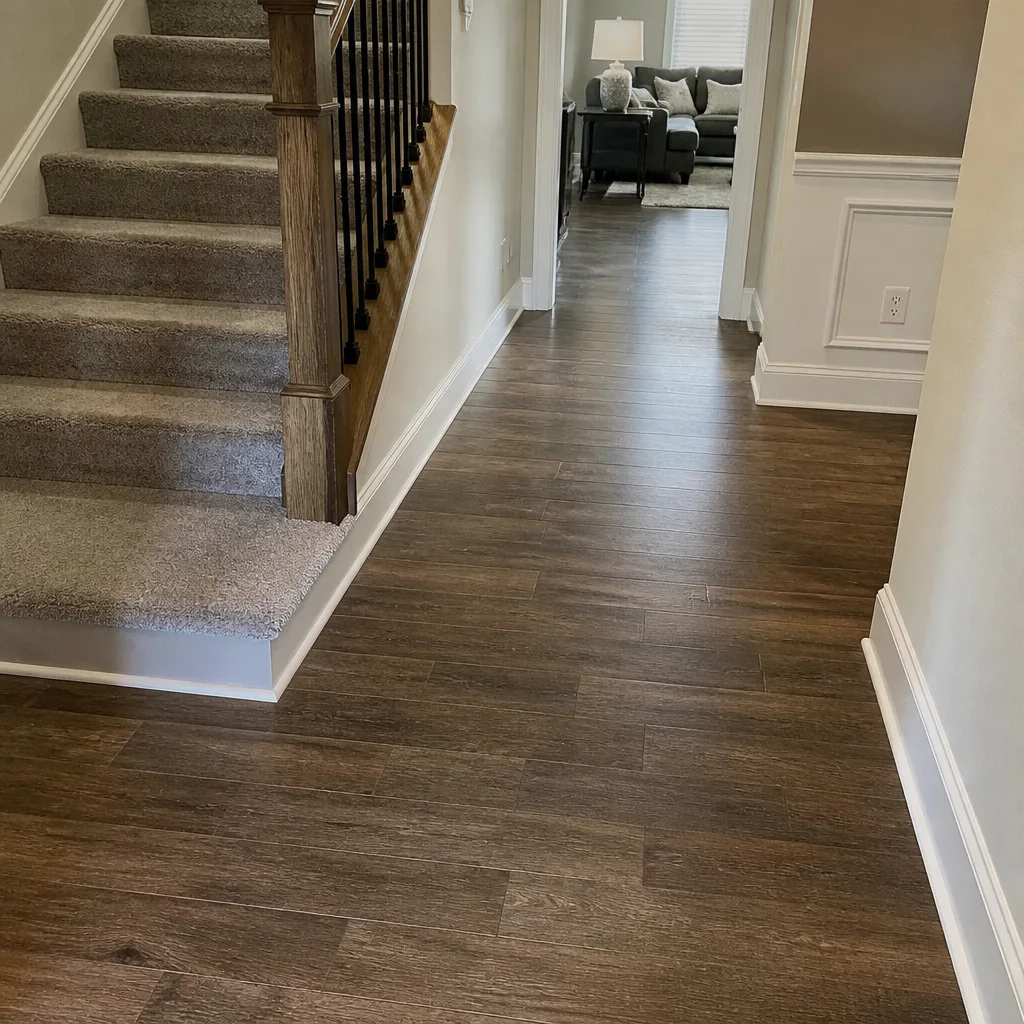
 Before
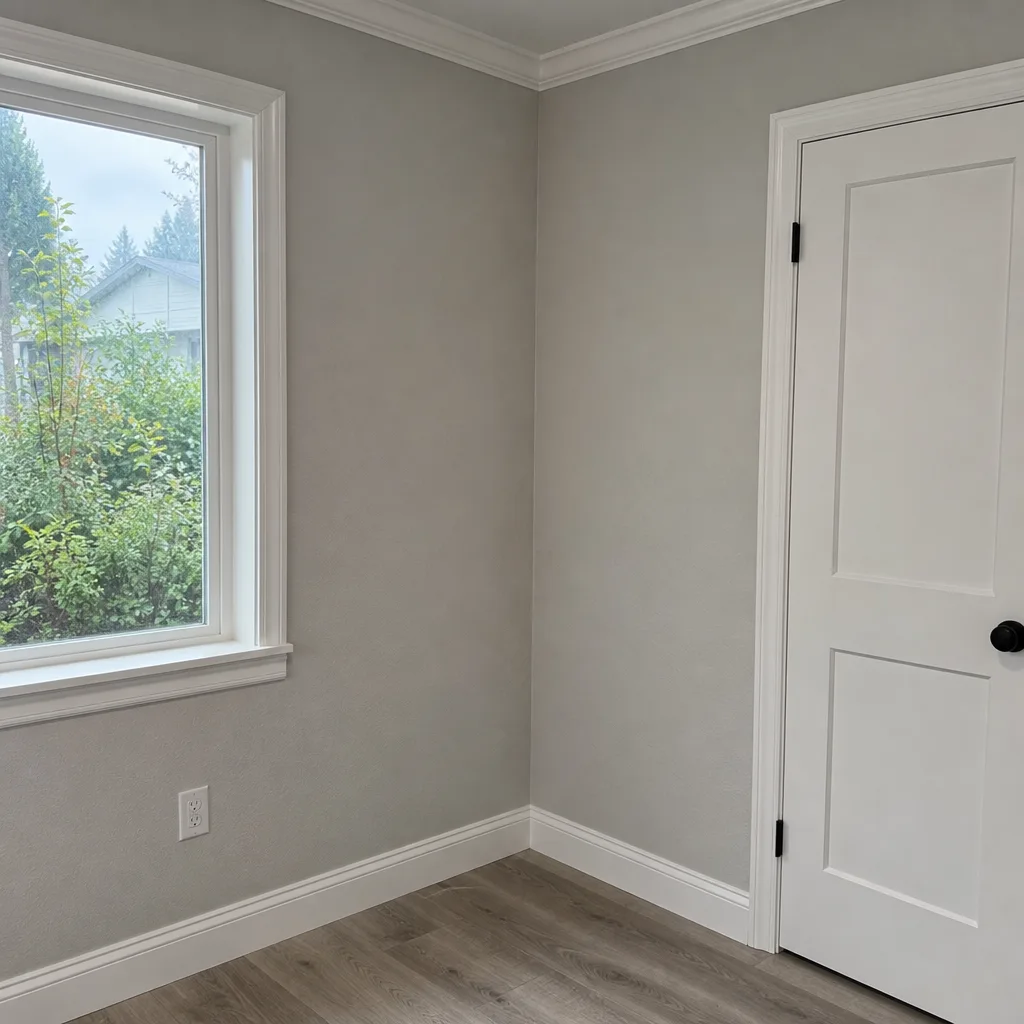 After
After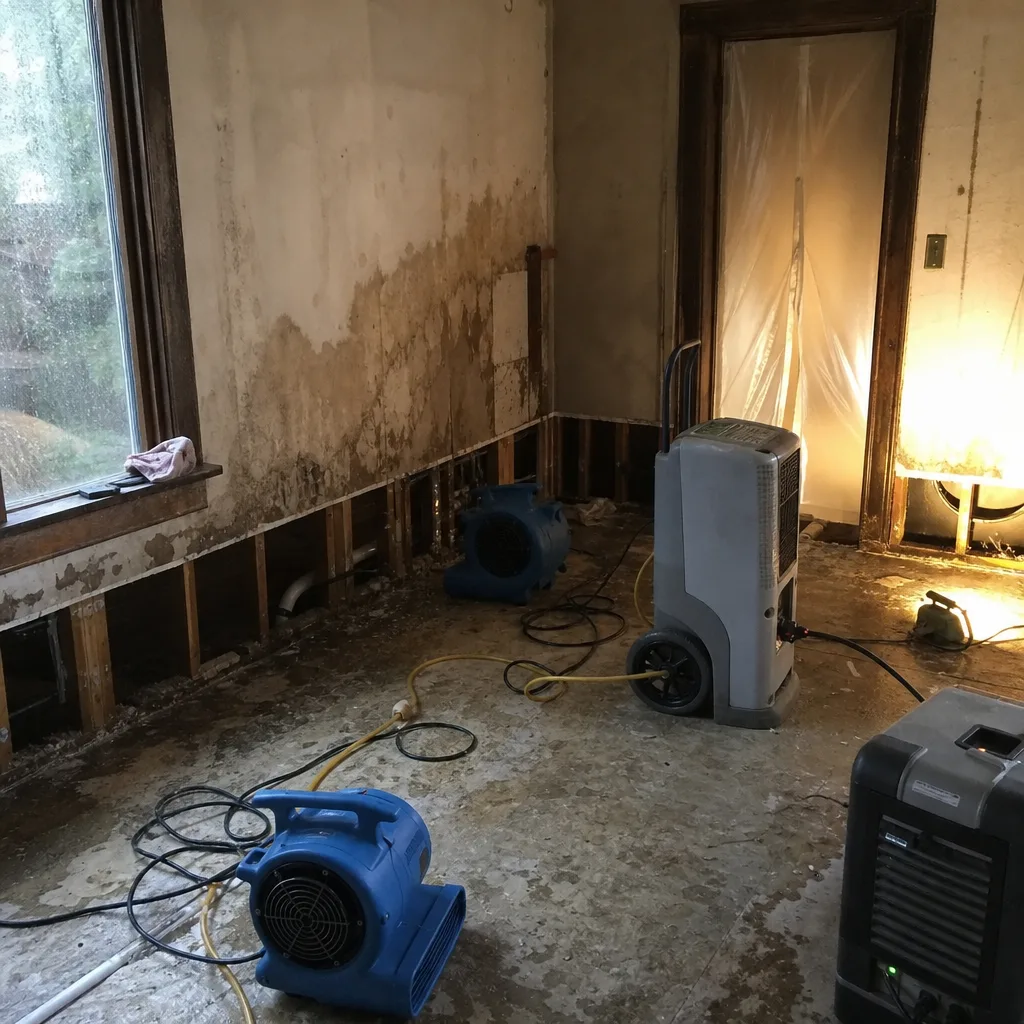 Before
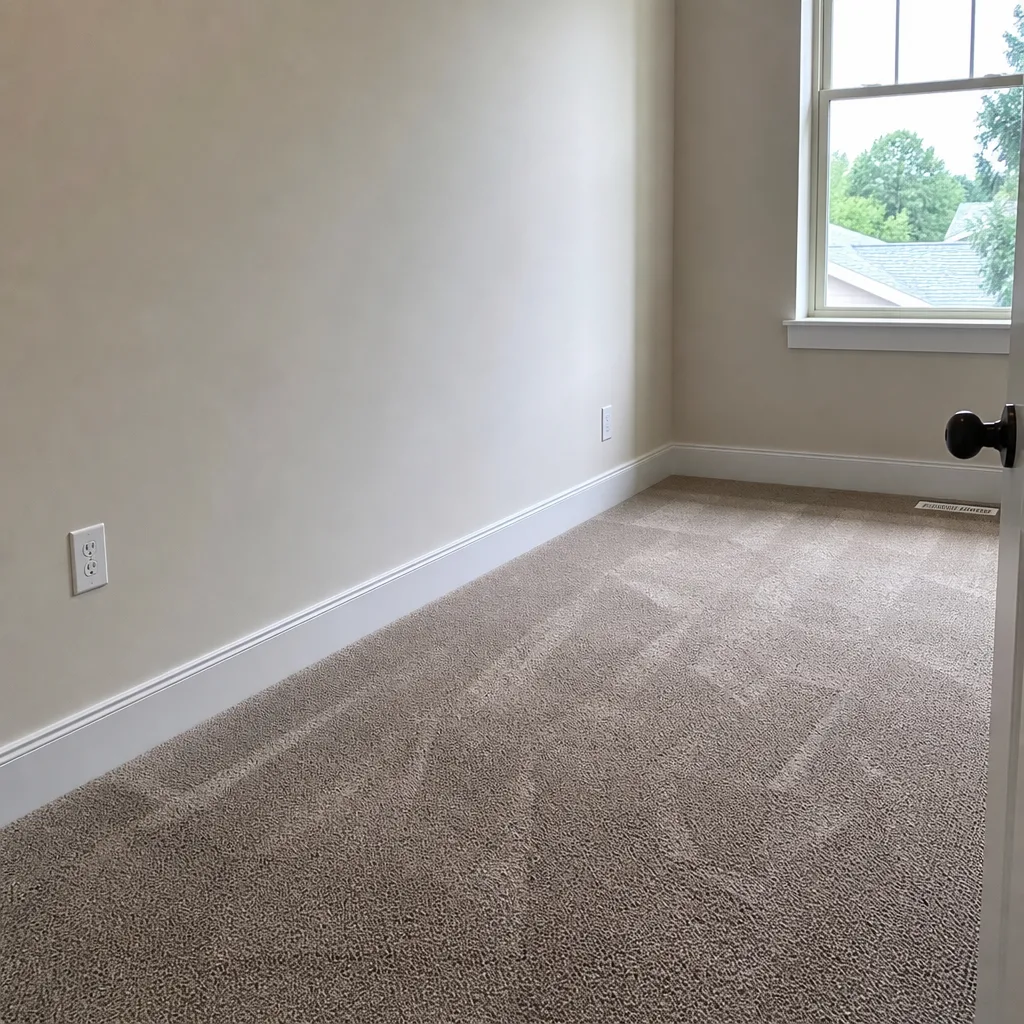 After
After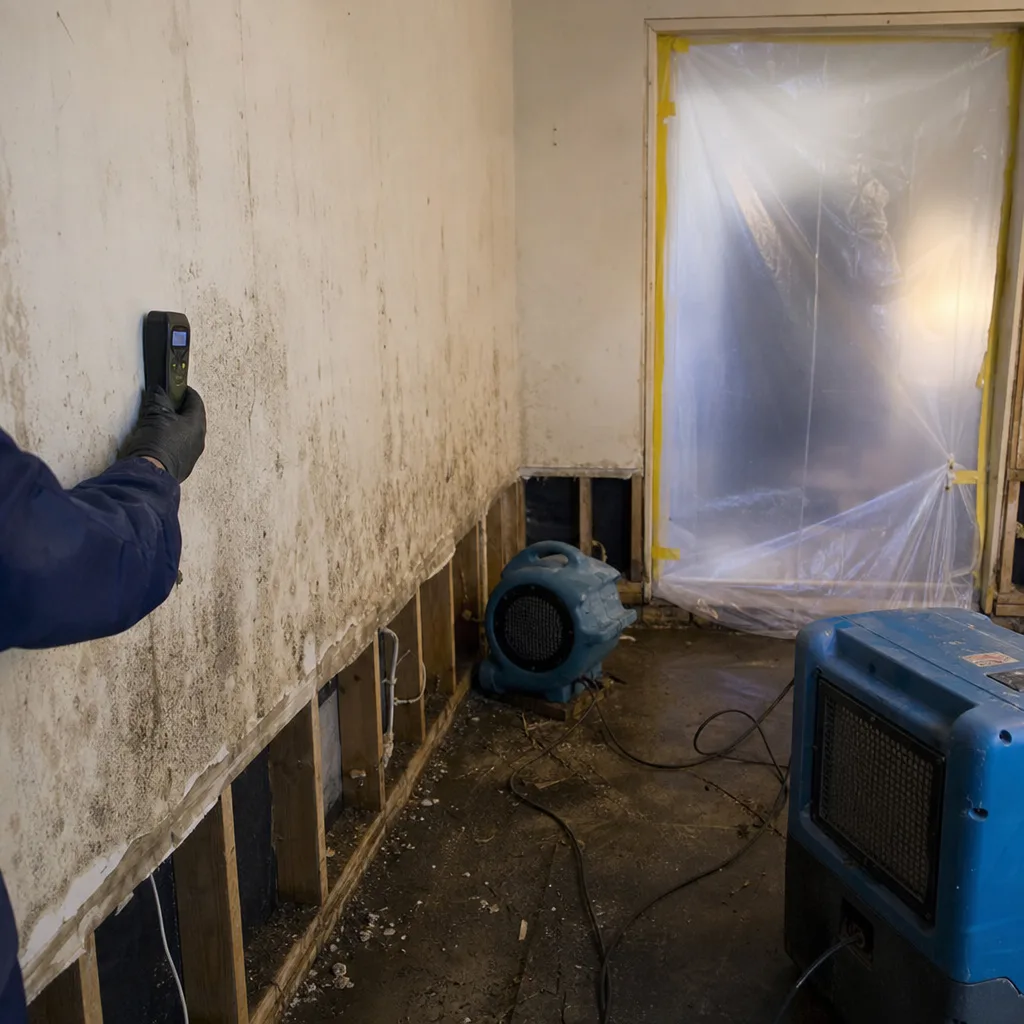 Before
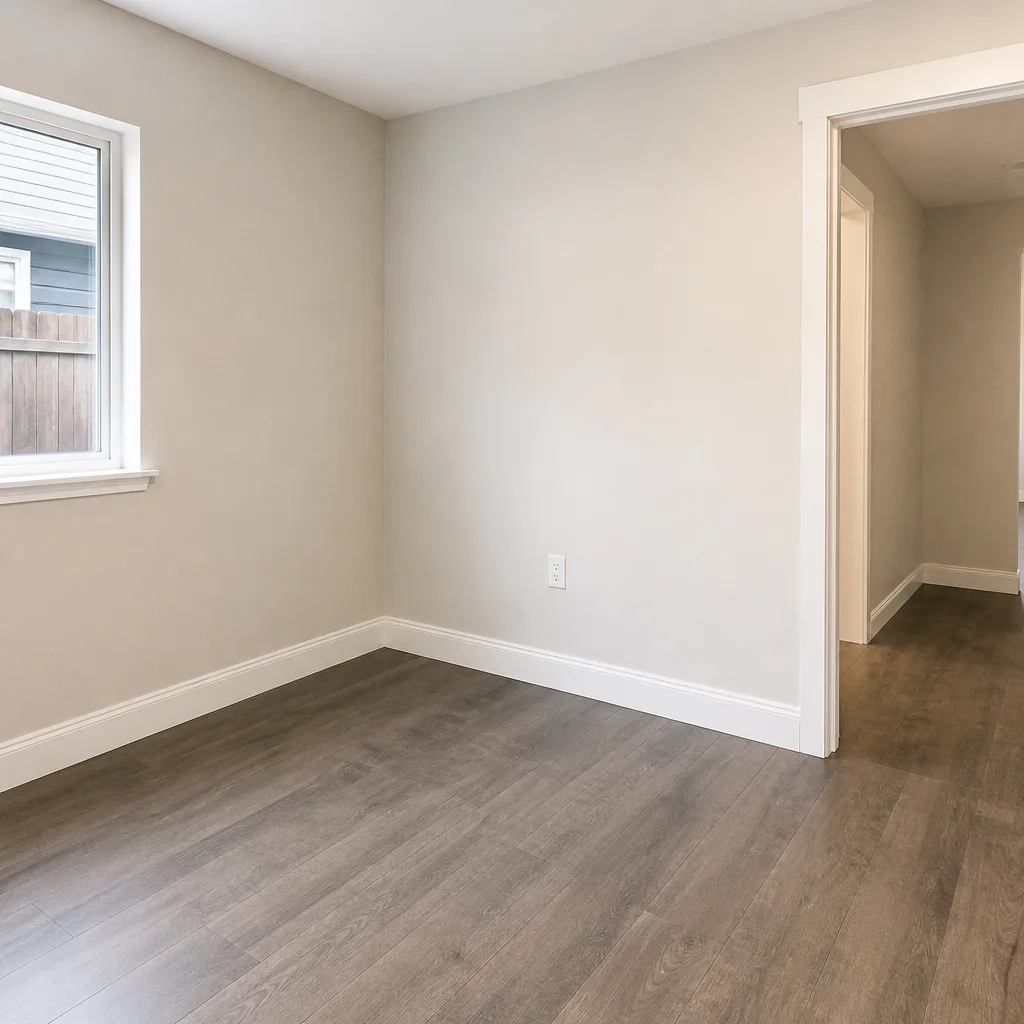 After
AfterThe Complete Guide to Damage Restoration in Tacoma
A contractor who arrives with a dehumidifier but no moisture meter has already failed you. Without a baseline reading on day one, there is no number to prove drying worked, and no number means no leverage with your adjuster. In Tacoma, where marine-layer humidity averages 78% year-round and soil saturation from the Puyallup River watershed creates hidden vapor migration paths, we’ve seen homeowners lose $8,000-$15,000 on claims that should have paid in full. The loss doesn’t happen during the flood. It happens in the 72 hours after, when undocumented decisions become uncompensated losses. This guide will teach you the documentation sequence that protects your claim, the climate patterns that hide secondary damage, and the exact readings that prove a structure is actually dry, or explore more guides & resources on protecting your home.
Quick Answer
Damage restoration in Tacoma is the documented process of returning a water, fire, mold, or biohazard-damaged property to pre-loss condition, with full insurance compliance. A proper restoration produces four deliverables: a written scope with prices before work begins, daily drying logs with psychrometric readings, a photo record of every visit, and a signed warranty. In Tacoma’s marine climate, restoration must also account for secondary moisture intrusion from soil saturation and vapor pressure differentials that standard scopes miss.
Table of Contents
- Why Documentation Must Come Before Drying Equipment
- How Tacoma’s Marine Climate Creates Hidden Damage Patterns
- What a Complete Restoration File Looks Like
- Mitigation vs. Restoration: The Billing Difference That Denies Claims
- IICRC S500 and the Readings That Prove “Dry”
- The Damage Restoration Process Step by Step
- Using Documentation to Protect Your Insurance Claim
- Common Mistakes to Avoid
- When to Call a Professional
- Frequently Asked Questions
BeforeAfterWhy Documentation Must Come Before Drying Equipment
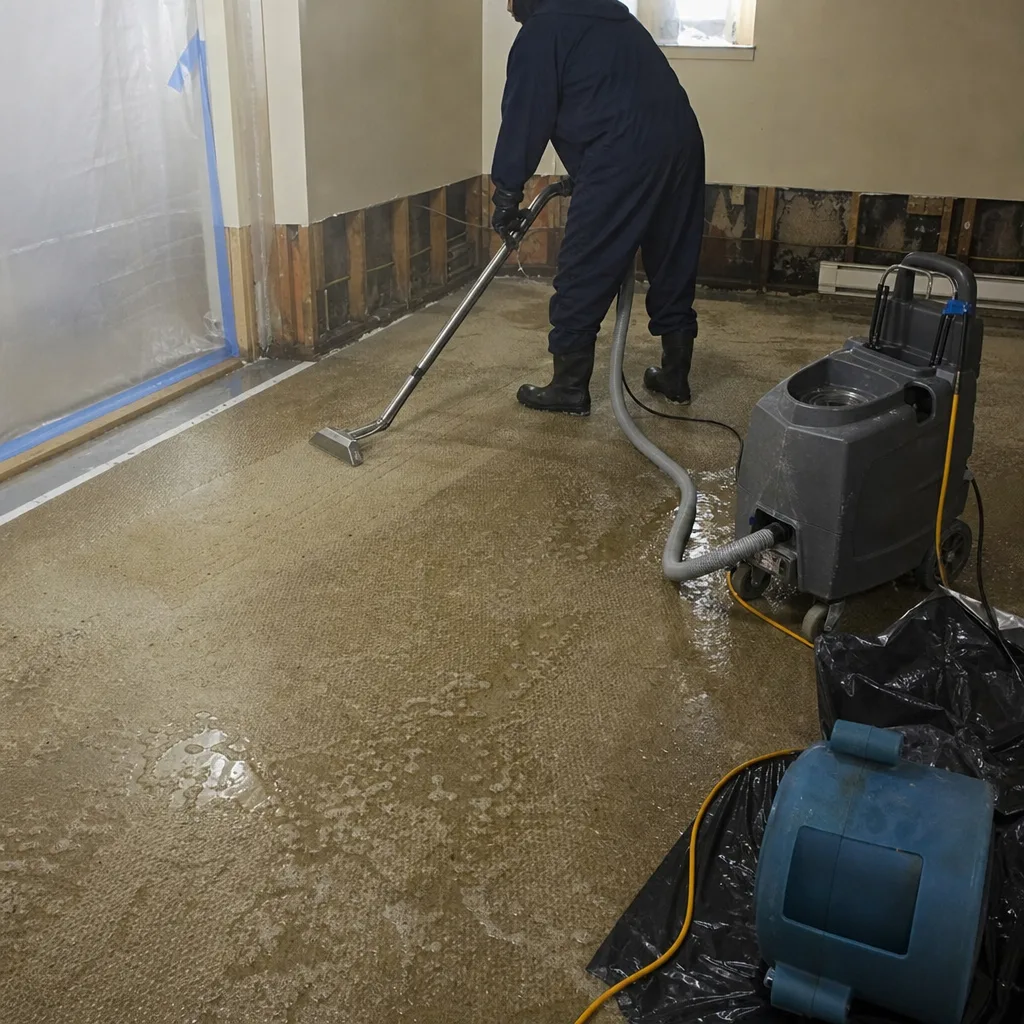
The most expensive mistake in restoration is also the most common: starting work before documenting what exists. We’ve arrived at jobs in Tacoma’s North End where three fans were already running, the carpet was lifted, and the homeowner had no photos of the original water line on the drywall. The adjuster denied the wall replacement because no one could prove the water reached that height.
Here is the sequence that must happen before any drying equipment is placed:
- Photograph the undisturbed loss area. Every water line, every stain pattern, every buckled floorboard in its original position. These photos establish the scope of loss; without them, any subsequent work is unanchored to the triggering event.
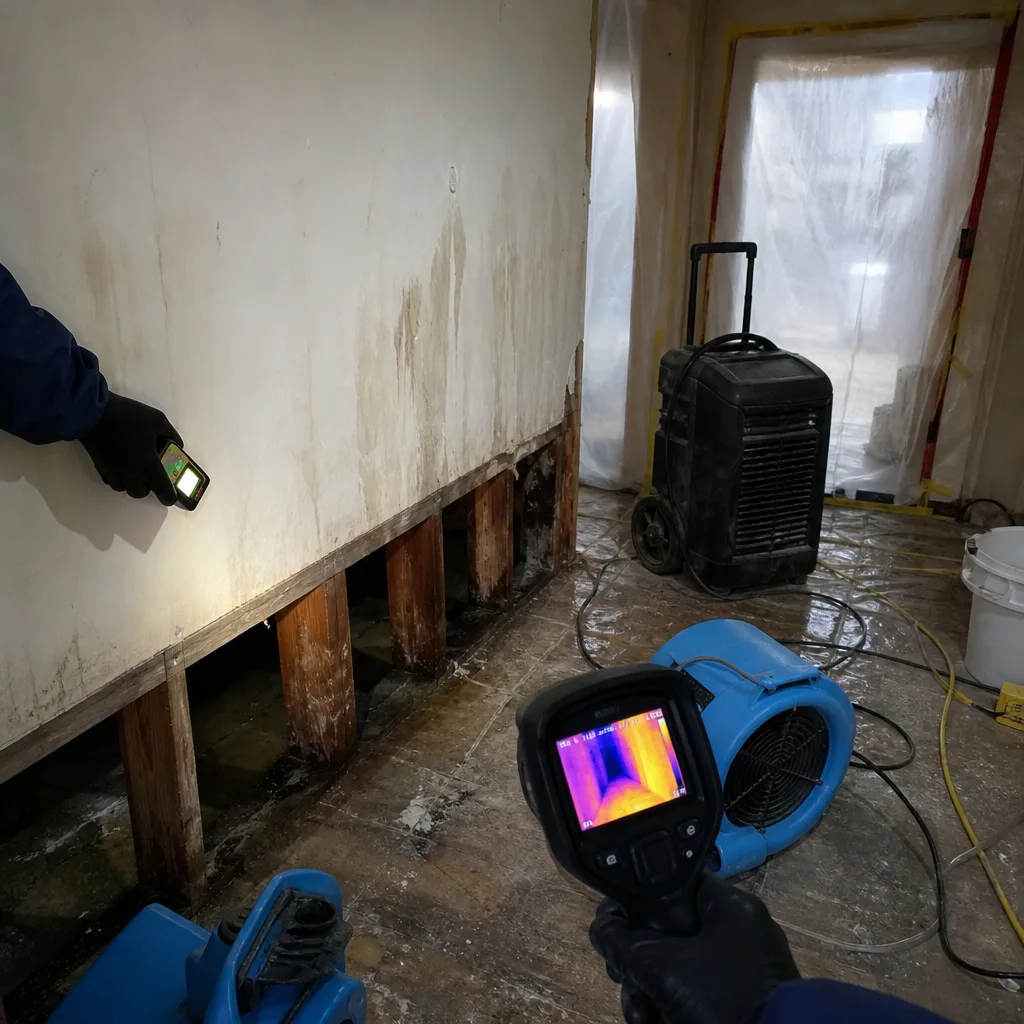
- Record baseline moisture content readings. We use pin and pinless moisture meters on every affected material, logging wood moisture content (MC) in percentage, drywall MC, and concrete relative humidity (RH) when slabs are involved. In Tacoma’s older homes, especially in the Hilltop and Stadium District areas with original lath-and-plaster, baseline readings must distinguish between existing seasonal elevation and new water intrusion.
- Identify and photograph the water source and migration path. Water follows gravity and capillary action, but in Tacoma’s clay-heavy soils, it also follows hydrostatic pressure paths through foundation cracks that may be invisible until documented with thermal imaging.
- Sketch a moisture map. A room-by-room diagram noting reading locations, numerical values, and material types. This map becomes the reference for daily comparison.
- Deliver a written scope with prices before any equipment is placed. Haven Standard, Clause 1. No exceptions.
Skip any of these steps and you have handed your adjuster the reason to dispute. We’ve reviewed competitor estimates where the drying charge was $4,200 and the documentation consisted of three phone photos and a verbal description. The insurer paid $1,800. The homeowner paid the difference.
How Tacoma’s Marine Climate Creates Hidden Damage Patterns
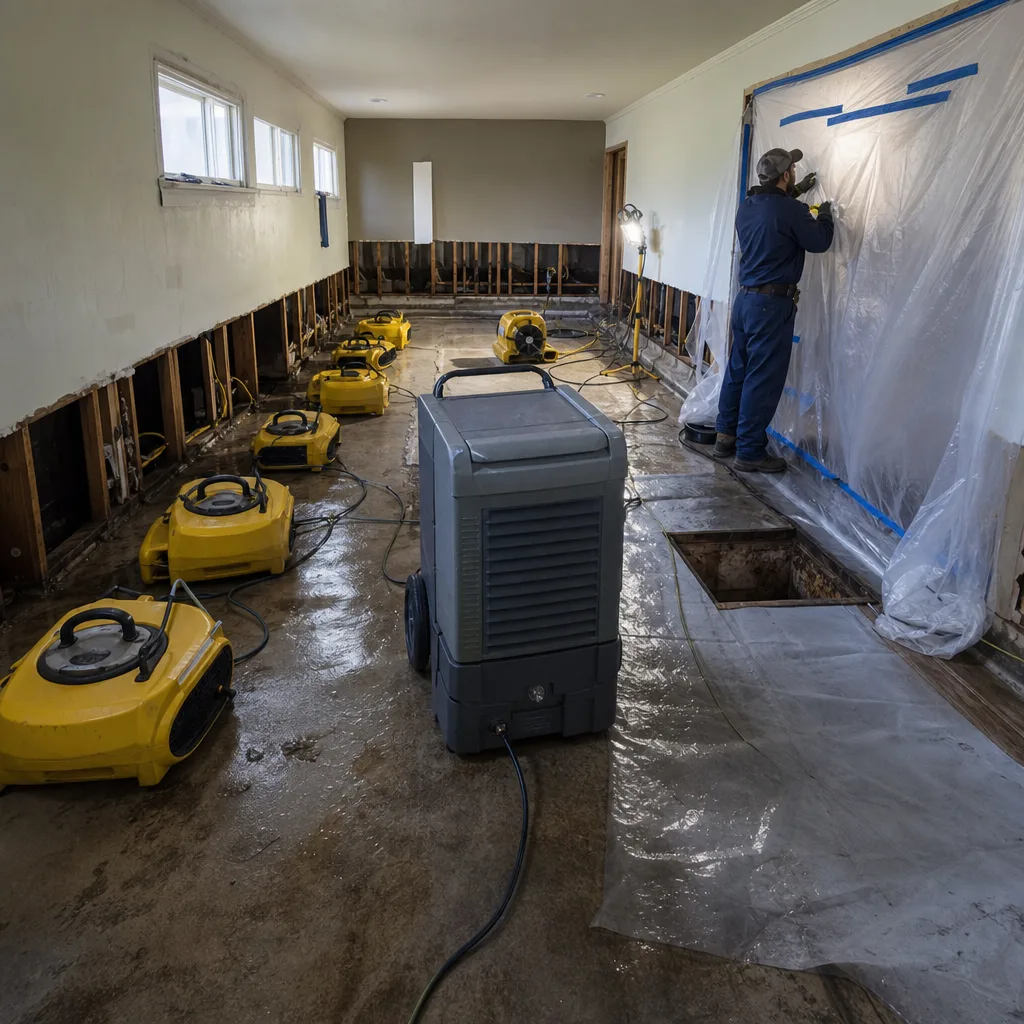
Tacoma sits on the tide flats of Puget Sound with the Puyallup River delta to the east and soils that hold water like a sponge. This geography creates restoration challenges that inland contractors miss entirely.
Soil saturation and vapor pressure. During our wet season, October through May, groundwater tables in Tacoma neighborhoods like Proctor, North Slope, and the waterfront districts rise within 18 inches of finished floor elevation in many basements and crawl spaces. Even when the visible water event is a burst supply line on the main floor, the soil moisture creates a vapor pressure differential, the difference in water vapor concentration between the saturated soil and the drier interior air. This differential drives moisture through concrete slabs and foundation walls as vapor, not liquid, producing secondary moisture intrusion that standard scopes attribute to incomplete drying rather than a separate source.
Marine-layer humidity baseline. Tacoma’s average relative humidity runs 75-82% for six months of the year. A dehumidifier that achieves 50% RH in a Phoenix summer is working against a 15% outdoor differential. In Tacoma, that same 50% RH may require overcoming a 30% differential, and if the equipment is not sized to the latent load, the structure reaches equilibrium with damp outdoor air rather than true drying. We’ve measured jobs in the Fern Hill area where the contractor declared “dry” at 55% RH, but the wood moisture content was still 18%, well above the 12% threshold for mold germination on softwoods common in Tacoma’s 1940s-1970s housing stock.
Wind-driven rain on hillside exposures. Homes in the Northeast Tacoma bluffs and the slopes above Commencement Bay face sustained wind-driven rain from the south and southwest that forces water through siding penetrations, window flashing gaps, and attic vent systems. The visible damage may be a ceiling stain, but the migration path includes saturated insulation and roof sheathing that a surface inspection misses. Without thermal imaging and borescopic inspection, these jobs are scoped for drywall repair when they need full cavity drying and material replacement.
What a Complete Restoration File Looks Like
An insurer pays a claim when the documentation tells a story they cannot dispute. Here are the four components of that story, each of which we produce on every job at DryMark Restoration Tacoma:
- The written scope and price. Delivered before work begins, per Haven Standard, Clause 1. Line-itemed by room, by material, by labor hour, with unit prices. Not an estimate, a fixed price. If we discover concealed damage, we document it, photograph it, and amend the scope in writing before proceeding, not after.
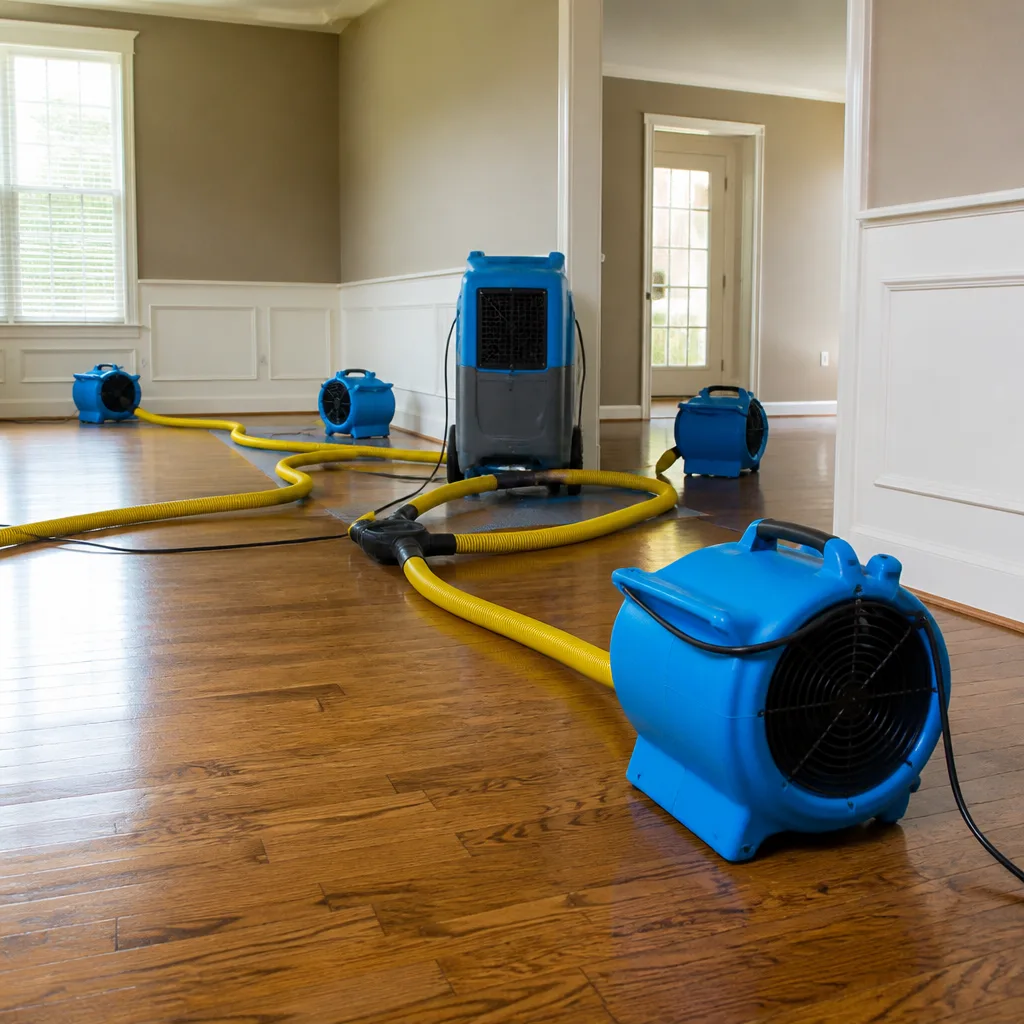
- The daily drying log. Every 24 hours, we record: temperature (°F), relative humidity (%), grains per pound (GPP) of moisture in the air, and moisture content (%) of affected materials at the same locations as the baseline moisture map. We also log equipment type, serial number, and placement. These logs prove the drying curve is progressing and justify equipment rental days to the penny.
- The photo record. Every visit, minimum 12 photos: wide shots of the work area, close-ups of moisture meter displays showing readings, equipment placement, and any changes in material condition. Date-stamped, geotagged, uploaded to a shared folder the homeowner and adjuster can access.
- The signed warranty. Our 365-Day Done Right Promise, under The Haven Standard. If it’s not done right, we make it right. Written, signed, delivered.
Which of these do insurers most commonly cite when disputing a claim? The drying log. Specifically, the absence of one. An adjuster can challenge a photo’s interpretation, but a drying log with 72 hours of stagnant moisture readings proves the equipment was undersized or misapplied. Conversely, a log showing steady GPP reduction and material MC decline proves the billable days were necessary. We’ve had Tacoma adjusters tell us outright: “I pay DryMark invoices faster because the file is complete before I ask for it.”
Mitigation vs. Restoration: The Billing Difference That Denies Claims
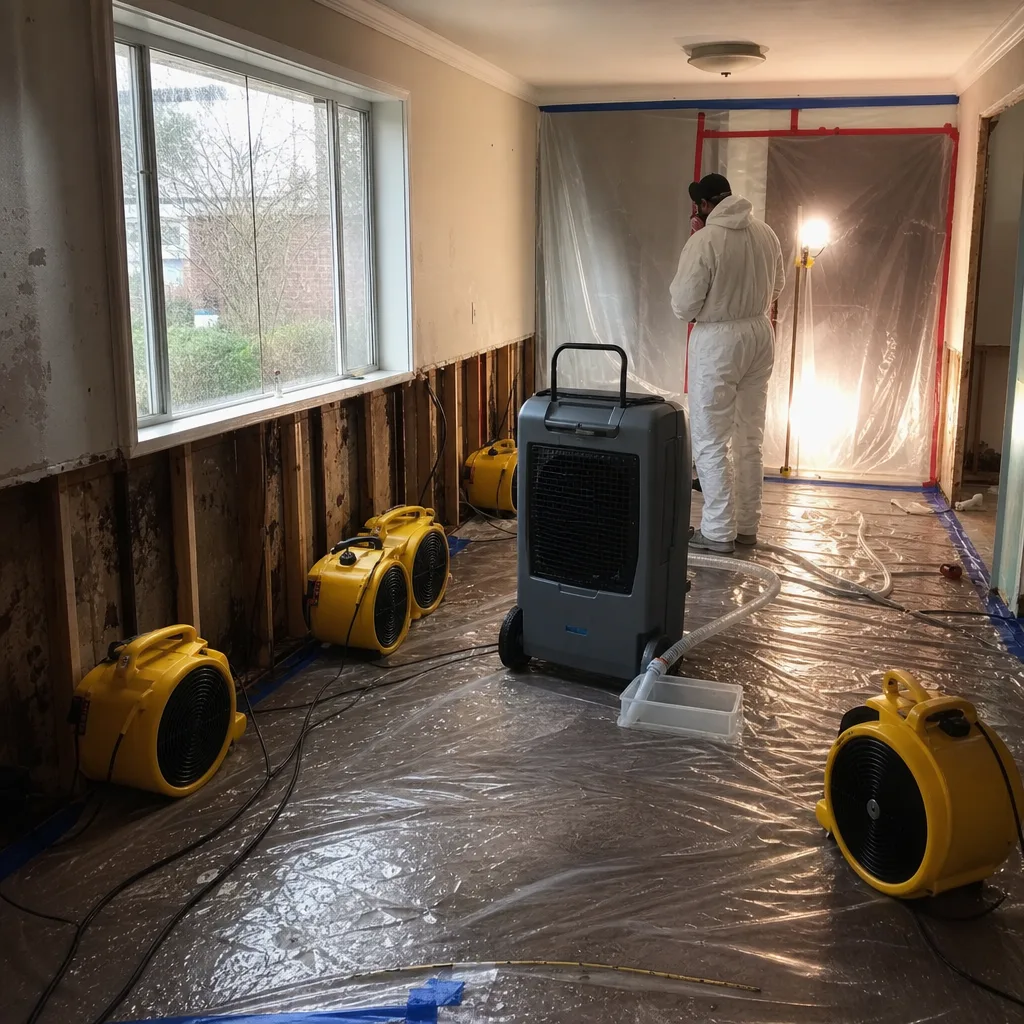
This is the single most common reason Tacoma claims get partially denied, and most homeowners never know it happened.
Mitigation is emergency stabilization: water extraction, controlled demolition of unsalvageable materials, placement of drying equipment, and application of antimicrobial agents. It is billed on a time-and-materials basis, with equipment rental by the day. Mitigation must begin immediately to prevent secondary damage.
Restoration is reconstruction: replacing drywall, flooring, cabinets, and finishes to return the property to pre-loss condition. It is billed as a construction contract, with fixed or negotiated pricing, permits when required, and scheduled completion dates. Restoration cannot begin until the structure is certified dry and the scope is agreed.
When a contractor combines both phases on one invoice, the insurer cannot verify which charges correspond to which phase. Was that $2,400 for three days of dehumidifier rental, or was it prep work for the new flooring? Was the demolition labor emergency mitigation, or was it part of the rebuild? The insurer splits the difference and pays the mitigation portion, leaving the homeowner to dispute the rest.
In Tacoma, where permit requirements for electrical and plumbing restoration work are enforced by the City of Tacoma Planning and Development Services, restoration work also requires inspections that mitigation does not; see Damage Restoration Permits, Codes & Inspections in WA: What You Need to Know for specifics. A contractor who begins reconstruction before permits are pulled creates a code violation that can void coverage. We’ve inherited jobs in the Lincoln District where the previous contractor installed new drywall over damp framing, passed no inspection, and the insurer refused the reconstruction portion because the work was not documented as a separate, permitted phase.
Our process: mitigate first, document drying completion with IICRC-compliant readings, then bid restoration as a separate written contract with permit scheduling. Two phases, two scopes, two sets of documentation. The insurer pays both because they can verify both.
IICRC S500 and the Readings That Prove “Dry”
The IICRC S500 Standard and Reference Guide for Professional Water Damage Restoration defines the scientific criteria for determining when a structure is dry. “Feels dry” is not in the standard. “Looks dry” is not in the standard. These numbers are:
- Grains per pound (GPP): The actual weight of water vapor in a pound of air. We measure this with a psychrometer. The target is not a fixed number; it is the GPP of unaffected areas of the same structure. When the affected area matches the dry standard, the air is no longer a moisture source.
- Relative humidity (RH): The percentage of moisture the air is holding relative to its capacity at that temperature. Target: below 60% during active drying, with a downward trend documented in the daily log. In Tacoma’s climate, we often see initial RH readings of 85% in enclosed spaces; achieving 50% RH with dehumidification is a meaningful milestone.
- Moisture content (MC) of materials: Measured with pin or pinless meters. For softwood framing common in Tacoma’s mid-century homes, the dry standard is typically 12-15% MC. For drywall, below 1% above the baseline of unaffected material. For concrete slabs, in-situ relative humidity testing per ASTM F2170, with readings below 75% RH at 40% slab depth.
- Vapor pressure differential: The difference in vapor pressure between the affected area and the outside, or between the affected area and a dry reference area. When this differential approaches zero, the driving force for moisture movement has been eliminated.
We document all four readings on every daily log, using equipment calibrated to manufacturer specifications. The brands we deploy, Dri-Eaz, Phoenix, and Injectidry systems among them, produce airflow and dehumidification capacity that we match to the latent load calculations from our initial psychrometric survey. A dehumidifier too small for the space runs continuously without achieving the target GPP; we size to the math, not to what we have on the truck.
Tertiary drying, the final phase where bound water is removed from deep within materials, is where most jobs fail. Surface readings look good, but a pin meter with insulated probes driven to depth shows 18% MC in a stud cavity. We continue equipment until the deep reading matches the surface, documenting the extended days in the log. The insurer pays because the numbers justify the time.
The Damage Restoration Process Step by Step
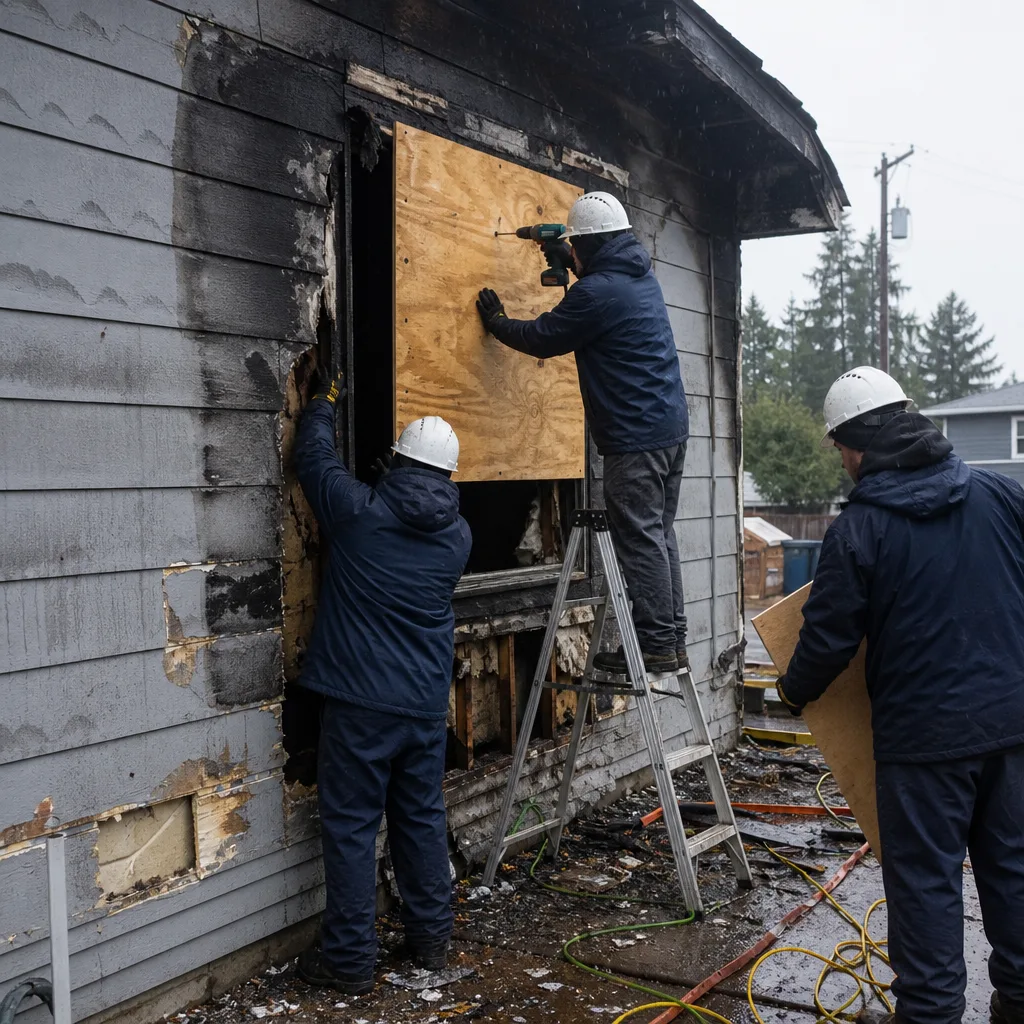
Whether the loss is water, fire, mold, or storm damage in Tacoma, the documentation-first sequence remains consistent. Here is how we execute it at DryMark Restoration Tacoma:
- Emergency contact and triage. A live person answers, 24 hours a day, 7 days a week. No voicemail. We ask: water source stopped? Power safe? Occupants secure? We dispatch based on severity, not appointment availability.
- On-site inspection and documentation. Before any equipment moves, we photograph, meter, map, and scope. The homeowner receives the written price before we begin. Haven Standard, Clause 1.
- Mitigation execution. Extraction, controlled demolition, equipment placement, antimicrobial application. Daily monitoring visits with updated logs and photos.
- Drying verification. We do not remove equipment until IICRC S500 readings are achieved and documented. The homeowner and adjuster receive the complete drying log.
- Restoration scope and pricing. Separate written contract, with permit identification for Tacoma code requirements, material selections, and scheduled completion.
- Reconstruction and final documentation. Progress photos, permit sign-offs, final walkthrough with the homeowner, delivery of the signed 365-Day Done Right Promise.
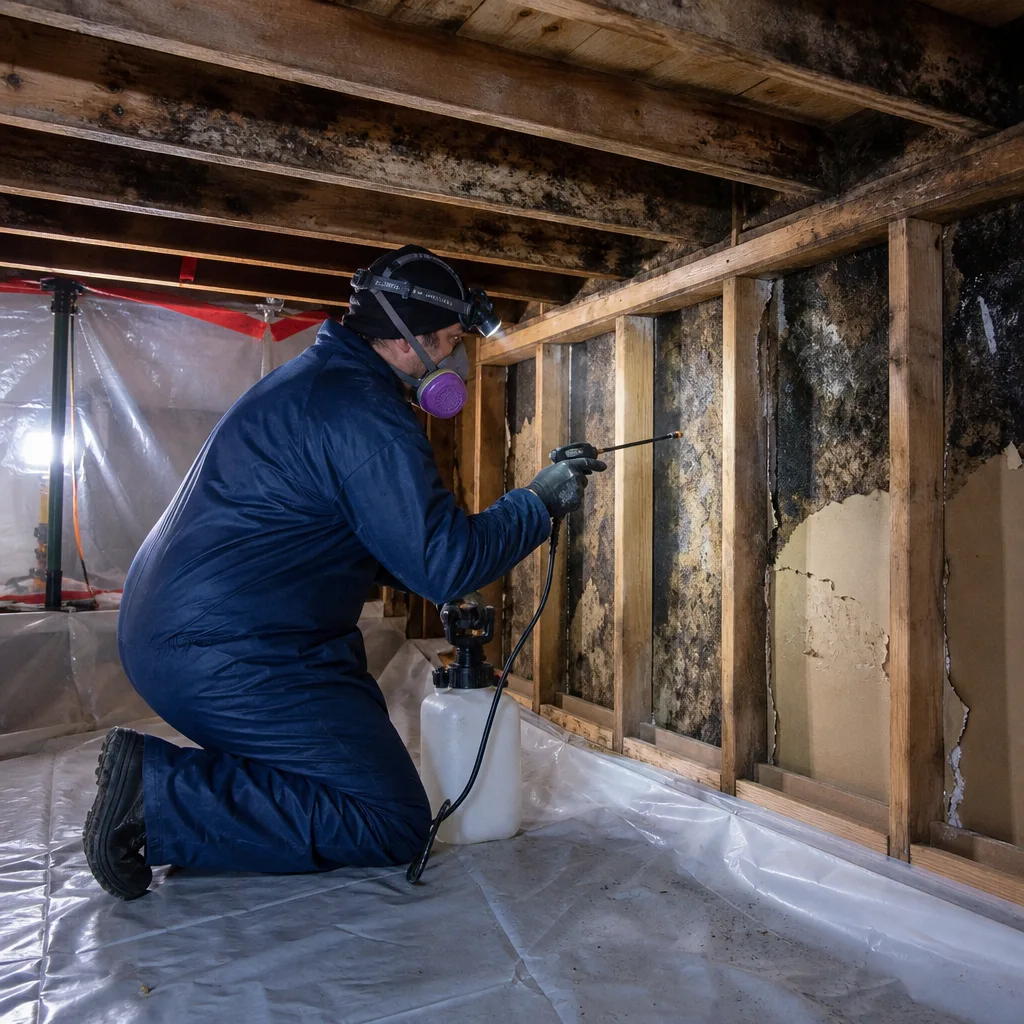
For mold remediation in Tacoma, we add containment negative air pressure, HEPA filtration, and post-remediation verification sampling. For fire and smoke damage, we add soot and odor remediation with thermal fogging or ozone treatment as appropriate, always with pre- and post-treatment photo documentation.
Using Documentation to Protect Your Insurance Claim
The documentation gap that costs homeowners their claims is not a secret in the insurance industry. It is the reason adjusters request the same records repeatedly, and why incomplete files settle for 60-70% of submitted amounts.
Here is how we close that gap:
Photo-documented assessments. Every moisture meter reading is photographed with the display visible and the probe location identifiable in the frame. Adjusters cannot dispute a timestamped photo of a 28% MC reading on oak flooring.
Direct adjuster coordination. We provide the complete file, drying logs, moisture maps, and photo records, to your adjuster in the format their desk prefers. We’ve worked with adjusters from every major carrier serving Tacoma, and we know which ones want Excel logs, which want PDF packets, and which will review our shared cloud folder directly.
Written scope as claim foundation. The scope we deliver before work begins becomes the baseline for the claim. If the adjuster’s estimate differs, we have a line-itemed document to reconcile against, not a verbal description from a stressed homeowner.
Free Second Opinion on any competitor’s written estimate. Bring us another contractor’s quote and we will review it at no charge. We’ve found $3,000-$7,000 in omitted items on estimates from contractors who skipped the moisture mapping and assumed visible damage was the full extent.
Our origin story is relevant here. Alicia Brennan founded this company in 2011 after working as a claims adjuster and watching homeowners lose legitimate claims for one reason: the restoration contractor produced no documentation the adjuster could pay. We built every process in reverse from that problem.
Common Mistakes to Avoid
- Letting a contractor start work without a written price. In Tacoma’s competitive restoration market, some operators use “we’ll bill your insurance” as a substitute for a fixed scope. This is how surprise balances happen. Haven Standard, Clause 1 exists to end this.
- Assuming visible dryness means actual dryness. We’ve tested walls in Tacoma’s Lakewood-adjacent neighborhoods that looked dry for two weeks, then registered 20% MC deep in the insulation cavity. Surface checks miss what meters find.
- Conflating mitigation and restoration on one invoice. As detailed above, this is the fastest path to a partial denial. Demand separate documentation for each phase.
- Ignoring soil vapor in basement and crawl space jobs. A contractor who dries the main floor without addressing hydrostatic pressure vapor from the soil below has left a moisture source that will re-wet the structure. We see this repeatedly in Tacoma’s low-lying areas near the Thea Foss Waterway.
- Accepting “dry” without GPP and MC numbers. If your contractor cannot show you the daily log with these readings, they are asking you to trust a feeling. We don’t ask for trust; we deliver evidence.
- Delaying documentation for “urgency.” The first 24 hours matter for mitigation, yes. But 15 minutes of proper photography and metering before the fans start saves weeks of claim disputes. We do both: document first, then move fast.
When to Call a Professional
Call immediately when water is actively flowing, when sewage or contaminated water is involved, when mold covers more than 10 square feet, when fire damage has compromised structural elements, or when you smell smoke odor after visible cleanup. These scenarios carry health risks and insurance implications that worsen with delay.
For water damage that has been standing more than 24 hours, call even if the source is stopped. Category 1 clean water degrades to Category 2 gray water in 48 hours, and Category 3 black water in 72 hours, changing both the mitigation protocol and the coverage parameters.
DryMark Restoration Tacoma offers free estimates in Tacoma. We also provide a Free Second Opinion on any competitor’s written estimate. Call (253) 265-9692 and a live person will answer, any hour, any day.
Frequently Asked Questions
Water damage mitigation in Tacoma typically ranges from $1,800 for a contained single-room extraction and drying to $6,500 for a whole-house drying project with hardwood floor rescue and cavity injection; for detailed pricing factors, see our Damage Restoration Cost Breakdown: The Tacoma Homeowner’s Reference for 2026. Full reconstruction, separate from mitigation, runs $25-$55 per square foot for standard finishes, with higher rates for historic homes in Tacoma’s Stadium District or North Slope where matching original materials is required. Every job at DryMark Restoration Tacoma receives a written price before work begins, per Haven Standard, Clause 1. Call (253) 265-9692 for an exact quote, estimates are free.
Most homeowners policies cover sudden and accidental water damage, fire, and storm damage, but exclude gradual leaks, flood damage without separate flood coverage, and sewage backup without a rider. The key to coverage is documentation that proves the loss was sudden and the mitigation was necessary. We photograph, meter, and log every job to provide that proof. We also coordinate directly with adjusters and provide photo-documented assessments. Call (253) 265-9692 and we’ll review your policy language with you at no charge.
Our live dispatch answers 24 hours a day, 7 days a week, and we aim for on-site arrival within 90 minutes for active water losses in Tacoma proper, including North End, Proctor, Hilltop, and the downtown core. Northeast Tacoma and waterfront-adjacent properties may add 15-20 minutes depending on bridge traffic. For fire and reconstruction projects, we schedule initial assessment within 24 hours, as these require scoped planning rather than emergency dispatch. Call (253) 265-9692 to confirm current response time for your address.
Mitigation, the emergency drying phase, typically takes 3-5 days for standard water losses, with daily monitoring visits. Complex jobs with crawl space involvement or hardwood flooring may extend to 7-10 days. Restoration, the reconstruction phase, varies by scope: a single room with drywall and paint may be 5-7 business days, while a whole-house rebuild can span 8-12 weeks. We do not begin restoration until IICRC S500 drying standards are documented and verified. Call (253) 265-9692 for a timeline based on your specific loss.
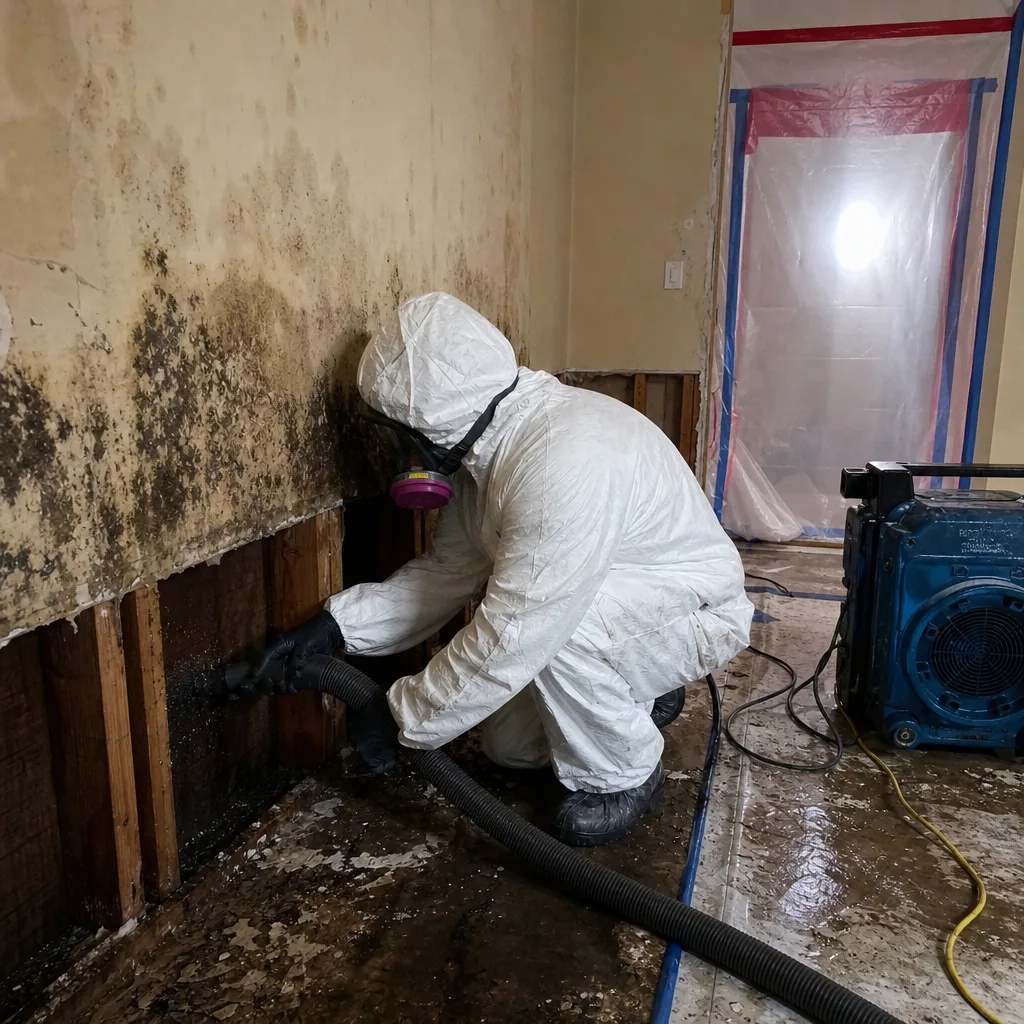
If the mold growth exceeds 10 square feet, if it follows a water loss that was not professionally dried, or if it is in your HVAC system, you need professional remediation per IICRC S520 standards. Surface cleaning with household products is appropriate only for isolated, recent growth on non-porous surfaces under 10 square feet with no underlying moisture problem. Tacoma’s marine humidity means mold that appears “minor” often indicates concealed colonization in wall cavities. We offer free assessment to determine which protocol applies. Call (253) 265-9692.
Tacoma’s combination of marine-layer humidity, clay-heavy soils with high groundwater, and aging housing stock from the 1940s-1970s creates moisture patterns that inland contractors miss. Soil vapor intrusion through foundations is common in low-lying neighborhoods. Original lath-and-plaster walls in historic districts hold moisture differently than modern drywall. Wind-driven rain on hillside exposures forces water through building envelopes that appear intact. A restoration scope written without these factors will under-scope the job and leave secondary damage to surface later; learn to spot problems early in our Damage Restoration Warning Signs: A Tacoma Homeowner’s Reference Guide. We’ve specialized in Tacoma’s conditions since 2011.
The Bottom Line
Damage restoration in Tacoma is not primarily a construction challenge. It is a documentation challenge that determines whether your insurance claim pays what you are owed. The contractor who arrives with equipment but no meter has already cost you leverage. The four deliverables, written scope, daily drying log, photo record, and signed warranty, are not extras. They are the minimum viable file for a payable claim. In Tacoma’s marine climate, with its hidden vapor paths and humidity baselines that mask incomplete drying, the numbers matter even more. We built DryMark Restoration Tacoma on the principle that evidence, not reassurance, is what protects a homeowner. That principle is The Haven Standard, and it governs every job we take.
Written by Alicia Brennan, Owner at DryMark Restoration Tacoma, serving Tacoma since 2011.