
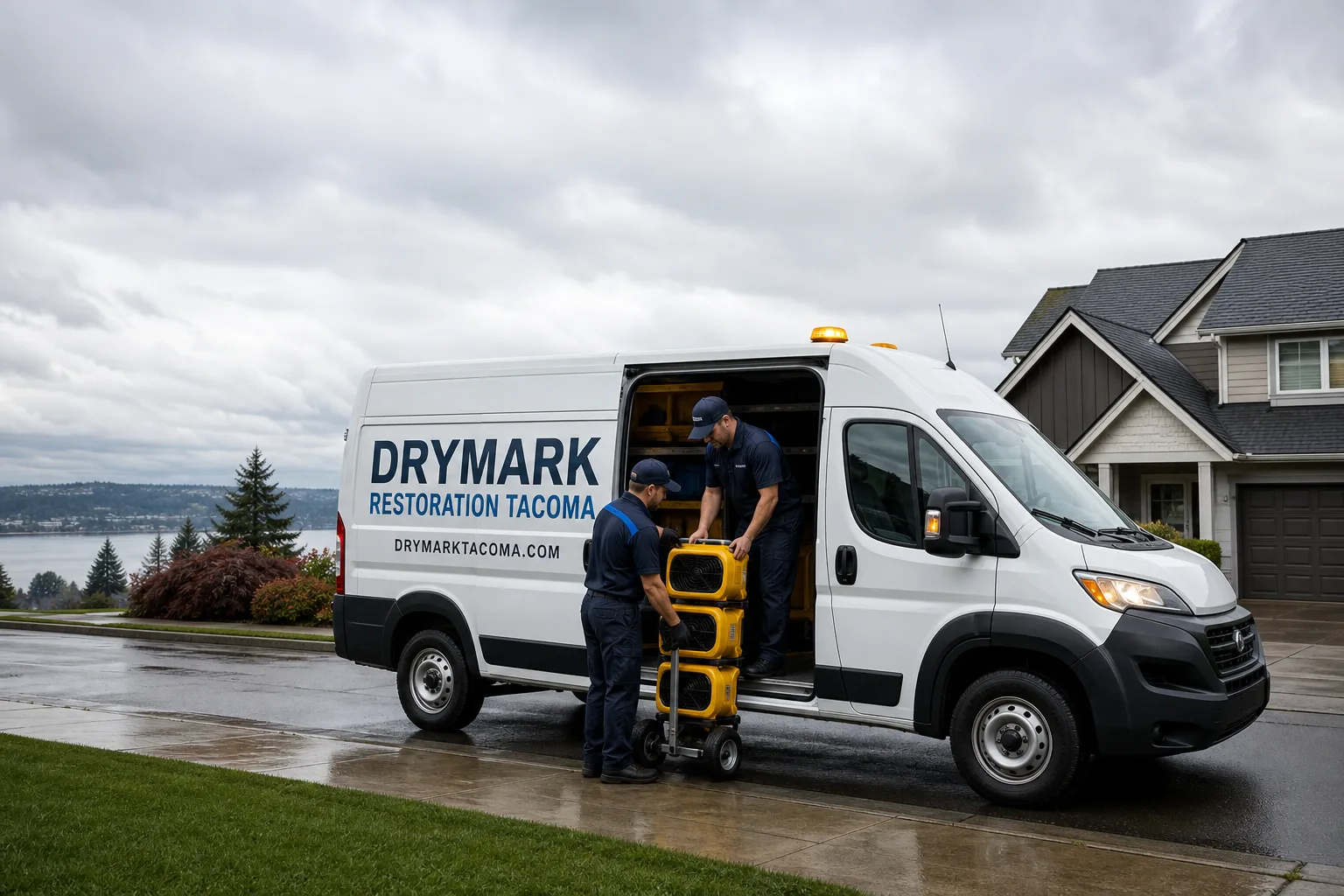
Free visual inspection and a written scope of work before any mitigation begins - photos, moisture readings, and drying logs go in your claim file
The scope we write is the scope we bill. Anything new gets shown to you, in writing, before we touch it.
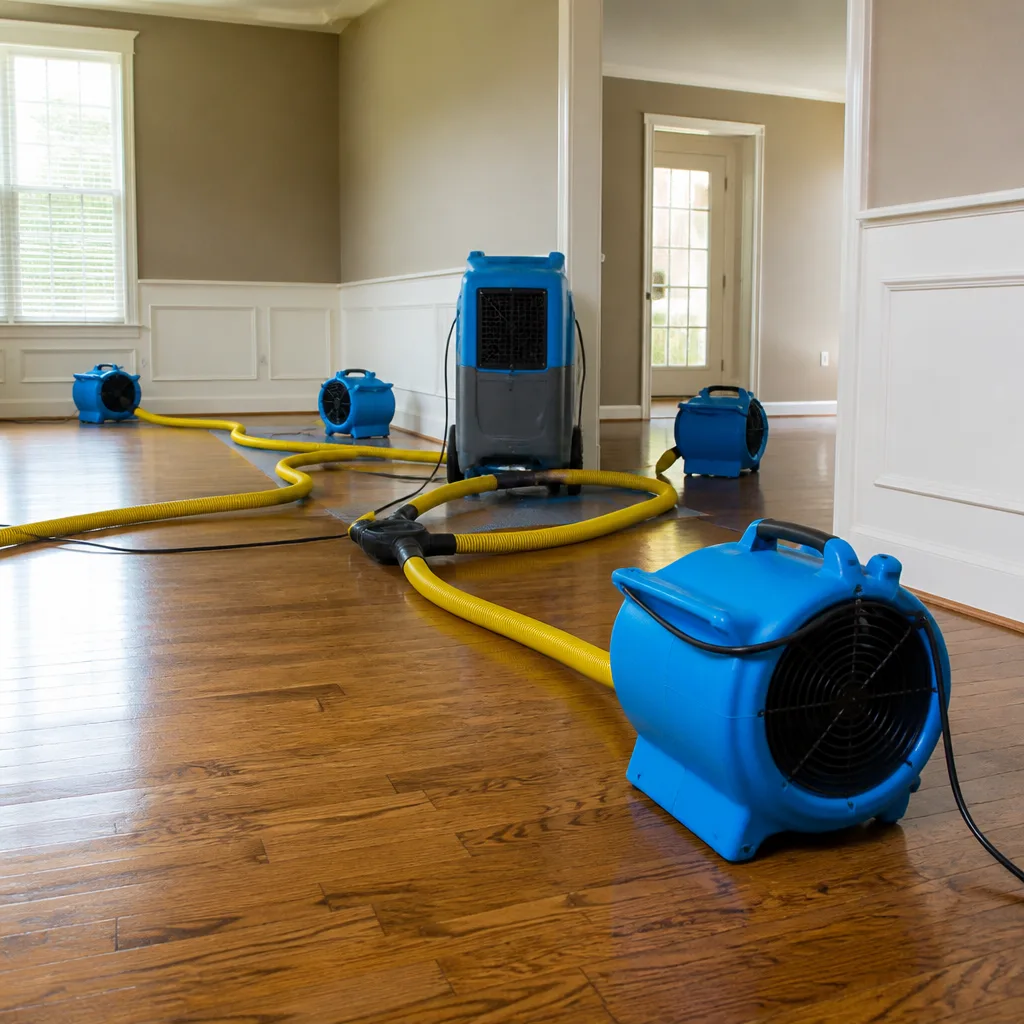
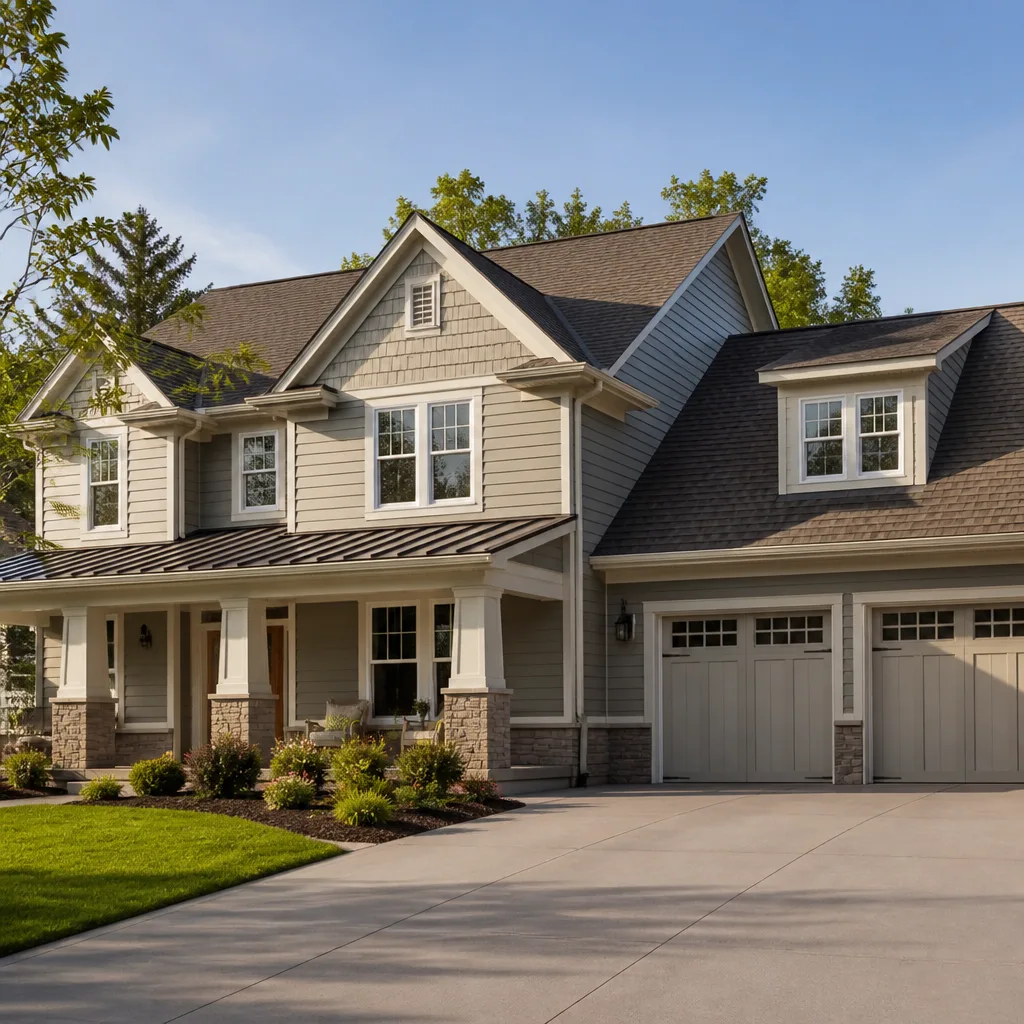
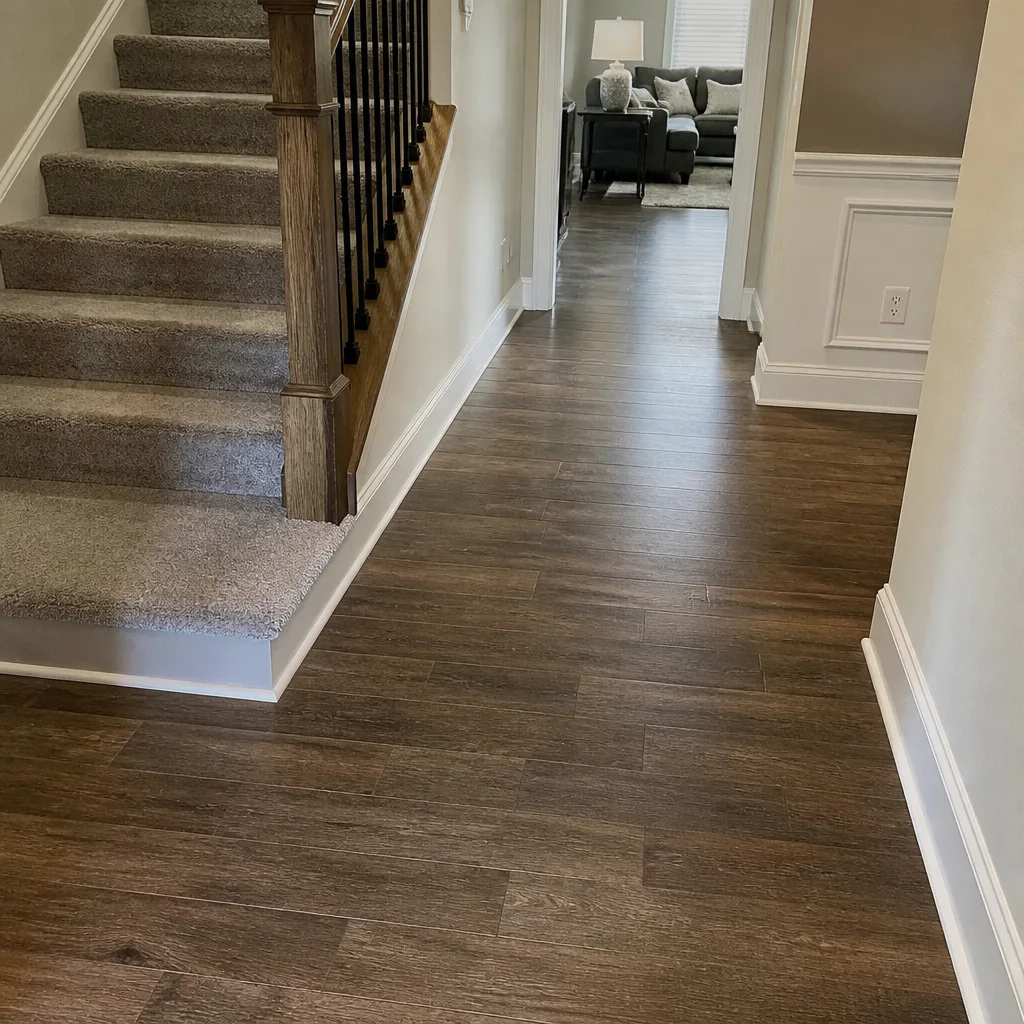
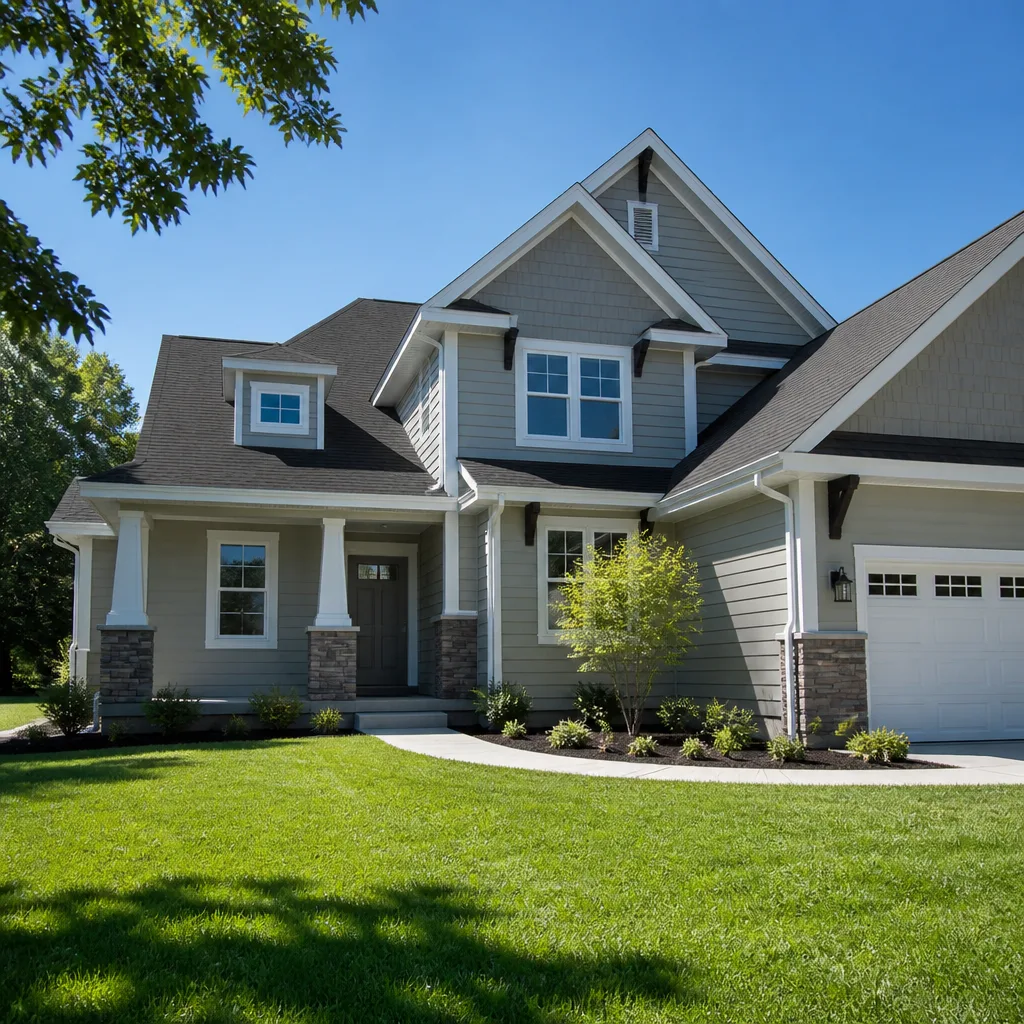
 Before
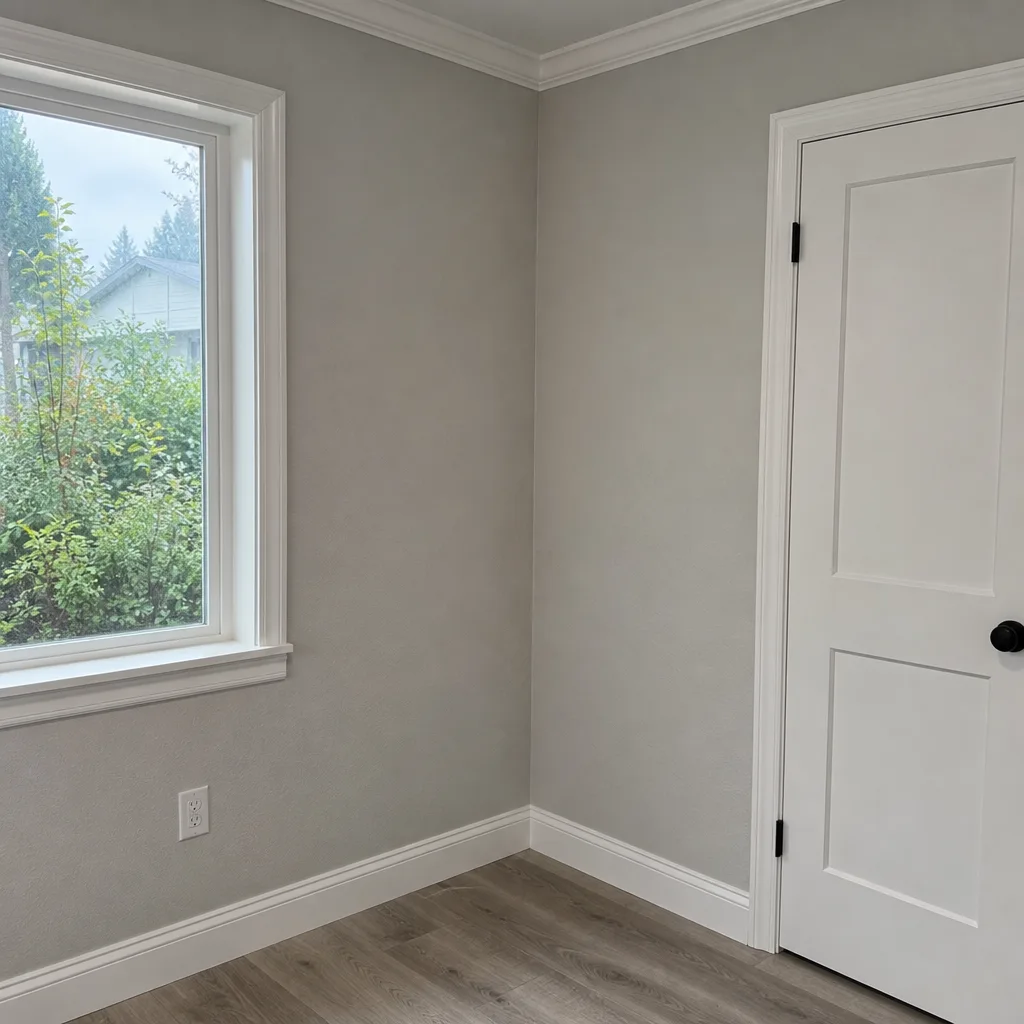 After
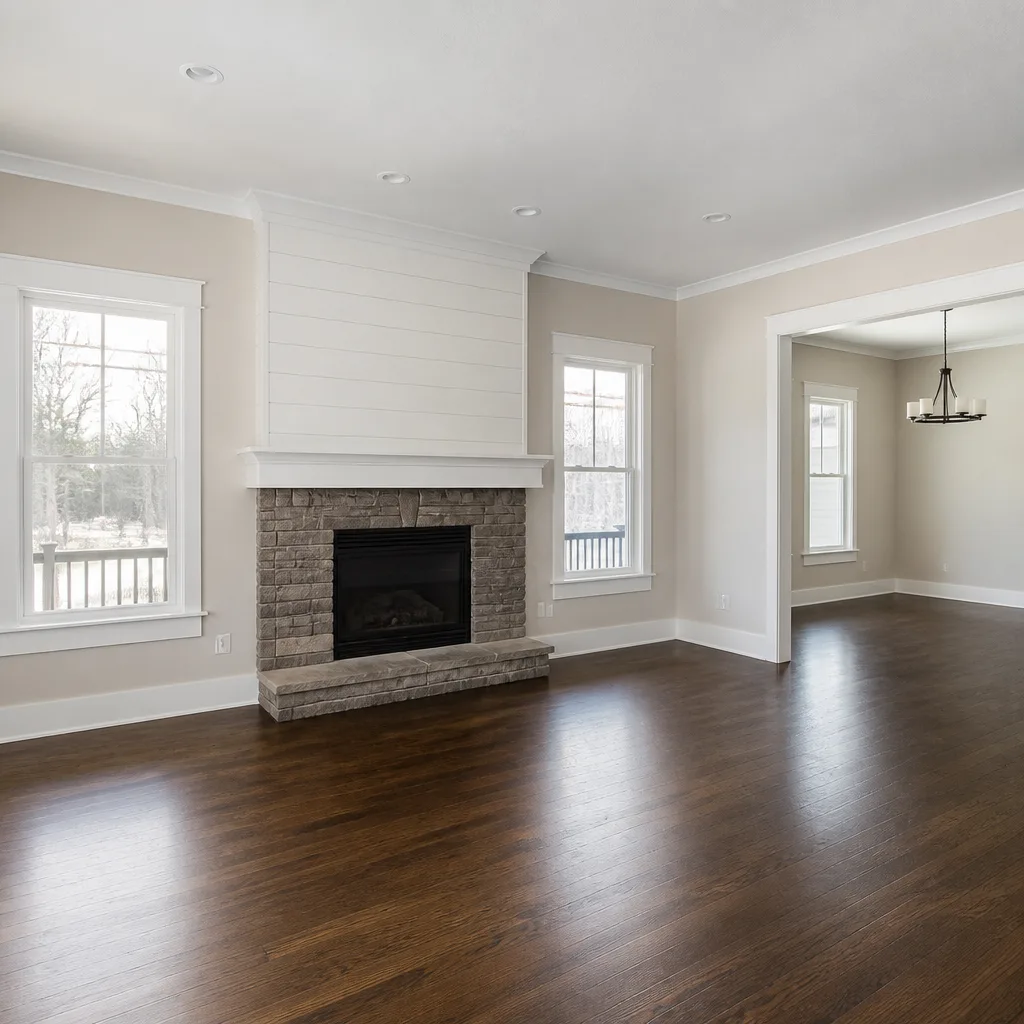
After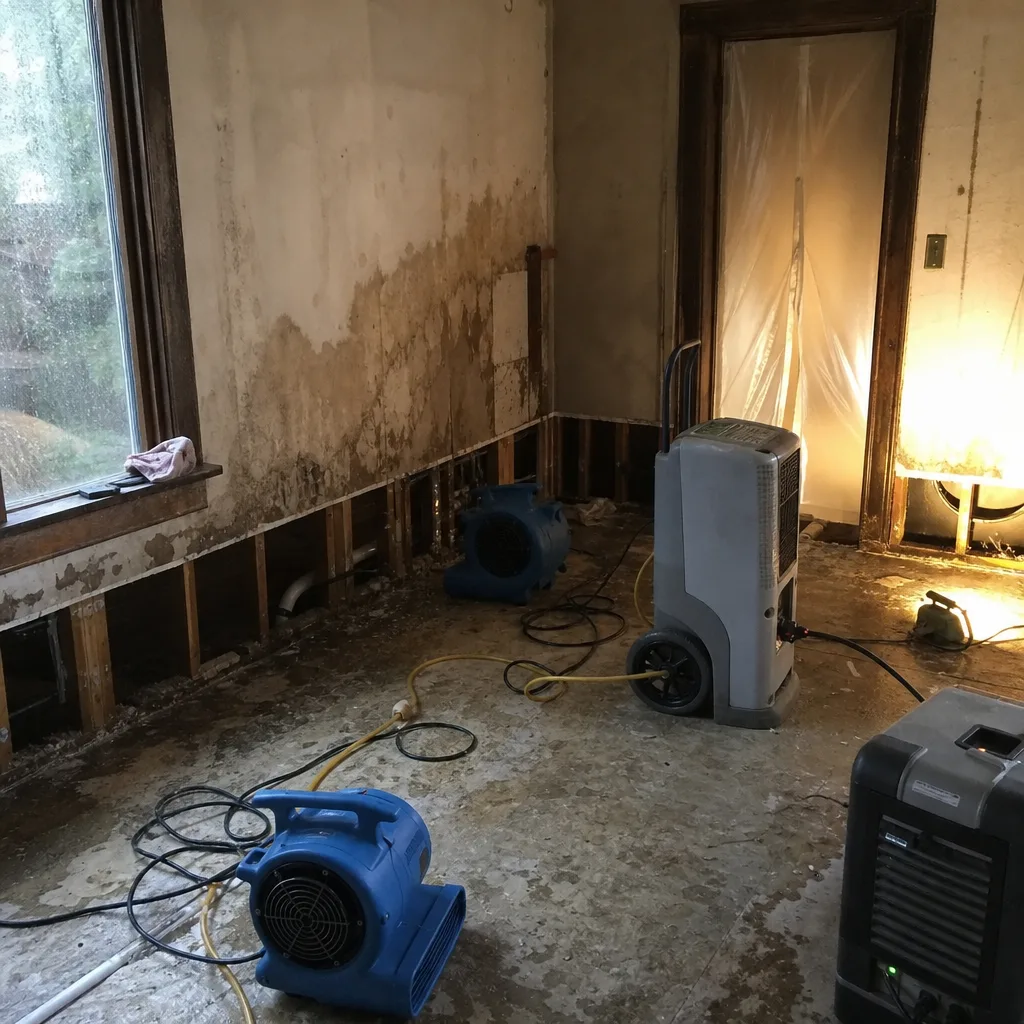 Before
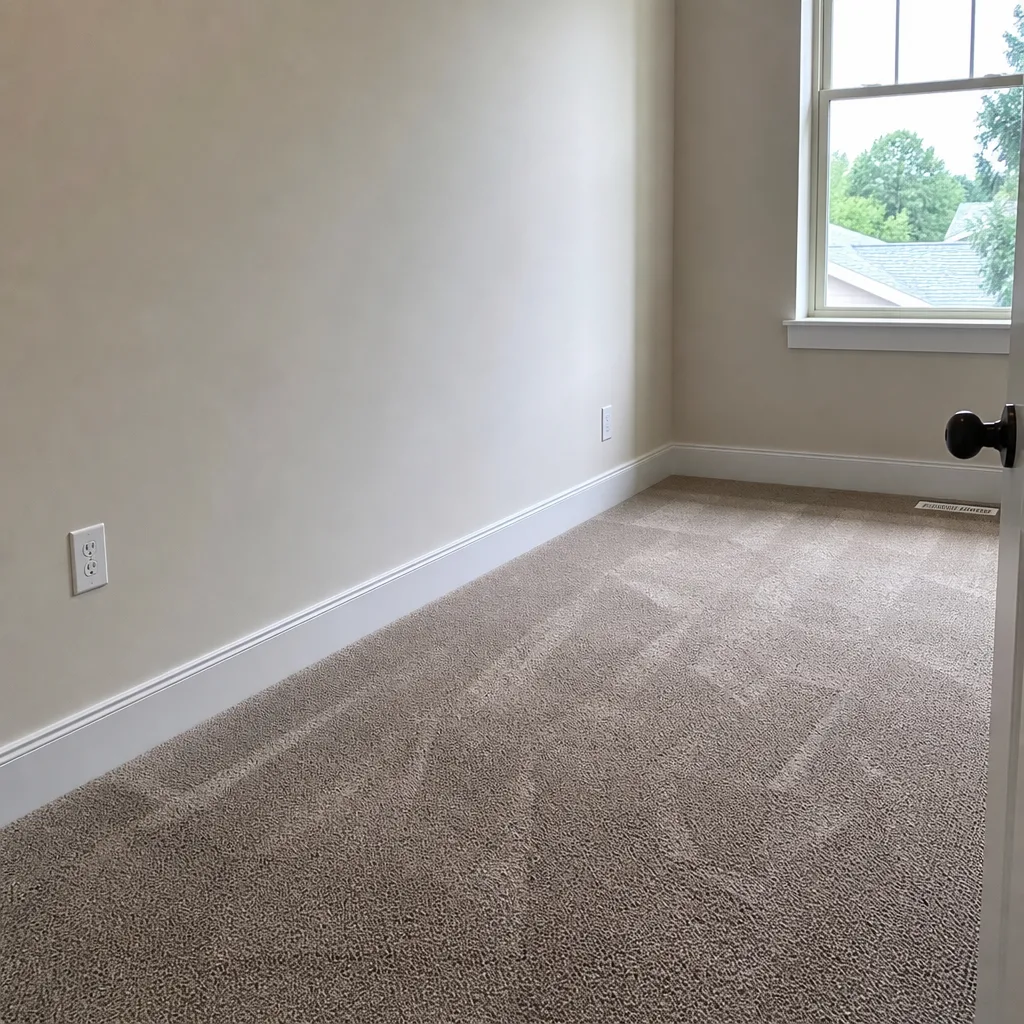 After
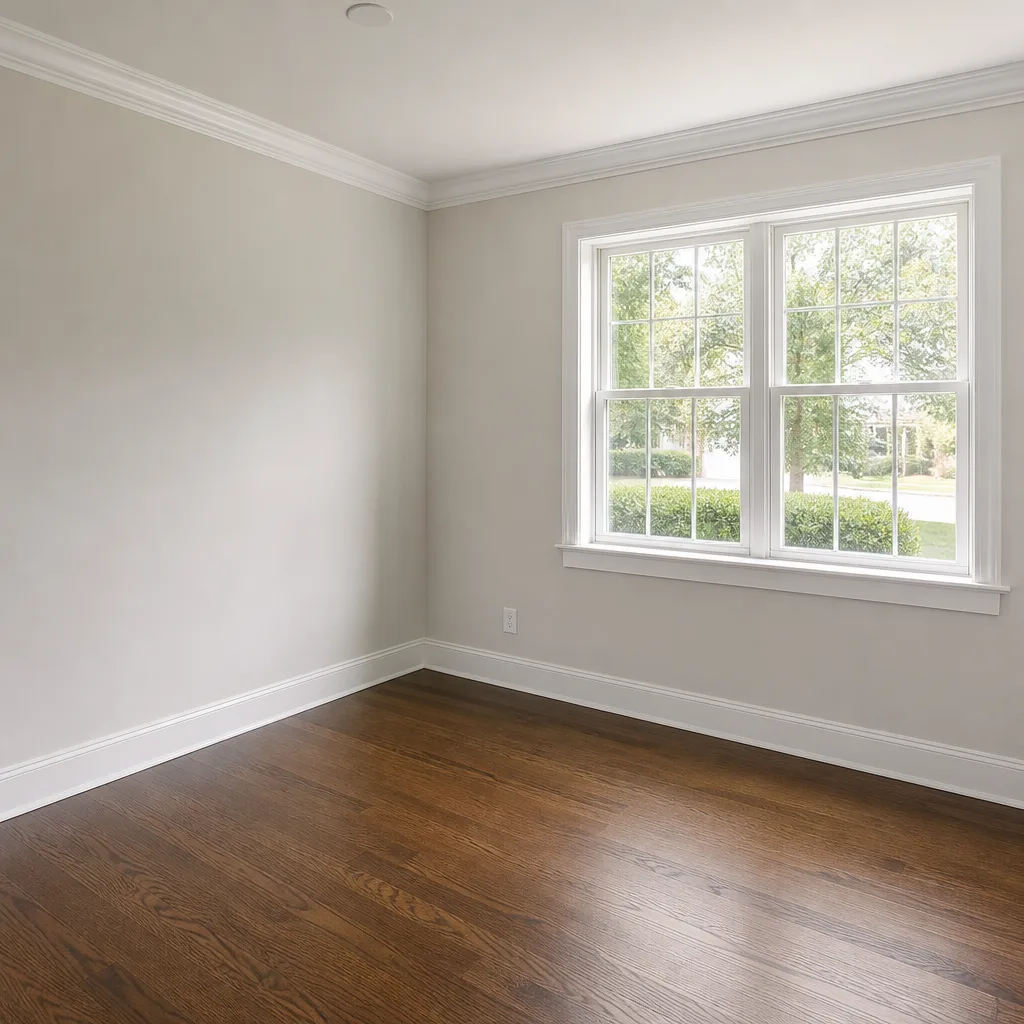
After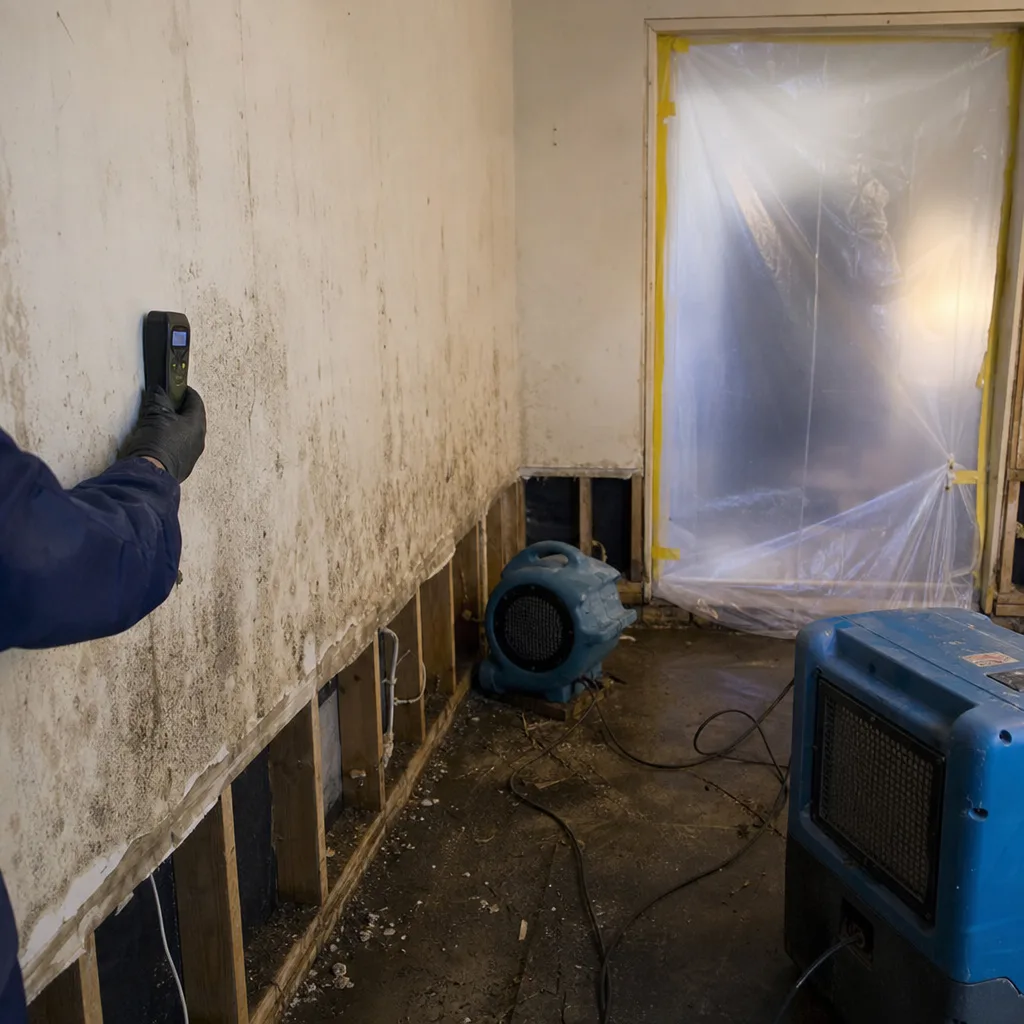 Before
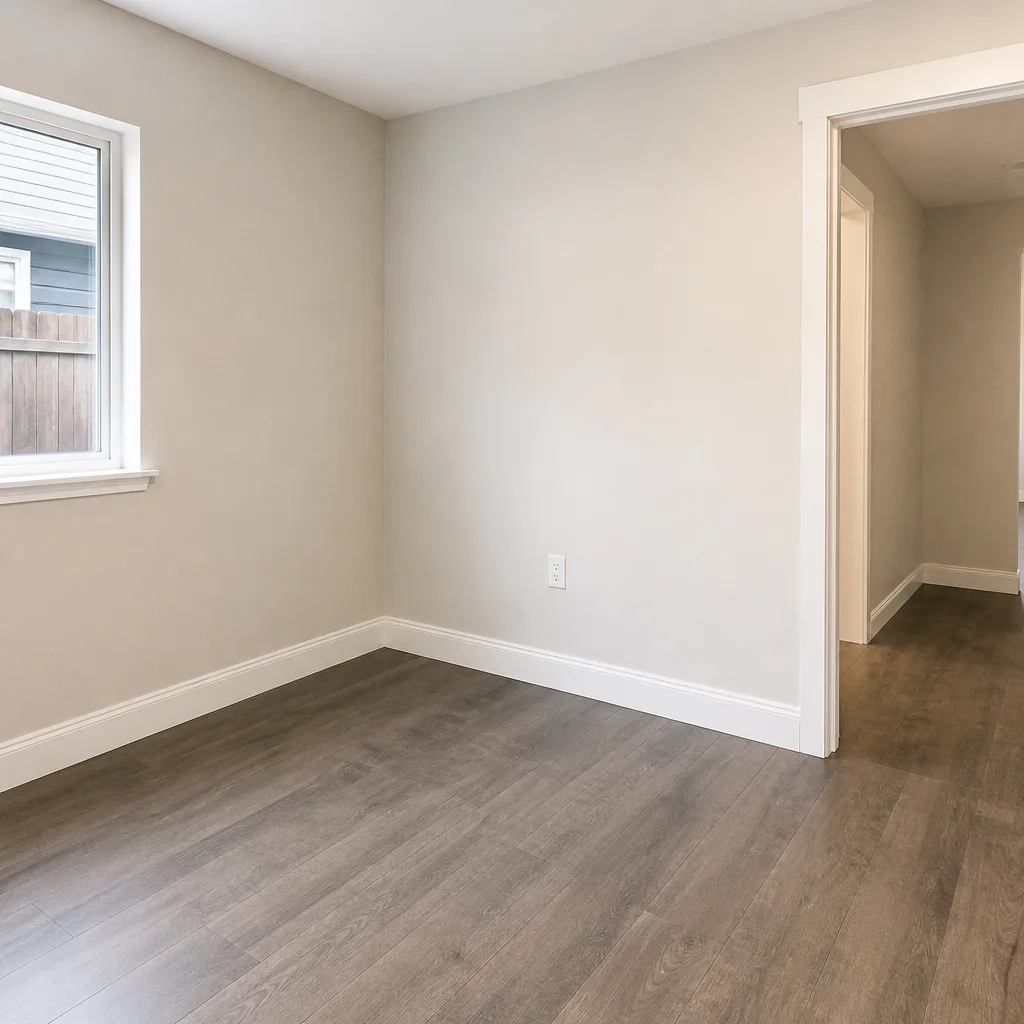 After
AfterFast, Reliable Fire & Smoke Damage Restoration Across Des Moines
Fire and smoke damage restoration in Des Moines, WA typically runs $3,200-$8,500 for a partial-home cleanup with odor removal, and our crews can have emergency board-up and tarping on-site within 90 minutes of your call. Because Des Moines sits on Puget Sound bluffs with wind exposure that flat inland suburbs don’t face, fire damage here often compounds with wind-driven rain intrusion through compromised openings, a dual-source failure pattern we’ve documented on hundreds of jobs since 2011. Our Fire & Smoke Damage Restoration team dispatches from our Seattle office with crews that know the mid-slope neighborhoods between the bluff top and marina, the Des Moines Creek drainage corridor, and the specific building types that dominate this waterfront community. Call (253) 265-9692 any hour - a live person answers, no voicemail.
Why DryMark Restoration Tacoma Is Des Moines’s Preferred Fire & Smoke Damage Restoration Company
We’ve restored more than 12,000 homes since 2011, and the Des Moines jobs stick in our files because the damage patterns here are genuinely unusual. The same mid-slope rain events that drive groundwater into crawl spaces also drive wind-driven rain against bluff-top doors and window openings, meaning a failed exterior door floods a home from the top of the slope and the bottom simultaneously. That’s a dual-source failure flat inland suburbs like Federal Way rarely see, and it requires a crew that knows to look for both.
Des Moines homeowners find us through three-star reviews as often as five-star ones, which is how we prefer it - those reviews mention the written price delivered before work started, the photo record on every visit, and the adjuster who paid the claim without a fight. Our response time to Des Moines averages under 90 minutes for emergency board-up, and we carry wind-rated door inventory matched to the marine exposure ratings this bluff community requires.
We know the housing stock: ranch-style and split-level homes built between the 1950s and 1970s with unencapsulated crawl spaces, many without modern vapor barriers, especially in the marina corridor and along Des Moines Creek. When fire or storm damage breaches one of these structures, the restoration scope has to account for pre-existing moisture conditions that newer inland construction doesn’t present.
Our Fire & Smoke Damage Restoration Services in Des Moines
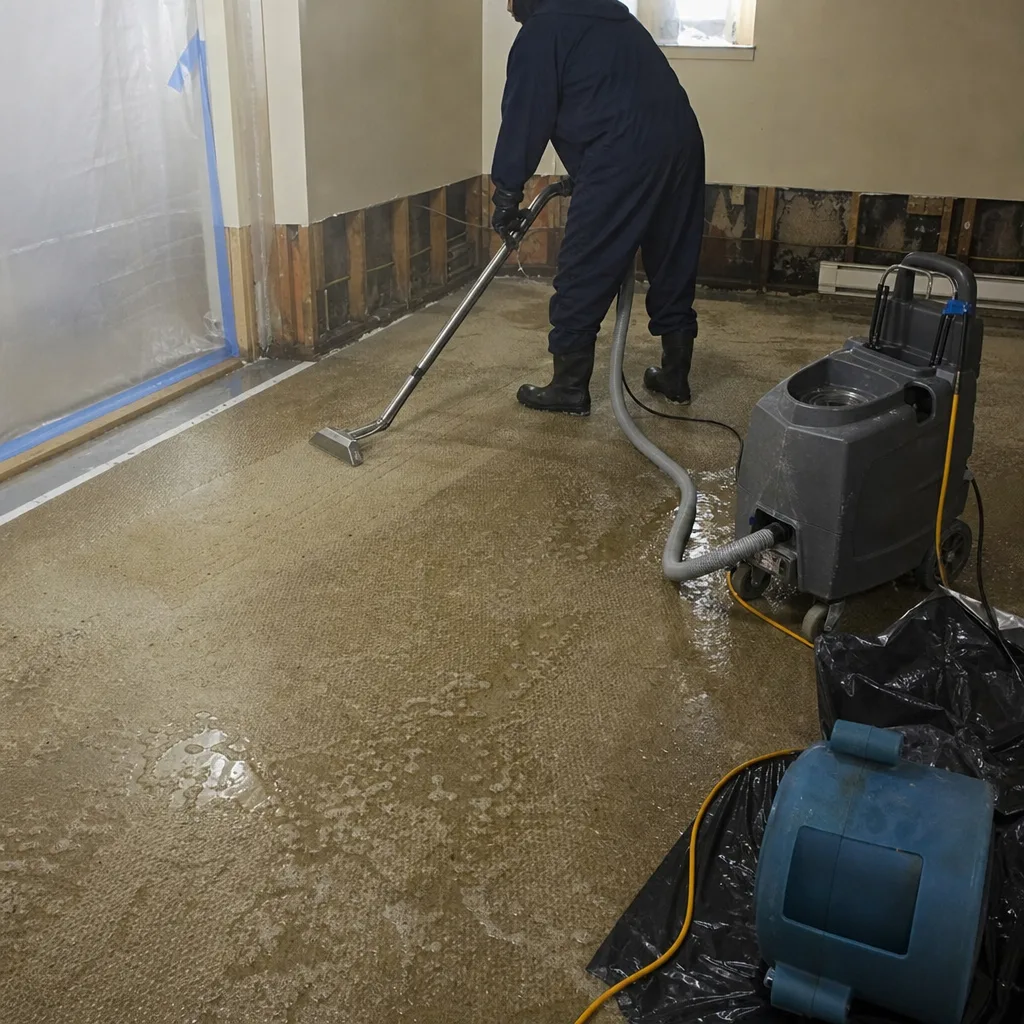
Fire Damage Cleanup
Fire damage cleanup in Des Moines starts with a documented assessment of structural integrity and contamination spread, not a pressure wash and a hope. We inventory affected materials by classification - charred structural members, heat-compromised sheathing, smoke-impacted finishes - and deliver a written scope with line-item pricing before any demolition begins. Haven Standard, Clause 1. On bluff-top homes, we also inspect door and window openings for wind-load damage that may have preceded or accompanied the fire, since compromised openings change the drying strategy and the reconstruction timeline.
Smoke & Soot Removal
Smoke and soot behave differently in Des Moines’s marine climate than they do in drier inland markets. The persistent humidity off Puget Sound keeps acidic soot residues active longer, meaning surface corrosion on metal fixtures and progressive staining on painted surfaces accelerate if cleanup is delayed. Our crews use HEPA vacuum extraction followed by chem-sponge cleaning on finished surfaces, with documentation of pre-existing moisture conditions in the structure so the adjuster can distinguish fire damage from the chronic humidity issues common in Des Moines’s unencapsulated crawl spaces.
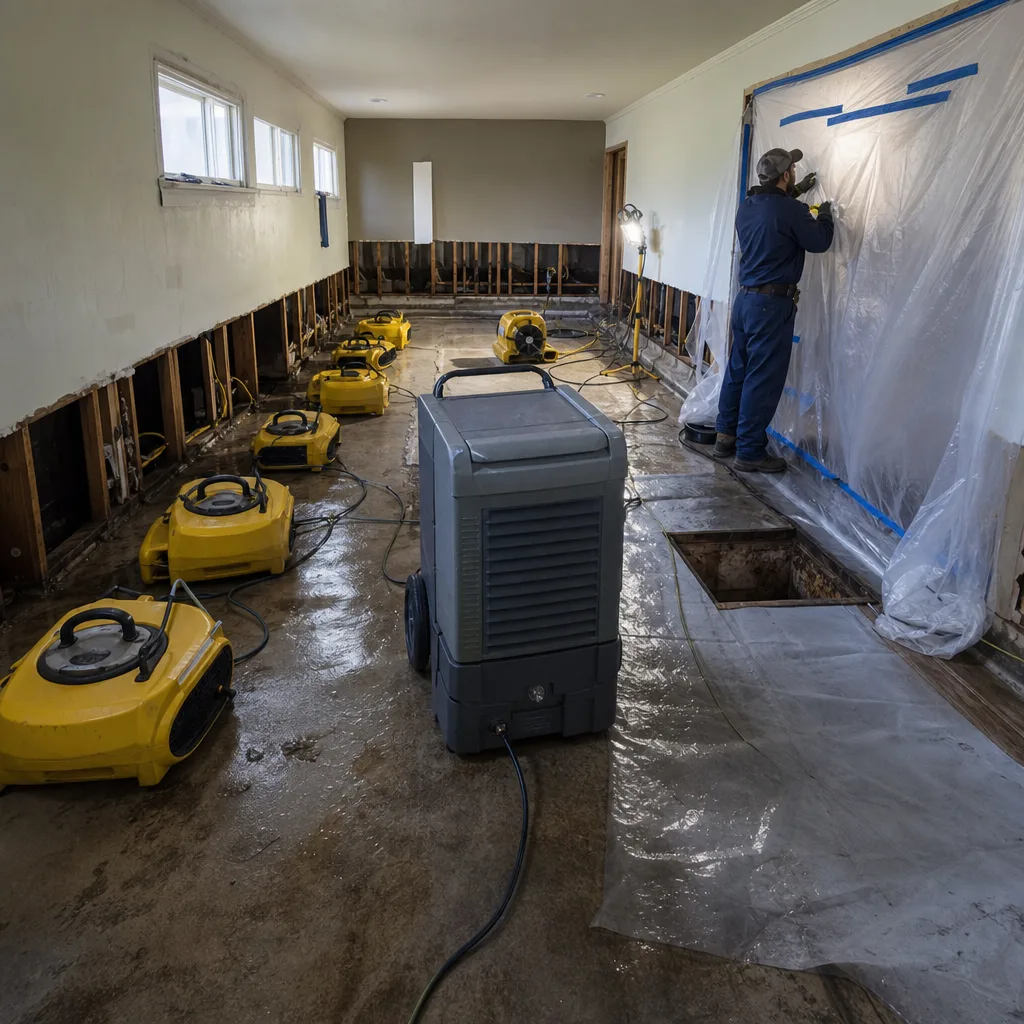
Odor Removal & Deodorization
Odor removal in Des Moines requires equipment that can overcome the marine air exchange rate - the same Puget Sound breeze that homeowners enjoy also ventilates structures continuously, so thermal fogging and ozone treatment have to be applied in containment with controlled air movement. We deploy Dri-Eaz and Phoenix hydroxyl generators with sealed containment barriers, documenting vapor pressure differential readings (the measurable force that drives moisture and odor molecules through materials) to prove the treatment reached saturation. The 365-Day Done Right Promise applies: if odor returns, we return.
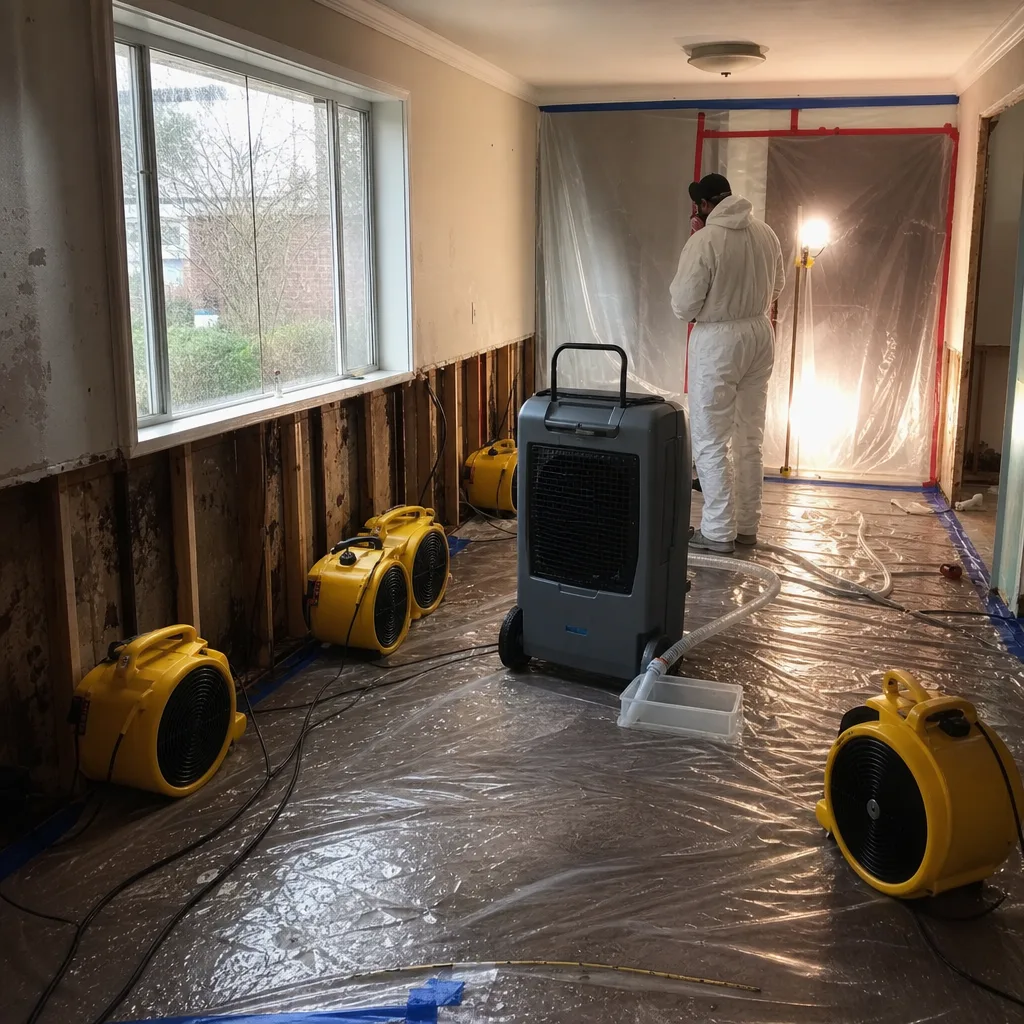
Contents Cleaning & Pack-Out
Contents pack-out from Des Moines homes means transporting items to our facility with chain-of-custody documentation that satisfies both the homeowner and the adjuster. We photograph every item before it leaves the property, classify damage by smoke type (dry, wet, protein, or fuel-oil), and provide a written inventory with restoration-versus-replacement recommendations. For homes in the Des Moines Creek corridor where groundwater intrusion is a chronic condition, we separately document any pre-existing moisture damage on contents so it doesn’t get folded into the fire claim.
Emergency Board-Up & Tarping
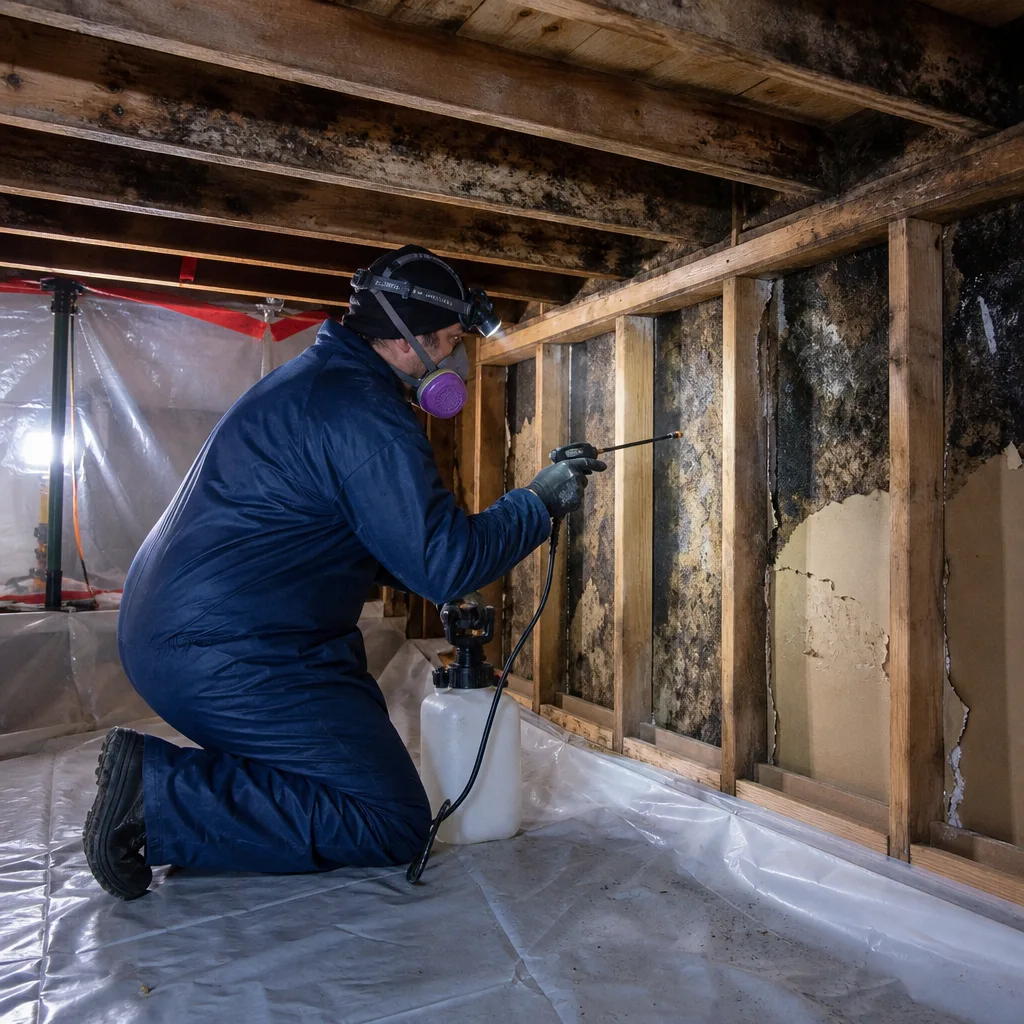
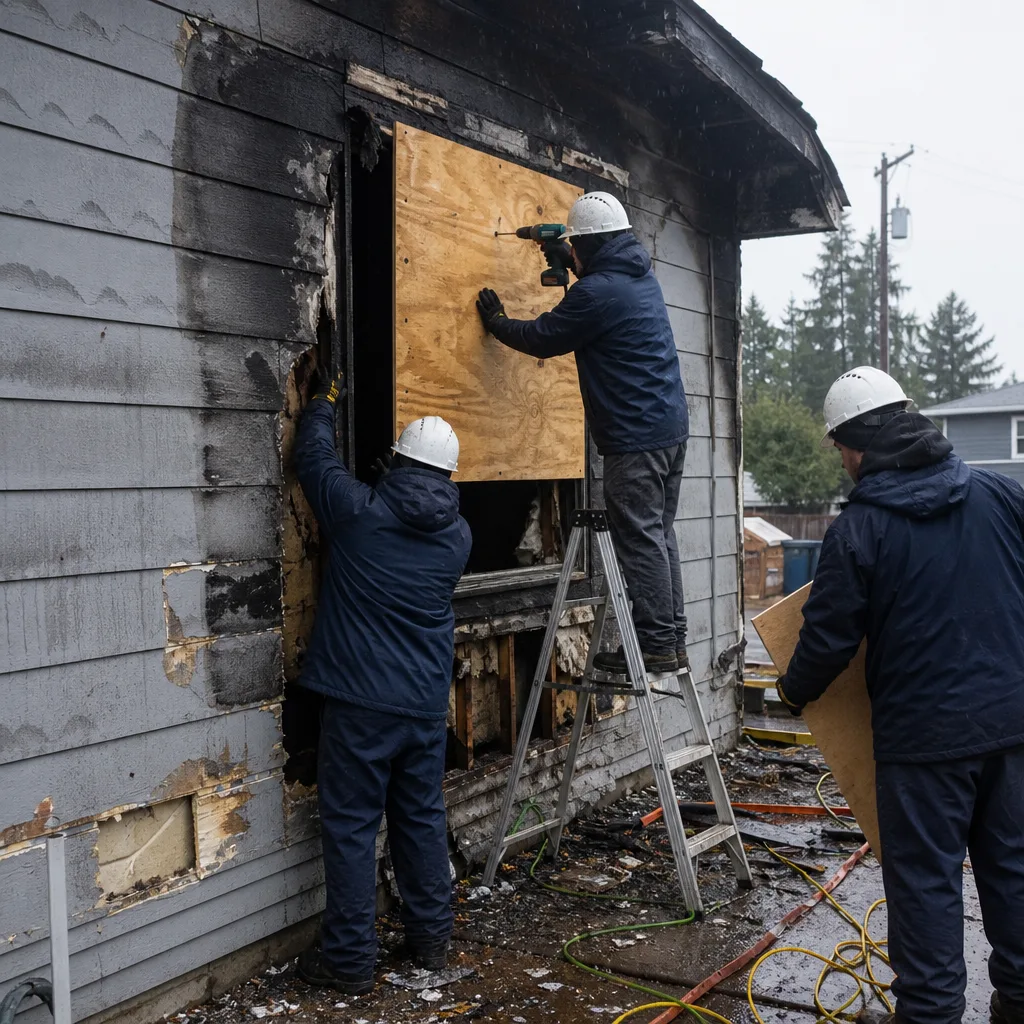
Emergency board-up in Des Moines is where our bluff-top wind exposure expertise matters most. A plywood patch on a blown-out door or window without sealed containment is a moisture trap in this marine climate - marine air and wind-driven rain keep feeding intrusion while the insurance scope sits unapproved. We install sealed containment barriers with vapor-retardant membrane, not just boards, and we document the pre-loss condition of the opening with photos that show whether the original door was wind-rated or not. This matters for the reconstruction scope: reinstalling a non-wind-rated door on a bluff-top opening guarantees the next storm blows it out again.
Structural Fire Repair
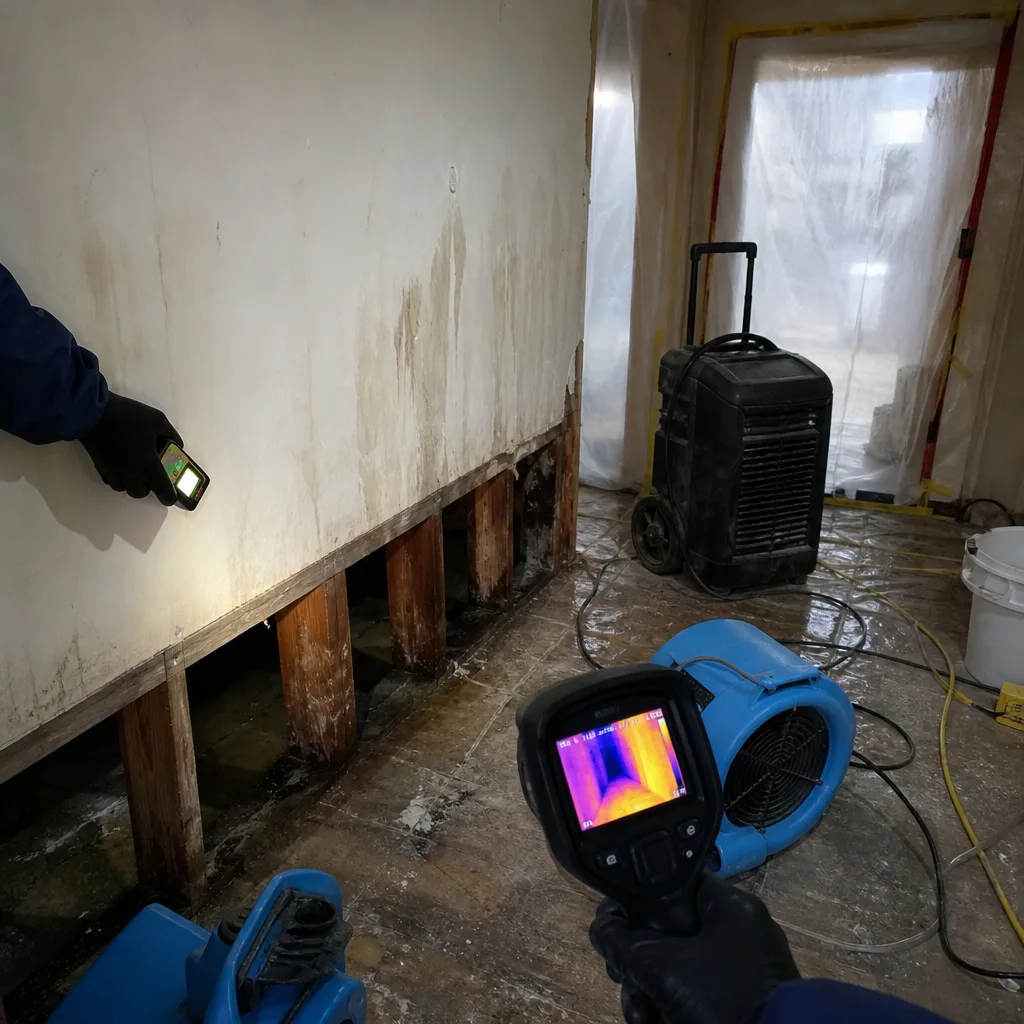
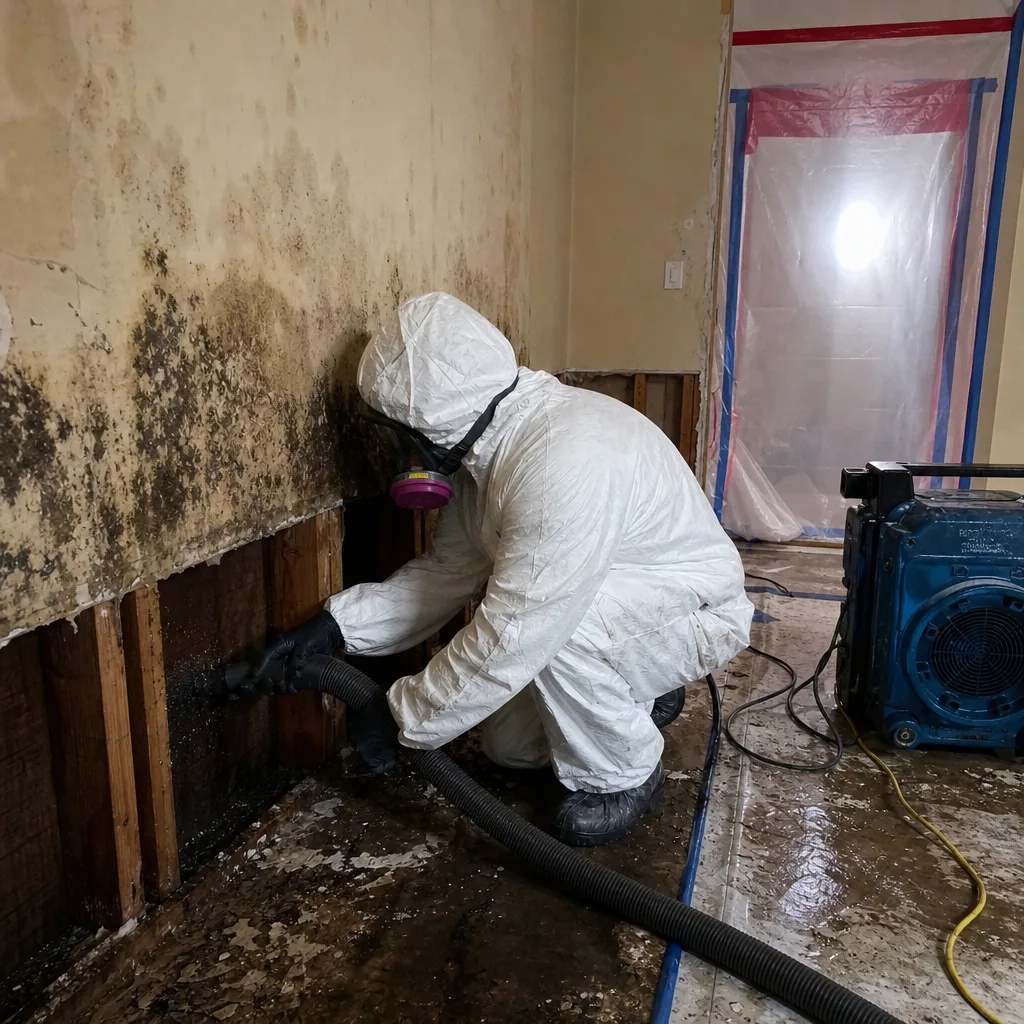
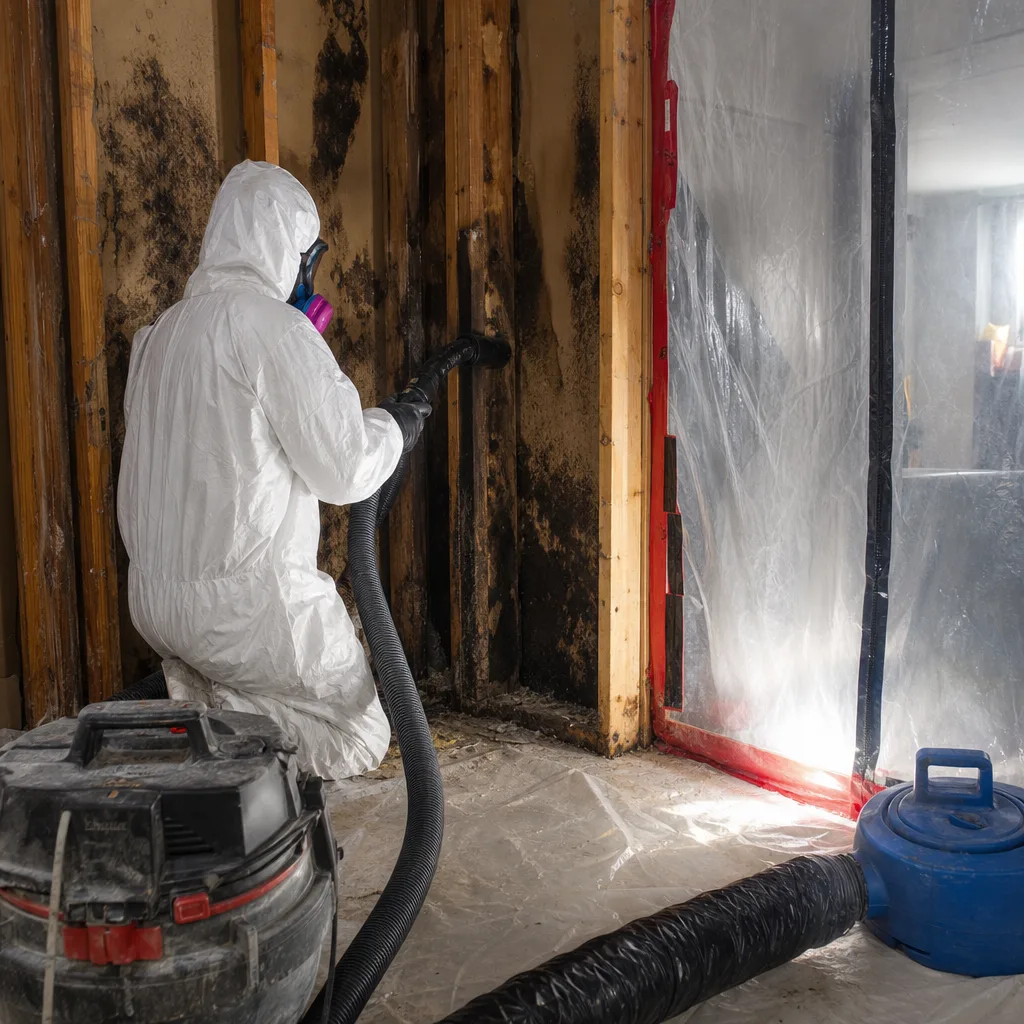
Structural fire repair in Des Moines homes often reveals the compound damage this page’s spine is built around. We got called to a 1960s split-level on the mid-slope band above the Des Moines Creek corridor after a November windstorm peeled a wind-rated patio door out of its frame and drove rain into the lower finished level for two days. Our tech ran moisture mapping across the whole lower floor, found Category 2 water wicking through the wall cavity behind the failed door and groundwater already creeping across the slab from the hillside side, and set up structural drying with Dri-Eaz dehumidification and XPOWER air movers in containment. We pulled the saturated drywall, treated the framing with antimicrobial treatment, and documented every moisture reading in the drying logs so the homeowner’s adjuster could see the pre-loss condition before the door failed. That’s the documentation-first approach that defines our work.
What happens when you call
- 1
A real person answersNo phone trees - you reach a local pro.
- 2
You get an upfront price rangeHonest numbers before anyone is dispatched.
- 3
A background-checked tech heads outLicensed & insured, dispatched right away.
- 4
You approve before work beginsNothing starts until you say go.
BeforeAfterTrusted Brands We Service in Des Moines
We deploy professional-grade drying and decontamination systems from Dri-Eaz, Phoenix, and XPOWER on Des Moines jobs, with equipment specs documented to IICRC, RIA, and IFA standards. These aren’t brand names for marketing - they’re the machines that produce the daily moisture logs and psychrometric data (temperature, relative humidity, and vapor pressure readings) that turn restoration invoices into payable insurance claims. For wind-rated door replacement on bluff-top homes, we source hardware matched to the marine exposure rating required by Des Moines’s specific wind-load conditions, not generic inland-rated product that will fail at the first storm.
Common Fire & Smoke Damage Restoration Problems We See in Des Moines Homes
- Wind-rated doors re-installed without matching the original wind-load rating. The first bluff-top windstorm blows the door back out of its frame, and rain pours into the same lower-level framing the homeowner just dried out. We see this repeatedly in the mid-slope band where contractors used standard patio door units on marine-exposure openings.
- Post-storm board-up treated as temporary patching instead of sealed containment. Marine air and wind-driven rain keep feeding moisture intrusion while the insurance scope sits unapproved, turning a two-day drying job into a two-week mold remediation. Our board-ups use vapor-retardant membrane in sealed containment.
- Storm-driven water misclassified as a single Category 3 loss. When hillside groundwater and rain intrusion are separate events, misclassifying the water category leads crews to dry materials that should have been removed. The mold shows up in the cavity weeks later, often on the interior faces of foundation stem walls where a dehumidifier running upstairs never reaches.
- Pre-existing crawl space moisture masked by fire damage. Des Moines’s unencapsulated crawl spaces in 1950s-1970s construction often harbor long-running mold colonies. Without documented pre-loss moisture readings, the adjuster can’t separate fire-related damage from chronic conditions, and the homeowner absorbs costs that aren’t theirs.
Pricing for Fire & Smoke Damage Restoration in Des Moines, WA
Fire and smoke damage restoration pricing in Des Moines reflects the compound damage patterns unique to this bluff community. Emergency board-up and tarping typically runs $850-$1,800 depending on opening count and whether sealed containment is required. Smoke and soot cleanup for a partial-home affected area runs $2,400-$4,200. Odor removal and deodorization with hydroxyl or ozone treatment in containment adds $1,200-$2,800. Contents cleaning and pack-out with full inventory documentation runs $1,800-$3,500 for a typical Des Moines ranch or split-level. Structural fire repair, including wind-rated door replacement on bluff-top openings, ranges $3,500-$8,500 depending on framing involvement and permit requirements.
What moves the price: the extent of structural char versus smoke staining, whether wind-driven rain compounded the damage through failed openings, if the home sits in the groundwater-affected Des Moines Creek corridor, and whether pre-existing crawl space moisture requires separate scope documentation. Every job gets a written price before work begins - Haven Standard, Clause 1 - with no scope-creep additions once the crew is inside. Free Second Opinion on any competitor’s written estimate. Call (253) 265-9692 for exact pricing on your situation.
We Also Serve Cities Near Des Moines
Our crews respond throughout the south Puget Sound area, including Des Moines and neighboring Tacoma, Fircrest, Milton, and Federal Way. Each community gets the same documentation-first protocol: written price before work, photo record on every visit, and the 365-Day Done Right Promise under The Haven Standard. Dispatch and scheduling are coordinated from our Seattle office.
Serving Des Moines, WA - Our Local Coverage Area
We’re based in the Des Moines area and know this community well. Use the map below to see our service coverage - if you’re nearby, we can almost certainly help.
FAQs - Fire & Smoke Damage Restoration in Des Moines
Yes, and it should be documented as a separate water intrusion event from any fire damage, not folded into a single loss category. The wind-driven rain that enters through a failed door on a Des Moines bluff-top home is Category 2 water (rainwater with some contaminants) distinct from any groundwater intrusion that may be occurring simultaneously from the hillside side. Misclassifying these as one event leads to incomplete drying and mold in wall cavities. We document each water source separately with moisture mapping and drying logs so your adjuster can scope accurately. Call (253) 265-9692 - estimates are free.
Mold colonization begins 48-72 hours after water intrusion in Des Moines’s marine climate, and often faster in the unencapsulated crawl spaces common to 1950s-1970s construction here. The persistent humidity off Puget Sound means materials don’t dry passively the way they might in drier inland markets. In the Des Moines Creek corridor and mid-slope neighborhoods, groundwater intrusion during multi-day rain events keeps crawl spaces wet for days, so the mold clock starts while the homeowner is still dealing with the visible damage upstairs. We run emergency extraction and set up structural drying within hours, not days, with daily moisture logs to prove the structure returned to dry standard. Call (253) 265-9692 for immediate response.
Des Moines’s bluff-top exposure to Puget Sound winds creates sustained pressure on exterior openings that inland-rated doors and hardware aren’t engineered to withstand. A standard patio door rated for 20 psf wind load will fail repeatedly on a marine-exposure bluff where gusts exceed 40 psf during winter storms. Reinstalling non-wind-rated product guarantees the next storm blows it out again, flooding the same lower level with the same Category 2 water. We specify doors and hardware matched to the actual wind-load requirement of your opening’s exposure, documented in the written scope with permit compliance. Call (253) 265-9692 for a written price on wind-rated replacement.
It depends on the water source, and in Des Moines it is often both on the same job. Wind-driven rain entering through a failed door or window is Category 2 water - rainwater with some environmental contaminants, but not grossly unsanitary. Groundwater intrusion from the hillside or Des Moines Creek corridor, especially if it has passed through soil and potentially sewage systems, may be Category 3. When both sources affect the same lower level, we map each separately, classify each area by water category, and document the demarcation with photos and moisture readings. This determines which materials can be dried in place versus which must be removed. Call (253) 265-9692 - we’ll assess and document on the first visit.
Yes, and you should not wait for the adjuster before securing the opening - every hour of exposure in Des Moines’s marine climate adds moisture load to the structure. We install sealed containment board-up with vapor-retardant membrane, photograph the pre-loss condition of the opening and the surrounding damage, and provide you and your adjuster with the photo record and a written scope for permanent repair. This documentation protects your claim by establishing the sequence of damage and the necessity of immediate mitigation. Haven Standard, Clause 1: the written price for permanent repair is delivered before any reconstruction work begins. Call (253) 265-9692 for emergency board-up - a live person answers 24 hours a day.
Written by Alicia Brennan, Owner at Back to Dry Restoration, serving Des Moines since 2011 under The Haven Standard.