
Last updated September 23, 2026
Free visual inspection and a written scope of work before any mitigation begins - photos, moisture readings, and drying logs go in your claim file
The scope we write is the scope we bill. Anything new gets shown to you, in writing, before we touch it.
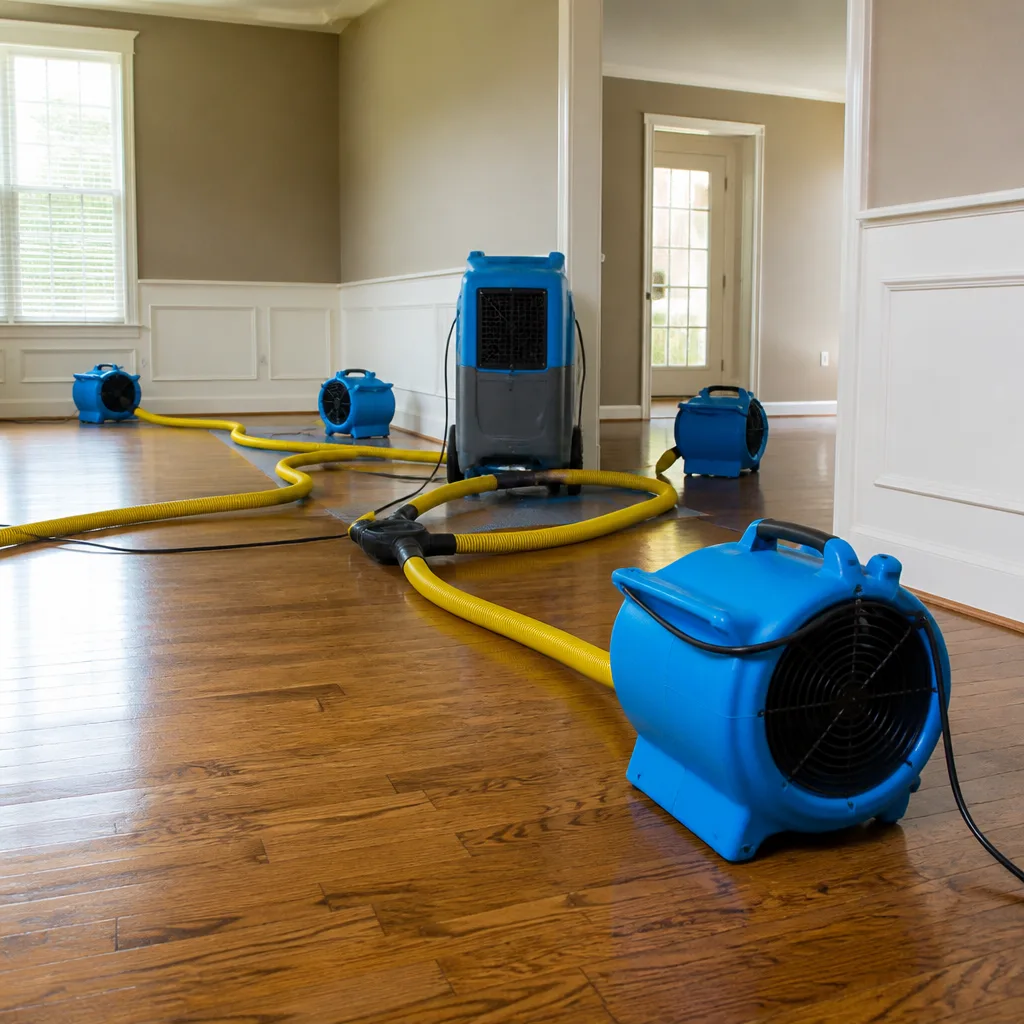
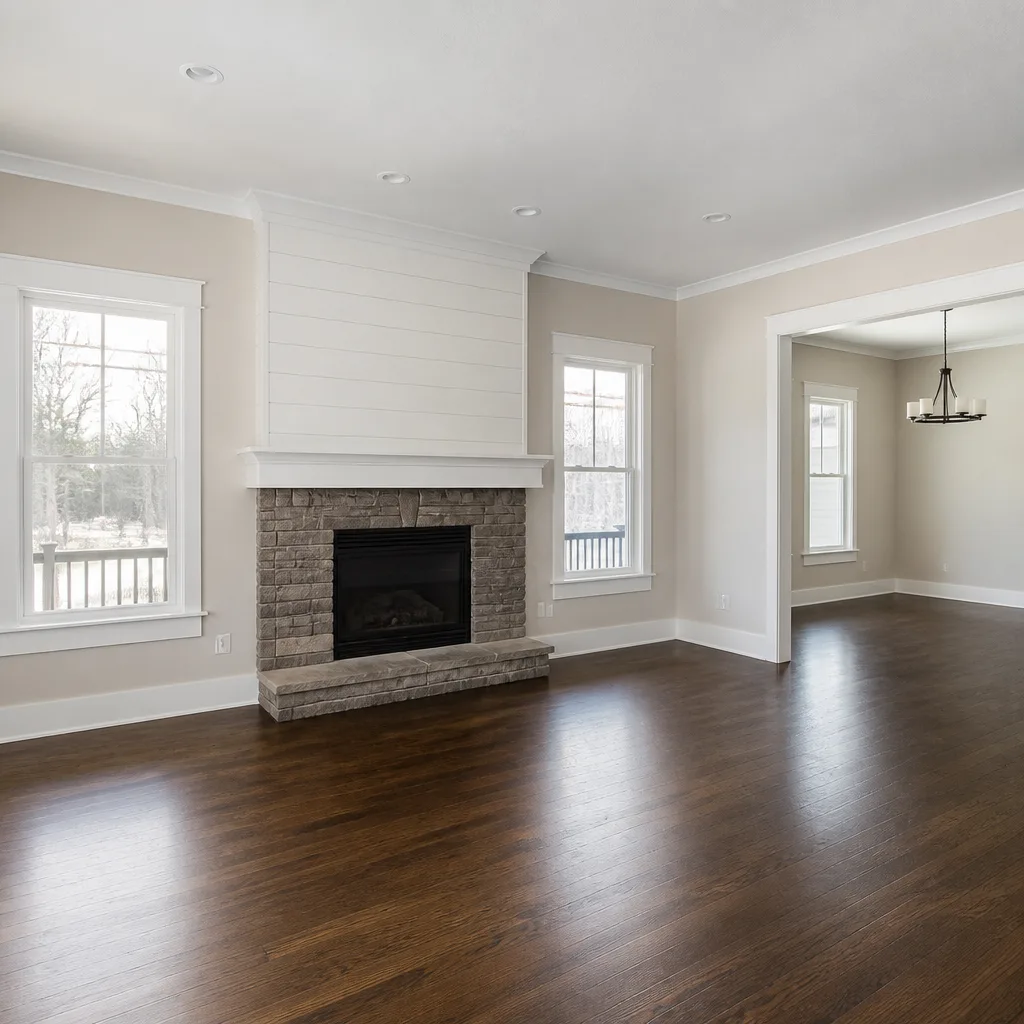
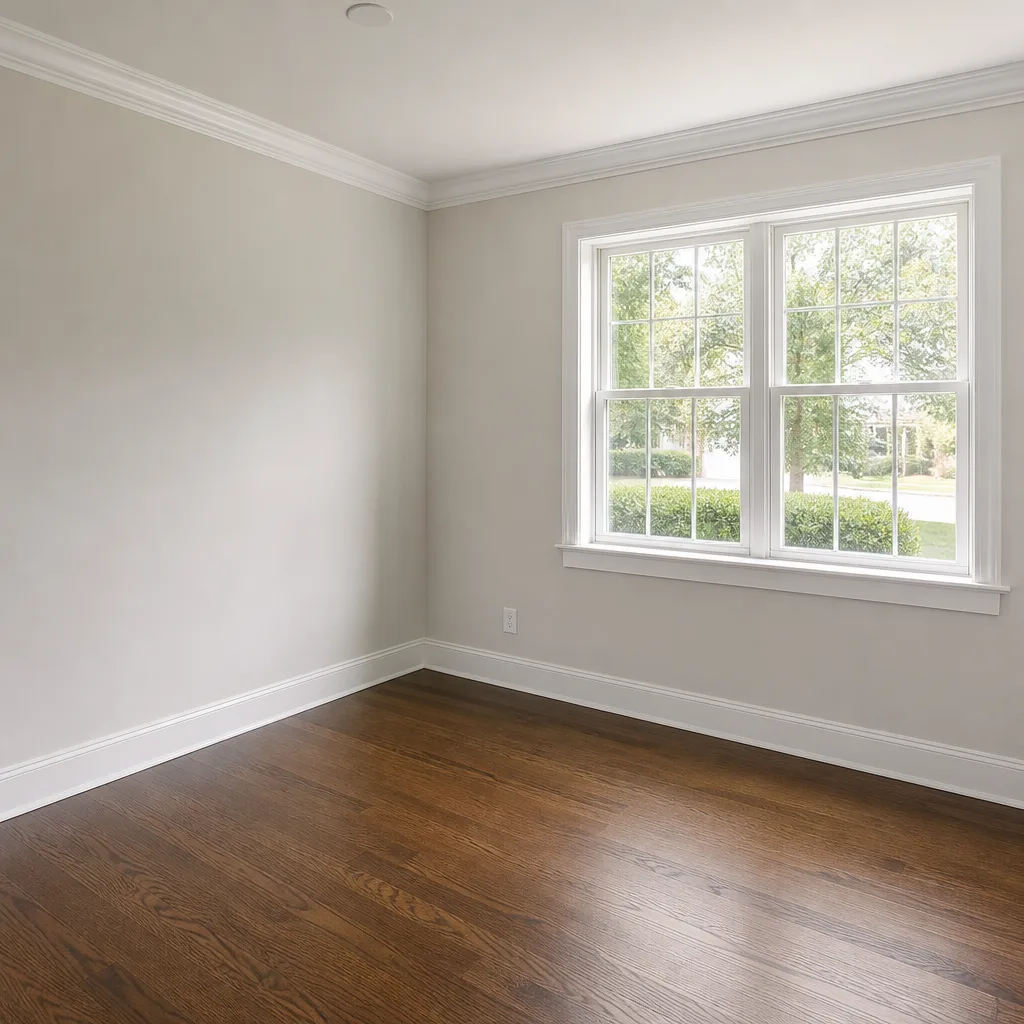
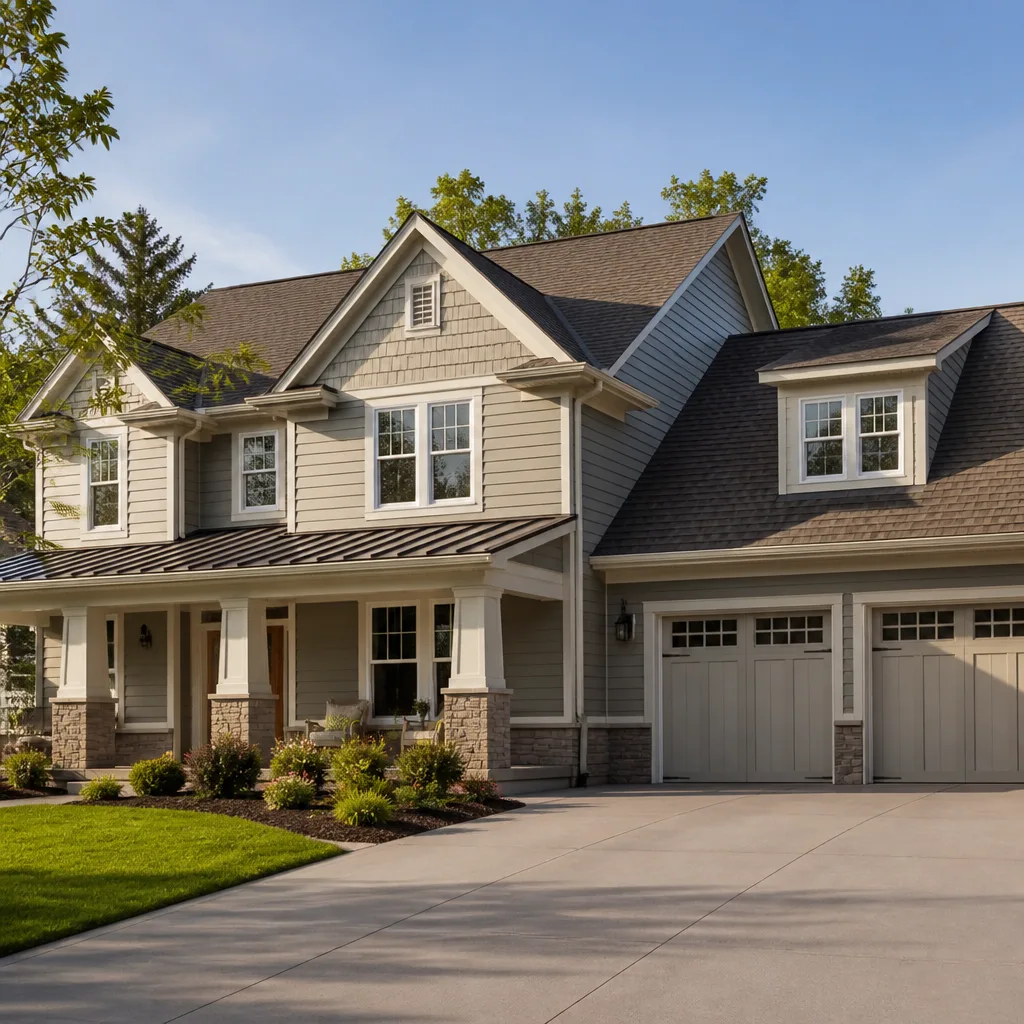
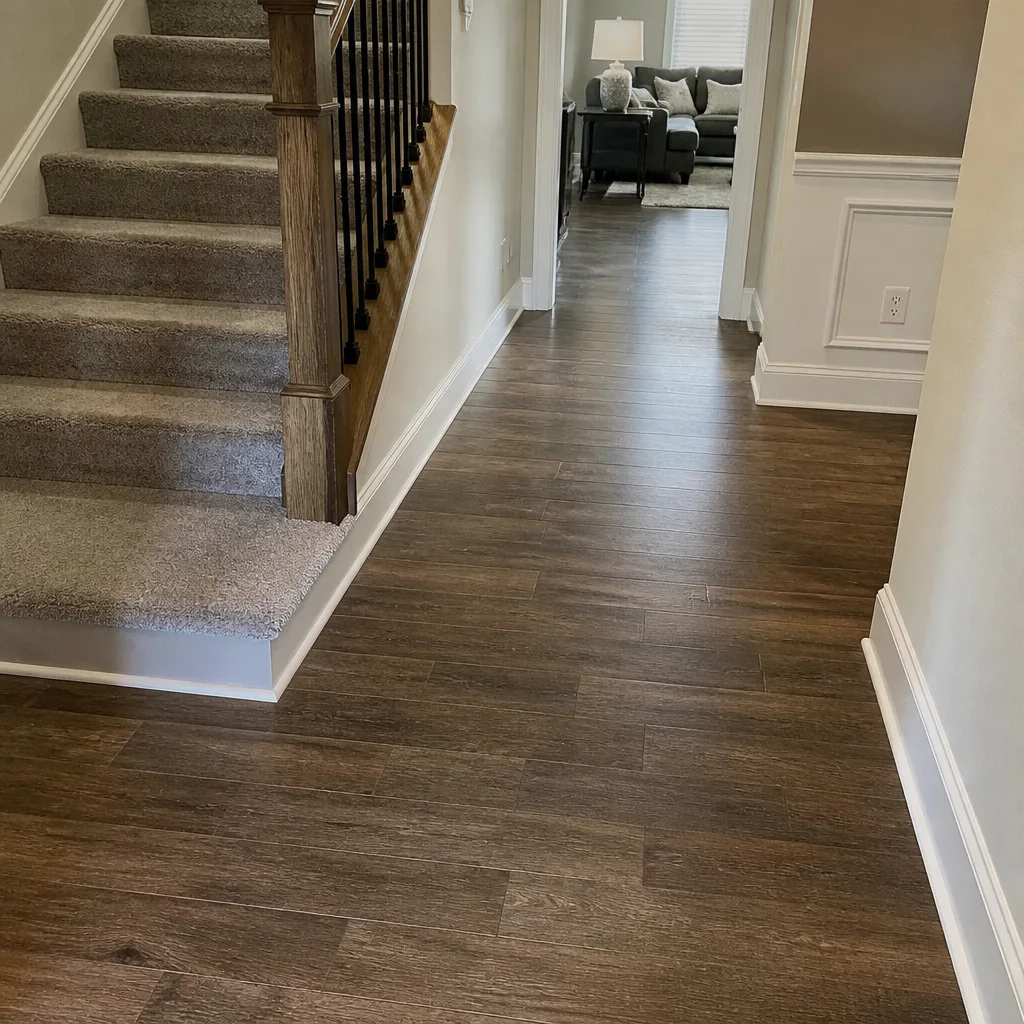
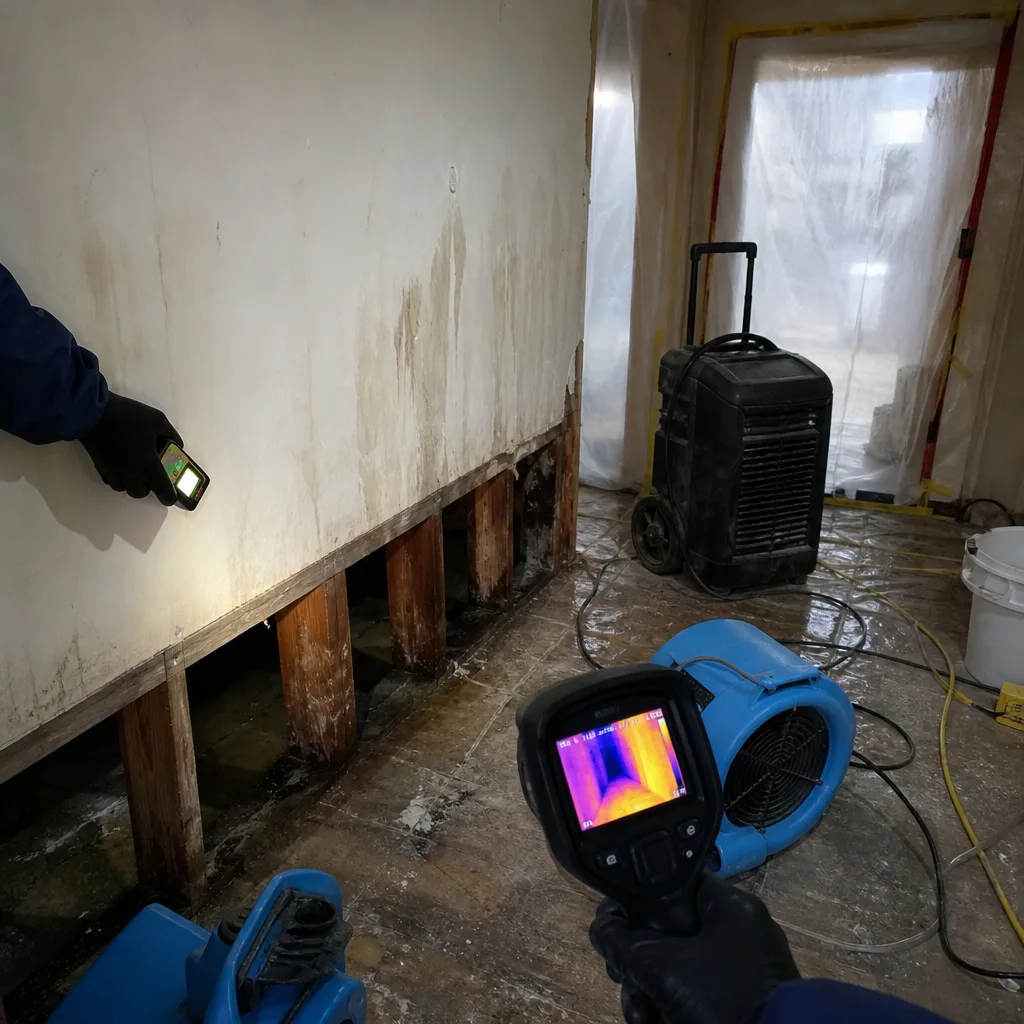 Before
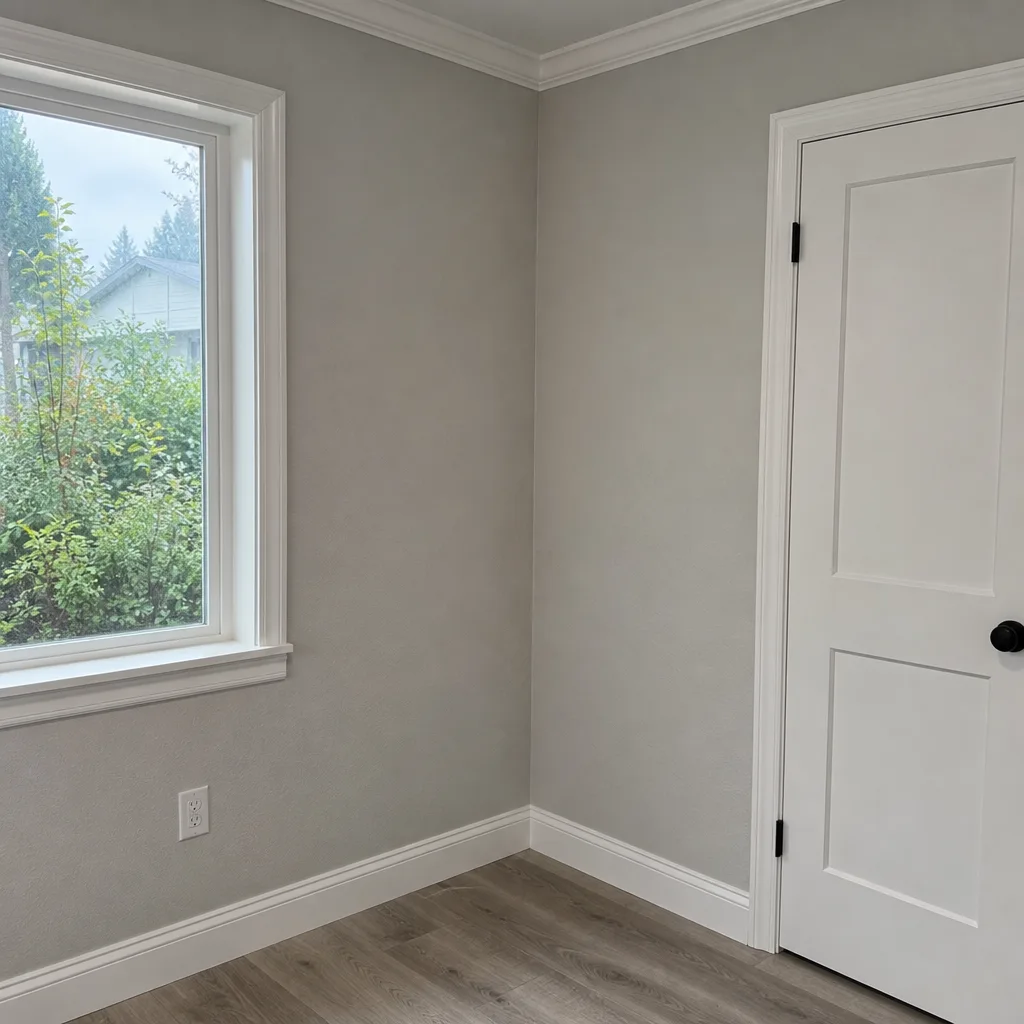 After
After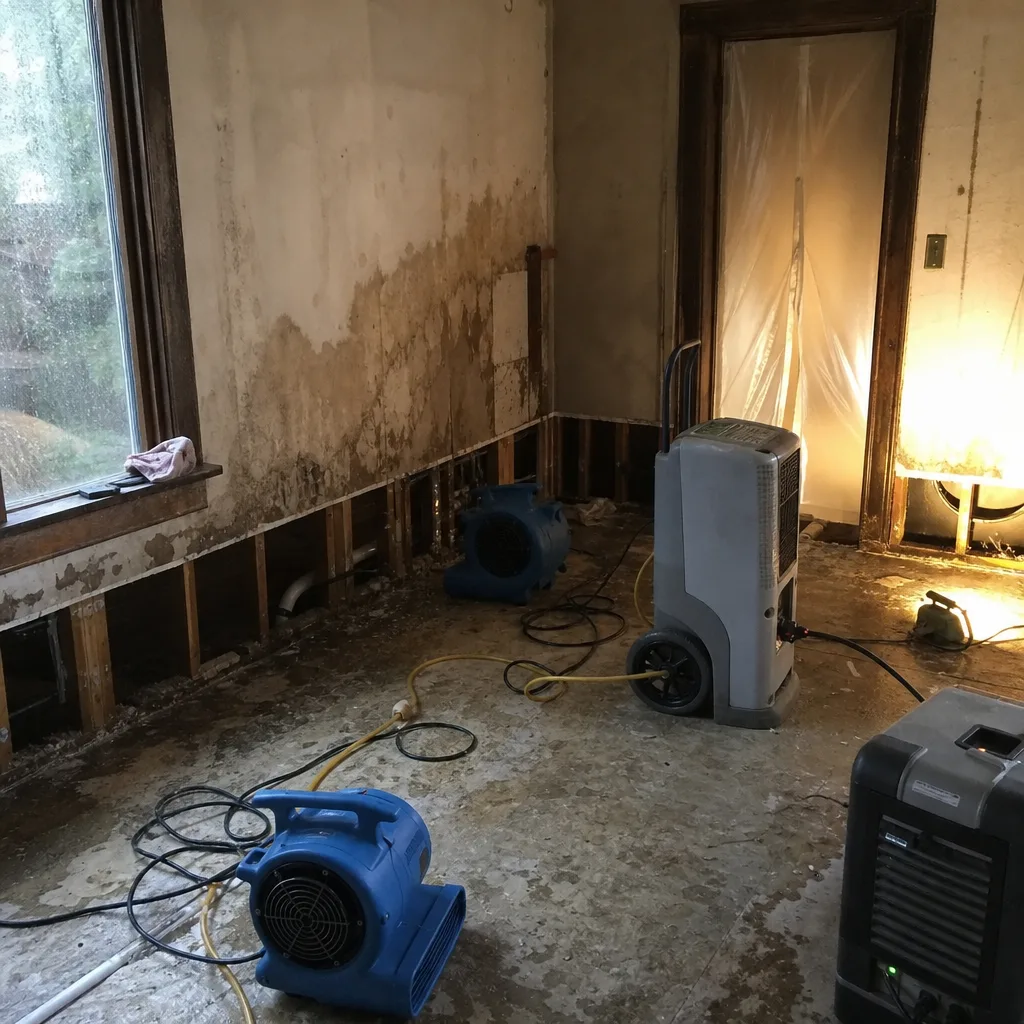 Before
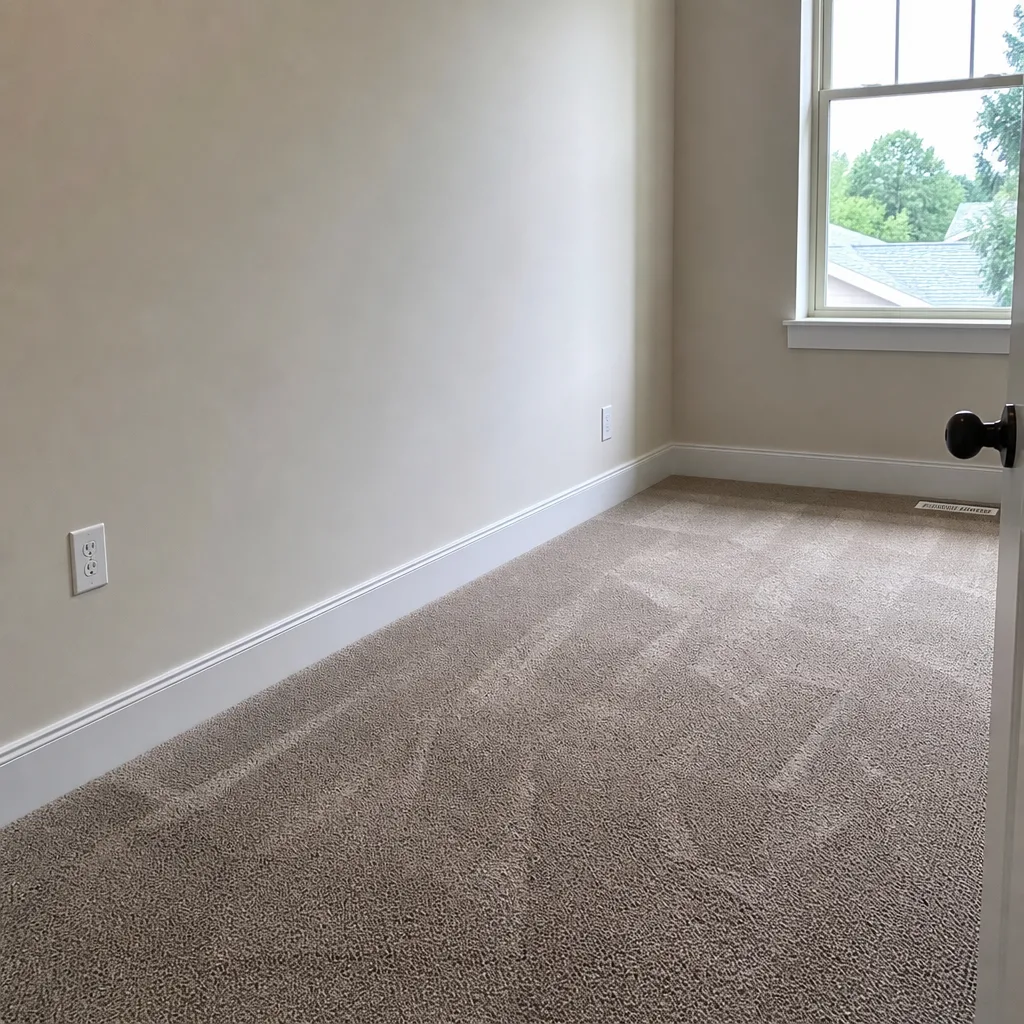 After
After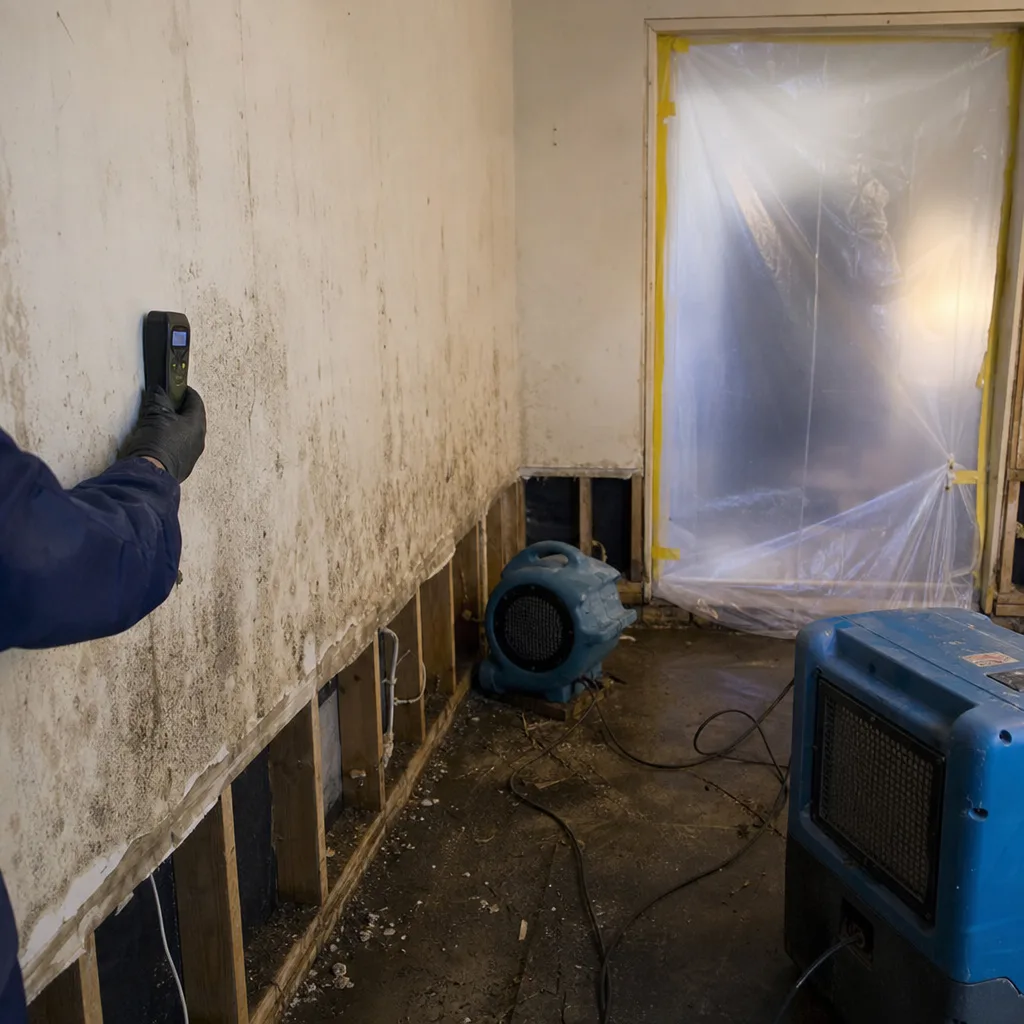 Before
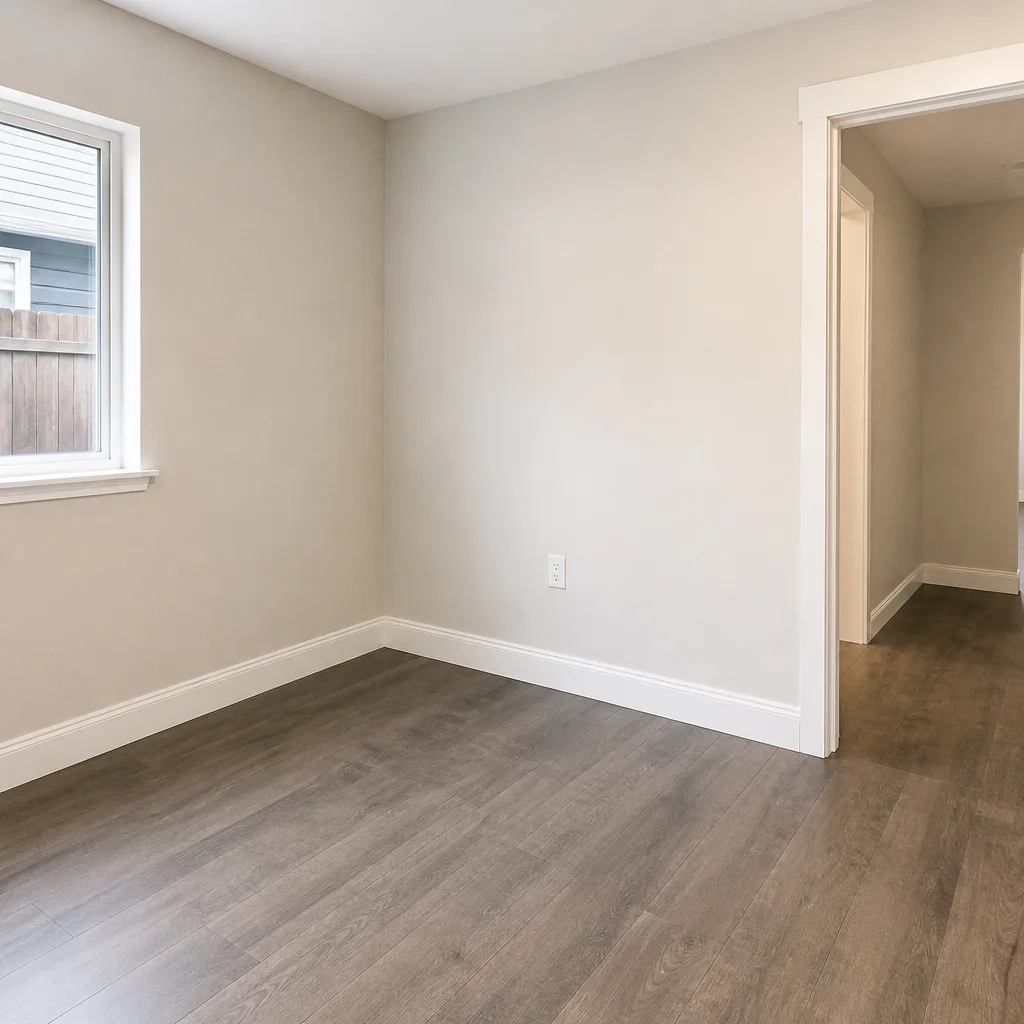 After
AfterDIY vs Professional Damage Restoration: The Tacoma Homeowner’s Decision Guide
A Tacoma homeowner who dries a wet basement with a rented dehumidifier and no moisture readings has not saved money. They have created an undocumented loss that an adjuster can deny entirely as “unverified.” In our experience reviewing competitor estimates and insurance denials since 2011, the single most expensive mistake in restoration is not botched demolition. It is missing paperwork. This guide explains when DIY restoration preserves your claim and when it destroys it, using the same decision matrix we apply on every water damage restoration in Tacoma job. You will learn the specific documentation required to satisfy an insurer, the contamination categories that make DIY illegal or dangerous, and the moisture measurements that separate a dry surface from a dry structure.
Quick Answer
DIY damage restoration is defensible only for Category 1 water losses under 150 square feet, within 24 hours of the event, where the homeowner owns or rents professional moisture detection equipment and maintains a written log with dated photos. For Category 2 or 3 contamination, losses exceeding 150 square feet, or any water that has sat longer than 24 hours, professional restoration is required to produce the documentation an insurer will pay and to comply with Washington State contractor registration rules for rental properties. See our step-by-step guide to hiring a damage restoration contractor in Tacoma for what to look for in a qualified professional.
Table of Contents
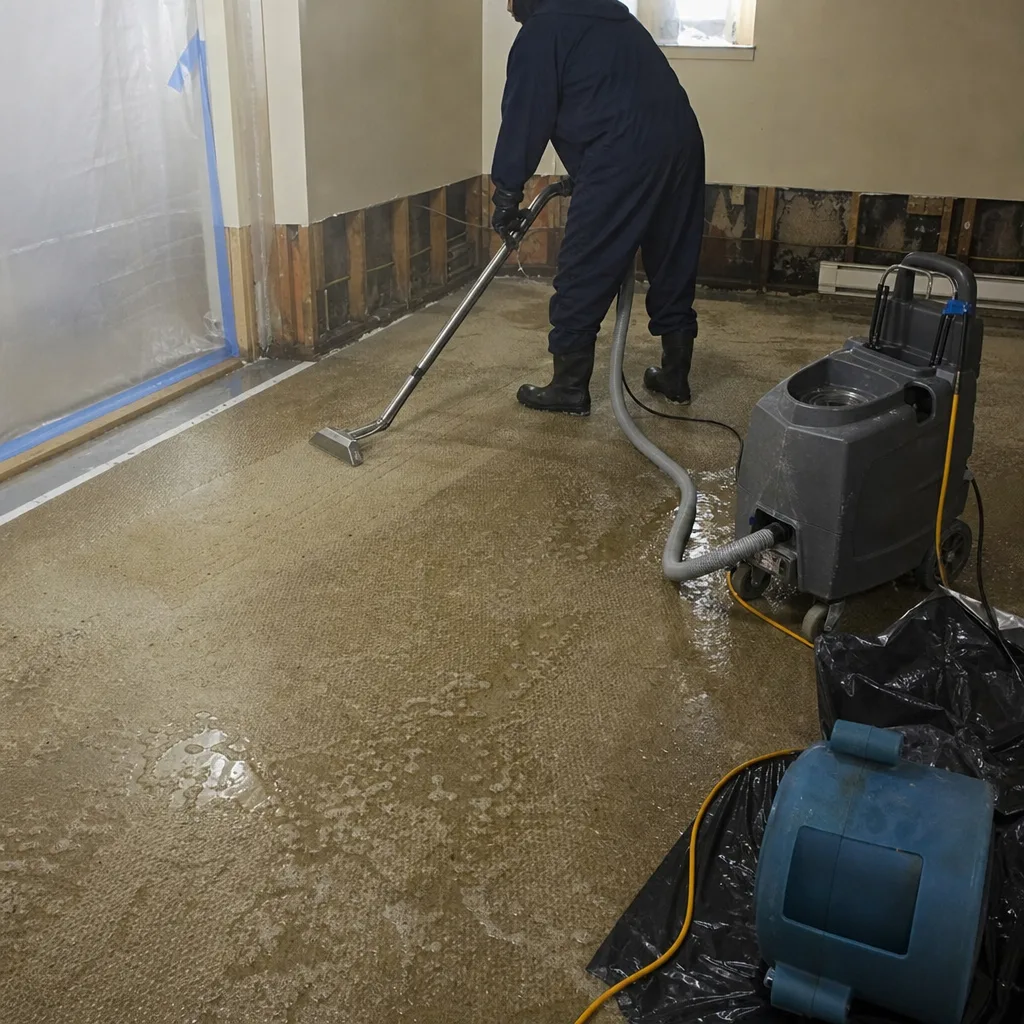
- Why Water Category Matters More Than Square Footage
- The Documentation That Saves Your Insurance Claim
- How Tacoma’s Climate Creates Hidden Drying Problems
- A Measurable Decision Matrix: DIY or Professional?
- Washington State Rules: When DIY Becomes Illegal
- What Professional Equipment Actually Does Differently
- Real Cost Comparison: DIY vs. Professional in Tacoma
- Common Mistakes to Avoid
- When to Call a Professional
- Frequently Asked Questions
BeforeAfterWhy Water Category Matters More Than Square Footage
Most homeowners ask “how big is the wet area?” The restoration industry asks “what kind of water is it?” The IICRC S500 Standard sets three categories, and the line between DIY-appropriate and professionally required sits at Category 2, not at some arbitrary room size.
Category 1: Clean Water
This is water from a broken supply line, a failed ice maker, or an overflowing sink with no contaminants. It originates from a sanitary source and does not pose substantial risk from dermal, ingestion, or inhalation exposure. Category 1 water can become Category 2 or 3 if it sits longer than 24 hours or contacts building materials with pre-existing contamination.
Category 2: Gray Water
Water with significant contamination that could cause discomfort or sickness if consumed. Sources include dishwasher discharge, washing machine overflow, and sump pump failures. Category 2 water contains microorganisms and nutrients that accelerate mold growth. This is where DIY restoration becomes problematic: without antimicrobial treatment and documented contamination testing, an insurer can later classify the loss as Category 3 and deny coverage for resulting mold damage.
Category 3: Black Water
Grossly contaminated water containing pathogenic, toxigenic, or other harmful agents. Sources include sewage backup, seawater flooding, and rising water from rivers or streams. Category 3 losses require full PPE, containment, and specialized disposal. DIY handling of Category 3 water violates OSHA standards and voids most homeowners insurance policies if not performed by certified technicians.
The critical point: a Category 1 loss in a 400-square-foot finished basement is less hazardous than a Category 2 loss in a 50-square-foot laundry closet. Yet homeowners routinely tackle the laundry closet with a shop vac while calling professionals for the basement. The reverse is often the smarter choice.
In Tacoma’s older neighborhoods like North End and Proctor, we regularly see 1920s-era plumbing with galvanized supply lines that introduce particulate contamination the moment they fail. A supply line rupture in a home with aging plumbing may test as Category 1 at the source but present as Category 2 at the point of contact due to pipe corrosion. Without professional water testing, the homeowner cannot know which category they are actually dealing with.
The Documentation That Saves Your Insurance Claim
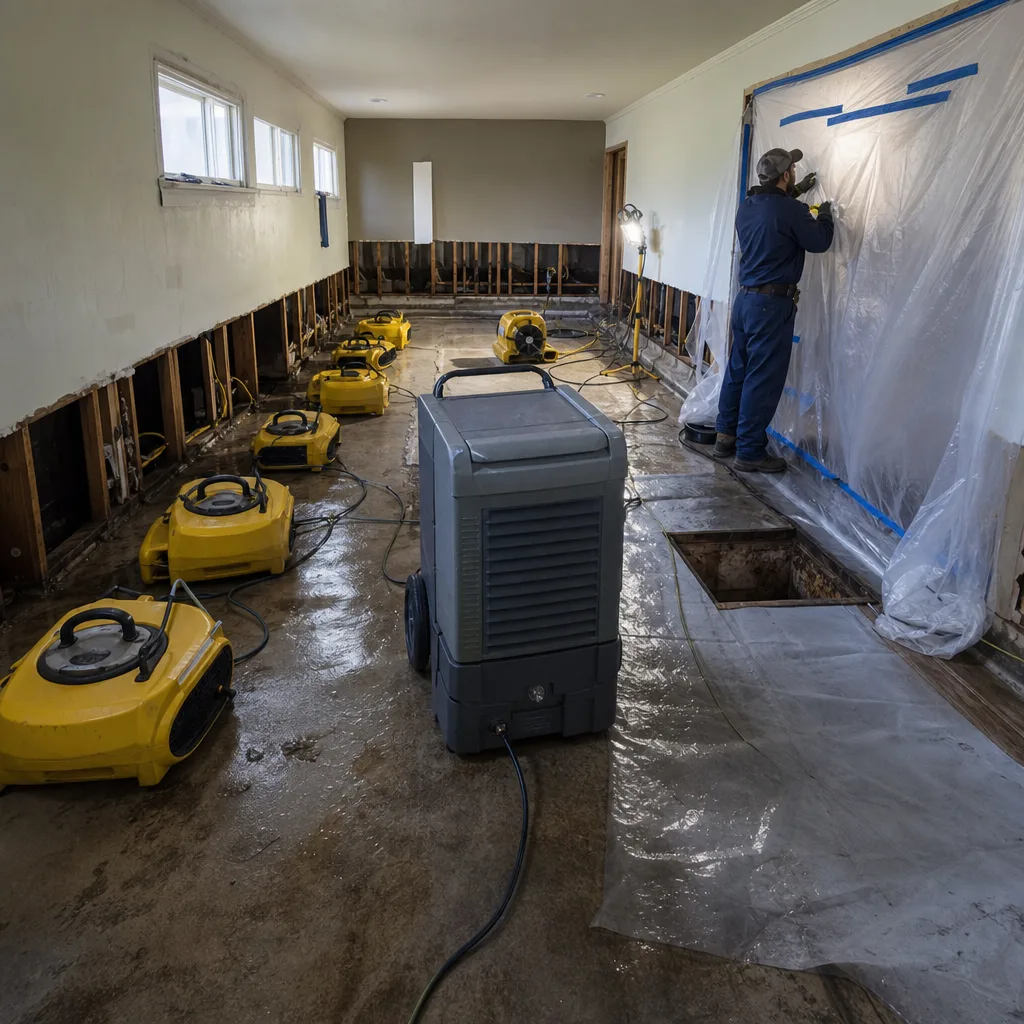
Every restoration invoice we submit to insurers contains four documents: a written scope of work with line-item pricing, a photo record from every site visit, a daily drying log with psychrometric data, and a final moisture verification report. A homeowner performing DIY restoration must produce equivalent documentation or risk claim denial.
Here is what that documentation must include:
- Pre-loss moisture baseline. Measure and record moisture content of unaffected materials in the same structure - wood flooring, drywall, framing lumber - to establish what “dry” means for this specific building. Baselines vary: old-growth fir framing in a 1910 Tacoma Craftsman reads differently than kiln-dried SPF studs in a 2019 Gig Harbor build.
- Post-event moisture mapping. Document every affected area with moisture meter readings, thermal imaging if available, and photographs with timestamps. The photo must show the measurement device display in the same frame as the affected material.
- Daily drying log. Record temperature, relative humidity, and specific humidity at the loss site every 24 hours. Track equipment placement, runtime hours, and any adjustments to the drying plan. This is the psychrometric data that proves the structure was returned to pre-loss conditions.
- Materials log with receipts. Every fan, dehumidifier, antimicrobial, or replacement material purchased must be logged with date, vendor, cost, and intended use. Insurers deny undocumented expenses as “unverified.”
- Final moisture verification. Demonstrate that affected materials have returned to within 2-4 percentage points of the pre-loss baseline, with readings taken at the same locations using the same equipment.
Without these five documents, a DIY restoration is an undocumented loss. The adjuster’s position is straightforward: we cannot verify what was done, when it was done, or whether it was effective. Claim denied.
At DryMark Restoration Tacoma home, our Haven Standard, Clause 1 requires a written price before work begins. But Clause 1 exists because the inverse is also true: work without written documentation is not restoration. It is unverified activity.
How Tacoma’s Climate Creates Hidden Drying Problems
Tacoma sits at the convergence of Puget Sound marine influence and Cascade rain shadow effects, producing a climate that looks mild on paper and behaves unpredictably inside wall cavities. Our seasonal damage restoration care guide for Tacoma homeowners explains how to protect your property year-round in these conditions. Annual precipitation averages 39 inches, but the critical factor is not total rainfall. It is the months of sustained high humidity from October through May, when outdoor air holds enough moisture to stall interior drying even with mechanical equipment running.
We see three Tacoma-specific drying failures that originate in climate conditions:
- The November rain event. A roof leak during sustained rainy weather introduces water when exterior vapor pressure is already elevated. The homeowner sets up a consumer dehumidifier rated for 30 pints per day in a space where the air exchange rate and load calculation require 100+ pints. The unit runs continuously but never achieves a vapor pressure differential sufficient to pull moisture from subfloor or stud cavities. Six months later, mold remediation in Tacoma costs three times the original water loss.
- The crawl space trap. Tacoma’s post-war ranch homes in neighborhoods like Lakewood and Parkland often have unvented or poorly vented crawl spaces with dirt floors. Water from a slab leak or foundation seepage enters this space, and the homeowner never detects it because the main living areas feel dry. By the time musty odor reaches the living space, moisture readings in floor joists regularly exceed 20% - well above the 16% threshold where wood-decay fungi activate.
- The “it’s dry now” spring illusion. April and May in Tacoma bring drier outdoor air that makes basements feel less humid. Homeowners conclude drying is complete and remove equipment. But seasonal warming without corresponding dehumidification can actually increase evaporation rate from wet materials into the air, raising relative humidity in enclosed spaces while the overall trend feels drier. Only moisture meter readings, not comfort, indicate completion.
The professional distinction is not better equipment alone. It is the capacity to calculate and track vapor pressure differential - the actual force that moves moisture from wet materials to drier air - and to adjust equipment configuration when Tacoma’s marine air mass changes that calculation overnight.
A Measurable Decision Matrix: DIY or Professional?
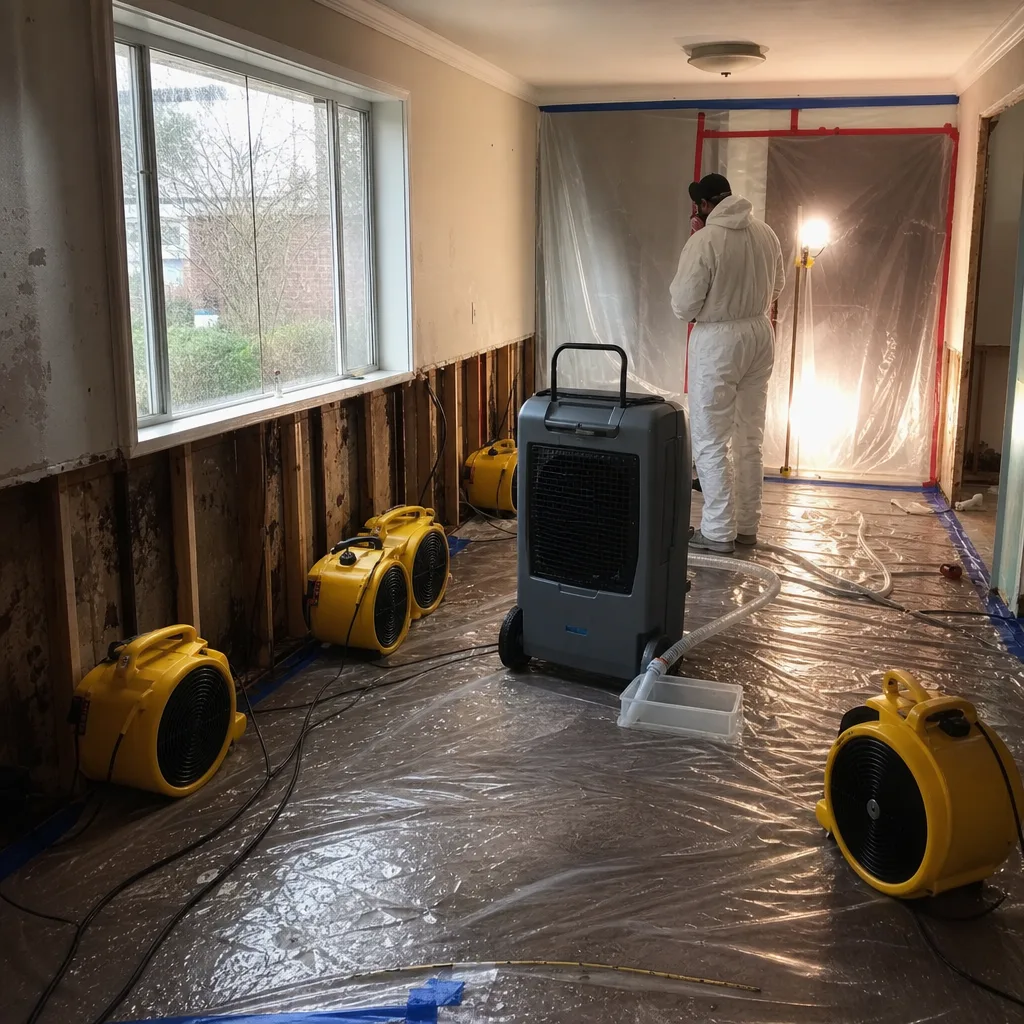
Use these four inputs to produce a defensible recommendation. If any single factor points to professional restoration, that is the correct path.
| Factor | DIY Appropriate | Professional Required |
|---|---|---|
| Water category (IICRC S500) | Category 1 only | Category 2 or 3 |
| Affected area | Under 150 sq ft, single room | 150+ sq ft, multiple rooms, or wall cavity involvement |
| Elapsed time since event | Under 24 hours | 24+ hours, or unknown duration |
| Moisture testing equipment | Professional-grade pin and pinless meters, thermal imaging available | Consumer meters only, or no equipment |
Additional disqualifying factors for DIY:
- Water contacted HVAC ductwork or electrical components
- Loss occurred in a rental property (see Washington State rules below)
- Homeowner lacks time to monitor equipment and record data daily for 3-7 days
- Insurance claim will be filed - documentation requirements apply regardless of who performs work
- Structural materials are involved: subfloor, wall studs, ceiling joists, insulation
The matrix is not conservative. We have reviewed DIY attempts that met all four DIY criteria and still failed insurance verification because the homeowner did not photograph equipment serial numbers to prove capacity, or because they used a consumer moisture meter with known calibration drift. Professional restoration exists partly because the documentation standard is higher than most homeowners realize.
Washington State Rules: When DIY Becomes Illegal
Washington State contractor registration law draws a line that surprises many property owners. Under RCW 18.27, anyone who performs construction, alteration, or repair for compensation must be a registered contractor. The “for compensation” clause is where rental property owners get caught: if you perform restoration work on a property you rent to others, and you deduct the cost or claim it against rental income, you are performing work for compensation. Unregistered contractor activity carries civil penalties and voids your ability to enforce collection of payment.
For owner-occupied residences, the exemption is broader. You may perform your own work without registration. But you may not hire unregistered labor to assist, and you remain subject to all permit requirements under the International Residential Code as adopted by your local jurisdiction.
Tacoma specifically requires permits for:
- Structural repairs to load-bearing elements
- Electrical work beyond fixture replacement
- Plumbing modifications or concealed piping repair
- Drywall replacement exceeding one wall in a single room (triggered by fire-resistance rating requirements)
The permit issue intersects with insurance in a way many homeowners miss. If you perform unpermitted work and later sell the property, disclosure requirements flag the unpermitted repair. The buyer’s insurer may exclude coverage for that area. Your original DIY savings become a liability that reduces sale price or kills the transaction.
For rental properties in Tacoma, University Place, or Lakewood, professional restoration is not merely advisable. It is the only path that preserves contractor registration compliance, permit status, and insurability.
What Professional Equipment Actually Does Differently
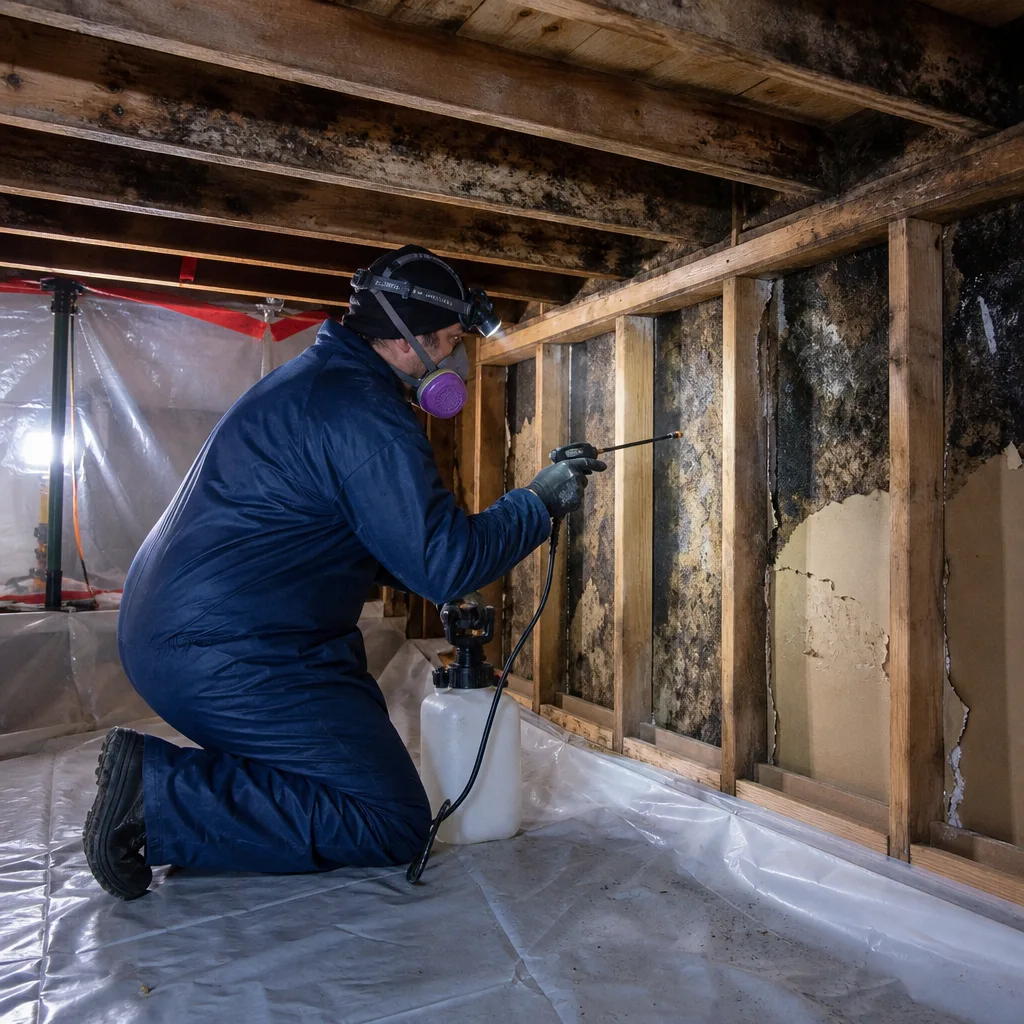
Consumer equipment available for rent at hardware stores operates on the same physical principles as professional gear. The difference is capacity, control, and documentation integration.
A standard consumer dehumidifier removes 30-50 pints of moisture per day under ideal conditions: 80°F, 60% relative humidity. Professional refrigerant dehumidifiers from Phoenix and Dri-Eaz remove 100-130 pints under the same conditions, and low-grain refrigerant (LGR) units maintain performance as humidity drops. More importantly, professional equipment connects to remote monitoring systems that log temperature, relative humidity, and specific humidity at 15-minute intervals. Review our water damage restoration maintenance checklist for Tacoma homeowners for the full documentation standard.
Air movers present a similar gap. Consumer fans move air. Professional axial and centrifugal air movers from XPOWER and B-Air are engineered to produce laminar airflow at specific velocities across wet surfaces, calculated by the square footage and material type. The placement pattern - one air mover per 50-60 square feet for carpet, different spacing for hardwood or tile - is derived from IICRC S500 formulas, not guesswork.
The most significant professional tool is the one homeowners cannot rent: the Injectidry system and similar cavity-drying equipment. These systems use negative air pressure to pull moisture from inside wall cavities, under cabinets, and through hardwood flooring without demolition. In Tacoma’s older homes with lath-and-plaster walls or original hardwood floors, cavity drying can save $8,000-$15,000 in replacement costs versus the demolition required to access the same moisture with conventional equipment.
The equipment difference is measurable in drying time. A properly equipped professional drying job typically completes in 3-5 days. A DIY attempt with consumer equipment in Tacoma’s humid climate often extends to 10-14 days, or fails entirely and requires mold remediation at day 30.
Real Cost Comparison: DIY vs. Professional in Tacoma
These ranges reflect actual market conditions for Tacoma and Pierce County as of 2024-2025. They assume a typical single-family residence and include the documentation required for insurance claim support.
| Scenario | DIY Cost Range | Professional Cost Range | DIY Risk Factor |
|---|---|---|---|
| Category 1, small area (under 100 sq ft), under 24 hours, no structural involvement | $400-$800 (equipment rental, materials, moisture meter) | $1,200-$2,400 | Moderate: documentation burden falls entirely on homeowner |
| Category 1, moderate area (100-300 sq ft), 24-48 hours, wall cavity moisture | $1,200-$2,500 (rental extension, possible partial demolition, antimicrobial) | $2,800-$5,500 | High: cavity drying without Injectidry or equivalent requires demolition; documentation complexity increases significantly |
| Category 2, any size, any duration | $800-$1,500 minimum (PPE, antimicrobial, disposal); often incomplete | $3,500-$8,000 | Very high: contamination handling without training risks health and claim denial; no insurer accepts DIY Category 2 documentation without professional verification |
| Category 3, any size | Not recommended under any circumstances | $5,000-$15,000+ | Extreme: OSHA violations, health hazards, certain claim denial |
| DIY attempt that fails, requiring professional remediation plus mold | $400-$2,500 (sunk cost) + full professional cost | $3,500-$15,000+ | Maximum: total cost equals DIY sunk cost plus professional cost, with possible coverage denial for “aggravated loss” |
The professional ranges include our Haven Standard deliverables: written price before work begins, photo record on every visit, daily drying log, and 365-Day Done Right Promise. DIY costs rarely include equivalent documentation, which means the true comparison is not equipment rental versus professional service. It is equipment rental versus professional service plus claim preservation.
Our Free Second Opinion on any competitor’s written estimate applies here as well. If you have received a DIY equipment rental quote and a professional estimate, we will review both at no charge and identify the documentation gaps that affect your specific claim.
Common Mistakes to Avoid
- Using a “touch test” to determine dryness. Drywall feels dry at 15% moisture content, which is 5-7 points above the threshold for mold growth. Only a pin-type moisture meter with species correction for gypsum provides a verifiable reading.
- Removing equipment when the air feels dry. In Tacoma’s climate, April through October outdoor conditions can make indoor air feel comfortable while wall cavities remain saturated. Equipment must run until structural materials reach baseline, not until occupants are comfortable.
- Skipping antimicrobial application on Category 2 water. Even clean-appearing washing machine water carries enough microbial load to support mold in untreated materials. The application is not optional for claim preservation; insurers regularly deny subsequent mold claims where antimicrobial was omitted from the original scope.
- Failing to photograph equipment serial numbers and placement. An insurer can challenge whether the rented dehumidifier was actually on site, or whether its capacity matched the load calculation. Photos with timestamps and serial numbers are standard professional practice.
- Demolishing without documenting pre-loss condition. The “before” photo record establishes what was damaged and what was not. Homeowners who begin demolition before photographing create evidentiary gaps that adjusters exploit to dispute scope.
- Assuming insurance will cover DIY work retroactively. Most policies require “reasonable and necessary” expenses, defined as work performed by qualified persons. A homeowner who performs work and later seeks reimbursement bears the burden of proving qualification, which the documentation requirements above are designed to satisfy. Most fail.
- Ignoring crawl space or attic moisture in Tacoma’s marine climate. The most expensive calls we receive are from homeowners who dried the basement perfectly while water wicked into crawl space insulation or attic sheathing through thermal bypass. Full moisture mapping includes the building envelope, not just the visible loss area.
When to Call a Professional
Call a professional when any factor in the decision matrix points that direction: Category 2 or 3 water, losses over 150 square feet, elapsed time beyond 24 hours, or absence of professional moisture detection equipment. Call when the loss involves structural materials, electrical or HVAC systems, or any rental property. Call when you intend to file an insurance claim and cannot produce the five-document file described above.
DryMark Restoration Tacoma offers free estimates in Tacoma - call (253) 265-9692. Every estimate includes a written scope with line-item pricing before any work begins, documented to Haven Standard, Clause 1. We provide a Free Second Opinion on any competitor’s written estimate, and our 365-Day Done Right Promise applies to every job we perform.
Frequently Asked Questions
Professional water damage restoration in Tacoma typically ranges from $1,200 for small Category 1 losses under 100 square feet to $5,500 or more for moderate Category 1-2 losses with wall cavity involvement. Category 3 sewage or flood losses start around $5,000 and can exceed $15,000 for extensive contamination with structural damage. These ranges include documentation, drying logs, and photo records required for insurance claim support. Call (253) 265-9692 for a written estimate specific to your loss - estimates are free and delivered before any work begins under Haven Standard, Clause 1.
Insurance may reimburse documented DIY expenses, but most policies require work to be “reasonable and necessary” performed by qualified persons. A homeowner who cannot produce pre- and post-moisture readings, dated photographs, a daily drying log, and a materials receipt log faces high probability of partial or complete denial. In our experience reviewing denied claims since 2011, the documentation gap is the denial reason in roughly 70% of contested DIY cases. Professional restoration includes this documentation as standard deliverables.
Live person answers every call to (253) 265-9692, 24 hours a day, 7 days a week, with no voicemail trees. Emergency dispatch for active water losses typically arrives within 1-2 hours for Tacoma addresses, with response time confirmed during the initial call. This applies to mitigation emergencies - water, fire, storm, and sewage - where ongoing damage requires immediate containment. Reconstruction and rebuild services are scheduled and scoped in writing, not dispatched for same-day arrival.
For Category 1 water under 150 square feet within 24 hours, with professional moisture equipment and documentation discipline, self-managed cleanup is defensible. For all other scenarios, “just cleaning up the water” addresses the visible symptom while leaving moisture in structural materials that produces mold, decay, and eventual claim denial. The question is not whether the floor looks dry. It whether you can prove structural materials returned to baseline moisture content with a documented record an adjuster will accept.
At DryMark Restoration Tacoma, we coordinate directly with your adjuster, providing the photo record, drying logs, written scope, and moisture verification that adjusters need to approve payment. Our documentation is formatted to IICRC, RIA, and IFA standards specifically to align with insurer review processes. You remain the policyholder and final decision-maker, but the administrative burden of claim documentation falls to us, not to you.
The Haven Standard is the operating framework Back to Dry Restoration has used since 2011, codified in clauses that govern every job. Haven Standard, Clause 1 requires a written price before any work starts, with no scope-creep additions once the crew is inside. The 365-Day Done Right Promise, also under The Haven Standard, guarantees that if our work is not done right, we make it right - as a signed warranty, not a verbal assurance. These are not marketing claims. They are contractual commitments with an address in your job file.
The Bottom Line
The DIY versus professional restoration question is not about capability. It is about documentation capacity. A homeowner with professional moisture equipment, disciplined record-keeping, and no insurance claim to file can manage small Category 1 losses successfully. Everyone else - which describes the vast majority of Tacoma homeowners facing water, mold, fire, or storm damage - needs professional restoration to produce the documented file that turns restoration costs into payable claims. The equipment gap is real, but the documentation gap is decisive. In a market where insurers deny first and ask questions later, the only restoration that protects your property and your wallet is the restoration you can prove.
Written by Alicia Brennan, Owner at DryMark Restoration Tacoma, serving Tacoma since 2011.