
Last updated September 23, 2026
Free visual inspection and a written scope of work before any mitigation begins - photos, moisture readings, and drying logs go in your claim file
The scope we write is the scope we bill. Anything new gets shown to you, in writing, before we touch it.
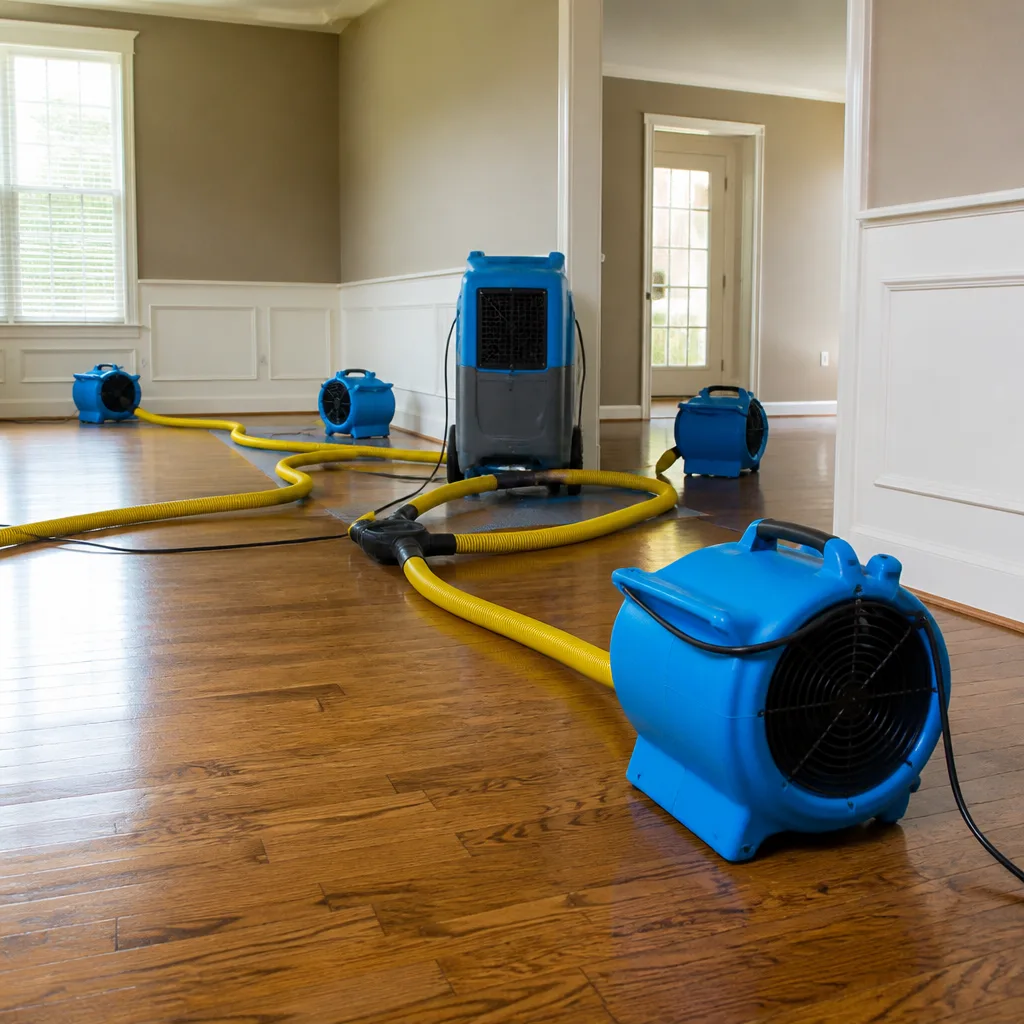
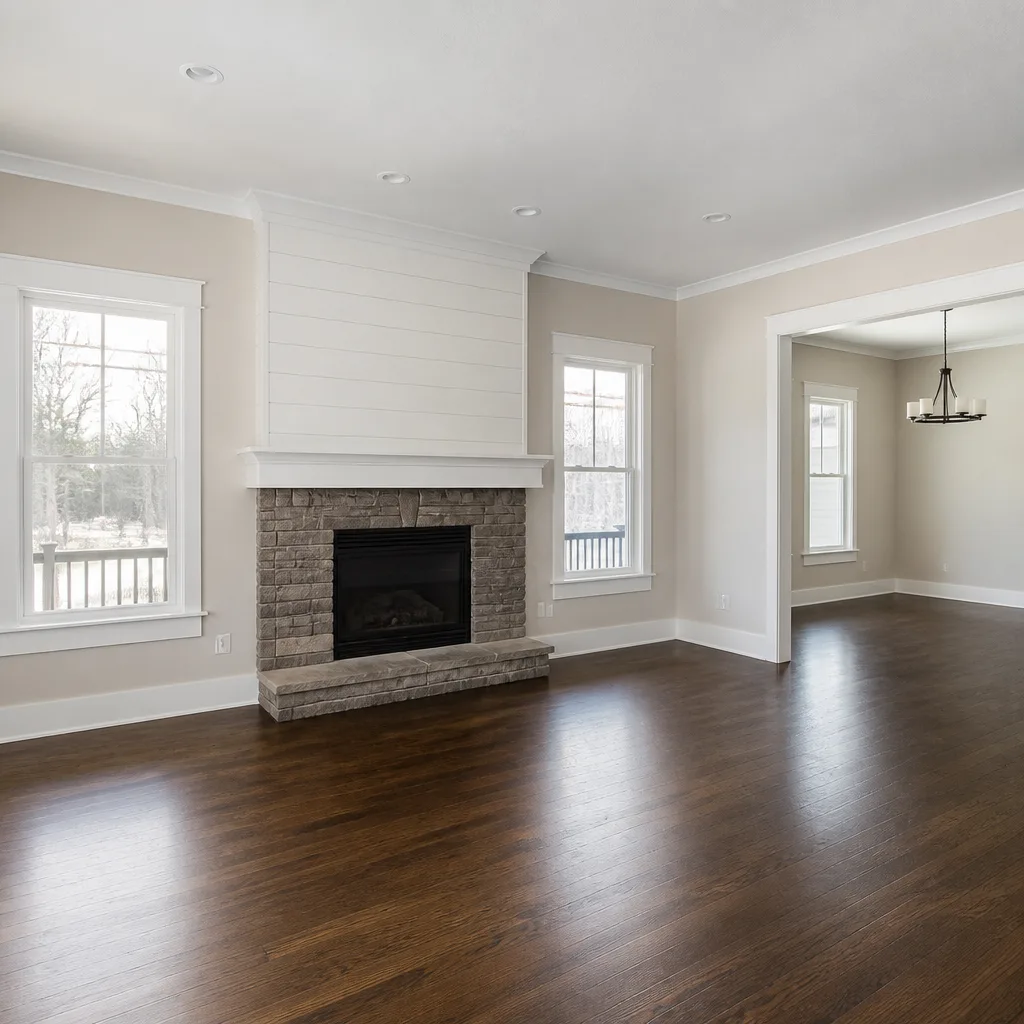
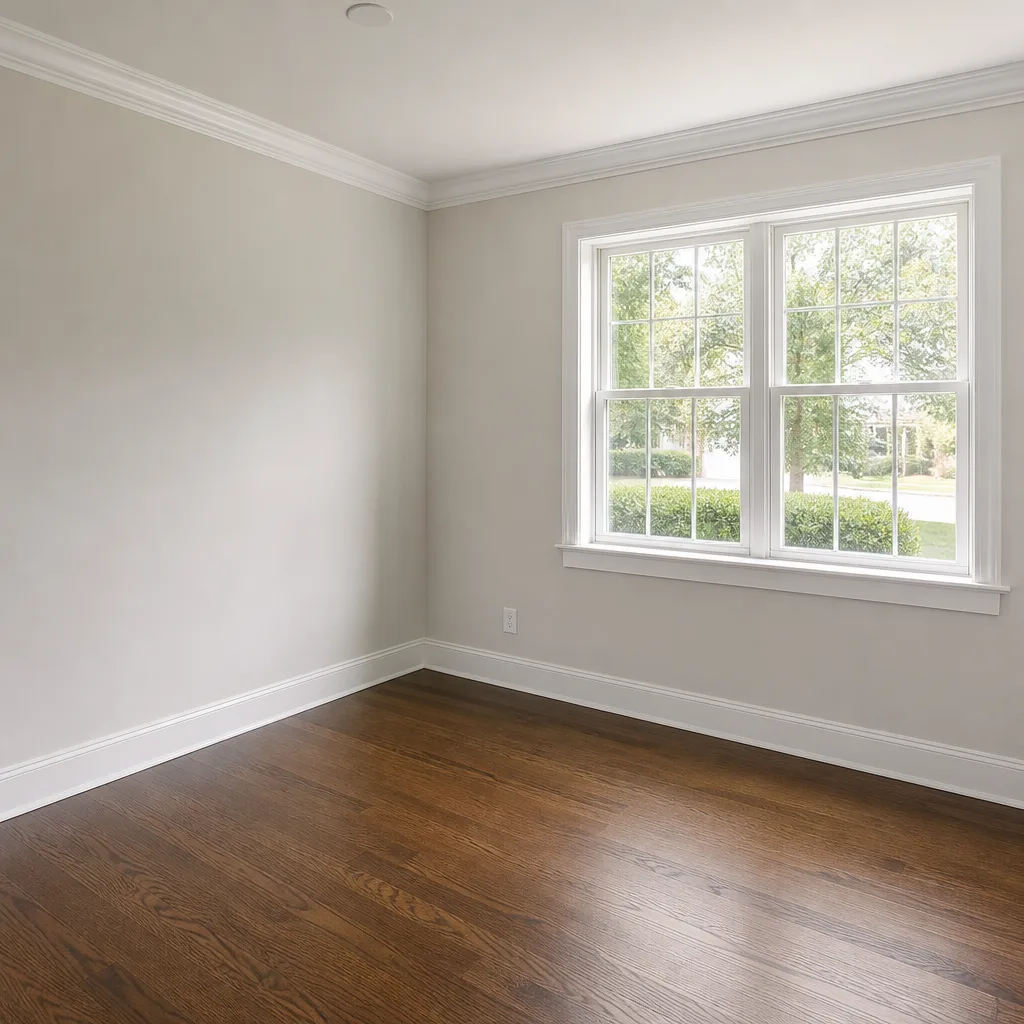

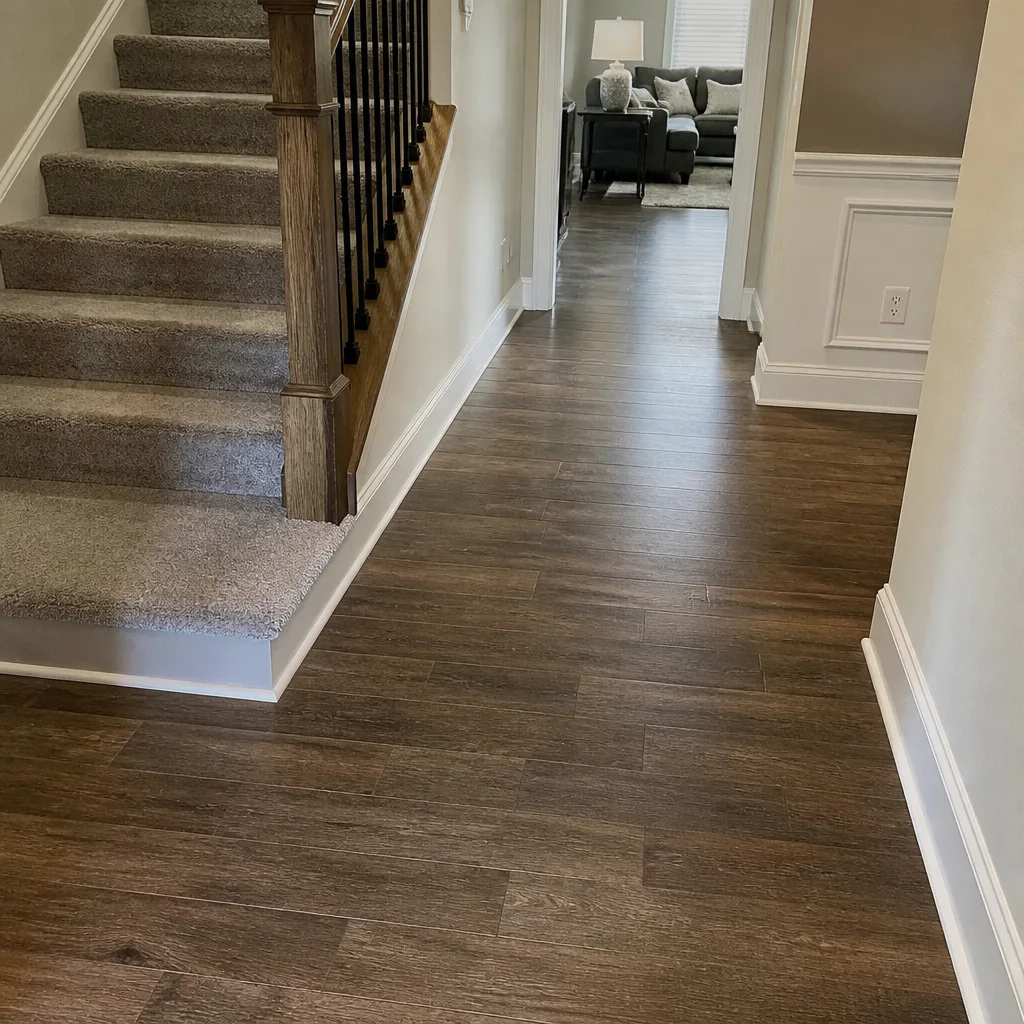
 Before
 After
After Before
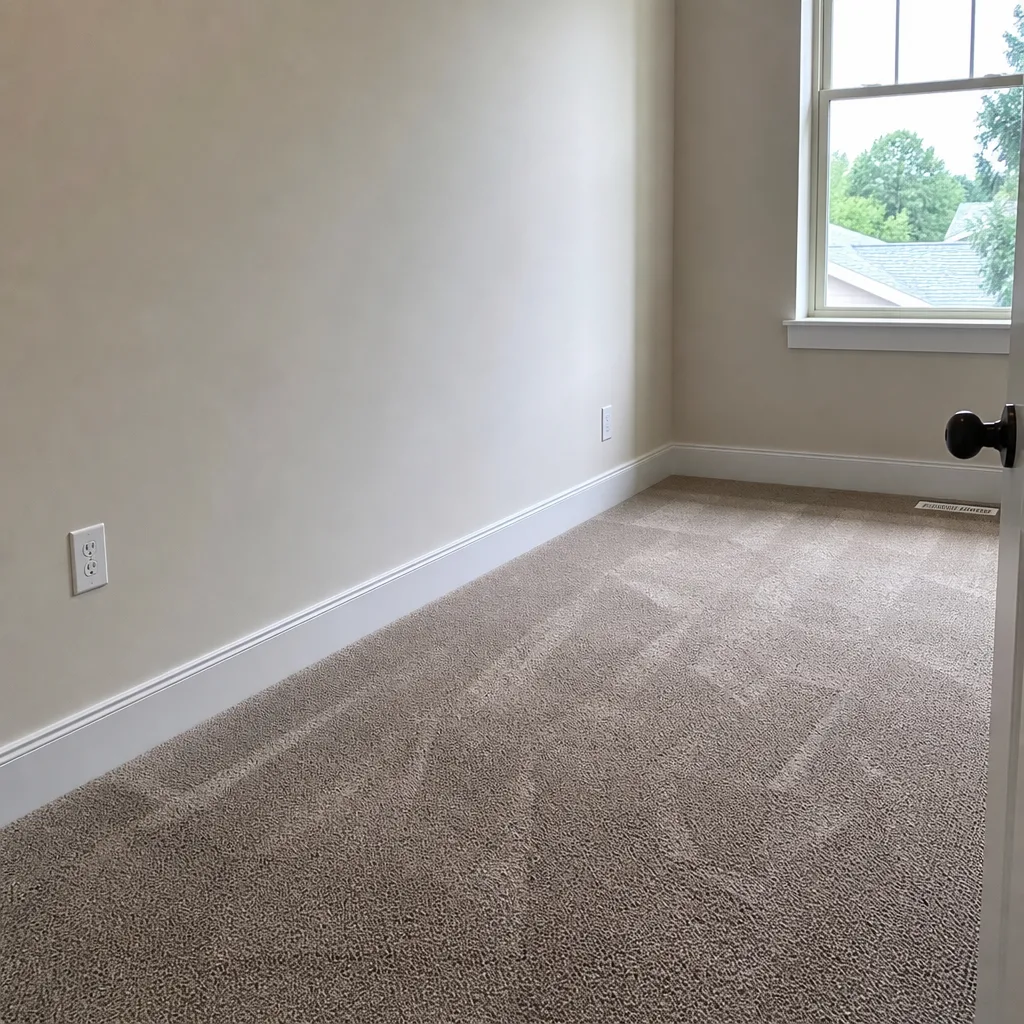 After
After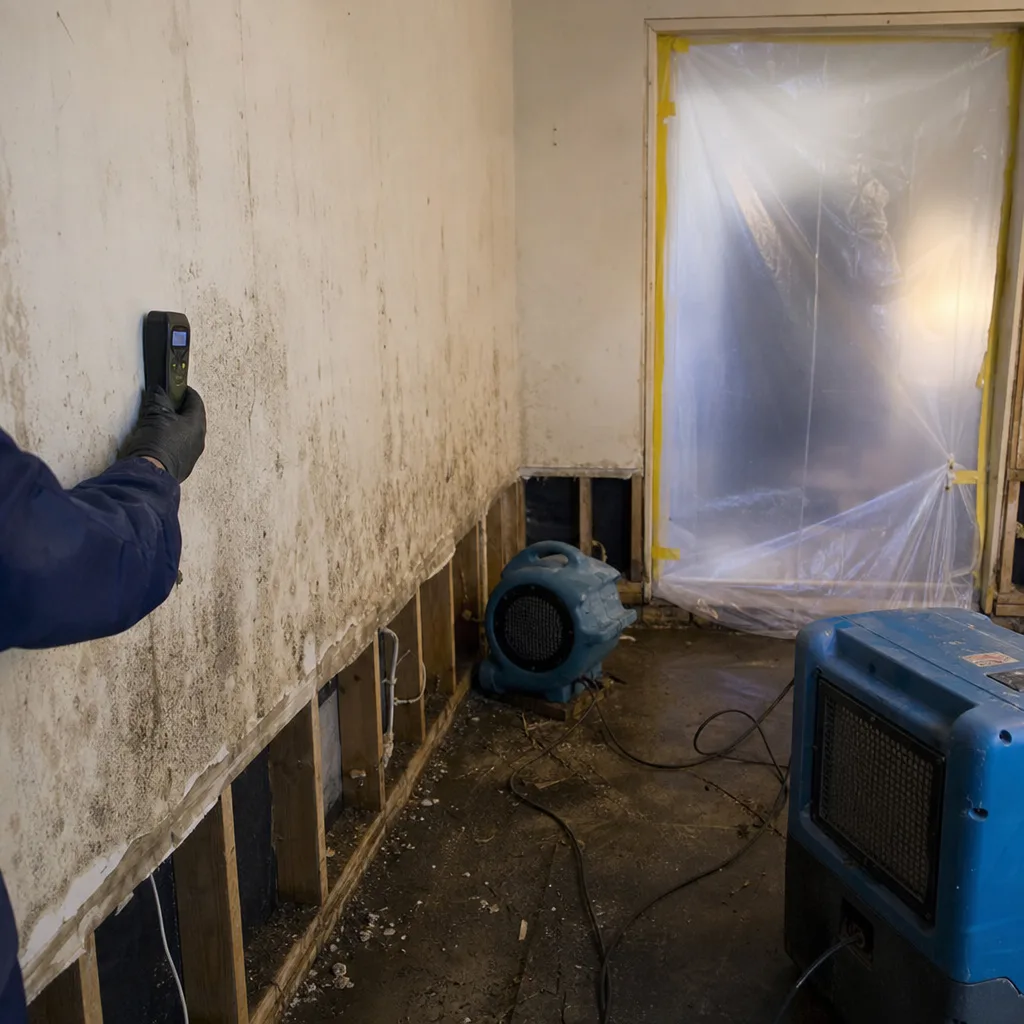 Before
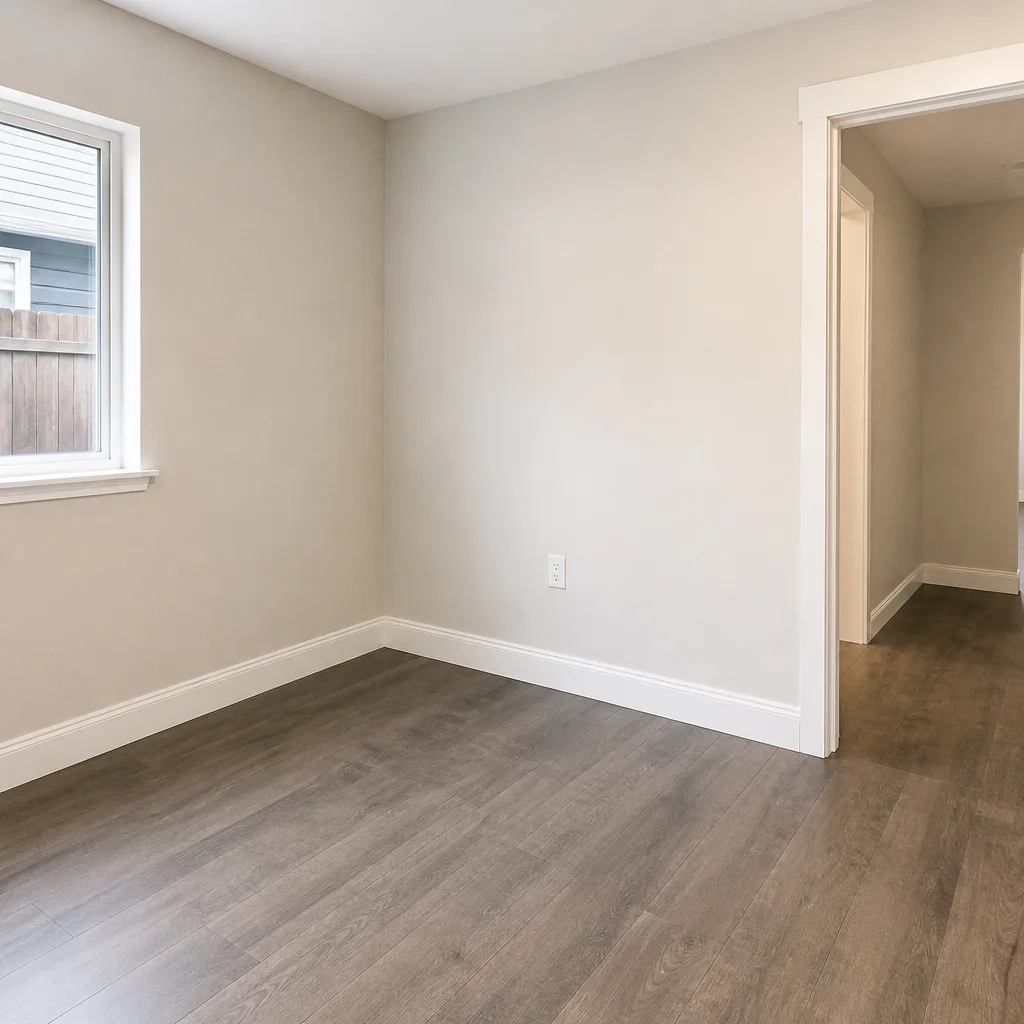 After
AfterSeasonal Damage Restoration Care for Tacoma: Year-Round Homeowner’s Guide
The most expensive restoration calls we field in February aren’t caused by February rain. They’re caused by September gutters that nobody cleaned, creating ice dam conditions that go undetected until a ceiling shows a stain. Tacoma’s damage risk doesn’t distribute evenly across the calendar - it concentrates in predictable windows tied to rainfall accumulation, freeze-thaw cycles, and summer dry rot conditions. A homeowner who inspects the right systems in the right months will find problems when they are still inexpensive drying jobs instead of full reconstruction projects. This guide - alongside our Complete Guide to Damage Restoration in Tacoma - maps those windows to the specific inspection tasks that address them, calibrated to Tacoma’s actual climate data and the elevation gradients that create different risk profiles across the city.
Quick Answer
Tacoma homeowners should perform targeted inspections four times yearly: pre-rain gutter and roof drainage checks in September, freeze-thaw pipe and exterior sealing inspections in November, moisture mapping of crawl spaces and basements in March, and summer dry rot assessment of exterior wood in July. Document each inspection with dated photos and moisture readings - this record demonstrates “reasonable homeowner maintenance” to insurers and catches problems before they require professional Water Damage Restoration in Tacoma.
Table of Contents
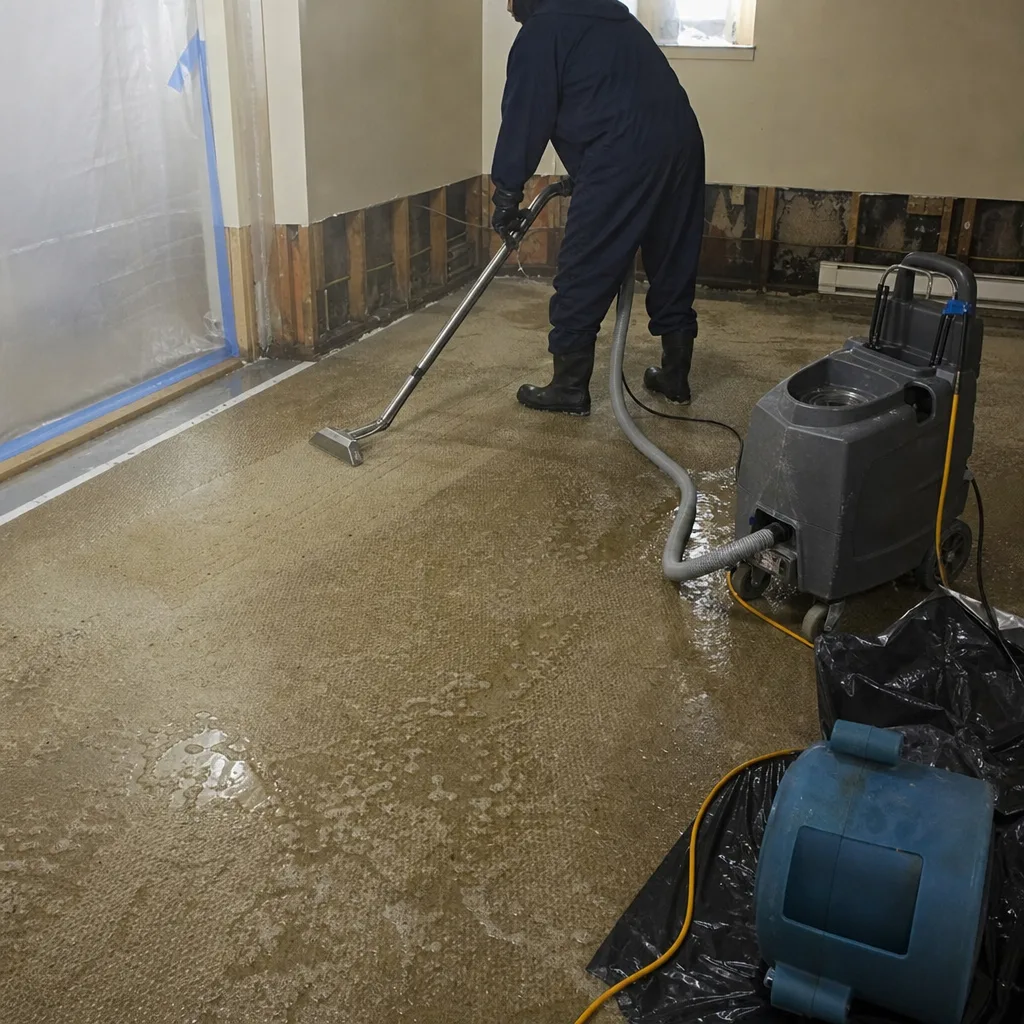
- How Tacoma’s Unique Climate Creates Seasonal Damage Patterns
- The Fall Transition: September to November (Highest Claim Volume)
- Winter Freeze-Thaw Risk: December to February
- Spring Thaw and Saturated Ground: March to May
- Summer Dry Rot Window: June to August
- Month-by-Month Inspection Calendar
- How to Document Inspections for Insurance Claims
- Common Mistakes to Avoid
- When to Call a Professional
- Frequently Asked Questions
BeforeAfterHow Tacoma’s Unique Climate Creates Seasonal Damage Patterns
Tacoma receives approximately 39 inches of annual precipitation, concentrated heavily between October and March. But the raw total misleads homeowners. The critical factor is the distribution pattern: long, light drizzles that saturate soil over weeks, followed by intense atmospheric river events that overwhelm drainage systems already at capacity. This saturation-then-surge pattern distinguishes Tacoma from drier eastern Washington markets and from the flash-flood patterns of the Southwest.
The city’s elevation gradient creates two distinct risk zones. Homes below 200 feet, particularly near the Ruston Way waterfront and the Tideflats, face groundwater intrusion and tidal backflow during king tide events. Homes above 400 feet, in neighborhoods like Proctor, Browns Point, and North End hills, experience more freeze-thaw cycles per winter - typically 15 to 25 partial thaws versus 5 to 10 for low-elevation properties. These cycles stress plumbing, exterior sealants, and roof systems differently.
Soil composition adds another variable. The glacial till underlying much of Tacoma drains poorly. After sustained fall rain, the water table rises into crawl spaces and basements that read “dry” in summer moisture mapping. We’ve documented crawl spaces in the Lincoln District with 28% wood moisture content in March that read 11% in August - well below the 19% threshold for active fungal growth, but only because the homeowner ran a dehumidifier continuously through winter.
Understanding these patterns matters because the right inspection in the right month prevents the damage that shows up three months later. A November pipe insulation check prevents the February burst pipe. A July exterior paint inspection prevents the October moisture intrusion that becomes March mold remediation.
The Fall Transition: September to November (Highest Claim Volume)
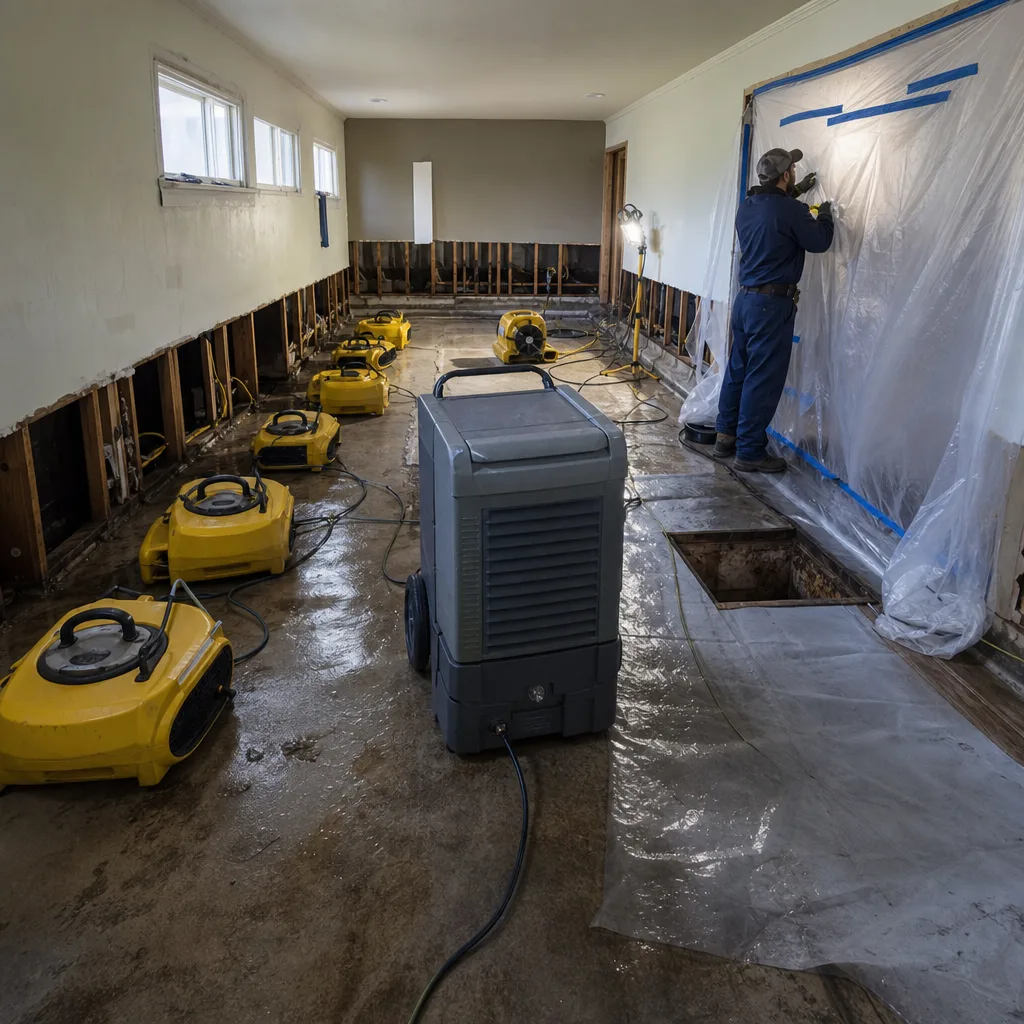
The fall transition produces the highest volume of restoration claims we handle annually, and the single inspection task that addresses the majority of that risk is gutter and downspout verification before the first sustained rains arrive.
Here’s why timing matters. Tacoma’s first major atmospheric river typically hits in mid-October. Gutters that functioned adequately in light September drizzle fail catastrophically under sustained 1-inch-per-hour rainfall. Overflow channels water behind fascia boards, saturates soffit framing, and creates ice dam conditions when temperatures drop in November. By February, the homeowner sees a ceiling stain and assumes the roof failed. In our experience, 60% of winter ceiling stains in Tacoma trace to gutter overflow, not roof membrane failure.
The inspection protocol is straightforward but specific:
- Clear all debris from gutters and downspouts. Verify flow with a hose running at full volume for 90 seconds per downspout.
- Check gutter pitch with a level - water should move toward downspouts at 1/4 inch per 10 feet of run. Rehang sagging sections.
- Inspect fascia boards where gutters mount. Soft spots indicate prior overflow saturation and require replacement before rehanging.
- Verify downspout discharge points extend at least 6 feet from foundation, or connect to perimeter drain systems if soil grading is flat.
- Photograph each downspout flowing freely with a dated timestamp.
The second critical fall task is exterior penetration sealing. Caulk and sealant around windows, doors, and utility penetrations shrink and crack through summer UV exposure. October rain finds these gaps. In homes near Point Defiance with prevailing southwest exposure, we’ve measured wind-driven rain intrusion through gaps as small as 1/16 inch, saturating wall cavities over weeks.
Apply fresh sealant to all penetrations before October 15. Use a paintable polyurethane for gaps over 1/4 inch; silicone only where paint coverage isn’t required. Document with photos showing sealed joints.
Winter Freeze-Thaw Risk: December to February
Tacoma’s winter temperatures hover near the freeze-thaw threshold more than they plunge deeply below it. The Pierce County average shows 20 to 30 days with highs above 40°F and lows below 32°F - the exact pattern that maximizes pipe stress. Water expands 9% when it freezes. A pipe with standing water that thaws partially, then refreezes, experiences cumulative pressure damage even if it doesn’t burst immediately.
Homes above 400 feet elevation face disproportionate risk. Browns Point and North End properties experience temperature inversions that leave them below freezing when downtown Tacoma reads 35°F. We’ve responded to burst pipe calls in Proctor at 22°F while the Port of Tacoma reported 38°F. The elevation gap matters for inspection priority.
The single inspection task that addresses majority winter risk is pipe exposure verification in November, before the first hard freeze:
- Identify all plumbing in unconditioned spaces: crawl spaces, attics, exterior wall cavities, garage ceiling bays.
- Measure pipe insulation thickness. Fiberglass wrap should be minimum R-4 (approximately 1 inch); foam pipe sleeve minimum 3/4 inch wall thickness.
- Seal all air leaks near pipes with expanding foam. Moving air strips heat from pipes faster than still air at the same temperature.
- Verify heat tape function on vulnerable runs. Test with a non-contact thermometer - the tape should raise pipe surface temperature 10°F above ambient.
- Locate and label main water shutoff. Every adult in the household should know its location and operation.
Roof ice dam prevention deserves attention here too. Ice dams form when roof deck temperature above the heated envelope melts snow, which flows to the cold eave and refreezes. The pool behind the ice dam backs up under shingles. In Tacoma, this pattern is more common on homes with inadequate attic insulation and poor soffit ventilation - particularly pre-1980 construction in the Hilltop and Stadium Districts.
Verify attic insulation depth (minimum R-38 for our climate zone) and confirm soffit vents are unblocked by insulation. Measure attic temperature on a 35°F day; it should be within 10°F of outdoor temperature. Higher readings indicate heat loss that will create ice dam conditions.
Spring Thaw and Saturated Ground: March to May
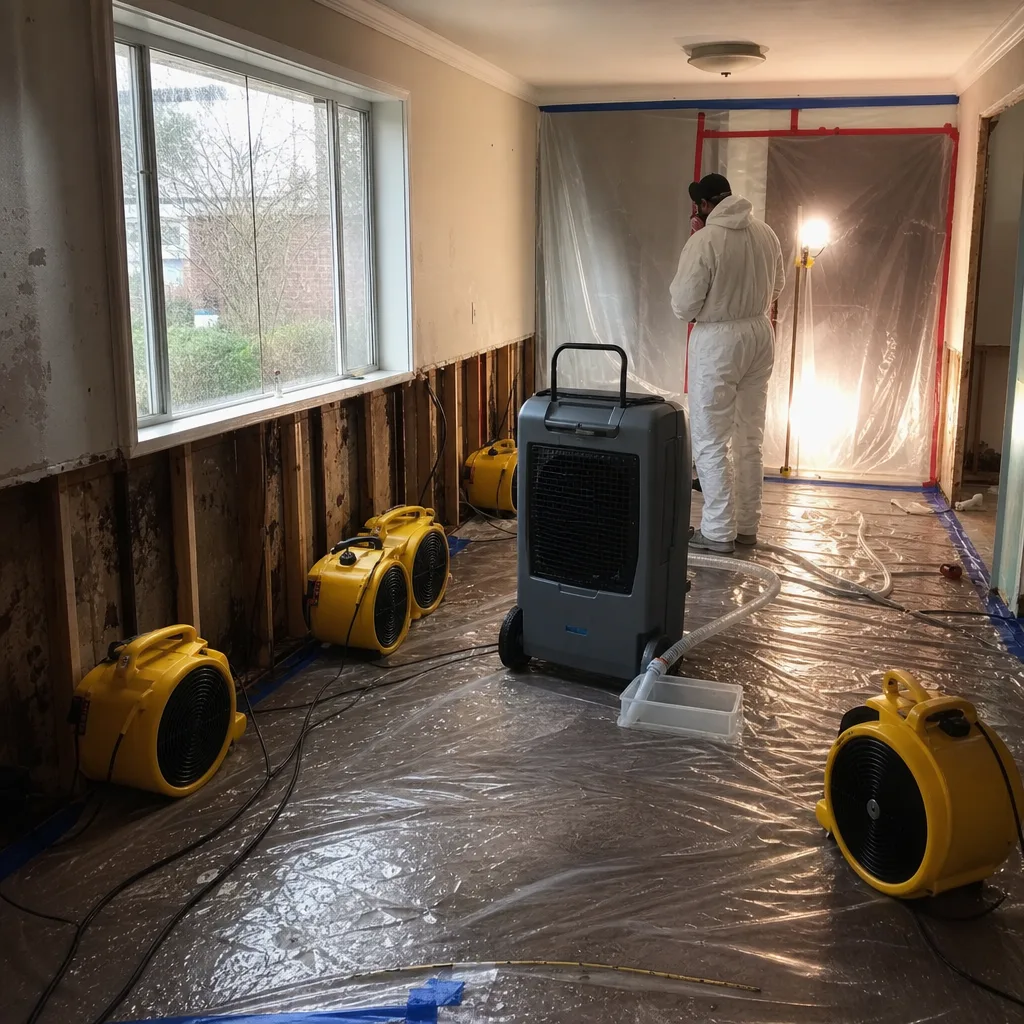
March brings the second-highest claim volume window, driven by saturated soil releasing stored moisture into foundations and the first warm days activating mold in winter-wet cavities. The spring thaw inspection is fundamentally about moisture mapping - understanding where water is, not just where it was.
Tacoma’s glacial till soils hold water through winter and release it slowly. By March, the water table in low-lying areas can rise to within 18 inches of grade. Homes without perimeter drains or with failed drains see hydrostatic pressure forcing water through slab joints and foundation cracks. The Stadium District and Lincoln District, built on filled tidelands and alluvial soils, show this pattern consistently.
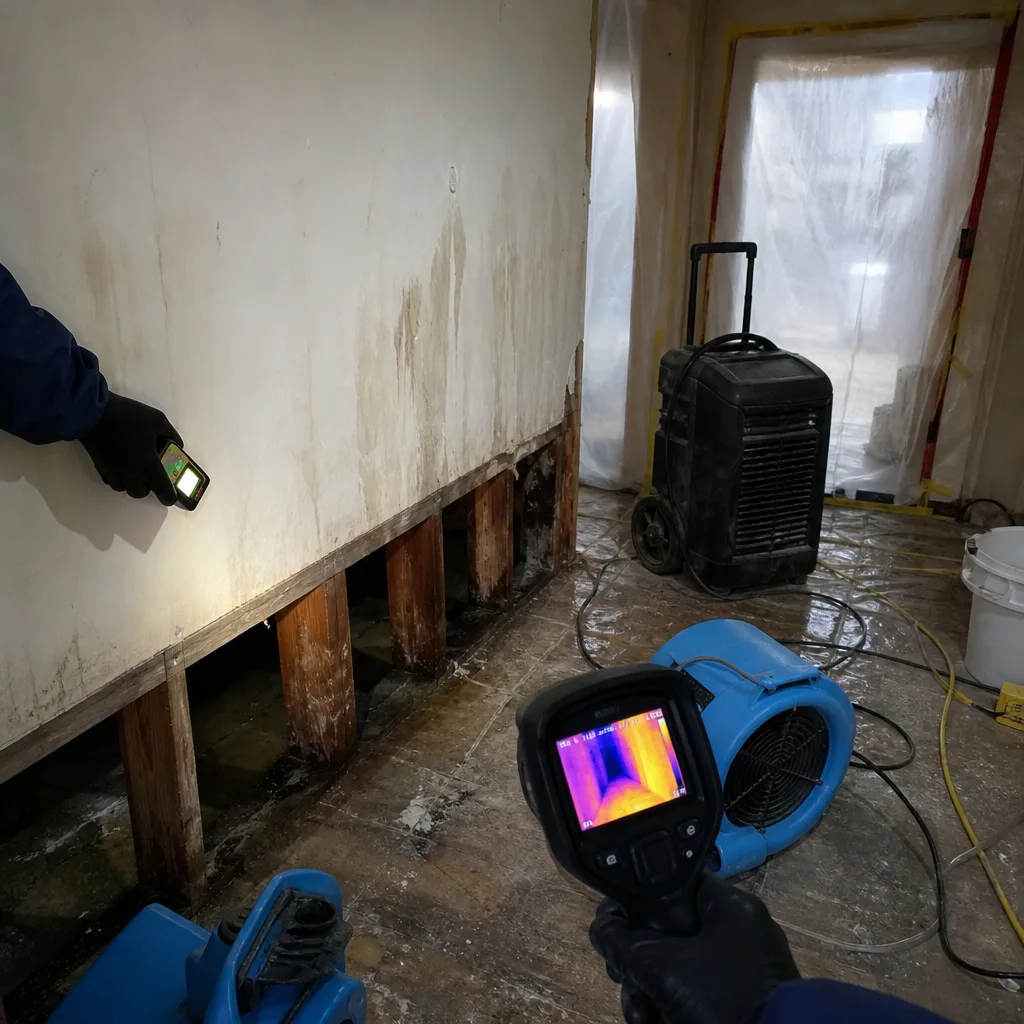
The single inspection task for spring: comprehensive moisture mapping of crawl spaces, basements, and foundation perimeters. This requires more than visual inspection. Surface dryness means little; we’ve found 24% wood moisture content in floor joists that appeared dry to touch and eye.
- Purchase or borrow a pin-type moisture meter (Delmhorst or Wagner models run $250-$400; some hardware stores rent them). Pinless meters work for surface readings but miss depth moisture that matters for structural members.
- Test wood structural members at 10 locations minimum per 1,000 square feet of crawl space or basement. Record each reading with location notation.
- Readings above 19% indicate active fungal growth conditions. Readings above 28% indicate wood decay fungi risk - the organisms that cause structural rot, not just surface mold.
- Inspect foundation walls for efflorescence (white mineral deposits), which indicates ongoing water passage through concrete.
- Check sump pump function by lifting the float manually. Verify discharge line is clear and extends well from foundation.
- Photograph all readings with meter display visible and location identifiable.
Spring is also when we see the most Mold Remediation in Tacoma calls triggered by homeowner DIY attempts. A March crawl space inspection finds surface mold, the homeowner sprays bleach, and by May the problem is worse because bleach added moisture without killing hyphae in wood pores. If moisture mapping shows readings above 19% with visible fungal growth, professional assessment is warranted. DryMark Restoration Tacoma home provides documented moisture mapping as a standard deliverable, with readings recorded to IICRC S520 standards.
Summer Dry Rot Window: June to August
Summer in Tacoma creates a deceptive damage window. Rainfall drops to 1.5 inches monthly in July and August. Homeowners stop thinking about water. But this is precisely when dry rot fungi - Meruliporia incrassata, Antrodia species, and others common in our region - become most active in previously wetted wood. These organisms require moisture above the fiber saturation point (approximately 30% wood moisture content) to initiate, but can continue consuming wood at moisture levels well below that once established. Summer warmth accelerates their metabolism.
The dry rot inspection task is exterior wood assessment with specific criteria:
- Probe all horizontal wood surfaces - window sills, door thresholds, deck rail caps, fascia boards - with an awl or screwdriver. Sound wood resists penetration; decayed wood allows easy penetration with little resistance.
- Check painted exterior trim for alligatoring (patterned cracking) or blistering, which indicates moisture movement beneath paint.
- Inspect deck ledger boards where they meet the house - the single most common dry rot location we encounter in Tacoma, particularly on homes built 1995-2010 with inadequate flashing.
- Verify caulk joints at siding transitions. Summer sun opens gaps that October rain will exploit.
- Measure crawl space ventilation. Code requires 1 square foot of vent per 150 square feet of crawl space area in our climate zone. Many older homes in the North Slope and Central District fall short, creating stagnant summer humidity that sustains fungal activity.
Exterior wood moisture readings in summer should be below 15% for painted surfaces, below 19% for unpainted structural members. Readings above these thresholds with soft probe resistance indicate active decay requiring replacement, not just repainting.
The documentation habit applies here too. Summer photos of sound wood condition establish baseline evidence if fall moisture intrusion creates a winter insurance dispute about pre-existing conditions.
Month-by-Month Inspection Calendar
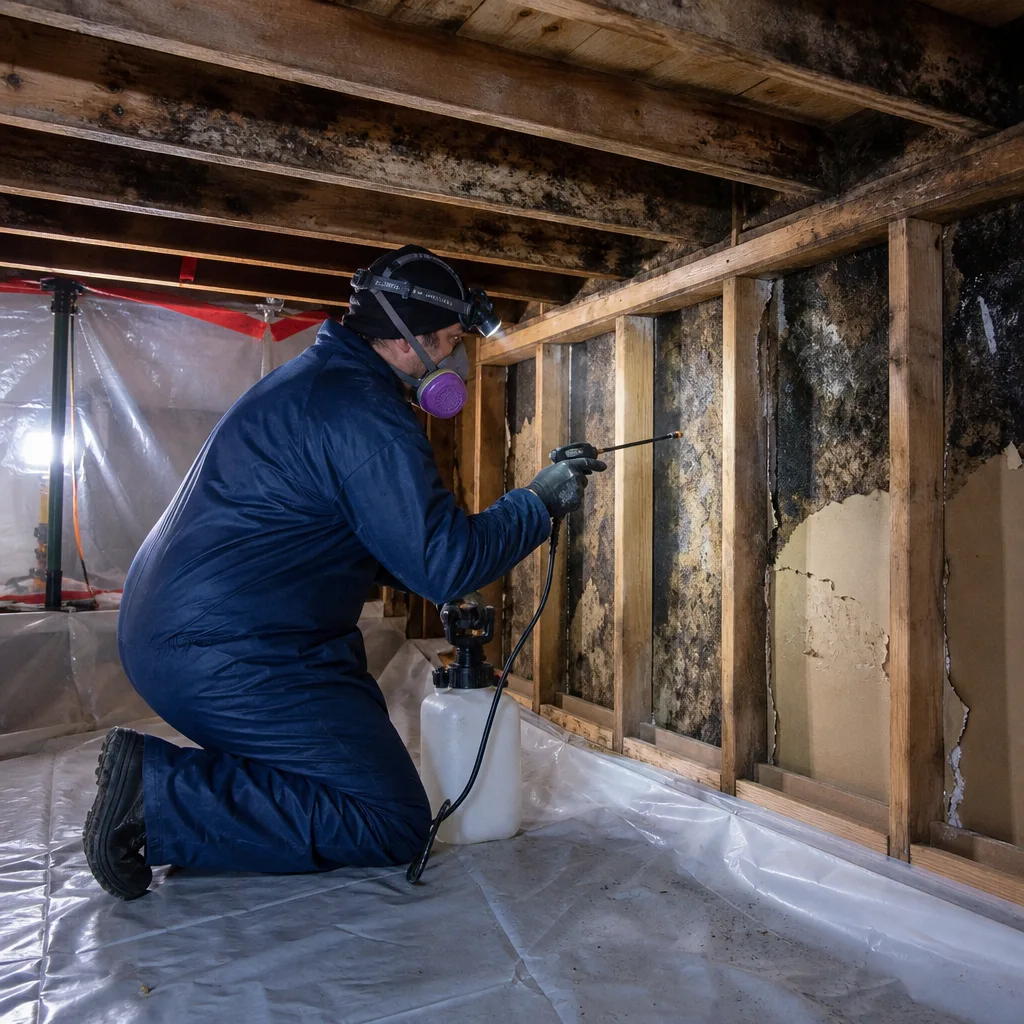
This calendar synthesizes the seasonal patterns into actionable monthly tasks, calibrated to Tacoma’s actual precipitation and temperature data, and pairs well with our Water Damage Restoration Maintenance Checklist for Tacoma Homeowners.
September
- Clean and test all gutters and downspouts
- Inspect roof condition after summer UV exposure
- Seal exterior penetrations before first atmospheric river
- Service HVAC condensate drains and pan
October
- Verify gutter performance during first sustained rain event
- Inspect attic for insulation and ventilation adequacy
- Test exterior GFCI outlets and seal electrical boxes
- Drain and store garden hoses; shut off exterior hose bibs if not frost-free
November
- Complete pipe insulation and heat tape verification
- Inspect weatherstripping on all exterior doors
- Verify crawl space vapor barrier integrity
- Test generator if equipped
December
- Monitor for ice dam formation after snowfall
- Check interior humidity - maintain 30-50% relative humidity
- Inspect under sinks for supply line leaks after first hard freeze cycle
- Verify emergency water shutoff accessibility
January
- Inspect attic for frost accumulation indicating warm air leakage
- Check basement and crawl space for seepage after sustained cold
- Monitor exterior walls for condensation patterns
- Service sump pump if cycle count increased through fall
February
- Inspect ceiling penetrations for stains from ice dam backup
- Check exterior grade for frost heave damage to walkways and drainage
- Begin planning gutter improvements identified in fall
- Schedule professional roof inspection if ice dams occurred
March
- Perform comprehensive moisture mapping of all below-grade spaces
- Inspect foundation for new cracks after freeze-thaw cycling
- Service irrigation backflow preventer before activation
- Document baseline moisture readings for year comparison
April
- Inspect for mold activation in previously wet areas
- Verify French drain and perimeter drain function during spring rains
- Check window wells for debris and drainage
- Service dehumidifiers used through winter
May
- Inspect exterior drainage grading - winter frost heave alters grade
- Check deck and balcony membranes for winter damage
- Verify exterior paint and caulk condition before summer heat
- Schedule professional Fire & Smoke Damage Restoration in Tacoma assessment if heating system showed any combustion issues through winter
June
- Begin dry rot inspection of all exterior wood
- Inspect and clean dryer vent termination - summer wildfire risk increases lint fire hazard
- Verify attic ventilation before summer heat buildup
- Check bathroom exhaust fans for function and duct integrity
July
- Complete exterior wood moisture mapping
- Inspect and treat or replace decayed wood identified
- Verify crawl space ventilation adequacy
- Check irrigation system for leaks that could saturate foundation
August
- Final exterior sealing and painting before fall rains
- Inspect roof for any summer wind or UV damage
- Service garage door weatherstripping and threshold seal
- Prepare gutter cleaning equipment for September cycle
How to Document Inspections for Insurance Claims
The documentation gap is what costs homeowners their claims. We’ve seen it from both sides - Alicia Brennan founded Back to Dry in 2011 after working as a claims adjuster and watching homeowners lose coverage disputes for lack of contemporaneous evidence that they maintained their property reasonably.
An insurer evaluating a water damage claim asks two questions: did the damage result from a sudden, fortuitous event covered by the policy, or from long-term maintenance neglect excluded by the policy? The homeowner’s inspection record is often the only evidence that distinguishes these categories.
We recommend a simple documentation system that meets evidentiary standards without becoming burdensome:
- Create a single digital folder per calendar year, with subfolders by month. Google Drive, Dropbox, or equivalent - the platform matters less than consistent use.
- Photograph every inspection task with a timestamp. Most phone cameras embed this automatically; verify settings. The photo should show the condition found, the location, and ideally a measuring tool or reading for scale.
- Record moisture meter readings in a simple spreadsheet: date, location, material type, reading, and any action taken. This creates a trend line that proves active monitoring.
- Retain product labels and receipts for materials used: sealant, caulk, insulation, paint. These establish the quality of maintenance performed.
- Write a brief narrative note for any condition that requires future monitoring: “Gutter sag at northeast corner, scheduled for rehang in spring 2025.” This demonstrates awareness and planning, not neglect.
If damage occurs despite reasonable maintenance, this record becomes powerful evidence. We’ve assisted homeowners in Tacoma, Lakewood, and Puyallup with claims documentation that shifted adjusters from denial to acceptance. The key is contemporaneity - records created after damage occurs, or backdated, carry no weight. Records created in real time, with photo metadata intact, are difficult to dispute.
For homeowners who want professional baseline documentation, we offer moisture mapping and photo record services that establish condition at a specific date. The Haven Standard requires photo documentation on every visit, and this same discipline applied to preventive inspection creates the evidence that protects your coverage.
Common Mistakes to Avoid
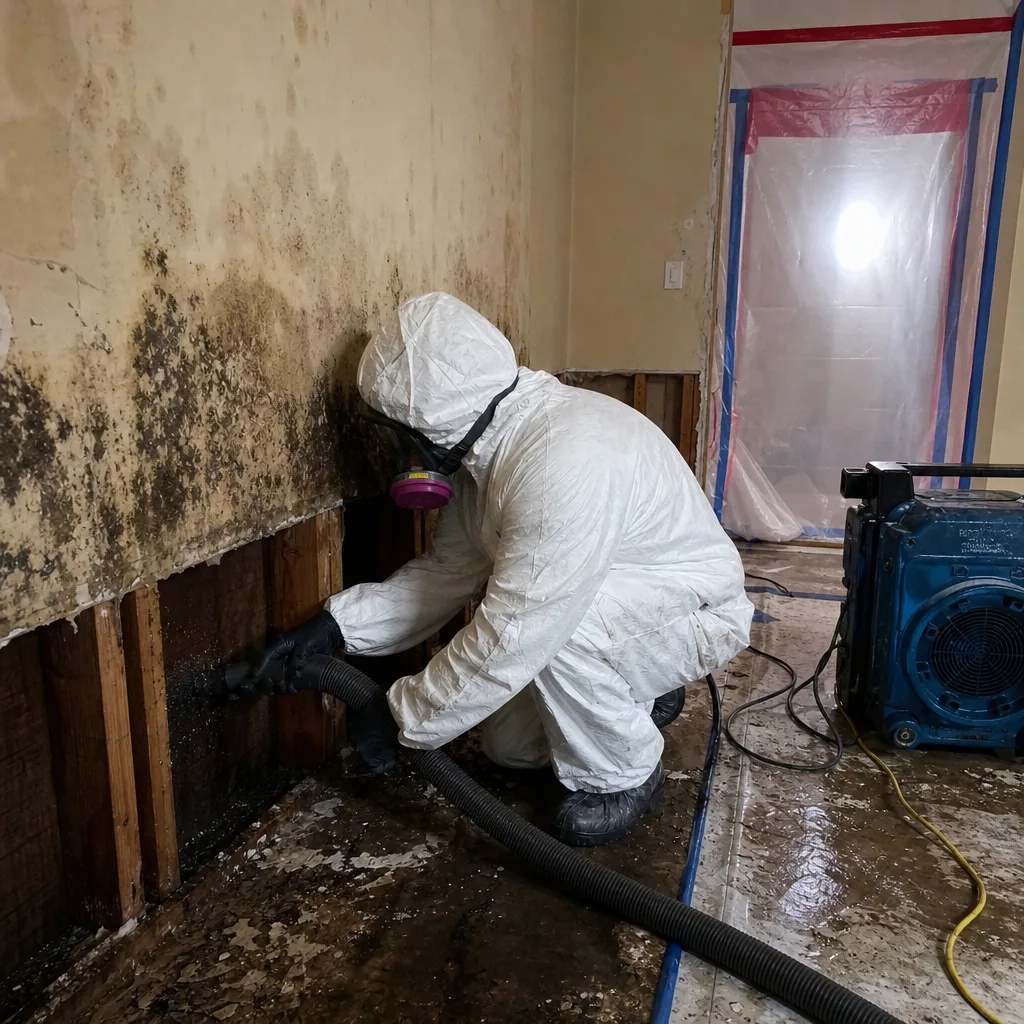
- Waiting for visible damage before acting. By the time a ceiling shows staining, water has traveled through insulation, saturated framing, and likely initiated mold growth. The inspection that finds moisture at 22% wood content prevents the restoration job that finds it at 45% with visible decay.
- Assuming new construction is exempt. We’ve restored water damage in Tacoma homes built in 2022 with failed flashing, improperly sloped gutters, and crawl spaces that trap moisture due to inadequate ventilation. Building code compliance does not guarantee performance in our specific climate.
- Using the same inspection checklist year-round. A July inspection that checks for ice dams wastes time; a November inspection that ignores pipe insulation misses the primary risk. The monthly calendar above exists because seasonal specificity matters.
- Neglecting elevation-specific risks. A homeowner in the North End at 450 feet elevation who applies downtown Tacoma’s freeze-thaw assumptions will under-insulate pipes. Conversely, a waterfront homeowner who applies hillside ventilation standards may over-ventilate and import moisture.
- Discarding documentation after repairs. Insurance claims can be reopened, and coverage disputes sometimes arise years after initial damage. Maintain inspection records for the statute of limitations period applicable to your policy, typically three to five years.
- Treating mold as a cleaning problem. Surface bleach application on mold growth above 19% wood moisture content is ineffective and can worsen the problem by adding water without killing embedded hyphae. Mold in structural cavities requires professional assessment with air sampling and moisture mapping to IICRC S520 standards.
- Ignoring the garage. Attached garages in Tacoma frequently lack the moisture barriers and insulation of the main envelope. We’ve documented significant mold growth in garage ceiling bays where bathroom exhaust vents terminate, or where the garage roof meets the second story wall without proper flashing.
When to Call a Professional
Some conditions exceed homeowner inspection and remediation capacity. Call for professional assessment when: moisture meter readings exceed 28% in any structural wood; visible mold covers more than 10 square feet in any single area; water intrusion follows a path that includes electrical components; or the source of moisture cannot be identified with reasonable certainty.
For emergency situations - burst pipes, sewage backup, fire damage, or storm damage with active water intrusion - speed of response limits the scope of restoration. Our live phone coverage operates 24 hours a day, 7 days a week with no voicemail on emergency lines. A trained technician answers, documents the initial report, and dispatches crew with equipment from Dri-Eaz, Phoenix, and XPOWER systems.
DryMark Restoration Tacoma offers free estimates in Tacoma - call (253) 265-9692. Every estimate includes a written price before work begins, Haven Standard, Clause 1. We also provide free second opinions on any competitor’s written estimate.
Frequently Asked Questions
Professional moisture mapping for residential properties in Tacoma typically ranges from $350 to $750 for homes under 3,000 square feet, depending on crawl space accessibility and the number of moisture probe locations required. This service includes pin-type meter readings at documented locations, thermal imaging to identify hidden moisture patterns, and a written report with readings mapped to floor plans. For homes with documented moisture concerns or insurance claim requirements, the investment prevents the far higher cost of undetected damage progression - see our Damage Restoration Cost Breakdown: The Tacoma Homeowner’s Reference for 2026 to compare prevention costs against typical claim expenses. Call (253) 265-9692 for an exact quote - estimates are free.
Insurance coverage depends on whether the damage resulted from a sudden, fortuitous event or from long-term maintenance neglect. Policies typically exclude damage from “continuous or repeated seepage” over 14 days or more, but cover sudden pipe bursts, storm damage, and similar acute events. Your documented seasonal inspection record is the primary evidence that distinguishes these categories. Without documentation, insurers frequently attribute damage to long-term neglect and deny coverage. We recommend maintaining the inspection records described in this guide, and we can assist with claims documentation when damage occurs despite reasonable maintenance.
Our live phone coverage operates 24 hours a day, 7 days a week with no voicemail on emergency lines. For active water damage, fire damage, or sewage backup in Tacoma, we typically dispatch within 60 to 90 minutes of call receipt, with crew arrival dependent on traffic and your specific location within the service area. Emergency response includes immediate moisture containment, extraction with professional-grade equipment, and preliminary moisture mapping to establish the scope of affected materials. Reconstruction and non-emergency services are scheduled and priced in writing, not dispatched for same-day arrival.
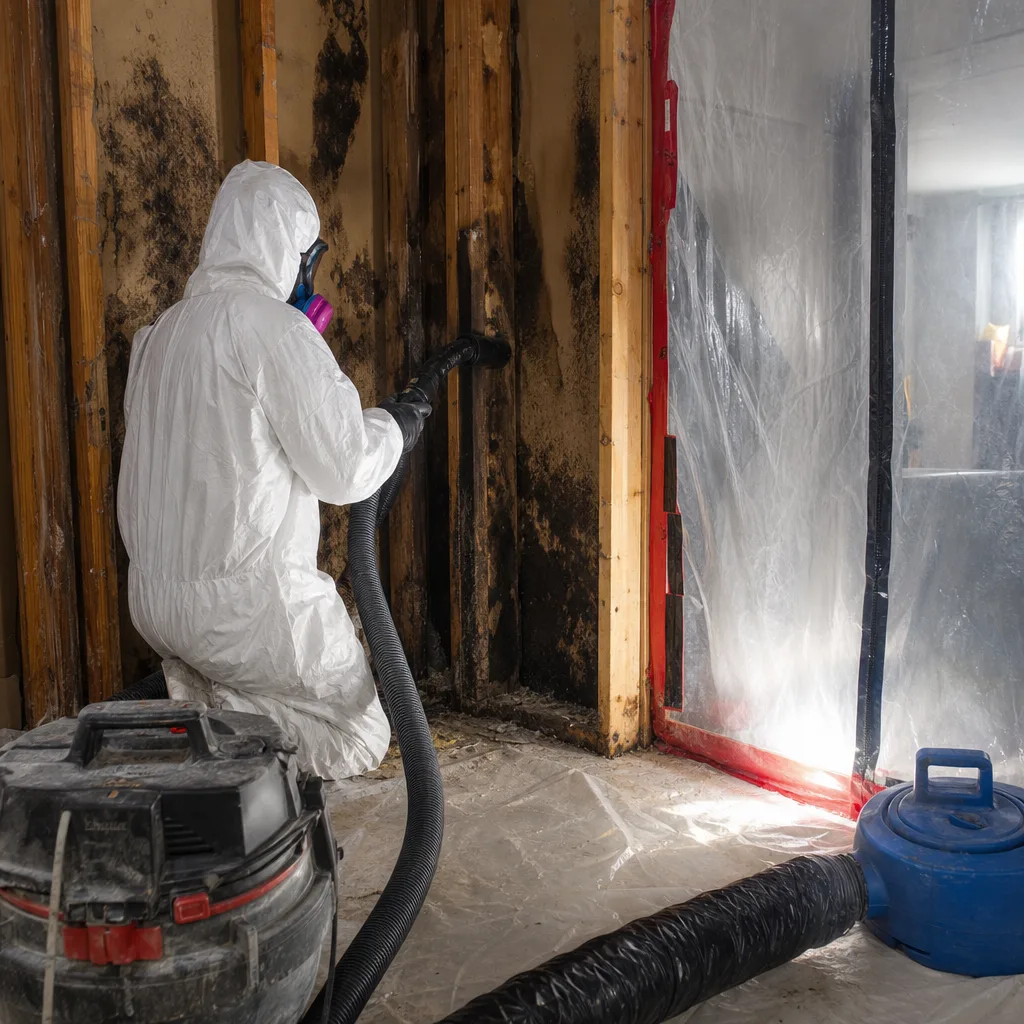
Visible mold on a surface with underlying wood moisture above 19% indicates colonization that extends beyond what cleaning reaches. Mold hyphae penetrate wood pores and drywall paper, and surface treatment without moisture correction and air quality verification leaves active growth that will reappear. Professional mold remediation includes containment to prevent spore dispersal, HEPA filtration, removal of colonized materials, moisture source elimination, and post-remediation verification sampling to IICRC S520 standards. For areas under 10 square feet with moisture readings below 19%, homeowner cleaning with appropriate PPE may suffice. When in doubt, professional assessment prevents the cost escalation of inadequate initial treatment.
We coordinate directly with your adjuster as part of our standard service. Our documentation - daily drying logs, photo records on every visit, written scopes with line-item pricing, and moisture readings to IICRC standards - is formatted specifically for adjuster review. Alicia Brennan’s background as a former claims adjuster shaped this process; we know what documentation turns a restoration invoice into a claim an insurer pays without dispute. We do not require you to manage adjuster communication, though you remain the policyholder and final decision authority on all work authorizations.
Mitigation is the emergency work that stops ongoing damage and stabilizes conditions: water extraction, drying with professional-grade equipment, demolition of unsalvageable materials, and antimicrobial application. Reconstruction is the rebuilding that restores the property to pre-loss condition: drywall installation, flooring replacement, painting, and finish work. Mitigation requires immediate response to prevent damage progression; reconstruction is scheduled, scoped, and priced in writing like a remodeling project. Our 365-Day Done Right Promise applies to both phases, but the response timeline and pricing structure differ appropriately.
The Bottom Line
Tacoma’s seasonal damage risk is predictable, mappable, and largely preventable with inspection timing calibrated to actual climate patterns. The three highest-risk transitions - fall gutter failure before first atmospheric river, winter freeze-thaw pipe stress above 400 feet elevation, and spring saturated soil release into foundations - each have a single inspection task that addresses the majority of associated claims. Document every inspection with dated photos and moisture readings. This record protects your insurance coverage and catches problems when intervention costs hundreds rather than thousands. The homeowners who call us in February with ceiling stains are often the same ones who intended to clean their gutters in September. The calendar in this guide exists to close that intention gap with specific, actionable timing, and our more guides & resources cover related topics in depth.
Written by Alicia Brennan, Owner at DryMark Restoration Tacoma, serving Tacoma since 2011.