
Last updated September 23, 2026
Free visual inspection and a written scope of work before any mitigation begins - photos, moisture readings, and drying logs go in your claim file
The scope we write is the scope we bill. Anything new gets shown to you, in writing, before we touch it.
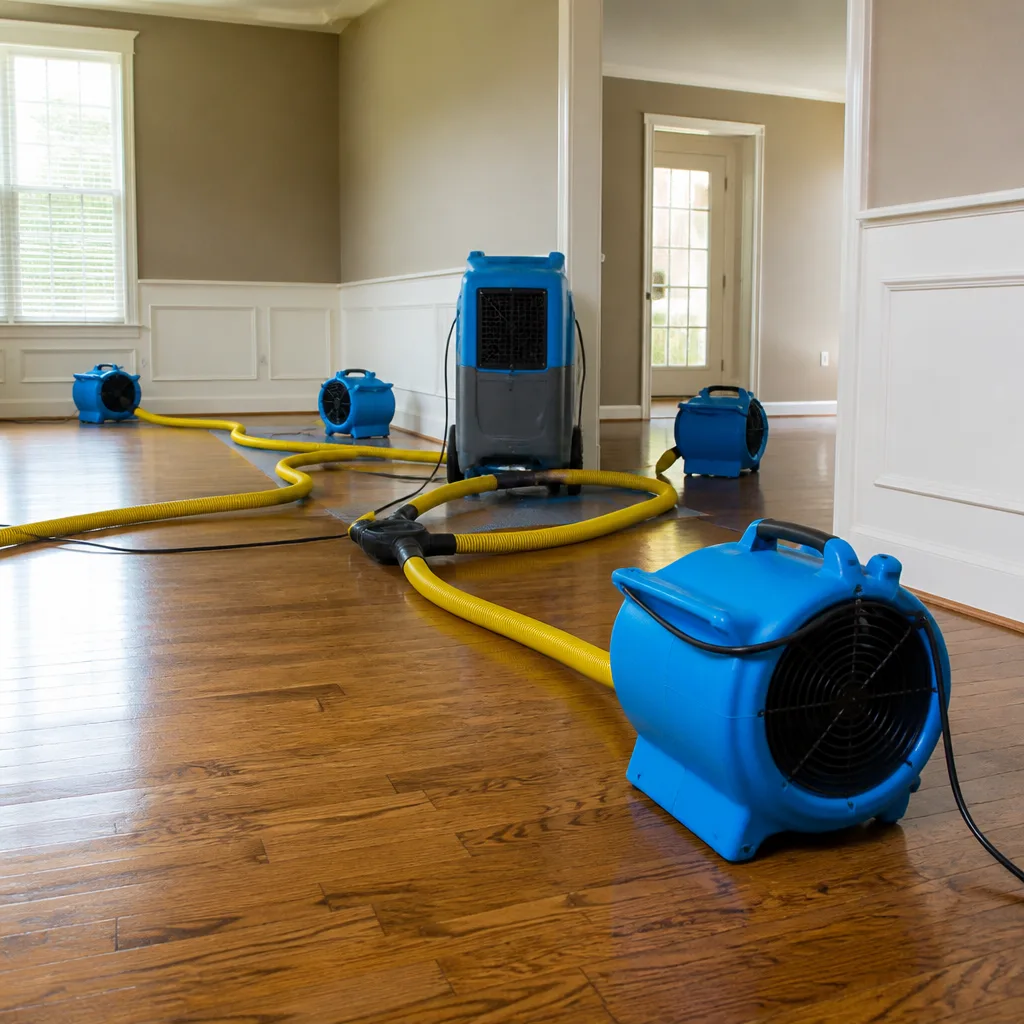
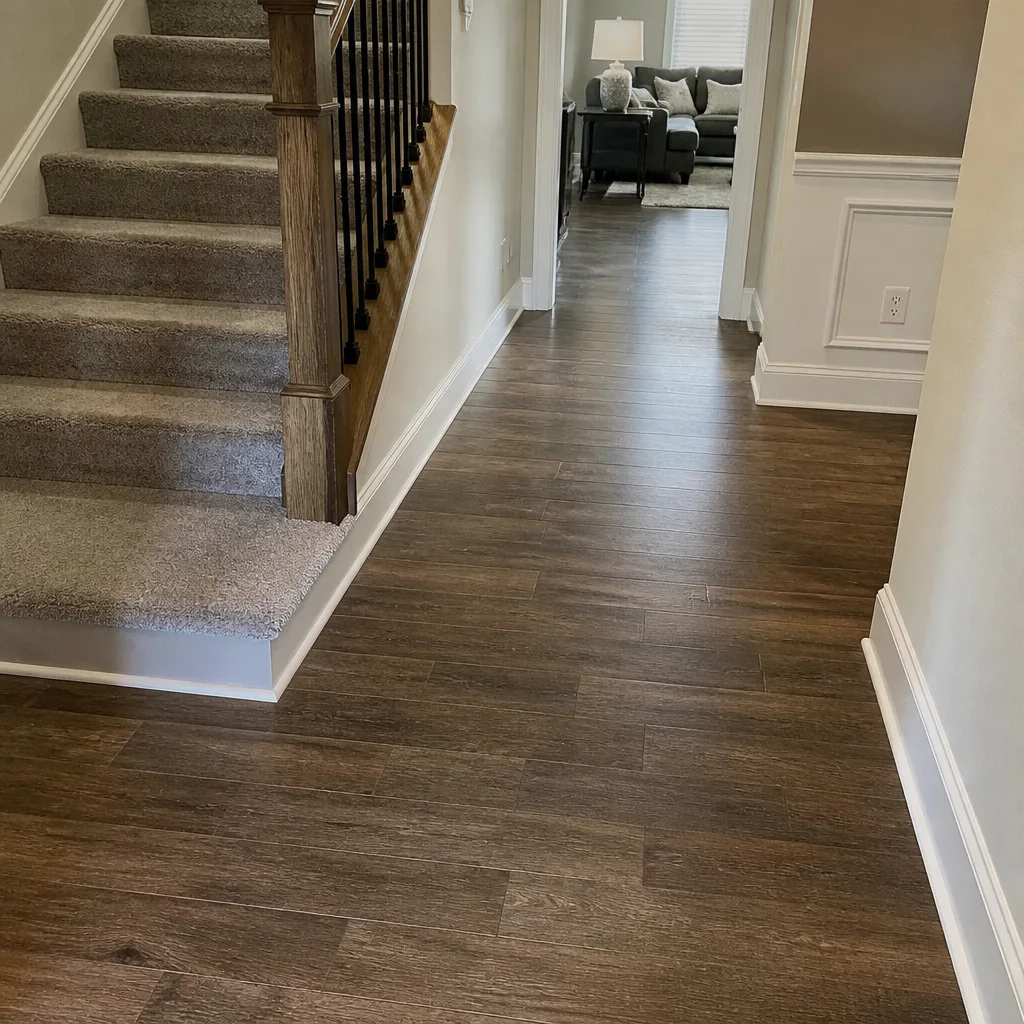
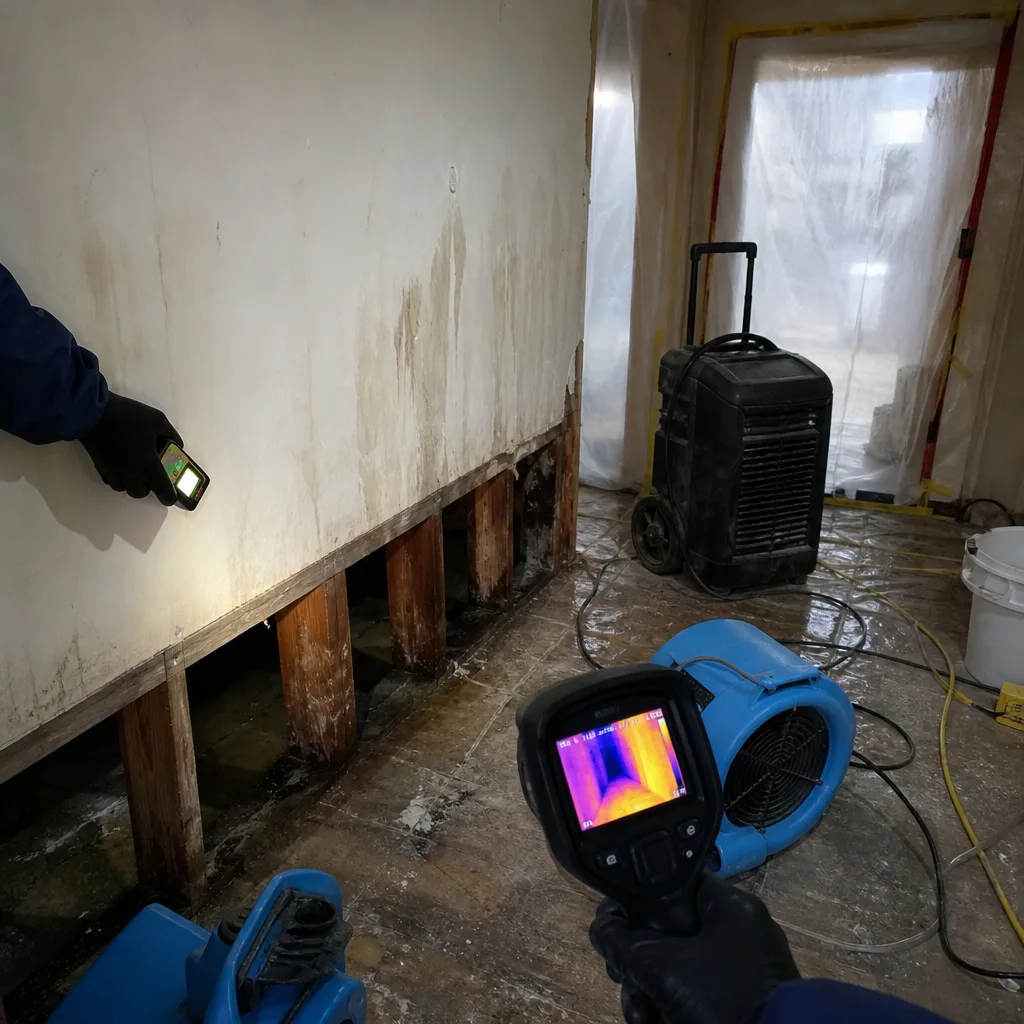 Before
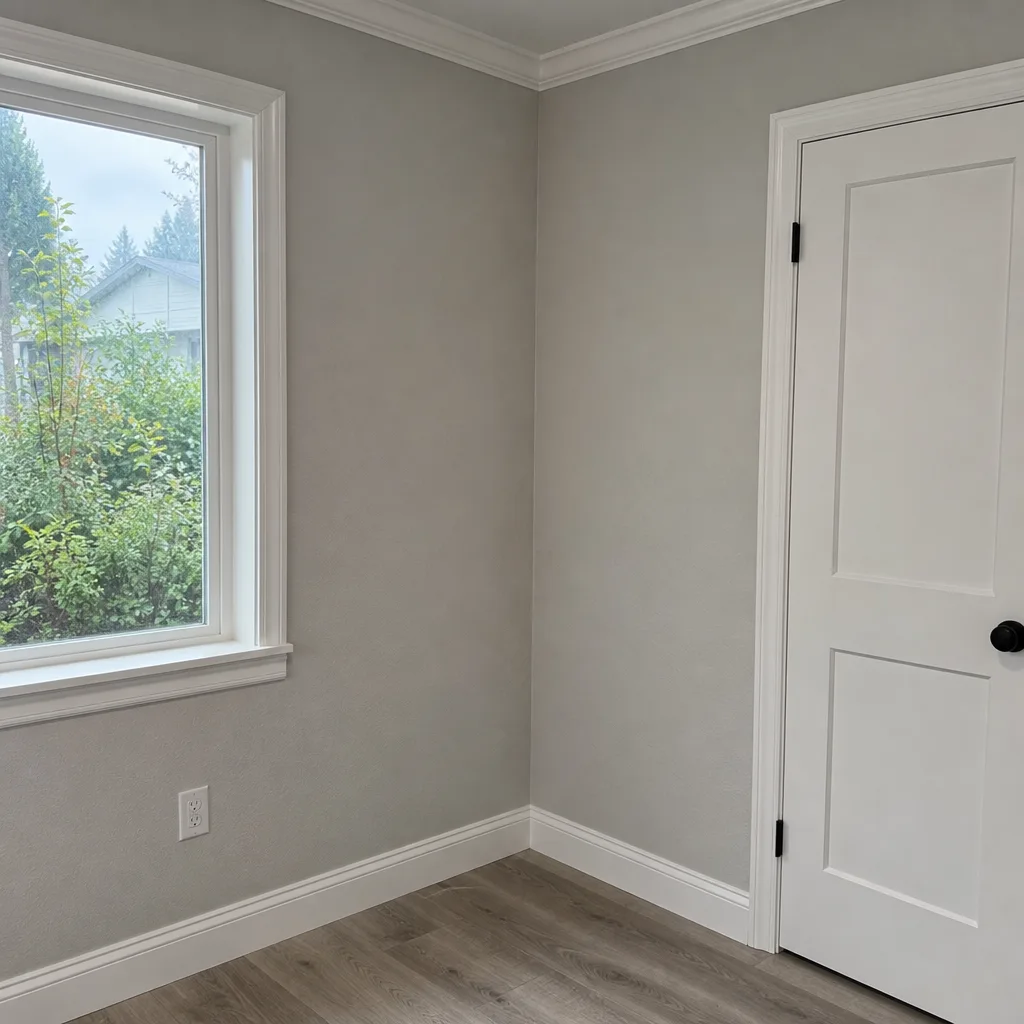 After
After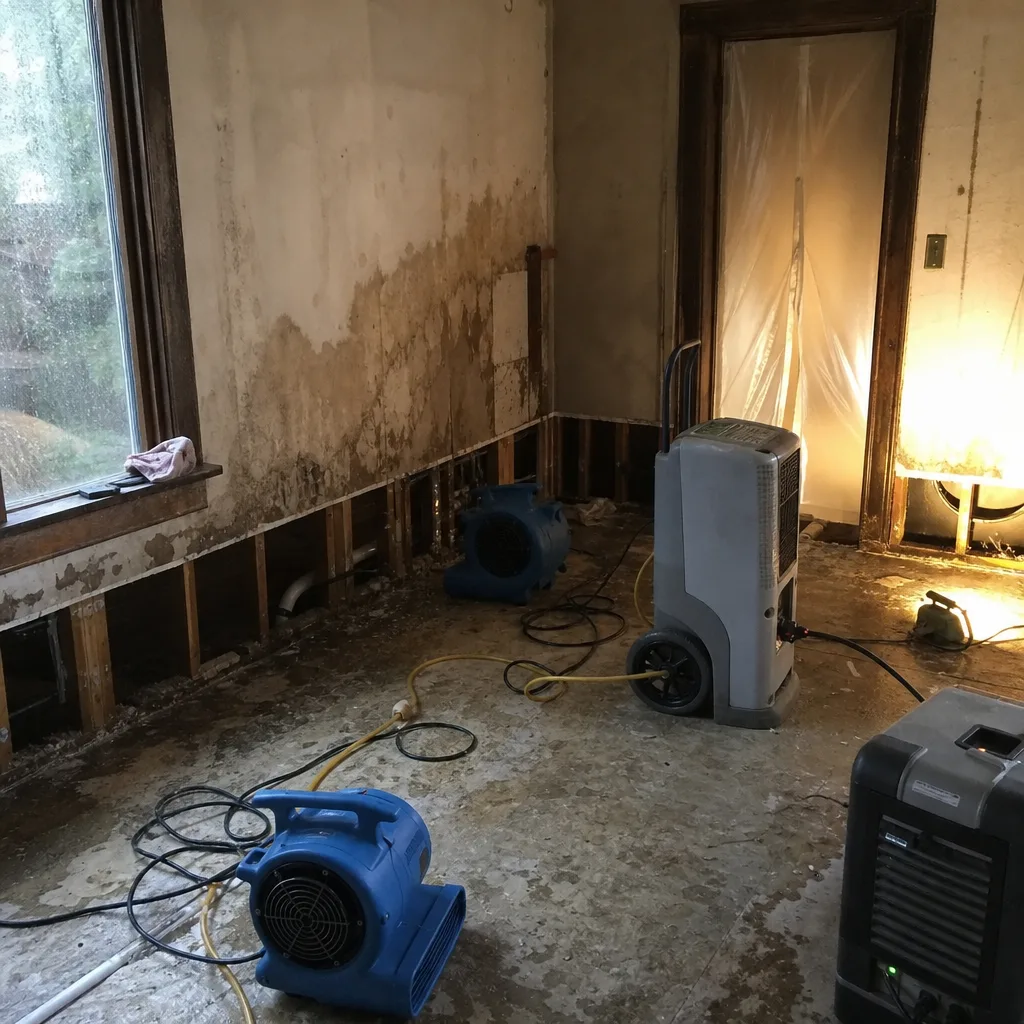 Before
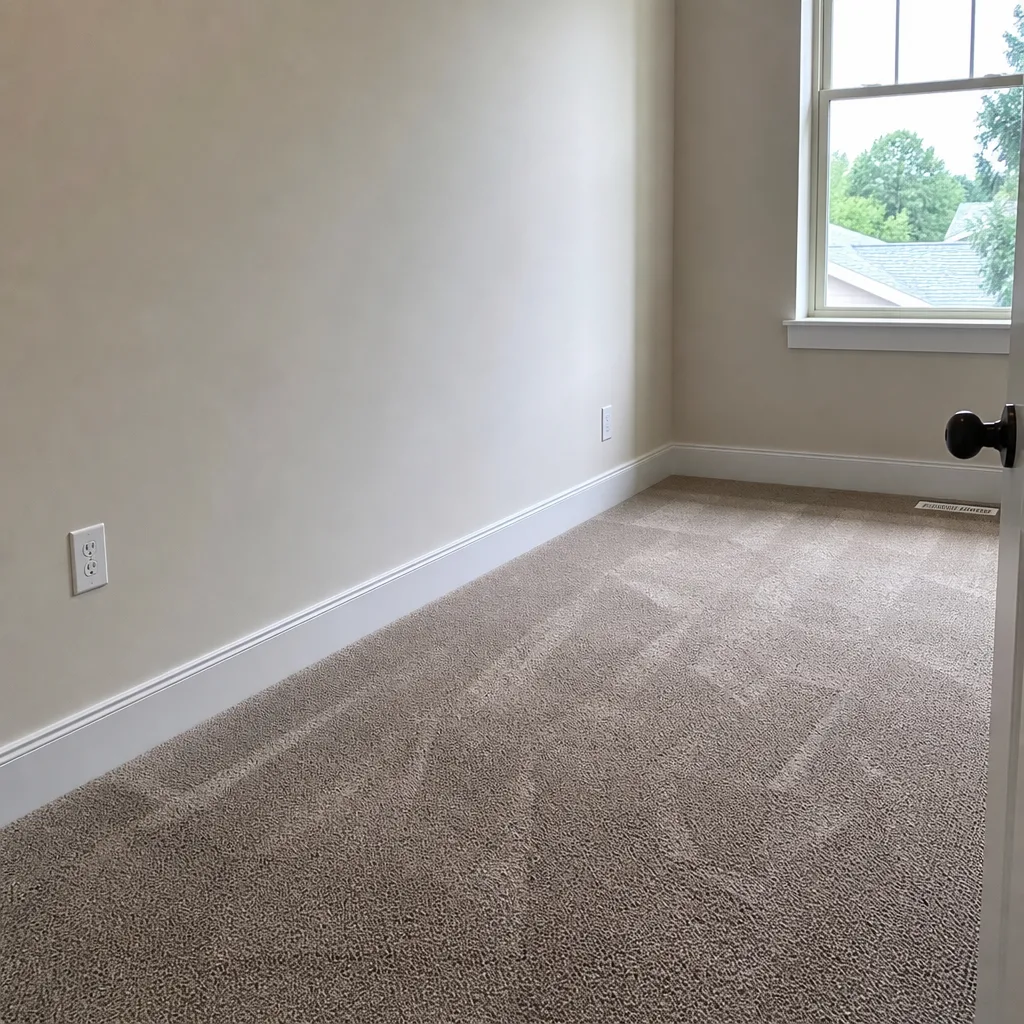 After
After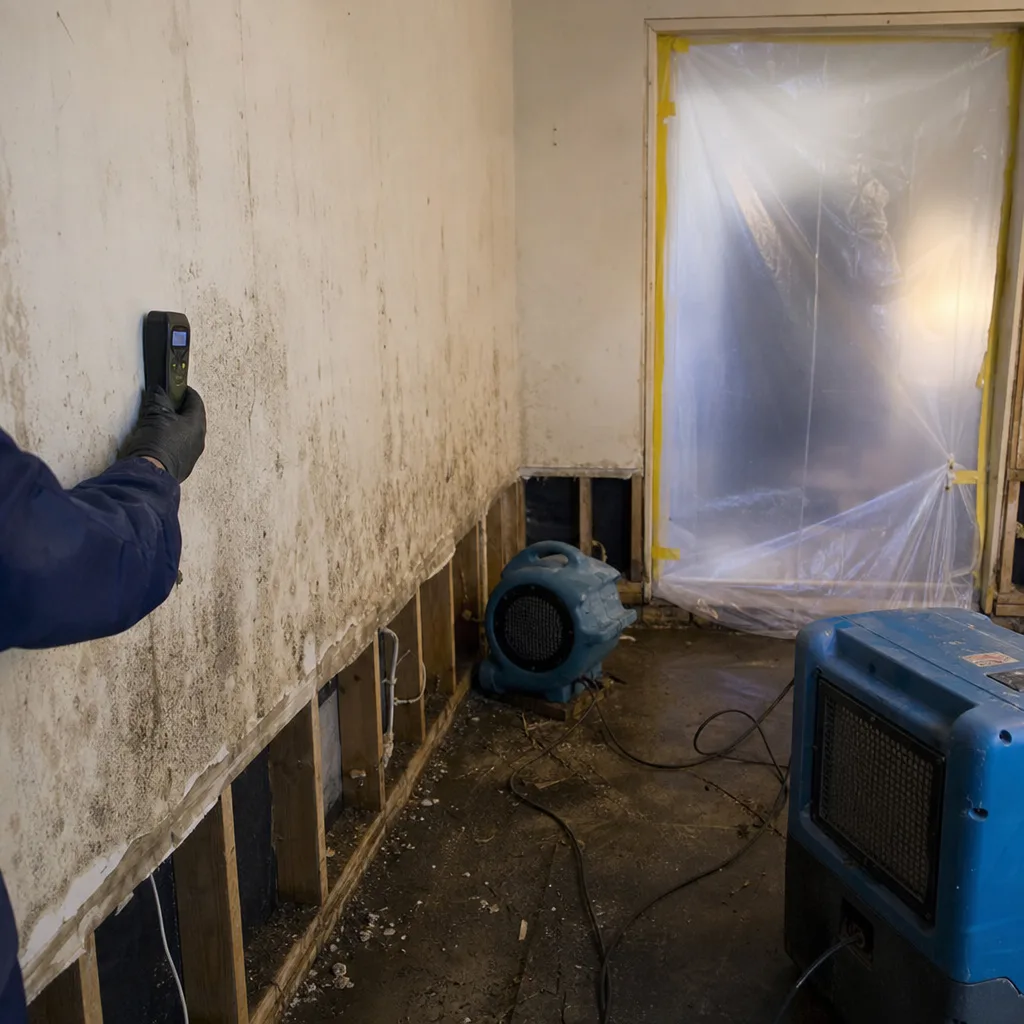 Before
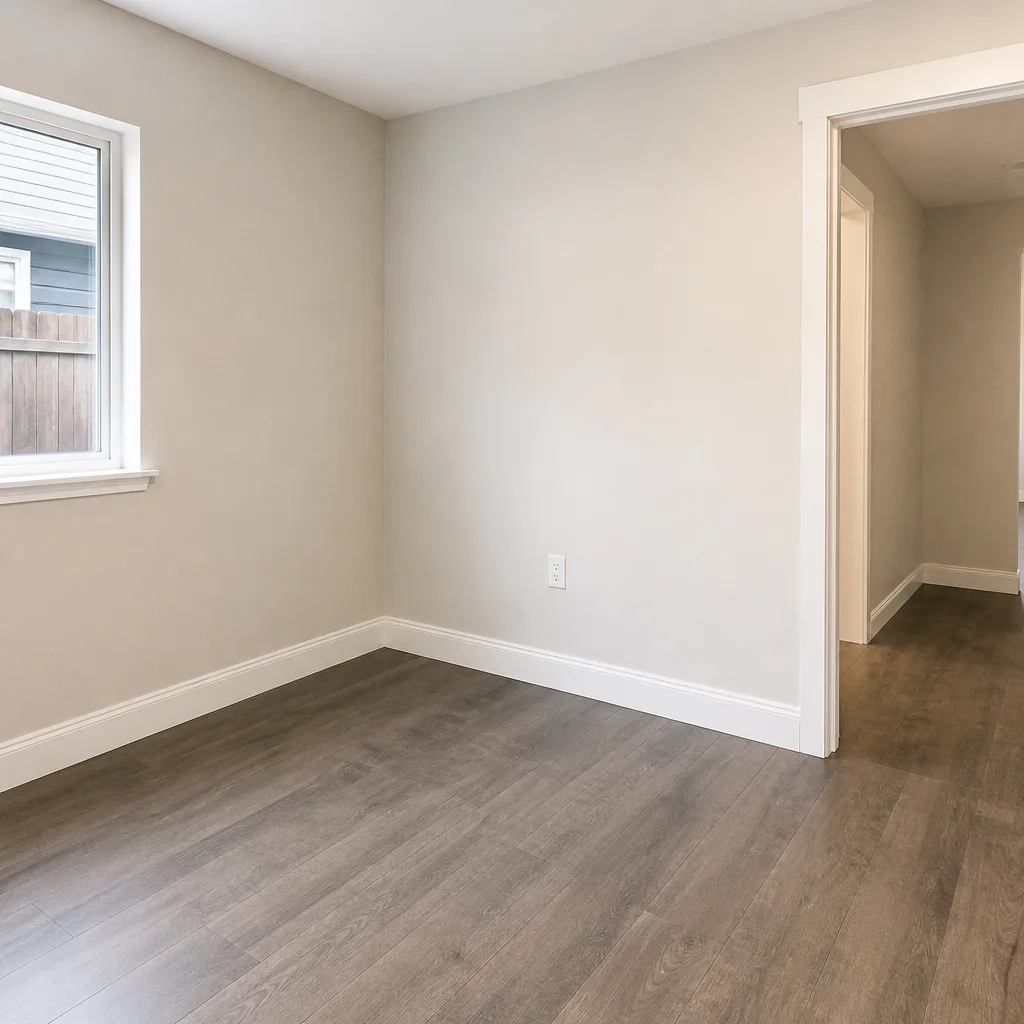 After
AfterWater Damage Restoration Maintenance Checklist for Tacoma Homeowners
Tacoma averages 38 inches of rain per year, but the damage that produces the largest restoration invoices rarely comes from a single storm - it comes from a slow moisture reading that nobody recorded until drywall was already wicking. In our experience with Water Damage Restoration in Tacoma, the homeowners who recover fastest from water losses are the ones who treated maintenance as documentation, not chores. This checklist gives you measurable thresholds - moisture percentages, drainage slopes, caulk depths - so that if a claim ever depends on proving you acted responsibly, you’ll have the numbers to show for it.
Quick Answer
A Water Damage Restoration maintenance checklist for Tacoma homeowners should include monthly moisture readings of subfloor and wall cavities (alert threshold: 16% wood moisture content), quarterly drainage inspections maintaining a 6-inch-per-10-foot grade slope away from the foundation, semi-annual crawl space vapor barrier checks for tears exceeding 2 inches or standing water, and a documented photo log of all vulnerable areas updated seasonally. These measurable thresholds create a defensible record that defeats the “lack of maintenance” exclusions insurers commonly invoke in the Puget Sound region.
Table of Contents
- Moisture Content Thresholds Every Tacoma Homeowner Should Know
- The Tacoma Drainage Inspection Protocol
- Crawl Space Vapor Barrier Inspection Criteria
- Building a Defensible Photo Log for Insurance Claims
- Maintenance Failures That Trigger Insurance Exclusions in Tacoma
- A Seasonal Maintenance Schedule for Tacoma’s Rain Pattern
- Tools and Equipment for Accurate Measurements
- The Documentation System That Pays for Itself
BeforeAfterMoisture Content Thresholds Every Tacoma Homeowner Should Know
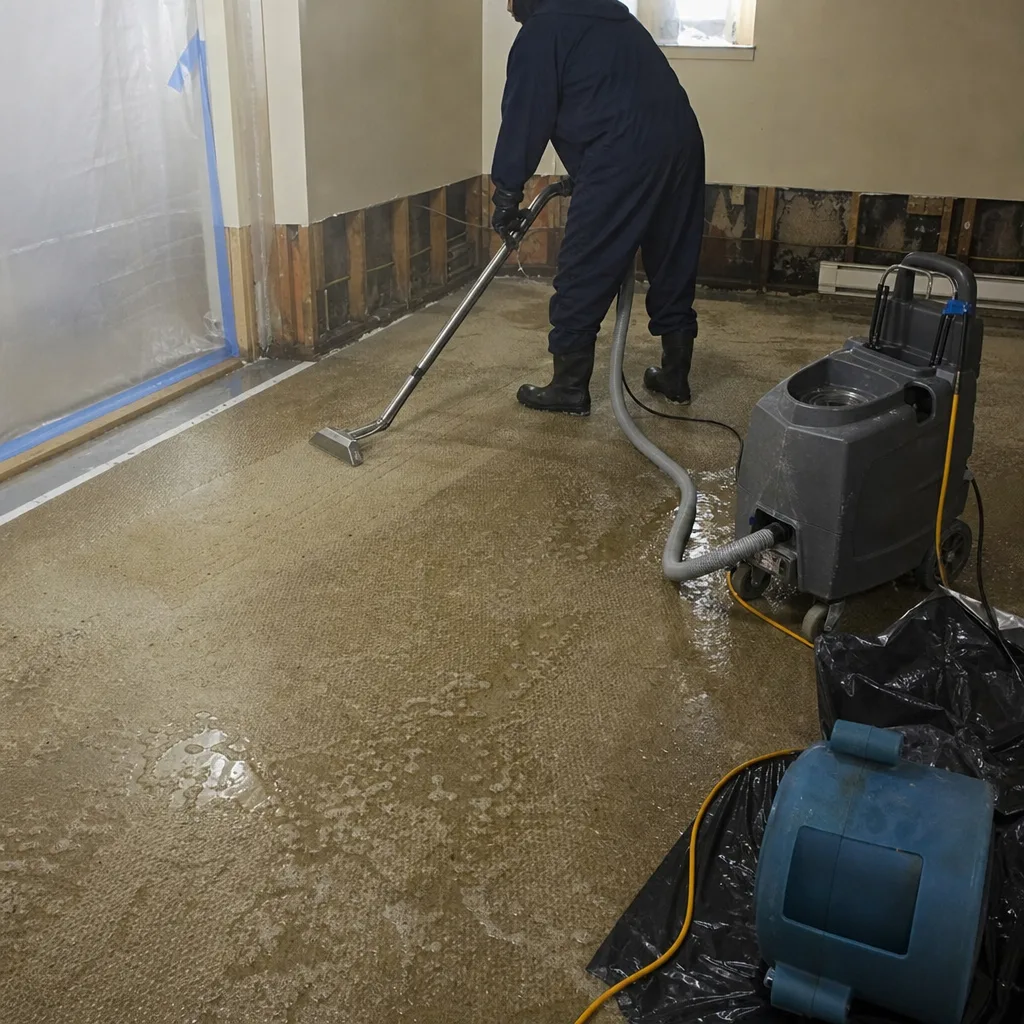
Most maintenance checklists tell you to “check for moisture.” That’s useless when an adjuster asks what you checked and when. We use professional-grade meters from Dri-Eaz and Phoenix on every job, and the thresholds below are the same ones that trigger our drying protocols.
Wood moisture content (WMC) is the critical number. In Tacoma’s marine climate, baseline moisture in untreated lumber runs 12-14% during dry months. Anything above that demands investigation. Here’s what the meter should read:
- Subfloor framing: Alert at 16% WMC, action required at 20%. At 20%, wood fiber saturation begins and mold colonization becomes likely within 48-72 hours.
- Wall cavities (interior): Alert at 15% WMC. Gypsum drywall wicks moisture laterally at alarming speed once the paper facing reaches 16%.
- Crawl space floor joists and rim joists: Alert at 17% WMC. Rim joists are particularly vulnerable in Tacoma’s older homes in North End and Proctor neighborhoods, where perimeter drainage was often omitted.
- Basement sill plates: Alert at 18% WMC. Pressure-treated lumber resists decay but not moisture absorption; saturated sill plates transfer water to wall studs.
These percentages matter because insurers in Washington State increasingly deploy “gradual damage” exclusions. A homeowner who can produce dated moisture logs showing readings stayed below alert thresholds - or showing prompt action when thresholds were breached - has documentary evidence that damage was sudden and accidental, not gradual and neglected.
We document to IICRC and RIA standards on every job, and those standards define 16% WMC as the boundary between “dry” and “damp” for structural wood. If you’re maintaining your own log, buy a pin-type moisture meter with species correction (about $250-400 for a reliable model) and record the reading, the location, and the date. One reading per quarter in each zone is sufficient for baseline documentation.
In Tacoma’s Hilltop and Stadium District areas, we’ve seen century-old homes with balloon framing that creates continuous vertical cavities. Moisture at the basement rim joist can appear at the attic plate six hours later through capillary action. For these homes, add an attic moisture check at the top plate - alert threshold 14% WMC, since insulation can mask problems until they’re severe.
The Tacoma Drainage Inspection Protocol
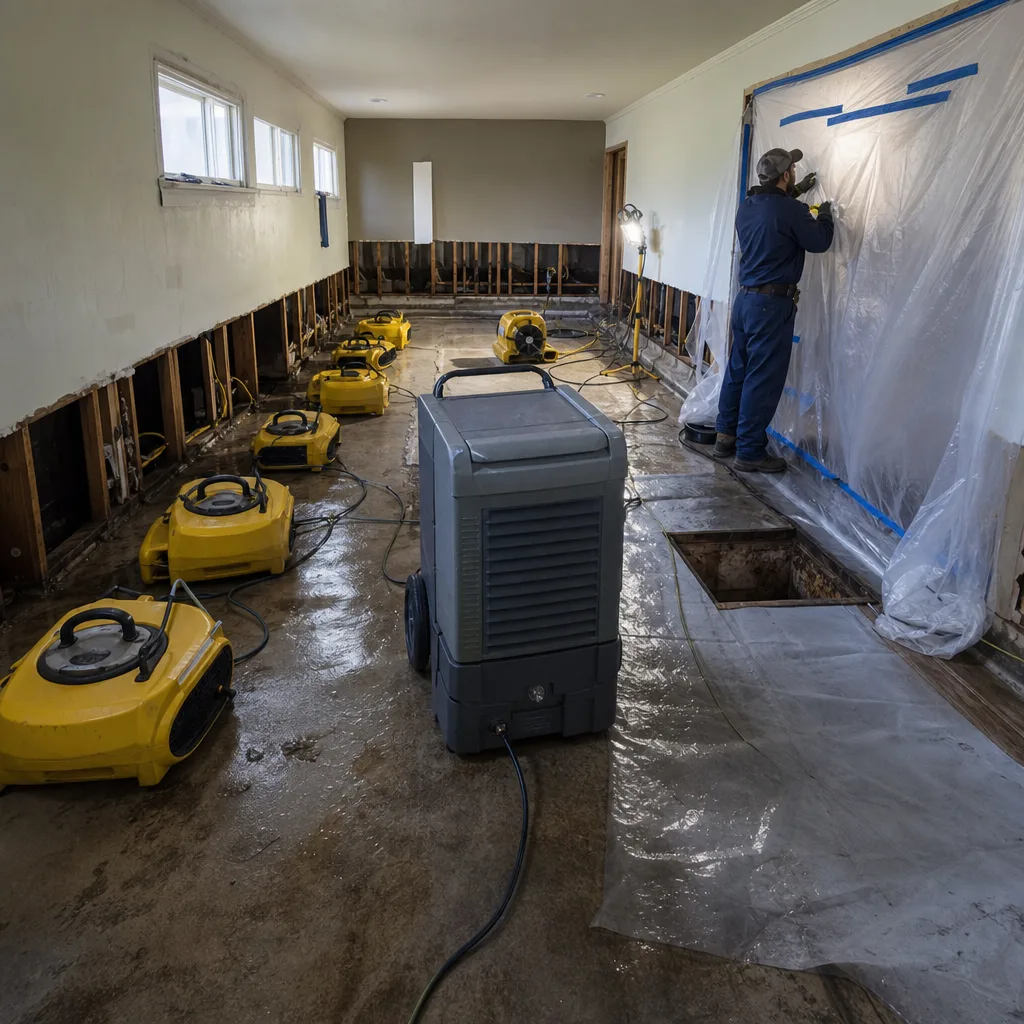
Surface water management is where most Tacoma homeowners fail documentation, and where insurers most successfully deny claims. The protocol below is specific to our rainfall pattern: concentrated winter precipitation, frequent light summer drizzles, and the occasional atmospheric river that dumps 3-4 inches in 48 hours.
The 6-inch-per-10-foot grade rule. International Residential Code and Tacoma’s amended building code both require finished grade to slope away from the foundation at minimum 6 inches of drop per 10 feet of horizontal run. That’s a 5% slope. Most homeowners eyeball it. Adjusters photograph it with a level and tape measure.
- Measure at four points. Stand at each corner of your house. Place a 10-foot straightedge (a 2×4 works) on the ground with one end touching the foundation. Measure the gap at the far end. It must be 6 inches or greater.
- Check after hard rain. The grade that measures correctly dry may show ponding during a storm. In Tacoma’s clay-heavy soils, particularly in the South End and Eastside, surface water can percolate horizontally along compacted layers and emerge against the foundation even when surface grade appears adequate.
- Document with photos. One photo of the measurement, one of the overall corner condition, dated. Store in a dedicated folder labeled by season.
- Inspect downspout discharge. Downspouts must discharge at least 6 feet from the foundation or into a drainage system. In Tacoma’s older neighborhoods with narrow side yards, this often requires extensions that homeowners remove for mowing and forget to replace.
- Check window wells. Below-grade windows need 6 inches of freeboard (space between grade and window sill) and functional drains. Window well drains in Tacoma commonly fail where perimeter trees have invaded with roots - particularly maple and birch, which are aggressive in our climate.
The critical season for this inspection is October, before the winter rain pattern establishes. A second check in March catches winter damage: frost heave that reversed grade, downspout extensions damaged by snow load, or drains clogged by autumn leaf fall from Tacoma’s abundant bigleaf maples.
We restored a home in the North Slope Historic District where the homeowner had maintained perfect grade documentation for three years. When an adjacent city sewer backup saturated their basement, the insurer initially denied based on “improper drainage.” The homeowner’s photos and measurements, organized by date, reversed the denial in 72 hours. Documentation doesn’t prevent damage. It prevents disputes about whether damage was preventable.
Crawl Space Vapor Barrier Inspection Criteria
“Check the vapor barrier” appears on every generic checklist. Here’s what that means in practice, with the exact conditions that require immediate action.
Tacoma’s crawl spaces are particularly vulnerable because our moderate temperatures mask problems. A crawl space at 55°F and 80% relative humidity feels benign. It’s not. At those conditions, wood moisture content climbs steadily toward the 16% alert threshold without ever feeling “wet.”
Vapor barrier condition criteria:
- Tears or breaches larger than 2 inches: Any gap larger than 2 inches permits soil moisture to evaporate directly into the crawl space air. Patch with 6-mil polyethylene and vapor-barrier tape, or replace the affected section.
- Standing water on the barrier: Any visible water, even shallow sheen, indicates either a plumbing leak, groundwater intrusion, or condensation from ductwork. All three require professional assessment. In Tacoma’s Lakewood and University Place service areas, we’ve seen seasonal groundwater tables rise within 18 inches of grade during wet winters.
- Rim joist condensation: Look for darkening or water staining on the rim joist (the perimeter framing member sitting on the foundation wall). This indicates warm, moist interior air meeting cold exterior surfaces - a thermal bridge that chronic moisture meters miss because the wetting is intermittent.
- Barrier displacement: The barrier must cover 100% of soil surface with minimum 6-inch overlaps at seams and 12-inch extensions up foundation walls. Displacement by rodents, plumbing work, or simple gravity creates direct evaporation paths.
- Debris accumulation: Organic debris on the barrier decomposes, raises local humidity, and attracts pests. Remove any accumulated leaves, wood scraps, or insulation fragments.
The inspection frequency is semi-annual: October and April in Tacoma’s climate. October catches summer drought stress on the barrier material (polyethylene becomes brittle with UV exposure, even indirect exposure through foundation vents). April catches winter moisture loading before the spring warming period accelerates mold growth.
We use Injectidry systems and Phoenix dehumidifiers on crawl space drying jobs, and the most expensive ones are always the ones where a homeowner “checked the vapor barrier” quarterly for years without recording specific conditions. A checklist without recorded criteria is testimony without evidence.
Building a Defensible Photo Log for Insurance Claims
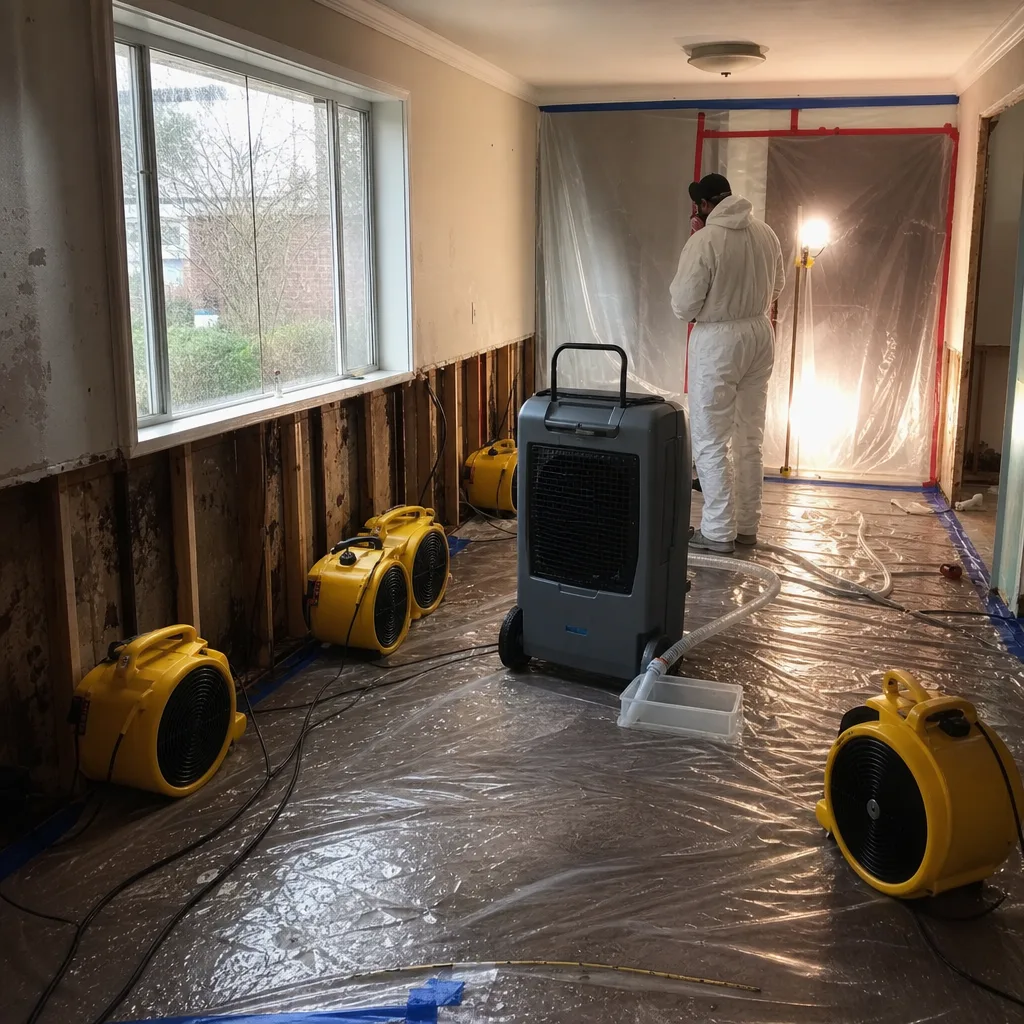
A photo log serves two purposes: it proves maintenance occurred, and it establishes pre-loss condition. Both defeat insurer arguments that damage existed before the claimed event.
The baseline documentation set:
- Exterior, four corners: Foundation line, grade relationship, downspout termination. One photo per corner, wide enough to show context.
- Crawl space entry: General view showing vapor barrier coverage, followed by detail shots of each rim joist bay, any visible plumbing, and the HVAC condensate line.
- Basement or lowest finished level: Each wall base, showing baseboard and floor junction. Any historic water staining should be documented with close-up and context shots, dated, and noted as “pre-existing, monitored.”
- Attic: General view, then detail of top plates, chimney or vent penetrations, and any discoloration on sheathing.
- Utility areas: Water heater, washing machine, dishwasher, and refrigerator ice maker lines. Include the shutoff valve and any visible supply tubing.
Store these with cloud backup and local copy. The critical metadata is date and location. A photo of a dry basement corner from October 2023, with visible measuring tape showing grade slope, is documentary evidence. A photo of “basement” with no date is a snapshot.
Update the full set annually, with spot updates after any maintenance, repair, or weather event. In Tacoma, we recommend adding a post-atmospheric-river check to the log: after any 48-hour period with more than 2 inches of rain, document the same vulnerable areas. This proves vigilance during the exact conditions that cause damage.
We’ve reviewed thousands of claims files. The homeowners who recover full policy limits are the ones whose documentation reads like our own: dated, located, measured, and consistent. DryMark Restoration Tacoma home provides photo documentation as a standard deliverable on every job because we’ve seen what its absence costs.
Maintenance Failures That Trigger Insurance Exclusions in Tacoma
Washington State insurance policies, and the standard ISO forms used by most Tacoma carriers, contain specific maintenance-related exclusions. The most common:
- Gradual damage exclusion: Damage occurring over 14 days or more. Defeated by: dated moisture logs showing readings below 16% WMC within 14 days of discovery, or documentation of prompt professional assessment when thresholds were breached.
- Lack of reasonable care: Vague but powerful. Defeated by: documented adherence to the drainage protocol above, particularly downspout maintenance and grade slope.
- Foundation seepage exclusion: Often applied to basement water. Defeated by: proof of functional sump pump (dated maintenance records), perimeter drainage maintenance, and prompt response to any prior seepage events.
- Mold limitation: Most policies cap mold coverage at $10,000 unless the mold results from a covered water loss. Defeated by: documentation that moisture was addressed within 48-72 hours of discovery, preventing mold’s “gradual” growth pattern.
- Roof wear exclusion: Applied when insurers claim roof leakage results from age, not storm damage. Defeated by: annual roof inspection photos showing shingle condition, flashing integrity, and gutter function, with dated notes on any repairs.
The specific documentation that defeats each exclusion is not a repair invoice. It’s the maintenance record showing the condition before the event. A roofer’s repair estimate from March 2024, combined with photos showing sound shingle condition at that date, defeats a July 2024 claim that damage was “long-standing.”
In Tacoma’s competitive insurance market, carriers have become aggressive with exclusions. We’ve worked with homeowners in Fircrest and Ruston whose carriers dispatched engineers to photograph grade slope and measure moisture content within 48 hours of claim filing. The homeowners with documented baselines kept their coverage. Those without faced reservation of rights letters and reduced settlements.
A Seasonal Maintenance Schedule for Tacoma’s Rain Pattern
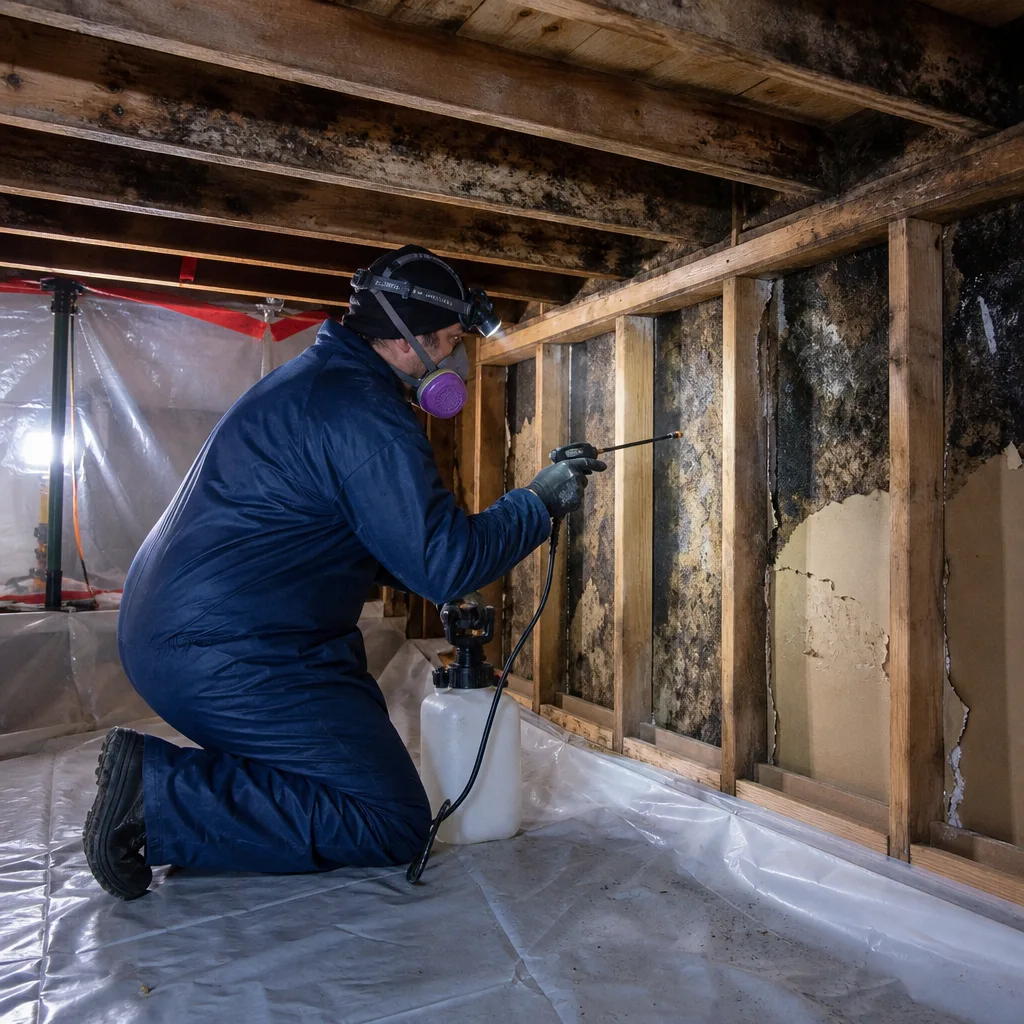
Tacoma’s rainfall is not evenly distributed. November through January delivers 60% of annual precipitation. July and August are functionally dry. A maintenance schedule aligned to this pattern catches problems when they’re small and documents vigilance when carriers later question it.
October (Pre-Winter)
- Full drainage inspection: grade slope at all four corners, downspout extensions, window well drains
- Crawl space inspection: vapor barrier condition, rim joist moisture reading, standing water check
- Roof and gutter inspection: debris removal, shingle condition at valleys and penetrations
- Baseline photo update: full documentation set
January (Mid-Winter Stress Check)
- Spot moisture readings: subfloor, basement sill plates, attic top plates
- Exterior drainage function check: observe during active rain for ponding or overflow
- Plumbing vulnerability check: exposed pipes in crawl space or exterior walls for condensation or ice risk
April (Post-Winter Recovery)
- Full crawl space inspection: vapor barrier condition after winter moisture loading
- Foundation perimeter: check for settlement cracks, grade erosion, or new water staining
- Moisture reading comparison to October baseline
July (Dry Season Maintenance)
- Exterior caulking inspection: window and door perimeters, utility penetrations, siding joints
- HVAC condensate system: clean drain lines, check pump function if equipped
- Water heater and appliance supply lines: condition check, replace any braided stainless lines showing corrosion
- Attic ventilation check: verify soffit and ridge vent function, check for blocked airflow
This schedule produces 4-6 documented inspection events per year. That’s sufficient to establish a pattern of reasonable care without being burdensome. The critical outputs are the dated moisture readings and photos, not the tasks themselves.
Tools and Equipment for Accurate Measurements
Precision requires tools. The list below prioritizes accuracy over cost; a $25 moisture meter gives a number, but not one an adjuster will trust.
- Pin-type moisture meter: Delmhorst BD-2100 or equivalent, with species correction for Douglas fir and hemlock (Tacoma’s common structural species). Cost: $300-400. Pinless meters are faster but less accurate at depth; use them for screening, pins for documentation.
- 10-foot straightedge and torpedo level: For grade slope measurement. A laser level is faster but not necessary.
- Infrared thermometer: $50-100. Identifies thermal anomalies that suggest moisture: cold spots in walls, warm spots in floors (slab leaks).
- Digital hygrometer: For crawl space and basement ambient readings. Record temperature and relative humidity; both affect moisture content interpretation.
- Inspection camera: Borescope with 3-foot flexible probe, $80-150. Essential for wall cavity and crawl space corner inspection without demolition.
Calibrate the moisture meter annually against a known standard (most meters include a calibration block). Record the calibration date in your log. An uncalibrated meter produces numbers that defense experts will discredit.
We use Phoenix and Dri-Eaz equipment on restoration jobs because their calibration certificates are traceable to NIST standards. Your homeowner equipment doesn’t need that pedigree, but it does need consistent use and documented calibration.
The Documentation System That Pays for Itself
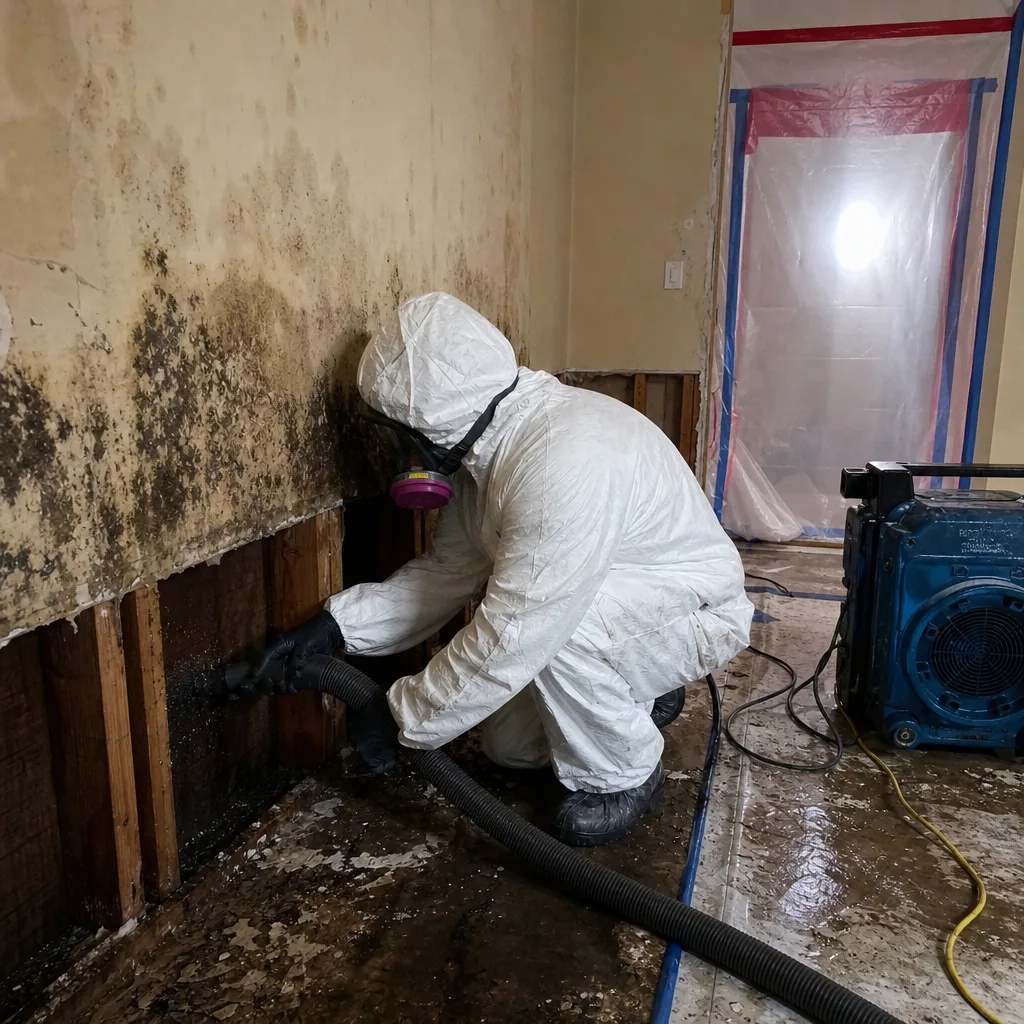
The system is simple: one digital folder per calendar year, subfolders by inspection date, files named with date-location-description. Example: 2024-10-15_NWCorner_GradeMeasurement.jpg
The companion is a spreadsheet or notebook with columns for: Date, Location, Measurement Type, Reading, Instrument Used, Notes. This is your moisture log. Print a backup annually and store off-site.
The value becomes apparent at claim time. A typical Tacoma water damage claim involves $15,000-75,000 in restoration costs. A denied or reduced claim based on maintenance exclusion can cost the homeowner that full amount, plus temporary housing, plus the deductible on any subsequent claim. The documentation system described here requires perhaps 8 hours annually and $500 in equipment. It has returned 100x that investment for homeowners we’ve assisted with claim documentation.
At DryMark Restoration Tacoma, every job begins with documentation and ends with documentation. Our daily drying logs, written scopes, and photo records turn restoration invoices into claims insurers pay without dispute. For The Complete Guide to Damage Restoration in Tacoma, see our resource on The Haven Standard, Clause 1, which requires a written price before work begins; our documentation protocol ensures that price is justified and defensible. Homeowners who adopt similar discipline for maintenance achieve the same protection at a fraction of the cost.
Common Mistakes to Avoid
- Relying on visual inspection alone. Water damage is rarely visible until it’s advanced. By the time you see staining, moisture content has typically exceeded 20% and mold colonization has begun. Always confirm with meter readings.
- Using a single moisture reading as baseline. One reading proves nothing. A pattern of readings, quarterly or semi-annually, establishes normal variation and identifies trends before they become damage.
- Ignoring the crawl space in summer. Tacoma’s mild summers feel dry, but crawl spaces can accumulate moisture from HVAC condensate and irrigation overspray while homeowners assume “it’s the dry season.” Inspect year-round.
- Storing documentation only on a phone. Phones fail, are lost, or replaced without full transfer. Use automatic cloud backup and annual archive to a second location.
- Performing maintenance without recording it. The task completed but unrecorded is legally indistinguishable from the task never performed. Insurers know this and exploit it.
- Assuming new construction is exempt. We’ve restored homes in Tacoma’s Brewery District and Stadium District built since 2015 with catastrophic water damage from omitted flashing, improperly sloped patios, and failed waterproofing. Age is not protection; documentation is.
- Waiting for “enough” damage to call a professional. By the time damage is obvious, it’s often beyond the scope of maintenance and into restoration. Early professional assessment - documented - protects both the structure and the claim.
When to Call a Professional
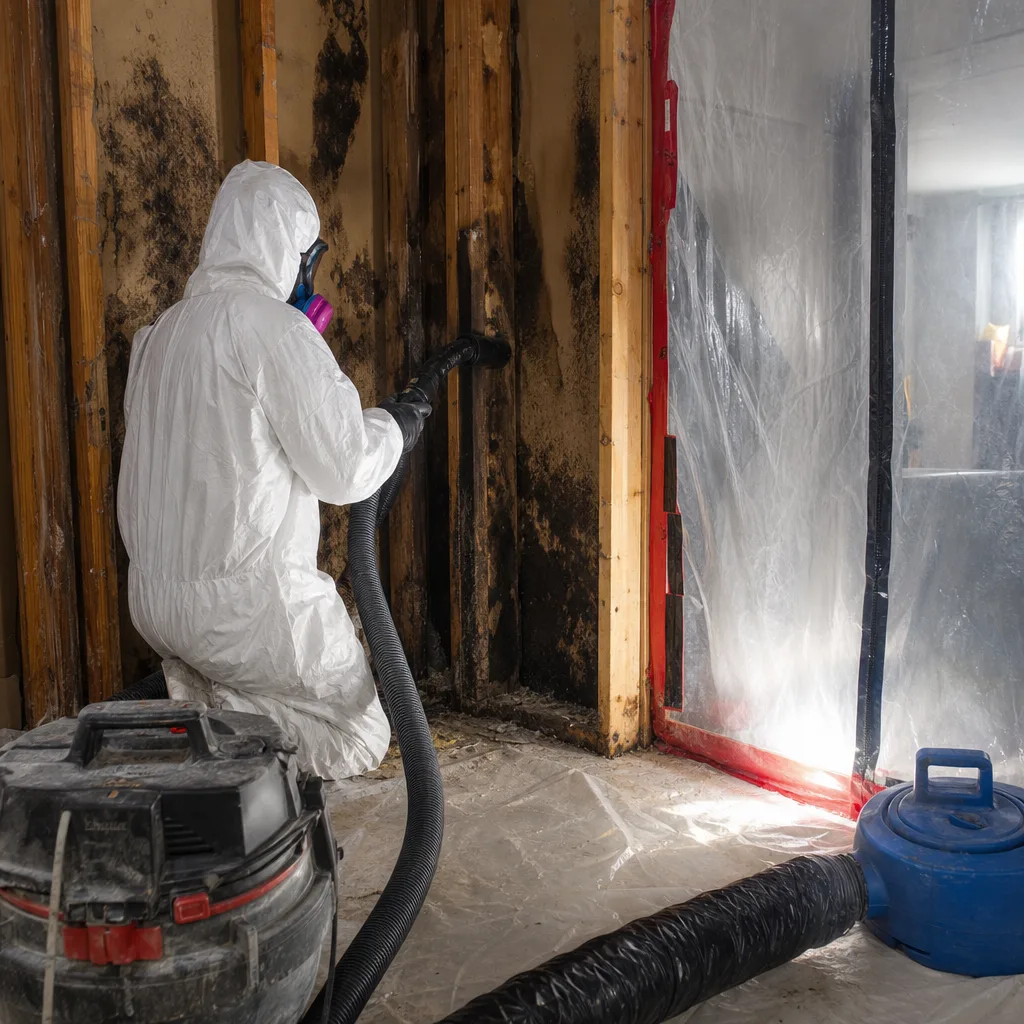
Some conditions exceed homeowner maintenance and require professional assessment, documentation, and remediation. Call a certified restoration contractor when: moisture readings exceed 20% WMC in any structural member; standing water appears in crawl space or basement and recurs after removal; mold growth is visible on any surface larger than 10 square feet; or any water event occurs that may involve insurance coverage, even if the visible damage seems minor.
The professional assessment itself becomes part of your documentation record. At DryMark Restoration Tacoma, we provide written scopes, photo documentation, and moisture logs on every assessment - whether or not we perform the restoration work. A Mold Remediation in Tacoma consultation or water damage evaluation from our team produces the same documentation package we use for insurance submission. Fire & Smoke Damage Restoration in Tacoma assessments follow identical protocols.
DryMark Restoration Tacoma offers free estimates in Tacoma - call (253) 265-9692. We also provide free second opinions on any competitor’s written estimate, with no obligation.
Frequently Asked Questions
Professional moisture assessment typically ranges from $150-400 for a residential evaluation, depending on the number of zones and the complexity of access. At DryMark Restoration Tacoma, we apply this assessment fee toward any restoration work if damage is found. For homeowners maintaining their own logs, the annual equipment cost is approximately $500 with no recurring fees. Call (253) 265-9692 for exact pricing on your property - estimates are free.
Insurance may still cover sudden and accidental water damage without maintenance records, but the absence of documentation significantly increases the likelihood of a partial denial or coverage dispute. In our experience with Tacoma claims, carriers deny or reduce approximately 30% of claims where the homeowner cannot demonstrate reasonable maintenance. Documented moisture logs and photo records shift the burden of proof back to the insurer.
Gypsum drywall wicks water horizontally at 1-2 inches per hour under capillary pressure. Subfloor swelling becomes irreversible at approximately 24 hours of saturation. Mold colonization begins on organic surfaces at 48-72 hours when moisture content exceeds 16% and temperature is above 60°F - conditions common in Tacoma’s heated homes year-round. These timelines make rapid response critical, but they also underscore why maintenance documentation matters: proving you discovered and reported promptly defeats “gradual damage” exclusions.
Yes. Ventilation without vapor barrier control actually increases moisture problems in Tacoma’s climate by introducing warm, humid exterior air that condenses on cool crawl space surfaces. The Washington State Energy Code requires vapor barriers in vented crawl spaces for this reason. A 6-mil polyethylene barrier covering 100% of soil surface, with sealed seams and wall extensions, is the minimum standard. We encounter more moisture damage in vented, unbarriered crawl spaces than in any other configuration.
Professional restoration contractors typically use pin-type meters with species correction, such as the Delmhorst BD-2100 or Protimeter Surveymaster. These meters provide readings traceable to wood species and are accepted by insurance adjusters and engineers. For homeowner use, any pin-type meter with Douglas fir correction capability is sufficient; the critical factor is consistent use, annual calibration, and dated recording of readings. We use Phoenix and Dri-Eaz equipment on drying jobs, but the meter brand matters less than the documentation protocol.
Yes, and they are often decisive. Washington State law requires insurers to provide specific reasons for denial, and documented maintenance records directly rebut the most common reasons: “lack of reasonable care,” “gradual damage,” and “pre-existing condition.” We recommend organizing records chronologically, highlighting the relevant maintenance events, and submitting them with a written request for reconsideration. For complex disputes, professional assistance with claim documentation - including the moisture logs and photo records we produce - can be engaged. Our team at DryMark Restoration Tacoma has supported homeowners through this process; call (253) 265-9692 to discuss your specific situation.
The Bottom Line
Water damage prevention in Tacoma is not a list of tasks to complete. It’s a system of measurable thresholds, documented inspections, and dated evidence that proves responsible ownership. The 38 inches of annual rain are manageable. The moisture reading nobody recorded until drywall wicks is not. Maintain the numbers - 16% WMC, 6 inches per 10 feet, 2-inch vapor barrier tears - and you’ll have the documentation that protects both your structure and your claim.
Written by Alicia Brennan, Owner at DryMark Restoration Tacoma, serving Tacoma since 2011.