
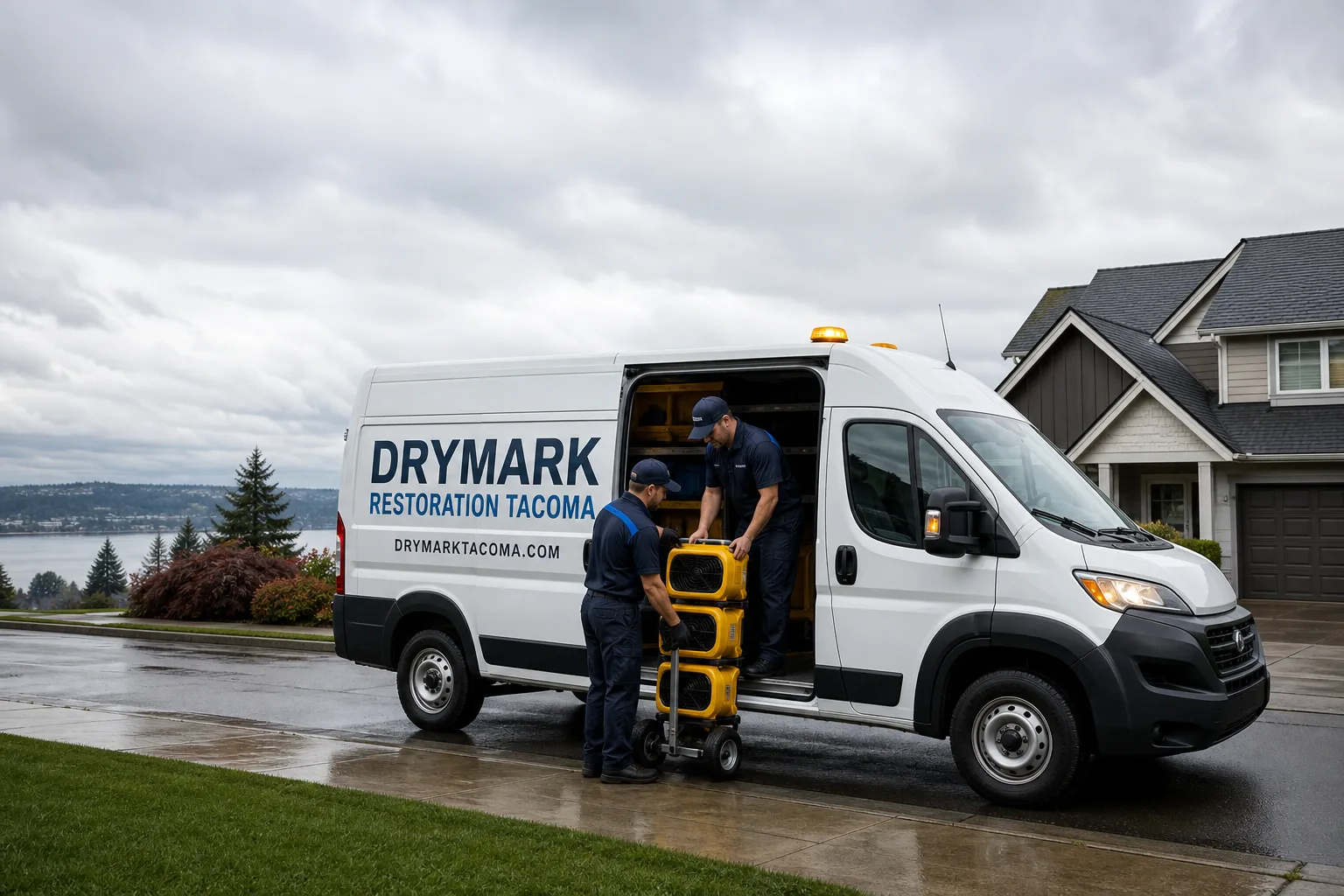
Free visual inspection and a written scope of work before any mitigation begins - photos, moisture readings, and drying logs go in your claim file
The scope we write is the scope we bill. Anything new gets shown to you, in writing, before we touch it.
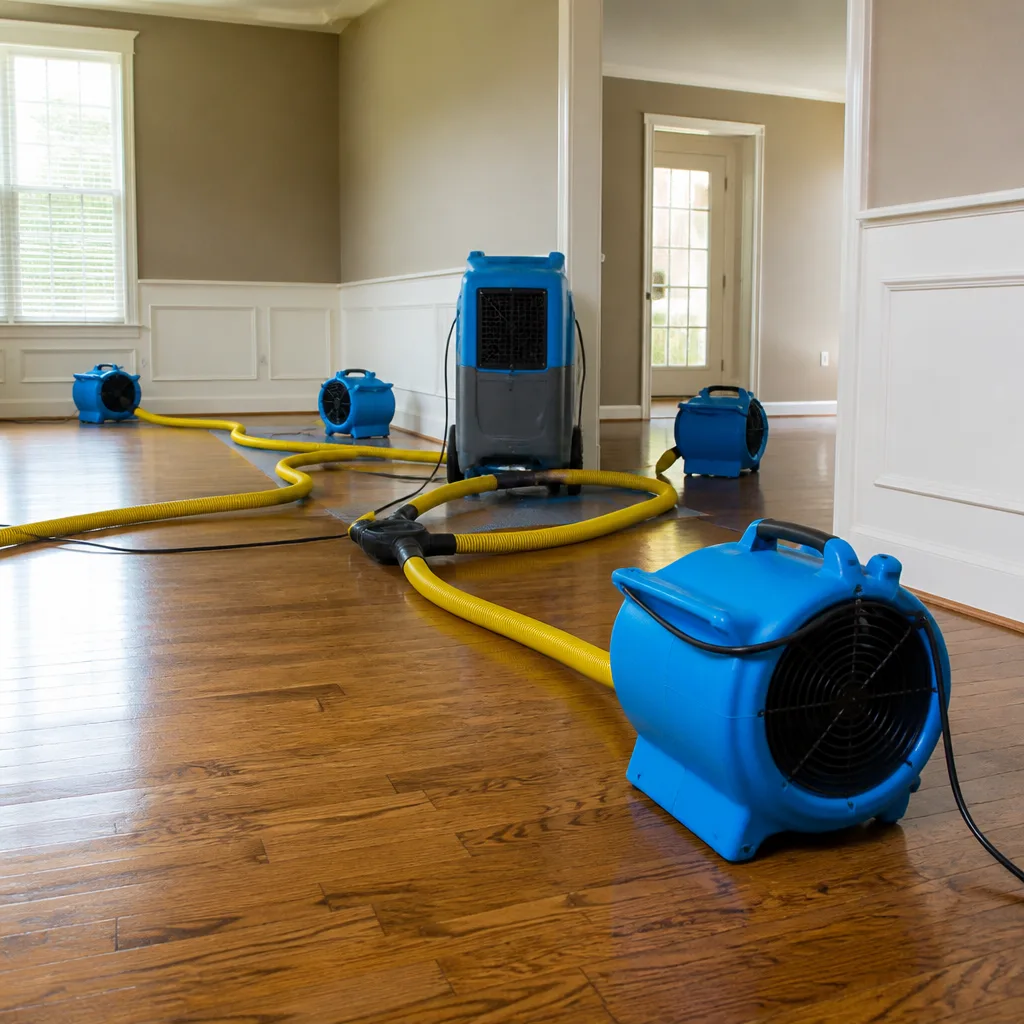
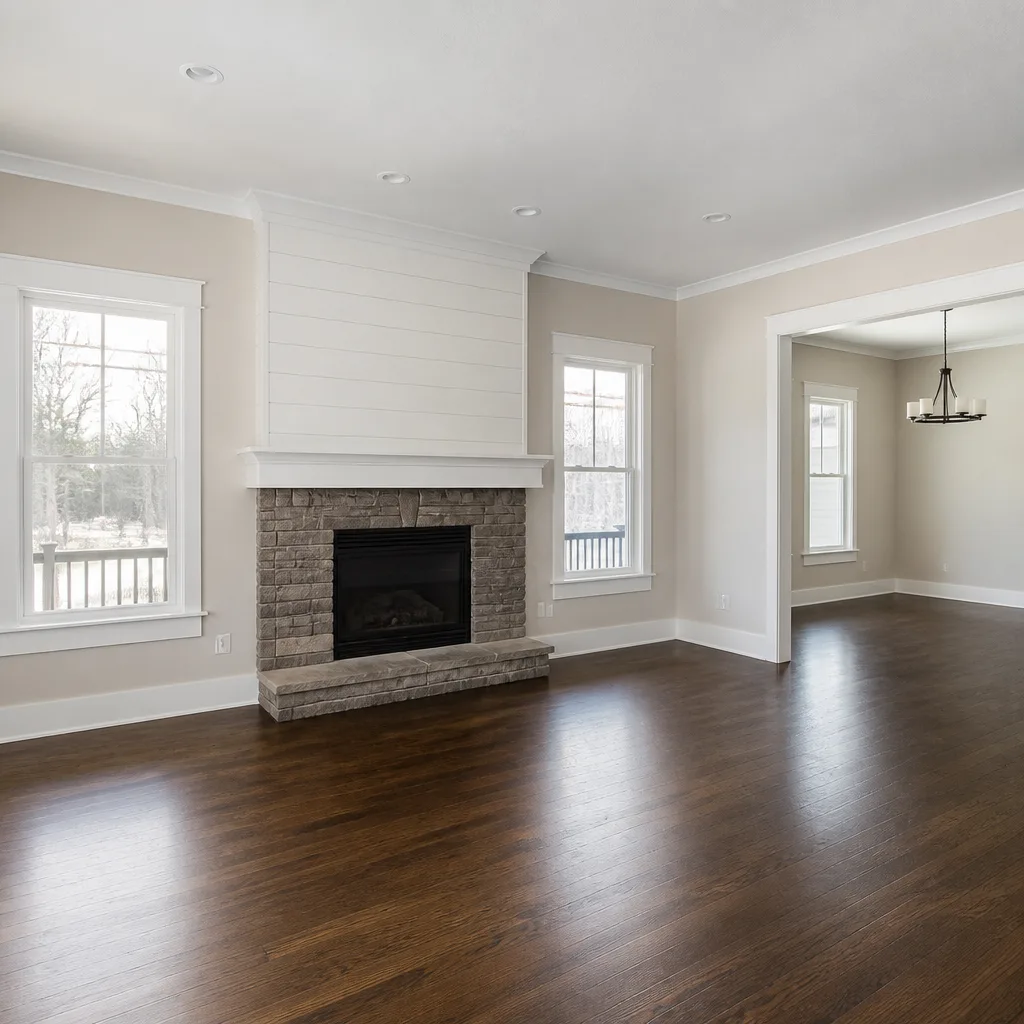
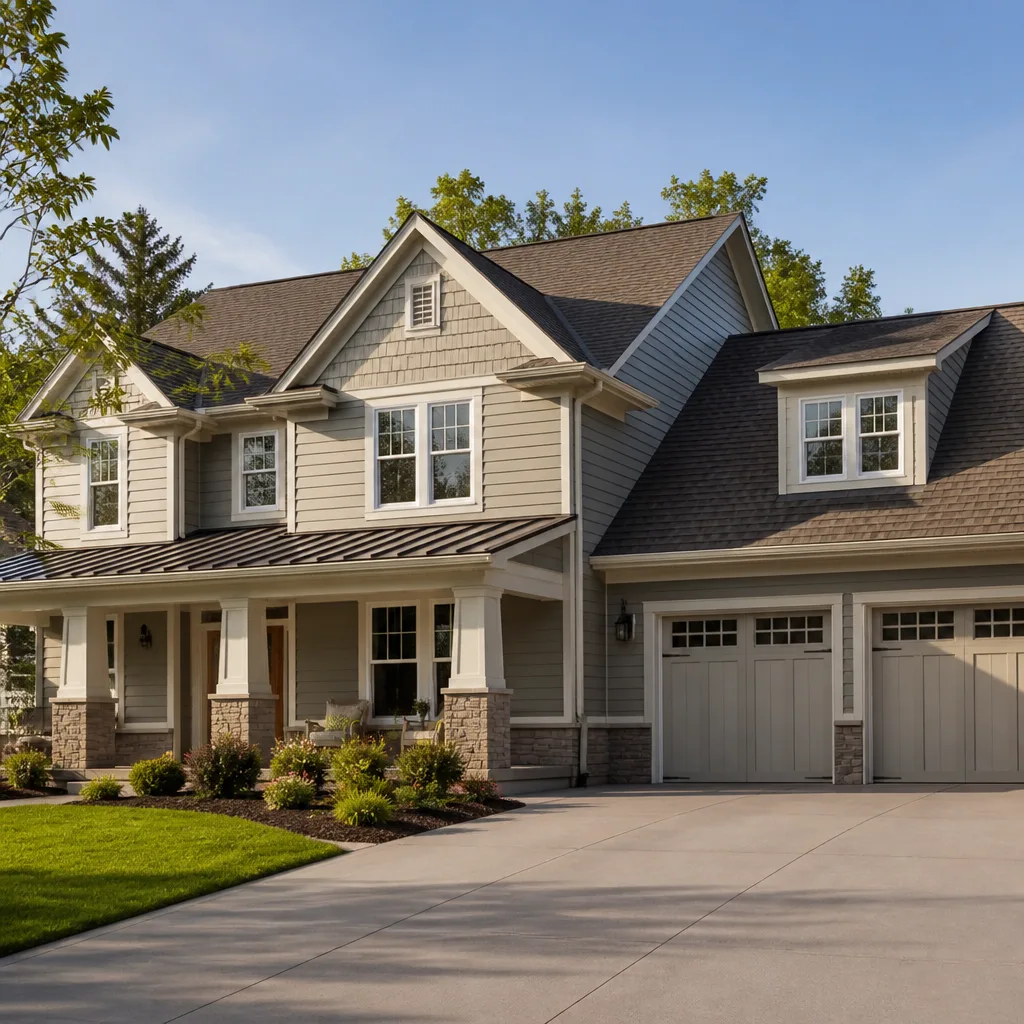
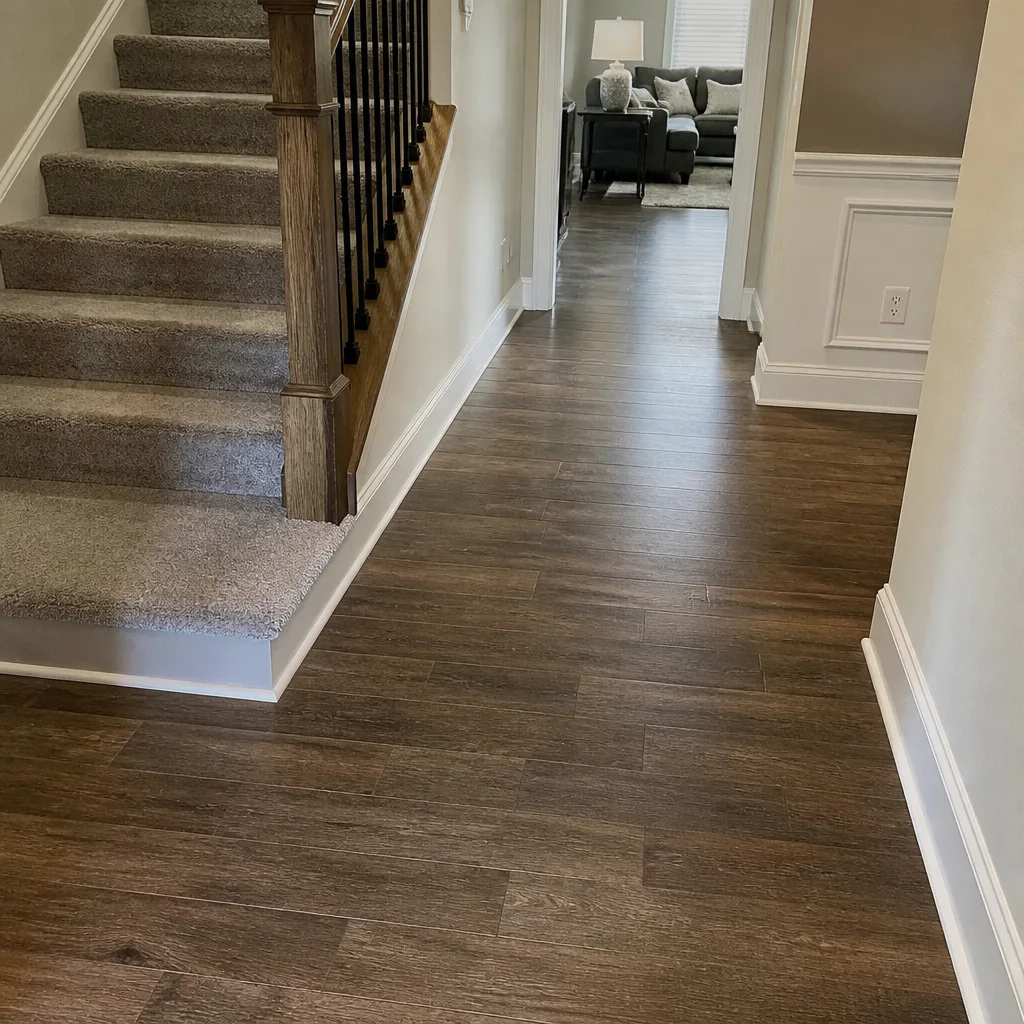
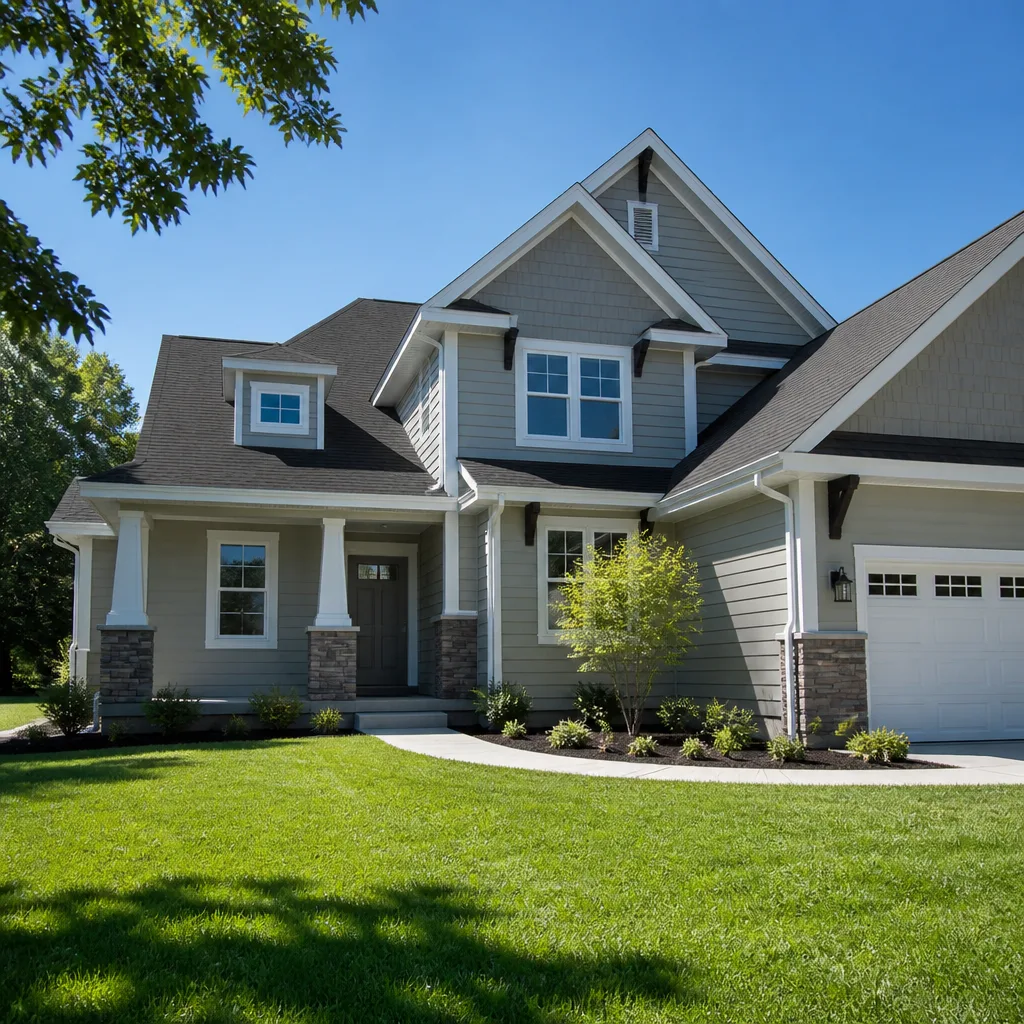
 Before
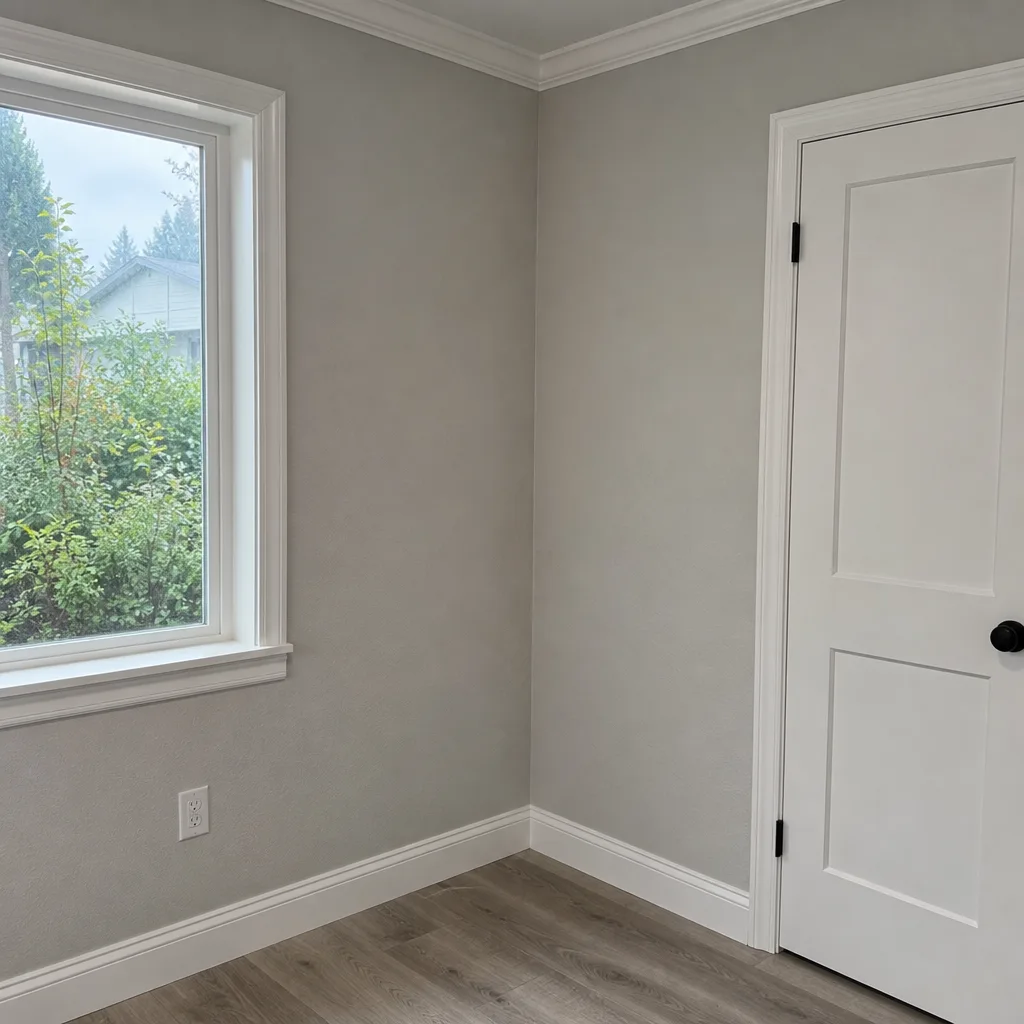 After
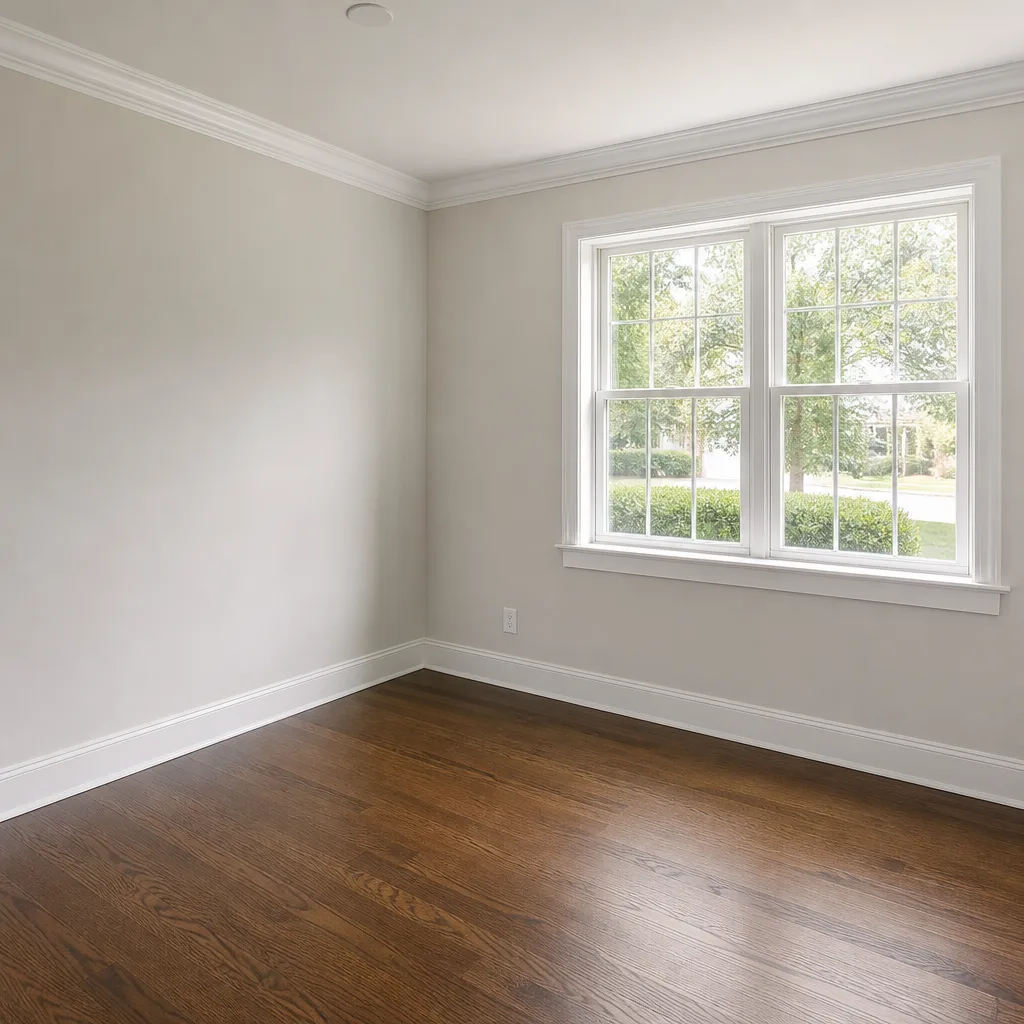
After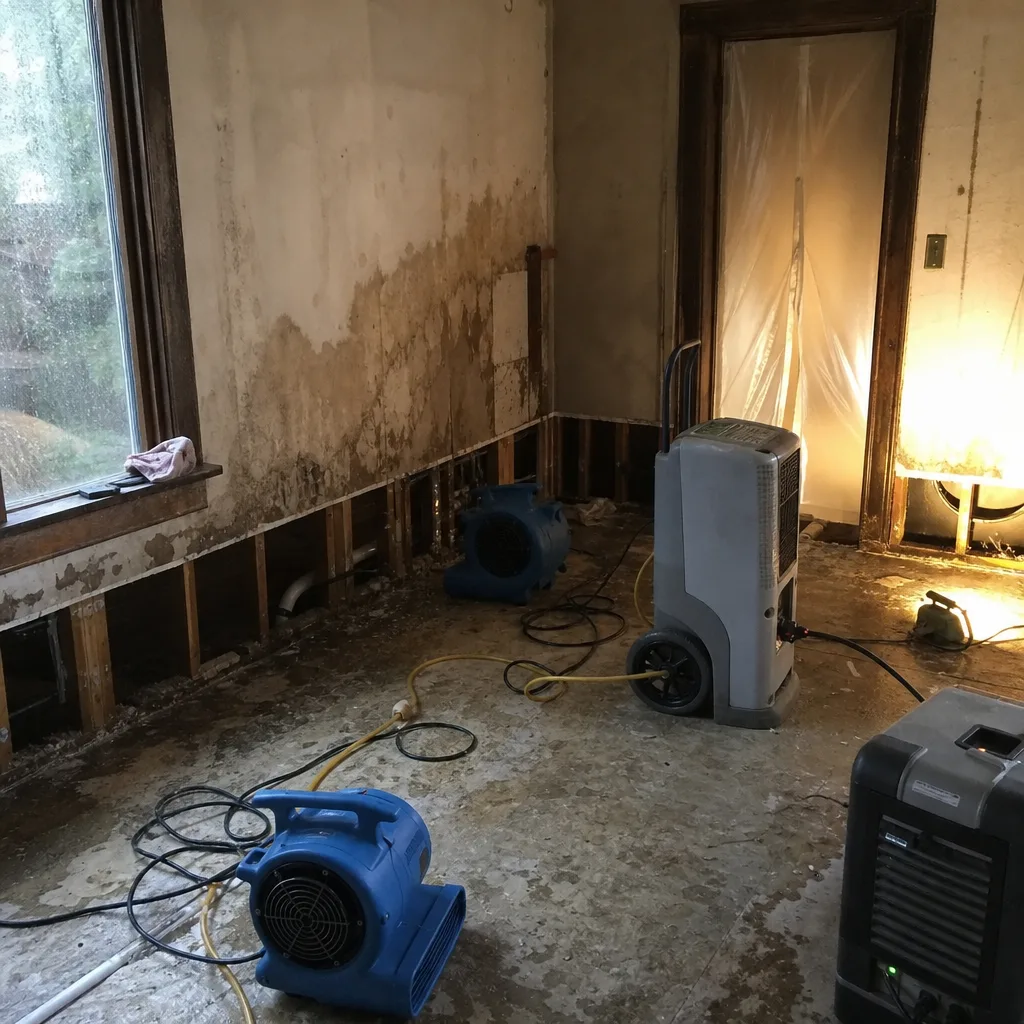 Before
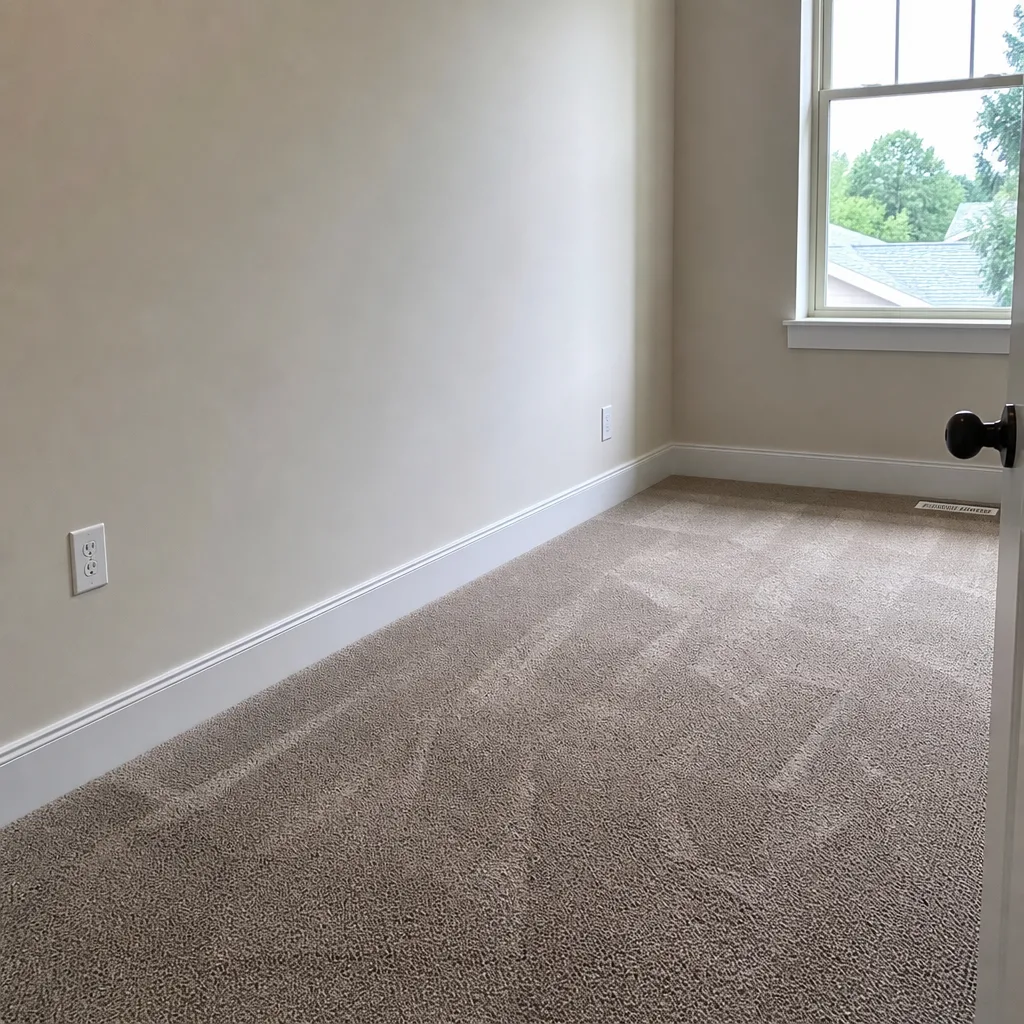 After
After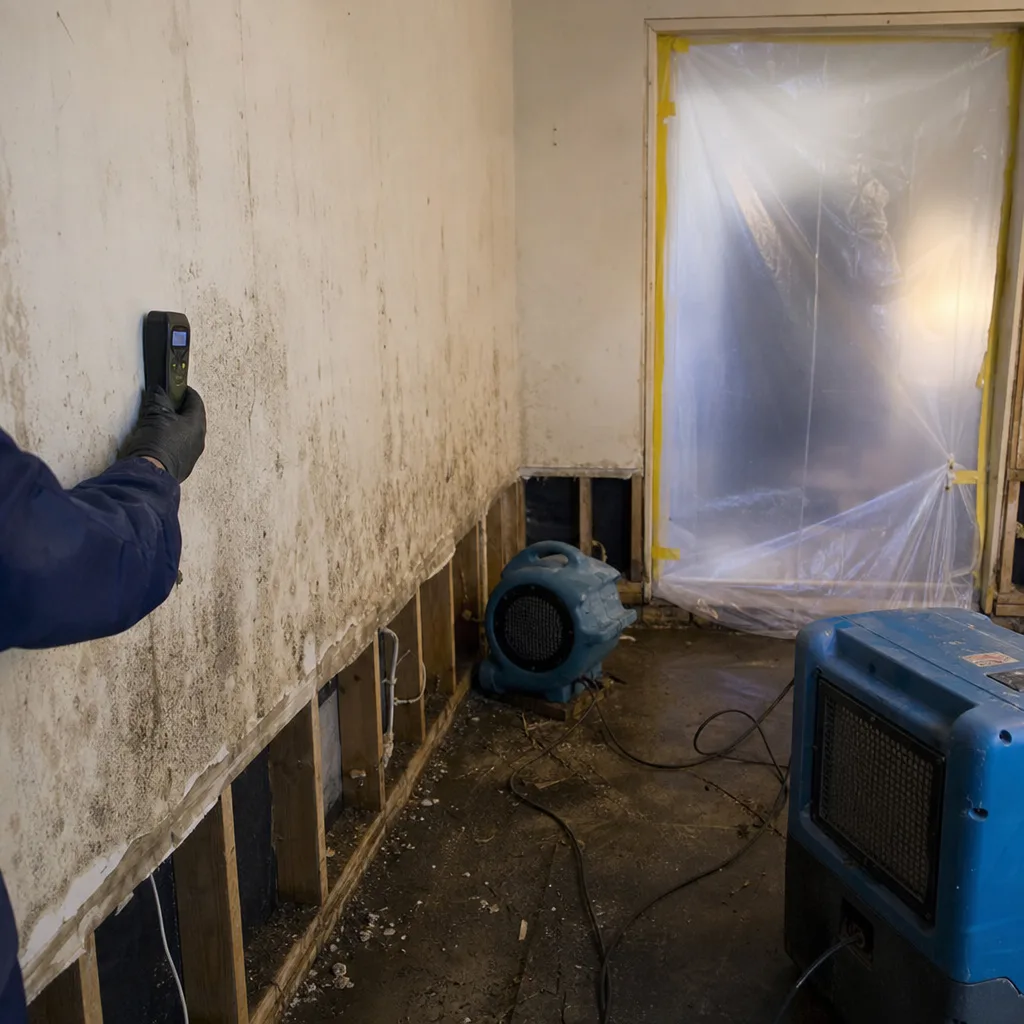 Before
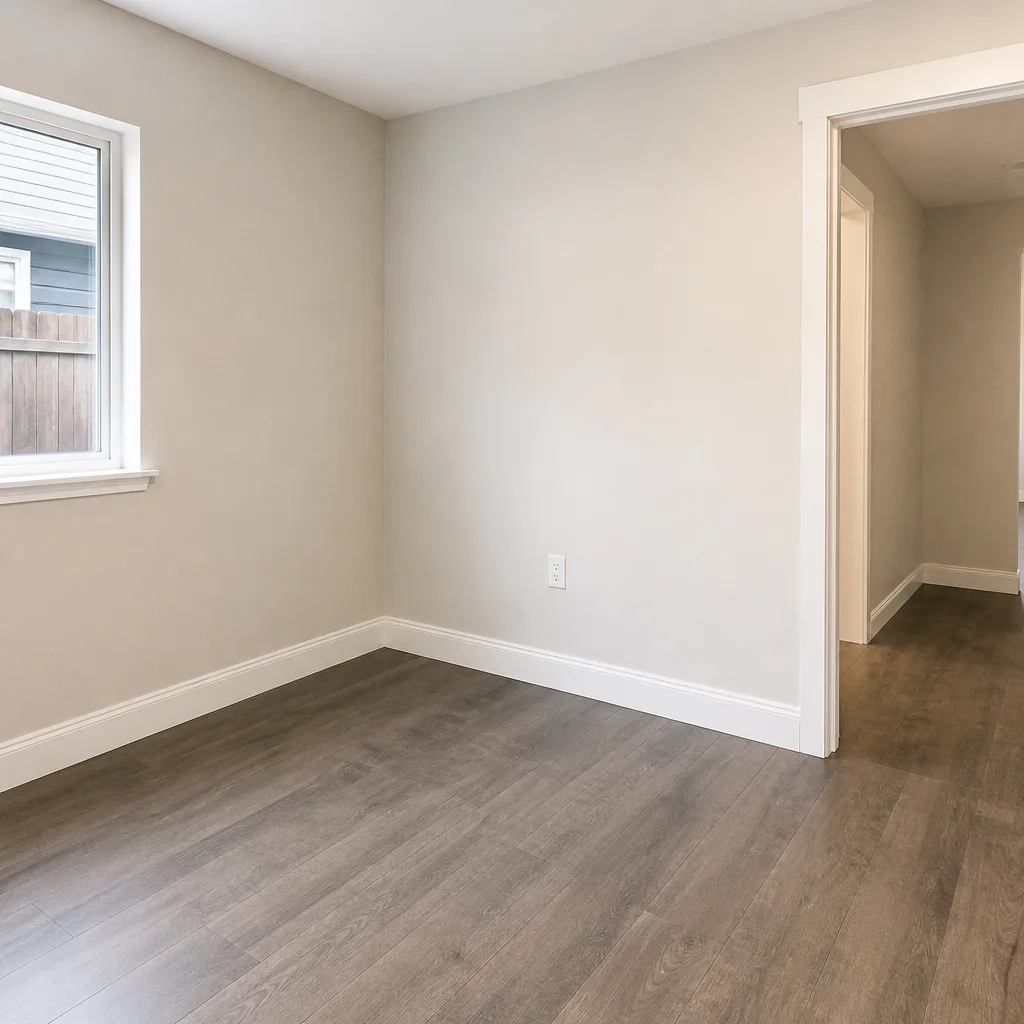 After
AfterFast, Reliable Water Damage Restoration Across Federal Way
Water damage restoration in Federal Way typically costs $2,800-$6,500 for a standard residential loss, with emergency extraction and drying started same day. Our crews are dispatched from our Seattle office and can be on-site anywhere in Federal Way within 45-60 minutes of your call.
We know the homes here. Federal Way’s 1965-1990 tract stock - the ramblers and split-levels between Steel Lake and the Pacific Highway South corridor - carries a specific risk profile that newer communities to the east simply don’t share. Saturated clay crawl spaces, original plumbing at end of life, and 50-foot Douglas firs planted as ornamentals in the Nixon and Ford administrations now dropping through moss-compromised roofing. When you call (253) 265-9692, you’re talking to a live person who understands that a supply-line leak under a 1978 rambler isn’t the same loss as a basement flood in a 2015 build. We answer 24 hours a day, 7 days a week. No voicemail trees. No next-business-day callbacks while water is still moving.
Why DryMark Restoration Tacoma Is Federal Way’s Preferred Water Damage Restoration Company
We’ve restored homes in Federal Way since 2011, and our file system tells the story: moisture intrusion from saturated crawl spaces outnumbers storm flooding claims here by roughly three to one. That ratio doesn’t hold in Kent or Auburn, where newer construction and different soil profiles change the loss pattern entirely. Our Water Damage Restoration team knows the difference.
Our Federal Way customers leave reviews that mention the same three things: the written price that arrived before anyone touched a tool, the photo record they could forward to their adjuster, and the daily moisture logs that showed exactly when their home reached dry standard. We don’t chase stars; we document outcomes.
Response time to Federal Way averages under an hour from initial call to crew arrival. Dispatch coordinates from our Seattle office, but the truck that pulls up carries Federal Way-specific equipment: low-profile air movers for shallow crawl spaces, Injectidry systems for wall cavity drying in 1,200-square-foot ramblers where removing drywall would mean gutting half the house, and moisture meters calibrated for the OSB subflooring common in 1970s-1980s construction.
Local knowledge matters because Federal Way’s building department and permit requirements for reconstruction differ from neighboring jurisdictions. We’ve worked with Federal Way inspectors on hundreds of jobs. We know what documentation they require, what triggers a re-inspection, and how to scope rebuild work so it passes the first time.
Our Water Damage Restoration Services in Federal Way
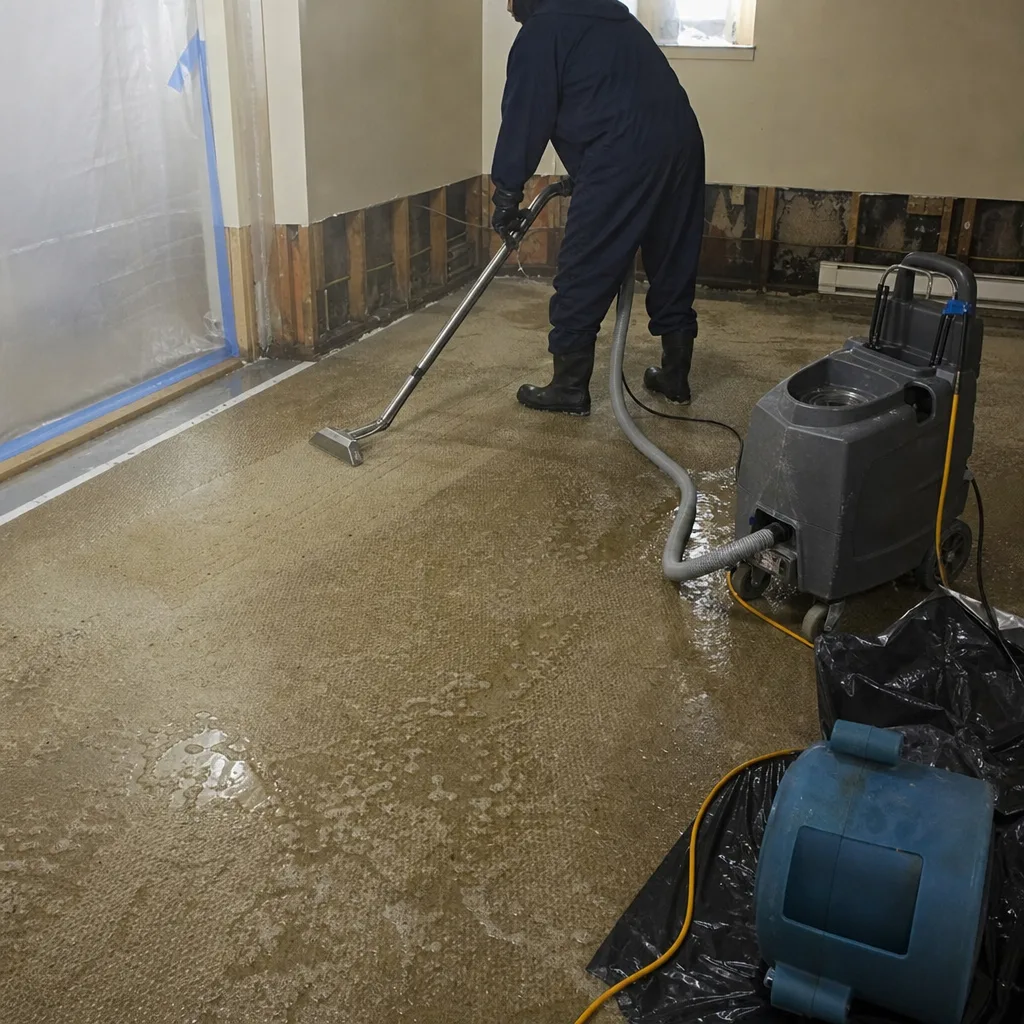
Emergency Water Extraction
We deploy truck-mounted extraction systems and portable flood pumper units to Federal Way homes within the hour. In the older subdivisions near Steel Lake, where crawl space access is often limited to a 24-inch hatch, we use portable units that fit where truck mounts can’t. Extraction removes the bulk water - the standing inch in your laundry room or the saturated carpet pad in your hallway - before it wicks into drywall or subflooring. Typical Federal Way extraction runs $1,200-$2,400 depending on affected square footage and access constraints.
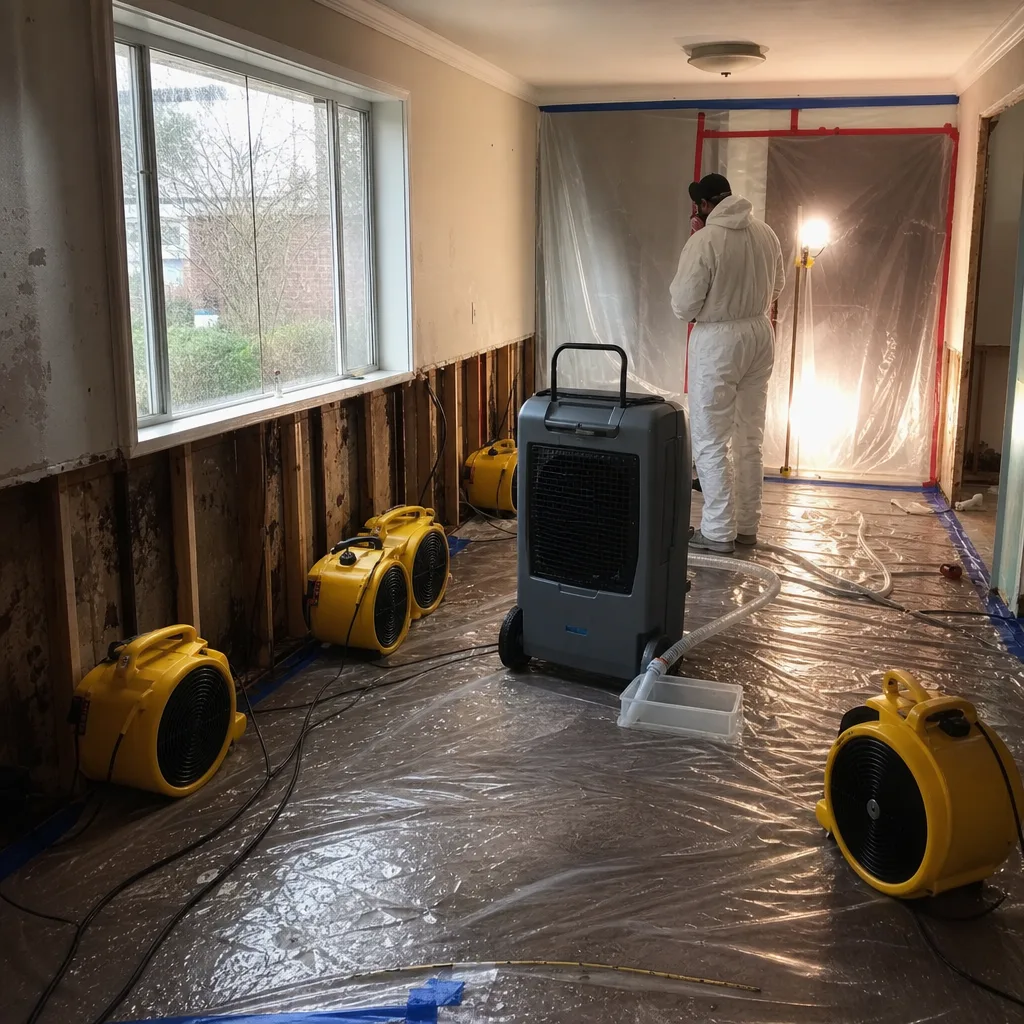
Structural Drying & Dehumidification
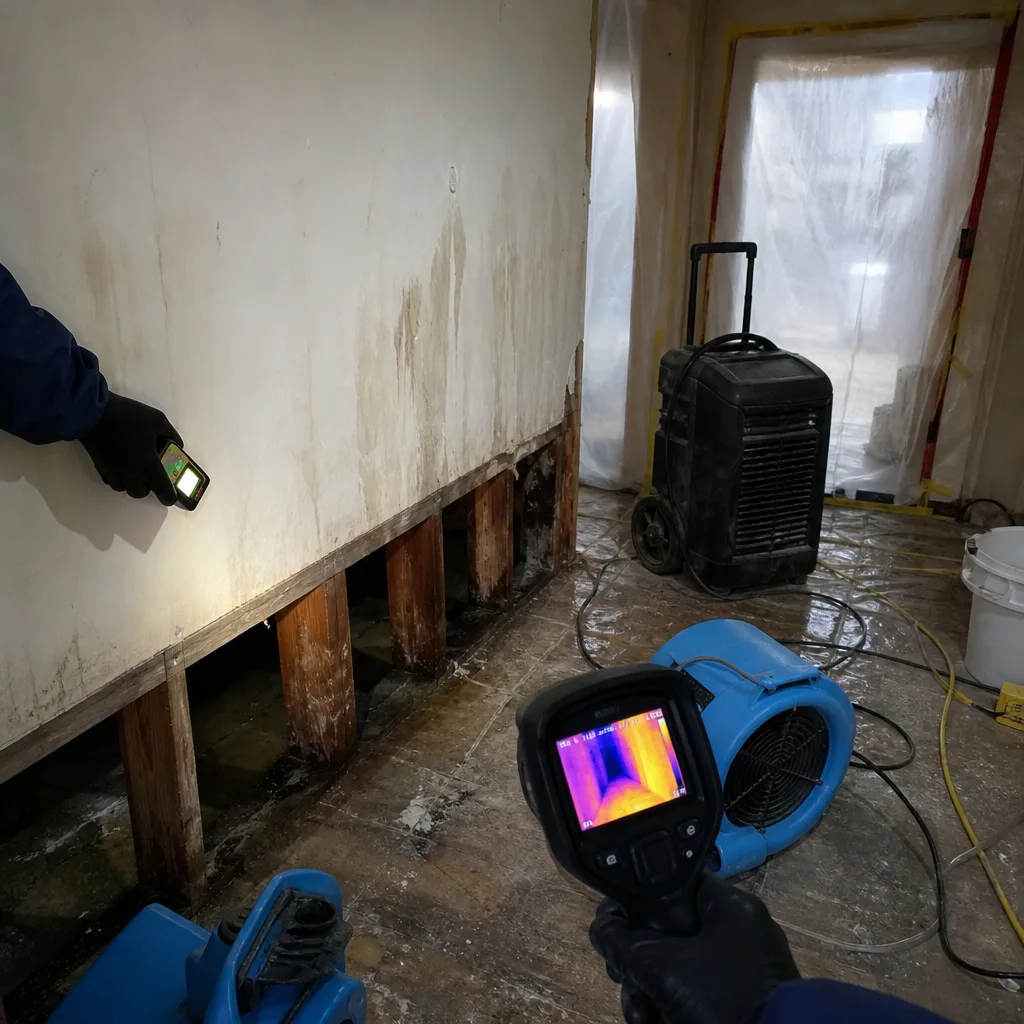
This is where Federal Way’s clay soil becomes the controlling variable. A crawl space that stays saturated five months a year never gives your subfloor a chance to release moisture to the exterior. We use Phoenix and Dri-Eaz dehumidifiers sized to the cubic volume of the affected space, not the square footage, because psychrometric drying - controlling temperature, humidity, and air movement together - is the only way to hit dry standard when the ground outside is wetter than the framing inside. Daily moisture logs track every reading: wood moisture content, relative humidity, vapor pressure differential (the force that actually drives evaporation). These logs become your insurance documentation. Typical structural drying in Federal Way runs $1,800-$3,600 for a standard rambler crawl space and first floor.
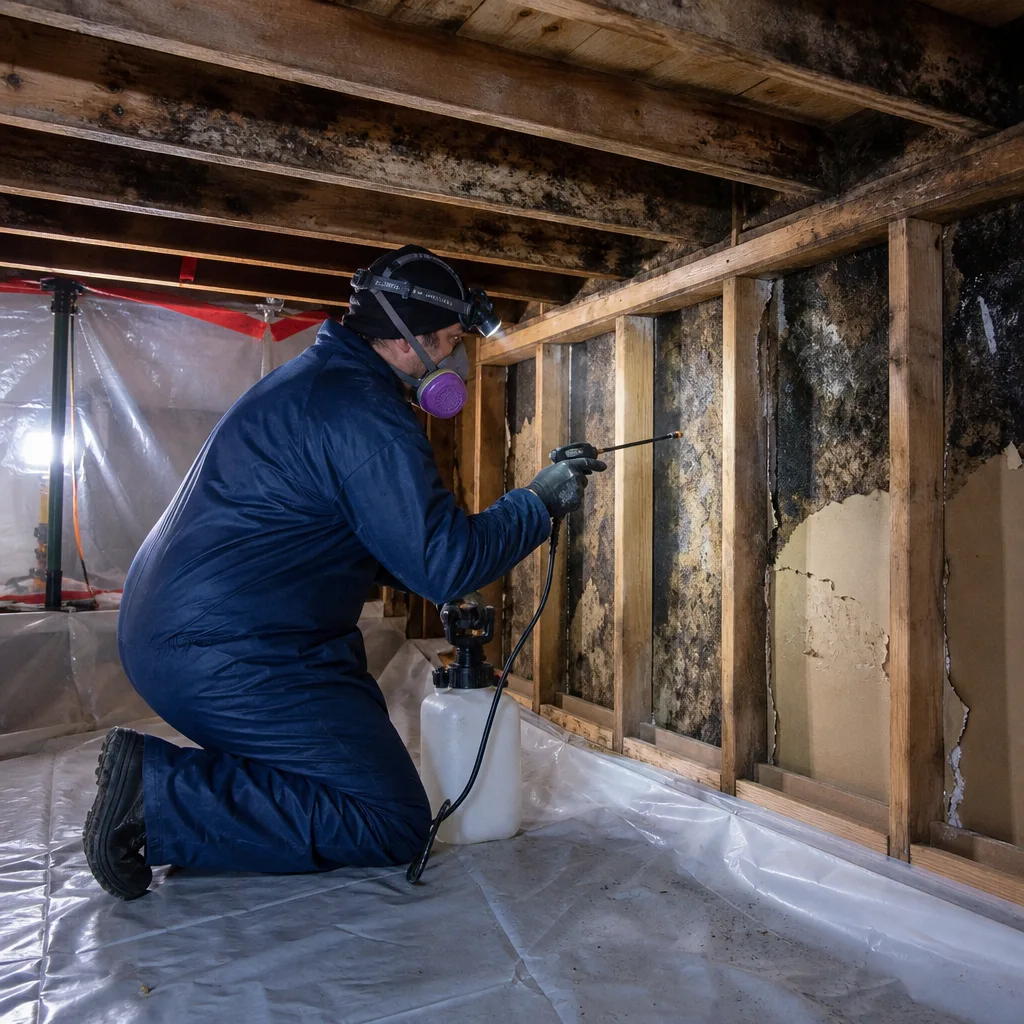
Flood Cleanup
Federal Way’s position in the maritime lowlands means no rain shadow protection; storms track straight up the Puget Sound corridor. When the Puyallup River system backs up or a king tide pushes into the Green River valley, Federal Way’s lower elevations near the BPA Trail and West Campus see groundwater intrusion that category 1 extraction won’t solve. We classify the water source, document contamination levels to IICRC standards, and scope remediation accordingly. Flood cleanup with contamination protocols typically runs $4,500-$8,500 in Federal Way.
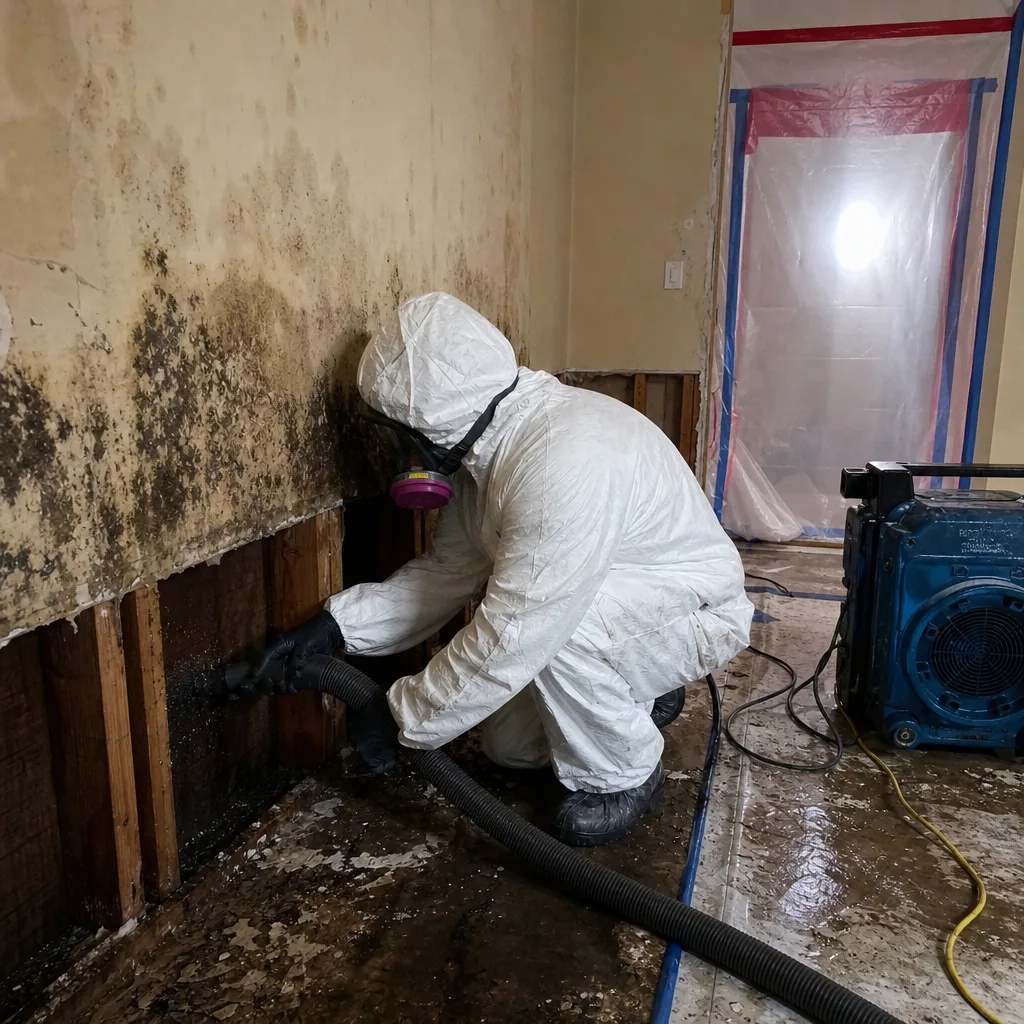
Burst Pipe Restoration
Original copper or galvanized supply lines in 1965-1990 Federal Way homes fail at fittings, slab penetrations, and freeze-thaw stress points. The loss is often hidden: water travels along the pipe inside the wall, pools in the crawl space, and shows first as a soft spot in the vinyl or a musty note in the hallway. We map the full extent with thermal imaging and moisture meters before we cut anything. Burst pipe restoration with limited drywall removal typically runs $2,400-$5,200 in Federal Way.
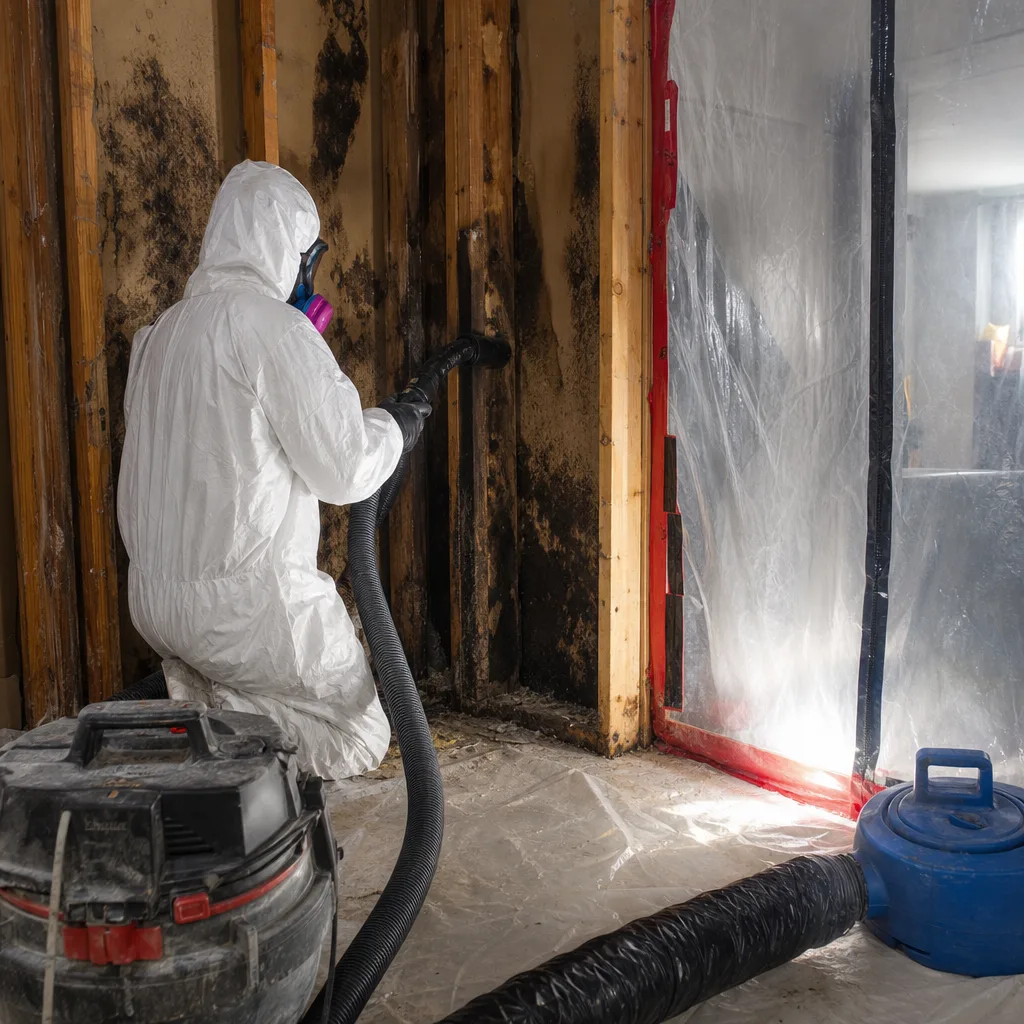
Ceiling & Roof Leak Water Damage
We got a call from a homeowner near Steel Lake after a 50-foot Douglas fir planted alongside the subdivision in the 1970s came down on the roof; when our tech pulled moisture readings, the ceiling deck was wet 20 feet past the visible break because decades of moss had already compromised the underlayment. We set containment, ran air movers and a Phoenix dehumidifier, logged moisture mapping daily, and ended up doing antimicrobial treatment across the entire attic bay - the tree strike was the symptom, but the underlayment was the actual water loss. Roof leak restoration with attic drying typically runs $3,200-$6,800 in Federal Way.
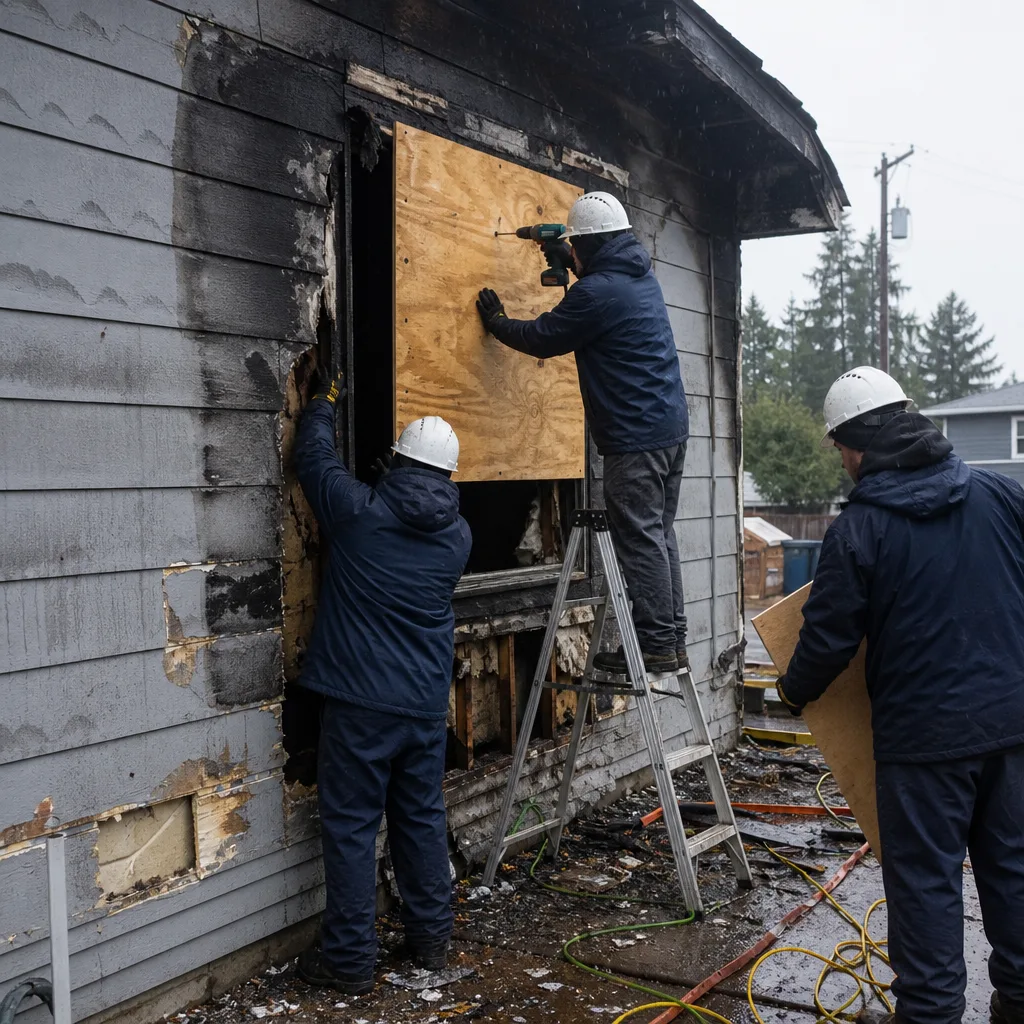
Basement Water Removal
True basements are uncommon in Federal Way’s 1965-1990 stock; most homes have crawl spaces or daylight basements on sloped lots. Where basements do exist, typically in split-levels near Dash Point or the Marine Hills area, they face the same clay-soil hydrostatic pressure that saturates crawl spaces. We use submersible pumps and sealed sump systems for bulk water, then transition to dehumidification and wall cavity drying. Basement water removal typically runs $2,000-$4,500 in Federal Way.
What happens when you call
- 1
A real person answersNo phone trees - you reach a local pro.
- 2
You get an upfront price rangeHonest numbers before anyone is dispatched.
- 3
A background-checked tech heads outLicensed & insured, dispatched right away.
- 4
You approve before work beginsNothing starts until you say go.
BeforeAfterTrusted Brands We Service in Federal Way
Our equipment inventory is built around the drying systems that produce documentation insurers accept: Dri-Eaz and Phoenix dehumidifiers, XPOWER and B-Air air movers, and Injectidry cavity drying systems for the limited-access walls common in Federal Way’s smaller-footprint ramblers. We don’t rent equipment; we own it, maintain it, and log its performance on every job. That means when your adjuster asks whether the dehumidifier capacity matched the load, we have the serial number, the psychrometric calculation, and the daily readings that prove it did.
Common Water Damage Restoration Problems We See in Federal Way Homes
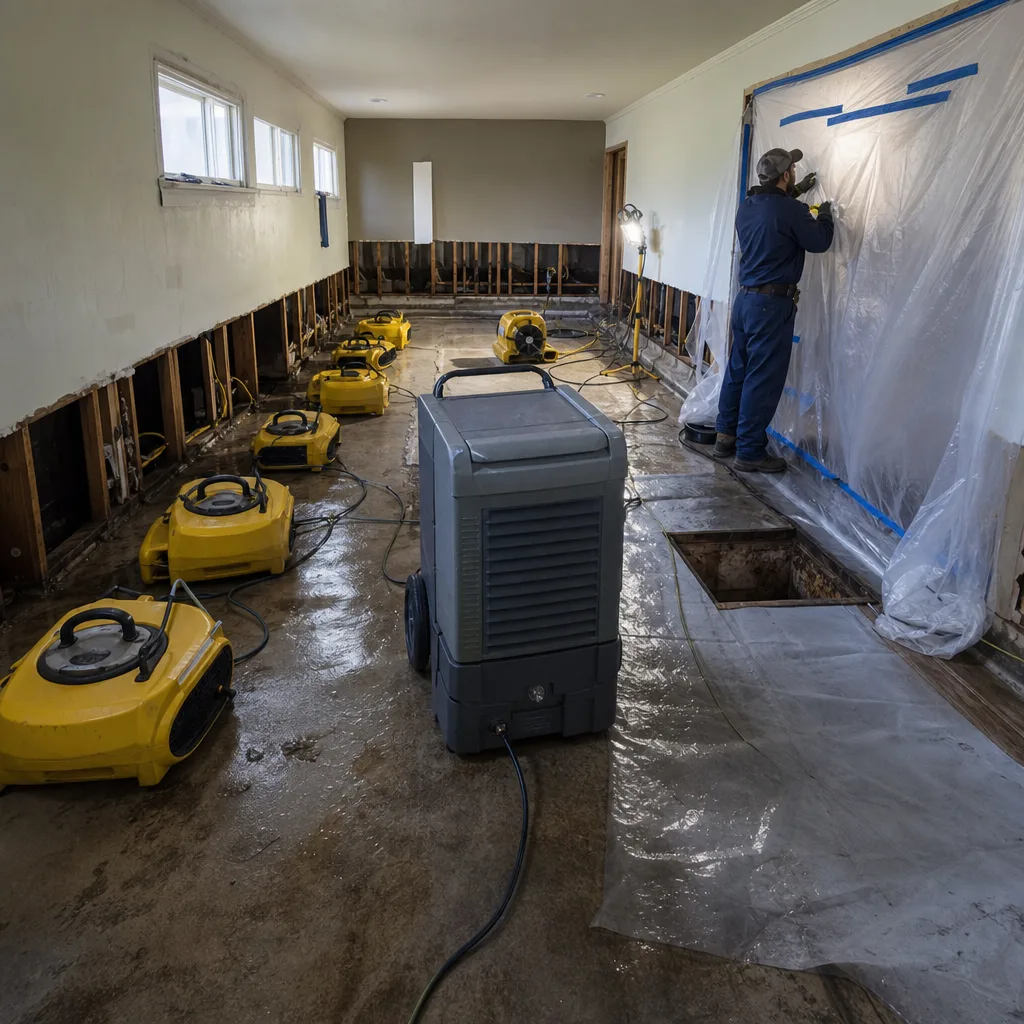
- Saturated crawl space soil that never dries. Federal Way’s glacial clay holds groundwater for months, degrading vapor barriers and keeping subfloor moisture content above 20% even without an active leak. Category 1 supply-line leaks become category 2 or 3 by the time anyone notices the smell.
- Original plumbing failures at end of service life. Copper and galvanized lines in 1970s-1980s tract homes fail at fittings and slab penetrations. Homeowners often delay because the water is hidden under vinyl or carpet, and the first sign is a soft subfloor or mold bloom.
- Storm-dropped Douglas firs with hidden roof damage. Around the Pacific Highway South corridor and Steel Lake neighborhoods, 50-year-old ornamentals now reach heights where single-storm failures punch through roofing. Decades of moss growth compromise underlayment, so the true water intrusion footprint extends well beyond visible structural damage.
- Wind-driven rain through aging window and siding seals. The same construction vintage that produced Federal Way’s plumbing and roofing issues also means original windows, unflashed siding transitions, and weatherstripping that passed functional end of life years ago. Pacific storms push water directly into wall cavities.
Pricing for Water Damage Restoration in Federal Way, WA
We publish ranges because Haven Standard, Clause 1 requires a written price before work begins - and that price should never come as a surprise.
| Service | Typical Federal Way Range |
|---|---|
| Emergency water extraction | $1,200 - $2,400 |
| Structural drying & dehumidification | $1,800 - $3,600 |
| Burst pipe restoration (limited drywall) | $2,400 - $5,200 |
| Basement water removal | $2,000 - $4,500 |
| Ceiling & roof leak restoration with attic drying | $3,200 - $6,800 |
| Flood cleanup with contamination protocols | $4,500 - $8,500 |
| Full pack-out with contents processing | $3,500 - $7,000 additional |
What moves a job to the high end of the range: multiple affected levels, contaminated water requiring PPE and disposal protocols, limited crawl space access requiring portable equipment, and the need for contents pack-out before drying can begin. What keeps it at the low end: early detection, single-level loss, clean water source, and open access for standard equipment.
Every estimate is free. Bring a competitor’s written quote and we’ll review it at no charge - Haven Standard, Clause 7.
We Also Serve Cities Near Federal Way
Our crews respond daily to Federal Way and the surrounding communities: Auburn to the east, Milton to the north, Kent to the northeast, and Tacoma to the south. Each city carries its own construction vintage and soil profile, and our scopes reflect that. A Kent job near the Green River valley faces different groundwater conditions than a Milton hillside home with drainage to Puget Sound. We don’t template; we document what we find and price what we document.
Serving Federal Way, WA - Our Local Coverage Area
We’re based in the Federal Way area and know this community well. Use the map below to see our service coverage - if you’re nearby, we can almost certainly help.
FAQs - Water Damage Restoration in Federal Way
Federal Way’s glacial clay soil holds groundwater five or more months a year, creating a vapor pressure differential that works against drying rather than for it. In Covington or Maple Valley, better-drained soils let a crawl space dry to the exterior; here, the soil is wetter than the wood we’re trying to dry. We compensate with larger-capacity dehumidifiers, longer drying cycles, and daily moisture logs that prove dry standard was reached. Call (253) 265-9692 for a free assessment of your crawl space conditions.
Almost always, yes. The visible hole in your roofline is rarely the full extent of the water intrusion. Decades of moss growth on Federal Way’s 1970s-1980s roofing compromises underlayment before any tree strikes, so water has been traveling under shingles for years. When a tree punctures the surface, that hidden pathway becomes an open channel. We map moisture 20 feet or more past visible damage with thermal imaging and pinless meters. Call (253) 265-9692 for emergency tarping and moisture mapping.
At 60% relative humidity and temperatures above 70°F, mold colonization can begin in 48-72 hours. Federal Way’s saturated crawl spaces often maintain those conditions year-round, so the clock starts faster here than in drier climates. Our structural drying targets 30-50% relative humidity and wood moisture content below 16% - the threshold where mold cannot sustain growth. We document every reading to IICRC S500 standards. If you suspect water loss, call (253) 265-9692 within 24 hours to stay ahead of colonization.
Not necessarily. A full pack-out is required when contents block equipment placement, when contamination is present, or when specialty items need controlled drying. In a typical 1,200-1,800 square foot Federal Way rambler with a single-level supply-line leak, we can often dry in place with strategic furniture placement and floor protection. We assess on arrival and include the pack-out decision in your written scope before work starts. Call (253) 265-9692 for an evaluation.
Federal Way’s combination of aging 1965-1990 tract homes, glacial clay soils that trap groundwater, and mature subdivision trees now at failure height creates a loss profile unlike newer communities. Moisture intrusion from saturated crawl spaces and roof underlayment failure outnumbers storm flooding by a wide margin. That’s why our Federal Way crews carry more dehumidification and cavity-drying equipment than flood pumps - the work matches the risk. Call (253) 265-9692 to discuss your specific situation.
Call (253) 265-9692 now for 24/7 live dispatch. We’ll answer, document your loss, and deliver a written price before any work begins - Haven Standard, Clause 1, every time.
Written by Alicia Brennan, Owner at Back to Dry Restoration, serving Federal Way since 2011.