
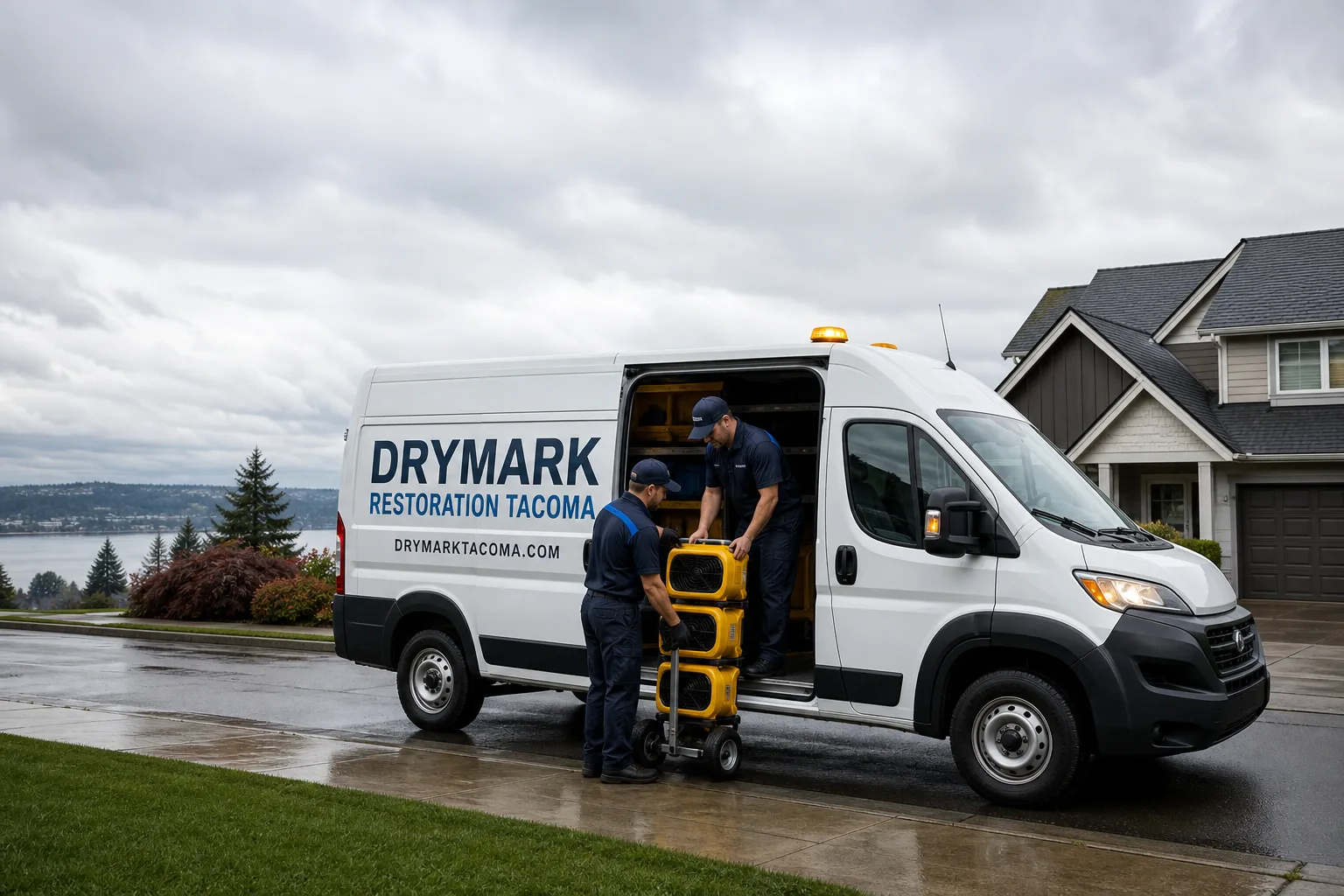
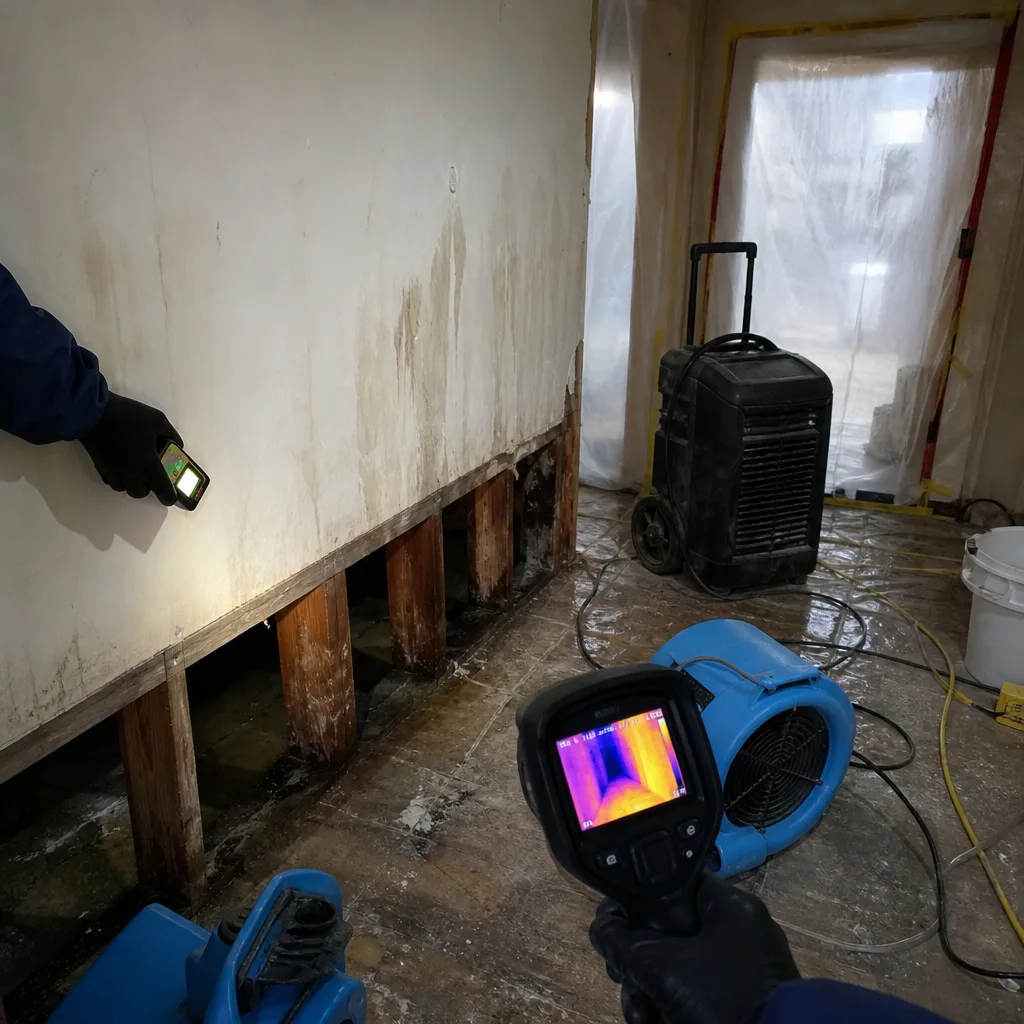
Free visual inspection and a written scope of work before any mitigation begins - photos, moisture readings, and drying logs go in your claim file
The scope we write is the scope we bill. Anything new gets shown to you, in writing, before we touch it.
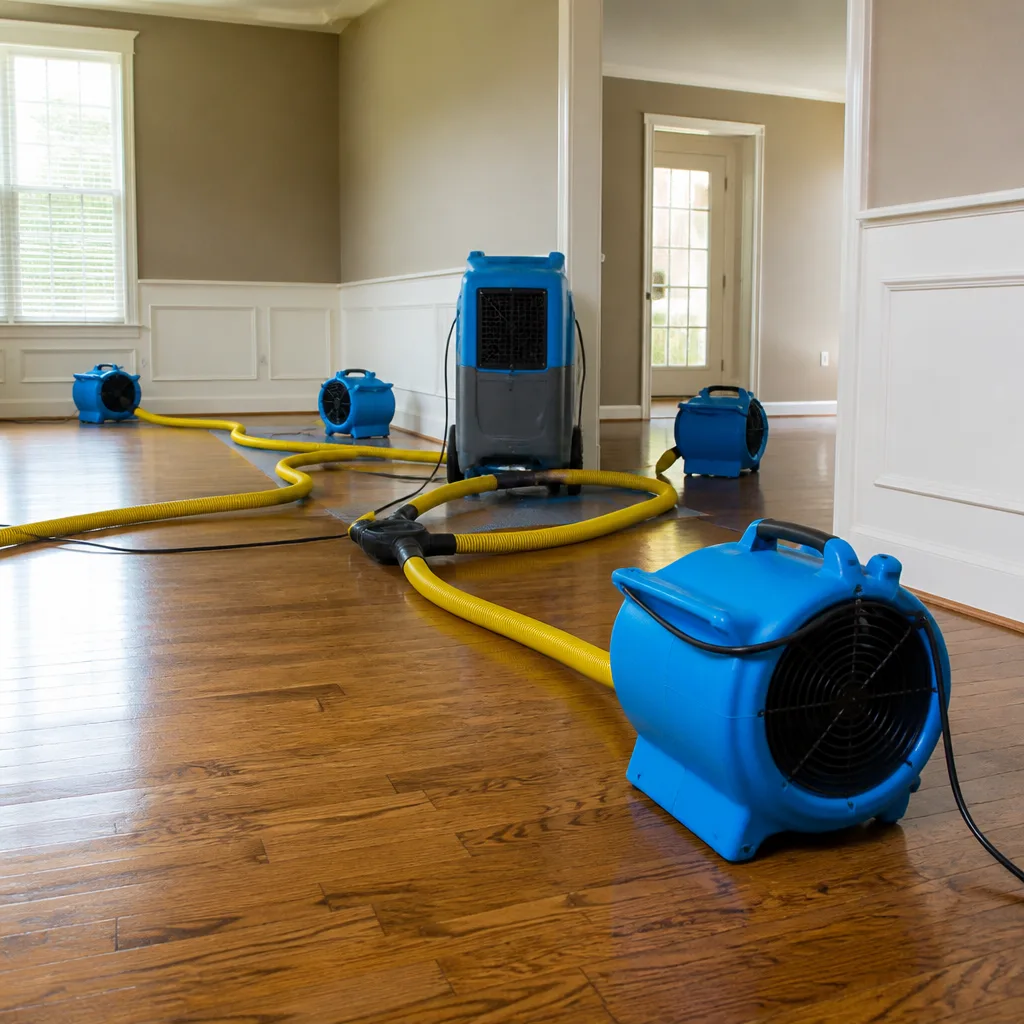
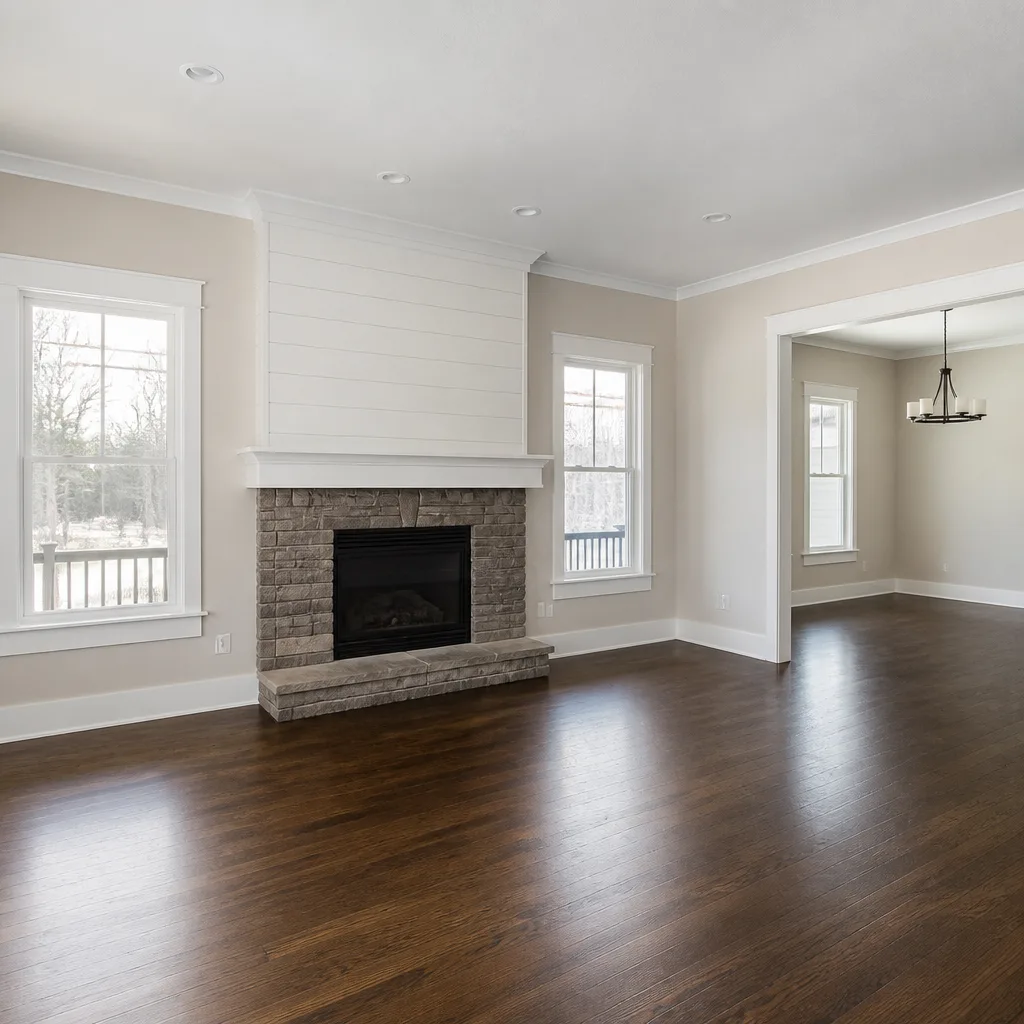
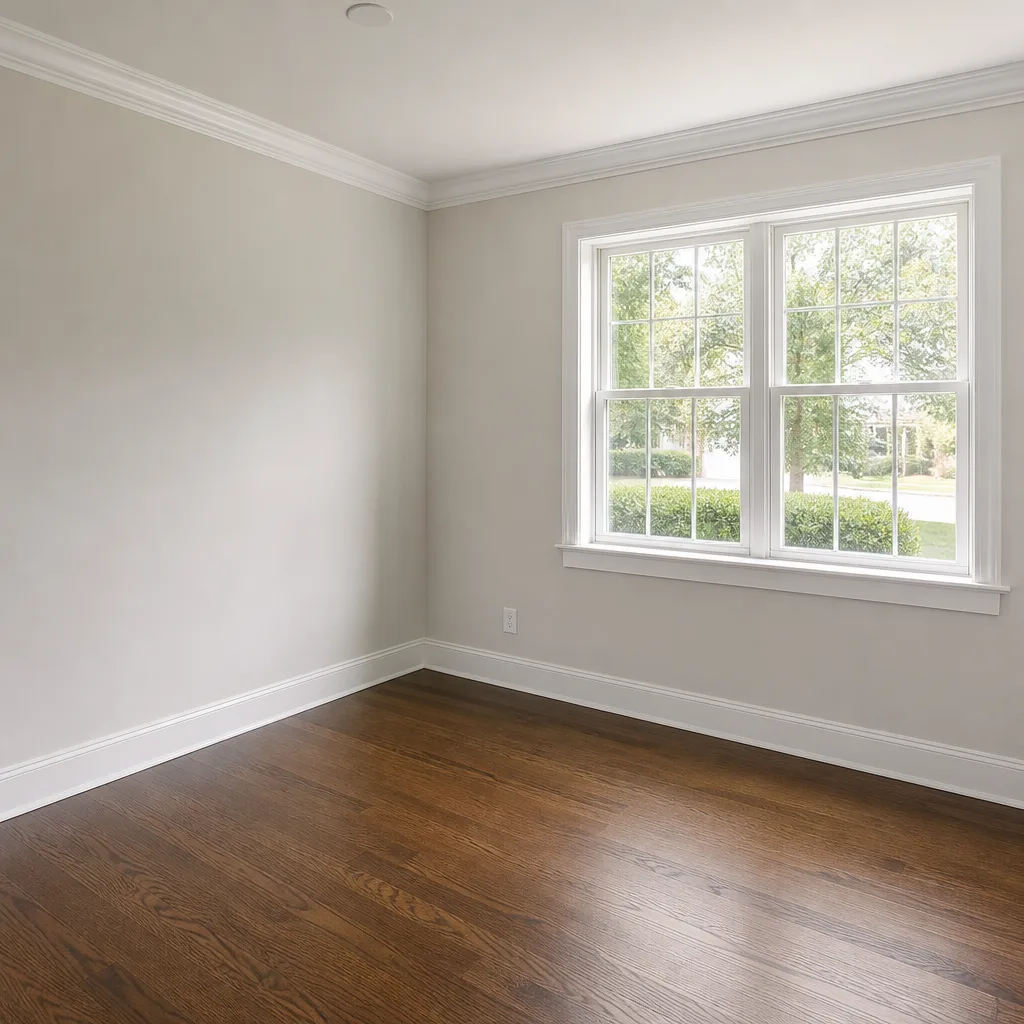
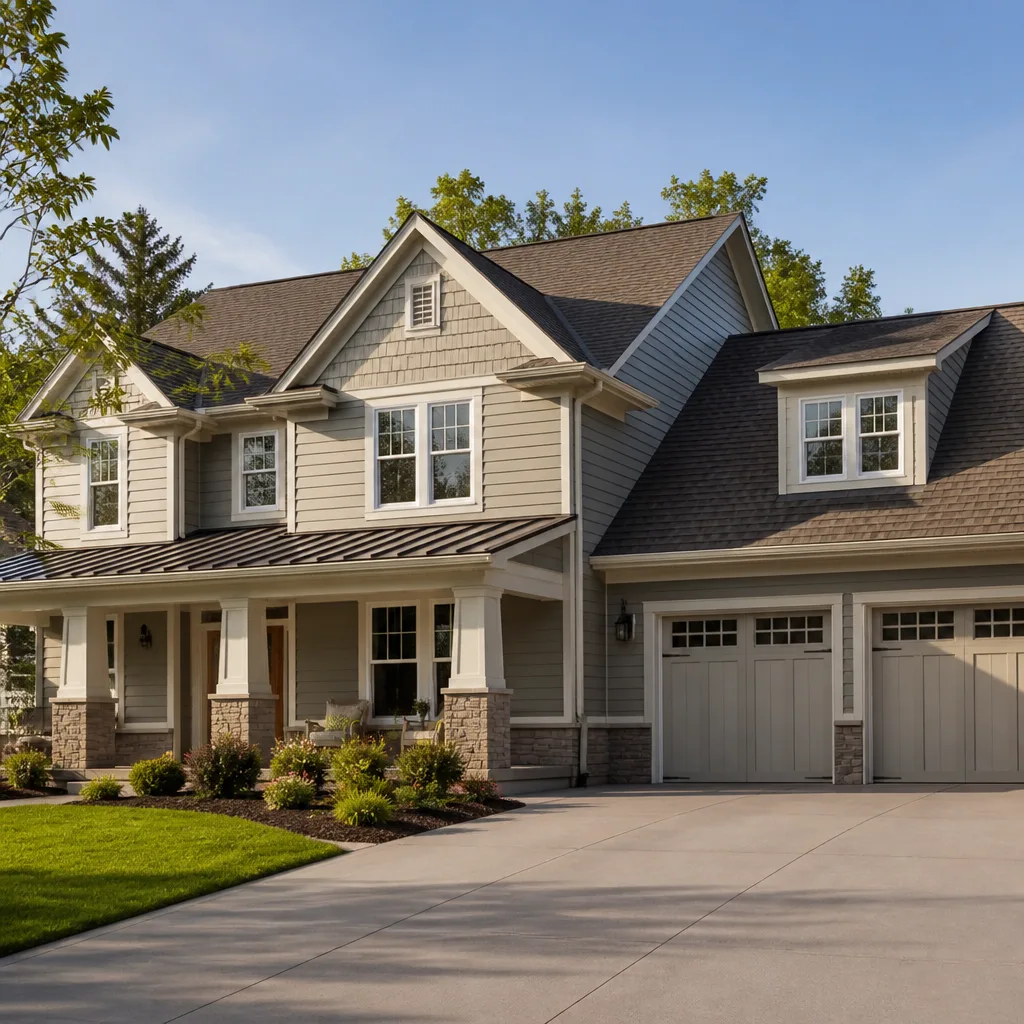
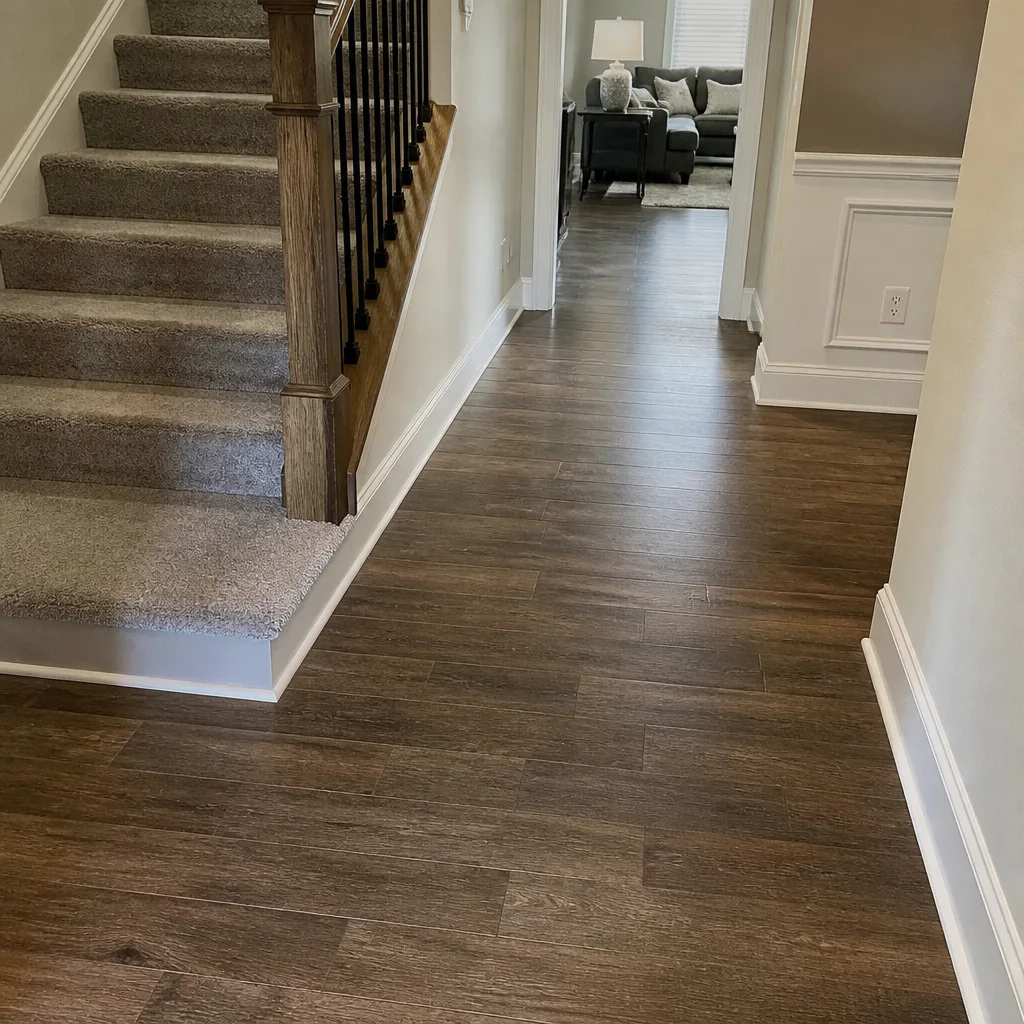
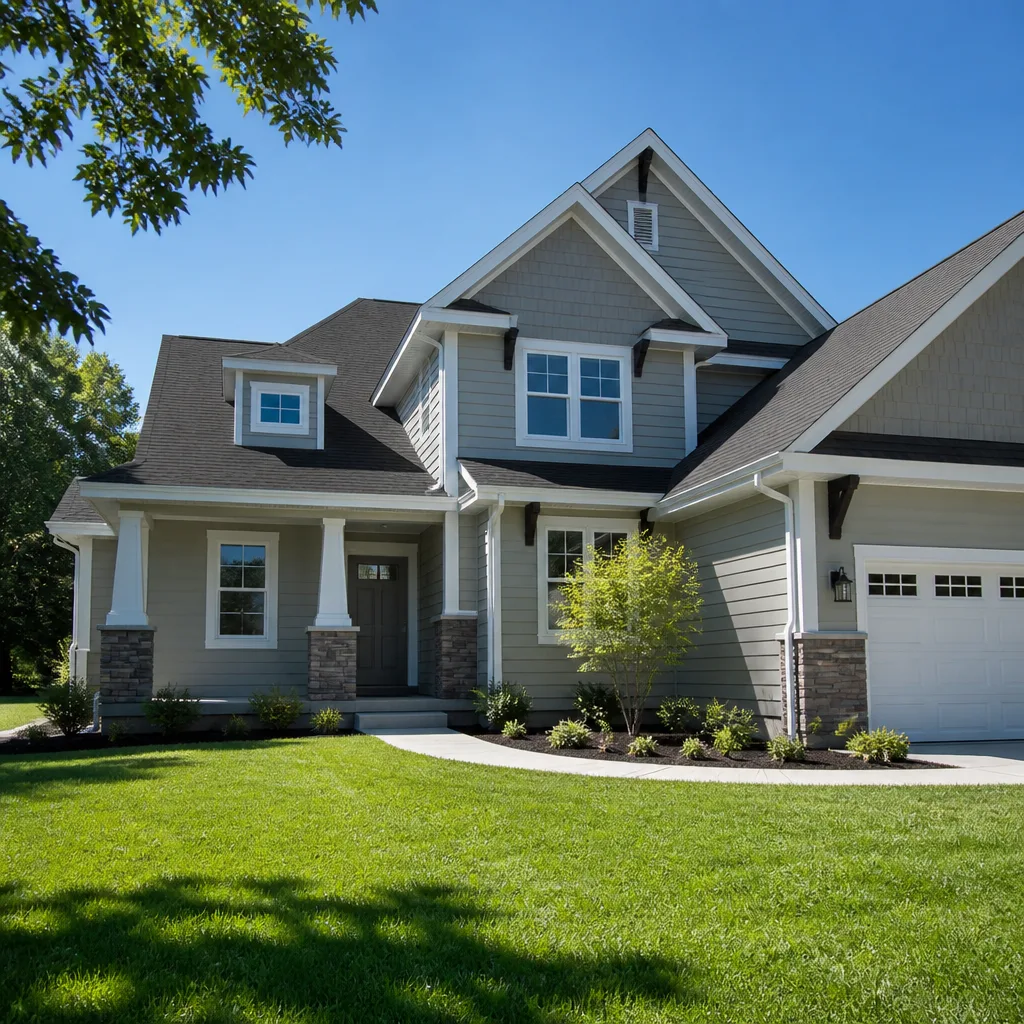
 Before
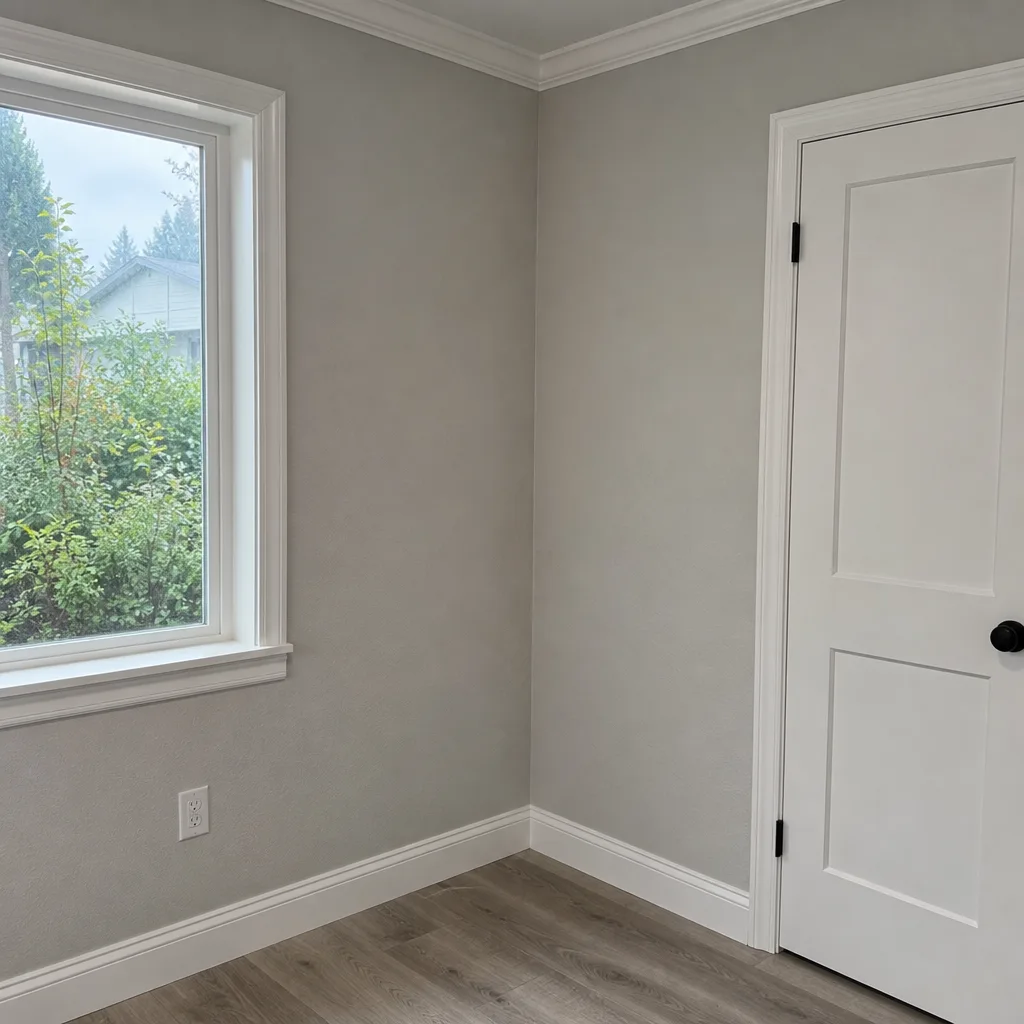 After
After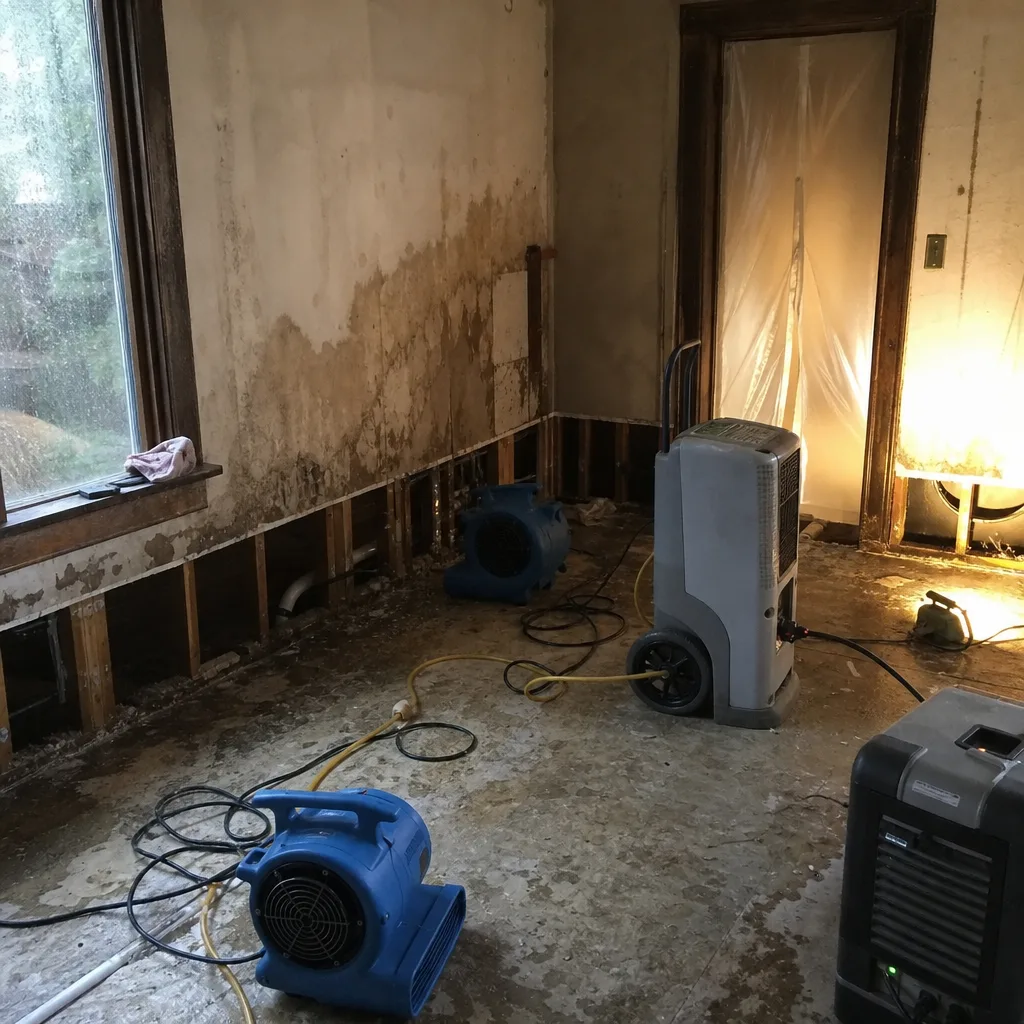 Before
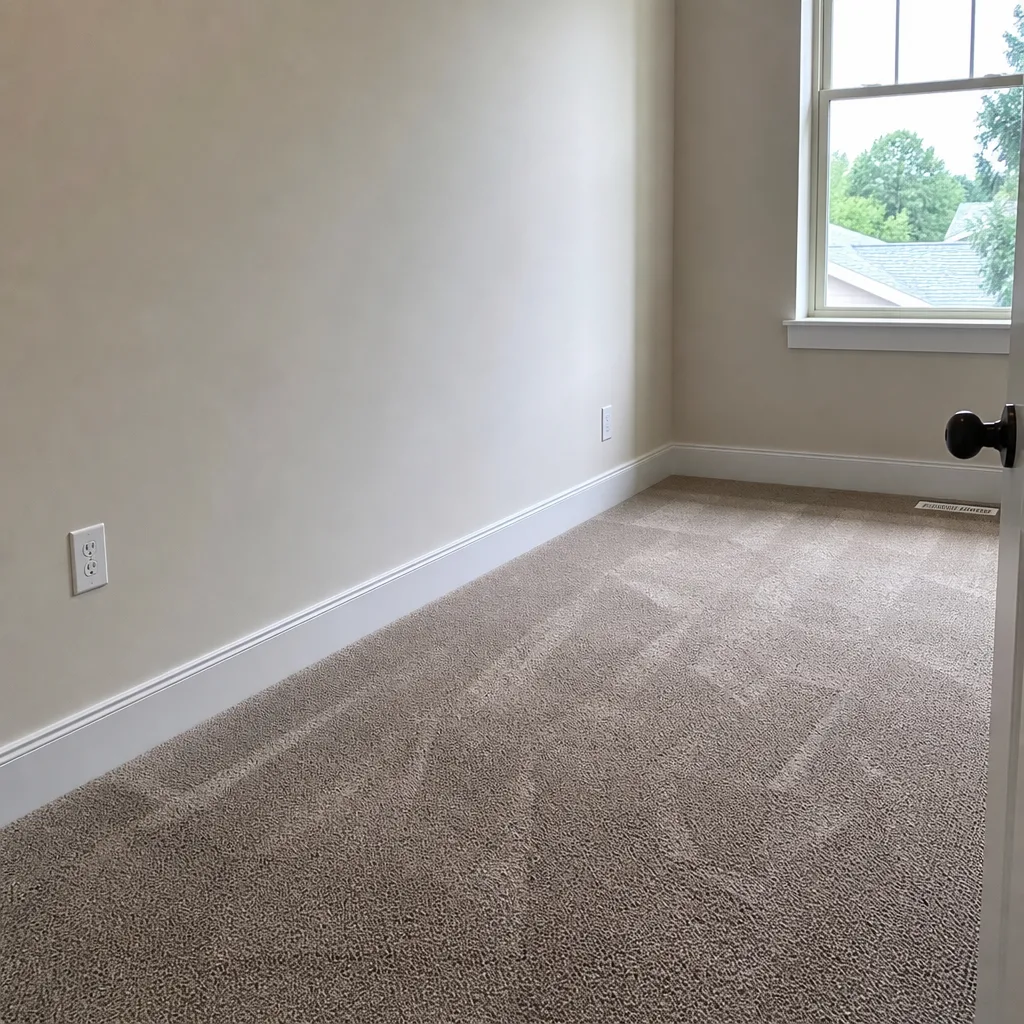 After
After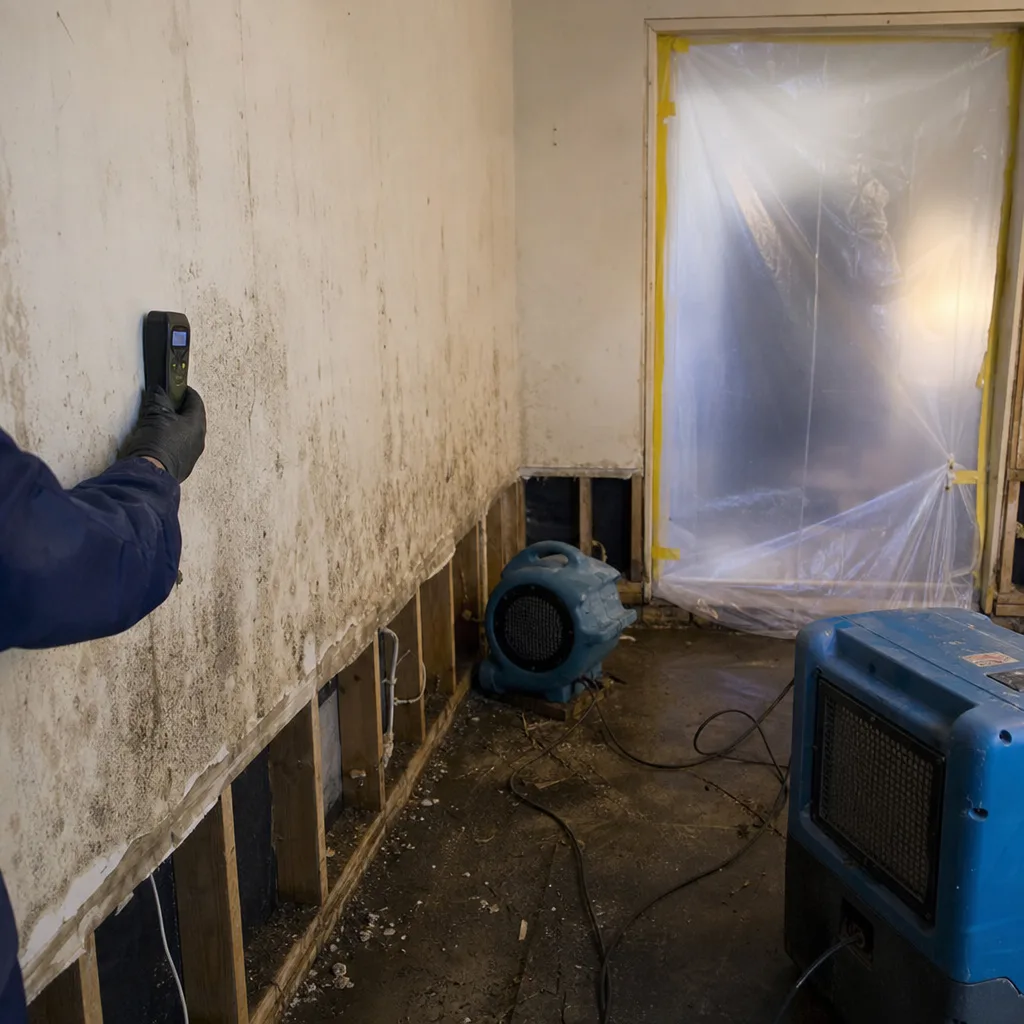 Before
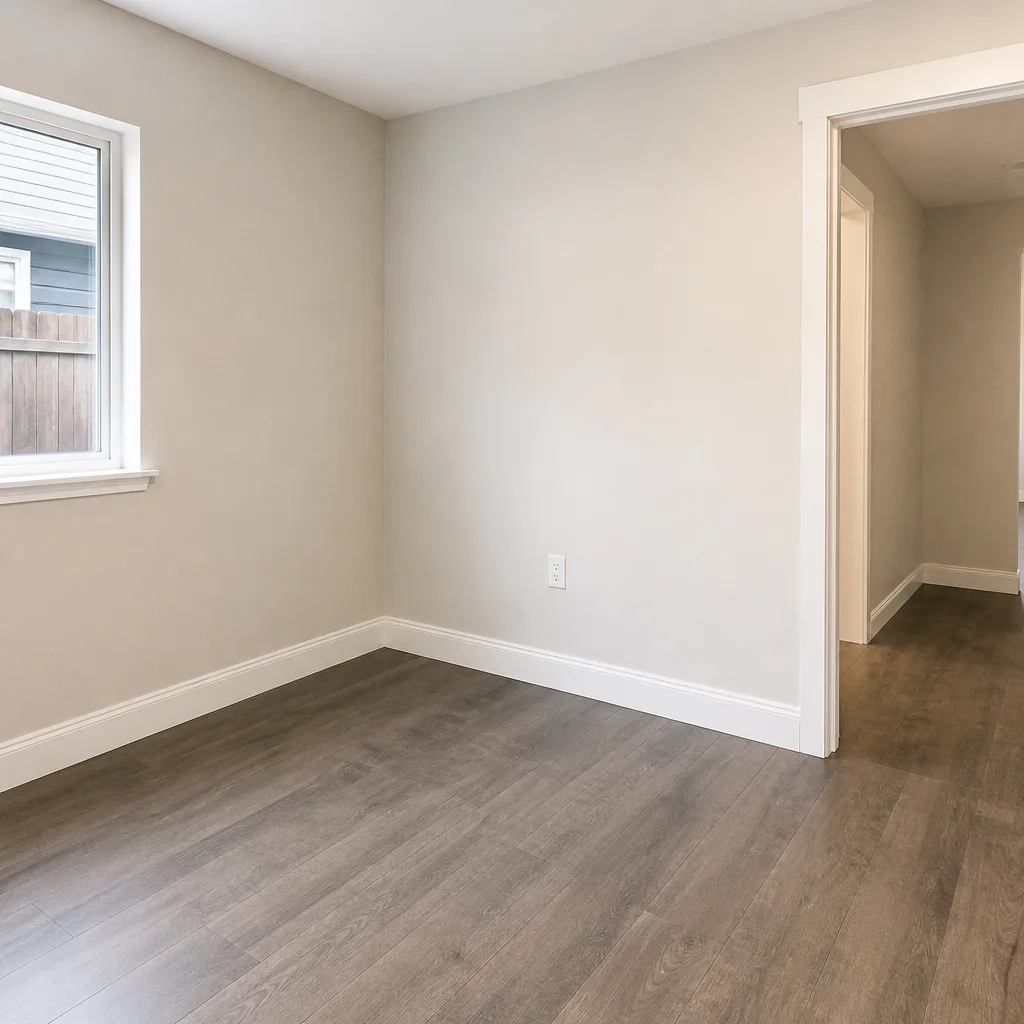 After
AfterFast, Reliable Mold Remediation Across Lakewood
Mold remediation in Lakewood typically runs $1,800-$4,500 for crawl space jobs and $2,400-$6,200 for whole-home treatment, with most inspections scheduled within 24 hours. We’re familiar with the moisture patterns that repeat in Lakewood’s post-WWII ranch stock, the elevated water tables around American Lake and Gravelly Lake, and the JBLM rental cycle that lets colonies grow undetected between PCS turnovers. Our crews serve Lakewood directly from our Seattle office, and we carry the equipment to complete most crawl space jobs in a single trip: Dri-Eaz dehumidifiers, XPOWER air movers, and the moisture meters that document every reading for your file. Call (253) 265-9692 for a written estimate before any work begins.
Why DryMark Restoration Tacoma Is Lakewood’s Preferred Mold Remediation Company
We’ve restored homes in Lakewood since 2011, and the pattern is consistent: by the time a tenant or landlord calls, the mold colony has been climbing subfloor joists for months. That timeline isn’t a guess. In Lakewood’s Tillicum and Woodbrook corridors, our Mold Remediation team regularly finds vapor barriers collapsed or never installed in 1950s-1970s crawl spaces, with ground moisture still wicking upward ten days after the last rain. The difference in our work is documentation: a written price before we start, a photo record on every visit, and daily moisture logs that show exactly when readings returned to pre-loss condition.
Our response time to Lakewood averages same-day or next-morning for inspection calls. We don’t run voicemail trees on emergency lines. A live person answers at 2 AM when a new JBLM arrival reports a musty odor in their rental. Alicia Brennan built this company around the documentation gap that costs homeowners their insurance claims, and that standard applies to every Lakewood job we take.
Our Mold Remediation Services in Lakewood
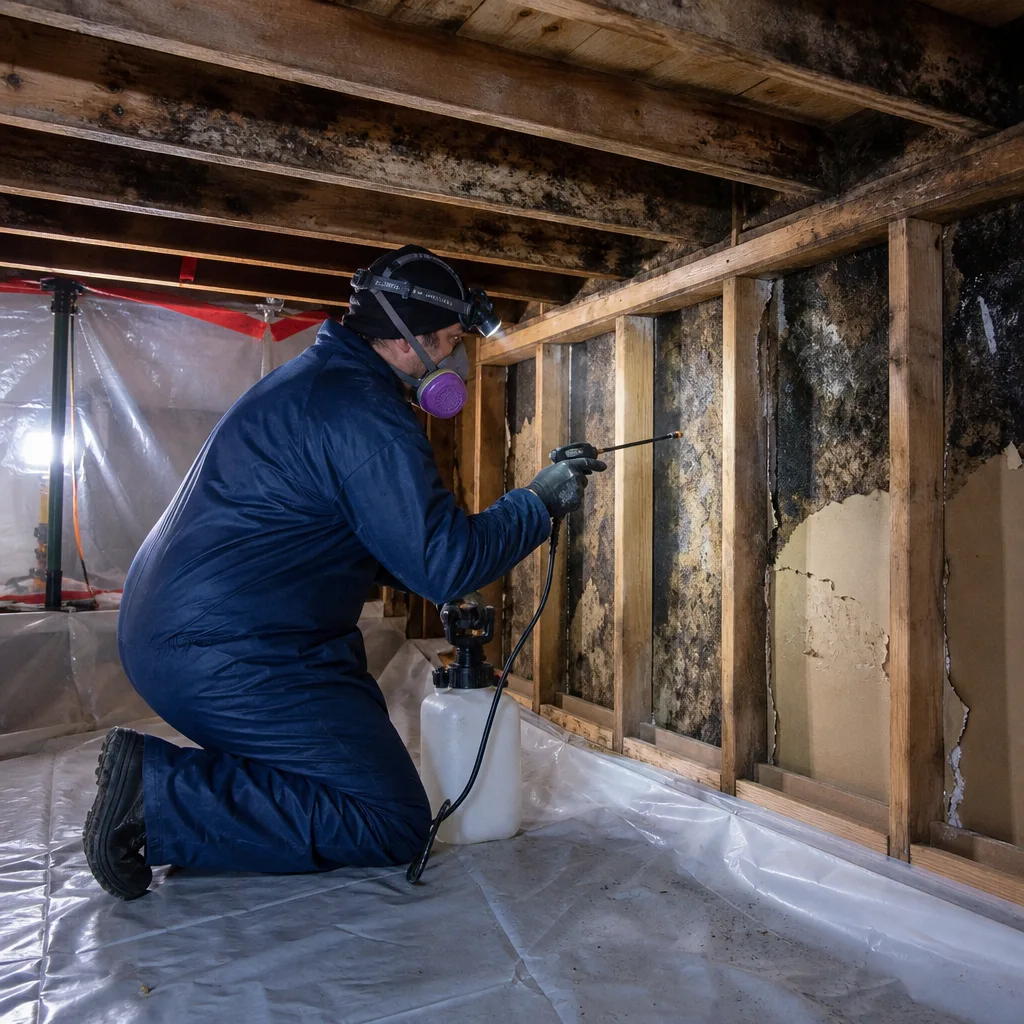
Mold Inspection & Testing
Every Lakewood inspection starts with moisture mapping, not guesswork. We measure subfloor moisture content, relative humidity, and vapor pressure differential - the force that pulls ground moisture through slab perimeters into your living space. In Lakewood’s flat glacial outwash plain, that pressure stays elevated year-round near American Lake, Gravelly Lake, and Lake Louise. We document readings with photos, identify affected materials by trade name (oriented strand board subfloor versus dimensional lumber joists, for instance), and deliver a written scope with line-item pricing before any remediation begins. Haven Standard, Clause 1.
Mold Removal
Removal in Lakewood homes means working with the housing stock we’ve got: post-WWII ranch and split-level construction with minimal original vapor barriers, aging galvanized plumbing that corrodes under mineral-loaded South Puget Sound water, and crawl spaces too shallow for comfortable access. Our crews are background-checked, uniformed, and named on your work order. We establish containment, run negative air pressure, remove contaminated materials by square footage, and treat remaining structure with antimicrobial agents. The photo record shows before, during, and after. Your insurer gets the same file you do.
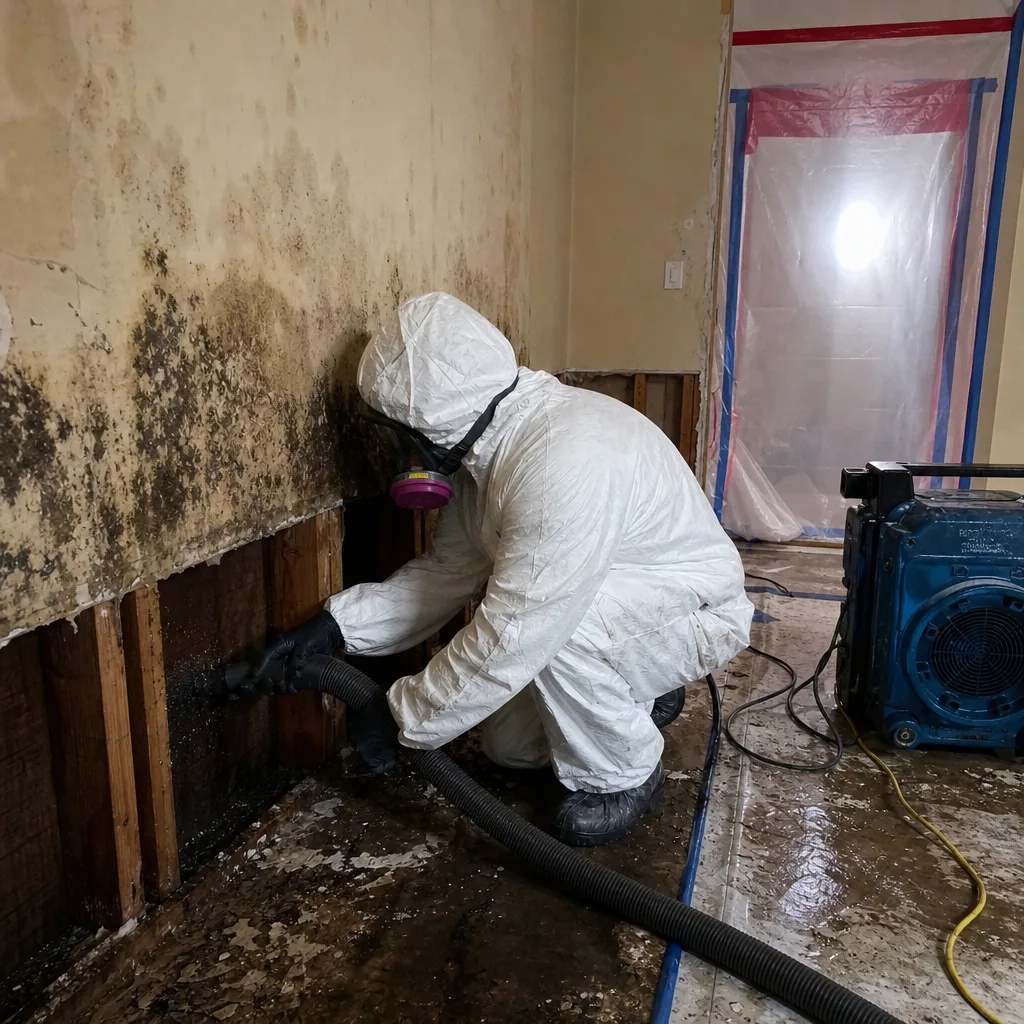
Black Mold Remediation
Stachybotrys chartarum - the black mold that triggers the most health concern - requires Category 3 water intrusion to establish: sewage backup, prolonged groundwater seepage, or storm-drain overflow. In Lakewood, we see this most often in rentals near JBLM where a Category 2 backup was extracted but the crawl space was never properly dried. The water table here doesn’t forgive shortcuts. Our black mold protocol includes full PPE, HEPA-contained removal, and third-party clearance testing before we sign off. We don’t declare a job finished until the moisture readings and the lab results both say so.
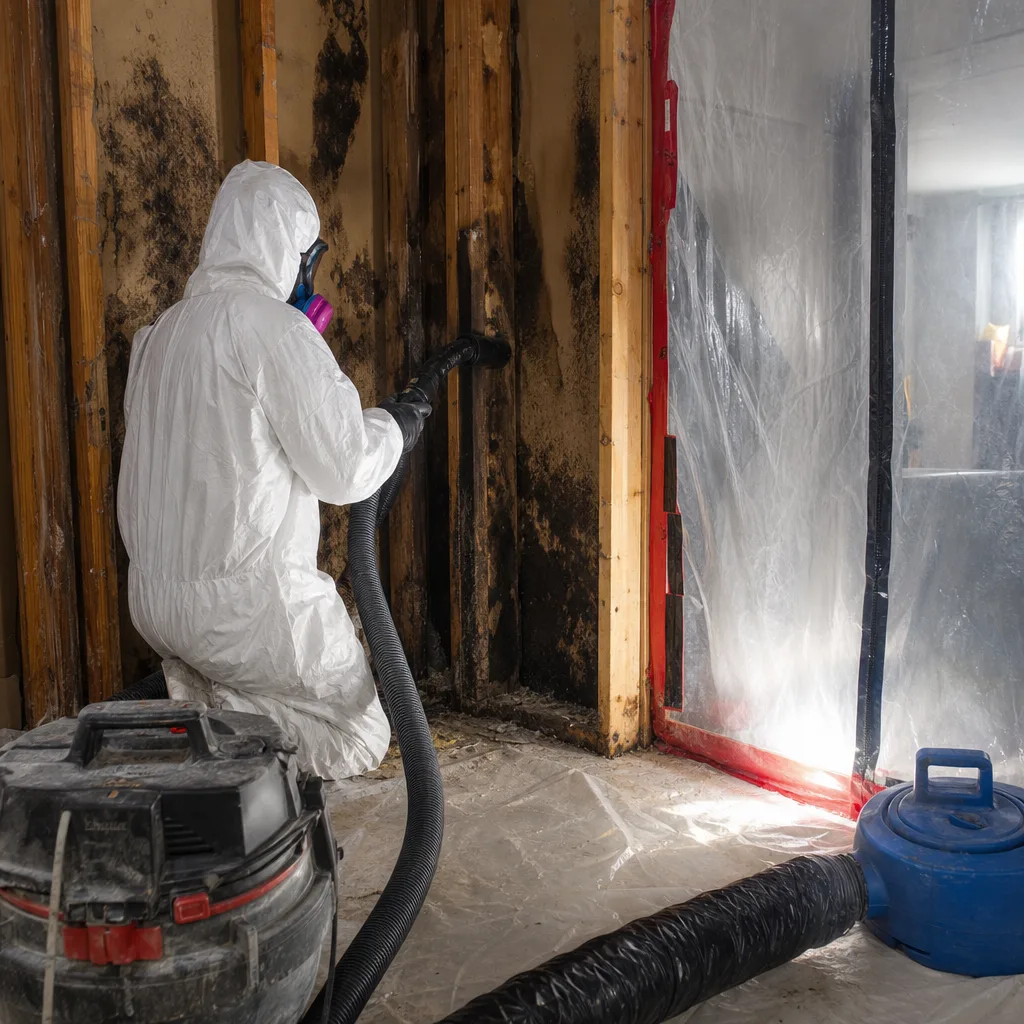
Air Quality Restoration
Air scrubbers with HEPA filtration and activated carbon can reduce airborne spore counts, but in Lakewood they’re rarely the complete answer. The root issue is usually moisture wicking through slab perimeters or rising from saturated soils in the outwash plain. We run air quality restoration in parallel with source control: dehumidification to 30-50% relative humidity, vapor barrier installation or replacement, and drainage correction where the water table demands it. Ozone and masking agents without moisture mapping? That’s not our protocol. The colony just climbs back up the joists.
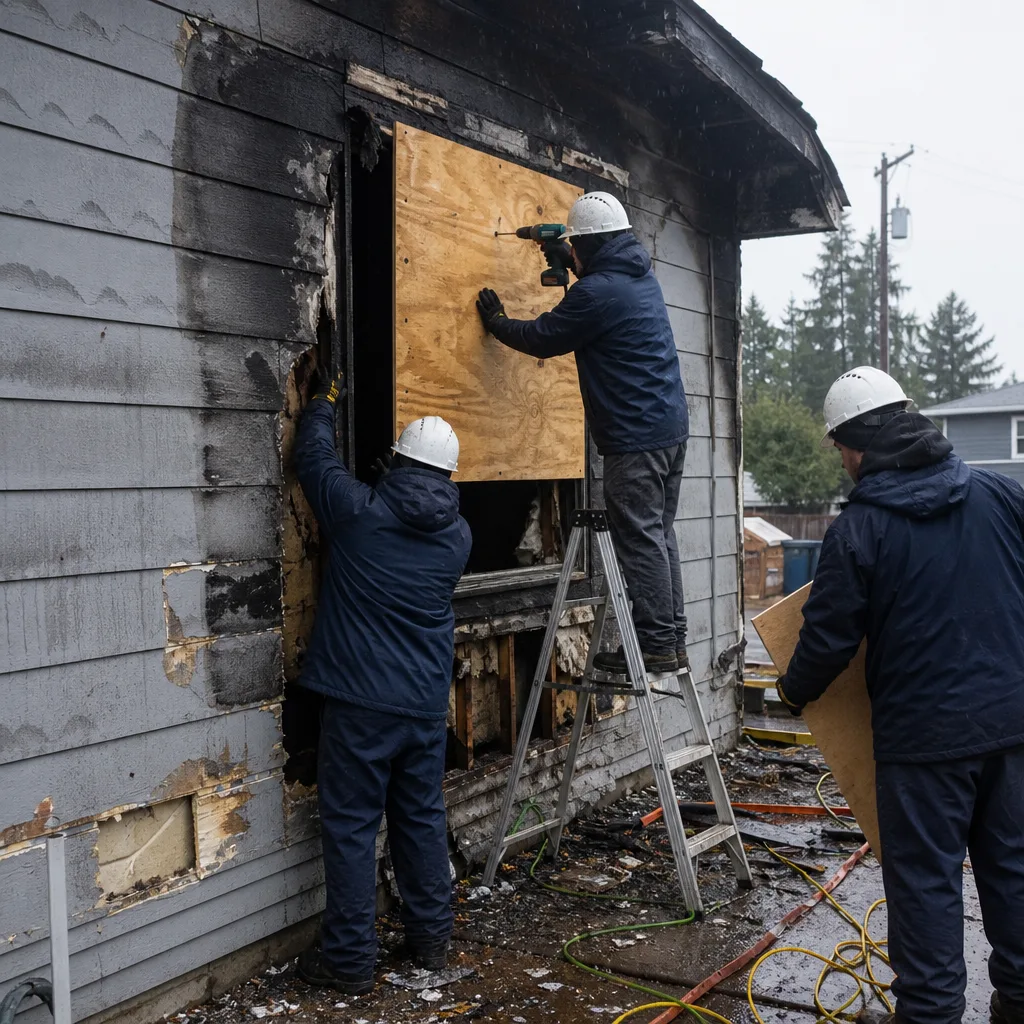
Crawl Space Treatment
This is where Lakewood’s geography hits hardest. The cluster of lakes - American Lake, Gravelly Lake, Lake Louise - sustains water tables that push ground moisture into crawl spaces even during dry stretches. Add collapsed or missing vapor barriers in 1950s-1970s construction, and you’ve got a humidity chamber feeding mold growth between subfloor and insulation. Our crawl space treatment includes moisture-source identification, structural drying with documented psychrometric data (temperature, relative humidity, and dew point tracked daily), antimicrobial application, and vapor barrier replacement with reinforced 12-mil liner and perimeter drainage where indicated. One trip, documented, done right.
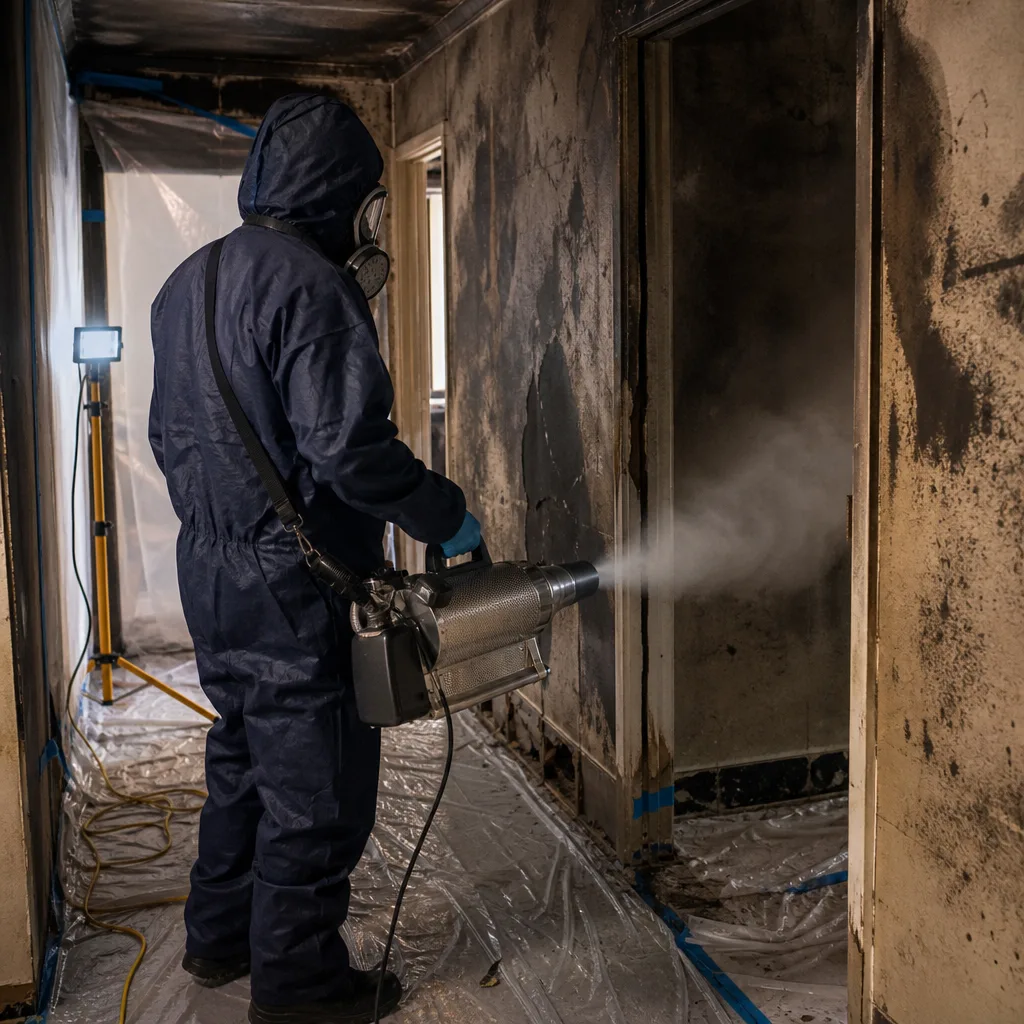
Moisture & Humidity Control
Controlling moisture in Lakewood means respecting the local hydrology. The flat terrain limits natural drainage. Soils stay saturated for weeks after prolonged fall and winter precipitation. Groundwater wicks upward through slab perimeters and crawl space floors even when the surface looks dry. We install permanent dehumidification where appropriate, seal slab penetrations, and recommend drainage improvements with written scope and pricing. Every recommendation ties back to a moisture reading we can show you, not a hunch we can’t.
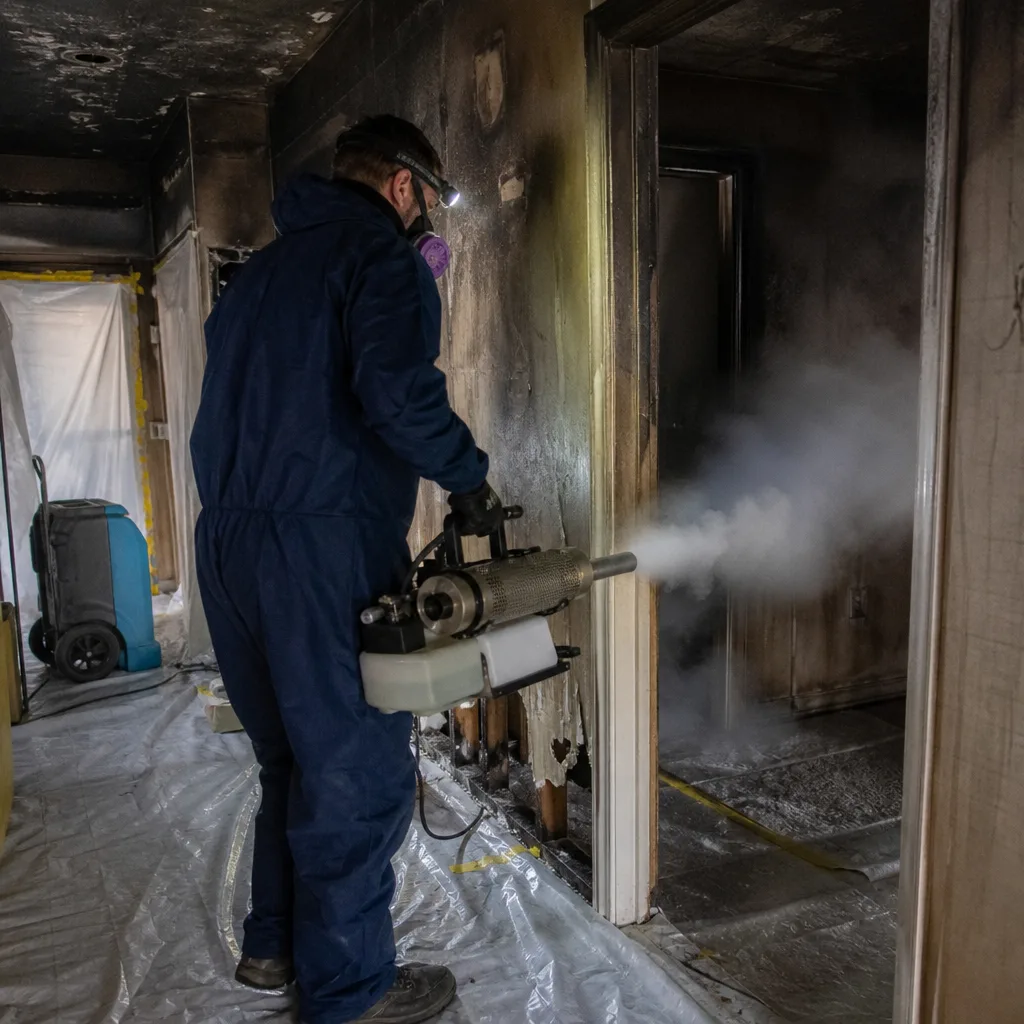
What happens when you call
- 1
A real person answersNo phone trees - you reach a local pro.
- 2
You get an upfront price rangeHonest numbers before anyone is dispatched.
- 3
A background-checked tech heads outLicensed & insured, dispatched right away.
- 4
You approve before work beginsNothing starts until you say go.
BeforeAfterTrusted Brands We Service in Lakewood
Our equipment inventory includes professional-grade drying systems from Dri-Eaz, Phoenix, and XPOWER - brands that produce the airflow and dehumidification capacity Lakewood’s saturated crawl spaces demand. We stock HEPA air scrubbers, moisture meters, thermal imaging cameras, and antimicrobial applicators locally, so we’re not waiting on delivery while your subfloor readings climb. For injection drying of wall cavities in Lakewood’s split-level homes, we deploy Injectidry systems that force dry air through enclosed spaces without demolition. The right equipment in the truck on the first visit is how we keep most Lakewood jobs to a single trip.
Common Mold Remediation Problems We See in Lakewood Homes
- Remote military landlords approve extraction but skip crawl space drying after storm-drain backup. Category 2 or 3 water sits in the subfloor, feeding mold for months between PCS turnovers. By the time the next tenant reports the musty odor, the colony has spread beyond the original water line.
- Contractors dry to “visible dry” and call it done. Lakewood’s elevated water table keeps pumping vapor through original 1950s slab perimeters and missing vapor barriers. Without moisture mapping to document true dryness, the mold returns within weeks.
- Crews treat musty odor as an air-quality problem only. Ozone machines and air scrubbers run without ever entering the crawl space. The moisture source remains, and the colony keeps climbing joists until structural damage or the next tenant’s complaint forces real remediation.
- Quick turnover rentals near JBLM never get pre-move-in moisture assessment. A family PCS’s in, smells mildew, and assumes it’s normal for the area. Six months later, they’re calling with respiratory symptoms and a mold problem that started two tenants ago.
Pricing for Mold Remediation in Lakewood, WA
| Service | Typical Range in Lakewood |
|---|---|
| Mold inspection & moisture mapping | $350-$650 |
| Crawl space mold remediation (up to 1,000 sq ft) | $1,800-$4,500 |
| Whole-home mold remediation | $2,400-$6,200 |
| Black mold / Category 3 protocol | $3,500-$8,500 |
| Vapor barrier replacement (12-mil reinforced) | $800-$2,200 |
| Air quality restoration with HEPA scrubbing | $450-$1,100 |
What moves a Lakewood job toward the higher end: collapsed vapor barriers requiring full removal, extensive subfloor contamination in 1950s ranch crawl spaces, Category 3 water requiring PPE and third-party clearance, and out-of-state landlord coordination adding documentation requirements. What keeps costs controlled: early detection before the colony spreads, intact vapor barriers that need only spot repair, and single-area containment versus whole-home protocol. Every estimate is written, line-itemed, and delivered before work starts. Haven Standard, Clause 1. Free Second Opinion on any competitor’s written estimate.
We Also Serve Cities Near Lakewood
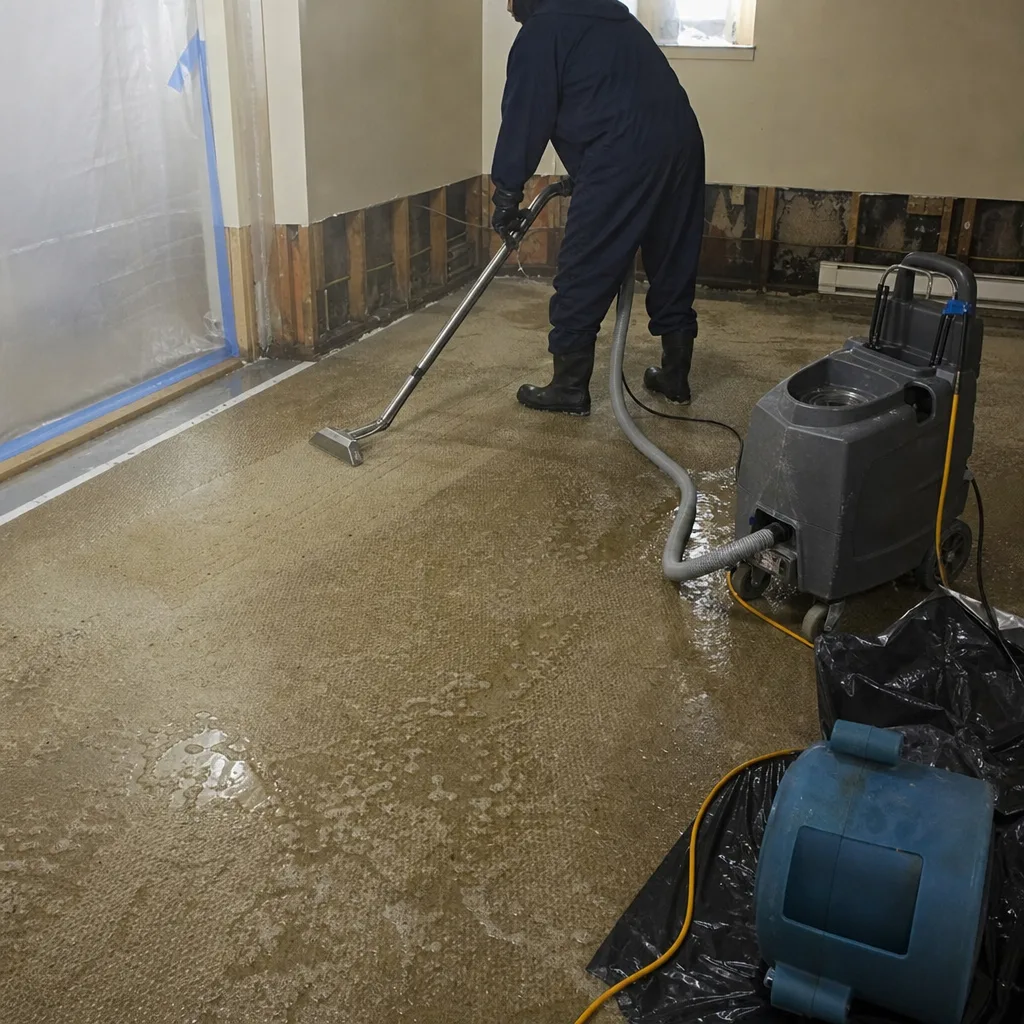
Our crews respond throughout the South Puget Sound corridor. We provide Mold Remediation in Lakewood and surrounding communities including Tacoma, Puyallup, Milton, and Lacey. Each market has its own moisture patterns: Tacoma’s hillier drainage, Puyallup’s valley soils, Lacey’s lake proximity. We adjust our drying protocols and documentation to match.
Serving Lakewood, WA - Our Local Coverage Area
We’re based in the Lakewood area and know this community well. Use the map below to see our service coverage - if you’re nearby, we can almost certainly help.
FAQs - Mold Remediation in Lakewood
The water table around American Lake, Gravelly Lake, and Lake Louise stays elevated year-round, and groundwater wicks through slab perimeters and crawl space floors even during dry weather. If the previous contractor dried to visible-dry without moisture mapping, or replaced a vapor barrier with inadequate mil thickness, or ignored drainage entirely, the moisture source never stopped feeding new growth. We document vapor pressure differential and subfloor moisture content before declaring any Lakewood crawl space job complete. Call (253) 265-9692 for a written assessment.
Mold colonization begins 24-72 hours after water intrusion on organic materials at 60% relative humidity or higher. In Lakewood’s post-WWII ranch stock with minimal insulation and frequent vapor barrier gaps, that threshold is easy to hit. The JBLM PCS cycle means a leak in a transitioning rental can go unreported for 30-90 days. By the time the next tenant arrives and smells mustiness, the colony is established and often climbing subfloor joists. We recommend moisture mapping within 48 hours of any reported leak. Call (253) 265-9692 for emergency inspection.
These homes were built rapidly in the 1950s-1970s with shallow crawl spaces, minimal or absent vapor barriers, and aging galvanized plumbing that fails catastrophically under South Puget Sound’s mineral-loaded water. Access is tight. Subfloors are often oriented strand board, which wicks moisture faster than dimensional lumber. Remediation requires equipment sized for confined spaces and technicians experienced with the construction methods of that era. We carry the right tools and document every reading. Call (253) 265-9692 for a scope written to your specific property.
Yes. We regularly coordinate directly with landlords managing from out of state after their own PCS move. Our documentation package - photo record, daily moisture logs, written scope, and drying completion report - is designed for remote review and insurance submission. We can conference-call during inspection, email the written estimate for approval, and deliver the same file to your insurer that you receive. Haven Standard documentation turns restoration invoices into payable claims without the back-and-forth that delays remote-managed properties. Call (253) 265-9692 to set up remote coordination.
Category 1 is clean water - supply line break, rainwater - that can become Category 2 or 3 if left standing. Category 2 is gray water with chemical or biological contamination - dishwasher discharge, washing machine overflow - that requires antimicrobial treatment and faster drying. Category 3 is black water - sewage, groundwater intrusion, storm-drain backup - that demands full PPE, removal of porous materials, and third-party clearance testing. In Lakewood, we see Category 2 and 3 most often in crawl spaces after storm-drain backup or failed galvanized plumbing. The category determines our protocol, your insurance coverage, and whether clearance testing is required. Call (253) 265-9692 for category assessment and written scope.
Ready to stop the cycle? Call (253) 265-9692 for a free, written estimate on mold remediation in Lakewood. We’ll moisture-map your crawl space, document every reading, and deliver a line-item scope before any work begins. Haven Standard, Clause 1. 365-Day Done Right Promise. Free Second Opinion on any competitor’s written estimate.
Written by Alicia Brennan, Owner at Back to Dry Restoration, serving Lakewood since 2011.