
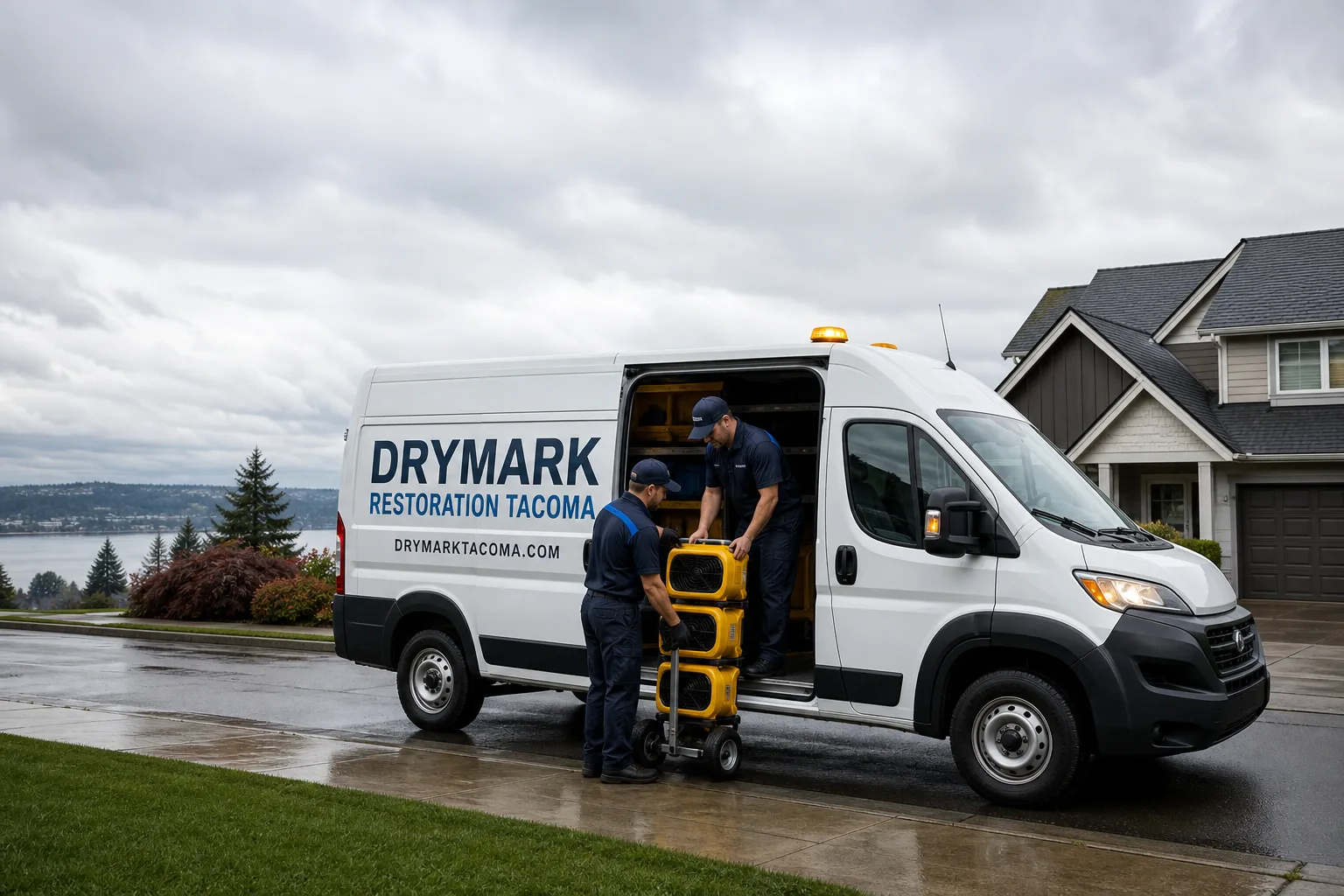
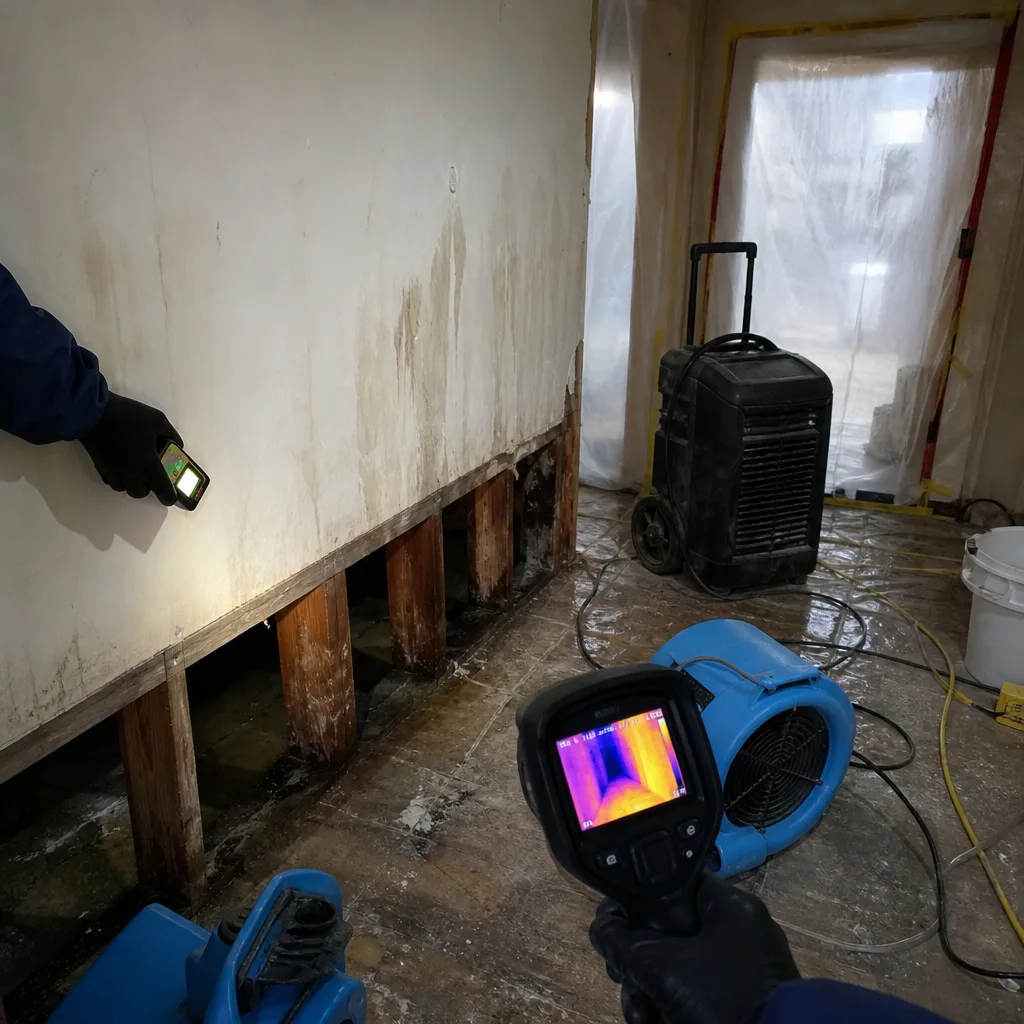
Free visual inspection and a written scope of work before any mitigation begins - photos, moisture readings, and drying logs go in your claim file
The scope we write is the scope we bill. Anything new gets shown to you, in writing, before we touch it.
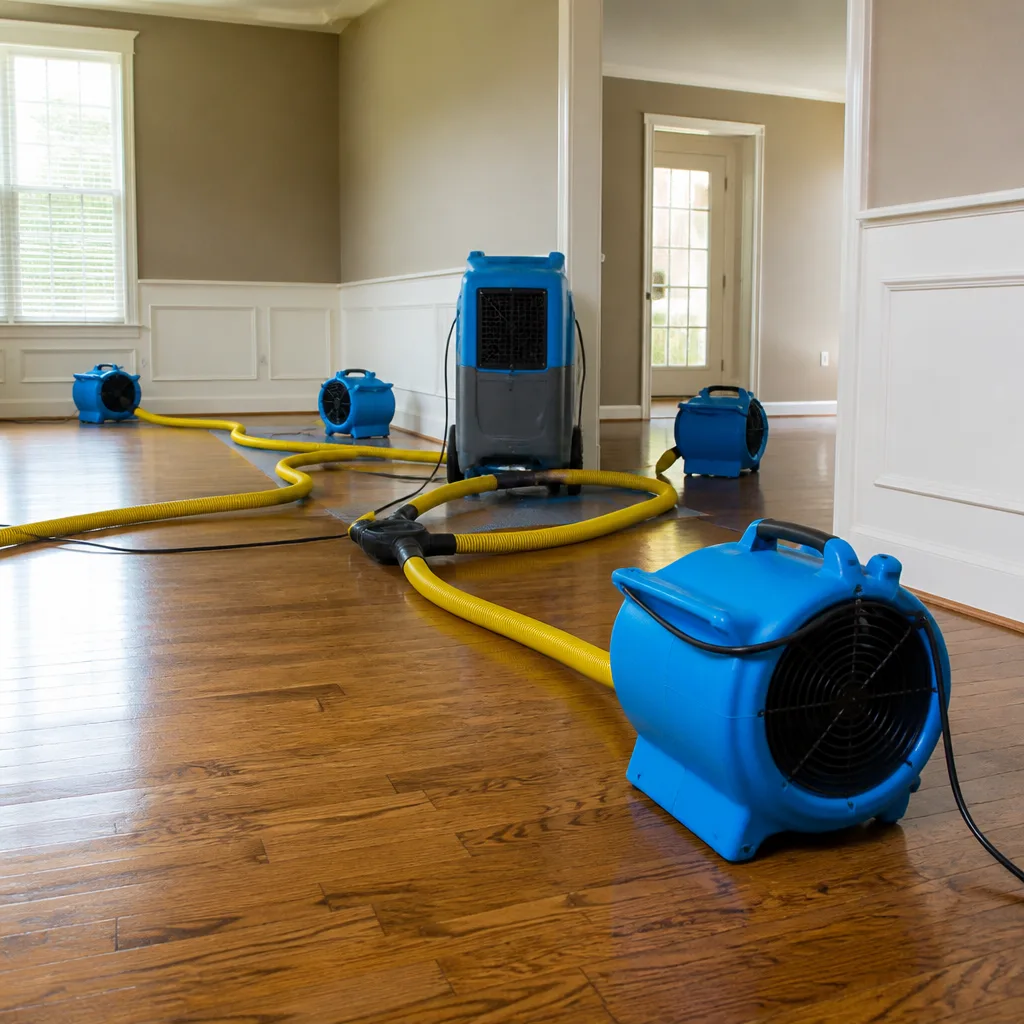
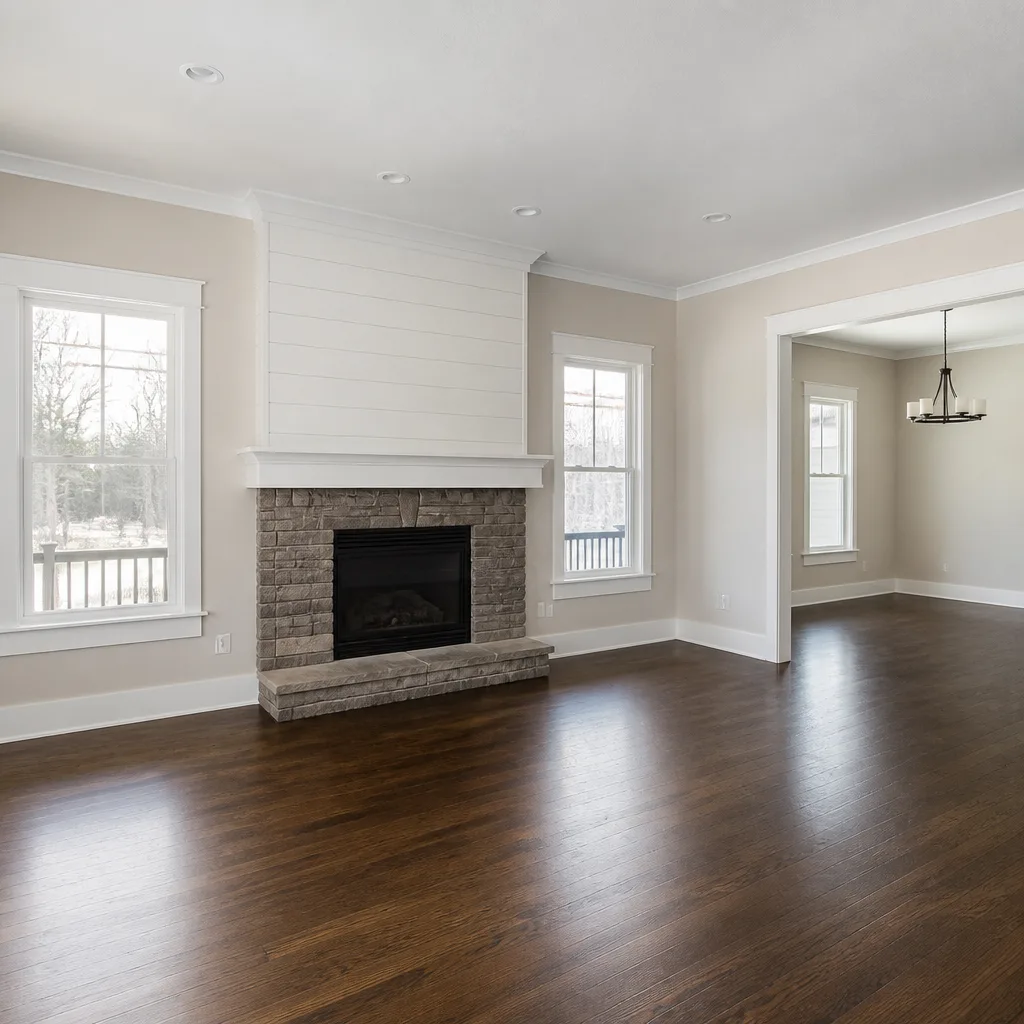
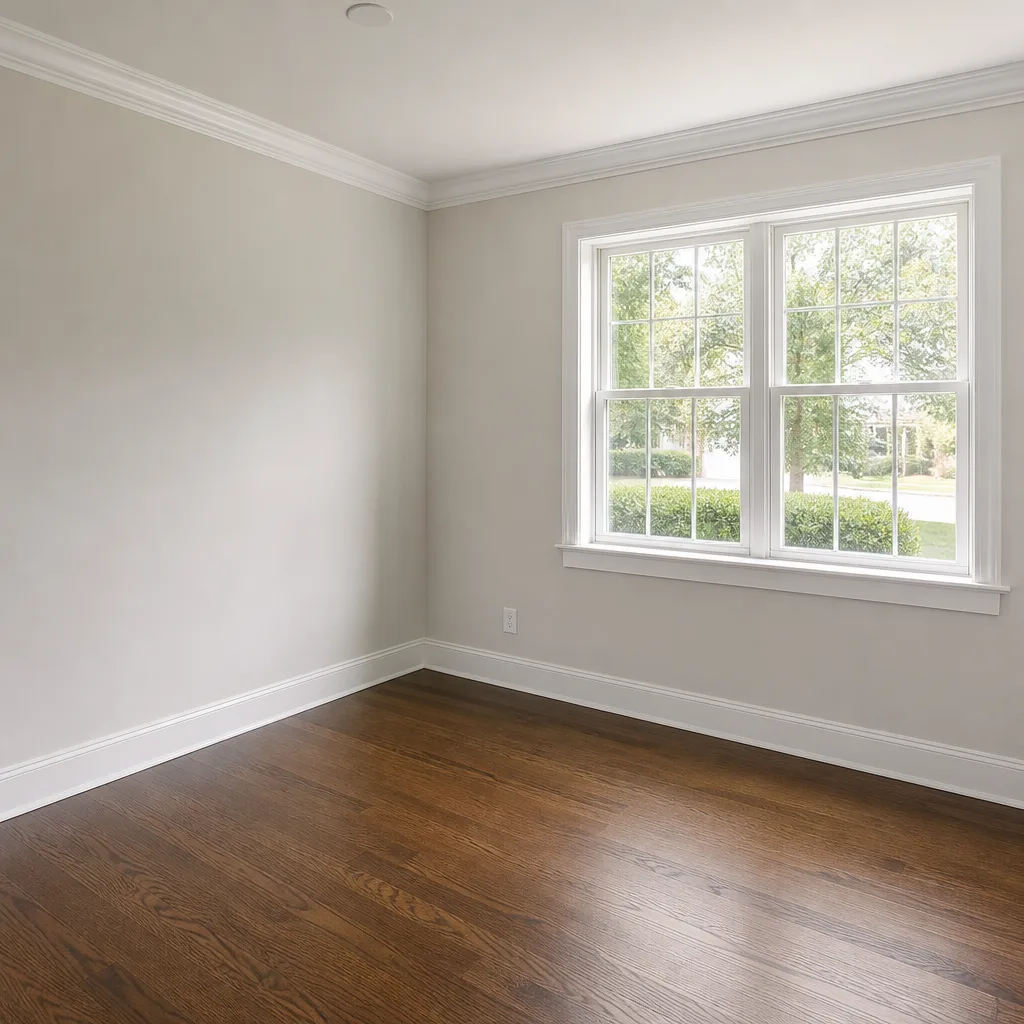
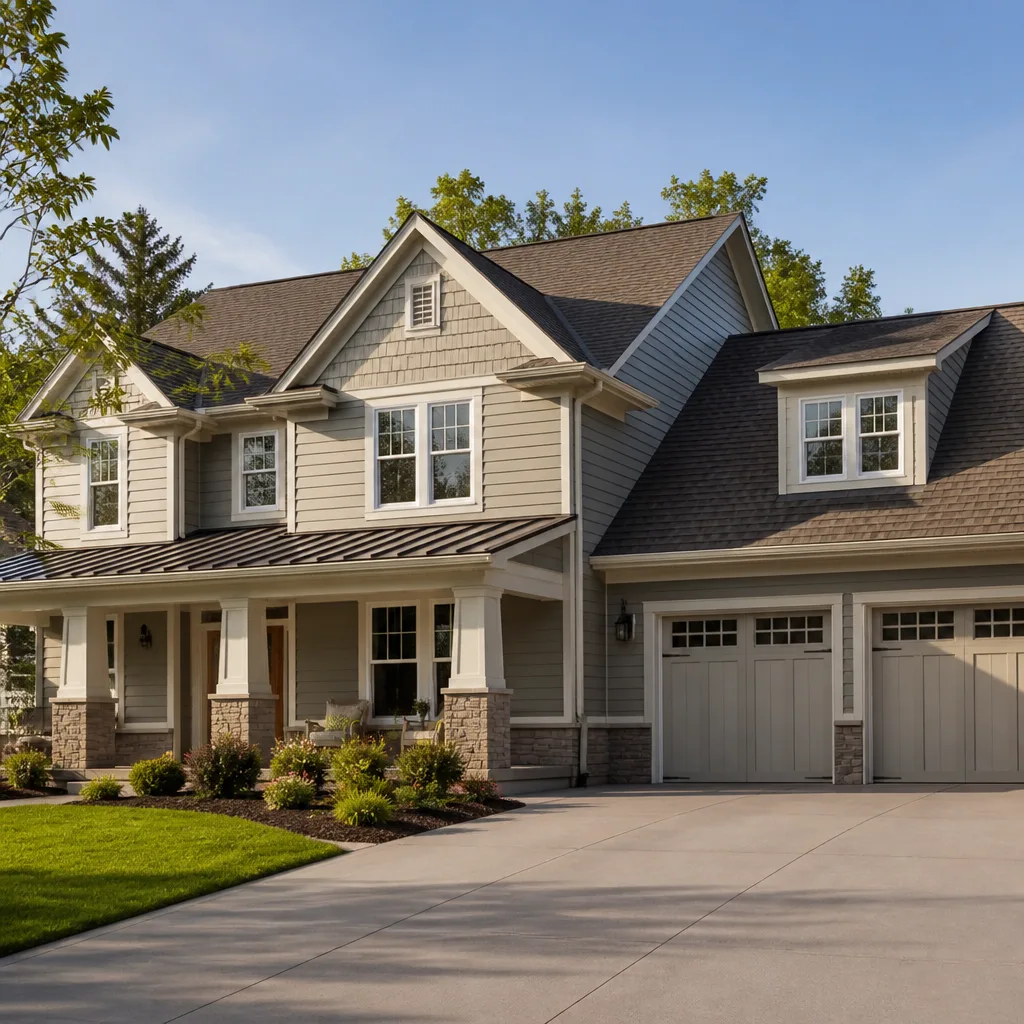
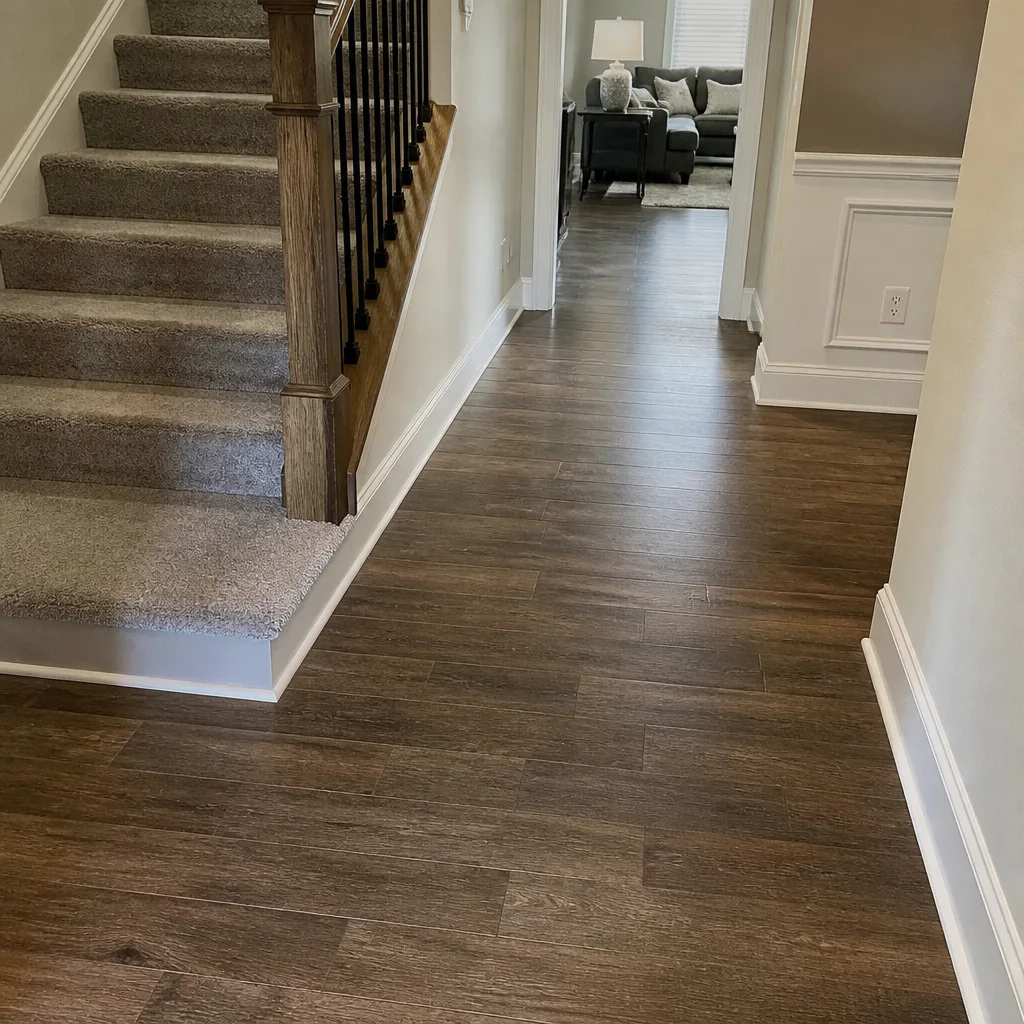
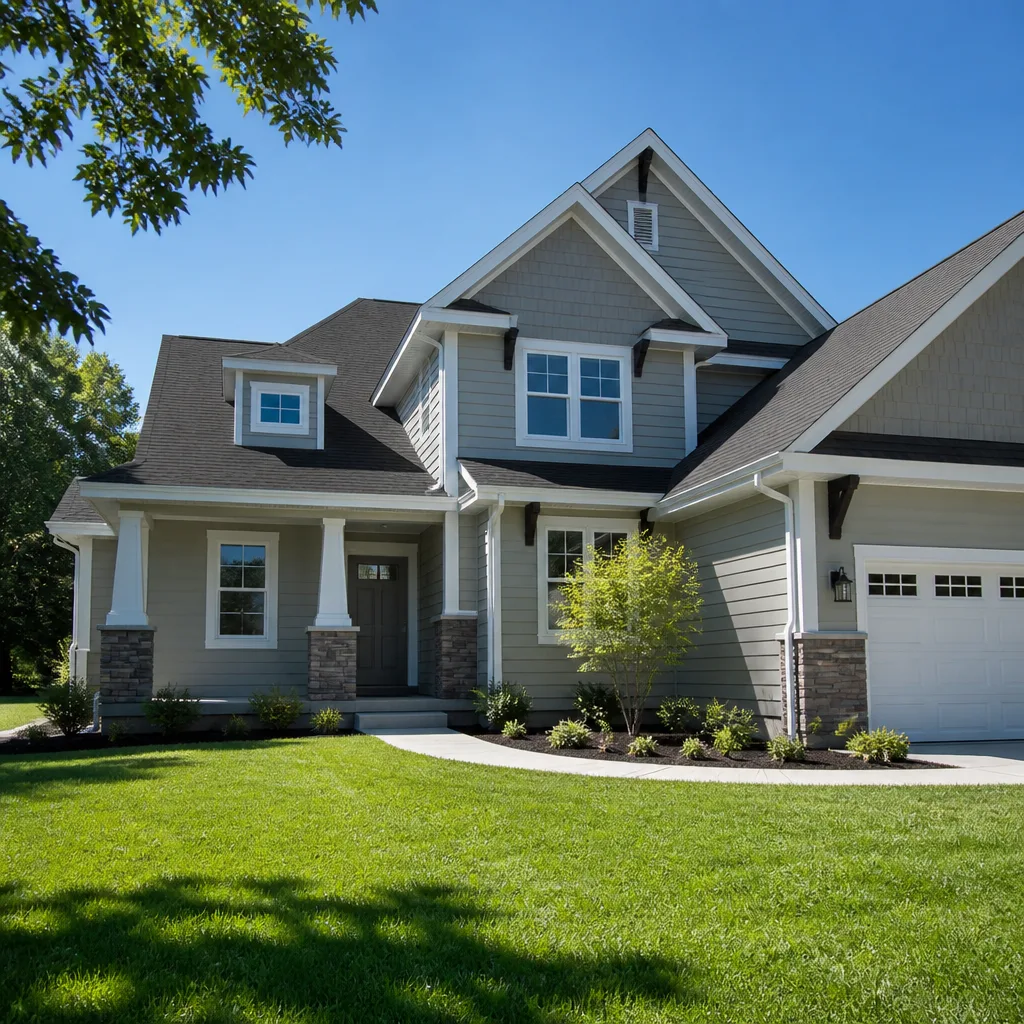
 Before
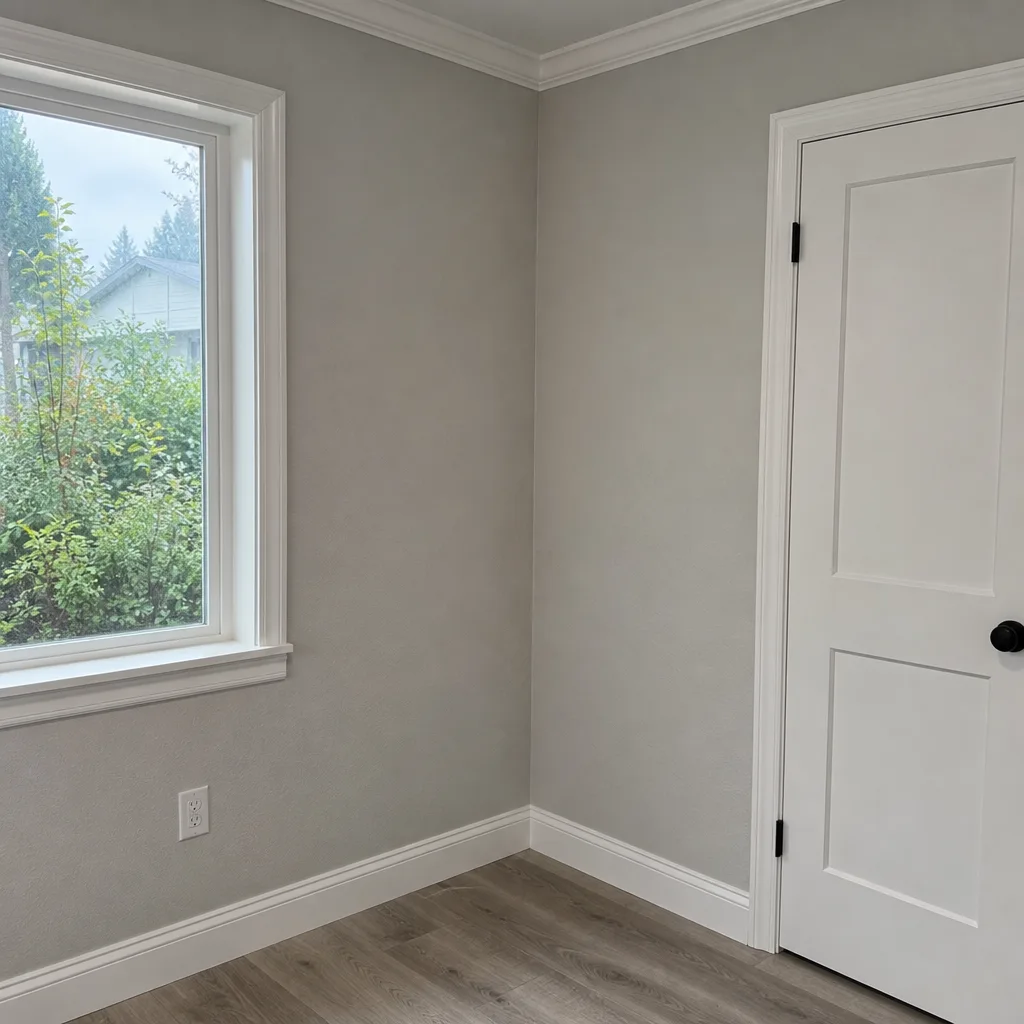 After
After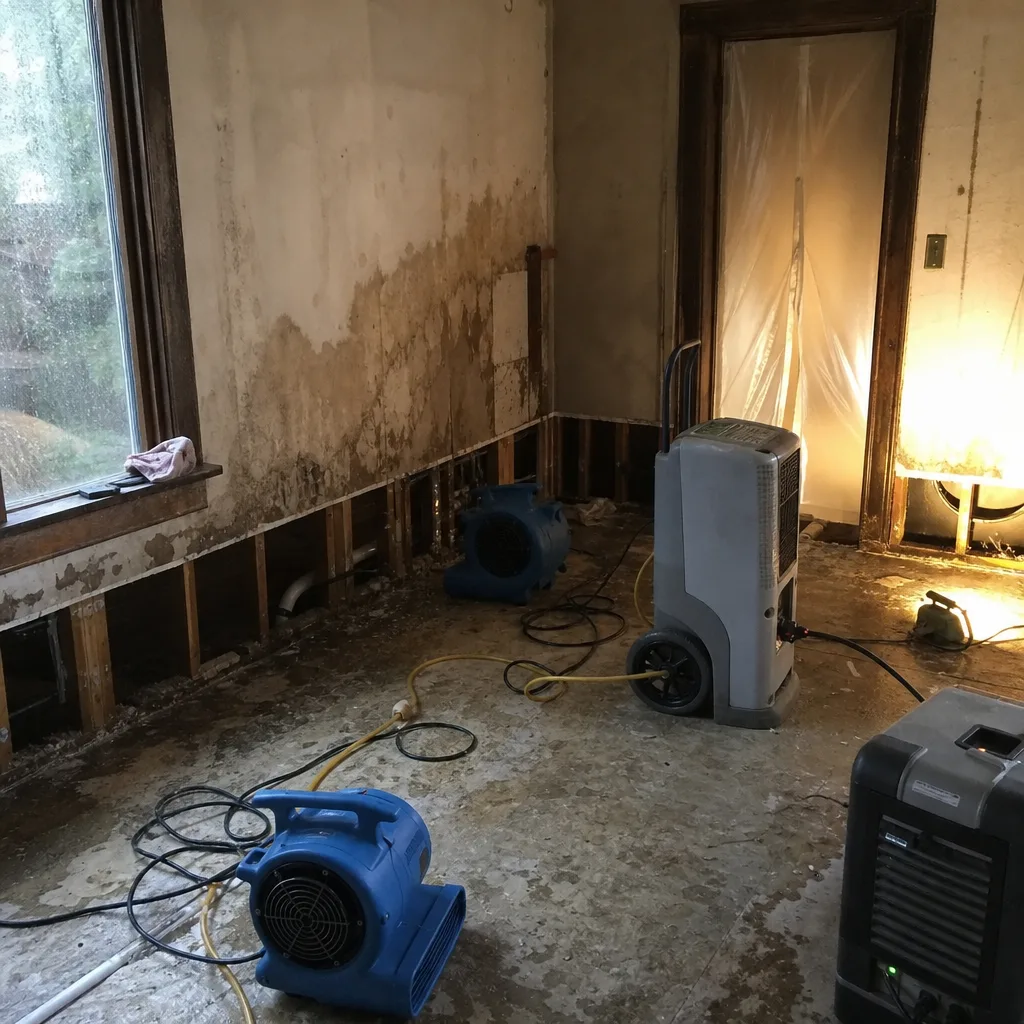 Before
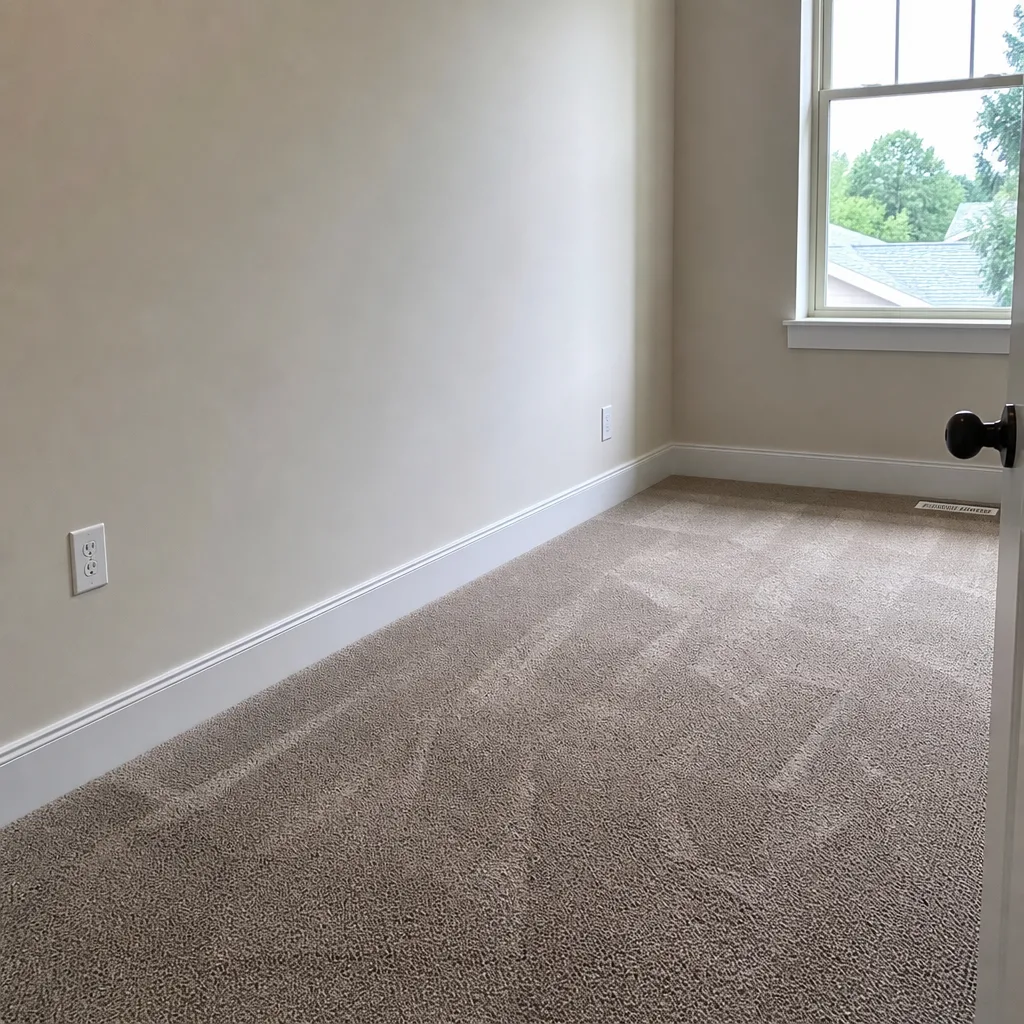 After
After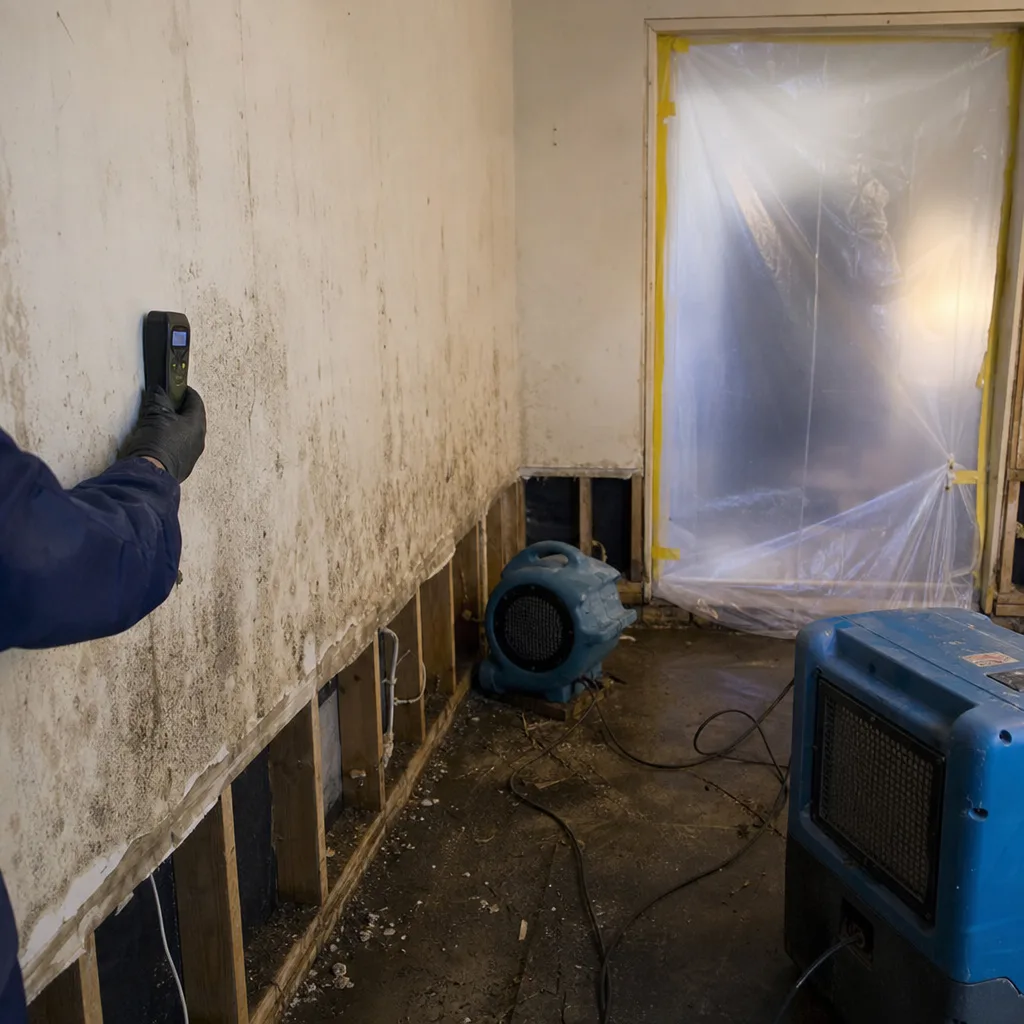 Before
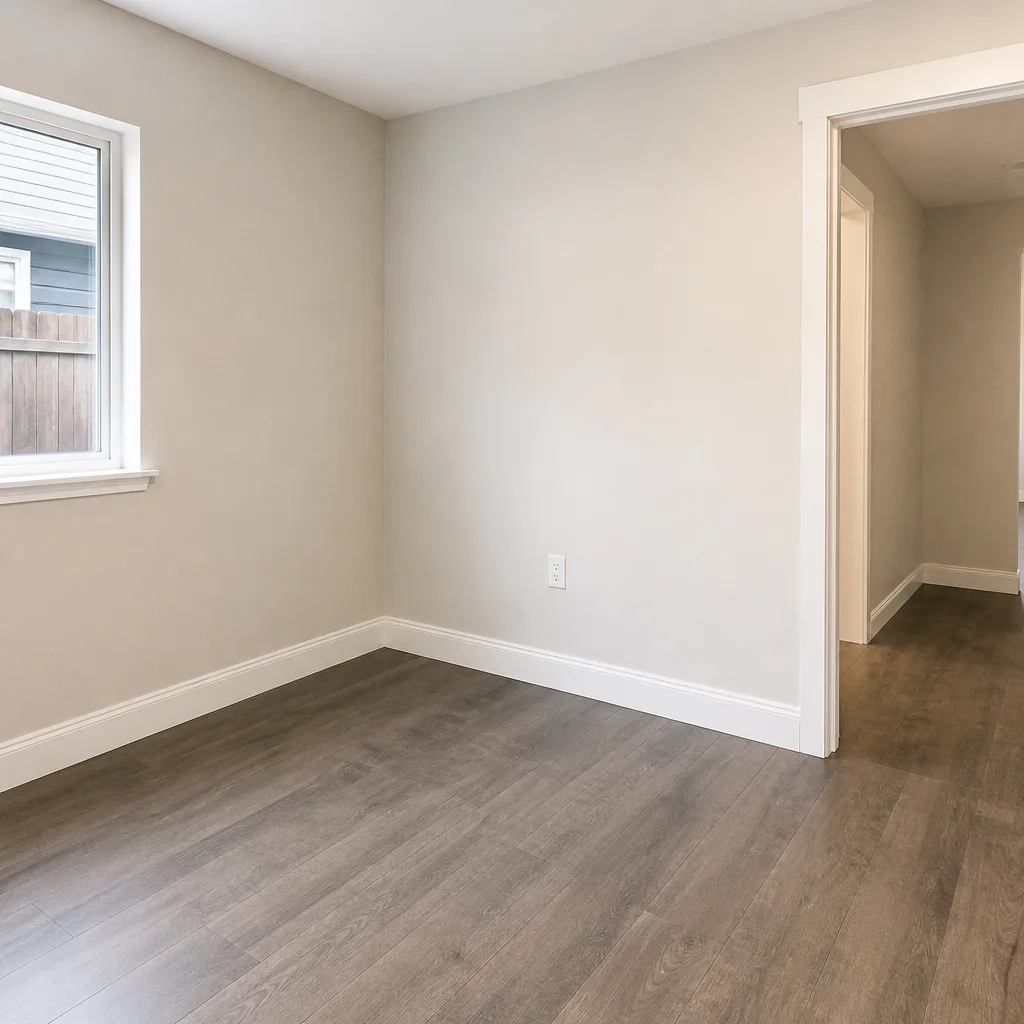 After
AfterFast, Reliable Mold Remediation Across Kent
Mold remediation in Kent typically costs between $1,800 and $6,500 depending on the affected square footage, with crawl space treatments starting around $2,400 and whole-home air quality restoration reaching the upper end for larger properties. Most Kent homeowners receive a written scope and price before any containment goes up, usually within 24 hours of the initial inspection call. Our Mold Remediation in Kent crews dispatch from our Seattle office and carry the documentation tools, moisture meters, and HEPA containment systems needed for valley-floor floodplain jobs and East Hill crawl spaces alike. Call (253) 265-9692 to schedule an inspection or request a free second opinion on any competitor’s written estimate.
Why DryMark Restoration Tacoma Is Kent’s Preferred Mold Remediation Company
We’ve restored more than 12,000 homes since 2011, and a significant share of those jobs have been Kent Water Damage Restoration work in King County’s southern corridor. Kent’s unique position, split between the Green River Valley floodplain and the rising East Hill bench, means mold remediation here isn’t a template operation. The same moisture event produces entirely different restoration paths depending on whether your address sits on clay-heavy valley soil or the better-draining slopes above.
Our reviews from Kent customers consistently mention two things: the photo-documented assessment they received before any work started, and the written price that didn’t change once the crew was inside. Haven Standard, Clause 1. Alicia Brennan built this company around the documentation gap that costs homeowners their insurance claims, and that foundation shows in how we handle Kent’s permitting complexities.
Live phone coverage runs 24 hours a day, 7 days a week. No voicemail trees. When a crawl space flooding event hits during an atmospheric river, you reach a person who can dispatch a moisture-mapping technician to Kent within hours, not the next business day.
Our Mold Remediation Services in Kent
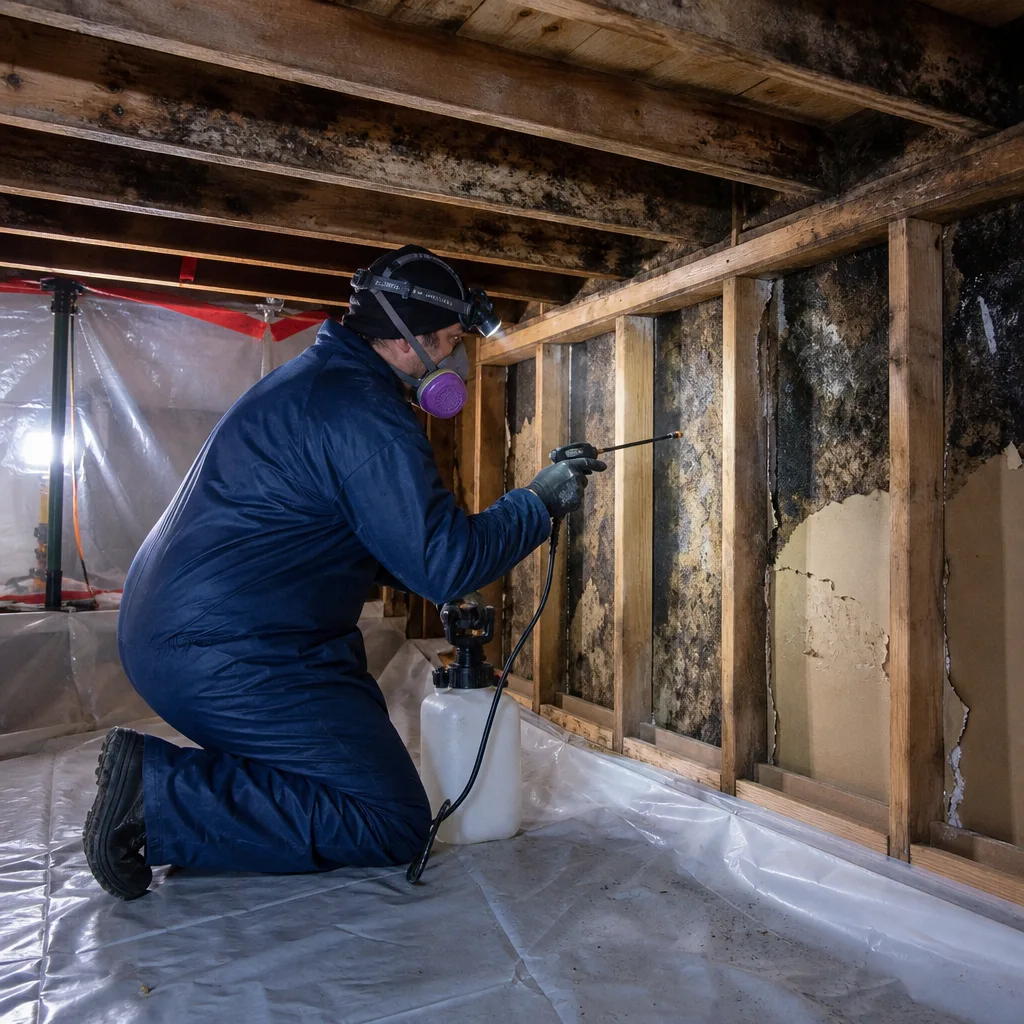
Mold Inspection & Testing
Every Kent inspection starts with moisture mapping, not guesswork. We document wood moisture equivalent (WME) readings on every structural member, identify the water source, and photograph the damage before any containment is erected. In Kent’s 1940s-1960s downtown bungalows, we regularly find hidden mold behind original plaster or beneath vintage linoleum that newer inspectors miss because they don’t test the substrate. East Hill split-levels from the 1970s-1990s present a different pattern: chronic crawl space humidity that has been feeding colony growth for months before any visible sign appears in the living space above.
Our inspection reports include psychrometric data, vapor pressure differential readings, and a written scope with line-item pricing. You get the report, the photos, and the price before we start.
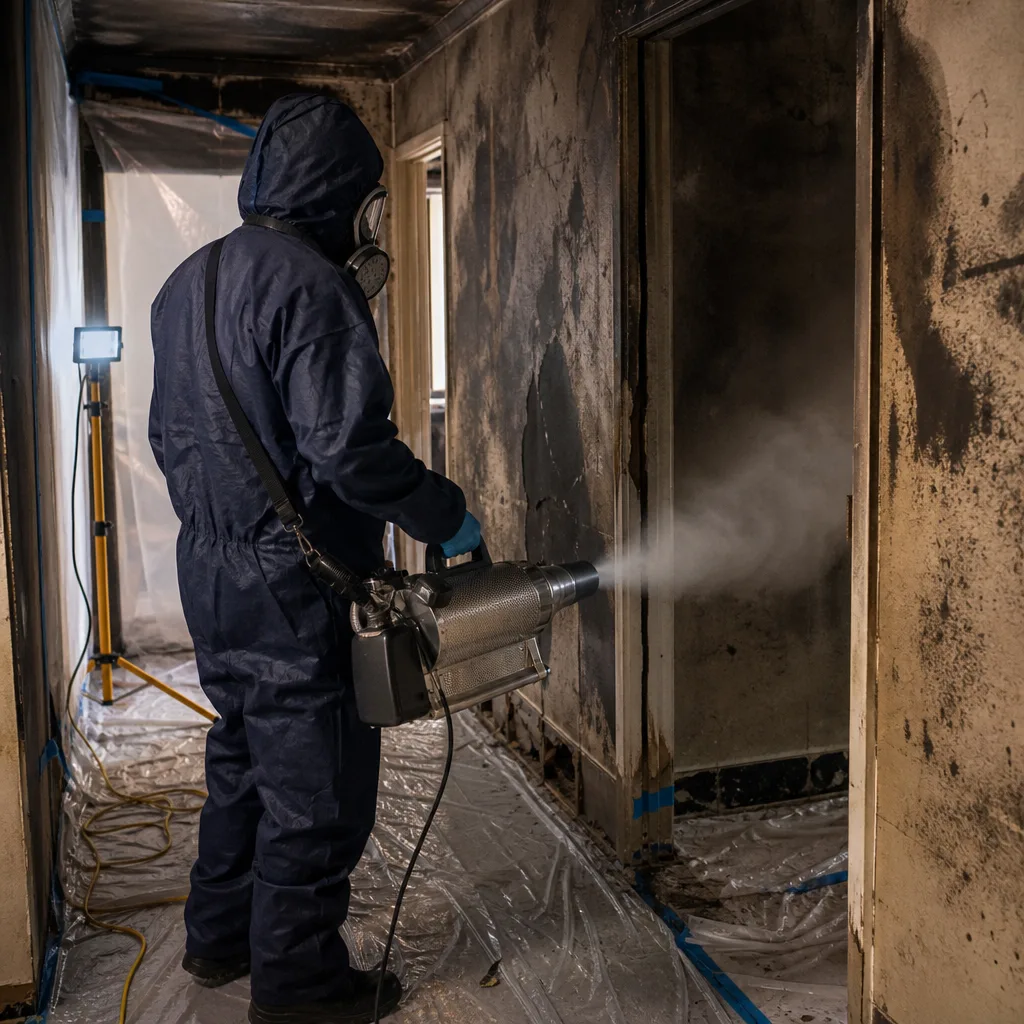
Mold Removal
Removal protocols vary significantly across Kent’s neighborhoods. Downtown bungalows with original post-war construction often contain asbestos-containing materials (ACMs) in vintage flooring or joint compound, requiring abatement coordination before mold removal can proceed. East Hill’s newer framing may skip the ACM issue but presents tighter crawl spaces where HEPA-contained negative air pressure is essential to prevent cross-contamination into the living space.
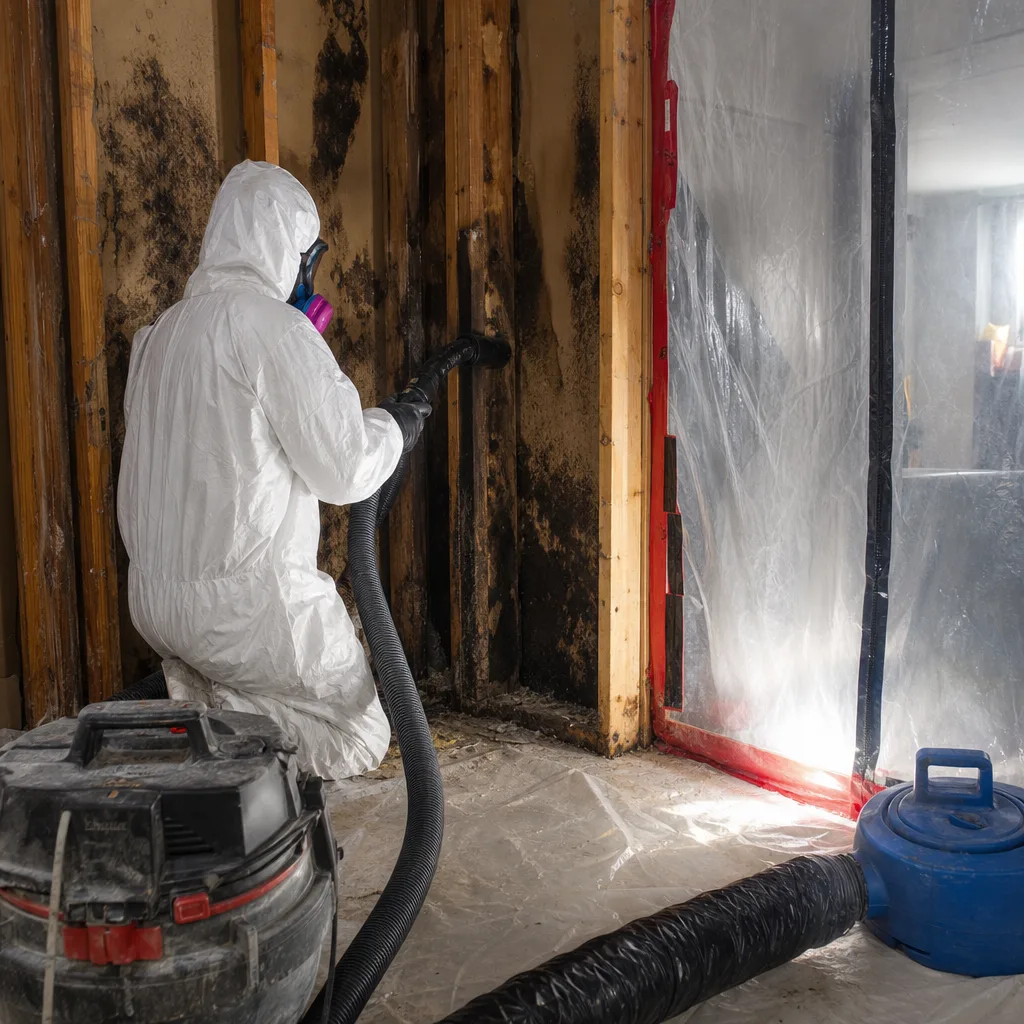
We establish 6-mil poly containment, run HEPA air scrubbers at negative pressure, and remove contaminated materials per IICRC S520 standards. Every bagged load is documented. Every disposal receipt is copied to your file.
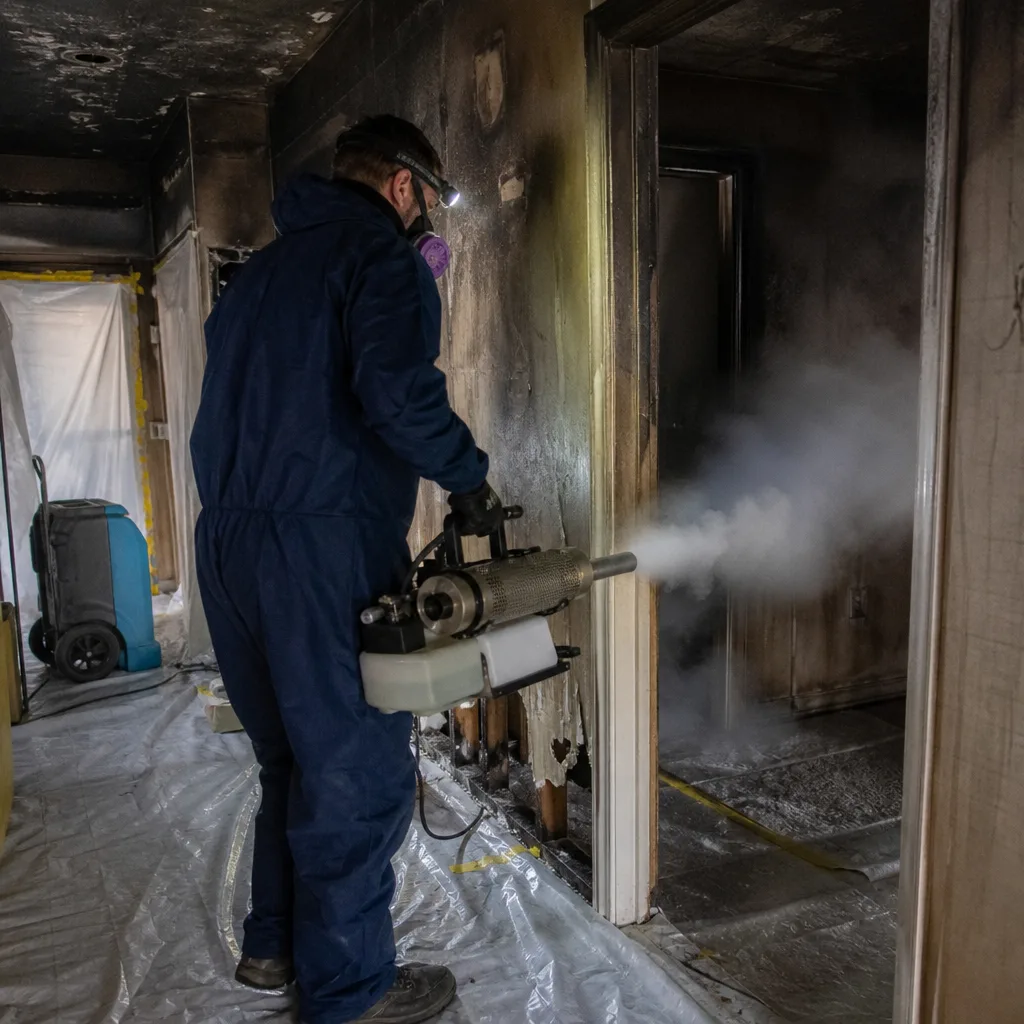
Black Mold Remediation
Stachybotrys chartarum and other toxigenic species require the same containment rigor as any mold job, with additional attention to spore suppression during disturbance. In Kent’s valley-floor warehouse district, we’ve treated black mold in aging light-industrial buildings where roof leaks and slab moisture have combined to produce heavy colonization on drywall and ceiling tile. These jobs demand coordination with building management and, for properties in the floodplain, advance notice to King County administrators if reconstruction will involve replacing flood-damaged materials.
Our antimicrobial treatments are applied after mechanical removal, not as a substitute for it. Surface spraying alone doesn’t solve a moisture problem.
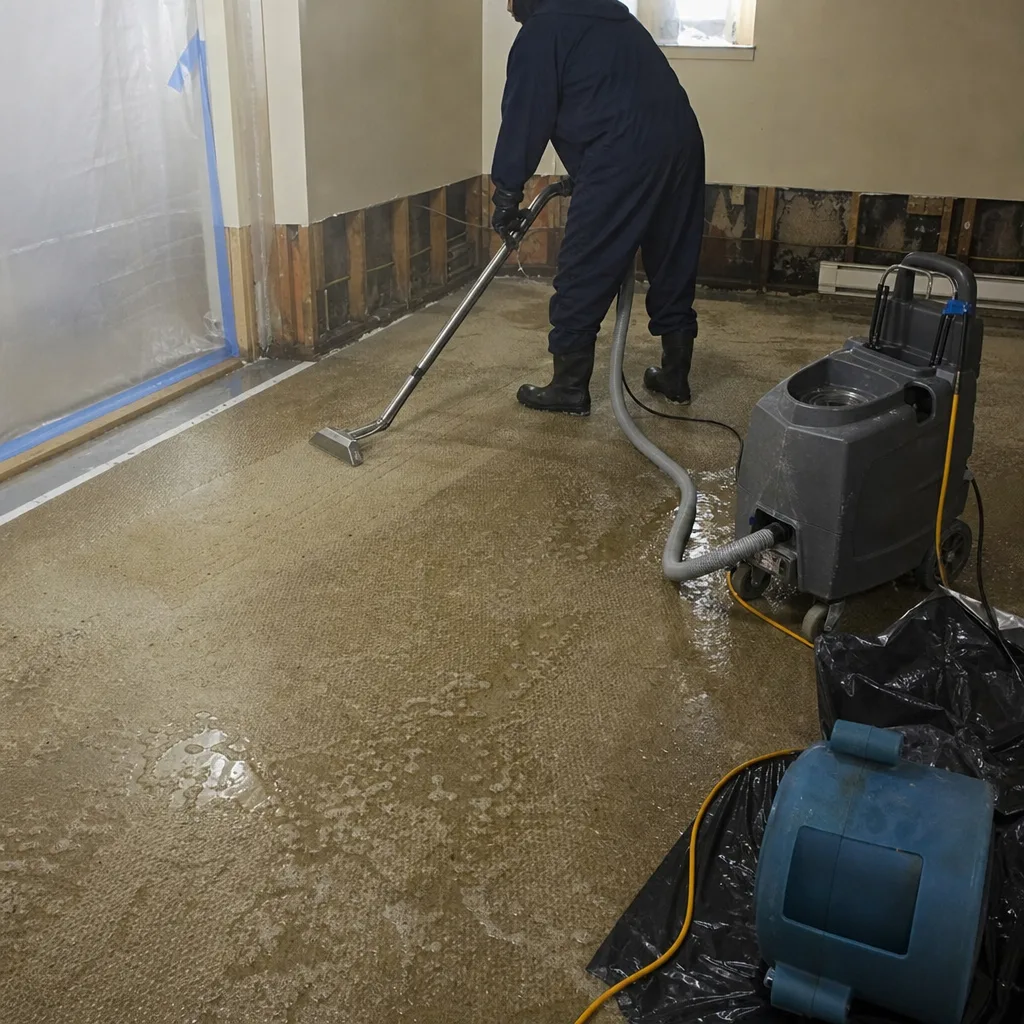
Air Quality Restoration
Post-remediation air quality testing verifies that spore counts have returned to normal fungal ecology levels before containment comes down. In Kent’s tight Pacific Northwest construction, where homes are sealed against winter rain for months at a time, this verification step is non-negotiable. We collect air samples from the affected zone and from an outdoor control, then compare total spore counts and genera identification. The lab report goes into your documentation packet alongside the drying logs and photo record.
Our Mold Remediation team uses Phoenix HEPA air scrubbers and XPOWER axial fans to achieve the air exchange rates needed for effective clearance testing.
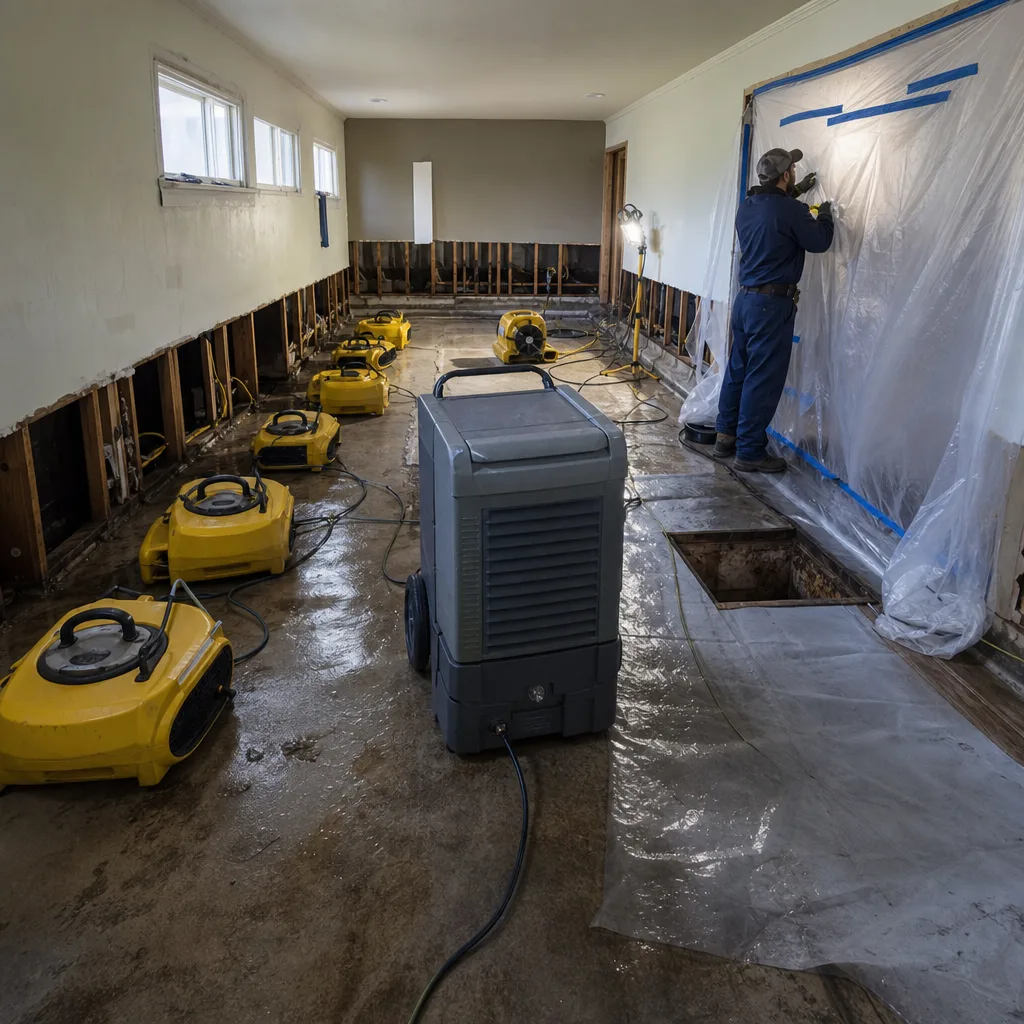
Crawl Space Treatment
This is where Kent’s geography hits hardest. The clay-heavy soils of the Green River Valley trap groundwater against foundations long after rainfall stops. We’ve treated crawl spaces in downtown Kent where the soil moisture reading at the perimeter was higher in August than in February, because summer irrigation and clay capillary action keep the foundation wet year-round. Effective crawl space treatment means addressing the groundwater path, not just the mold it feeds. We install vapor barriers, seal foundation vents where appropriate, and specify drainage improvements that keep the space dry after we leave.
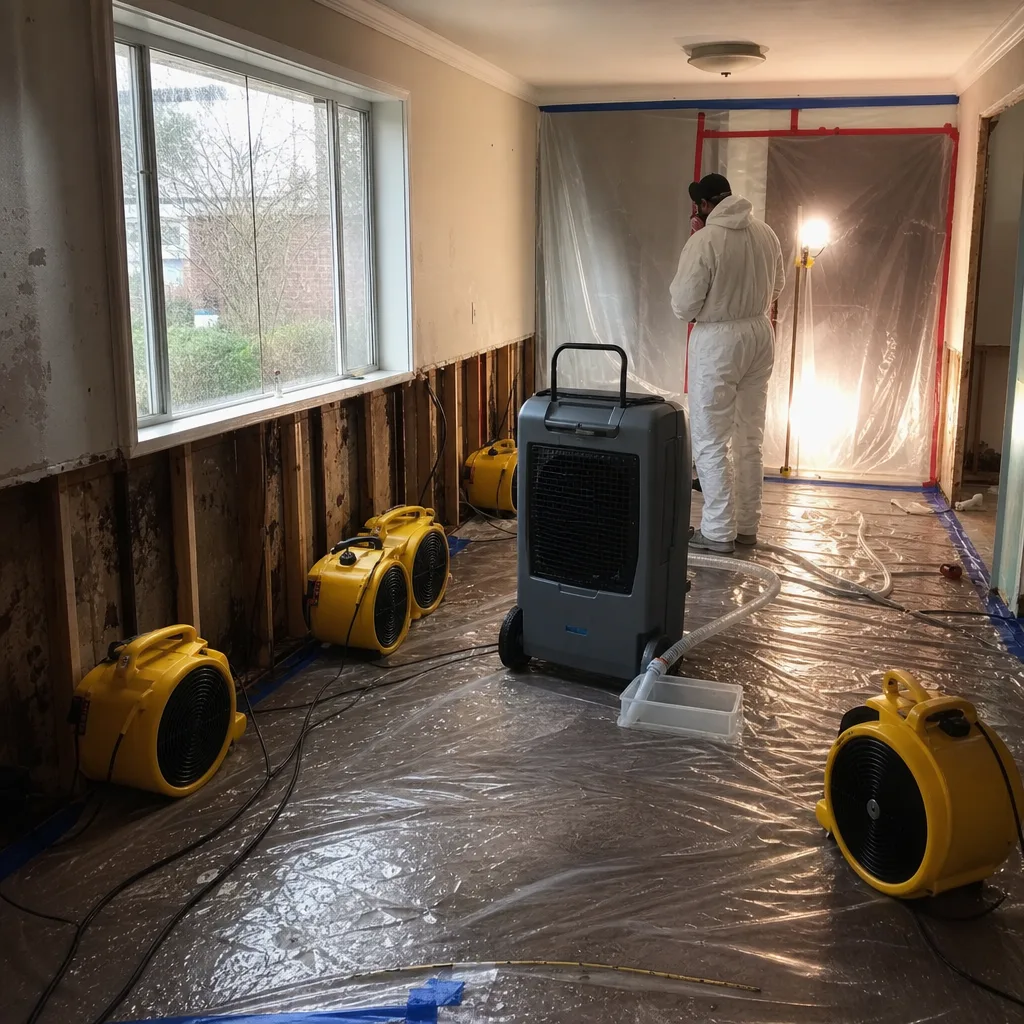
Moisture & Humidity Control
Controlling moisture in Kent requires different strategies for valley floor versus East Hill. Valley-floor homes often need active sub-slab depressurization or perimeter drainage to combat hydrostatic pressure from saturated clay. East Hill properties may need crawl space encapsulation with conditioned air supply to counter the chronic Pacific Northwest humidity that enters through vented crawl spaces. We specify the solution that matches your foundation type, your soil conditions, and your home’s position relative to the floodplain.
What happens when you call
- 1
A real person answersNo phone trees - you reach a local pro.
- 2
You get an upfront price rangeHonest numbers before anyone is dispatched.
- 3
A background-checked tech heads outLicensed & insured, dispatched right away.
- 4
You approve before work beginsNothing starts until you say go.
BeforeAfterTrusted Brands We Service in Kent
Our equipment inventory includes professional-grade drying systems from Dri-Eaz, Phoenix, and XPOWER, maintained to IICRC, RIA, and IFA documentation standards. For Kent customers, this means we don’t wait for rental availability during regional flood events. When the Green River rises and multiple properties need simultaneous deployment, our owned fleet lets us respond without the delays that plague companies dependent on third-party equipment brokers. Phoenix dehumidifiers pull the deep moisture from valley-floor crawl spaces where lesser units stall out. XPOWER air movers achieve the velocity needed to drive vapor pressure differentials across dense, water-logged framing. We stock antimicrobial treatments, HEPA filters, and containment materials for same-day mobilization to Kent addresses.
Common Mold Remediation Problems We See in Kent Homes
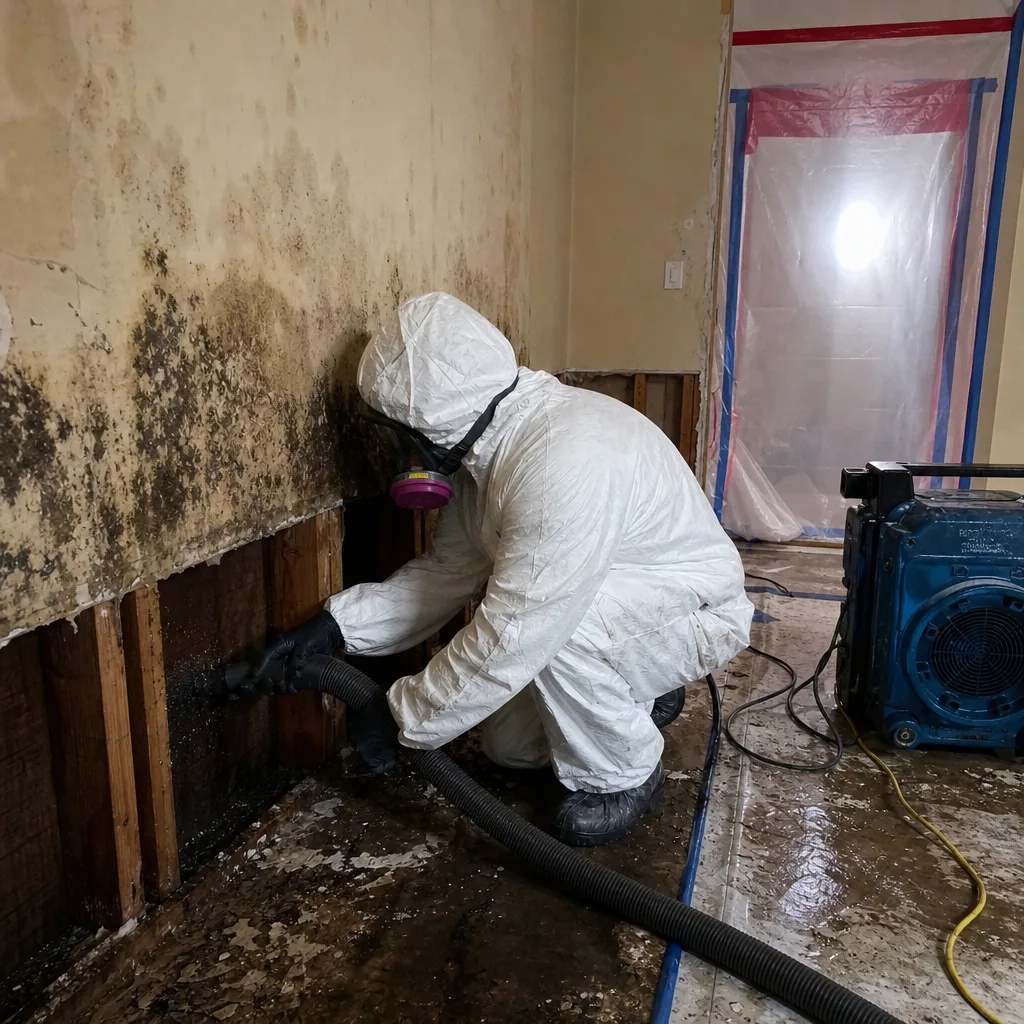
- Crews dry the visible mold but miss the chronic crawl space moisture source. Valley clay soils trap water against Kent foundations long after rain stops. Mold returns within weeks if the groundwater path isn’t mapped and interrupted. We see this most often in East Hill ranches where a previous contractor treated the subfloor mold but never addressed the saturated perimeter soil.
- Valley-floor jobs skip King County floodplain compliance and rebuild with standard materials. Drywall and insulation replacement in the Green River floodplain requires county administrator sign-off before installation. Out-of-area crews frequently miss this layer, and the work gets flagged during later inspection or resale. We coordinate the documentation upfront.
- East Hill split-levels get upper-level treatment while the crawl space keeps growing mold. The living space smells clean after surface treatment, but the crawl space humidity that fed the original colony continues unaddressed. Our inspections always include the lowest enclosed space, even when the visible damage is upstairs.
- Warehouse and light-industrial slab-on-grade buildings get surface antimicrobial without slab moisture mapping. Kent’s valley-floor industrial stock sits on concrete that wicks groundwater continuously. Without understanding the slab’s moisture vapor emission rate, any surface treatment is temporary. We test before we treat.
Pricing for Mold Remediation in Kent, WA
A typical mold inspection and testing package in Kent runs $350-$650, which includes moisture mapping, air sampling, and a written report with photo documentation. Crawl space mold remediation in Kent generally ranges from $2,400-$4,800 for contained areas under 1,000 square feet, scaling to $5,500-$8,500 for whole-crawl treatments with vapor barrier installation and drainage improvements. Black mold remediation involving full containment, HEPA air scrubbing, and material removal typically falls between $3,200-$6,500 depending on the affected square footage and whether asbestos-containing materials require abatement coordination. Air quality restoration with post-remediation verification testing adds $450-$750 to most scopes.
Valley-floor properties in the floodplain may incur additional permitting coordination costs, typically $200-$400, for county floodplain administrator documentation. We disclose this in the written price before work begins, not as a surprise addition. Haven Standard, Clause 1.
Every estimate is free. Every competitor’s written estimate can be reviewed for a free second opinion. Call (253) 265-9692 for exact pricing on your specific property.
We Also Serve Cities Near Kent
Our crews work throughout southern King County, including Kent, Renton, Auburn, Federal Way, and Maple Valley. Each city presents distinct soil conditions, housing stock, and permitting environments. We adjust our documentation and scope accordingly.
Serving Kent, WA - Our Local Coverage Area
We’re based in the Kent area and know this community well. Use the map below to see our service coverage - if you’re nearby, we can almost certainly help.
FAQs - Mold Remediation in Kent
Properties in the Green River Valley floodplain, which includes much of downtown Kent and the valley-floor commercial corridor, fall under King County floodplain administration. Before new drywall, insulation, or other building materials can be installed after water damage, the county floodplain administrator must verify that the reconstruction meets flood-resistant material standards. This requirement applies to valley-floor addresses but not to homes on East Hill or other upland areas. We handle the documentation and coordination as part of our standard scope. Call (253) 265-9692 for an exact quote on your property.
Mold colonization can begin within 24-72 hours of moisture intrusion, and in Kent’s climate, that timeline often compresses to the shorter end. The combination of cool temperatures and high humidity creates ideal conditions for spore germination on organic substrates like wood framing and paper-faced insulation. Clay-heavy soils against the foundation keep the crawl space humid long after the visible water is gone. We recommend inspection within 48 hours of any water event. Call (253) 265-9692 to schedule moisture mapping.
Yes. Category 2 (gray water) and Category 3 (black water) events in the Kent floodplain trigger additional documentation requirements for both insurance and county compliance. Floodplain properties must demonstrate that contaminated materials were removed to specified elevations and that replacement materials meet flood-resistant standards. Our drying logs and photo records are formatted for both adjuster review and county administrator submission. The remediation protocol itself, per IICRC standards, remains consistent, but the documentation and rebuild coordination differ significantly from upland properties.
Downtown Kent bungalows face floodplain-related water intrusion and older construction with plaster, lathe, and minimal vapor barriers that trap moisture in wall cavities. East Hill split-levels and ranches sit above the floodplain but suffer from chronic crawl space humidity fed by Pacific Northwest seasonal moisture and vented crawl space design. The bungalow’s risk is event-driven, flooding and seepage, while the East Hill home’s risk is chronic, months or years of gradual moisture accumulation. Our inspection protocols differ accordingly: flood history and foundation seepage mapping for downtown, crawl space humidity trending and ventilation analysis for East Hill.
Musty odor without visible mold usually indicates hidden colonization in porous materials or ongoing moisture in the building envelope. In Kent’s light-industrial slab-on-grade construction, roof leaks often saturate ceiling tile and drywall, but the real problem is slab moisture wicking upward through the concrete after the roof is fixed. Without moisture mapping the slab and testing the air for elevated spore counts, the source stays hidden. We provide documented inspection and written scope for warehouse properties, including coordination with facility management and, for floodplain locations, county compliance documentation. Call (253) 265-9692 for a free assessment.
Written by Alicia Brennan, Owner at DryMark Restoration Tacoma, serving Kent since 2011 under The Haven Standard.