
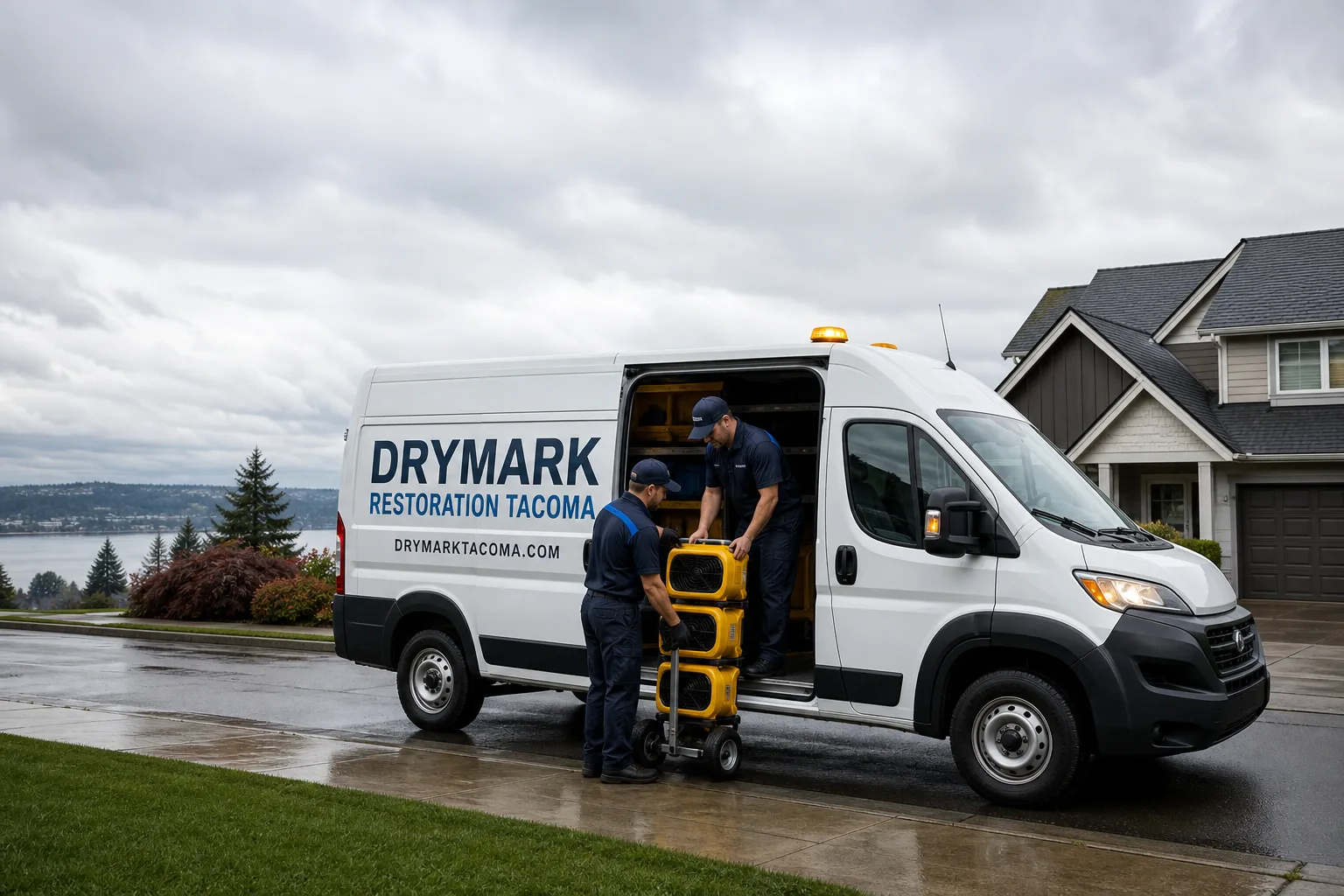
Free visual inspection and a written scope of work before any mitigation begins - photos, moisture readings, and drying logs go in your claim file
The scope we write is the scope we bill. Anything new gets shown to you, in writing, before we touch it.
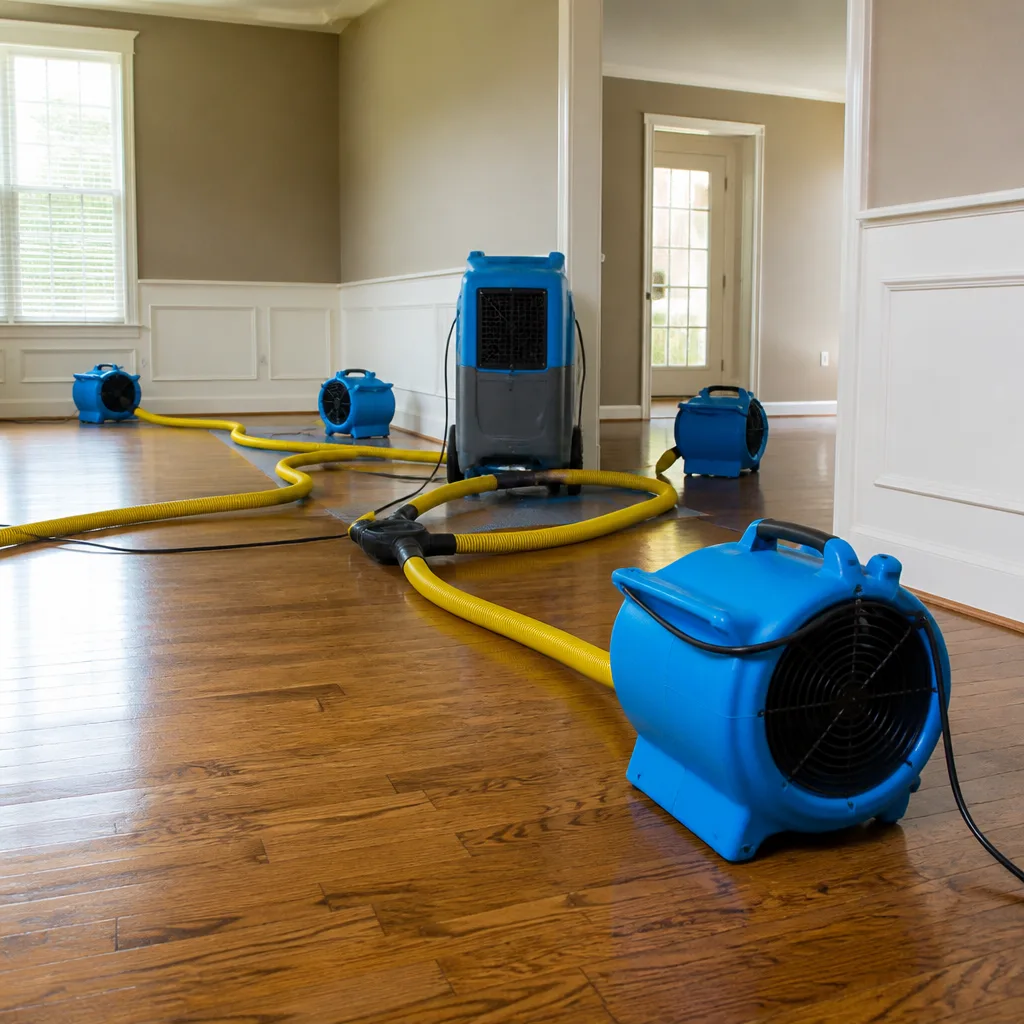
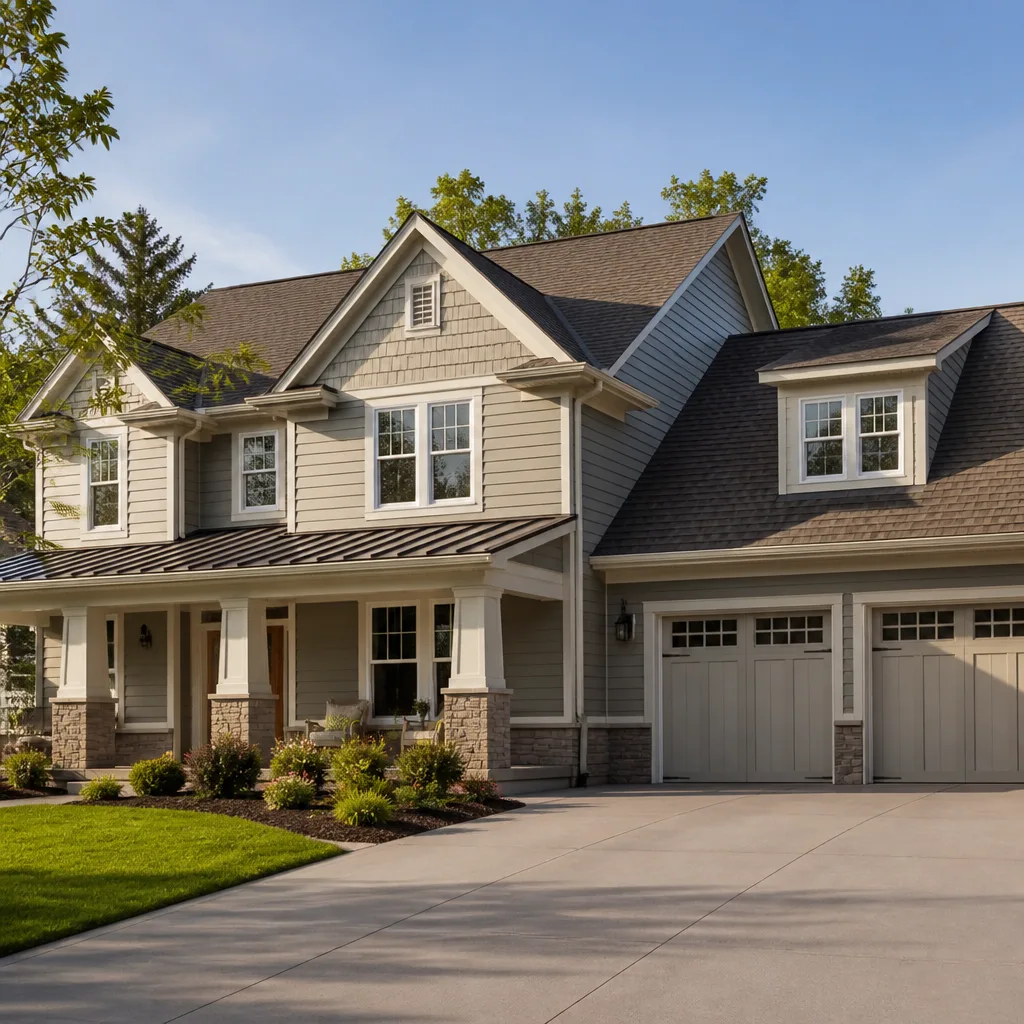
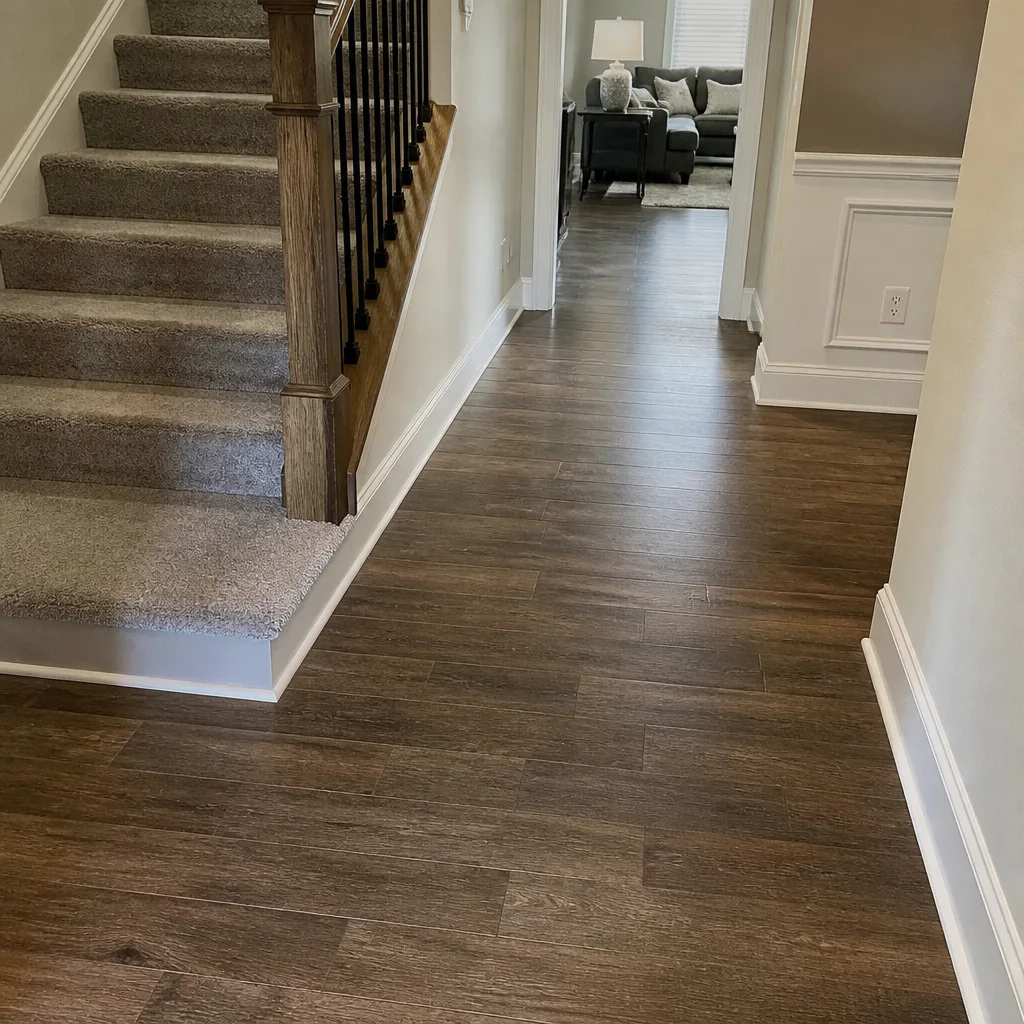
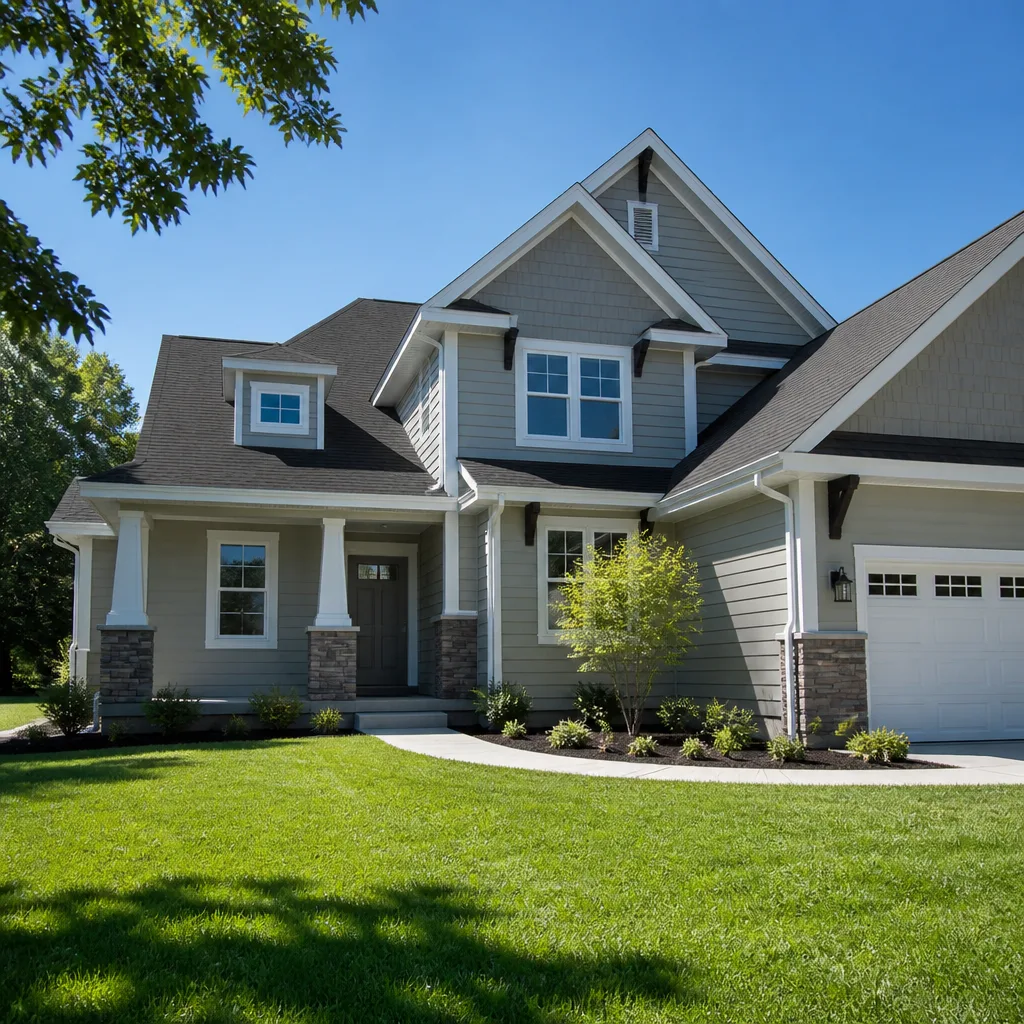
 Before
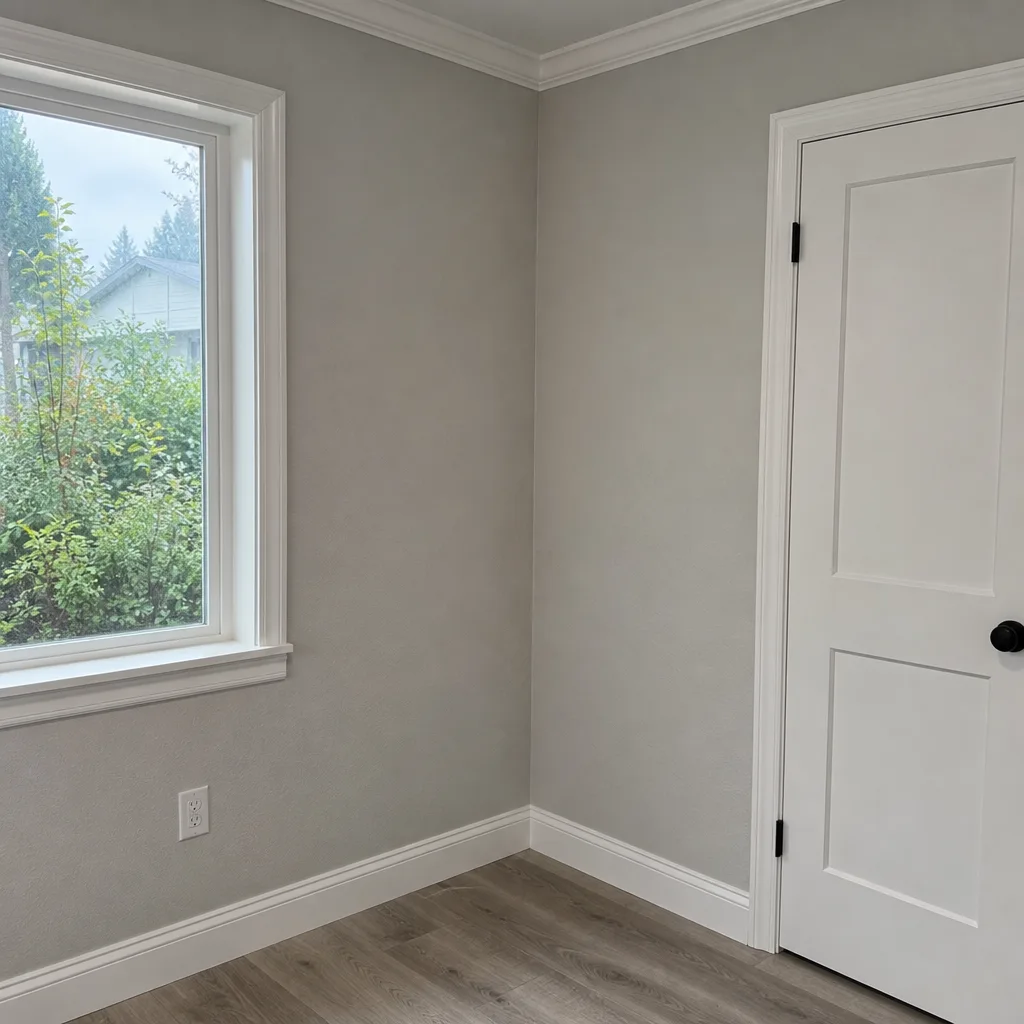 After
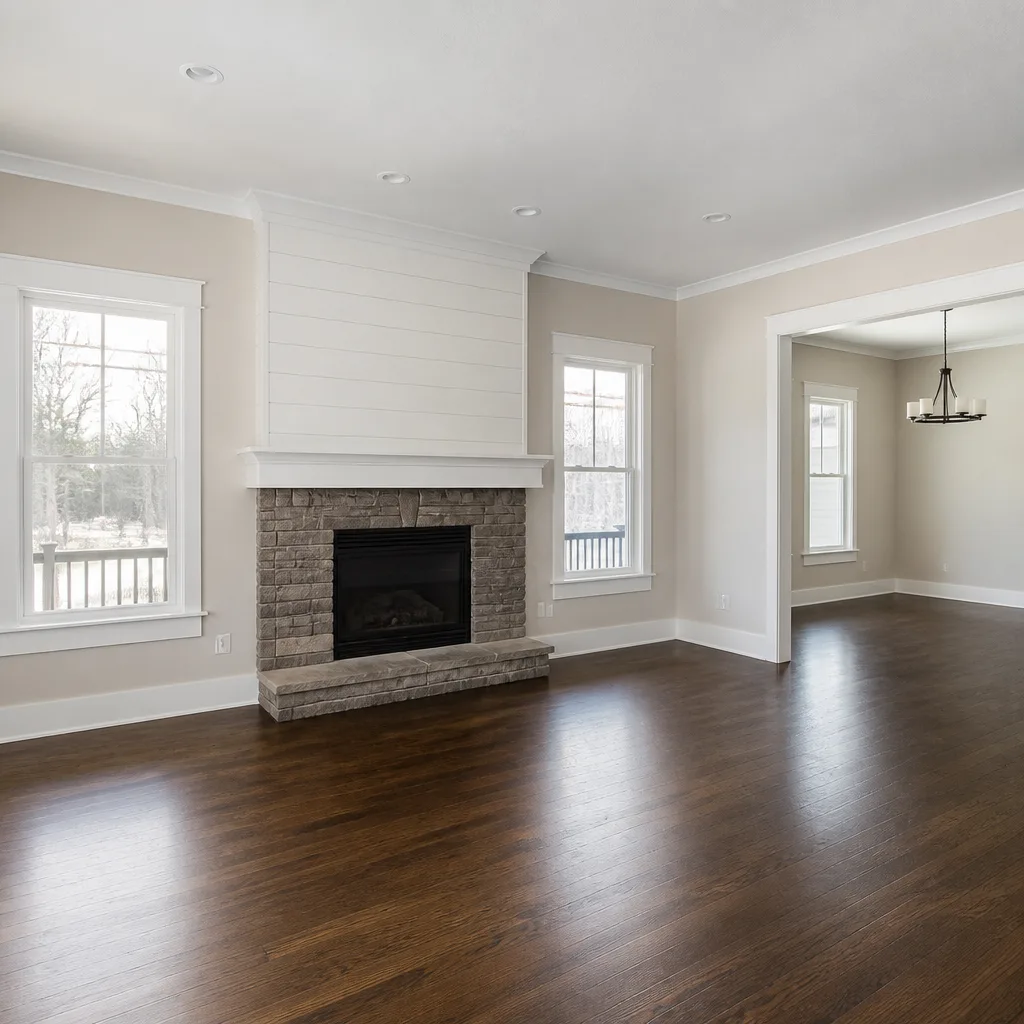
After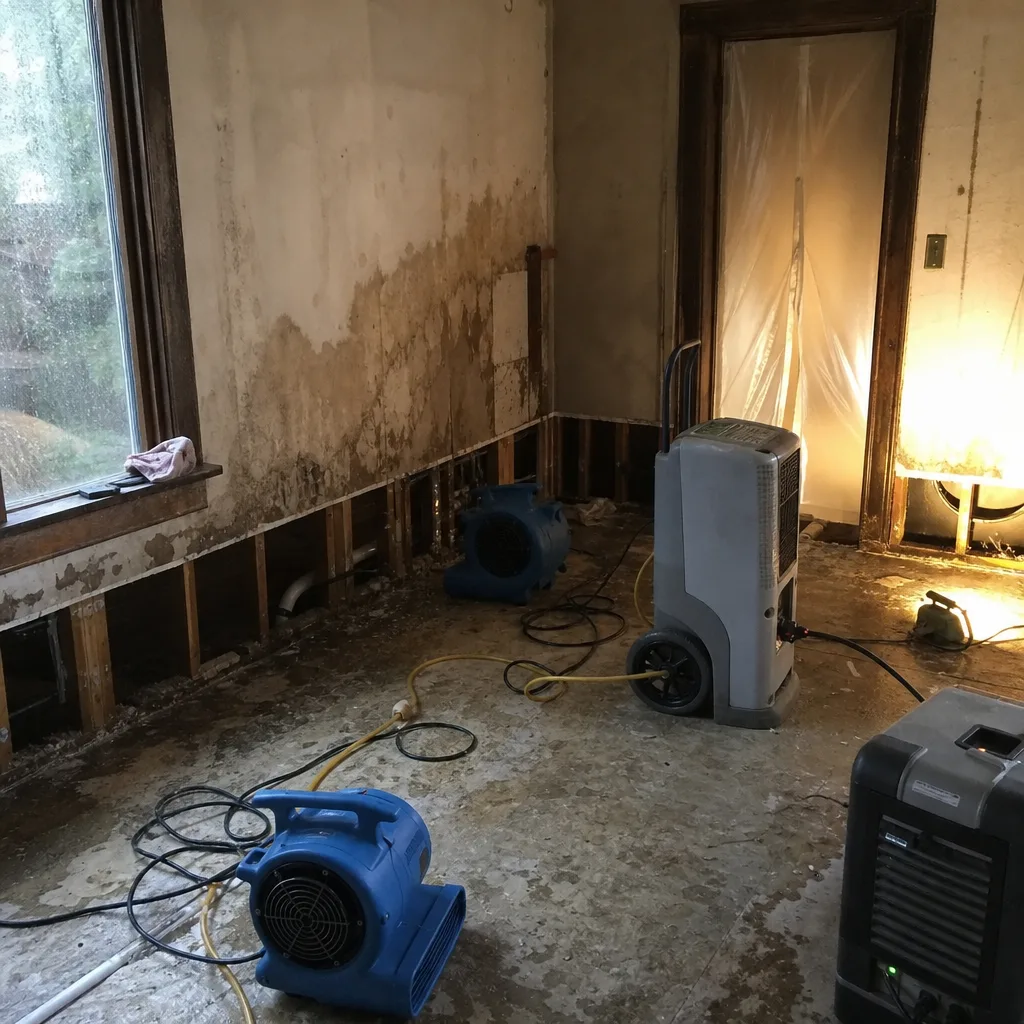 Before
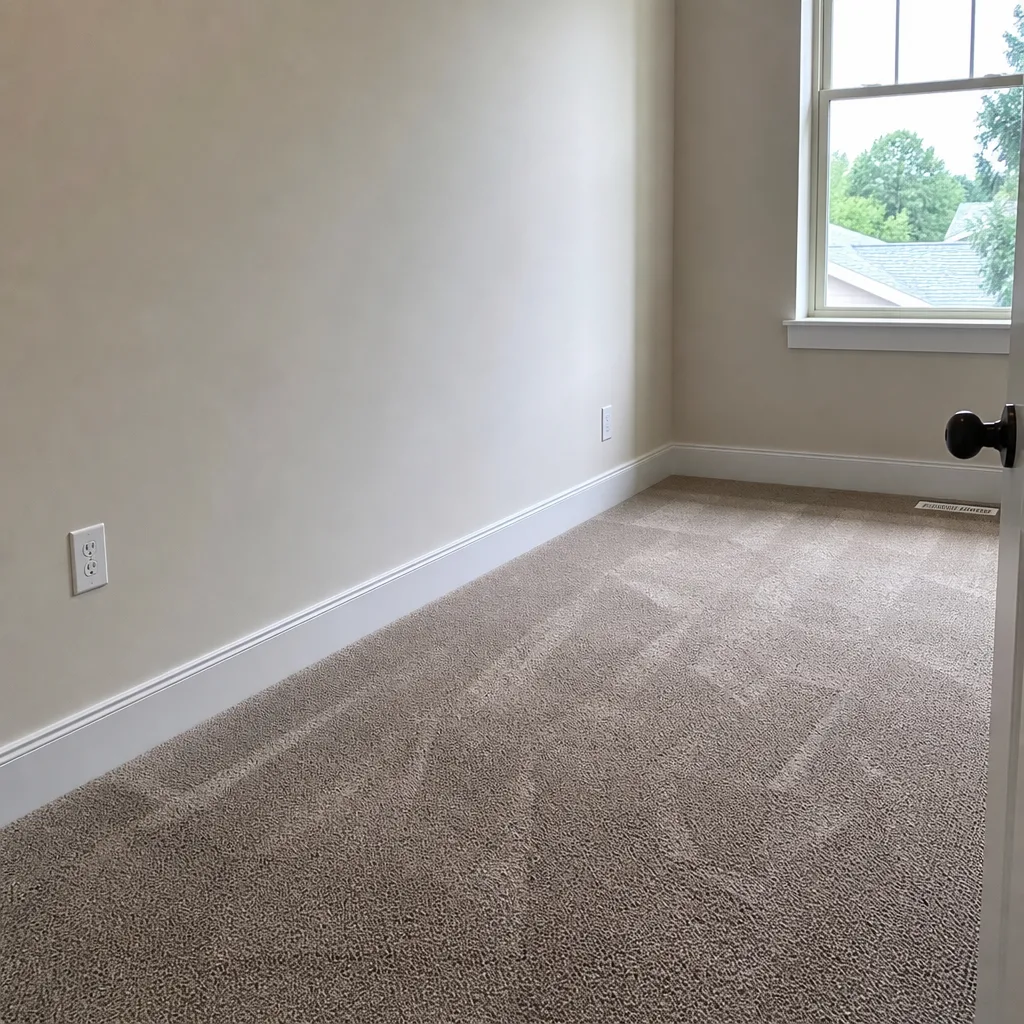 After
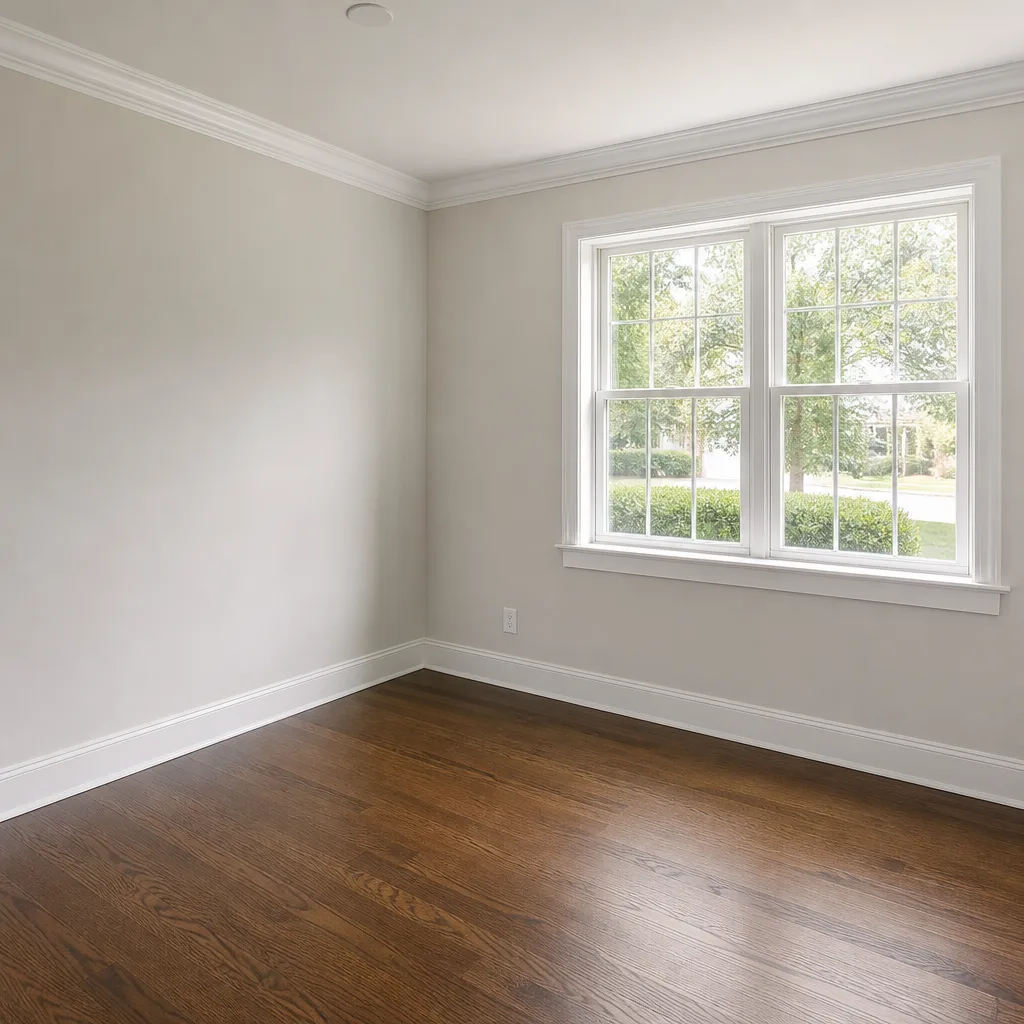
After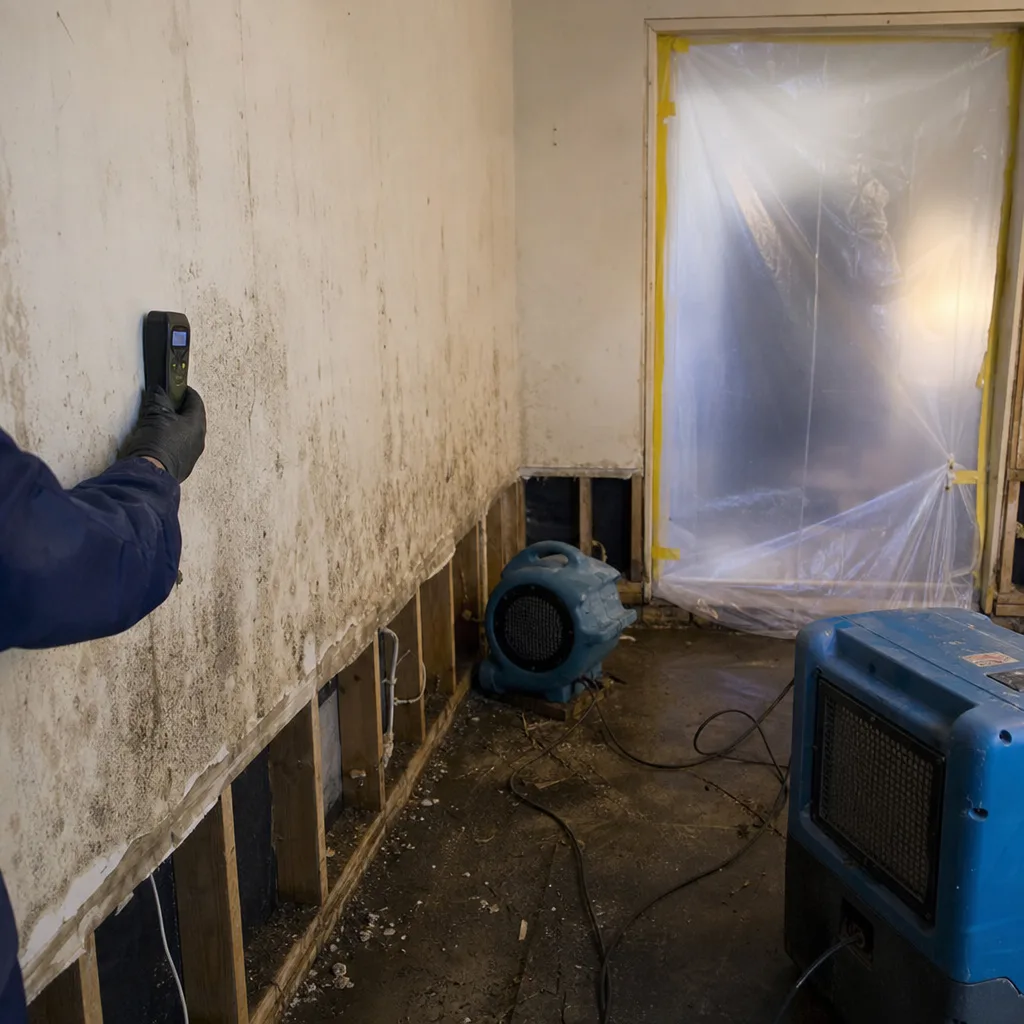 Before
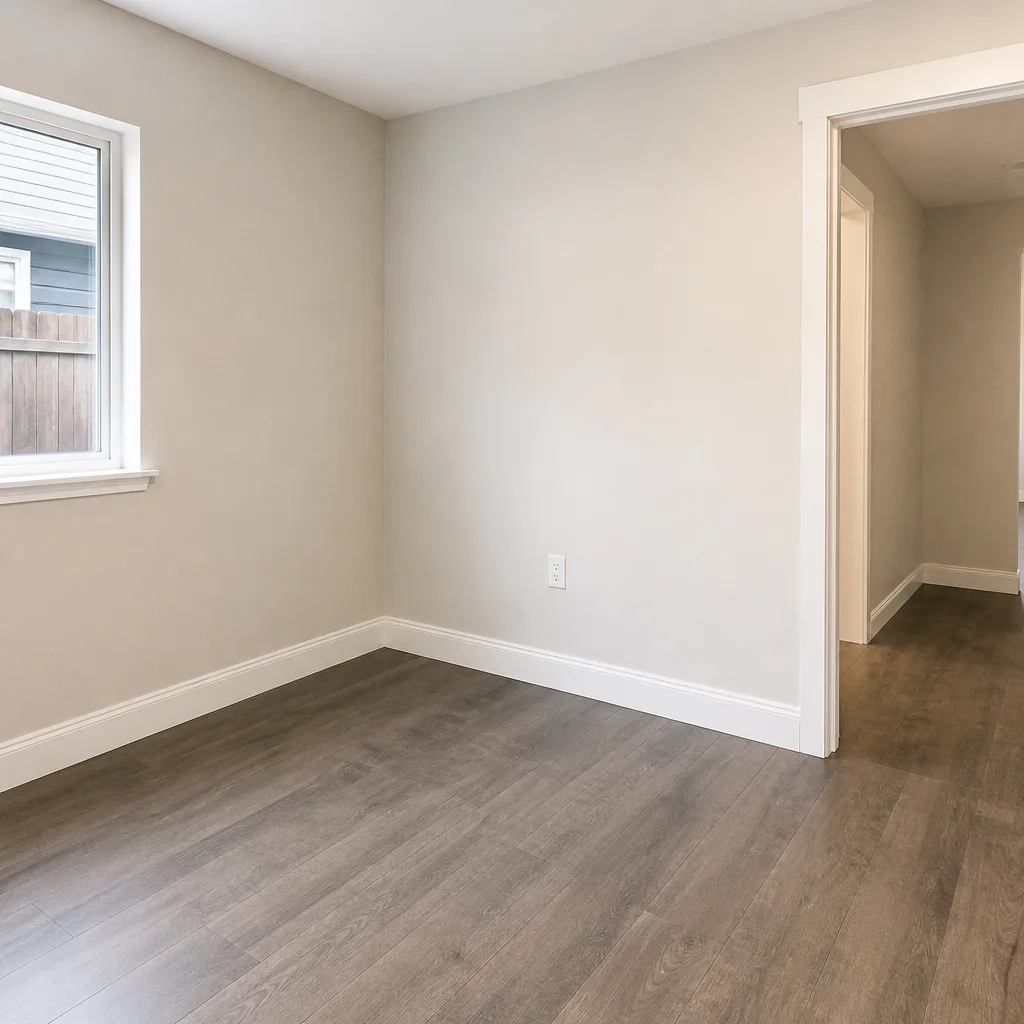 After
AfterFast, Reliable Fire & Smoke Damage Restoration Across Tukwila
Fire and smoke damage restoration in Tukwila typically costs between $3,200 and $14,500 depending on the extent of structural involvement, with smoke and soot remediation alone running $2,800-$6,400 for an average single-family home. Most Tukwila properties need same-day emergency board-up to secure the structure, followed by a written scope before any restoration work begins. Call (253) 265-9692 and a live person will answer, 24 hours a day, 7 days a week - no voicemail while you’re standing in a damaged home.
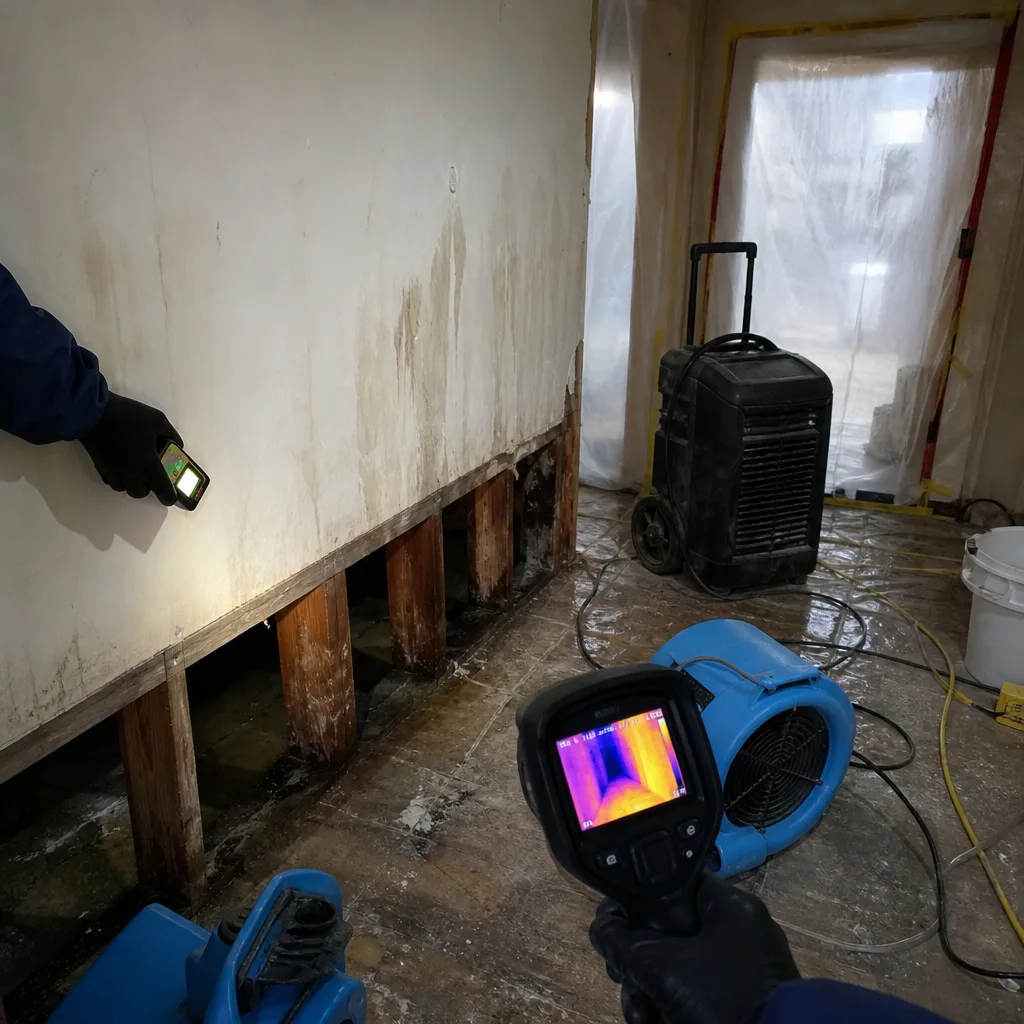
We’ve restored fire-damaged properties across Tukwila since 2011, from the post-WWII tract homes in Foster and Riverton Heights to the tilt-up warehouses and commercial buildings along the Southcenter corridor. Our crews are dispatched from the Seattle office and carry the documentation tools - moisture meters, thermal cameras, and photo-log protocols - that turn a Tukwila fire restoration invoice into a claim your adjuster pays without dispute. The valley floor geography here creates restoration challenges you won’t find in upland cities, and we’ve built our Fire & Smoke Damage Restoration procedures around them.
Why DryMark Restoration Tacoma Is Tukwila’s Preferred Fire & Smoke Damage Restoration Company
Local reputation built on documentation. Tukwila homeowners and property managers find us through the three-star reviews first - the ones that mention whether we delivered the written price before work started, whether the photo record showed up on every visit, whether the 365-Day Done Right Promise had a signature on it. Those reviews matter because they describe measurable behavior, not sentiment. We’ve restored 12,000+ homes since 2011, every one with a written price before work began and a documented record when the crew left.
Response time to Tukwila addresses. Our Seattle office dispatches crews to Tukwila properties with emergency board-up typically arriving within 60-90 minutes for calls placed during peak hours. After-hours calls route to the same live dispatchers - no automated callback system, no next-business-day queue while your structure remains open to weather and intrusion.
Valley-floor expertise you can’t copy-paste from another city. Tukwila’s Green River valley location means fire restoration here routinely intersects with flood contamination protocols that don’t apply in Kent, Renton, or other upland south King County markets. Our technicians understand when a smoke job in Foster or Riverton Heights requires Category 3 escalation because Duwamish-connected groundwater has already touched the same substructure. That knowledge difference shows up in your documentation package, and your adjuster notices.
Our Fire & Smoke Damage Restoration Services in Tukwila
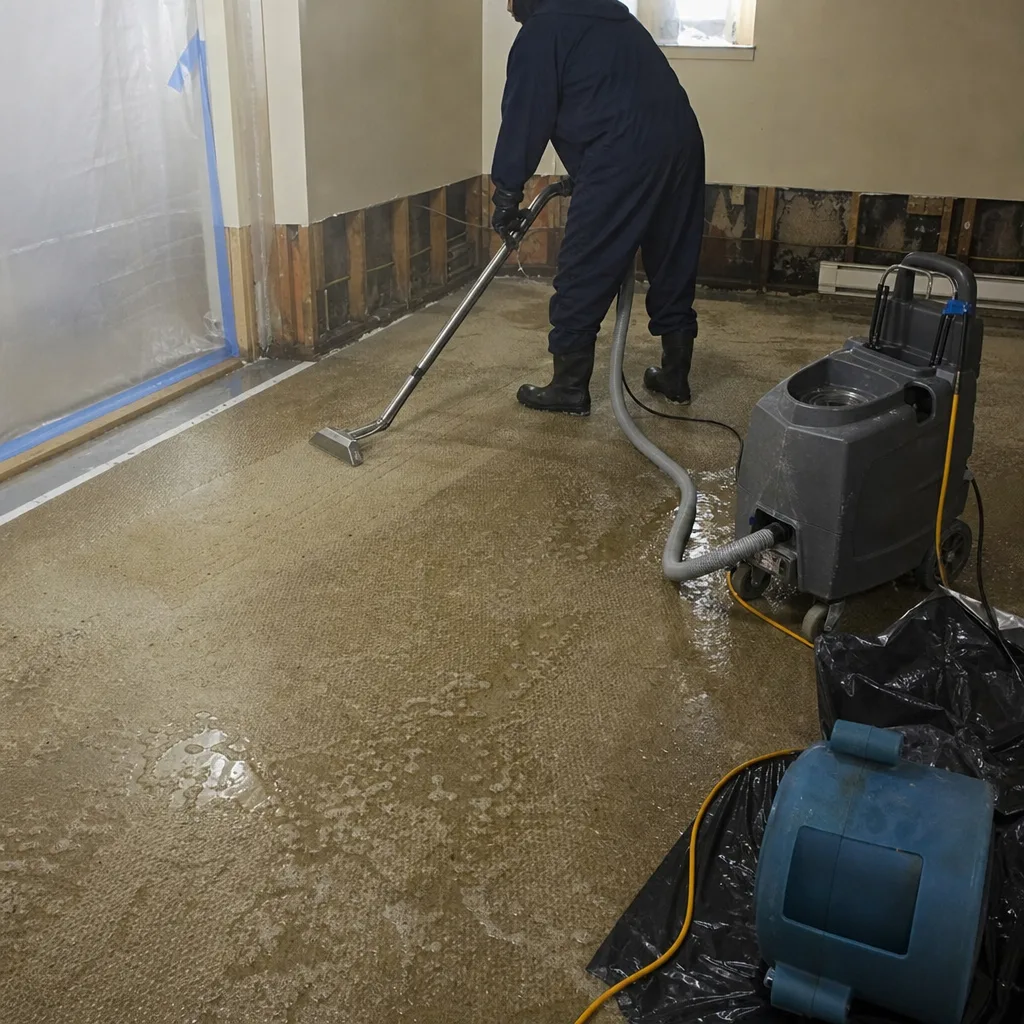
Fire Damage Cleanup
Fire damage cleanup in Tukwila starts with emergency board-up and structural stabilization, then moves to debris removal and damage assessment. In the 1950s-70s tract homes that dominate Foster and Riverton Heights, we pay particular attention to original floor furnace systems - these legacy heating plenums act as smoke highways, driving soot into wall cavities and shallow crawl spaces that newer forced-air systems don’t reach. Our crew documents every affected square foot with photos before anything gets touched, because Haven Standard, Clause 1 requires a written price before work starts, and you can’t price what you haven’t measured.
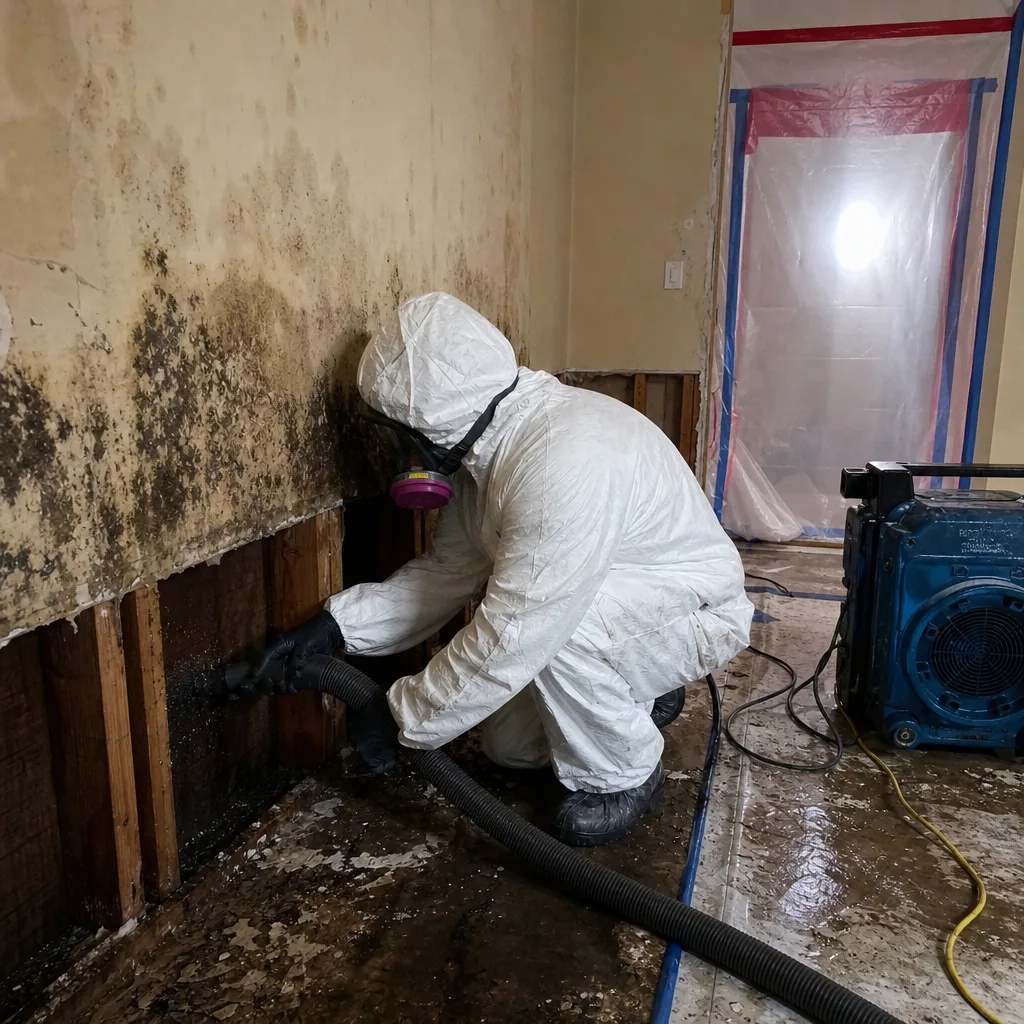
Smoke & Soot Removal
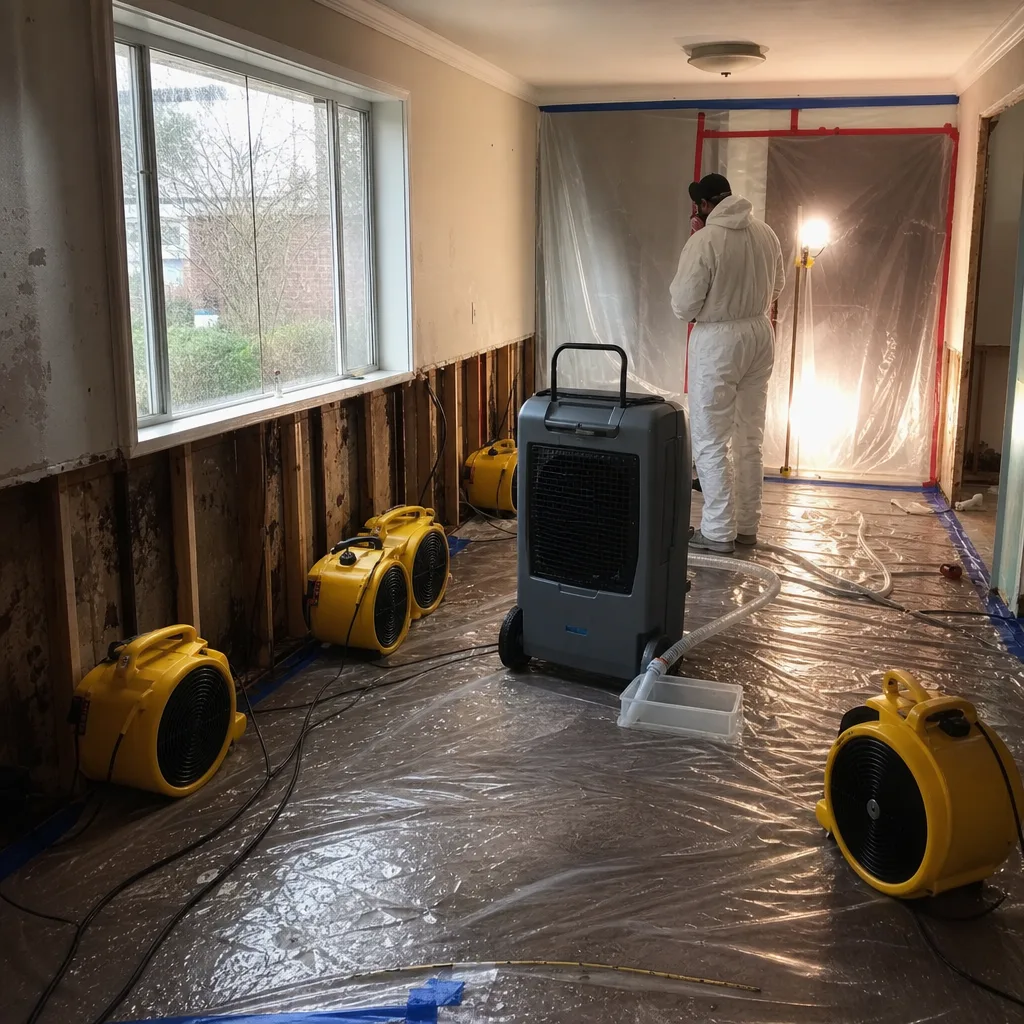
Smoke and soot removal in Tukwila demands different protocols depending on whether you’re dealing with dry smoke from fast-burning materials, wet smoke from smoldering synthetics, or protein residue from kitchen fires. The 1958-1972 kitchens we see in Riverton Heights often have original cabinets with oil-based finishes that set soot differently than modern latex paint - we match the cleaning chemistry to the substrate, not the other way around. After a kitchen fire in a 1958 Riverton Heights tract home, our crew found smoke residue driven through the original floor furnace plenum and into a shallow crawl space that had also taken on river-sourced groundwater during the same wet season. We set containment at the crawl hatch, ran moisture mapping across the subfloor, and used Dri-Eaz dehumidifiers plus XPOWER air movers to dry the framing before antimicrobial treatment - the pack-out and drying logs separated fire odor from flood contamination for the carrier.
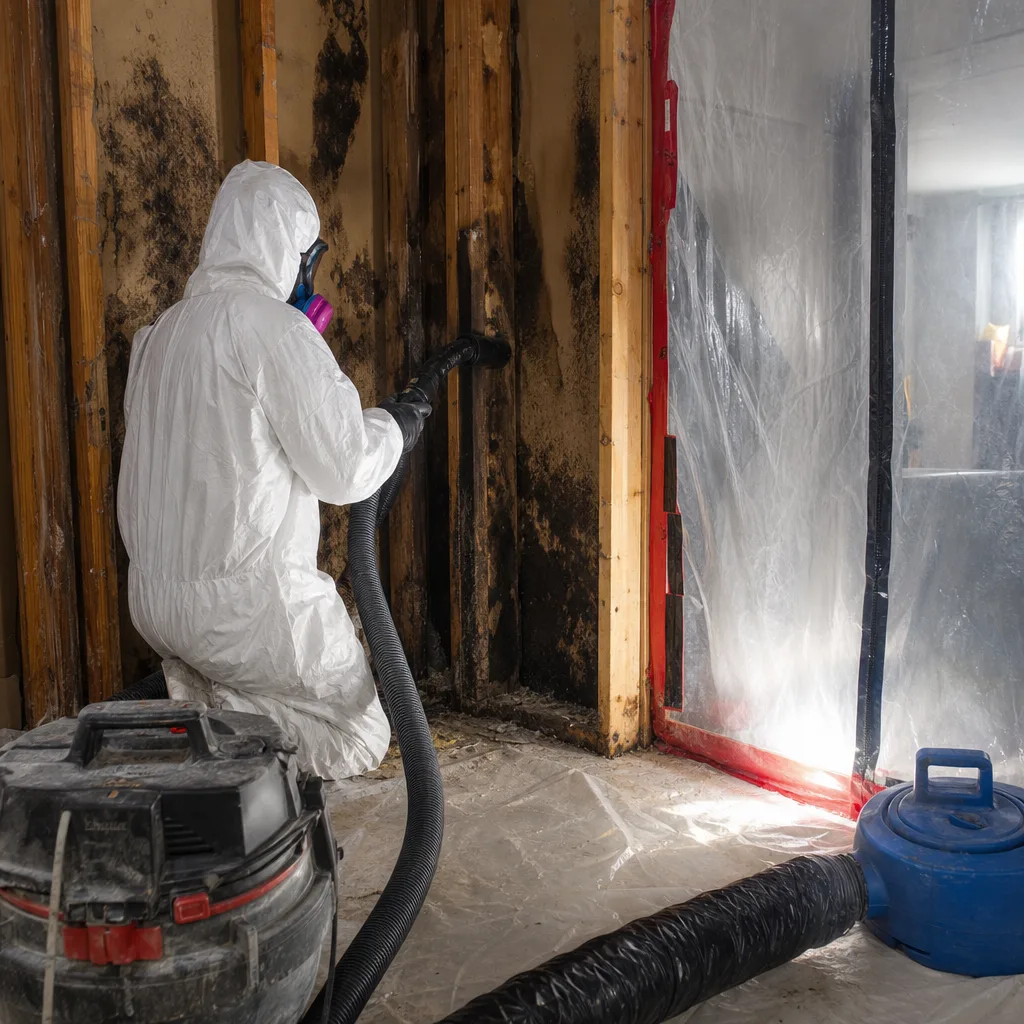
Odor Removal & Deodorization
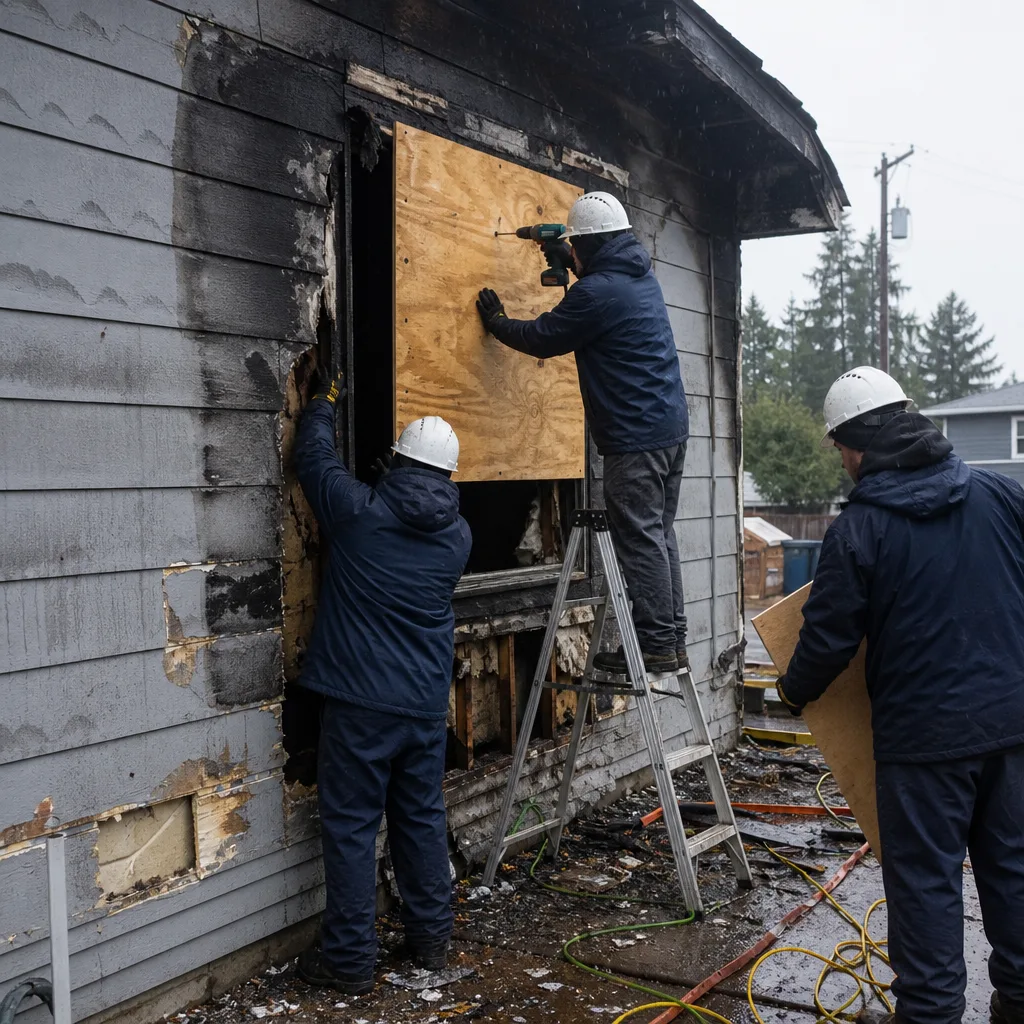
Odor removal in Tukwila fails when technicians treat smoke as a surface problem without addressing the crawl space beneath. The shallow crawl spaces in Foster and Riverton Heights trap soot-laden air against the subfloor; if the original vapor barrier is left in place without inspection, odor re-wicks through the floor system weeks after the visible cleaning is done. We pull the vapor barrier, photograph the joist bays, and run vapor pressure differential readings to confirm the substructure is dry before sealing anything back up. Our deodorization uses thermal fogging and ozone treatment sized to the cubic volume of the affected space, with follow-up readings documented in your drying log.
Contents Cleaning & Pack-Out
Contents pack-out in Tukwila’s post-WWII homes requires extra care because period fixtures, original hardware, and mid-century trim are increasingly difficult to source. We photograph every item in place before moving anything - Haven Standard documentation protocols - and clean salvageable contents off-site while structural work proceeds. For Foster neighborhood homes with original 1950s birch cabinets or Riverton Heights properties with vintage bathroom fixtures, that photo record becomes the evidence your adjuster needs to approve replacement when matching items can’t be found. We inventory by room, condition-code each piece, and return cleaned contents only after air quality readings confirm the structure is safe for re-occupancy.
Emergency Board-Up & Tarping
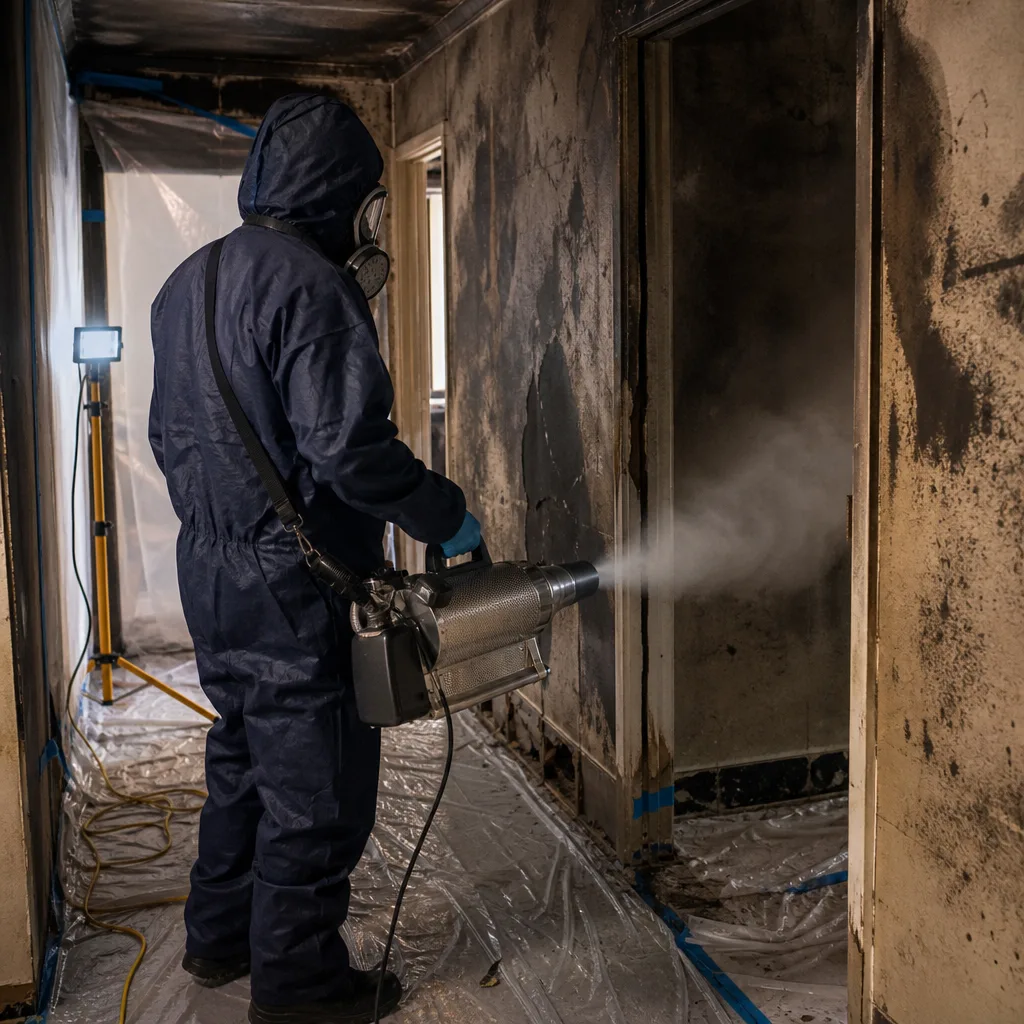
Emergency board-up in Tukwila protects properties from the concentrated October-April rainfall that defines our wet season. A fire-damaged roof in December without temporary coverage will take on water that complicates your claim - was the damage fire-related or secondary water intrusion? We document the pre-tarp condition with photos, install weather-resistant barriers, and note every board location so removal doesn’t cause additional damage. For commercial properties along the Southcenter corridor, we coordinate after-hours board-up to minimize business interruption.
Structural Fire Repair
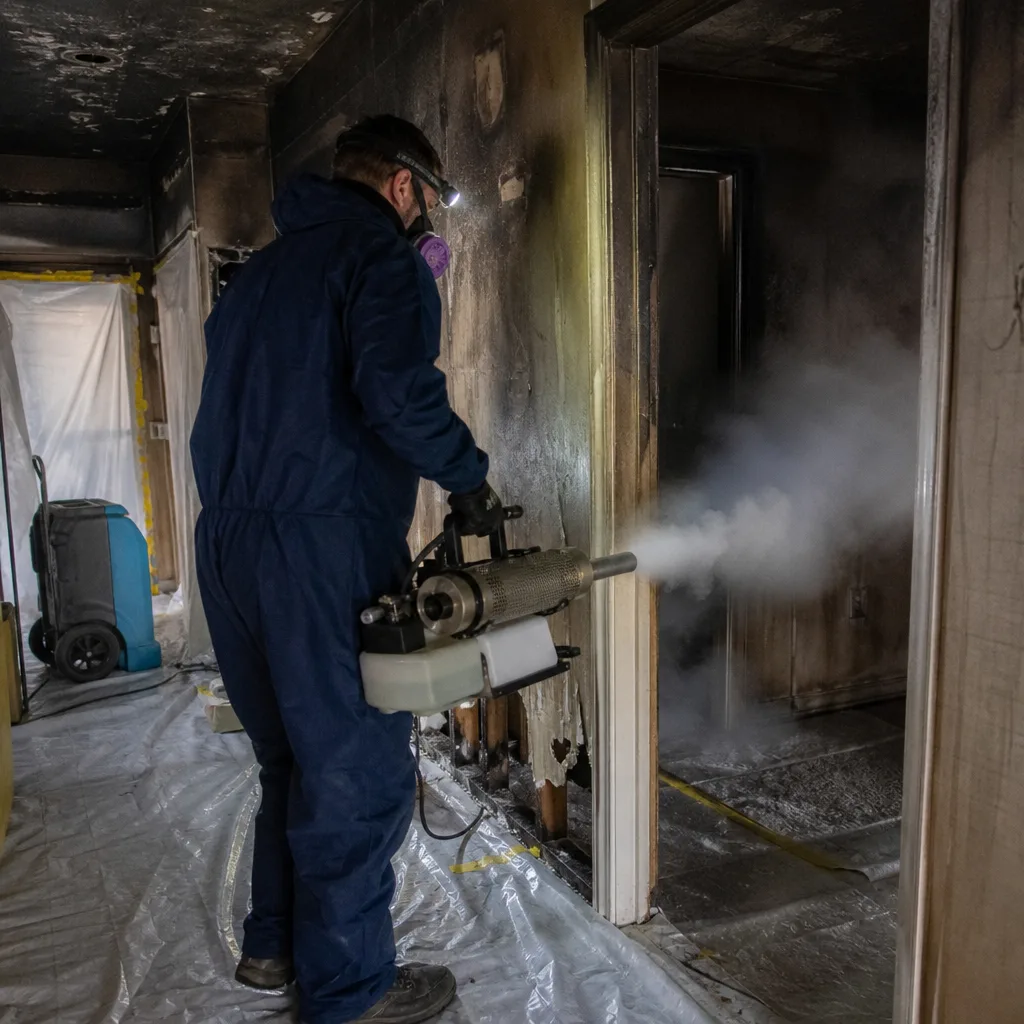
Structural fire repair in Tukwila follows the same documentation-first protocol: written scope, signed price, photo record on every visit. In the valley’s older residential stock, we frequently find charred floor joists and compromised sill plates that weren’t visible during initial emergency response. Our structural assessment includes moisture readings of adjacent framing - because in this flood plain, fire damage and water damage often share the same event timeline - and we specify replacement materials by grade and dimension in the written scope, not vague language that leaves room for substitution.
What happens when you call
- 1
A real person answersNo phone trees - you reach a local pro.
- 2
You get an upfront price rangeHonest numbers before anyone is dispatched.
- 3
A background-checked tech heads outLicensed & insured, dispatched right away.
- 4
You approve before work beginsNothing starts until you say go.
BeforeAfterTrusted Equipment Brands We Deploy in Tukwila
Our Tukwila crews carry professional-grade drying and air quality systems from Dri-Eaz, Phoenix, and XPOWER - equipment selected for the specific demands of Green River valley restoration work. Dri-Eaz dehumidifiers handle the high moisture loads we see when fire suppression water meets valley-floor humidity; Phoenix air scrubbers run HEPA filtration during soot removal to protect occupied areas of the structure; XPOWER air movers create the airflow patterns needed to dry shallow crawl spaces where stagnant air otherwise traps odor. Every machine’s runtime and placement is logged daily, and those logs become part of your documentation package. We don’t rent mystery equipment or change models mid-job - what we specify in the scope is what runs on your property.
Common Fire & Smoke Damage Restoration Problems We See in Tukwila Homes
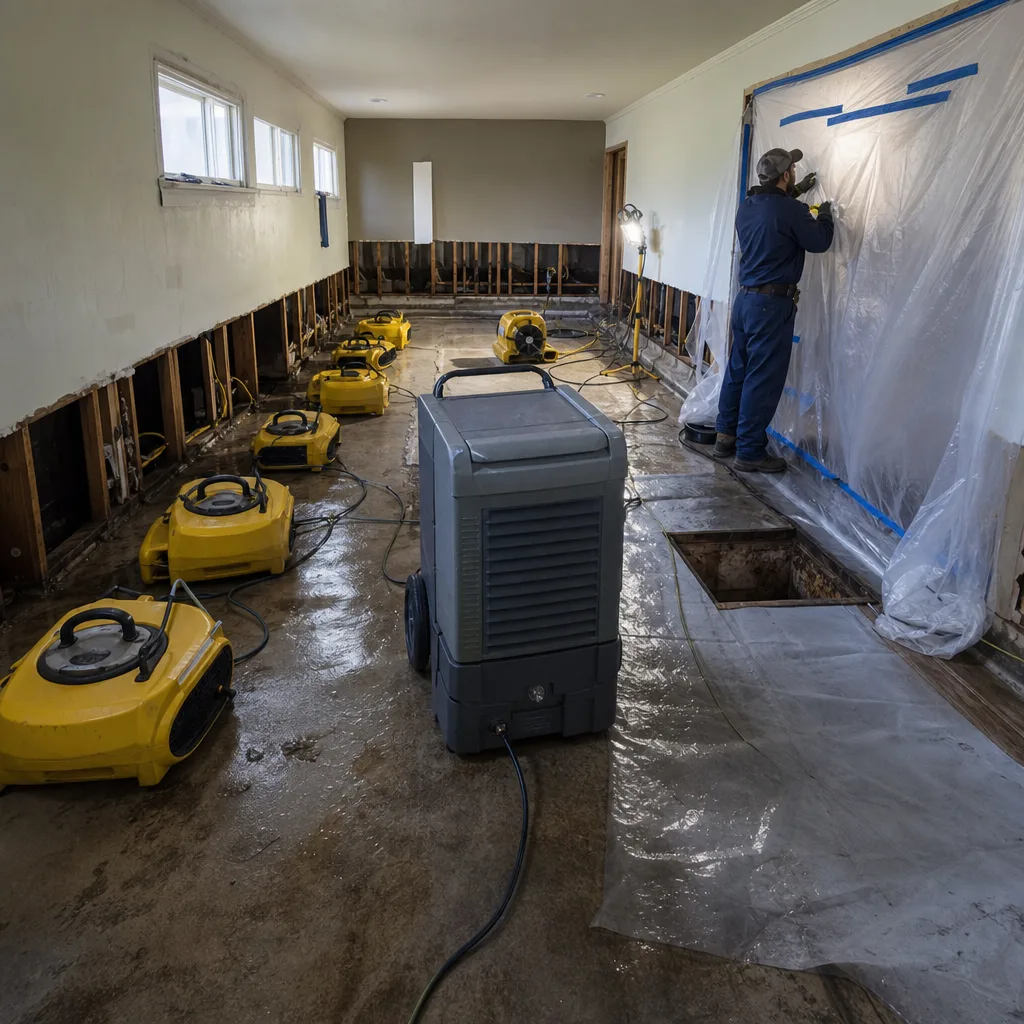
- Smoke odor re-wicking through original subfloors. Technicians clean the visible surfaces and declare the job done, but leave the crawl space vapor barrier undisturbed. In Foster’s shallow crawl spaces, that barrier holds soot-laden moisture against the subfloor joists. Odor returns within 2-4 weeks. We pull every barrier, inspect the bays, and run moisture mapping before closing anything.
- Category 2 protocols applied to Category 3 contamination. When river-sourced groundwater from the Duwamish system has already touched framing in a Riverton Heights crawl space, standard smoke remediation protocols aren’t sufficient. The EPA Superfund designation of the Duwamish means floodwater intrusion shifts the job to hazardous contamination remediation, with different PPE, disposal, and documentation requirements. We escalate early and document the decision for your carrier.
- Period trim and hardware removed without pre-loss documentation. Original 1950s-70s doors, casing, and hardware in Tukwila tract homes have no modern equivalent. If crews remove these for disposal without photographing condition and provenance, homeowners can’t prove fire causation to insurance, and matching replacements often don’t exist. We inventory every piece before it moves.
- Floor furnace plenums ignored as smoke pathways. The original gravity furnaces in Tukwila’s older homes create vertical chase networks that distribute soot far beyond the fire room. Cleaning the visible walls without inspecting the plenum and register boots leaves reservoirs that re-contaminate the structure during the first heating cycle.
Pricing for Fire & Smoke Damage Restoration in Tukwila, WA
Smoke and soot remediation for a typical Tukwila single-family home runs $2,800-$6,400, with full fire damage restoration including structural repair ranging from $8,500 to $14,500 for moderate involvement. Emergency board-up and tarping typically costs $450-$1,200 depending on access height and materials needed. Contents pack-out and cleaning adds $1,800-$4,200 based on volume and specialty items requiring restoration-grade treatment.
Several factors push Tukwila jobs toward the higher end of these ranges. The shallow crawl spaces in Foster and Riverton Heights require additional containment and drying time when smoke has penetrated the subfloor system. Category 3 escalation from Duwamish-connected floodwater adds hazardous-materials handling and specialized disposal costs. Period restoration of original 1950s-70s fixtures and trim involves sourcing custom or reclaimed materials rather than off-the-shelf replacements.
Haven Standard, Clause 1 applies to every Tukwila job: the written price is delivered before anyone starts work, with no scope-creep additions once the crew is inside. We also offer a Free Second Opinion on any competitor’s written estimate - bring their scope and we’ll review it at no charge. Call (253) 265-9692 for your written estimate.
We Also Serve Cities Near Tukwila
Our Fire & Smoke Damage Restoration in Tukwila crews also respond to fire damage throughout the south Puget Sound corridor, including Tacoma, Fircrest, Milton, and Federal Way. Each property receives the same documentation protocol: written price before work, photo record on every visit, and the 365-Day Done Right Promise backed by The Haven Standard. Dispatch and scheduling are coordinated from our Seattle office; crews serve all listed cities with local response times based on traffic patterns and crew positioning.
Serving Tukwila, WA - Our Local Coverage Area
We’re based in the Tukwila area and know this community well. Use the map below to see our service coverage - if you’re nearby, we can almost certainly help.
FAQs - Fire & Smoke Damage Restoration in Tukwila
Yes. The shallow crawl spaces in Foster and Riverton Heights sit low enough in the Green River valley that groundwater intrusion from Duwamish-connected sources is common during wet season, and when that groundwater has touched the same framing affected by smoke, we escalate to Category 3 hazardous-contamination protocols rather than standard smoke remediation. This changes PPE requirements, disposal methods, and documentation standards for your insurance claim. Call (253) 265-9692 and we’ll assess your specific conditions.
Often yes, but it depends on char depth, heat distortion, and whether the finish has bubbled beyond restoration. We photograph every piece in place before moving anything, then clean and deodorize off-site using restoration-grade techniques for oil-based finishes common in that era. When replacement is necessary, the pre-loss photo record documents provenance for your adjuster. Some Tukwila homeowners choose to source reclaimed period materials rather than accept modern mismatches - we coordinate with specialized suppliers when needed.
Typically 2-4 weeks. The vapor barrier in Foster and Riverton Heights crawl spaces traps soot-laden moisture against the subfloor joists; as the structure breathes during normal HVAC cycles, that odor reservoir re-activates. We see this on competitor jobs where surface cleaning was deemed sufficient. Our protocol pulls every barrier, inspects and treats the joist bays, and runs vapor pressure differential readings to confirm dryness before installing new barrier material. The drying log documents each reading.
Significantly different. Tilt-up concrete warehouses have massive thermal mass that holds smoke odor in the porous concrete surface, and the large open volumes require scaled-up air scrubbing capacity. The slab-on-grade floors common in Southcenter-area commercial buildings can wick groundwater during flood events, creating the same Category 3 escalation risk as residential crawl spaces. We specify equipment counts by cubic volume and concrete surface area, not by room count, and we coordinate after-hours work to minimize business interruption.
We start with room-by-room photography of all contents in their original positions, then inventory each item with condition coding and fire-versus-water damage designation. For Foster’s 1950s-60s homes, we flag original fixtures, built-ins, and hardware for specialized restoration treatment rather than standard cleaning. Contents move to our facility for processing while structural work proceeds, and we return items only after air quality readings confirm the structure is safe. The complete inventory with photos becomes part of your insurance documentation package.
Written by Alicia Brennan, Owner at Back to Dry Restoration, serving Tukwila since 2011 under The Haven Standard.