
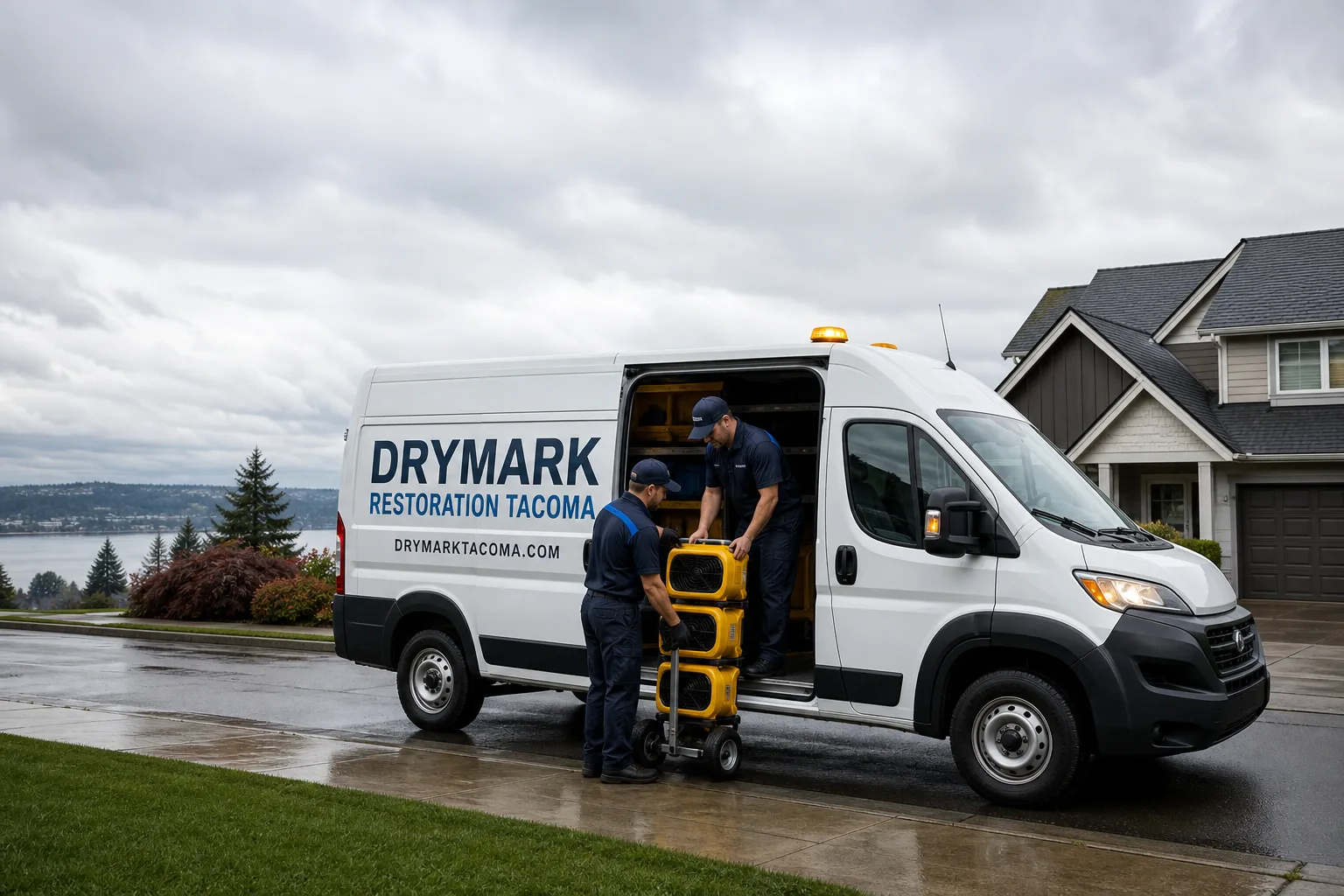
Free visual inspection and a written scope of work before any mitigation begins - photos, moisture readings, and drying logs go in your claim file
The scope we write is the scope we bill. Anything new gets shown to you, in writing, before we touch it.
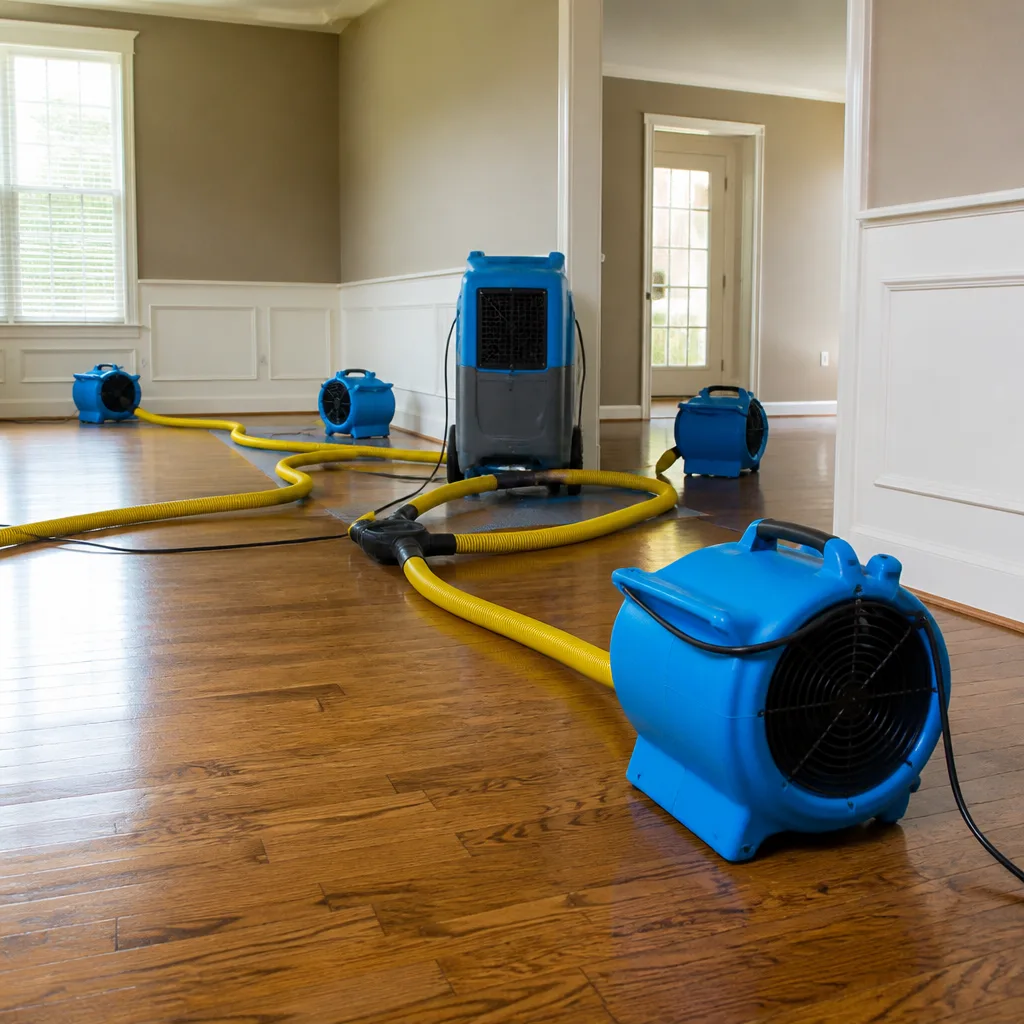
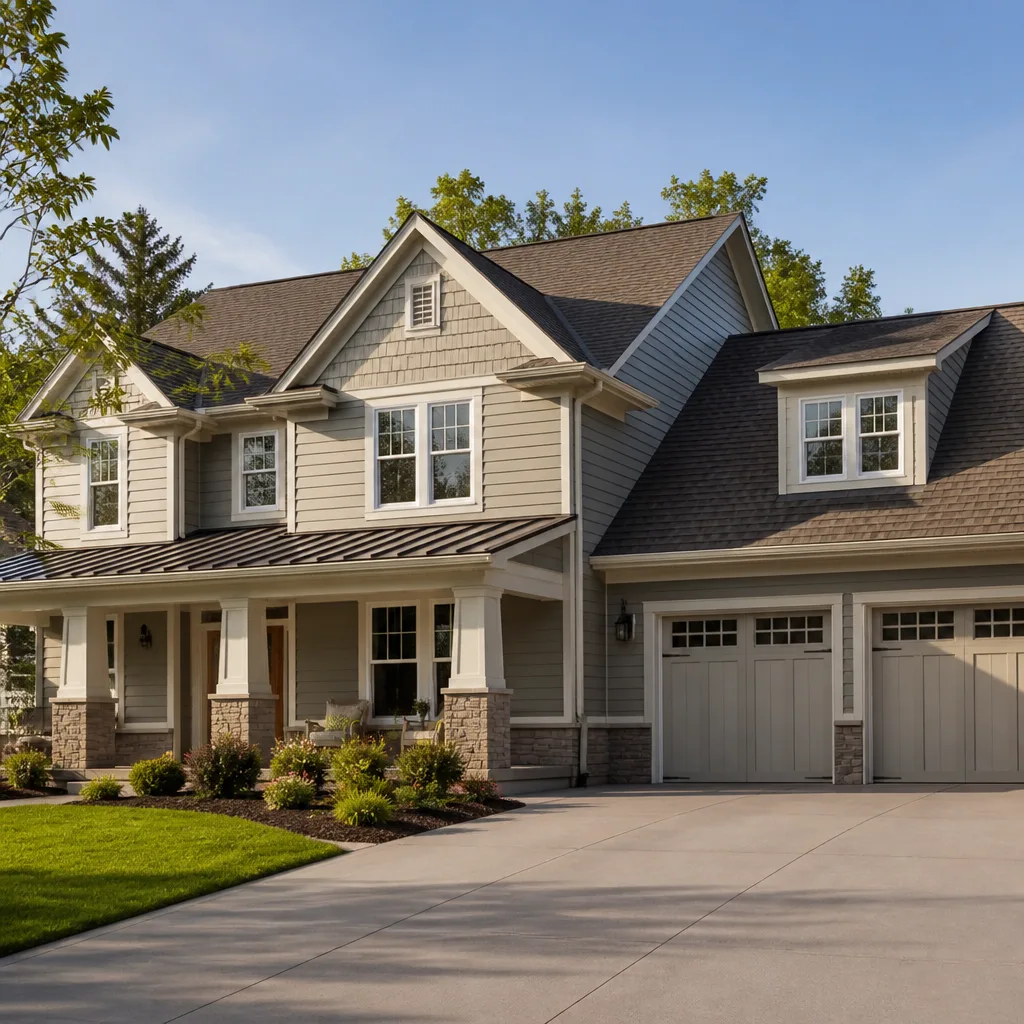
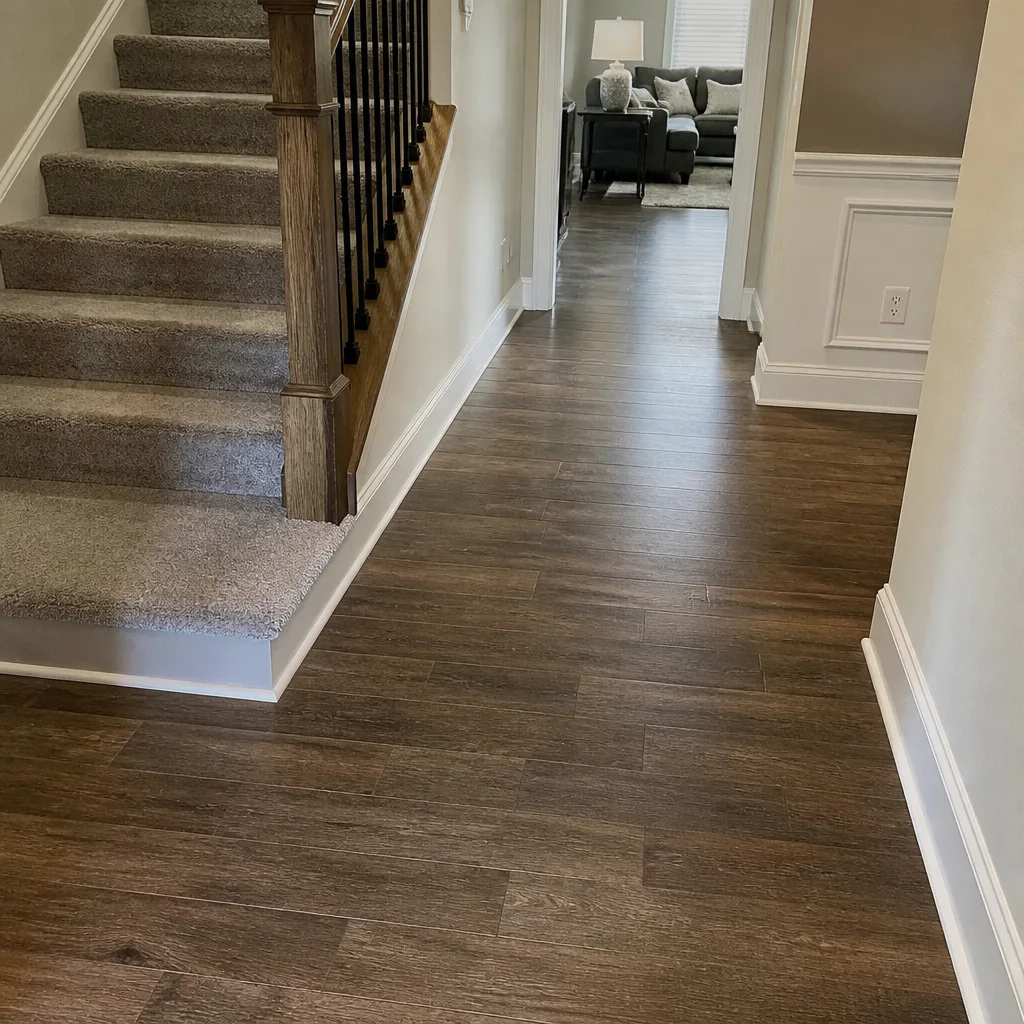
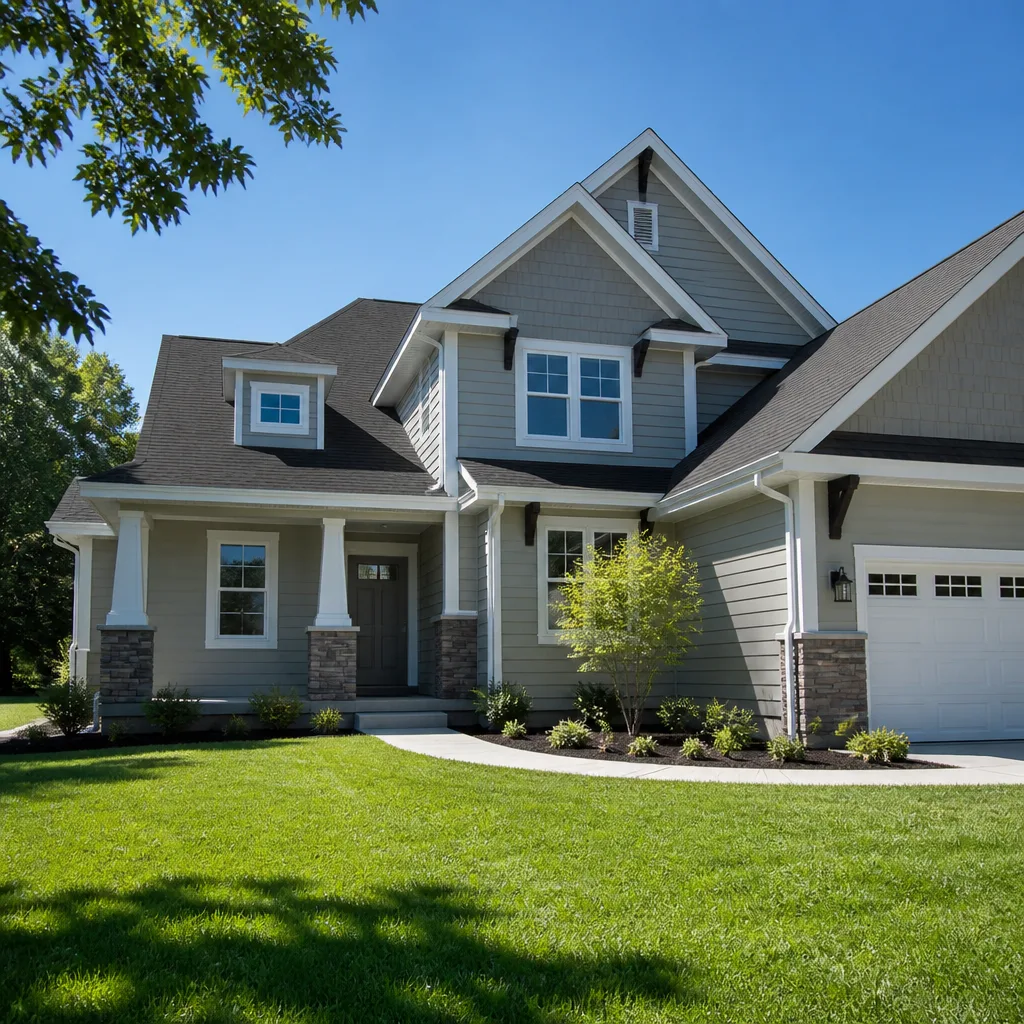
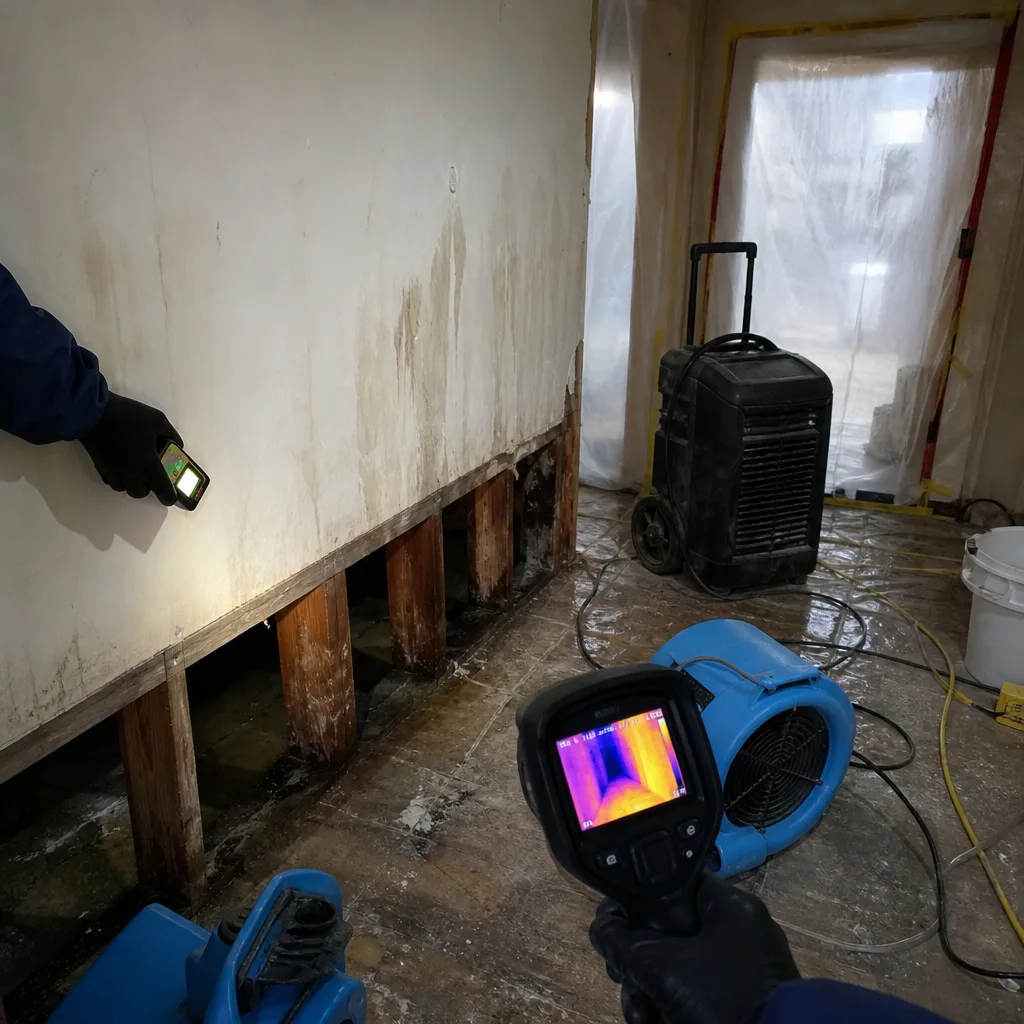 Before
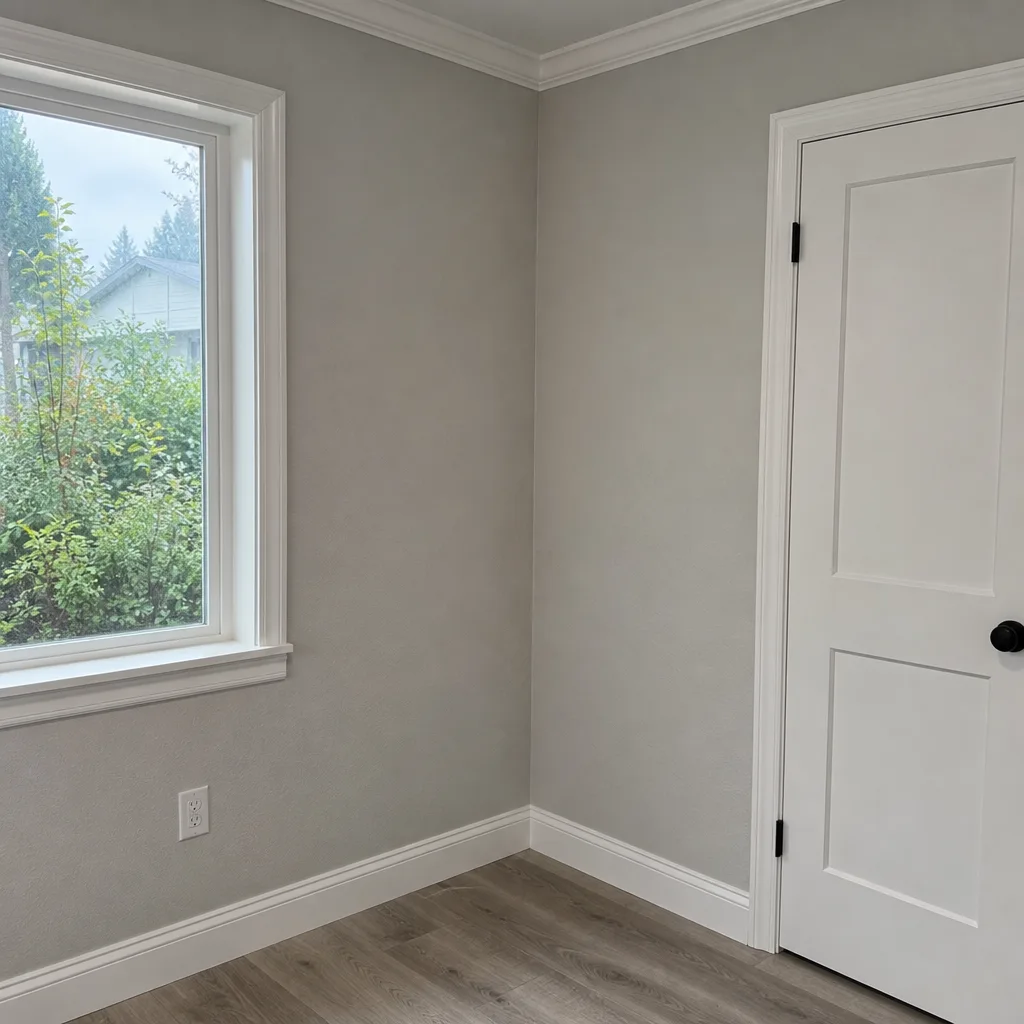 After
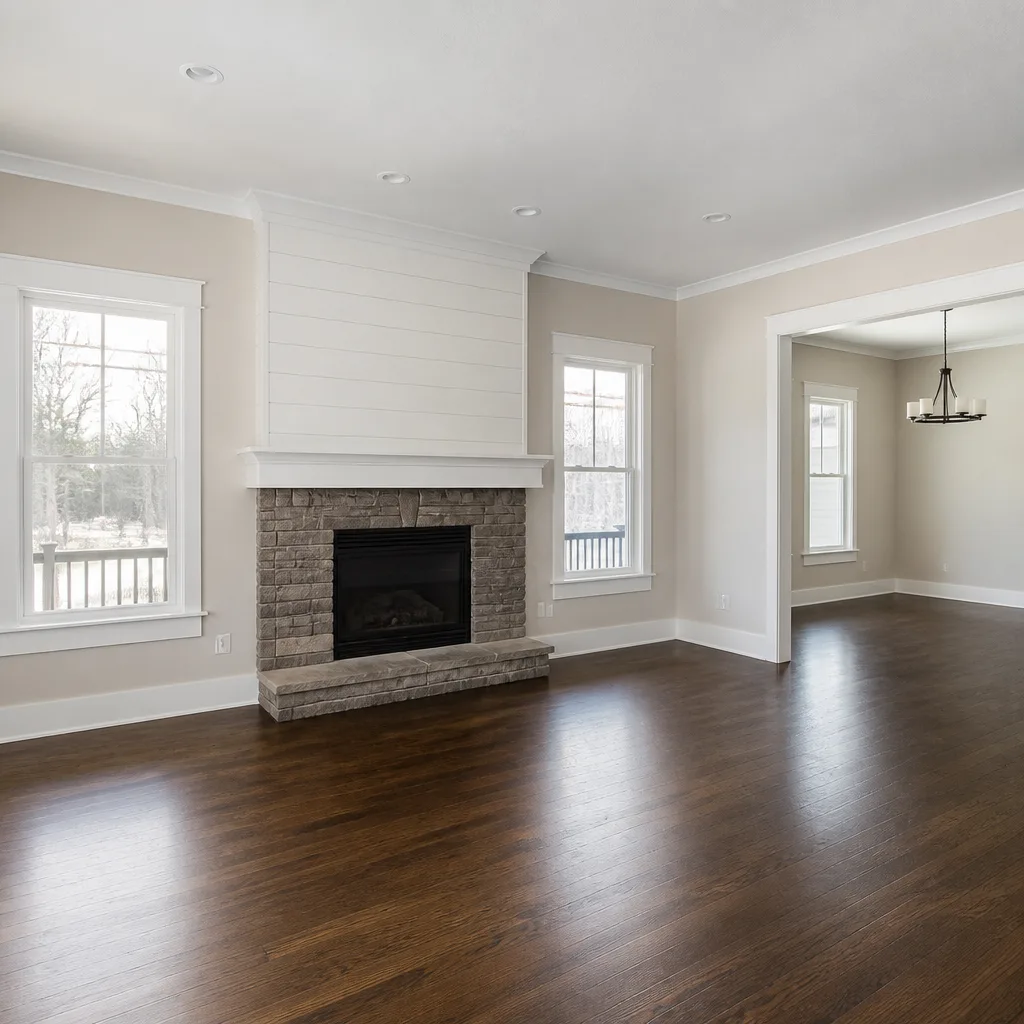
After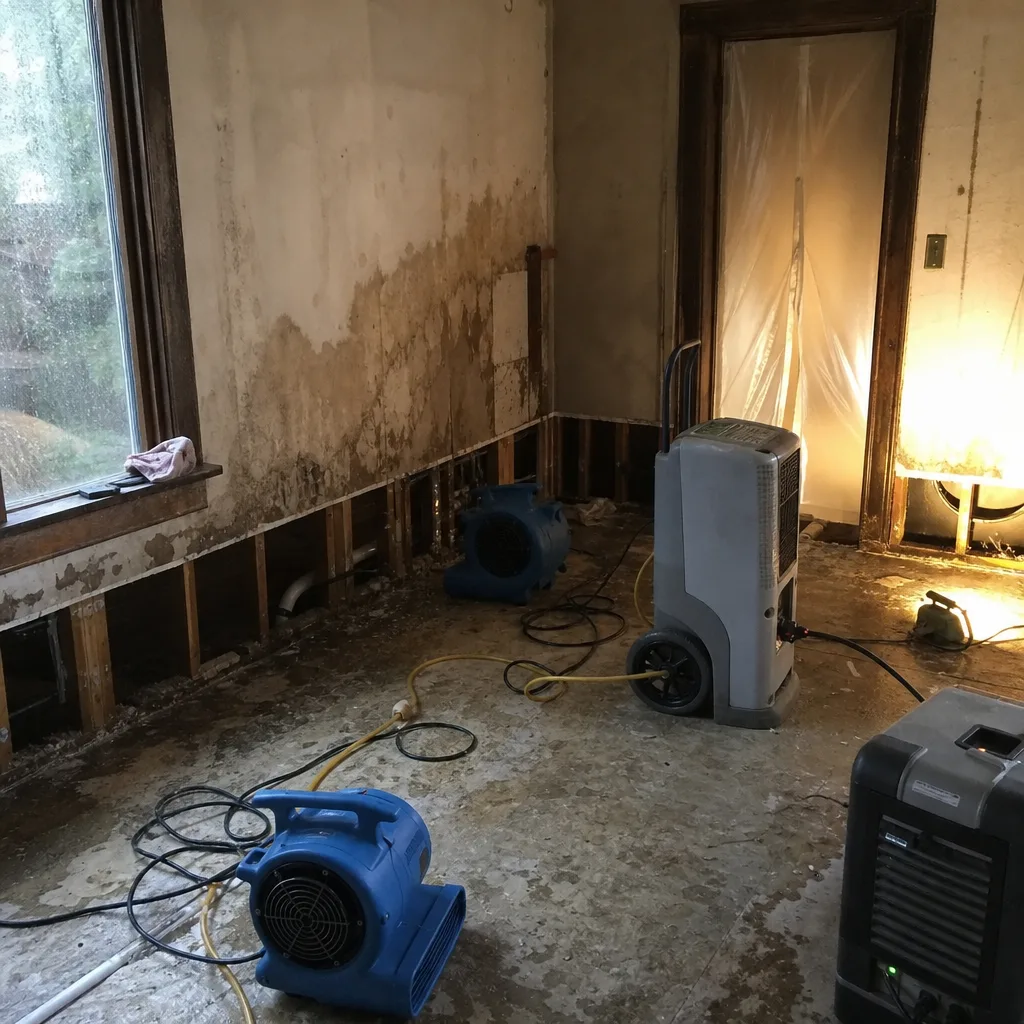 Before
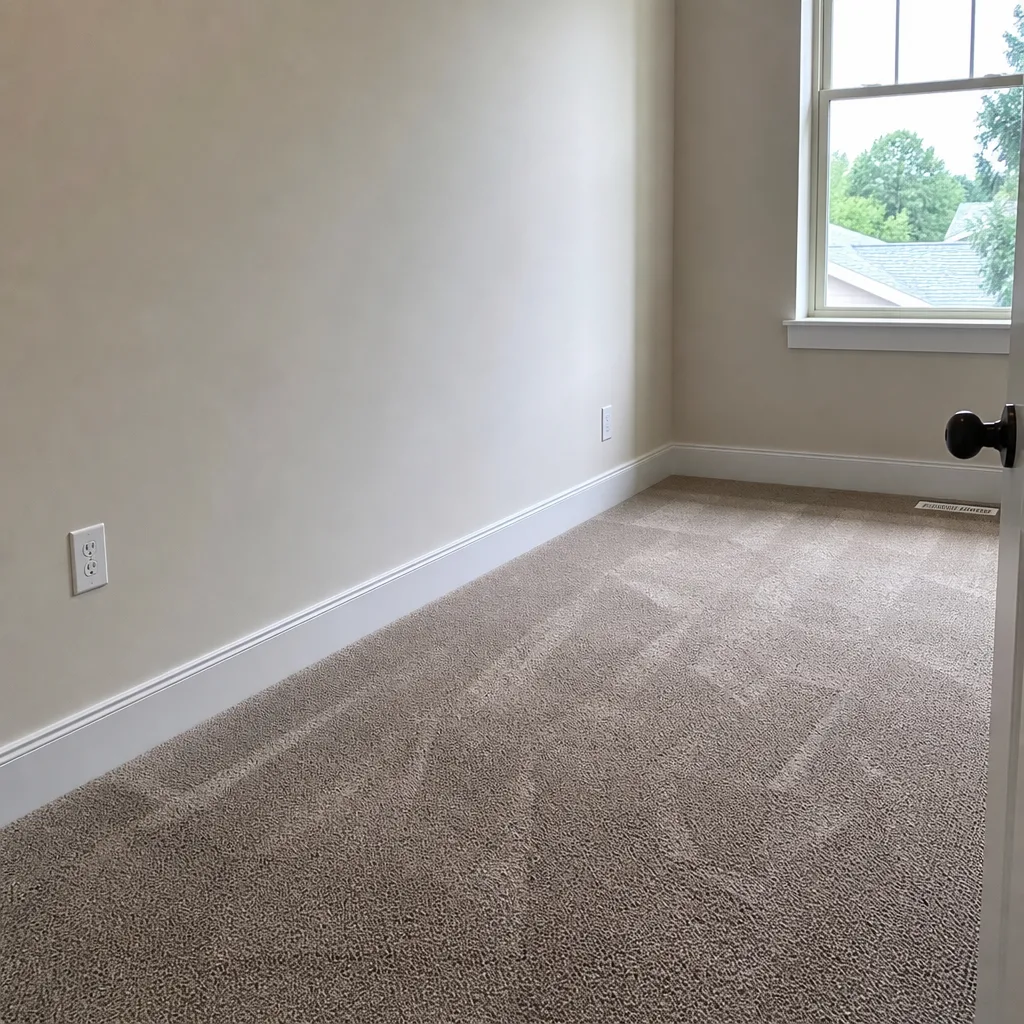 After
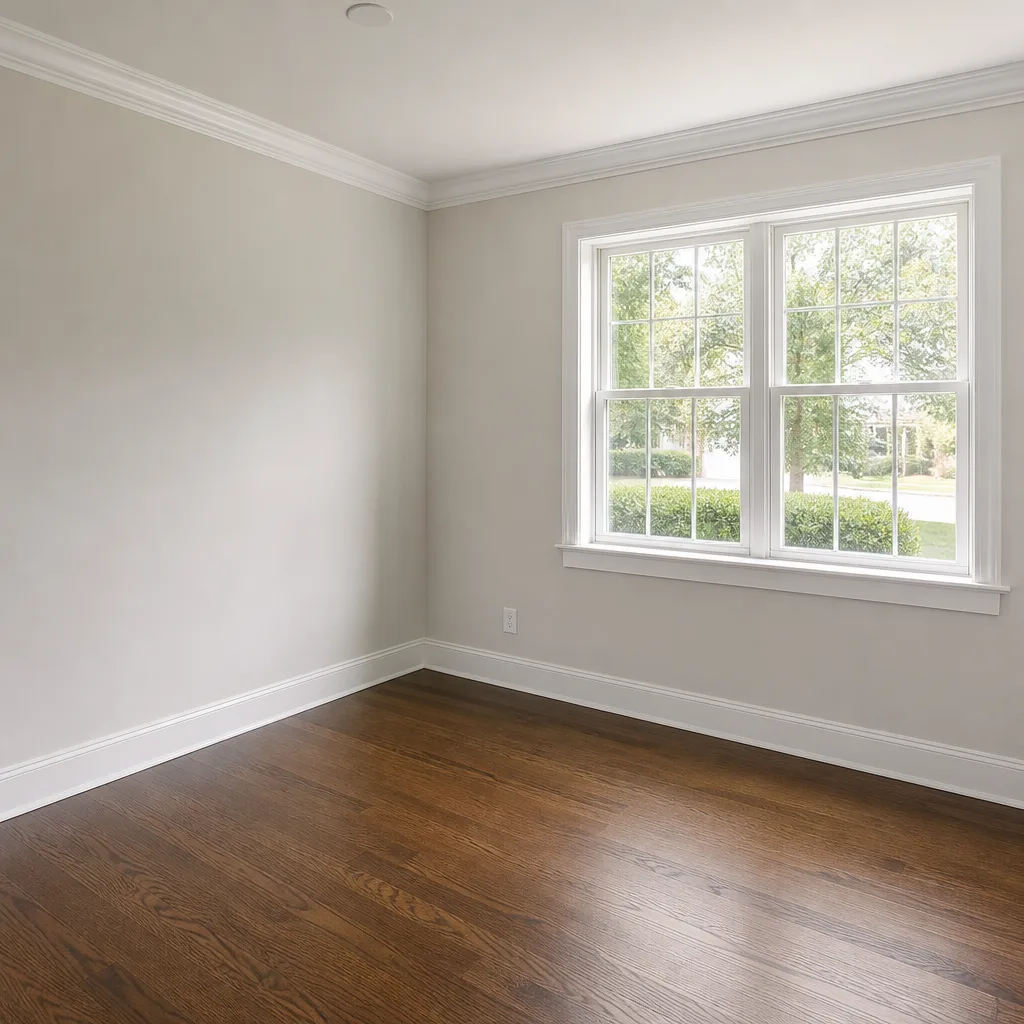
After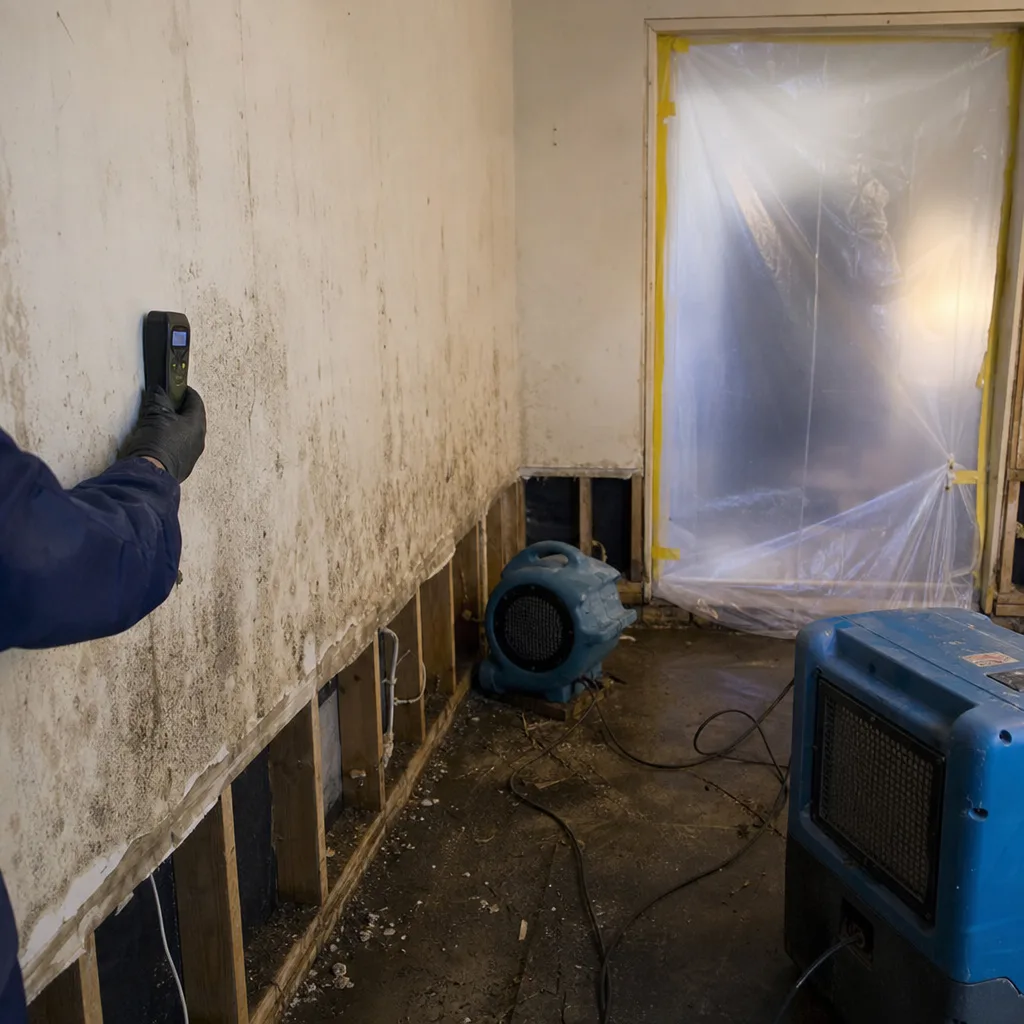 Before
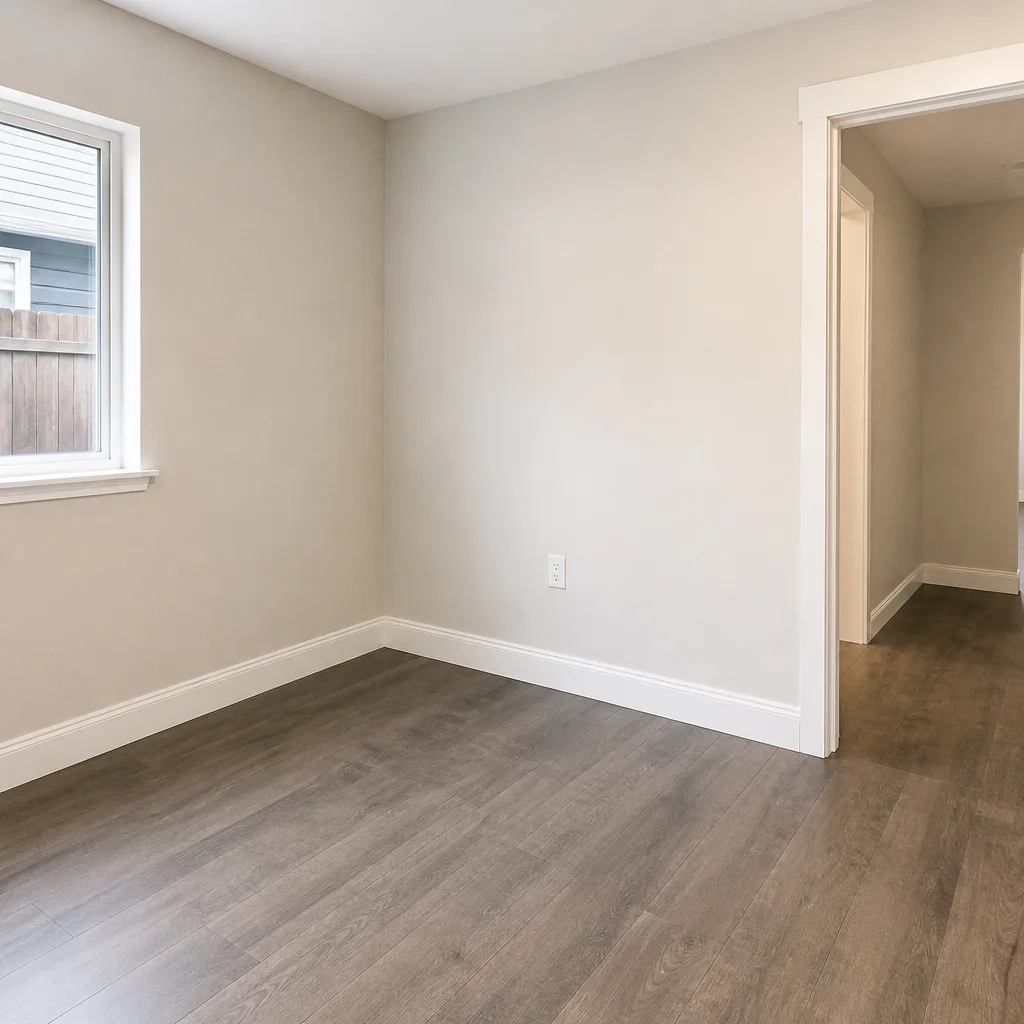 After
AfterFast, Reliable Fire & Smoke Damage Restoration Across SeaTac
Fire and smoke damage restoration in SeaTac typically costs $2,800-$8,500 for residential cleanup, with emergency board-up and tarping starting at $450-$950 and full structural fire repair ranging $15,000-$45,000 depending on square footage and whether FAA acoustic insulation must be removed. Most SeaTac homeowners receive a written scope within 24 hours of our first visit, and our live dispatch answers every call at (253) 265-9692 with no voicemail trees.
We know SeaTac’s homes. The 1950s-1970s post-war tracts in the Angle Lake corridor, the FAA Sound Insulation Program retrofits along 24th Ave S, the hotel and motel density near Sea-Tac Airport. Our crews are dispatched from our Seattle office and carry the trade-specific knowledge that fire in an acoustically sealed wall behaves differently than fire in standard construction. That difference shows up in your claim documentation, your odor results, and your rebuild timeline.
Why DryMark Restoration Tacoma Is SeaTac’s Preferred Fire & Smoke Damage Restoration Company
Back to Dry Restoration has restored over 12,000 homes since 2011, every one with a written price before work started and a photo record on every visit. Alicia Brennan founded the company after working as a claims adjuster and watching homeowners lose legitimate coverage because restoration crews couldn’t produce the documentation insurers require. That origin shapes how we work in SeaTac.
Our SeaTac customers receive the same standard: a written scope before any work begins, Haven Standard, Clause 1. Our technicians are background-checked, uniformed, and licensed, with license numbers documented on every job file. Live phone coverage runs 24 hours a day, 7 days a week on emergency lines. No voicemail. No next-business-day callback while smoke residue is still active on your surfaces.
We coordinate dispatch and scheduling from our Seattle office, and crews serve SeaTac locally with equipment from Dri-Eaz, Phoenix, and XPOWER, documented to IICRC, RIA, and IFA standards. The daily drying logs and photo records we produce turn restoration invoices into claims adjusters pay without dispute.
Our Free Second Opinion on any competitor’s written estimate is available at no charge. Bring another company’s scope to us and we’ll review it against what we find on site, clause by clause.
Our Fire & Smoke Damage Restoration Services in SeaTac
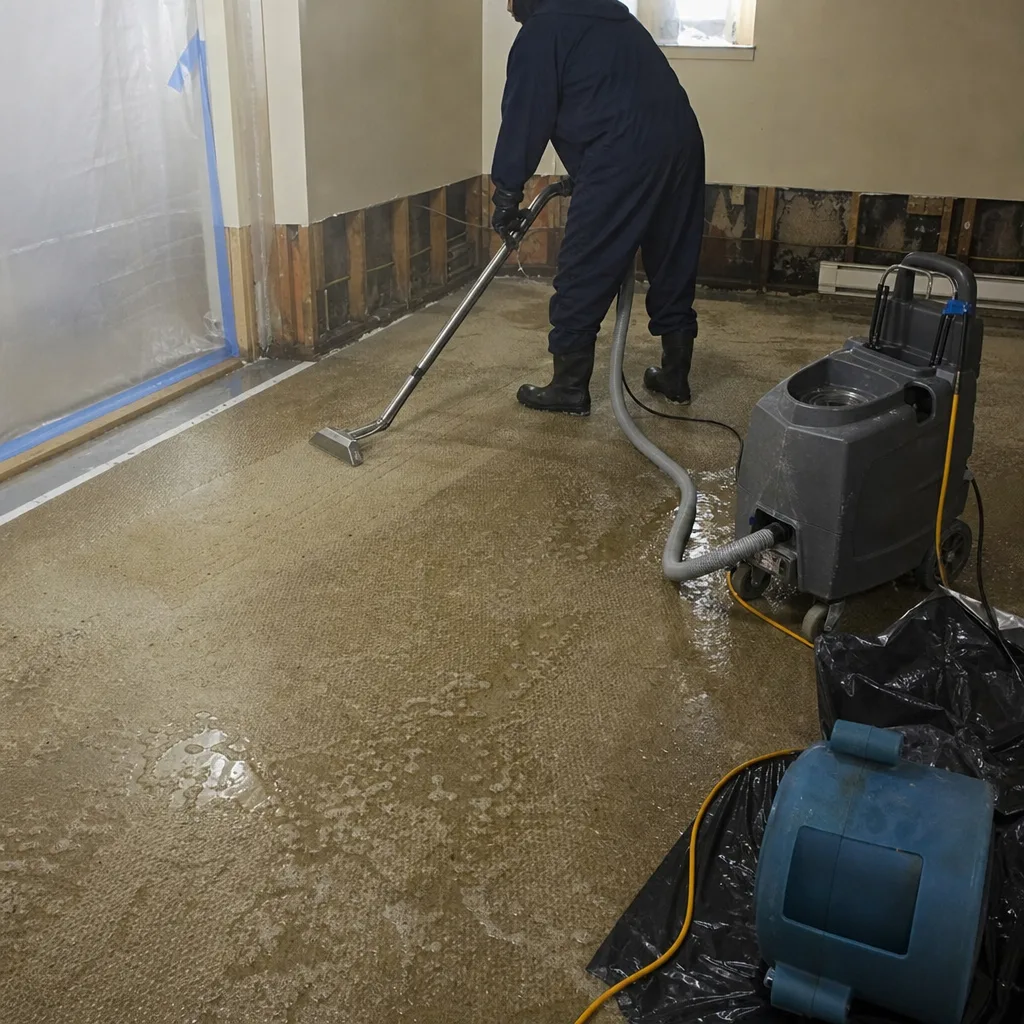
Fire Damage Cleanup
Fire damage cleanup in SeaTac starts with understanding what burned and where the heat traveled. In FAA-retrofitted homes near Angle Lake or along 24th Ave S, that means opening acoustic wall assemblies that were sealed for sound insulation, not vapor management. We document char depth, structural integrity, and pre-existing moisture conditions with photo evidence on every visit. A typical residential fire damage cleanup in SeaTac runs $2,800-$6,200, with commercial hotel and motel properties starting higher due to code requirements and occupancy safety protocols.
Smoke & Soot Removal
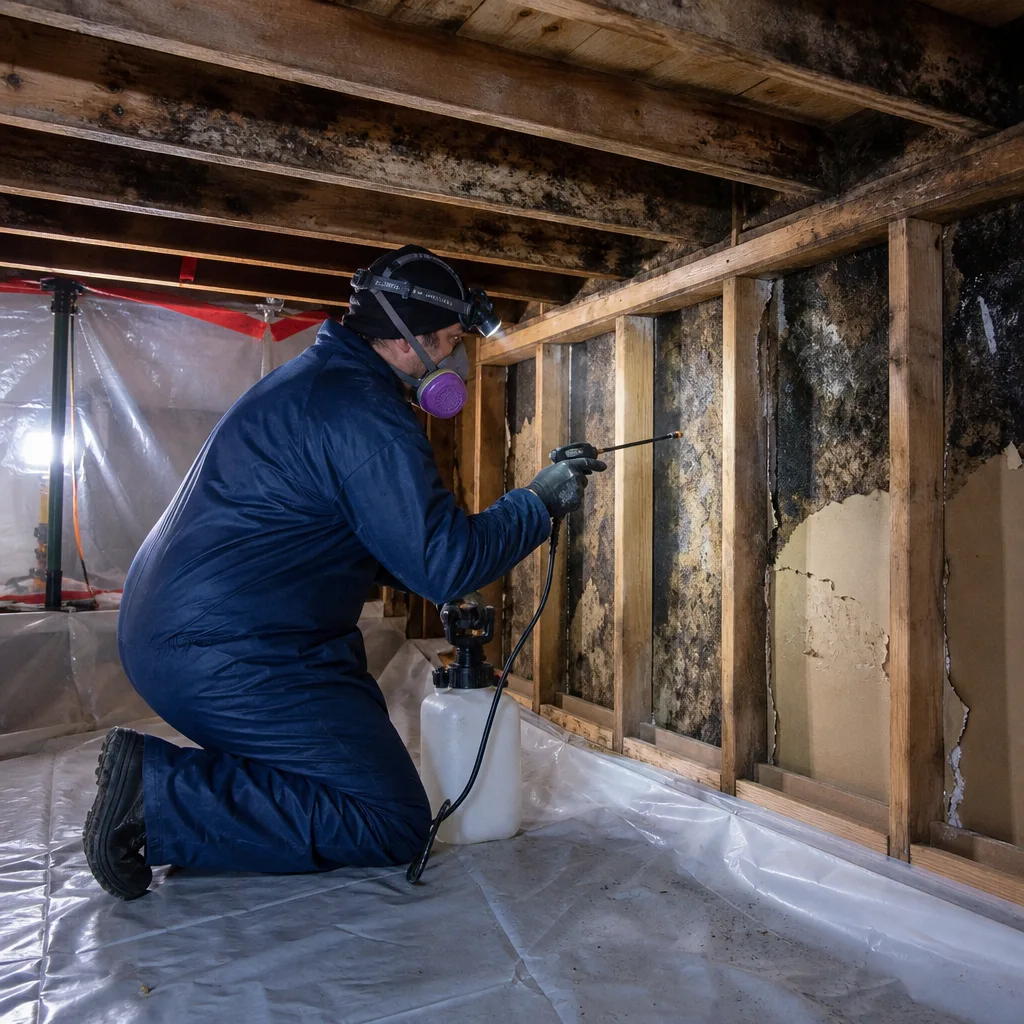
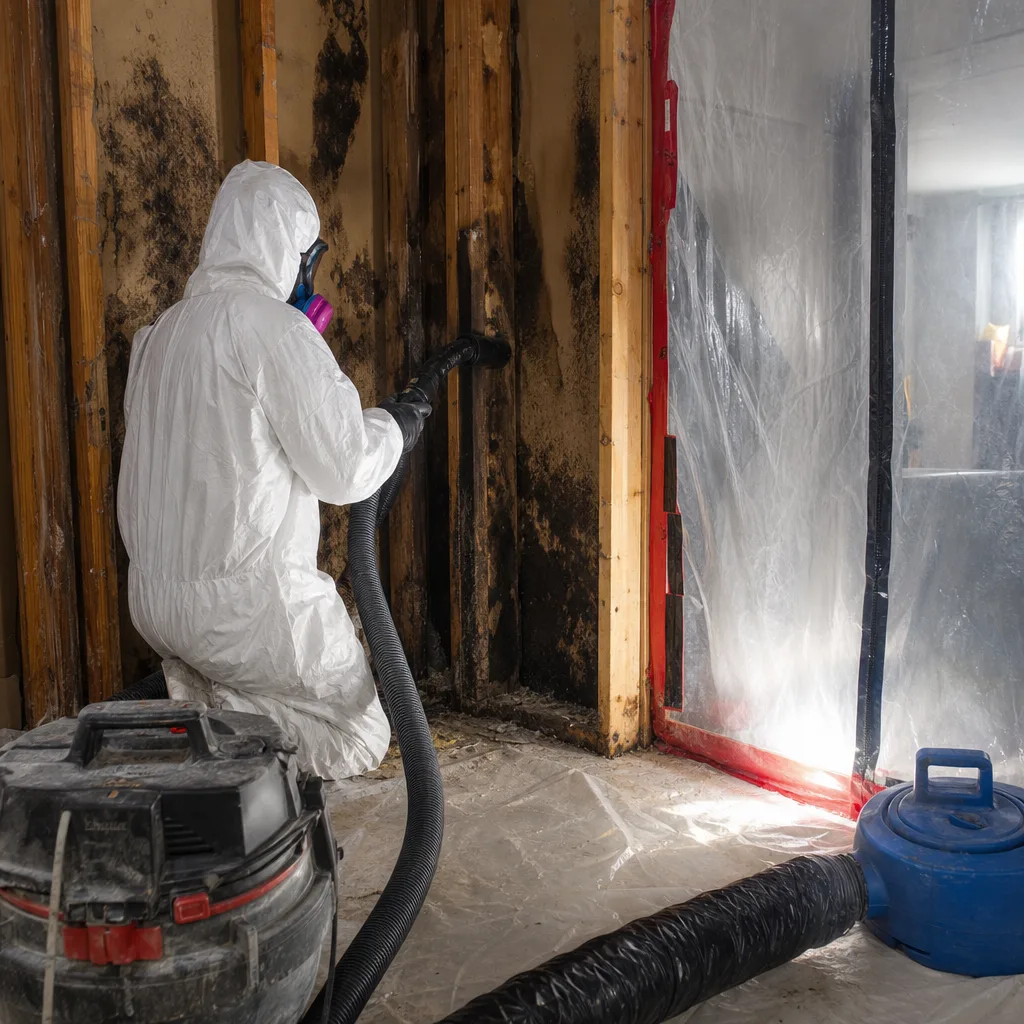
Smoke and soot removal is where SeaTac’s unique construction matters most. The FAA Sound Insulation Program tightened homes with new windows, added wall insulation, and modified HVAC systems for noise reduction. Those same acoustic seals trap smoke residue inside wall cavities where standard surface cleaning can’t reach. Our crews use HEPA vacuuming, dry-ice blasting, and chemical sponging on accessible surfaces, then open and treat sealed assemblies where odor tests indicate trapped residue. Soot removal for a standard SeaTac tract home runs $1,800-$4,500; homes with extensive acoustic insulation removal start at $5,500.
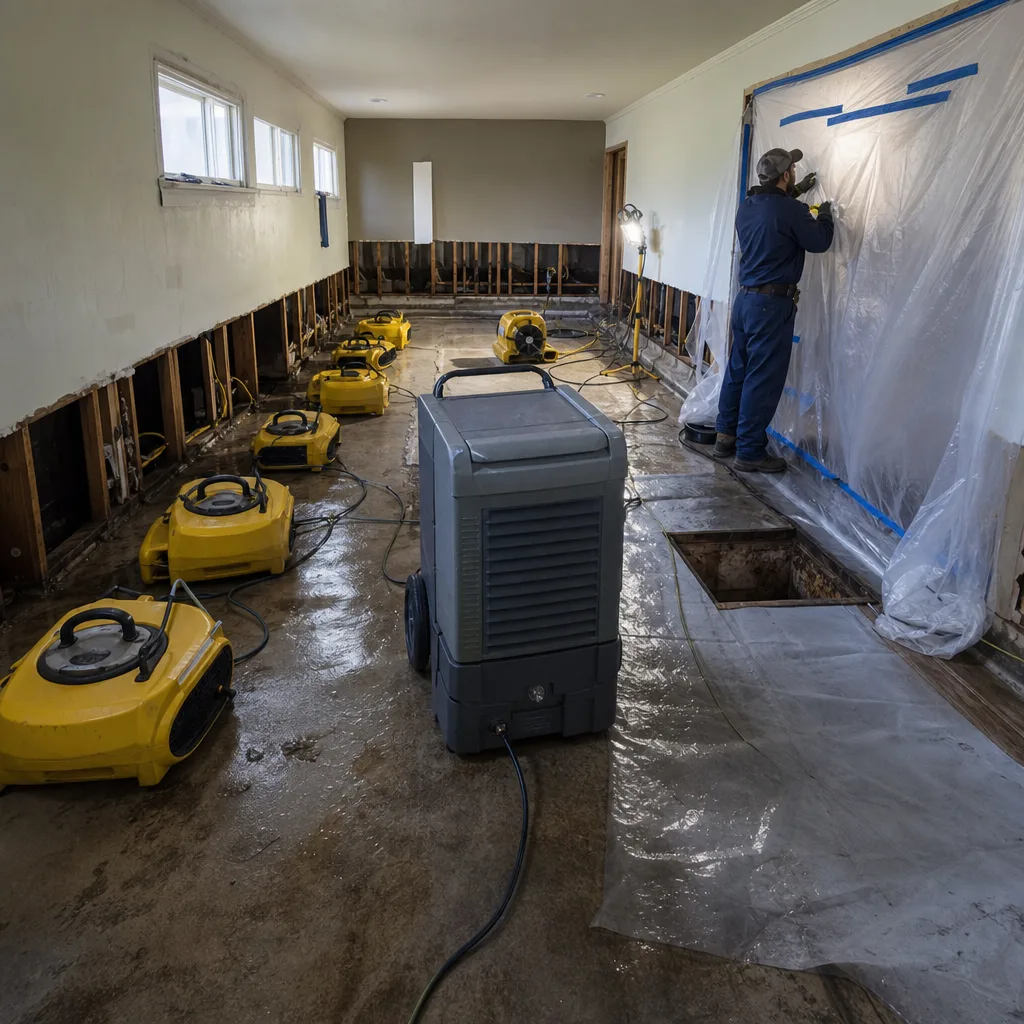
Odor Removal & Deodorization
Odor removal in SeaTac requires equipment that can overcome the airtight envelope created by FAA retrofits. We deploy hydroxyl generators, ozone treatment (where occupants are cleared), and thermal fogging with documented dwell times. The critical step is confirming that wall cavities have been opened and treated, not just surface-deodorized. Odor that returns months later almost always means an acoustic assembly was never opened. Deodorization for a SeaTac home typically runs $1,200-$3,800 depending on square footage and whether attic or crawlspace treatment is required.
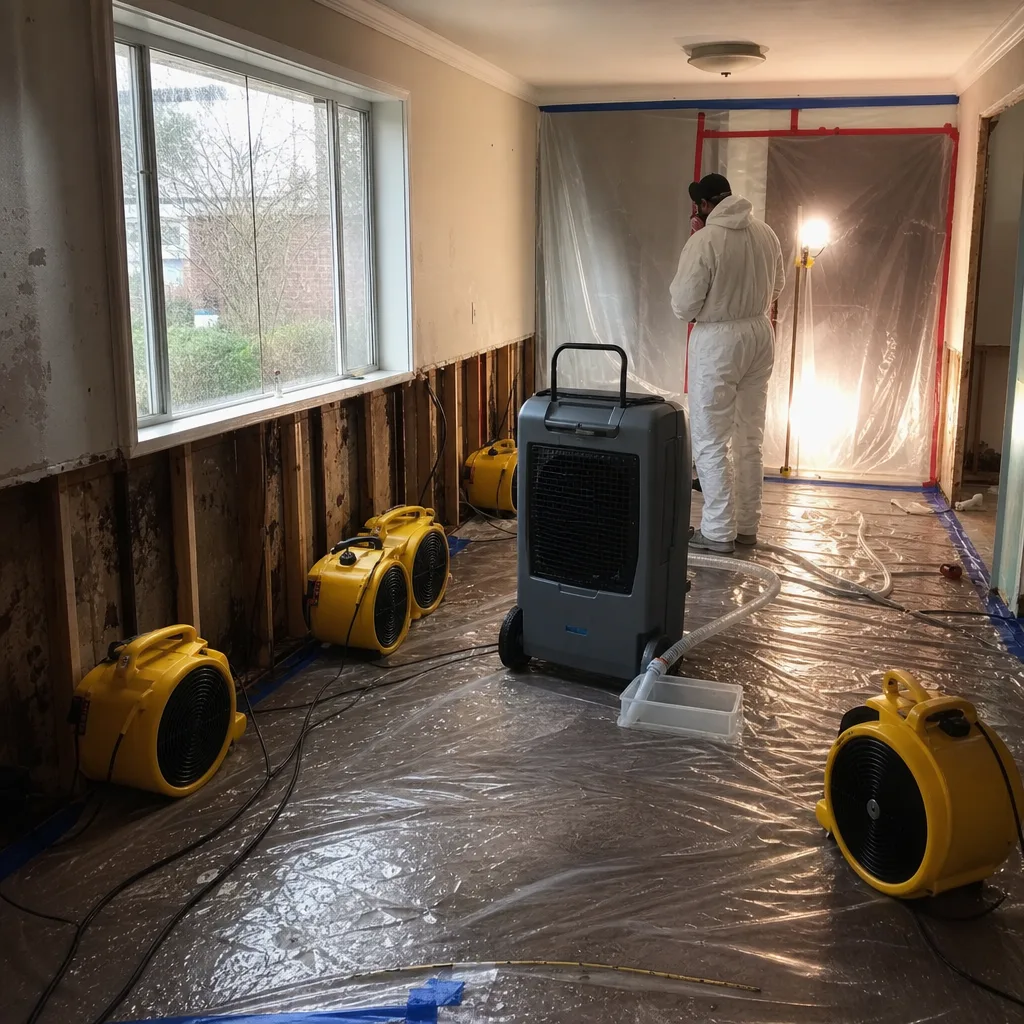
Contents Cleaning & Pack-Out
Contents cleaning after a SeaTac fire includes inventory, photo documentation, and pack-out to our cleaning facility or on-site cleaning where space and access allow. Items affected by smoke in FAA-retrofitted homes often carry a distinct odor profile due to the synthetic materials in acoustic insulation, and our cleaning protocols account for this. We document condition before and after with photo records included as standard, never an upsell. A typical residential pack-out and contents cleaning in SeaTac runs $2,200-$5,500.
Emergency Board-Up & Tarping
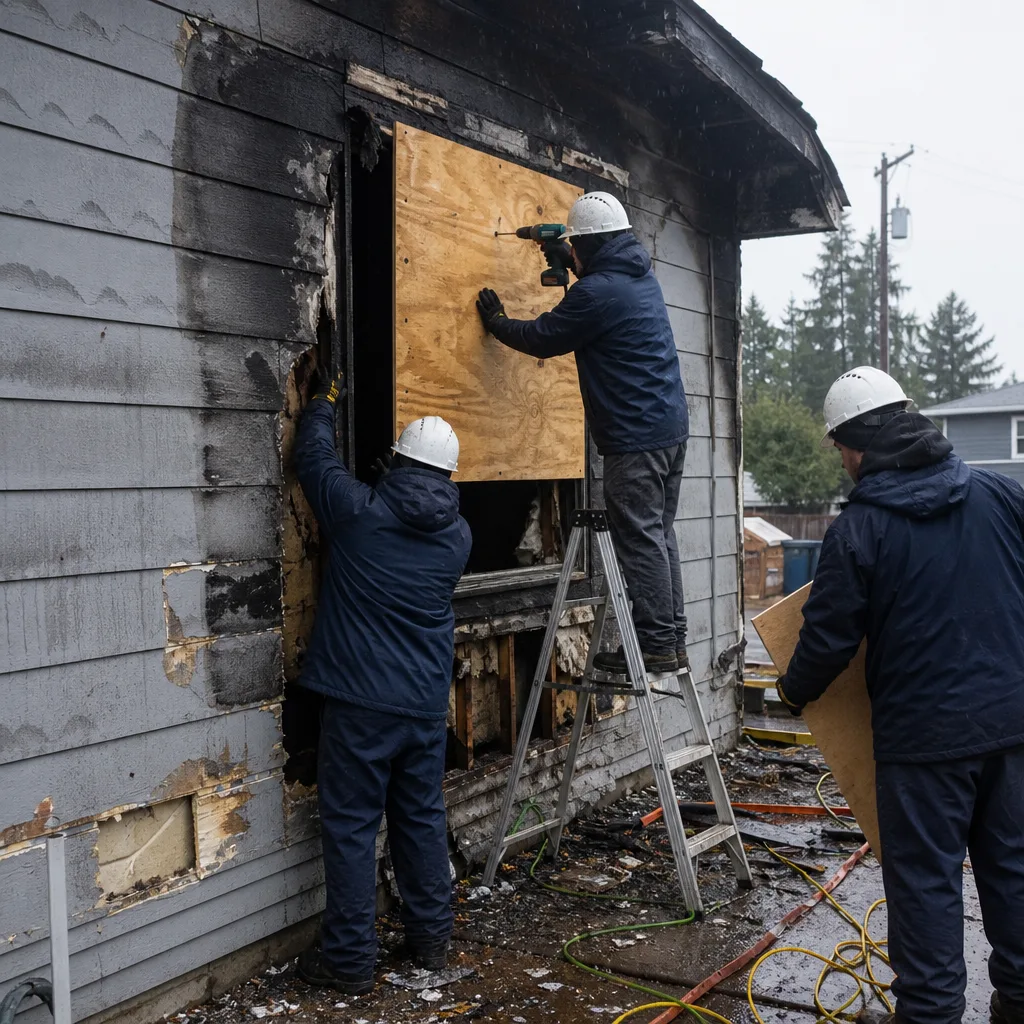
Emergency board-up and tarping in SeaTac addresses an immediate exposure: winter windstorms push rain through failed door seals and compromised exterior openings, turning a small fire loss into a Category 3 water event overnight when protection is delayed. Our crews carry wind-rated materials and secure openings to withstand SeaTac’s storm season, which runs October through April with sustained marine moisture that prevents natural drying. Board-up for a standard SeaTac home runs $450-$950; tarping for roof or upper-floor damage starts at $380.
Structural Fire Repair
Structural fire repair in SeaTac rebuilds what the fire consumed, but it also addresses what the FAA retrofit concealed. We replace acoustic insulation with vapor-managed assemblies where code allows, document moisture readings at each phase, and produce written scopes that separate fire damage from pre-existing conditions. Full structural repair for a SeaTac residential fire typically ranges $15,000-$45,000, with commercial properties assessed individually.
What happens when you call
- 1
A real person answersNo phone trees - you reach a local pro.
- 2
You get an upfront price rangeHonest numbers before anyone is dispatched.
- 3
A background-checked tech heads outLicensed & insured, dispatched right away.
- 4
You approve before work beginsNothing starts until you say go.
BeforeAfterTrusted Brands We Service in SeaTac
Our equipment inventory includes professional-grade drying and dehumidification systems from Dri-Eaz, Phoenix, and XPOWER, with Injectidry systems for targeted cavity drying. We stock replacement materials compatible with SeaTac’s 1950s-1970s construction and the FAA retrofit assemblies common in the Angle Lake corridor. This means faster turnaround on board-up and structural repair jobs, and it means our written scopes specify actual products rather than placeholder allowances that inflate final invoices.
Common Fire & Smoke Damage Restoration Problems We See in SeaTac Homes
- Hidden char behind FAA acoustic insulation. Crews treat retrofitted walls on 24th Ave S like standard drywall and miss smoldering char trapped behind sound batts. The fire isn’t out, it’s just hidden until the next hot day expands the cavity air and rekindles.
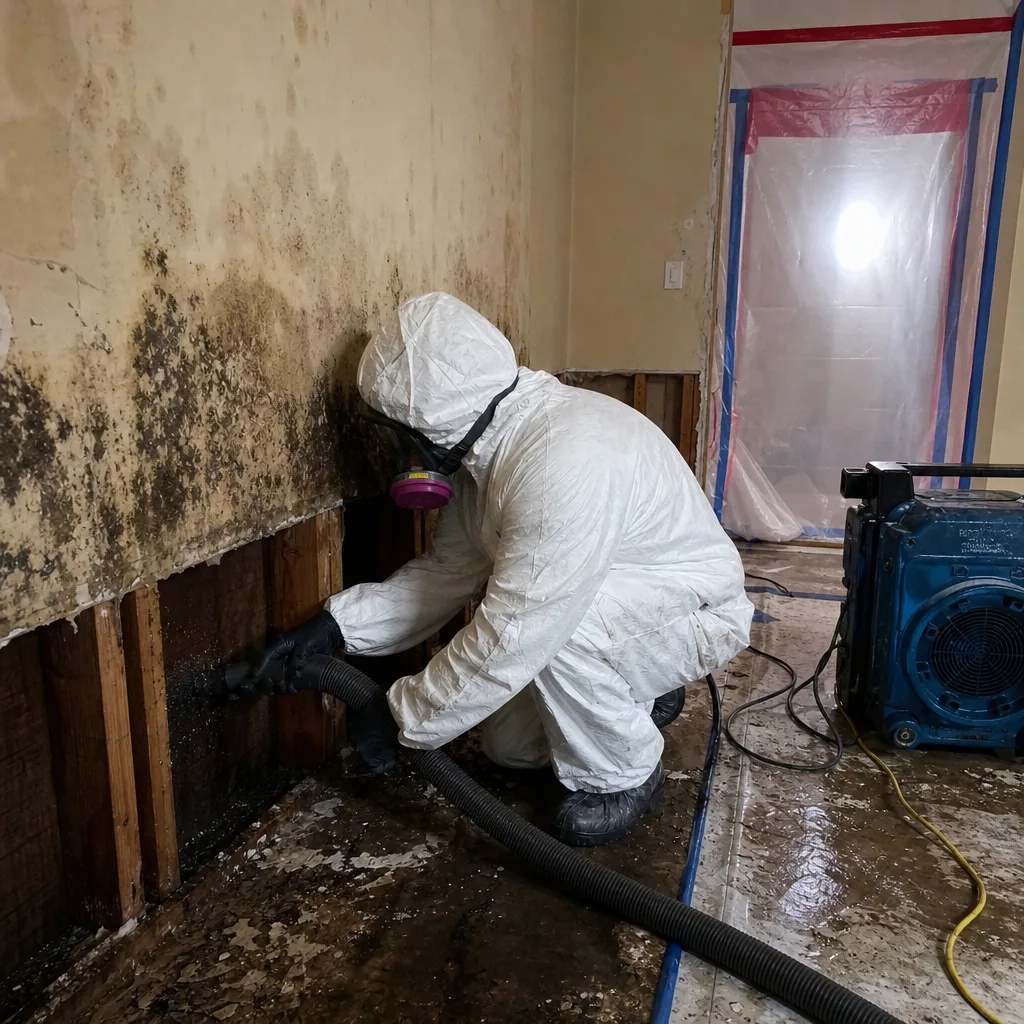
- Smoke odor that returns after the job. The airtight acoustic envelope locks residue inside wall and attic assemblies that weren’t opened for containment and antimicrobial treatment. Surface deodorizing fails because the source was never accessed.
- Wind-driven re-wetting after board-up delays. Winter windstorms push rain through failed door seals and compromised exterior openings on Angle Lake-area homes. A fire loss becomes a water loss overnight when tarping isn’t wind-rated or installed promptly.
- Mold colonization in fire-damaged, moisture-compromised structures. SeaTac averages over 150 overcast or rainy days per year with persistent marine humidity. A fire-damaged home with breached envelope can show mold in 48-72 hours during the October-April rainy season, complicating the restoration scope and the insurance claim.
Pricing for Fire & Smoke Damage Restoration in SeaTac, WA
| Service | Typical Range in SeaTac |
|---|---|
| Emergency board-up & tarping | $450-$950 |
| Fire damage cleanup (residential) | $2,800-$6,200 |
| Smoke & soot removal | $1,800-$4,500 |
| Odor removal & deodorization | $1,200-$3,800 |
| Contents cleaning & pack-out | $2,200-$5,500 |
| Structural fire repair | $15,000-$45,000 |
What moves a SeaTac job toward the higher end: FAA acoustic insulation requiring removal and replacement, mold colonization discovered during fire cleanup, commercial occupancy requirements for hotels or motels near the airport, and wind-driven water intrusion that expands the loss category. What keeps costs controlled: prompt board-up that prevents secondary damage, accurate initial scope that doesn’t require change orders, and documentation that gets the insurance claim paid without dispute.
Every job is quoted in writing before work begins, Haven Standard, Clause 1. No exceptions. Call (253) 265-9692 for a free estimate.
We Also Serve Cities Near SeaTac
Our Fire & Smoke Damage Restoration team responds throughout the South King County and Pierce County corridor. We also serve SeaTac neighbors in Tacoma, Fircrest, Milton, and Federal Way with the same written-price guarantee and documented photo record on every visit.
Serving SeaTac, WA - Our Local Coverage Area
We’re based in the SeaTac area and know this community well. Use the map below to see our service coverage - if you’re nearby, we can almost certainly help.
FAQs - Fire & Smoke Damage Restoration in SeaTac
Smoke odor returns because the FAA Sound Insulation Program created airtight wall and attic assemblies that trap residue behind acoustic insulation where surface cleaning can’t reach. The odor was never fully removed, it was just sealed in. Our crews test wall cavities with borescope inspection and open assemblies where residue is detected, then run antimicrobial treatment and structural drying before sealing. Call (253) 265-9692 for an exact quote - estimates are free.
Yes, if any exterior opening is compromised. SeaTac’s winter windstorms push rain through failed seals and damaged openings, and with over 150 overcast or rainy days annually, a small fire loss becomes a Category 3 water event overnight. Our board-up uses wind-rated materials sized for local storm loads. The cost of proper board-up ($450-$950) is minor compared to the mold and structural damage that delayed protection causes.
Mold can begin colonizing in 48-72 hours in a SeaTac structure with compromised envelope during the October-April rainy season, due to persistent marine humidity and slow natural drying. Active desiccant equipment is required to maintain safe moisture levels. We document psychrometric data - temperature, relative humidity, and vapor pressure differential - from day one to prove the structure was stabilized. Call (253) 265-9692 for emergency dispatch.
Yes. Items stored in FAA-retrofitted homes often carry a distinct odor profile from synthetic acoustic insulation materials that standard contents cleaning protocols don’t address. Our cleaning facility runs specialized deodorization cycles for these residues, and we document odor levels before and after with photo evidence. The claim is more accurate, and the contents are actually restored rather than replaced unnecessarily.
A commercial scope for SeaTac’s airport-adjacent hospitality properties includes occupancy safety protocols, code-compliant fire separation restoration, documentation for business interruption claims, and coordination with property management for phased work that maintains partial operations where possible. Written pricing is delivered before work begins, and photo records support both the property claim and any guest liability documentation. Commercial scopes are assessed individually - call (253) 265-9692 for a written estimate.
We were called to a kitchen fire on a 1960s tract home near Angle Lake, where the fire had crept into the wall cavity behind the FAA-installed acoustic insulation. Our tech performed containment and moisture mapping, found hidden char behind the sound batts, then ran antimicrobial treatment and structural drying with Dri-Eaz desiccant dehumidifiers and XPOWER air movers to stabilize the assembly before board-up and pack-out. The scope of work documented both fire damage and the pre-existing vapor-trapped mold we uncovered, which made the claim accurate and the rebuild correct.
SeaTac’s FAA Sound Insulation Program homes in the Angle Lake corridor and along 24th Ave S were sealed for acoustics without vapor control, so a fire that chars drywall often smolders inside acoustic wall assemblies, trapping smoke odor and hiding char behind sound batts that must be opened and inspected. That acoustic-sealed construction means smoke and soot behave differently here than in neighboring Burien or Des Moines homes that never went through the retrofit. A generic fire cleanup checklist misses this. Our scopes don’t.
Written by Alicia Brennan, Owner at Back to Dry Restoration, serving SeaTac since 2011.