
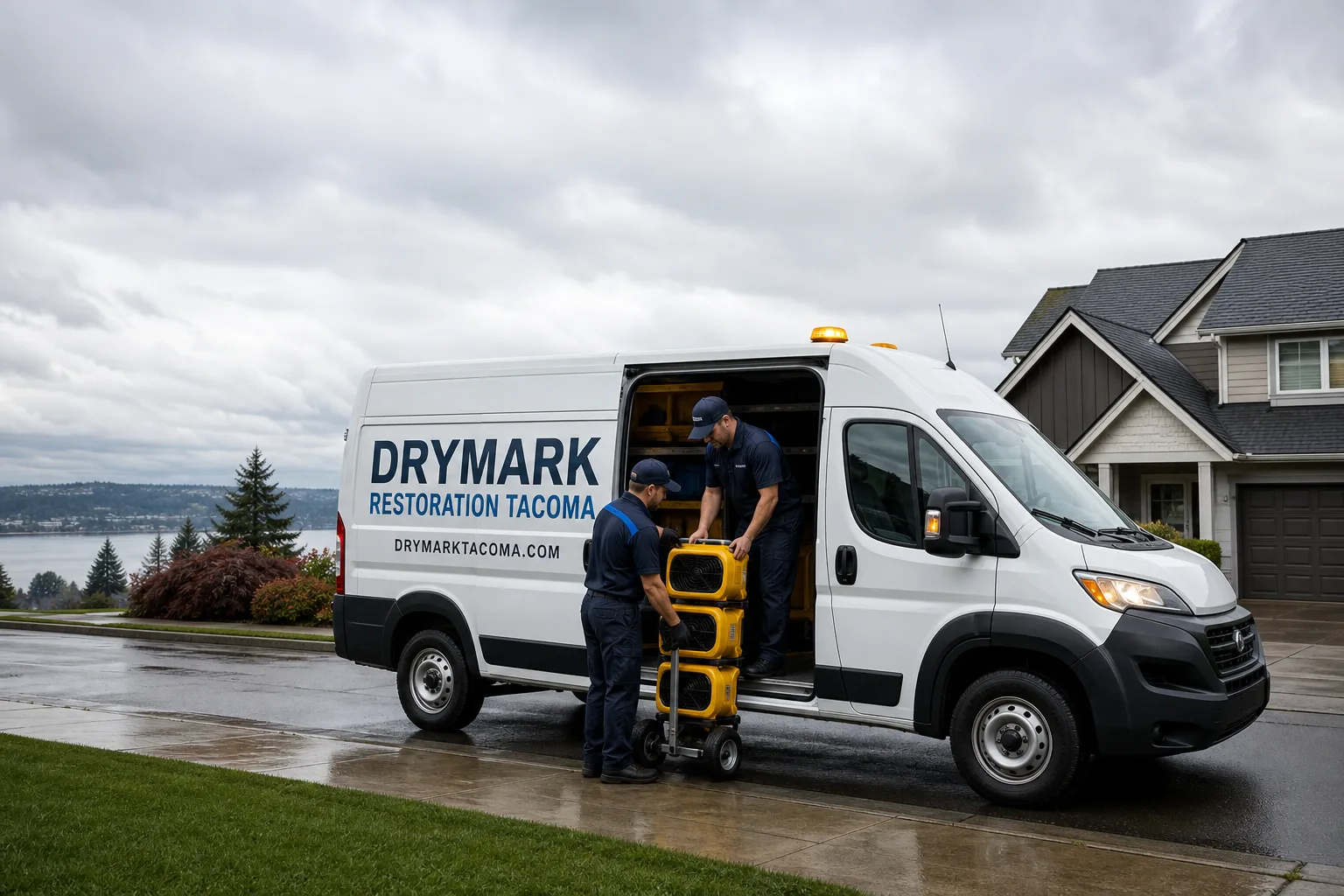
Free visual inspection and a written scope of work before any mitigation begins - photos, moisture readings, and drying logs go in your claim file
The scope we write is the scope we bill. Anything new gets shown to you, in writing, before we touch it.
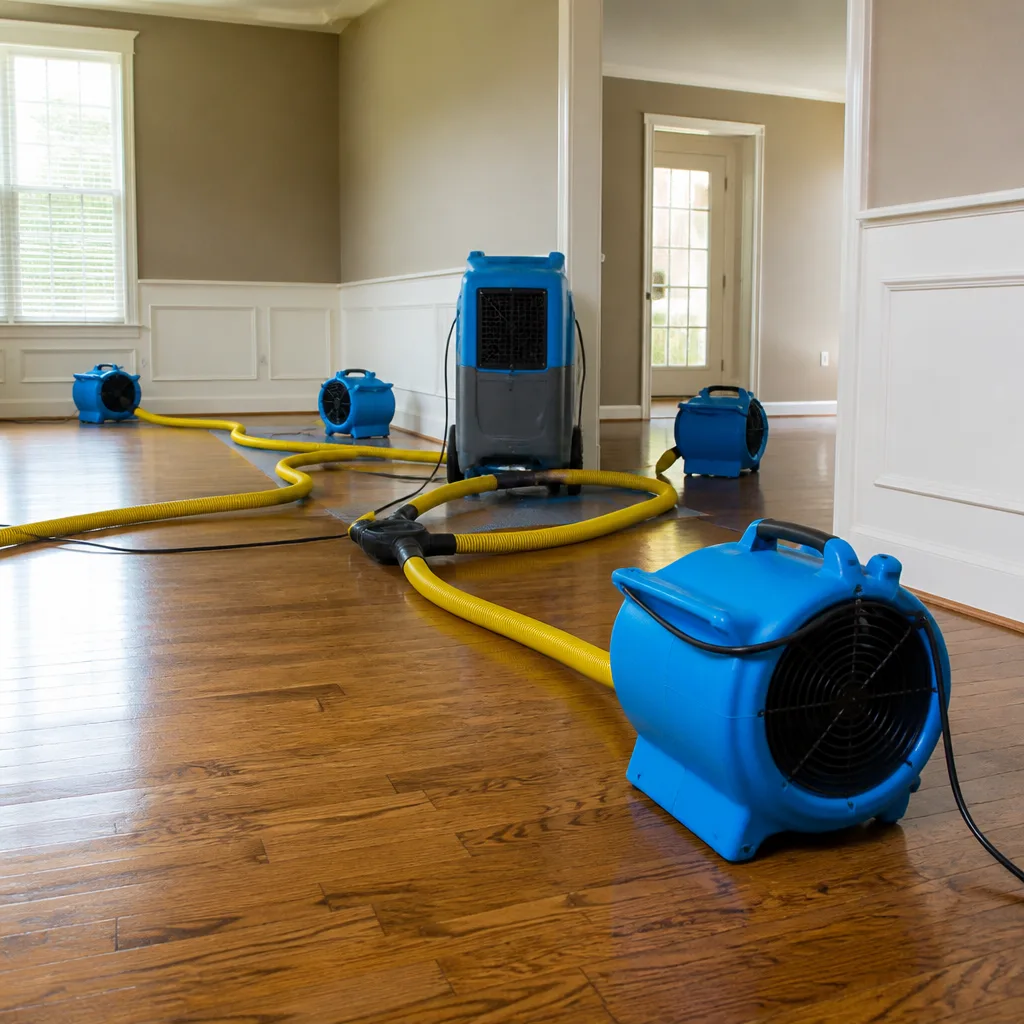
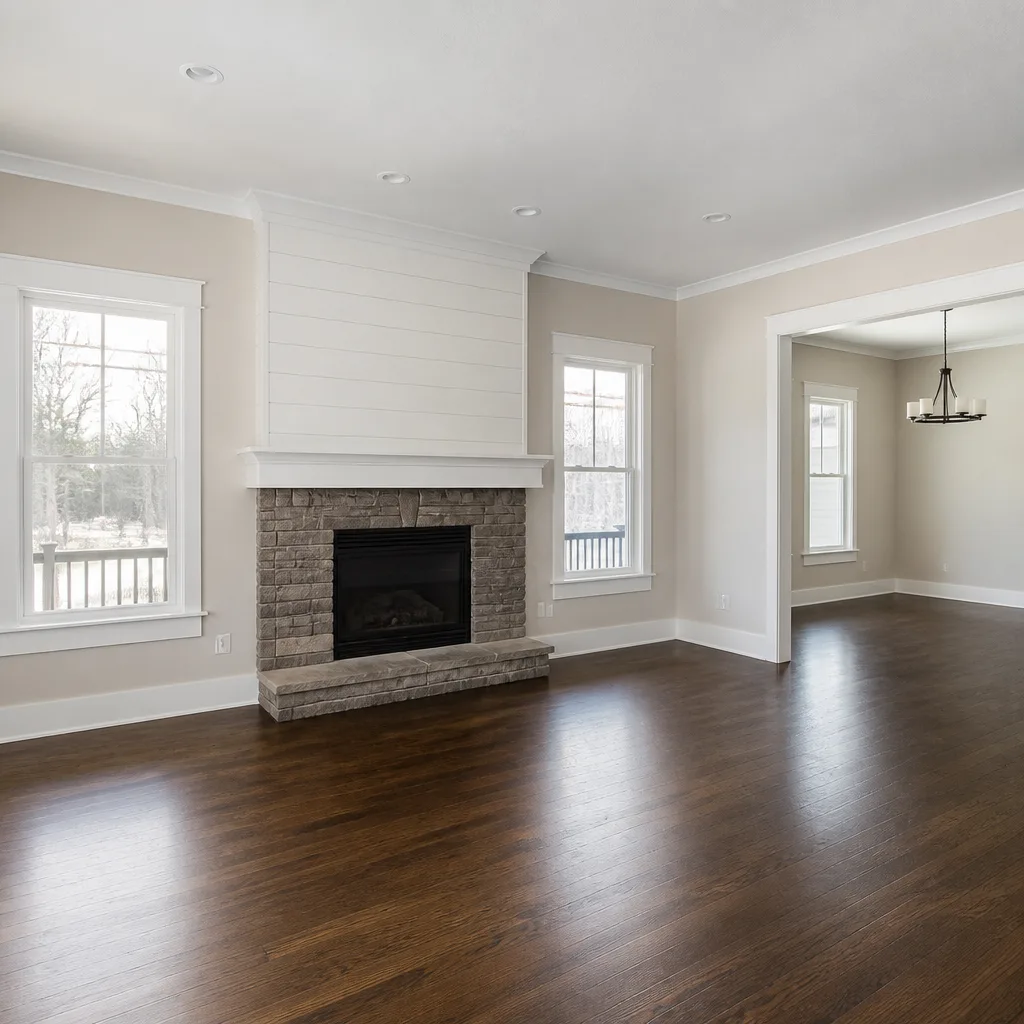
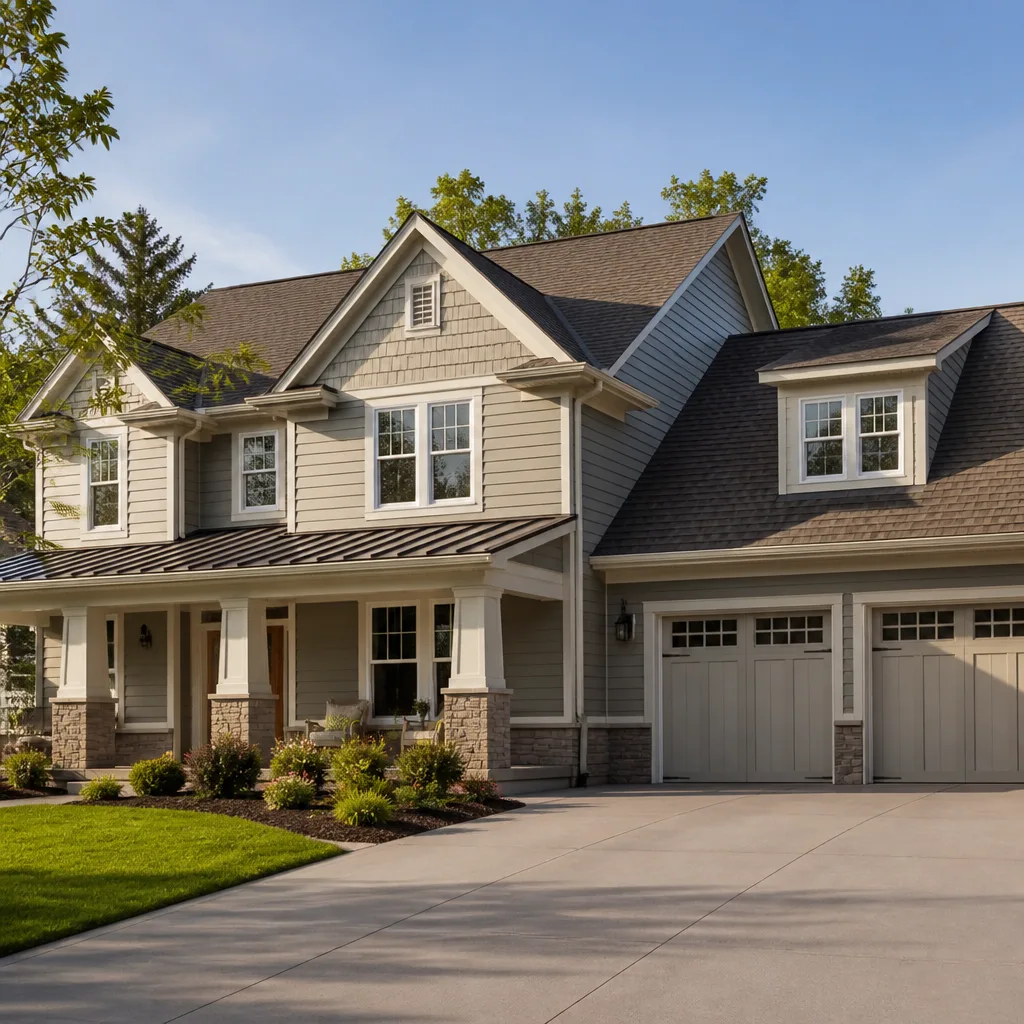
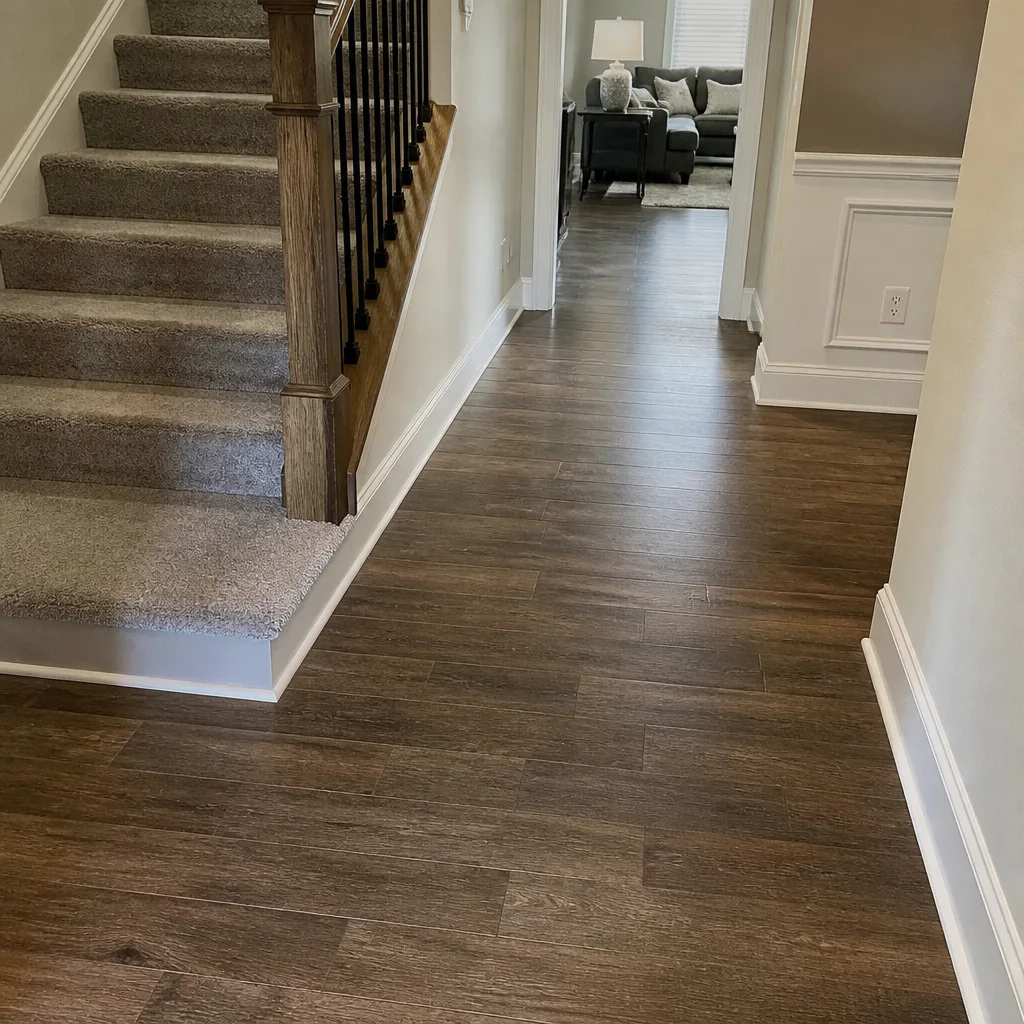
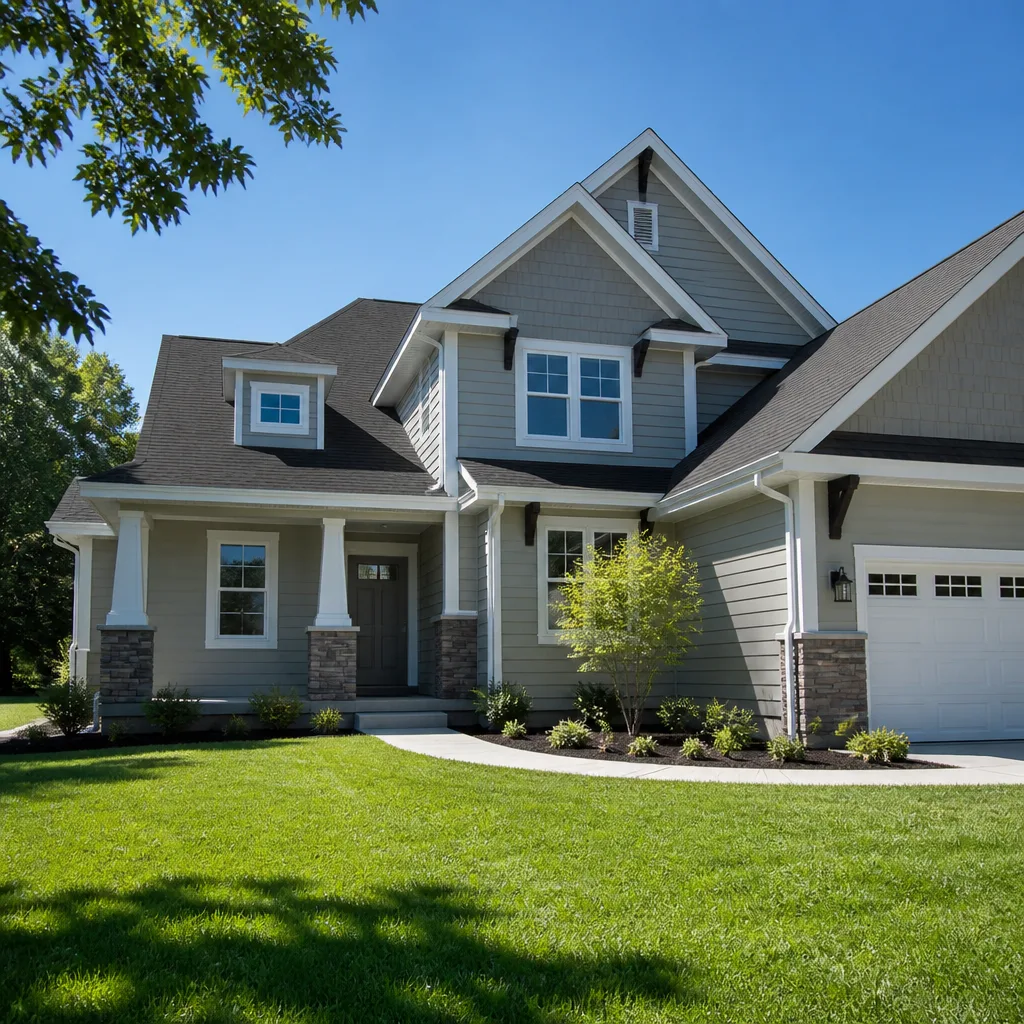
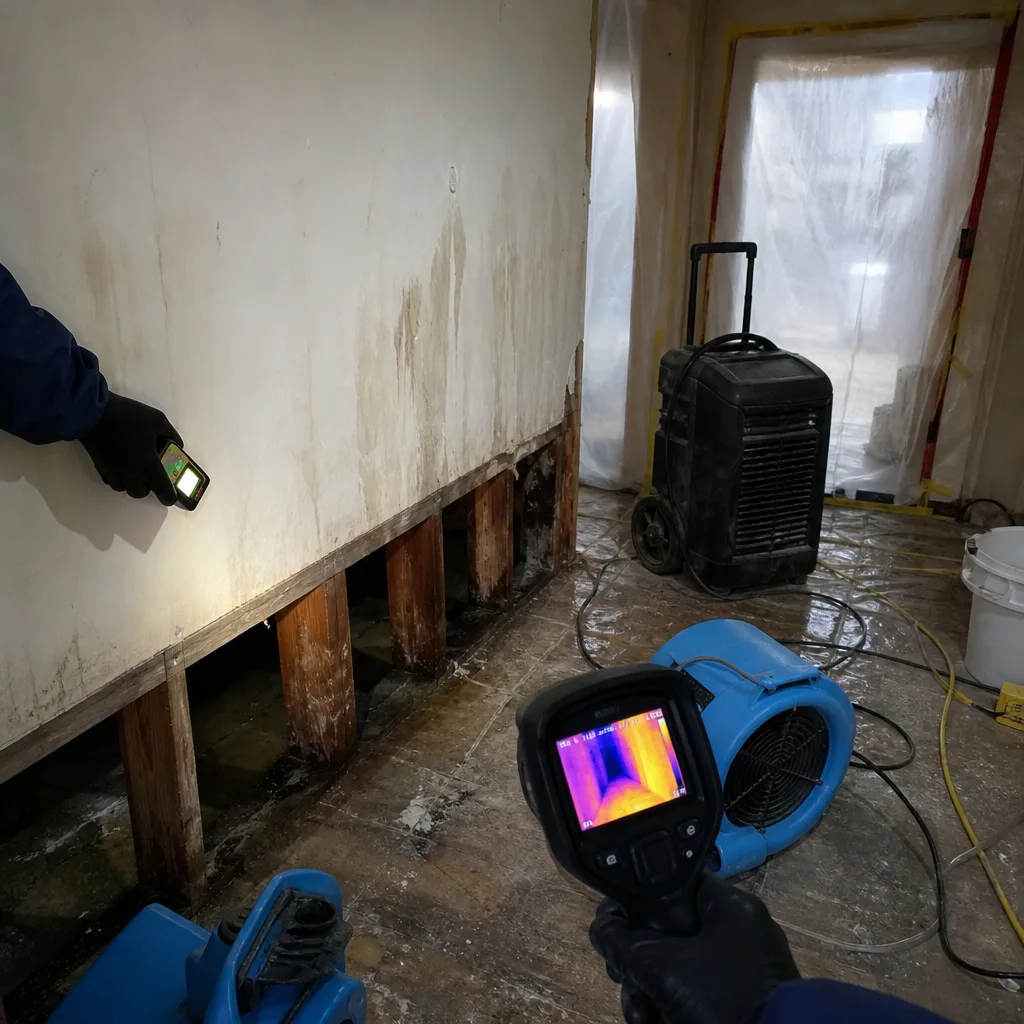 Before
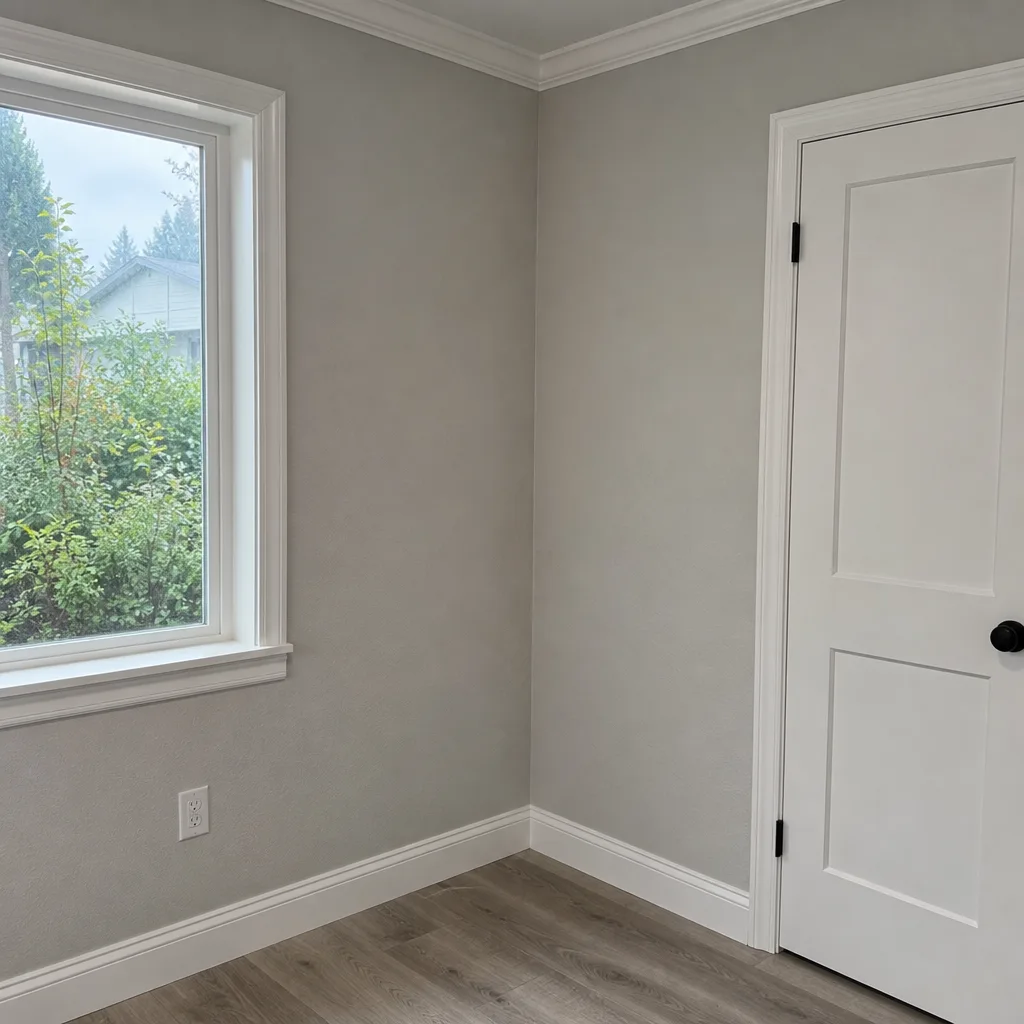 After
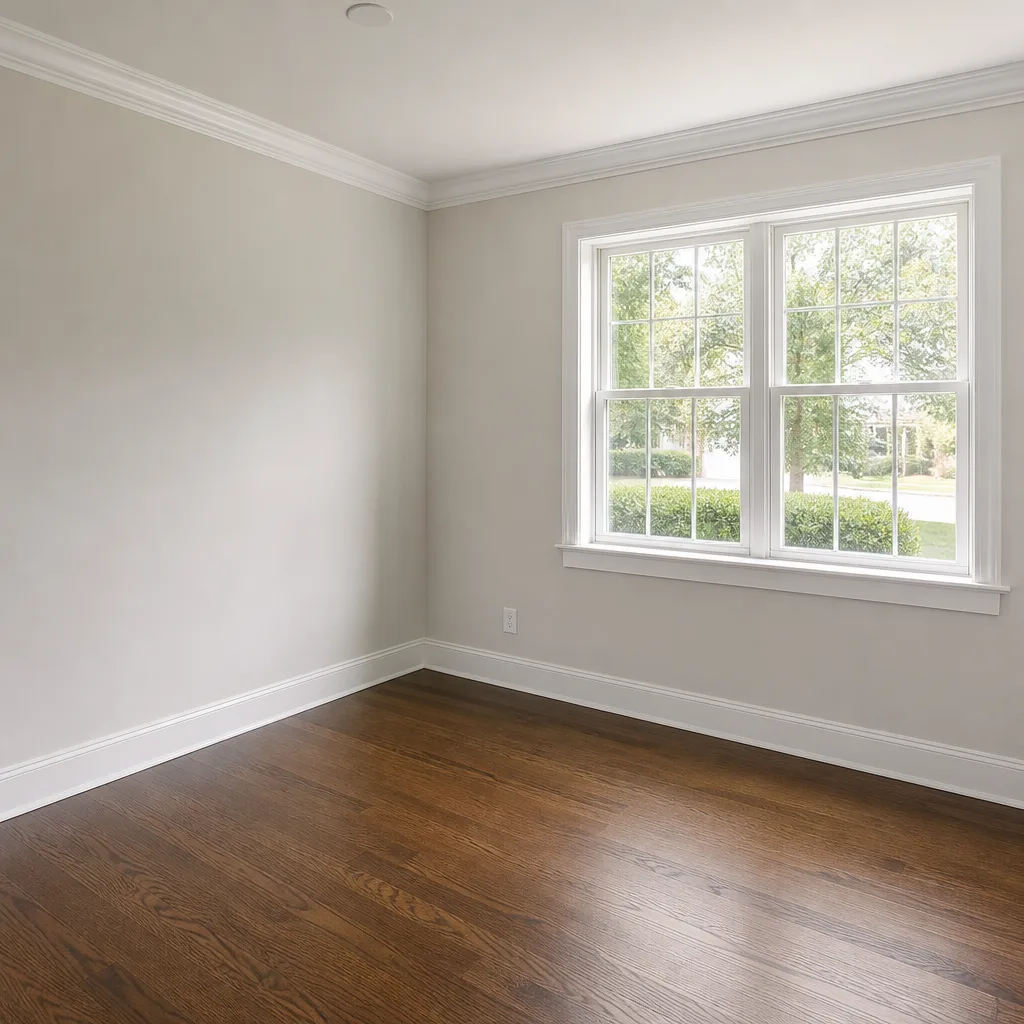
After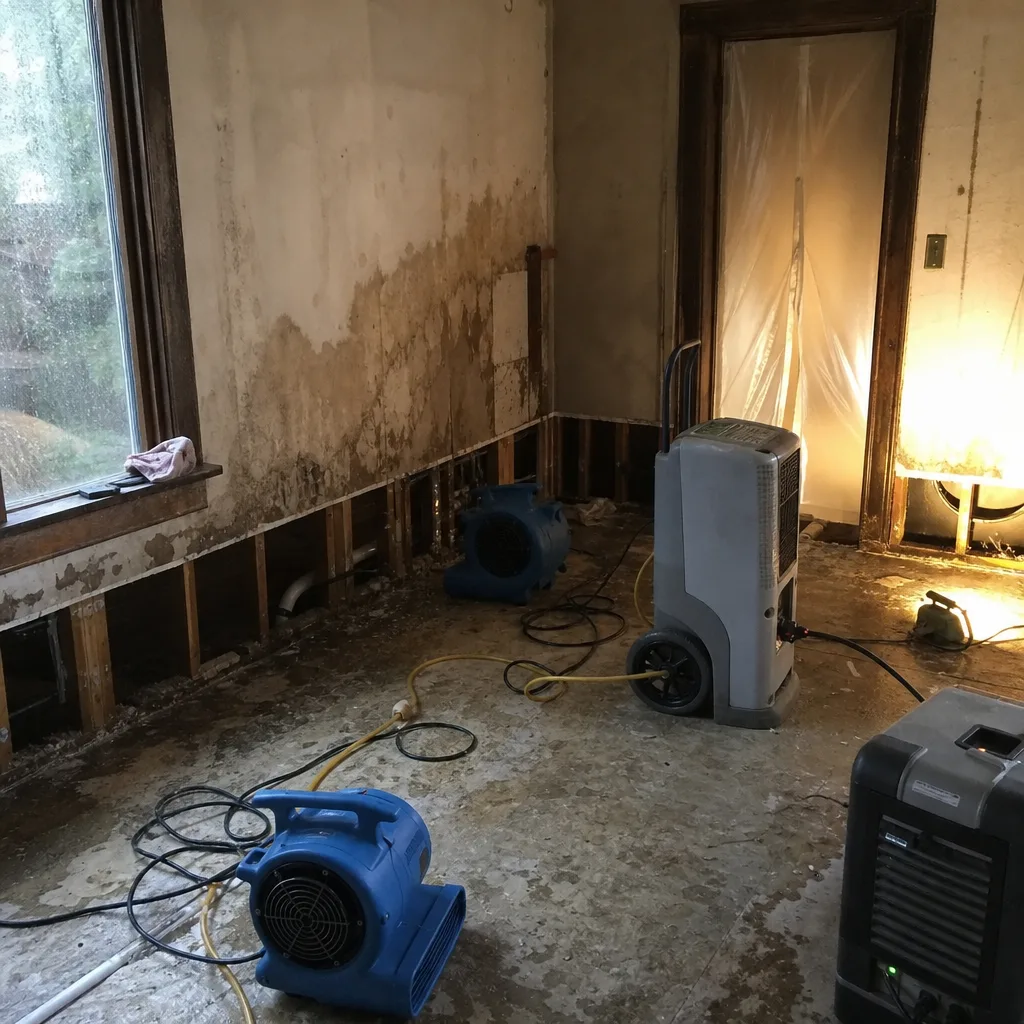 Before
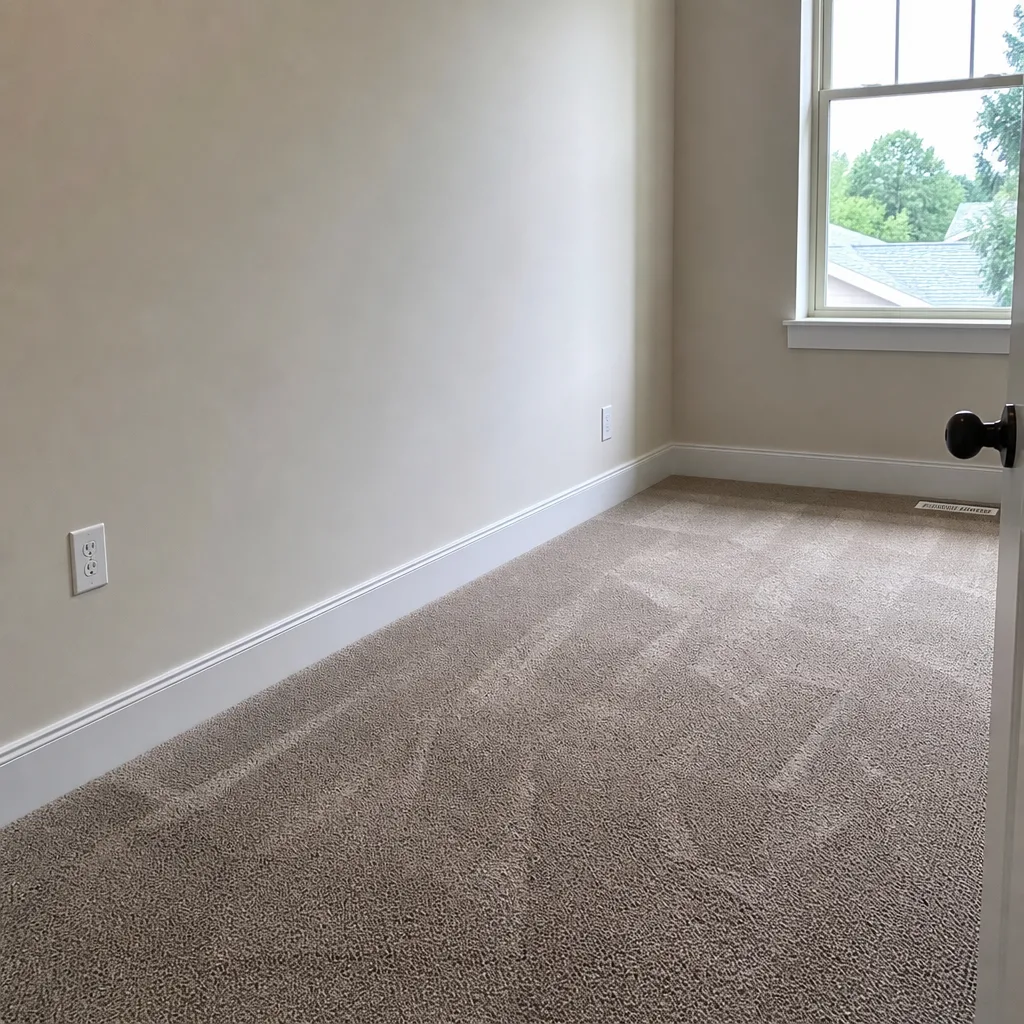 After
After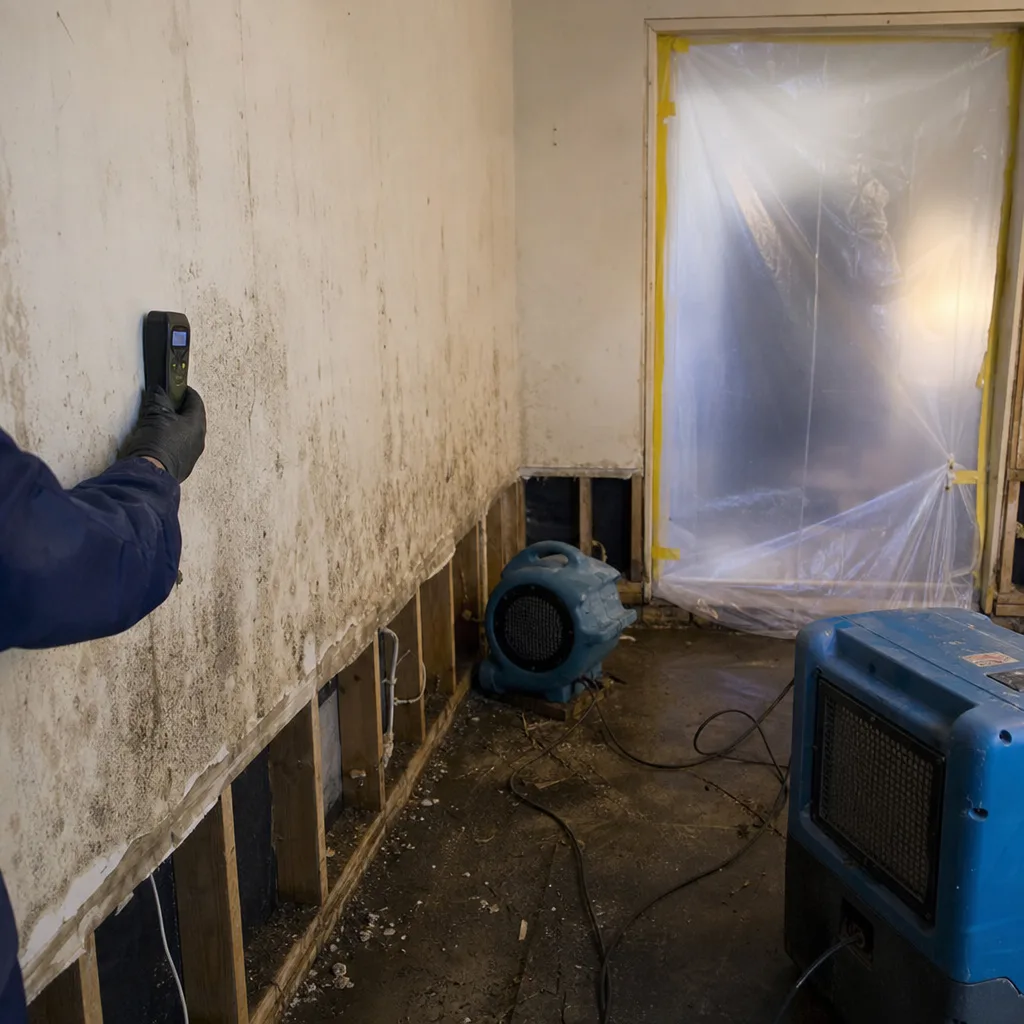 Before
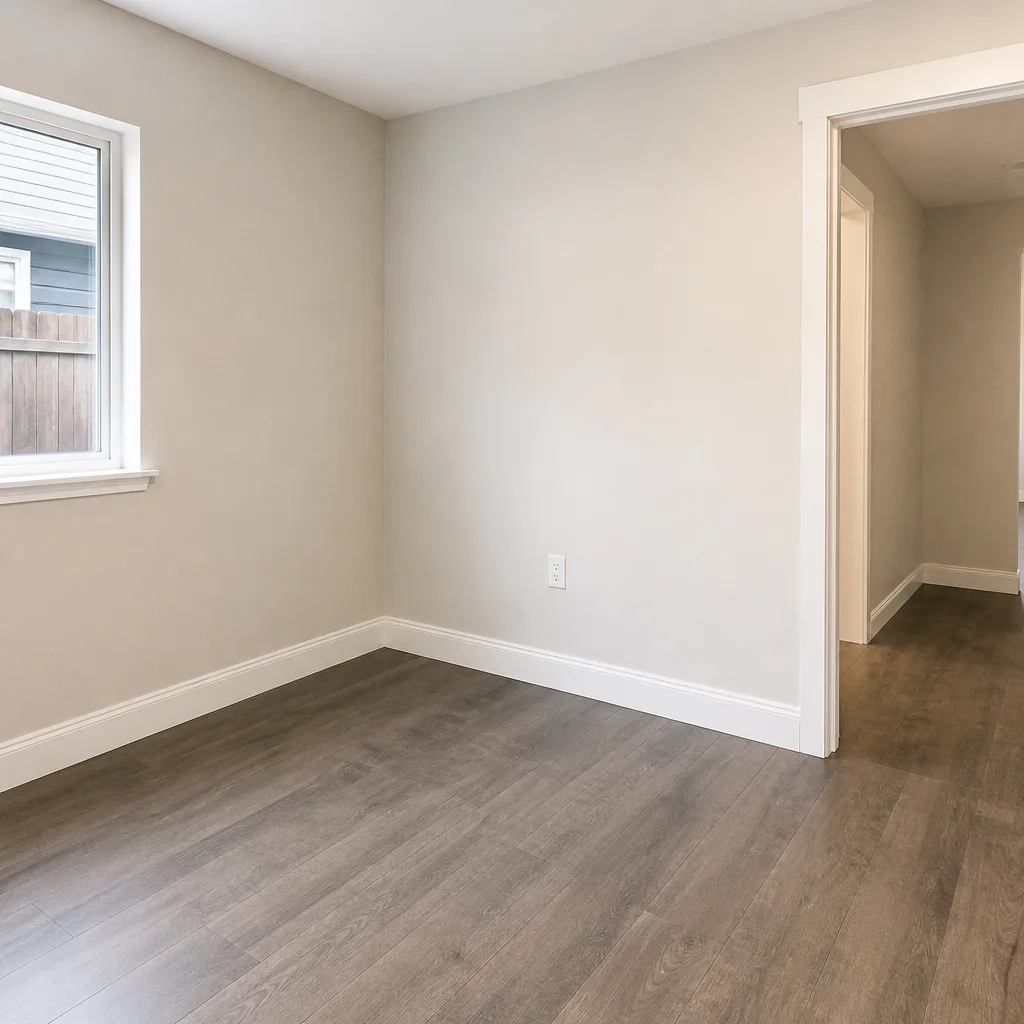 After
AfterFast, Reliable Fire & Smoke Damage Restoration Across Federal Way
Fire damage in a Federal Way home rarely stays where the flames touched. Between our clay-heavy soils that keep crawl spaces wet half the year, the mature Douglas fir canopy that drops limbs through aging roofs, and a housing stock of 1965-1990 tract ramblers with original wiring and paneling, a kitchen fire or tree-strike event here almost always becomes a combined fire, water, and odor problem. We dispatch crews to Federal Way from our Seattle office, and a live person answers every call, 24 hours a day, 7 days a week, at (253) 265-9692. No voicemail trees. No next-day callbacks while smoke residue is still settling into porous surfaces.
Our Fire & Smoke Damage Restoration team has worked the neighborhoods around Steel Lake, the Pacific Highway South corridor, and the older subdivisions off 320th Street. We know the one-story ramblers with unconditioned crawl spaces, the split-levels with degraded vapor barriers, and the 1970s electrical panels that can turn a small fire into a structure-wide event. That local knowledge changes what we look for when we walk through your door, and it changes what we document for your adjuster.
Why DryMark Restoration Tacoma Is Federal Way’s Preferred Fire & Smoke Damage Restoration Company
Back to Dry Restoration, led by Alicia Brennan and operating under The Haven Standard since 2011, was built by a former claims adjuster who saw how sloppy documentation cost homeowners their settlements. We do not sell reassurance. We sell evidence: a written price before work begins, a photo record on every visit, and daily logs that turn restoration invoices into payable claims. Federal Way homeowners have used our Free Second Opinion service to review competitor estimates at no charge, and our 365-Day Done Right Promise is a signed guarantee, not a verbal assurance.
Our response time to Federal Way is typically under 90 minutes for emergency board-up and tarping. We coordinate dispatch from our Seattle office, but our crews serve Federal Way locally and carry the equipment to start work immediately: Phoenix and XPOWER air scrubbers, B-Air dehumidifiers, and Injectidry cavity drying systems. Every technician is background-checked, uniformed, and licensed, with license numbers documented on the job file.
We have restored more than 12,000 homes since 2011. Every one had a written price before work started and a documented record when the crew left. That is Haven Standard, Clause 1, and it applies to every Federal Way job we take.
Our Fire & Smoke Damage Restoration Services in Federal Way
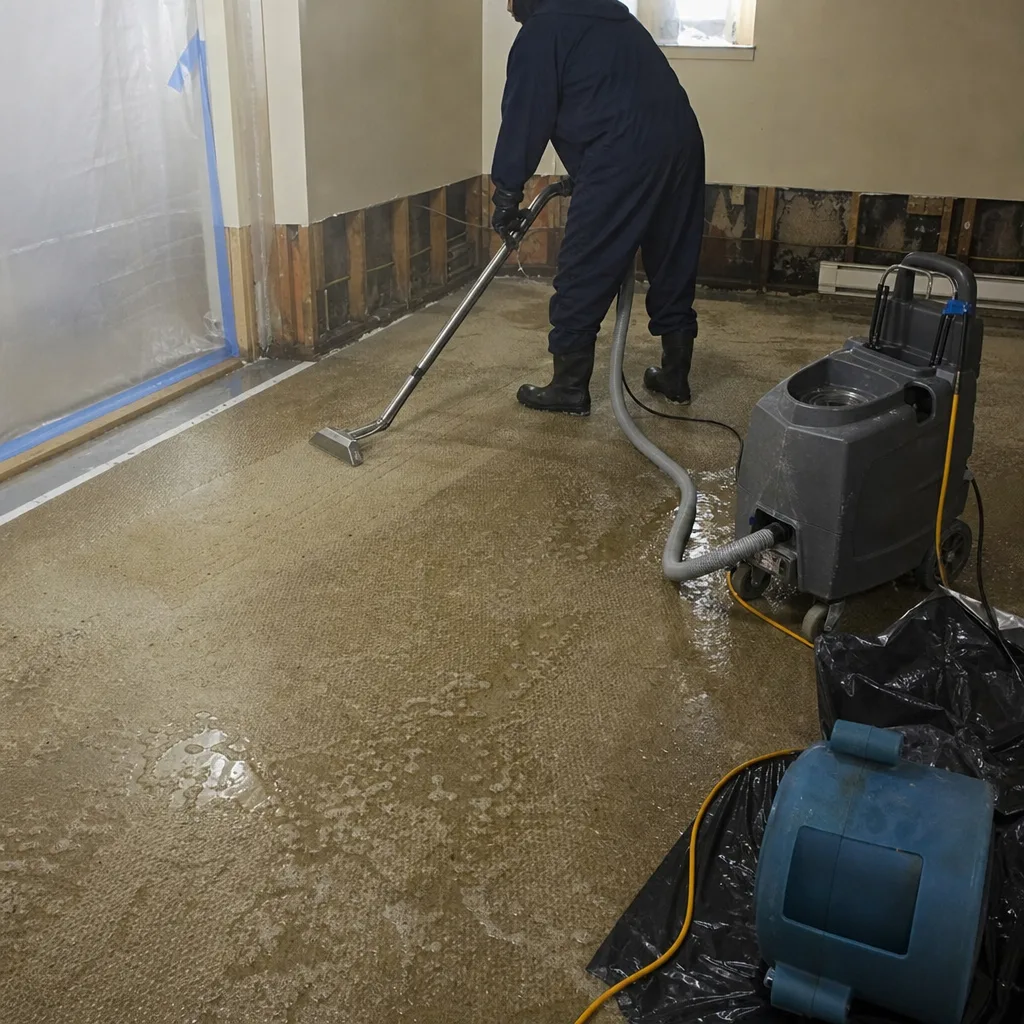
Fire Damage Cleanup
Federal Way’s 1965-1990 tract homes were built with materials that respond to fire differently than modern construction. Original hardwood paneling, cedar closet liners, and early MDF cabinetry char at varying rates, and the smoke residue they produce requires different cleaning agents than synthetic materials. We inventory every affected surface by trade name and material classification, then document the pre-loss condition with photographs before any demolition begins. This matters in Federal Way because insurance disputes often arise when structurally sound but smoke-stained legacy materials are replaced rather than cleaned to match pre-loss condition.
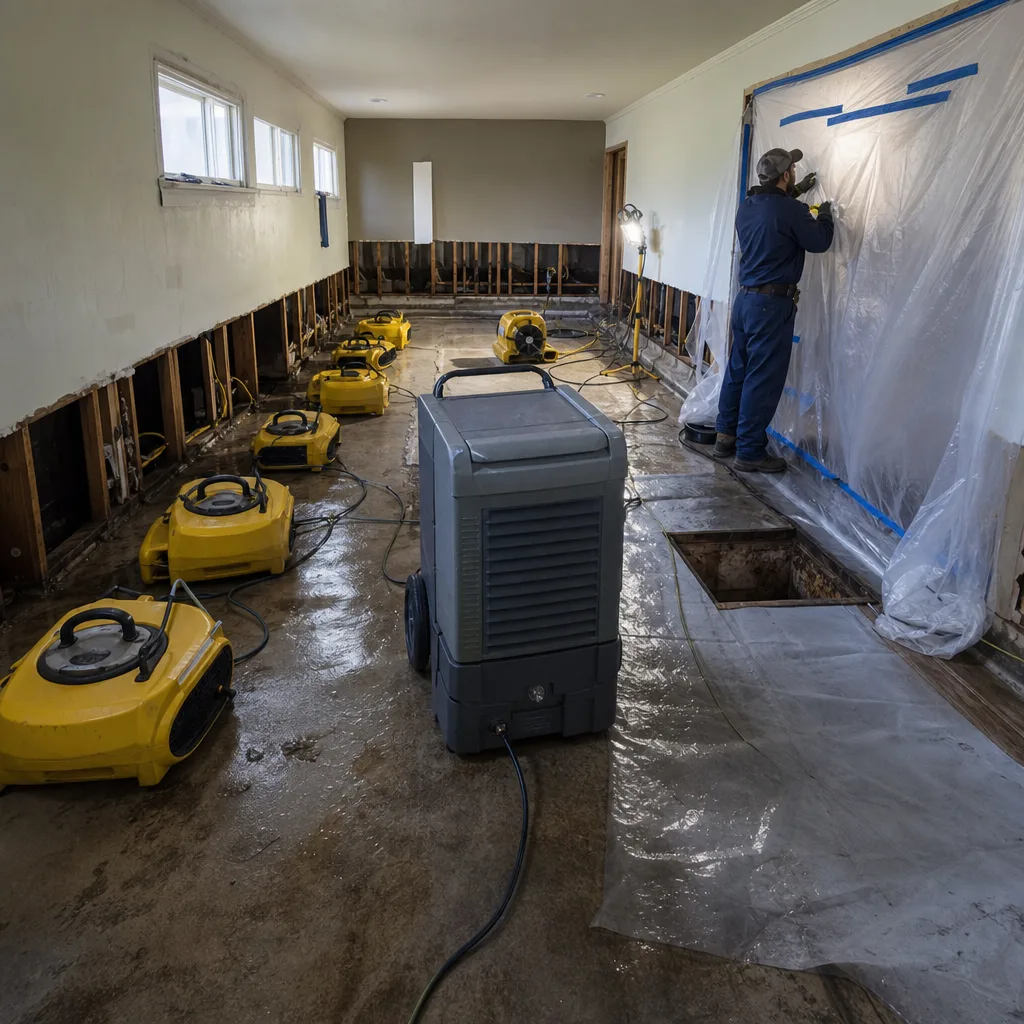
Smoke & Soot Removal
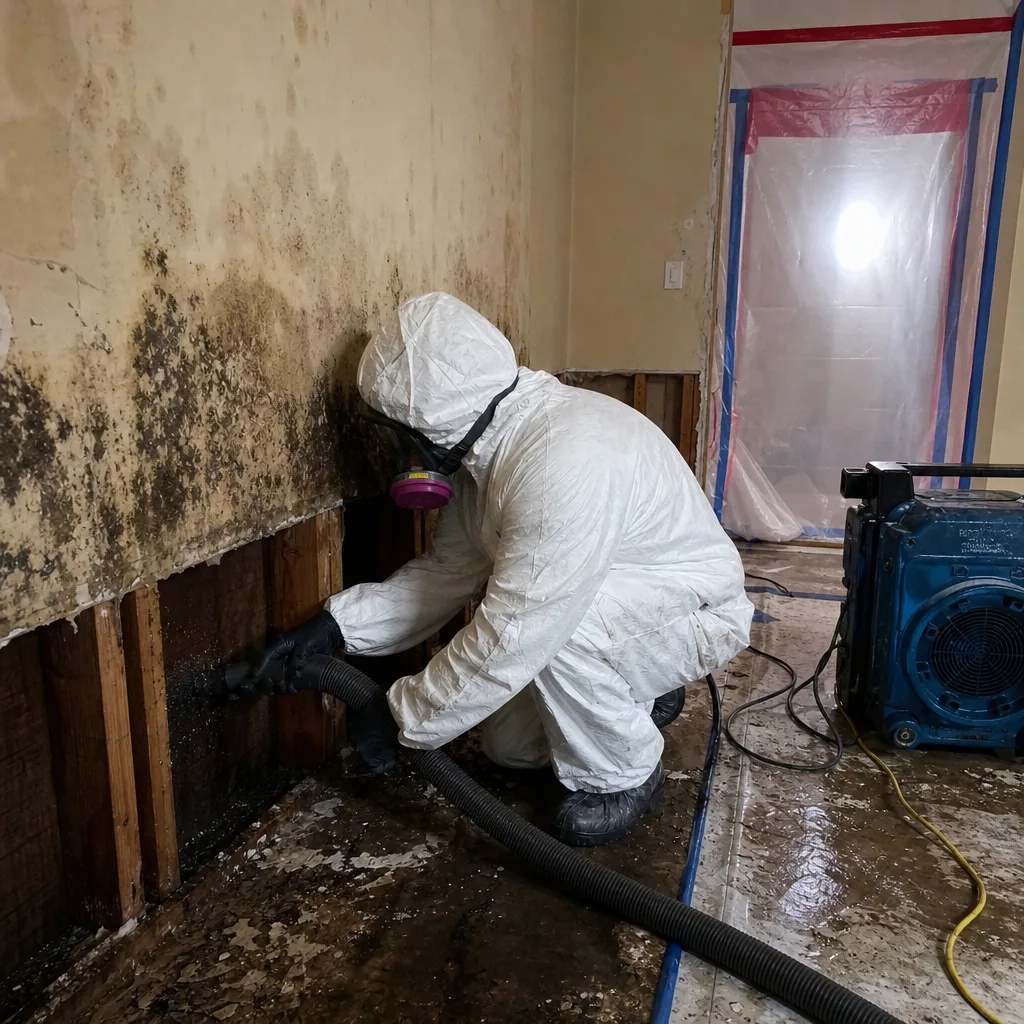
Smoke behavior in a Federal Way rambler is predictable once you know the house type. These homes typically have minimal fireblocking between floors, so smoke travels through wall cavities and into the crawl space via plumbing chases and electrical penetrations. Soot is acidic and begins etching glass, metal, and painted surfaces within hours. Our process starts with HEPA vacuuming of loose particulate, then wet cleaning with pH-adjusted agents specific to the residue type: protein smoke from kitchen fires, wet smoke from smoldering synthetic materials, or dry smoke from fast-burning wood and paper. We document the residue type, the affected square footage, and the cleaning agent used on every surface. For Federal Way homes with original 1970s paneling, this documentation protects against claims of unnecessary replacement.
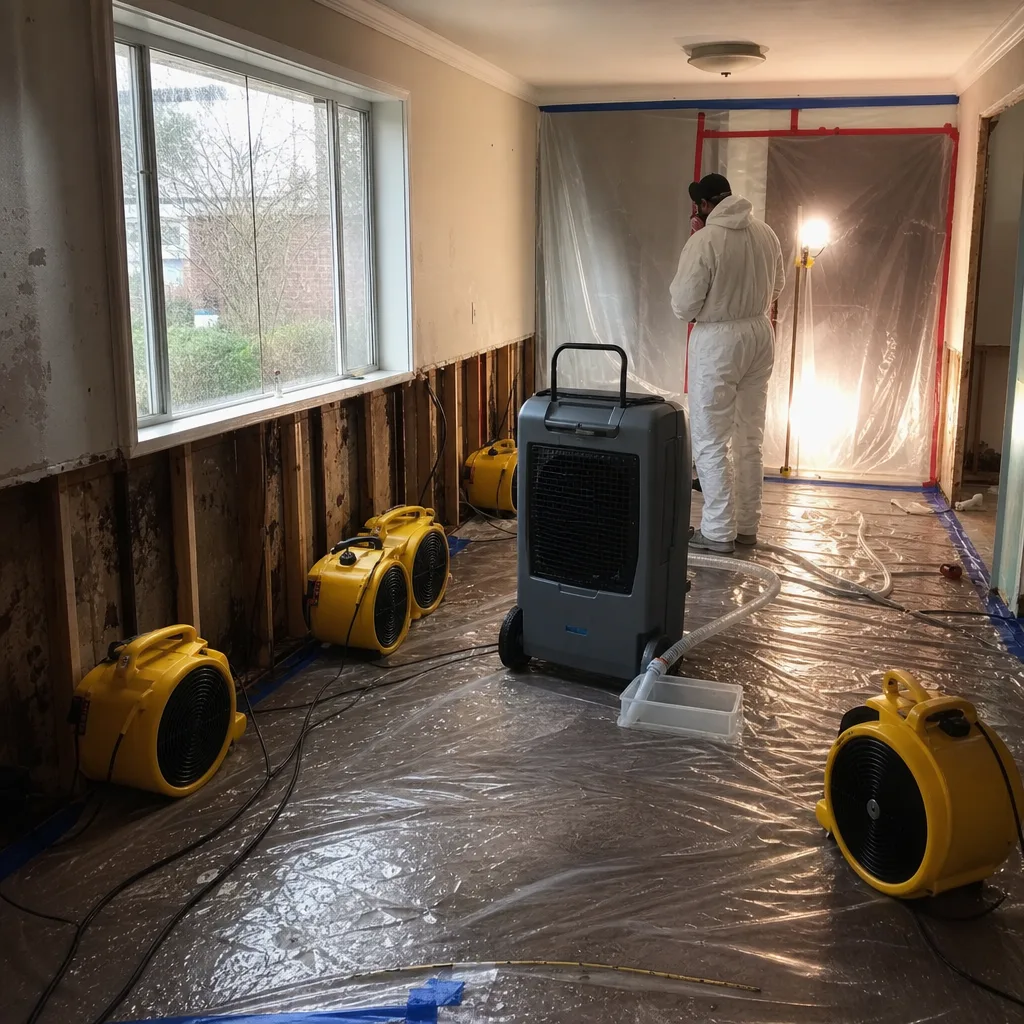
Odor Removal & Deodorization
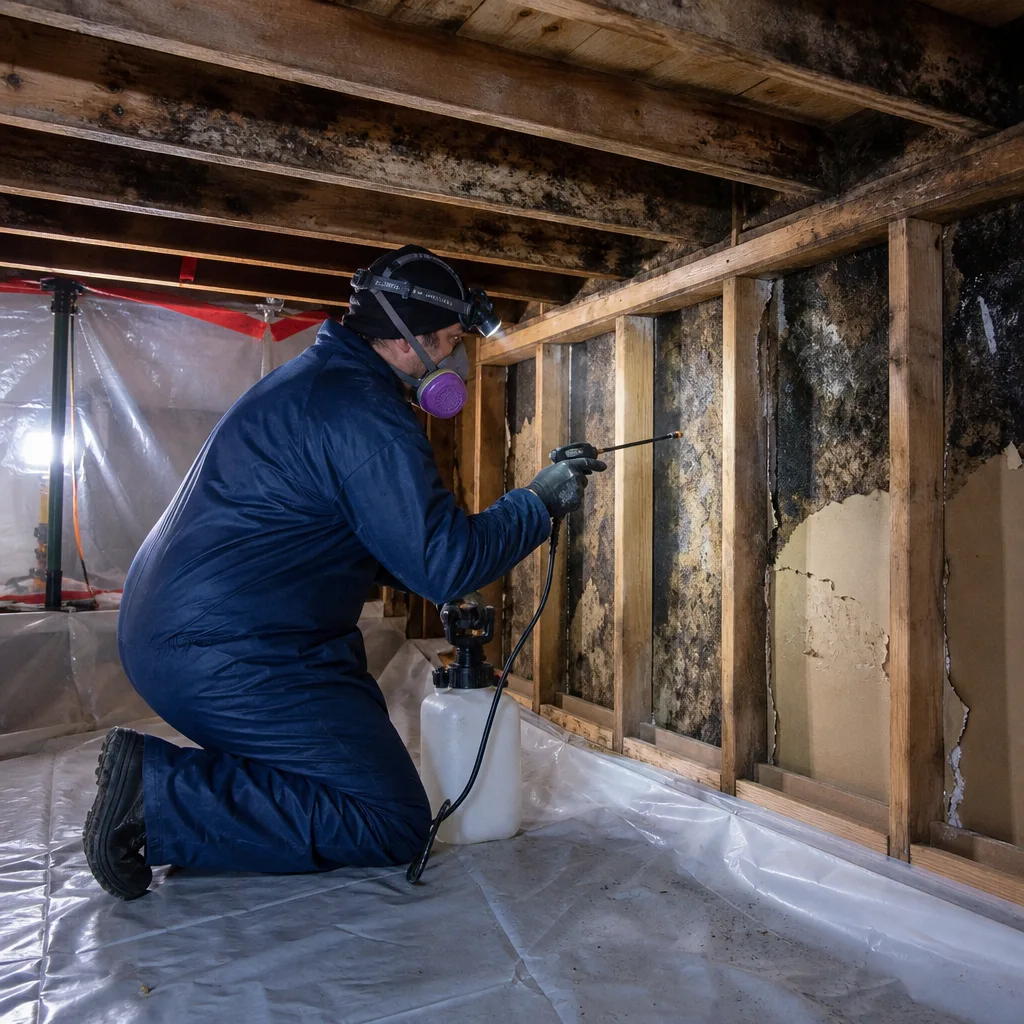
Smoke odor that persists weeks after a fire usually means the source was not fully eliminated. In Federal Way’s older homes, that source is often in the crawl space, where suppression water and smoke residue have saturated already-wet clay-bound soil and degraded vapor barriers. Surface deodorization with thermal fogging or ozone treatment will not reach these areas. We map odor migration with moisture meters and borescope cameras, then deploy hydroxyl generators and activated charcoal filtration in contained zones. The 40 inches of annual precipitation Federal Way receives, concentrated October through April, means crawl spaces here stay saturated for months. Odor removal without moisture mapping is temporary.
Contents Cleaning & Pack-Out
A typical 1,400-square-foot Federal Way rambler holds 60-80 boxes of contents once the kitchen, closets, and garage are inventoried. Our pack-out service documents every item with photographs and a written inventory before transport to our cleaning facility. Soft goods receive ultrasonic or dry-cleaning treatment depending on fiber content and smoke residue type. Hard goods get abrasive or immersion cleaning. Electronics are inspected for corrosive soot infiltration. We provide the documented inventory to your adjuster as a standard deliverable, never an upsell. For Federal Way homes with original 1970s fixtures and hardware, this inventory also protects against disputes over matching pre-loss condition.
Emergency Board-Up & Tarping
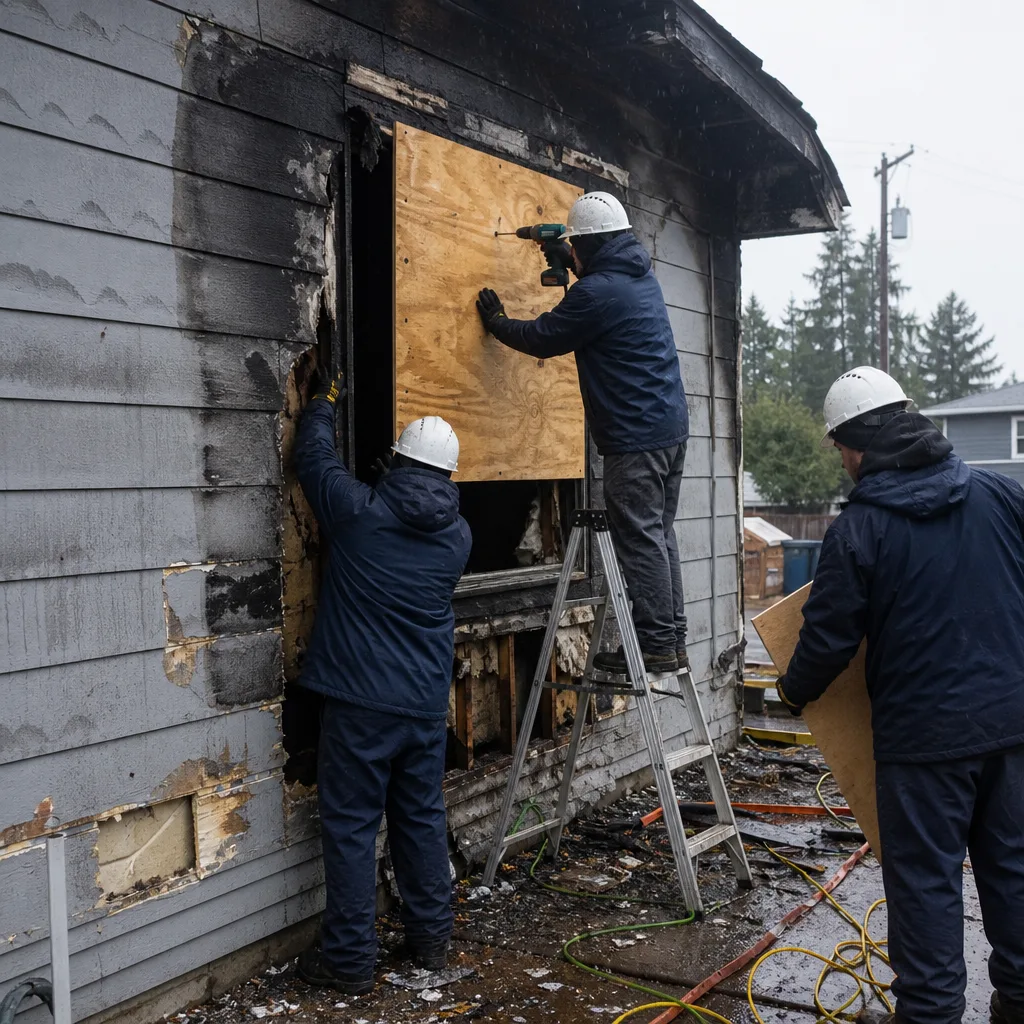
Federal Way’s mature Douglas firs, now 50-70 feet tall, drop limbs through rooflines with enough force to compromise structural members and create immediate weather intrusion. Our board-up service secures the envelope with plywood and weather-resistant barriers, then tarp-slopes the damaged roof section to prevent additional water entry. We document the initial damage with photographs before any temporary repairs, so your adjuster sees the pre-mitigation condition. This is especially critical in Federal Way, where a single tree strike often involves both fire damage from electrical compromise and water damage from rain entering the breached roof.
Structural Fire Repair
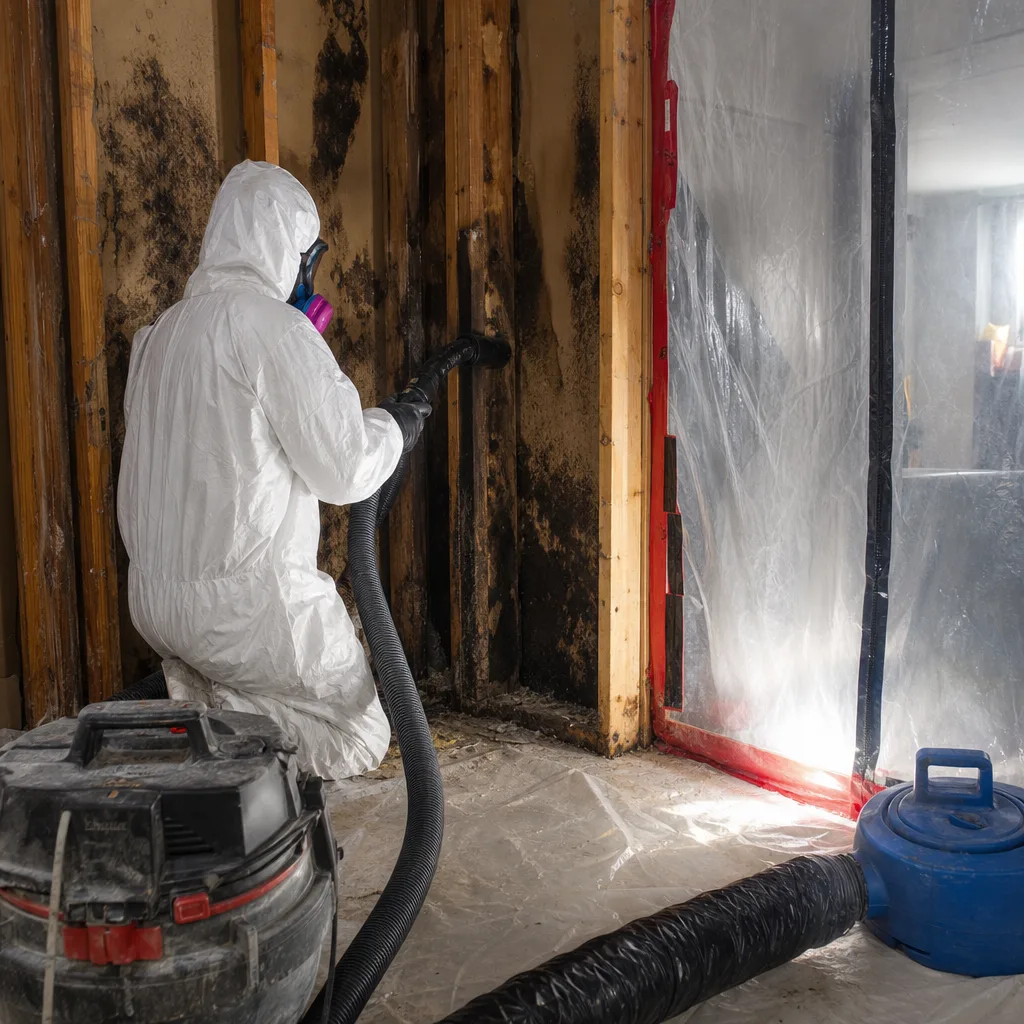
Repair scope in Federal Way’s older homes requires distinguishing between smoke-damaged framing that can be cleaned and treated, and charred or structurally compromised members that must be replaced. We use moisture mapping and resistance testing to evaluate each member, then write a scope that separates these categories with line-item pricing. The clay soils and saturated crawl spaces common in Federal Way mean that fire-damaged floor systems often require additional drying before repair can begin. We document this sequencing in writing, with photographs, so there are no scope-creep additions once the crew is inside.
What happens when you call
- 1
A real person answersNo phone trees - you reach a local pro.
- 2
You get an upfront price rangeHonest numbers before anyone is dispatched.
- 3
A background-checked tech heads outLicensed & insured, dispatched right away.
- 4
You approve before work beginsNothing starts until you say go.
BeforeAfterTrusted Brands We Service in Federal Way
Our equipment inventory includes professional-grade drying and air quality systems from Phoenix, XPOWER, and B-Air, supplemented by Injectidry cavity drying systems for wall and ceiling assemblies. We stock HEPA filters, activated charcoal media, and pH-specific cleaning agents locally, so Federal Way jobs do not wait on supply runs. All work is documented to IICRC, RIA, and IFA standards, producing the daily moisture logs and psychrometric data that turn restoration invoices into payable insurance claims. Psychrometric data, for the homeowner reviewing their file, is simply the temperature, relative humidity, and vapor pressure readings that prove the drying environment is controlled and progressing.
Common Fire & Smoke Damage Restoration Problems We See in Federal Way Homes
- Tree-strike fires treated as simple roof patches. In Federal Way’s older subdivisions around Steel Lake and Pacific Highway South, a Douglas fir limb through the roof often compromises roofing underlayment that was already degraded by decades of moss growth. Water enters wall cavities and the crawl space, turning a small fire into a multi-layer moisture remediation that requires fire, water, and mold documentation.
- Crawl space moisture skipped after fire suppression. Firefighting water runs through floor systems into clay-bound crawl spaces that are already saturated five or more months a year. Without moisture mapping, category 3 water and smoke odor compound in the same environment, producing mold growth within 48-72 hours in Federal Way’s maritime climate.
- Legacy materials replaced instead of cleaned. Smoke-stained but structurally sound 1970s paneling, cabinetry, or trim can often be cleaned to pre-loss condition. Replacing it creates insurance disputes and fails to match the home’s original character. We document the cleanability of each material with photographs and written assessment.
- Electrical fires in original 1970s panels underestimated. Federal Way homes built in this era often have Zinsco or Federal Pacific panels, or original aluminum branch wiring, that can produce arc-fault fires with hidden damage in wall cavities. The visible fire is often the smaller problem; the wiring compromise behind it requires full circuit mapping and documented replacement scope.
Pricing for Fire & Smoke Damage Restoration in Federal Way, WA
Fire and smoke restoration pricing in Federal Way reflects the combined nature of most jobs here. Emergency board-up and tarping typically runs $800-$1,800 depending on roof pitch, structural involvement, and weather conditions at the time of service. Smoke and soot removal for a single affected room in a 1,200-1,800 square foot rambler ranges $1,500-$3,200. Contents cleaning and pack-out for a full home inventory runs $2,500-$5,500 depending on volume and residue type. Odor removal with hydroxyl generation and activated charcoal filtration, including crawl space treatment, ranges $1,200-$2,800. Structural repairs, including reframing and roofing underlayment replacement after a tree strike, are scoped and priced in writing after documented assessment, typically $3,500-$8,500 for a single rafter bay and associated finishes.
These ranges are for Federal Way’s market, where the prevalence of older homes with combined fire-water-mold events often places jobs at the higher end of national averages. Every job receives a written price before work begins, with no scope-creep additions once the crew is inside. Haven Standard, Clause 1. Call (253) 265-9692 for a free estimate.
We Also Serve Cities Near Federal Way
Our crews respond throughout the south Puget Sound metro from our Seattle office, including Federal Way and the surrounding communities of Auburn, Milton, Kent, and Tacoma. Each city has distinct housing stock, soil conditions, and tree canopy profiles that affect how fire and smoke damage develops, and we document each job with that local context in mind.
Serving Federal Way, WA - Our Local Coverage Area
We’re based in the Federal Way area and know this community well. Use the map below to see our service coverage - if you’re nearby, we can almost certainly help.
FAQs - Fire & Smoke Damage Restoration in Federal Way
Yes. In Federal Way’s 1965-1990 ramblers, the crawl space is almost always affected. Suppression water drains through the floor system into clay-bound soil that is already wet for much of the year, and smoke residue travels through unsealed plumbing chases and electrical penetrations. We map moisture and odor in the crawl space as standard practice on every Federal Way fire job. Call (253) 265-9692 for an exact scope - estimates are free.
The odor source was not fully eliminated. Smoke odor compounds penetrate porous materials - drywall, insulation, unfinished wood, carpet pad - and will re-emerge until the source is removed or neutralized. In Federal Way homes, the persistent source is often in the crawl space, where suppression water and smoke residue have saturated already-wet soil and degraded vapor barriers. Surface treatments without source removal are temporary. We locate the source with borescope cameras and moisture meters, then treat it with contained hydroxyl generation and drying. Call (253) 265-9692 for an assessment.
Yes. Original panels from this era, including Zinsco and Federal Pacific models, have documented failure rates for arc-fault events that can ignite wiring inside wall cavities before breakers trip. The visible fire at the panel is often smaller than the hidden damage behind drywall. We recommend full circuit mapping and documented replacement of compromised wiring, not just panel replacement, and we write this scope in detail for your adjuster. This is standard practice for our Federal Way jobs. Call (253) 265-9692 to discuss your specific situation.
48-72 hours. Federal Way’s maritime climate, with 40 inches of annual precipitation concentrated October through April, means ambient humidity is already high. Add firefighting water draining into a clay-bound crawl space that stays saturated five or more months a year, and mold growth begins faster than in drier inland climates. We begin moisture mapping and structural drying immediately on every Federal Way fire job, with daily logs documented to IICRC standards. Call (253) 265-9692 for emergency response.
We inventory, photograph, and document every affected item, then transport soft goods, hard goods, and electronics to our facility for cleaning specific to their material and residue type. A typical Federal Way rambler of this size requires 60-80 boxes and takes 3-5 business days for full processing. The documented inventory is provided to your adjuster as a standard deliverable. Items are returned when the structure is ready, or stored if reconstruction is phased. Call (253) 265-9692 for a detailed estimate - no charge for the assessment.
We responded to a rambler near Steel Lake where a 1970s-era Douglas fir dropped a limb through the back slope of the roof, and what the homeowner thought was a small leak had actually allowed moisture to reach a 40-year-old electrical junction above the kitchen range. Our techs set up containment, performed water extraction from the crawl space, mapped moisture through the ceiling assembly, and ran structural drying with Dri-Eaz and Phoenix equipment while we documented a scope of work that separated smoke-damaged framing from oxidation staining on the original 1970s paneling. The finished repair included reframing the struck rafter bay, replacing compromised roofing underlayment, and a full pack-out of the kitchen contents for cleaning and deodorization.
Fire loss in Federal Way’s 1965-1990 tract ramblers often goes hand-in-hand with pre-existing crawl space saturation, so a kitchen fire that looks contained to the upper floor can still require category 3 extraction and antimicrobial treatment below because smoke residue and suppression water drain into a clay-bound, already-wet crawl space. This is why our Federal Way assessments always include crawl space inspection, moisture mapping, and documented photography - not as an upsell, but as standard practice under The Haven Standard.
Call (253) 265-9692 now. A live person will answer, 24 hours a day, 7 days a week. We will schedule a free estimate, deliver a written price before any work begins, and provide a documented photo record on every visit. Every Federal Way job is covered by our 365-Day Done Right Promise, backed by The Haven Standard.
Written by Alicia Brennan, Owner at Back to Dry Restoration, serving Federal Way since 2011.