
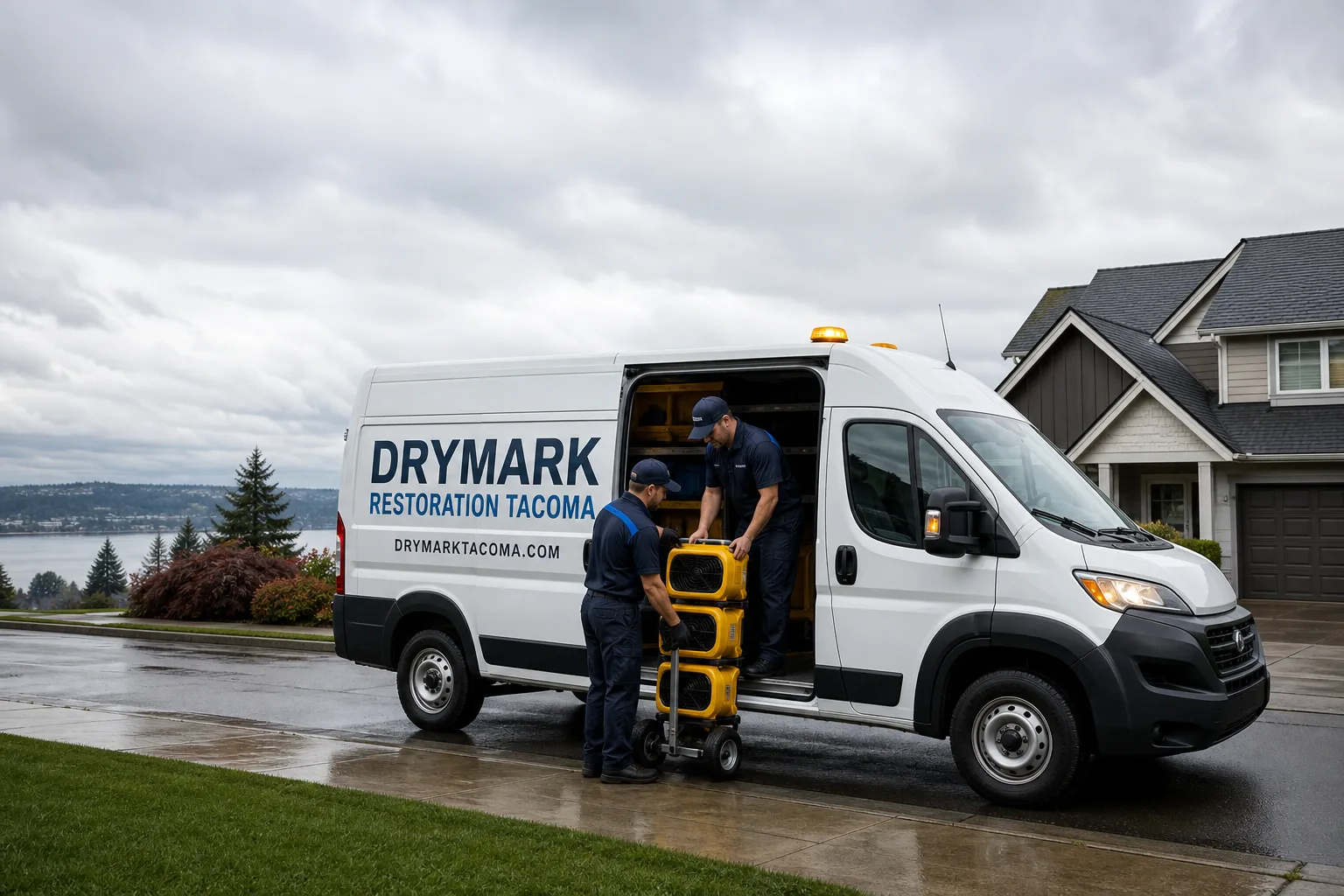
Free visual inspection and a written scope of work before any mitigation begins - photos, moisture readings, and drying logs go in your claim file
The scope we write is the scope we bill. Anything new gets shown to you, in writing, before we touch it.
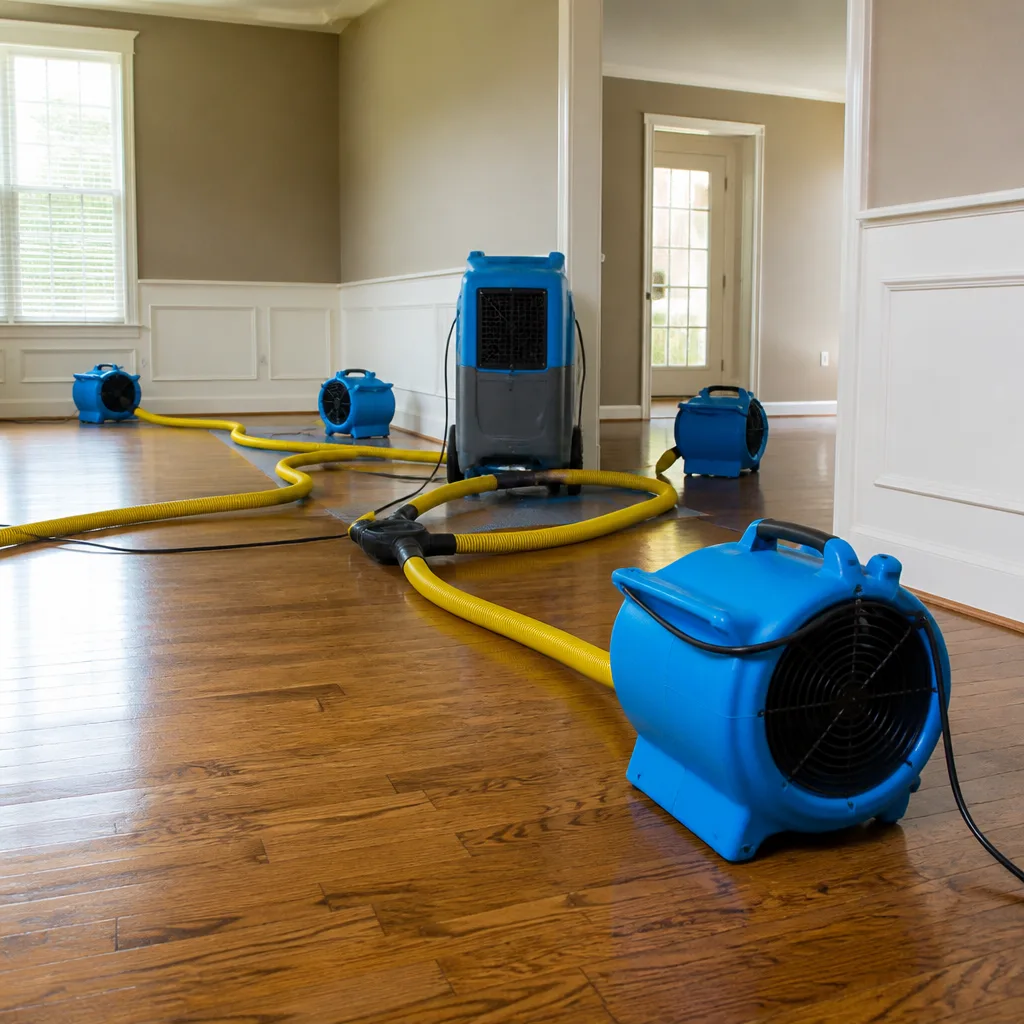
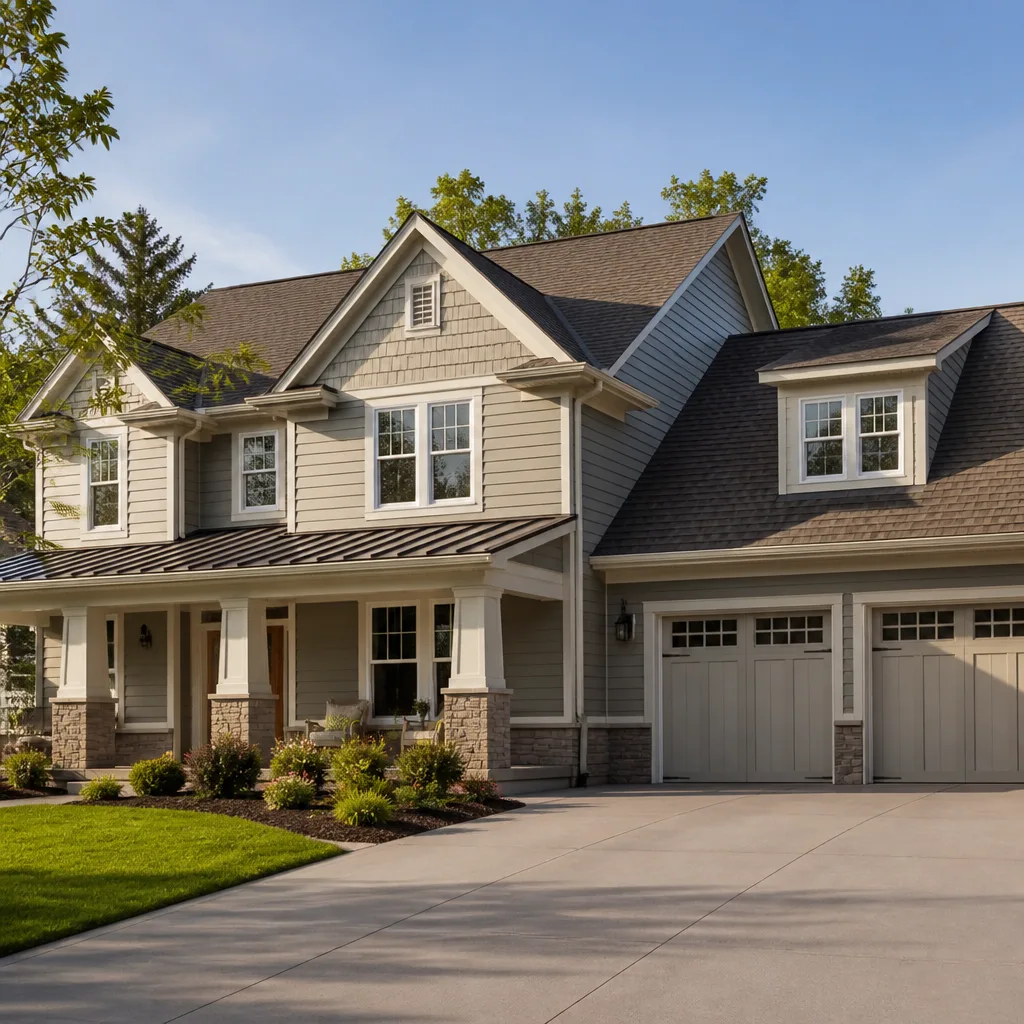
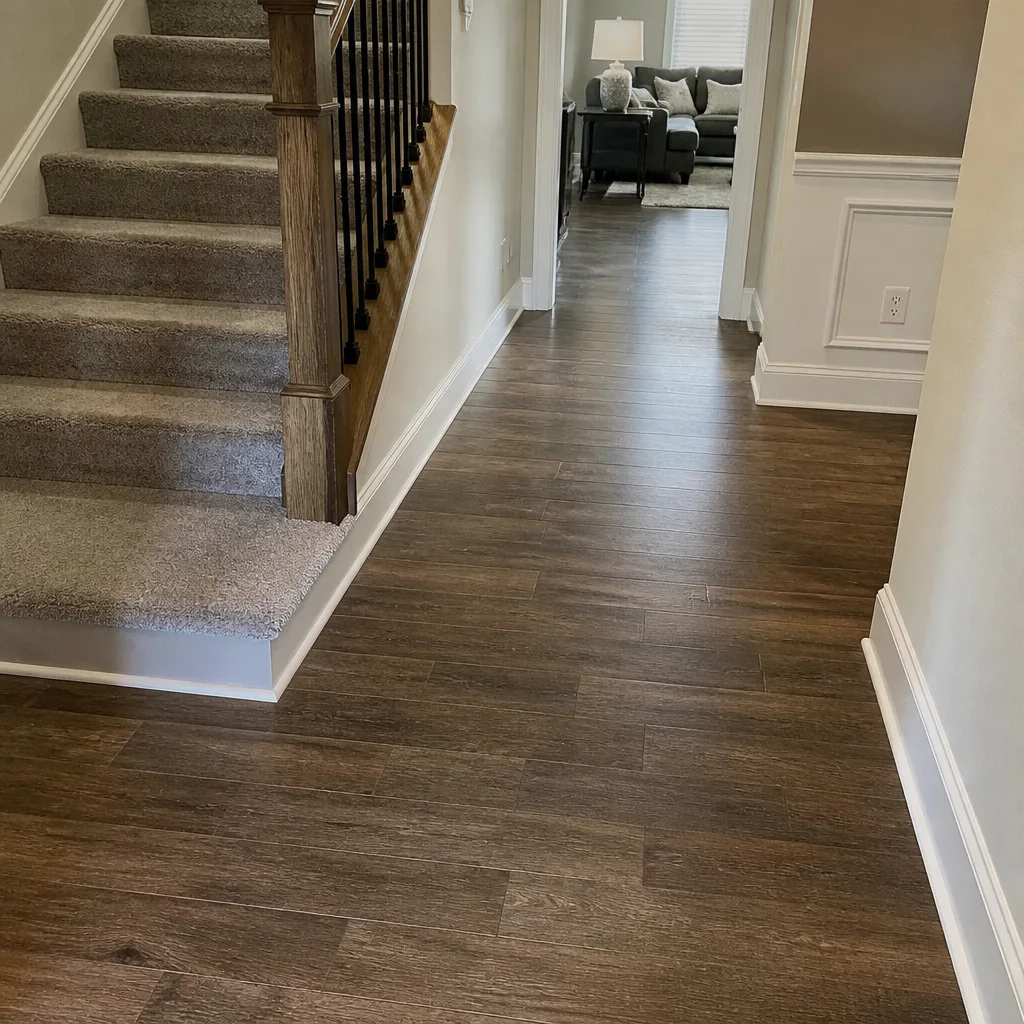
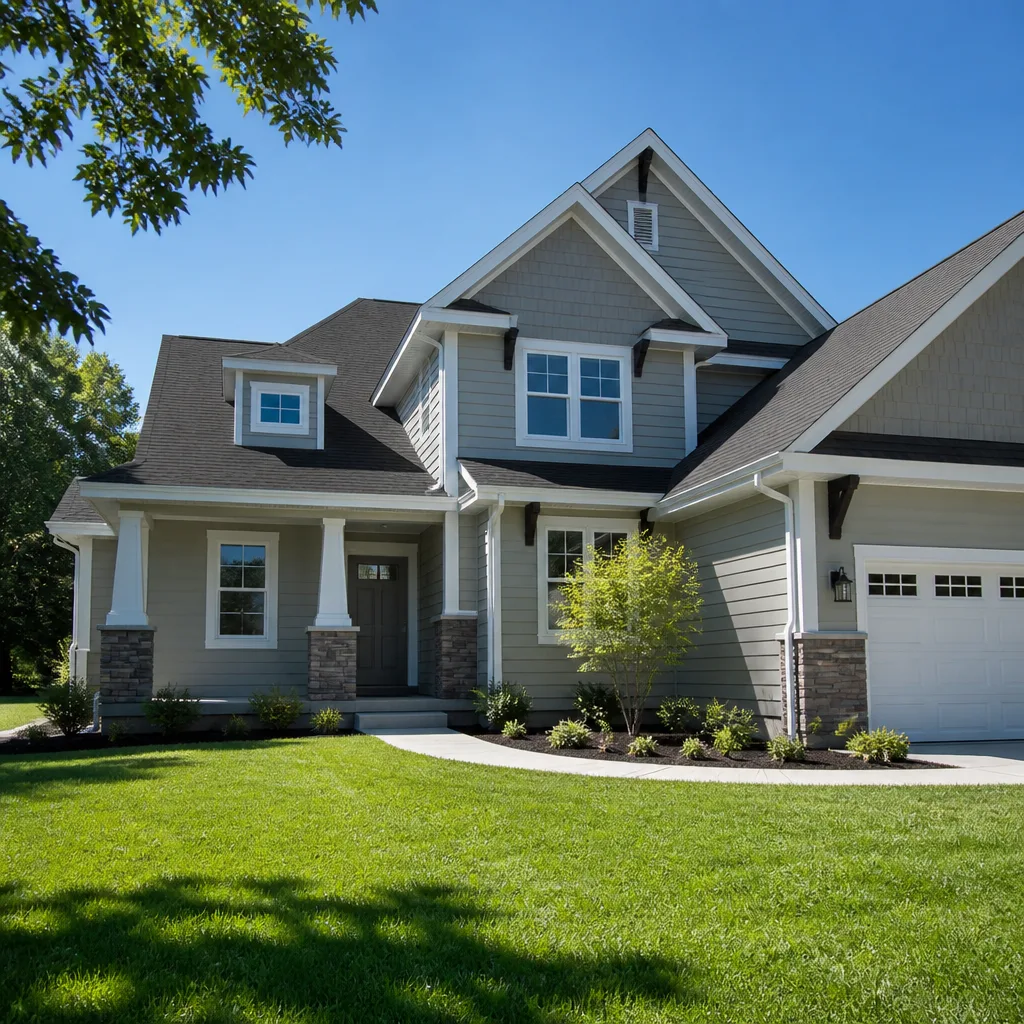
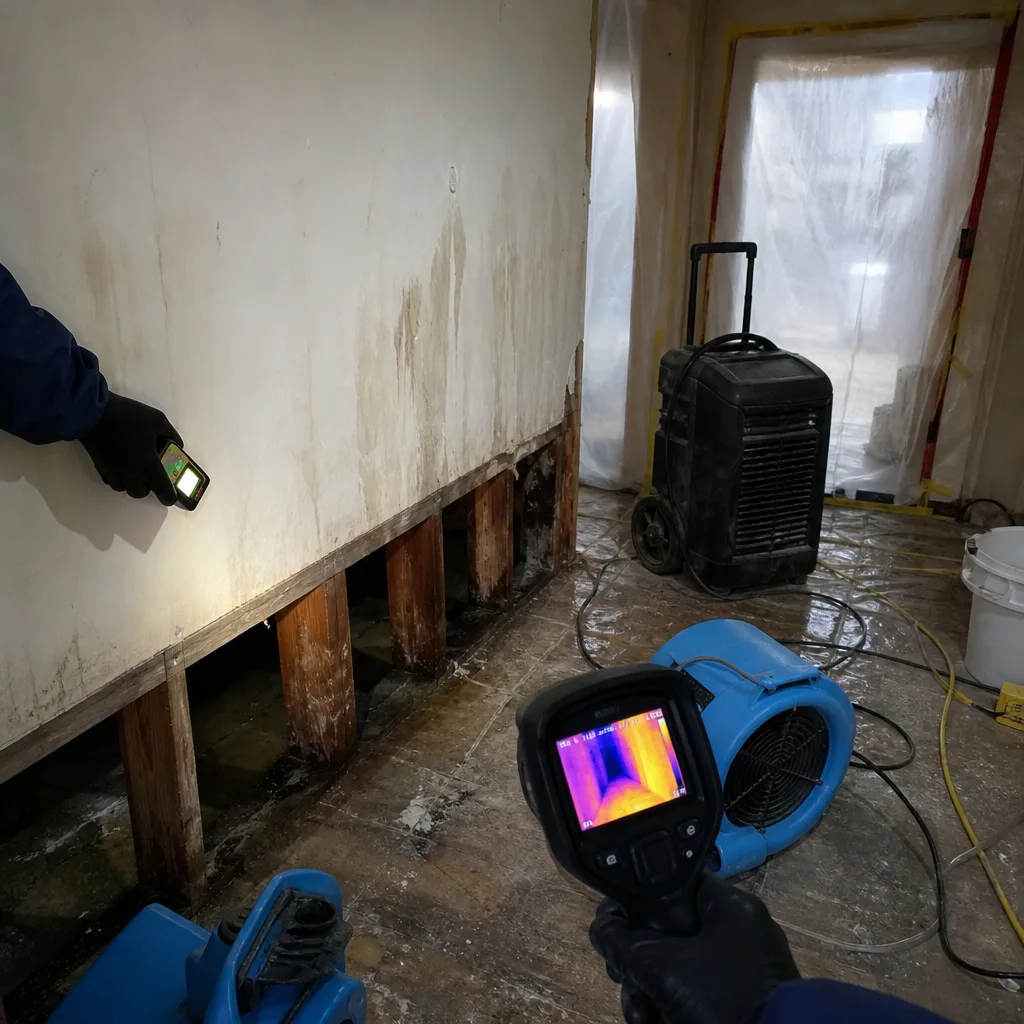 Before
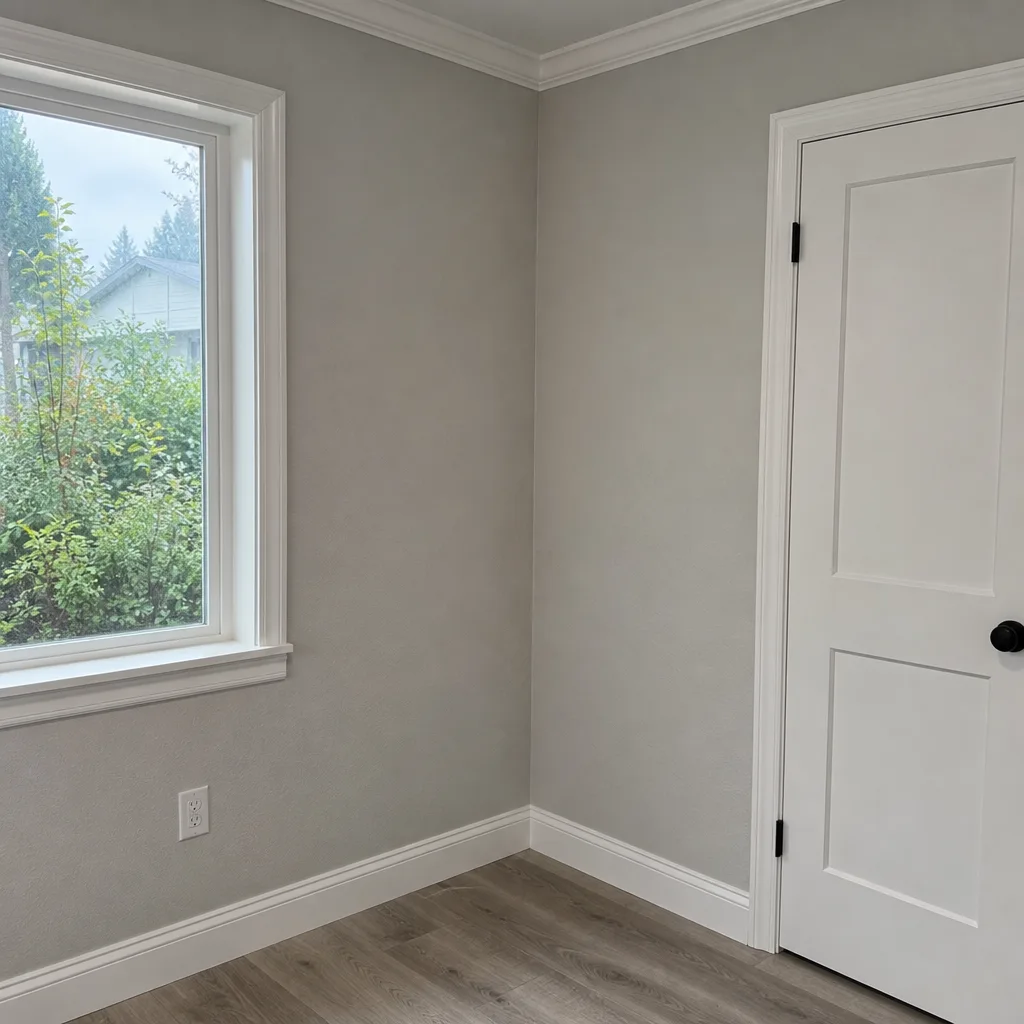 After
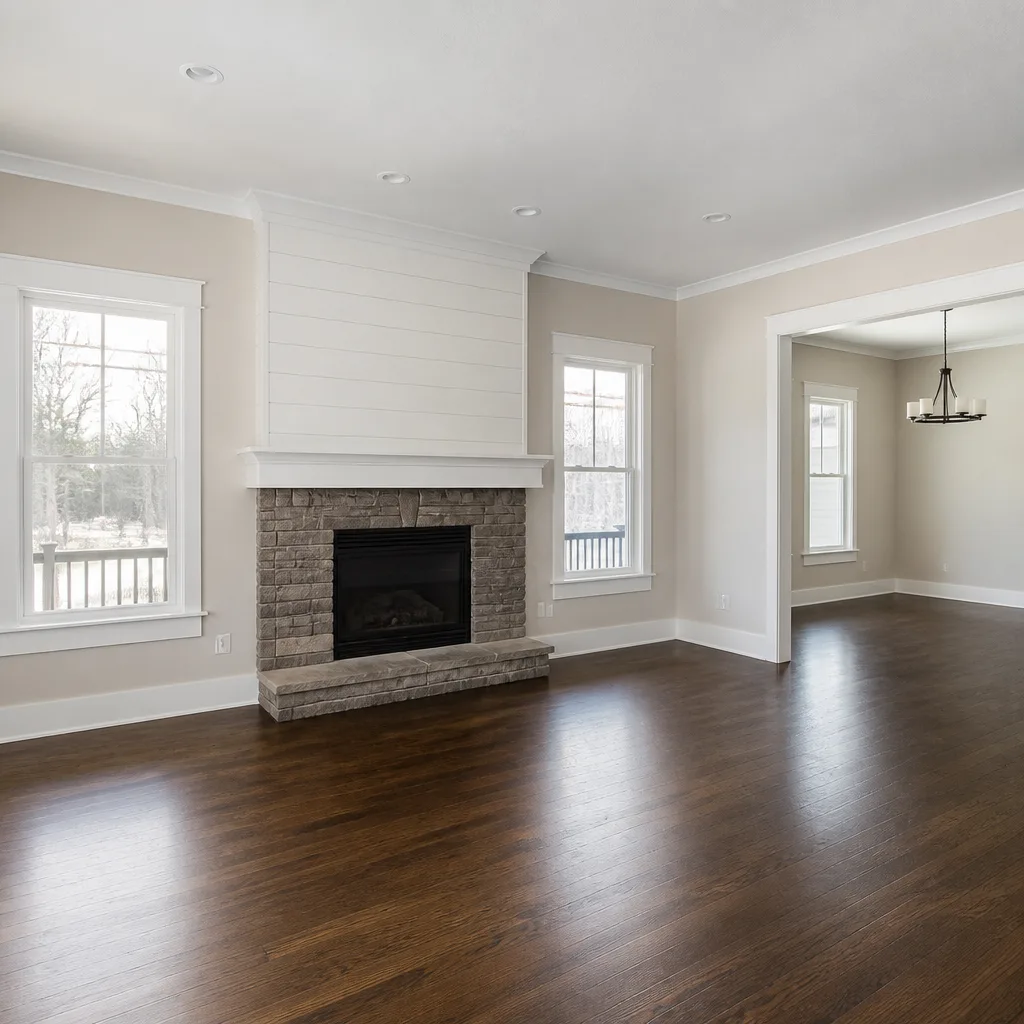
After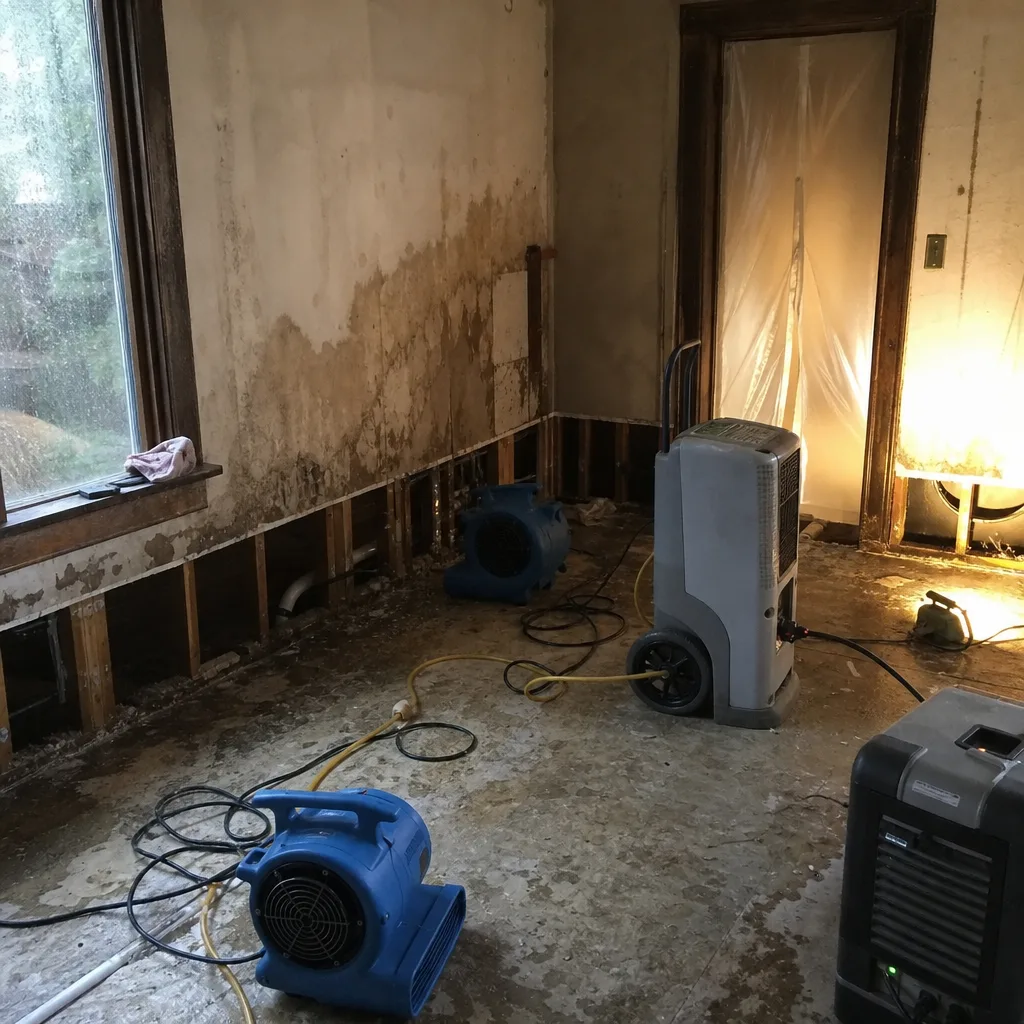 Before
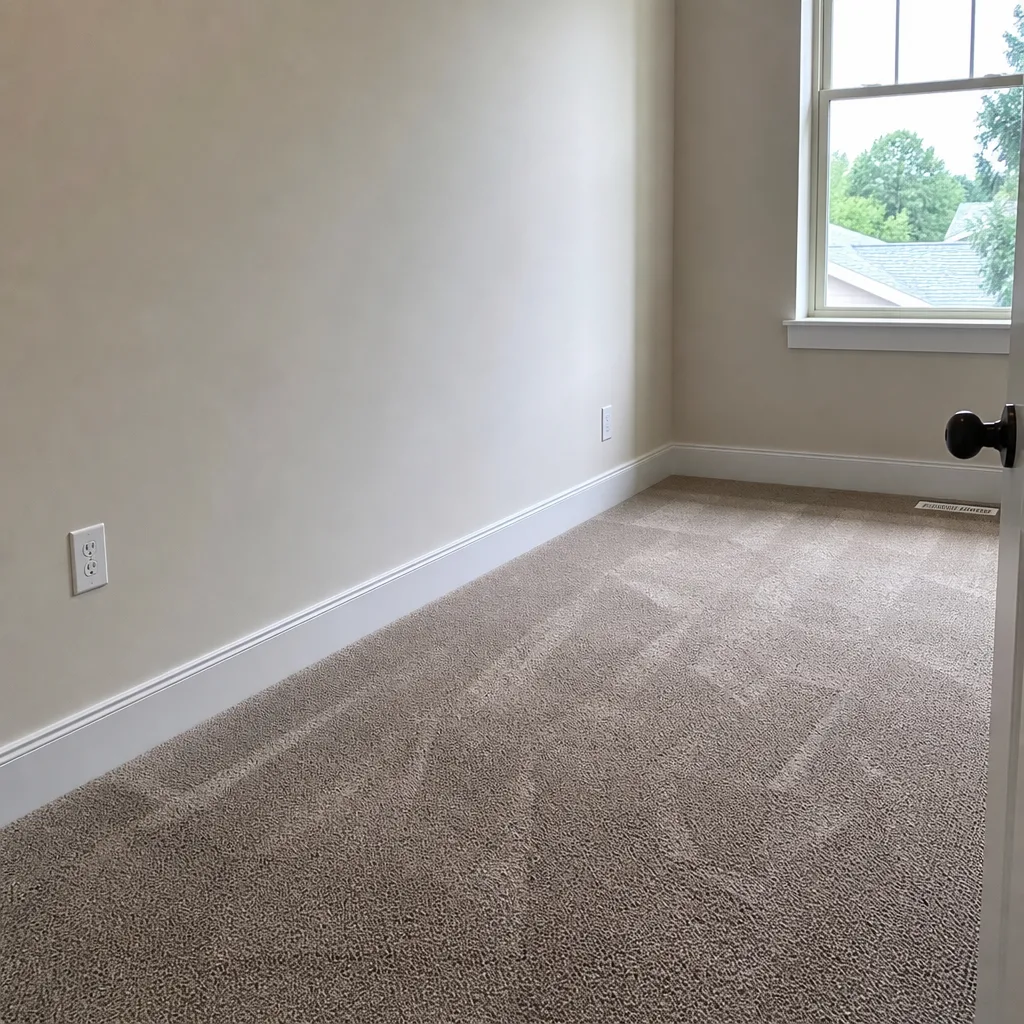 After
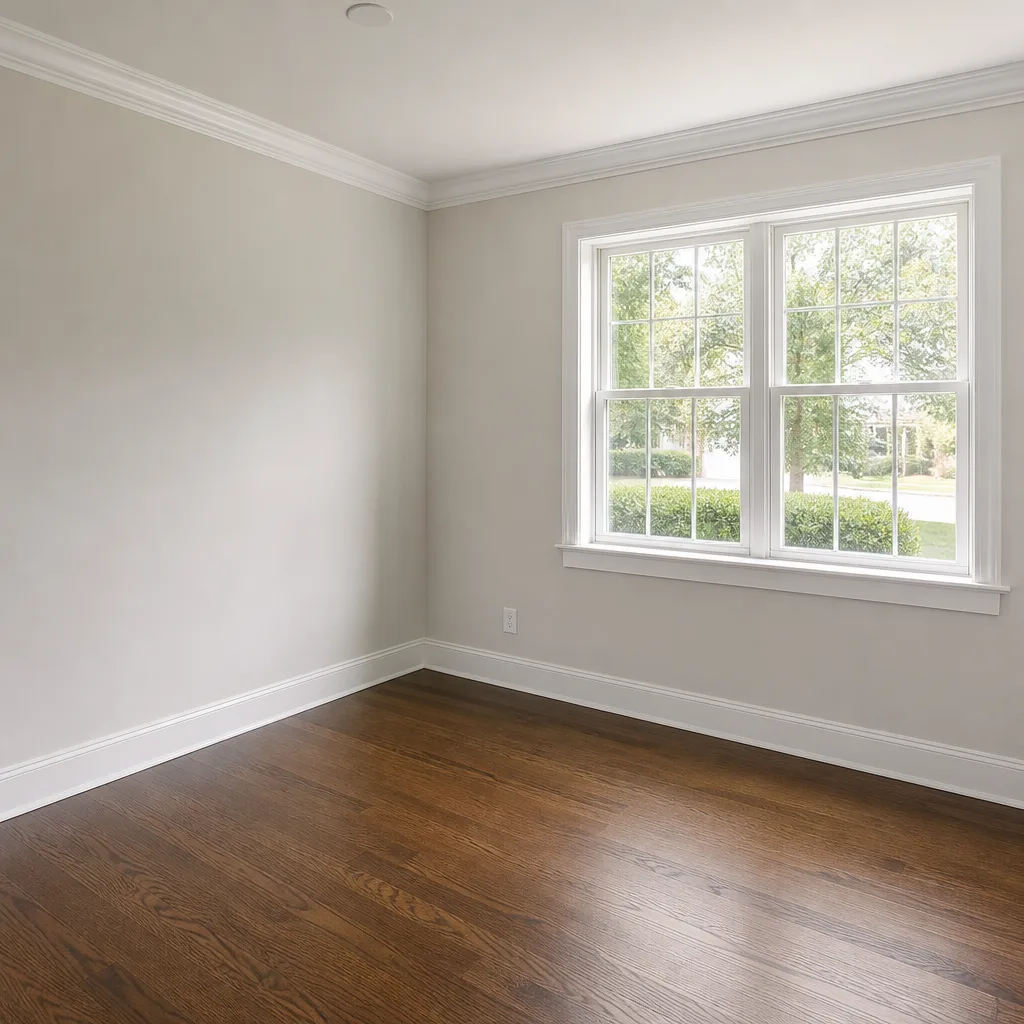
After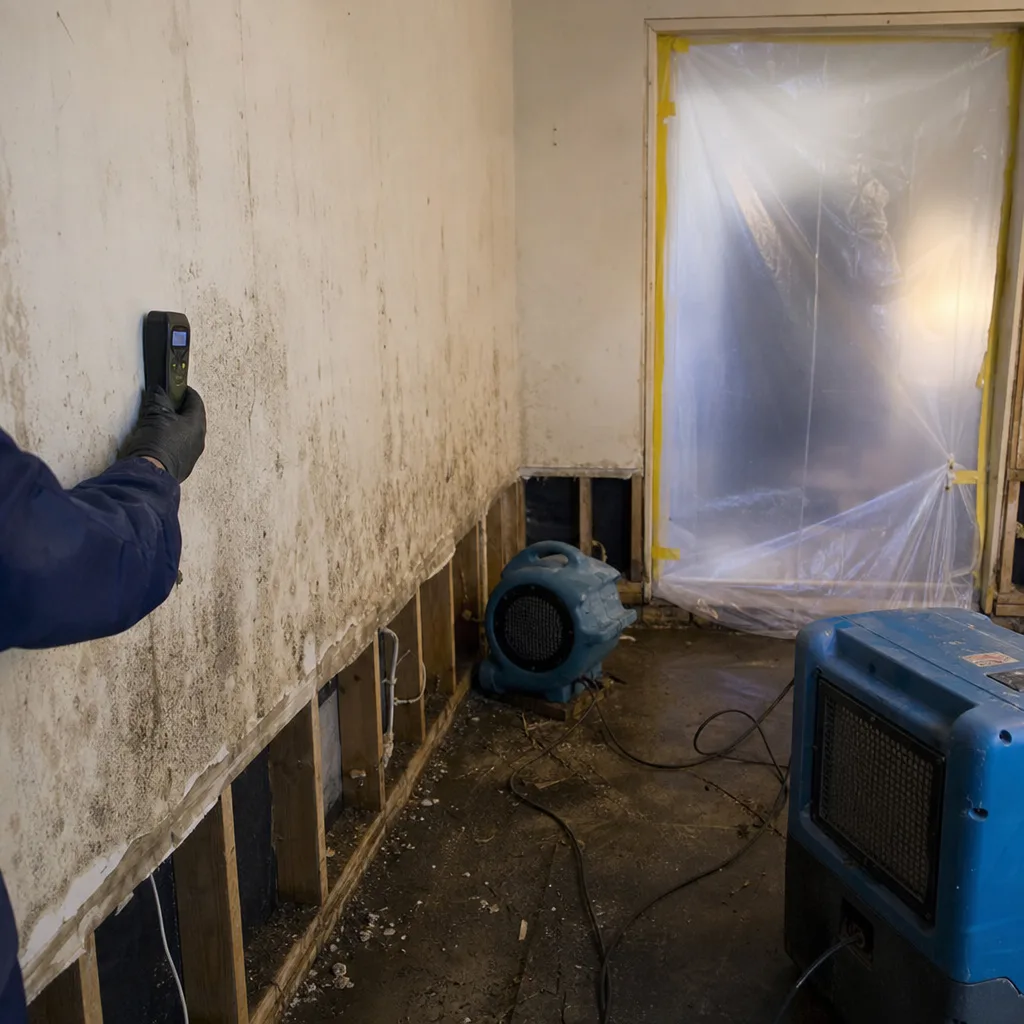 Before
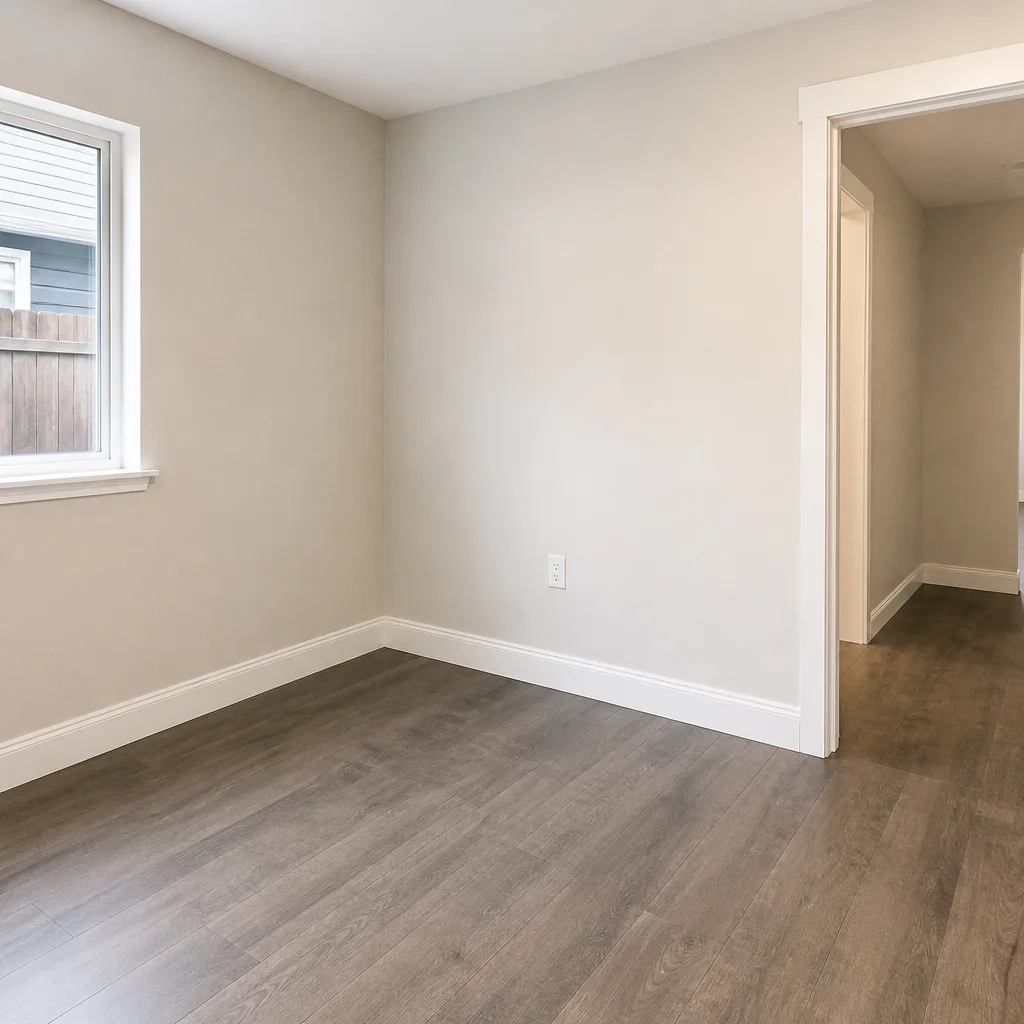 After
AfterFast, Reliable Fire & Smoke Damage Restoration Across Auburn
Fire and smoke damage restoration in Auburn typically runs $4,200-$18,500 depending on the extent of structural damage, smoke penetration, and whether firefighting water adds a secondary water-loss component. Most emergency board-ups and tarping in the Auburn area are completed within 2-4 hours of dispatch, with full mitigation crews following same-day or next-morning depending on loss severity. Call (253) 265-9692 for a written scope and price before any work begins.
We’re familiar with Auburn’s neighborhoods from Lea Hill down to the valley floor near the Green River, and we understand how the city’s older housing stock and FEMA flood-zone mapping change what a fire restoration job actually involves. Our crews are dispatched from our Seattle office and carry the documentation tools, containment systems, and drying equipment needed for the specific conditions we find in 1950s-1970s crawl-space ranches and split-levels that dominate much of Auburn’s residential core. When a kitchen fire spreads into attic insulation or a garage fire compromises a shared wall, speed matters, but so does knowing what the city will require before permits are released.
Why DryMark Restoration Tacoma Is Auburn’s Preferred Fire & Smoke Damage Restoration Company
Our reputation in Auburn has been built on documentation that holds up to adjuster review and city inspection alike. Homeowners here research before they call, and they find our three-star reviews mention the same things our five-star reviews do: we show up with a written price, we photograph everything, and we explain why the scope is what it is. That consistency matters in a city where a restoration job can suddenly require elevation compliance if it crosses FEMA’s Substantial Damage threshold.
Response time to Auburn averages 45-90 minutes from dispatch, depending on traffic on Highway 18 or I-5 and whether the loss is on the valley floor or up in the benchlands. We don’t guess at arrival times; we give you a window and update you if conditions change.
Our local knowledge includes the specific permit requirements that Auburn’s Community Development Services applies to homes in mapped Special Flood Hazard Areas, the extended drying timelines the Green River Valley microclimate demands, and the parts-availability challenges of restoring fire-damaged systems in homes built during the post-war building boom. That expertise translates directly into scopes that don’t get rejected and claims that don’t get delayed.
Our Fire & Smoke Damage Restoration Services in Auburn
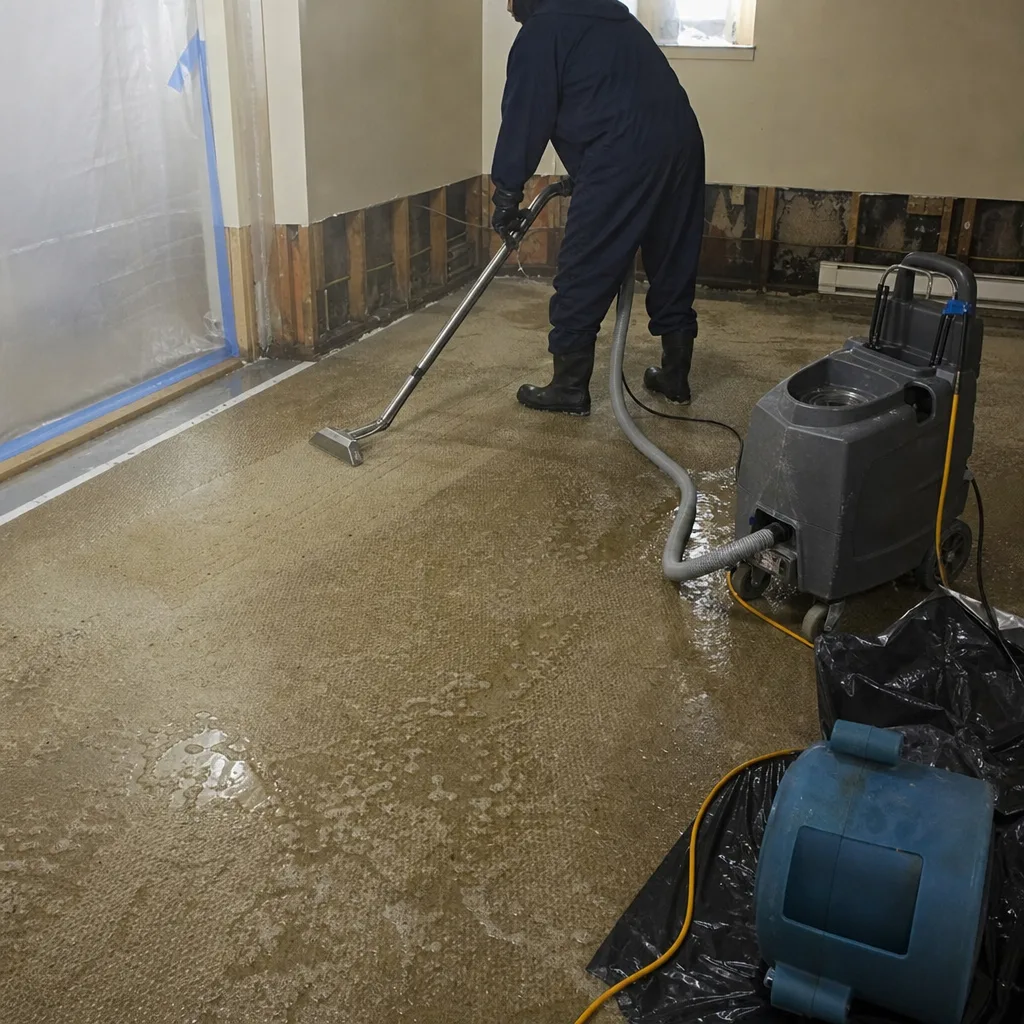
Emergency Board-Up & Tarping
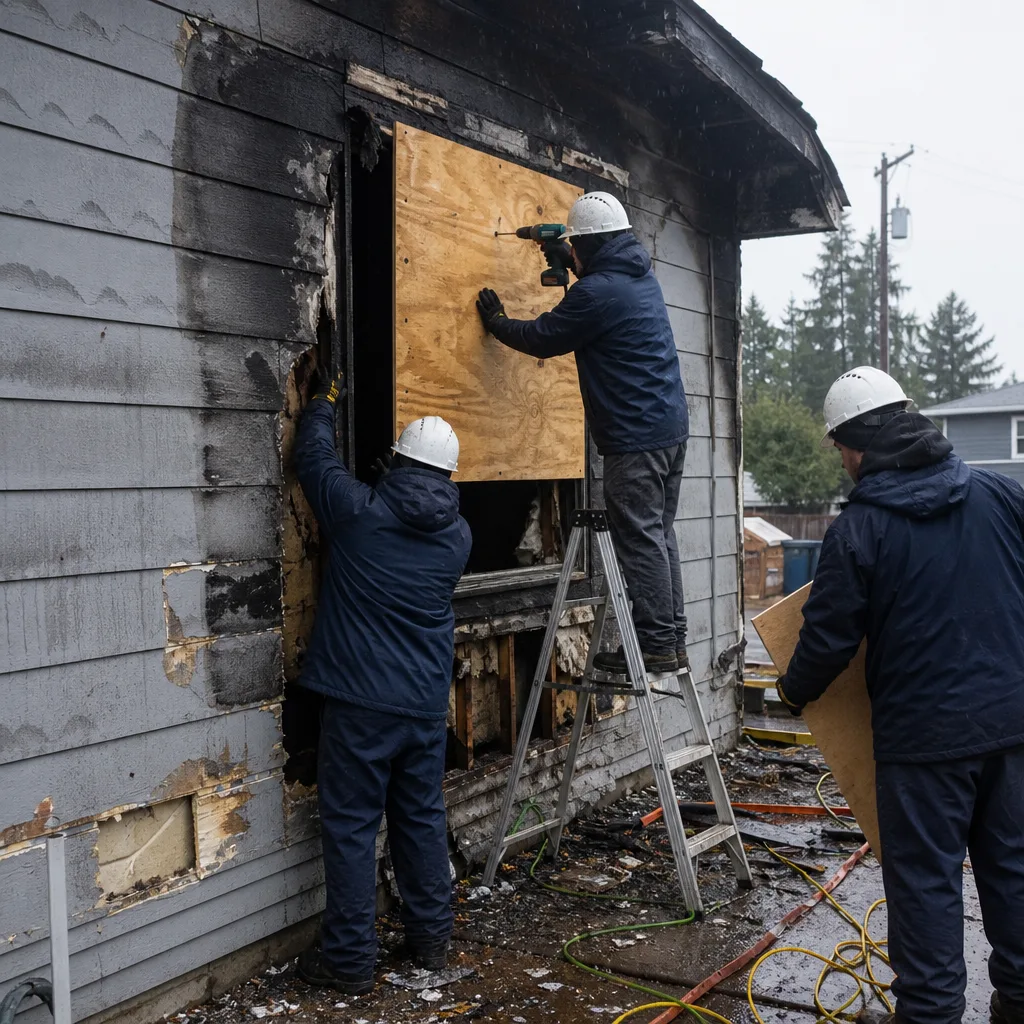
We secure fire-damaged structures in Auburn within hours, not days. Our crews carry pre-cut plywood, weather-rated tarps, and temporary structural supports sized for the 1,200-1,800 square foot ranches common in neighborhoods like Lea Hill and the valley floor near Green Valley Road. Every board-up is photographed for your insurance file and the city’s damage assessment, with particular attention to homes in FEMA-mapped flood zones where the city may require additional structural documentation before issuing any repair permit. We document pre-loss condition rigorously because in Auburn’s SFHAs, that documentation can determine whether a fire repair triggers a mandatory elevation review.
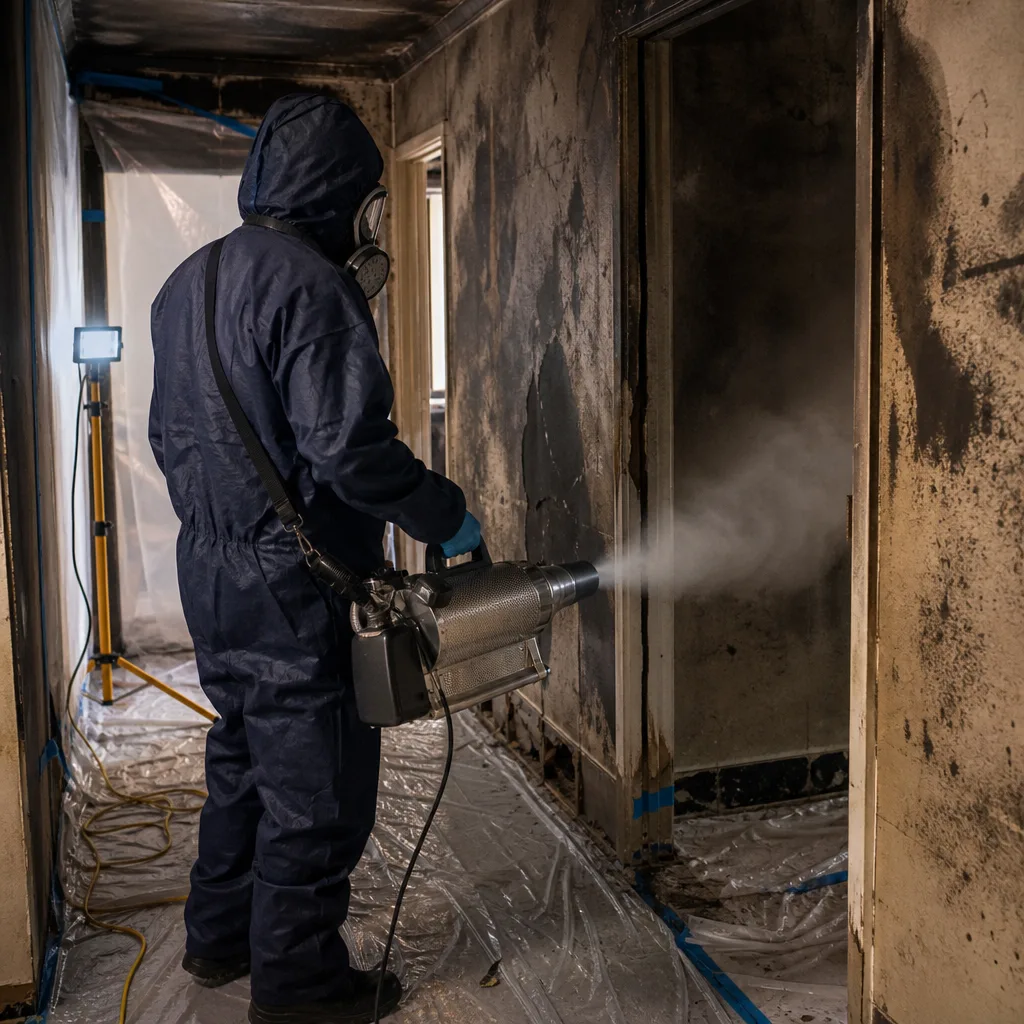
Smoke & Soot Removal
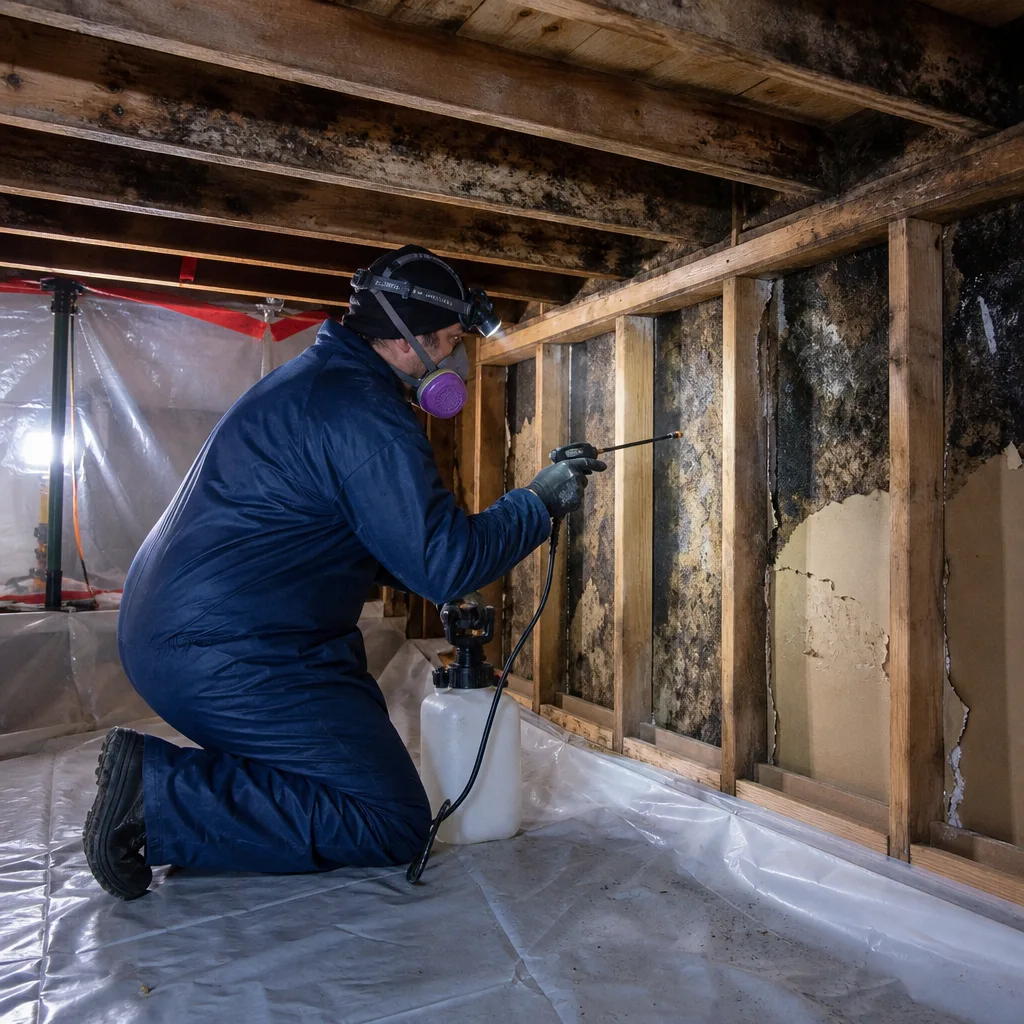
Smoke and soot in Auburn’s older homes behave differently than in newer construction. The 1950s-1970s crawl-space ranches here often have original subfloors, unsealed wall cavities, and attic insulation that has never been replaced, all of which act as reservoirs for acidic soot and odor compounds. Our crews deploy HEPA air scrubbers, thermal foggers, and hydroxyl generators, but the critical step is containment: we seal unaffected areas before we begin aggressive cleaning, because once soot migrates through a crawl-space home’s interconnected framing bays, the scope multiplies. The Green River Valley’s damp microclimate also means soot combines with ambient moisture more readily here than in drier hillside communities, accelerating corrosion of metal components and staining of porous materials.
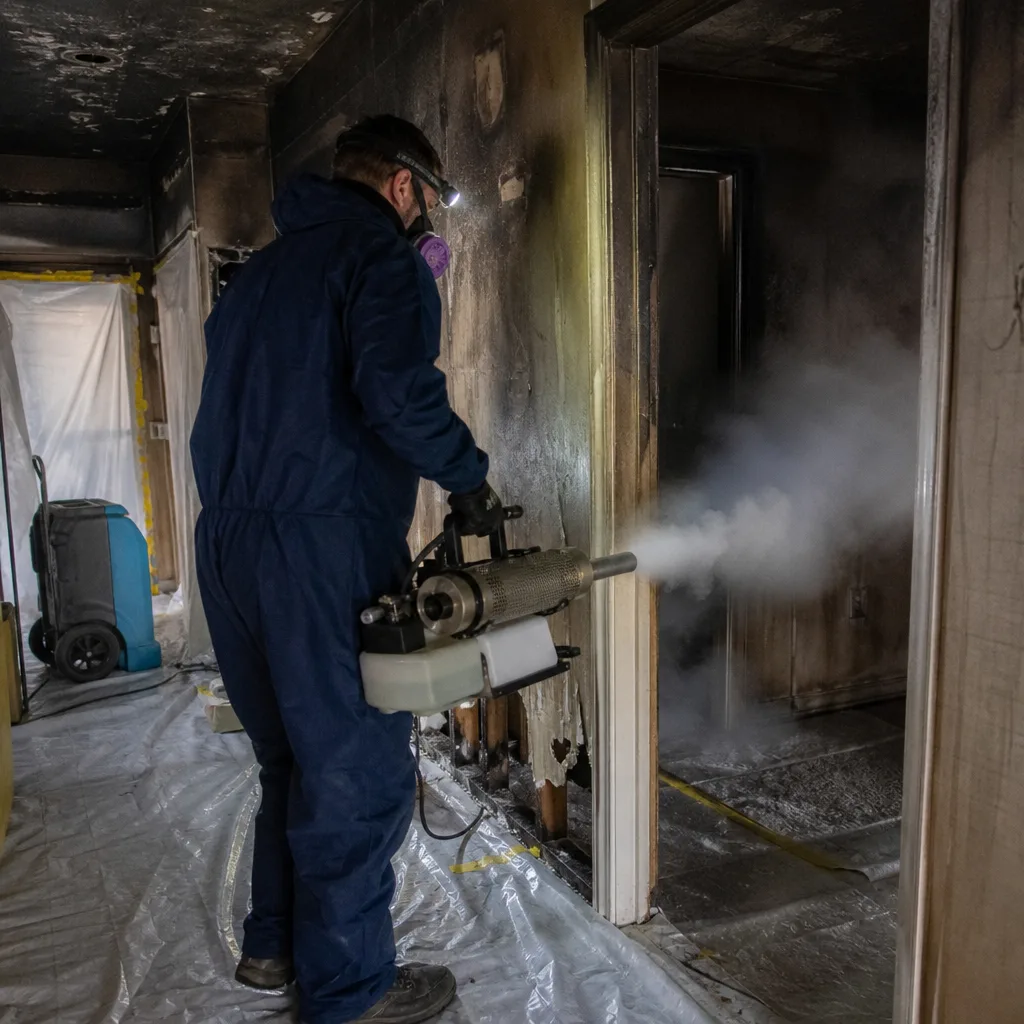
Odor Removal & Deodorization
Lingering smoke odor in Auburn homes typically traces to three sources: porous subfloor materials in crawl-space construction, original attic insulation that has absorbed smoke particles, and HVAC ductwork that circulated smoke during the active fire. We identify the source before we treat it, using moisture meters and borescope cameras to trace odor migration paths that aren’t visible from finished surfaces. Our deodorization protocols follow IICRC S730 standards, with documentation of each treatment phase for your insurance claim. In Auburn’s older housing stock, we often find that effective odor removal requires removing and replacing compromised subfloor sections rather than surface-treating them, a scope decision we explain in writing before demolition begins.
Contents Cleaning & Pack-Out
When fire or smoke damages the contents of an Auburn home, we inventory, photograph, and pack out salvageable items to our controlled cleaning facility. Non-salvageable items are documented with the same rigor, because your contents coverage depends on accurate pre-loss valuation. We pay particular attention to the manufactured and older modular homes concentrated in lower-lying Auburn neighborhoods, where space constraints and subfloor conditions can complicate both the pack-out process and the decision of what can be effectively restored versus what must be replaced. Every item receives a condition tag, a cleaning recommendation, and a photograph; you receive the inventory before we begin any work.
Structural Fire Repair
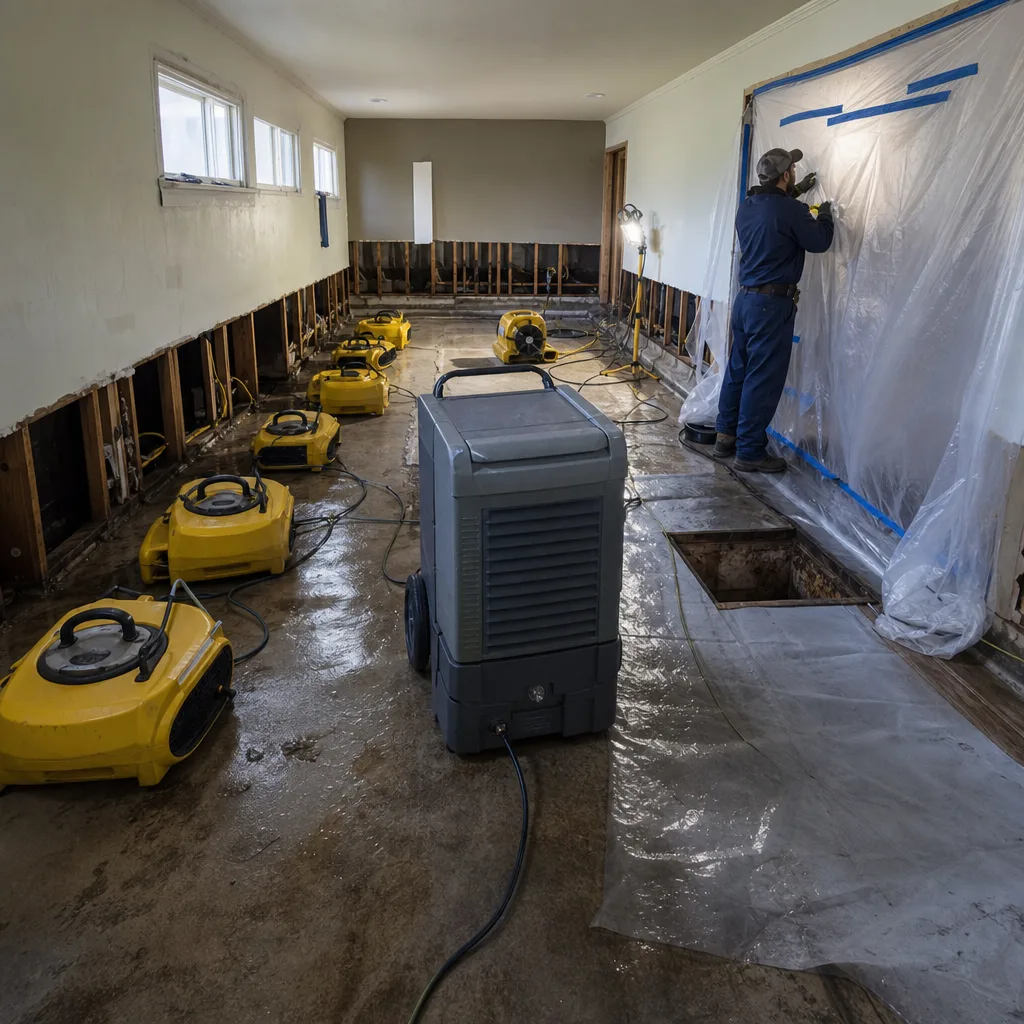
Structural repairs in Auburn require coordination with the city’s building division, and for homes in Special Flood Hazard Areas, that coordination includes FEMA Substantial Damage review if the repair scope exceeds 50% of pre-loss market value. We build this compliance step into our standard workflow, flagging potential threshold issues during initial scoping so you’re not surprised by a mandatory elevation requirement after demolition has begun. Our written scopes include structural engineering consultation when needed, permit application support, and the documentation that Auburn Community Development Services requires for flood-zone properties.
Water Damage Mitigation from Firefighting
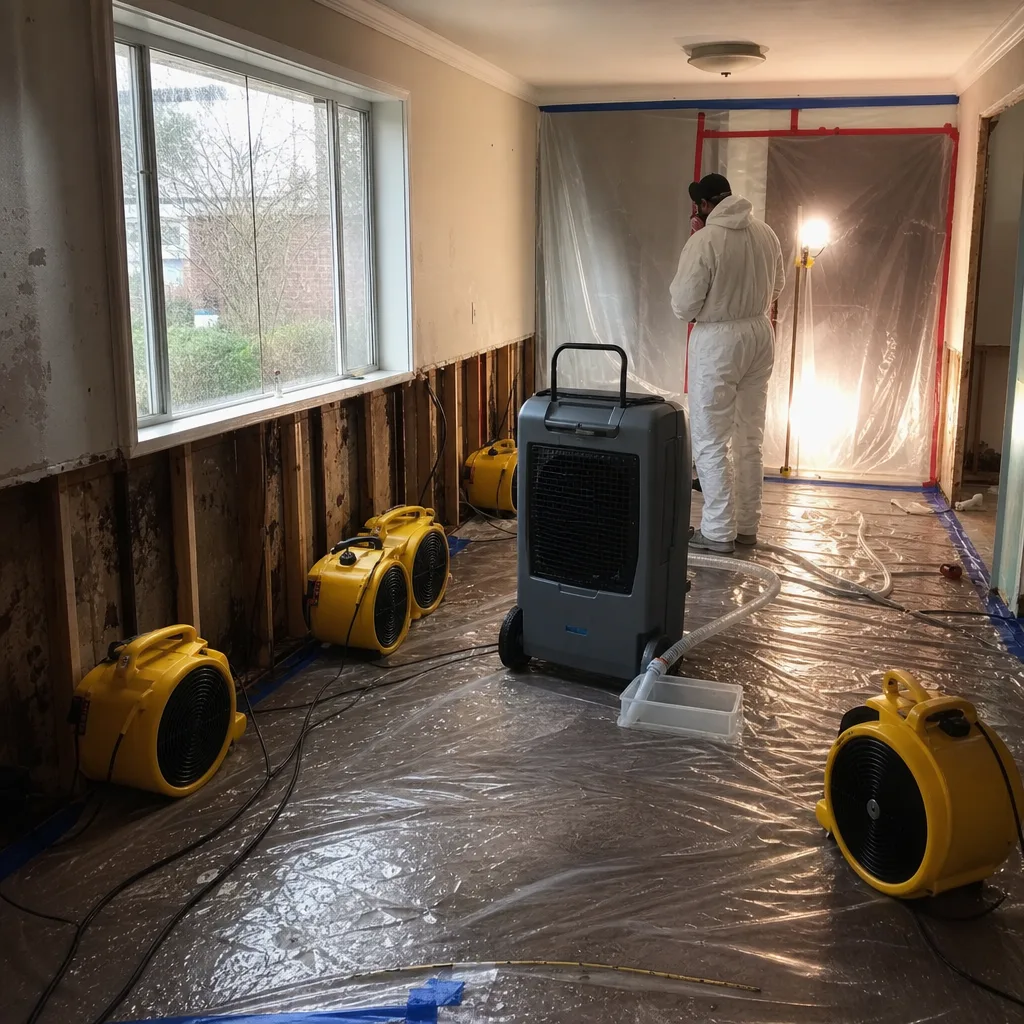
Firefighting water in Auburn homes presents a dual challenge: the water itself, often Category 2 or 3 by the time it has mixed with soot and debris, and the extended drying timeline the Green River Valley microclimate imposes. We classify water contamination at intake, document the category determination with photographs, and adjust drying protocols accordingly. Our crews deploy Phoenix and XPOWER dehumidification systems sized for the higher moisture loads and slower evaporation rates we routinely measure in valley-floor jobs compared to work in Covington or on the Kent plateau. Daily moisture logs track progress and justify equipment duration to your adjuster.
What happens when you call
- 1
A real person answersNo phone trees - you reach a local pro.
- 2
You get an upfront price rangeHonest numbers before anyone is dispatched.
- 3
A background-checked tech heads outLicensed & insured, dispatched right away.
- 4
You approve before work beginsNothing starts until you say go.
BeforeAfterTrusted Brands We Service in Auburn
Our equipment inventory includes professional-grade drying and air-scrubbing systems from Phoenix, XPOWER, and B-Air, with Injectidry cavity-drying systems for the wall and ceiling voids common in Auburn’s older framed construction. We stock HEPA filters, antimicrobial treatments, and odor-counteractant formulations matched to the specific smoke residues we encounter in residential fires, which means we don’t wait for supply runs while your home sits wet or soot-contaminated. For contents cleaning, our facility runs ultrasonic and abrasive-blast restoration systems capable of handling the mixed-material inventories typical of Auburn’s established neighborhoods, from vintage kitchenware to contemporary electronics.
Common Fire & Smoke Damage Restoration Problems We See in Auburn Homes
- Original crawl-space subfloors that trap firefighting water. The 1950s-1970s ranches throughout Lea Hill and the valley floor were built with unconditioned crawl spaces and minimal vapor barriers. When firefighting water reaches these subfloors, it wicks into dimensional lumber and plywood that has never been sealed, creating a secondary mold and rot risk that standard surface drying won’t address. We routinely find saturated subfloor edges and rim joists that require targeted drying or replacement.
- Attic insulation that has reached end of service life. Original fiberglass or cellulose insulation in Auburn’s older homes becomes a smoke and soot sponge once a fire breaches the ceiling plane. The insulation can’t be cleaned; it must be removed, the attic deck HEPA-vacuumed, and new insulation installed. Skipping this step guarantees odor return.
- FEMA flood-zone complications on the valley floor. Homes in Auburn’s expanded SFHA, mapped after the 2009 Howard Hanson Dam seepage crisis, face a unique permitting path. If fire damage plus water mitigation costs exceed 50% of pre-damage market value, the city must review for Substantial Damage status before issuing repair permits, potentially triggering elevation requirements. We flag this risk during initial scoping and document pre-loss condition to support accurate valuation.
- Extended drying timelines from valley microclimate. The Green River Valley’s cold-air pooling and fog retention slow evaporation rates compared to surrounding hillsides. Restoration crews working to IICRC timelines developed for drier climates often underestimate equipment duration here, leaving structures wetter longer and inviting microbial growth. Our scopes build in the extra drying days this geography demands.
Pricing for Fire & Smoke Damage Restoration in Auburn, WA
Emergency board-up and tarping in Auburn typically runs $800-$2,400 depending on access, structural complexity, and whether temporary weatherproofing requires roof-level work. Smoke and soot removal for a single-room fire with limited structural damage generally falls between $3,200 and $7,800. Full fire restoration including structural repair, contents pack-out, and complete deodorization for a moderate residential loss ranges from $12,500 to $35,000, with larger or multi-room fires extending beyond that.
What moves a job toward the higher end: firefighting water that requires full mitigation before smoke work can proceed, homes in FEMA flood zones where documentation and permit coordination add scope, and older crawl-space construction where subfloor replacement becomes necessary. Every job receives a written price before work begins, Haven Standard, Clause 1, with no additions once our crew is inside. We also offer a Free Second Opinion on any competitor’s written estimate. Call (253) 265-9692 for your written scope.
We Also Serve Cities Near Auburn
Our Fire & Smoke Damage Restoration crews respond throughout the south Sound, including Auburn, Federal Way, Milton, Kent, and Puyallup. Dispatch and scheduling are coordinated from our Seattle office, with crews serving each city locally.
Serving Auburn, WA - Our Local Coverage Area
We’re based in the Auburn area and know this community well. Use the map below to see our service coverage - if you’re nearby, we can almost certainly help.
FAQs - Fire & Smoke Damage Restoration in Auburn
Yes, if the total repair scope including fire, smoke, and any water mitigation exceeds 50% of the structure’s pre-damage market value, Auburn is required to conduct a Substantial Damage review before issuing repair permits, and may mandate elevation or other flood-proofing measures. We document pre-loss condition and current market value at intake specifically to flag this threshold risk before demolition begins, so you’re not facing a six-figure elevation requirement after work is already scoped. Call (253) 265-9692 if your home is in a mapped flood zone and you’ve had a fire loss.
The unsealed subfloors, original wall cavities, and aged attic insulation in Auburn’s 1950s-1970s housing stock act as reservoirs for smoke particles and odor compounds that surface cleaning cannot reach. The Green River Valley’s damp microclimate further embeds these residues by keeping porous materials at higher moisture content, slowing natural off-gassing. Effective restoration requires containment, HEPA air scrubbing, and often subfloor or insulation removal, not just topical deodorization. We identify the actual source before we treat it, and we explain the scope in writing.
We classify firefighting water at intake based on what it has contacted: Category 1 if clean and contained, Category 2 if mixed with soot and light debris, Category 3 if sewage or hazardous materials are present. The classification determines our antimicrobial protocol, PPE requirements, and disposal path. In Auburn’s older homes, we often find Category 2 or 3 conditions because firefighting water has flowed through compromised wall cavities and crawl spaces before we arrive. We document the classification determination with photographs and moisture readings for your insurance file.
Yes. Emergency board-up and tarping in Auburn is typically completed within 2-4 hours of your call, with our crews carrying pre-cut materials sized for the residential construction common in neighborhoods from Lea Hill to the valley floor. Every board-up is photographed for insurance documentation and city damage assessment, with particular attention to structural stability and weatherproofing integrity. The written scope for permanent repairs follows separately, always with a fixed price before work begins.
Many contents can be restored if they are removed quickly, inventoried accurately, and cleaned with the appropriate method for their material and smoke residue type. We pack out salvageable items to our facility for ultrasonic, abrasive, or solvent-based cleaning depending on the damage classification, and we document non-salvageable items with the same rigor for your contents claim. The key is rapid response: smoke residues become more chemically bonded to surfaces over time, so same-day or next-day pack-out significantly improves recovery rates. Call (253) 265-9692 to schedule contents assessment.
Our crew boarded up a fire-damaged 1960s crawl-space ranch in the Lea Hill area after a kitchen fire spread into attic insulation. We set containment and HEPA air scrubbers, then used thermal fogging and hydroxyl generators for odor and soot removal, but the real challenge came during mitigation: the 40-year-old subfloor and original crawl-space framing had soaked up firefighting water, so we ran a pack-out of contents, applied antimicrobial treatment, and kept a detailed drying log because the home sat in a mapped flood zone where blended water-damage and fire-damage costs can push the repair scope toward the city’s Substantial Damage threshold.
Written by Alicia Brennan, Owner at Back to Dry Restoration, serving Auburn since 2011.