
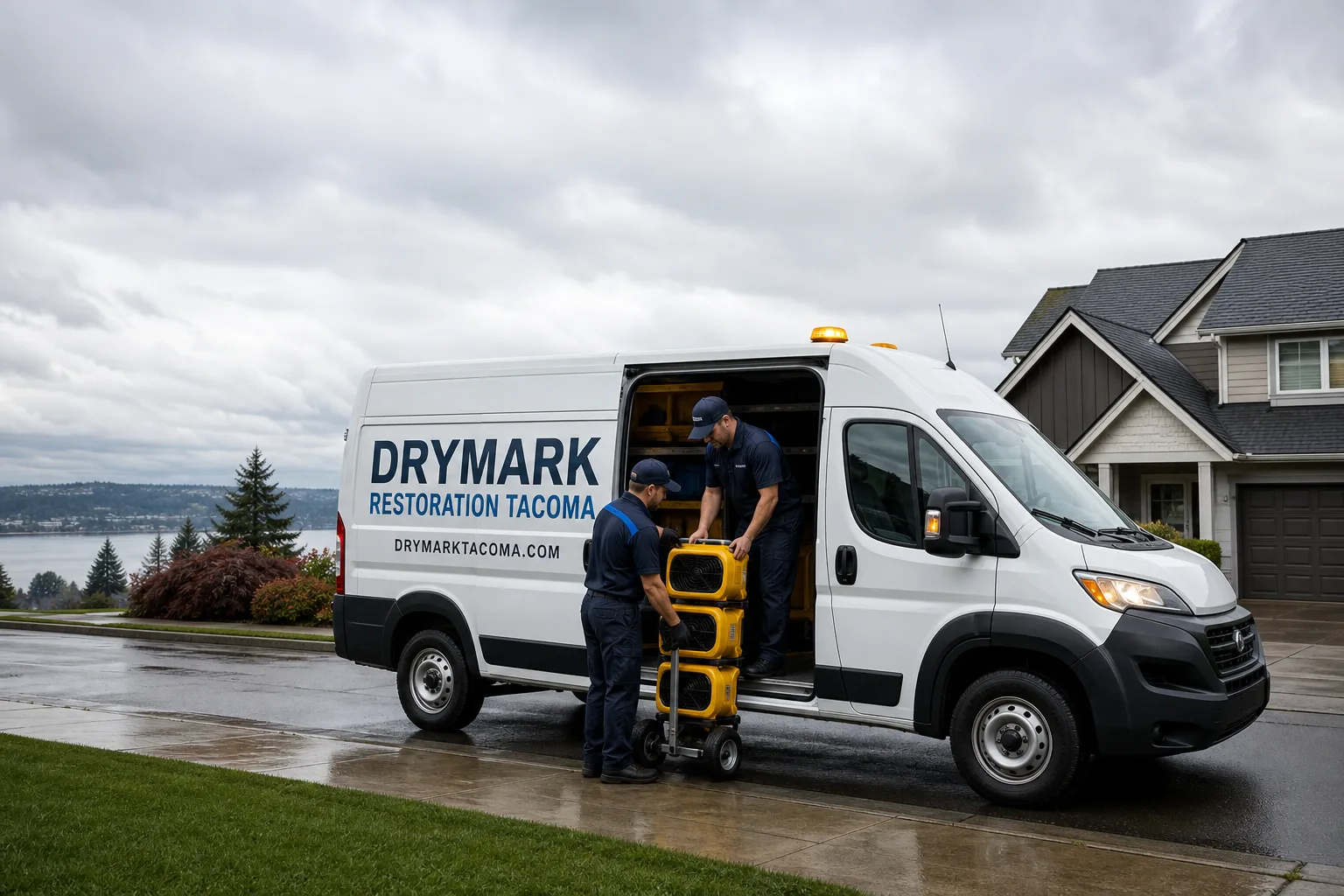
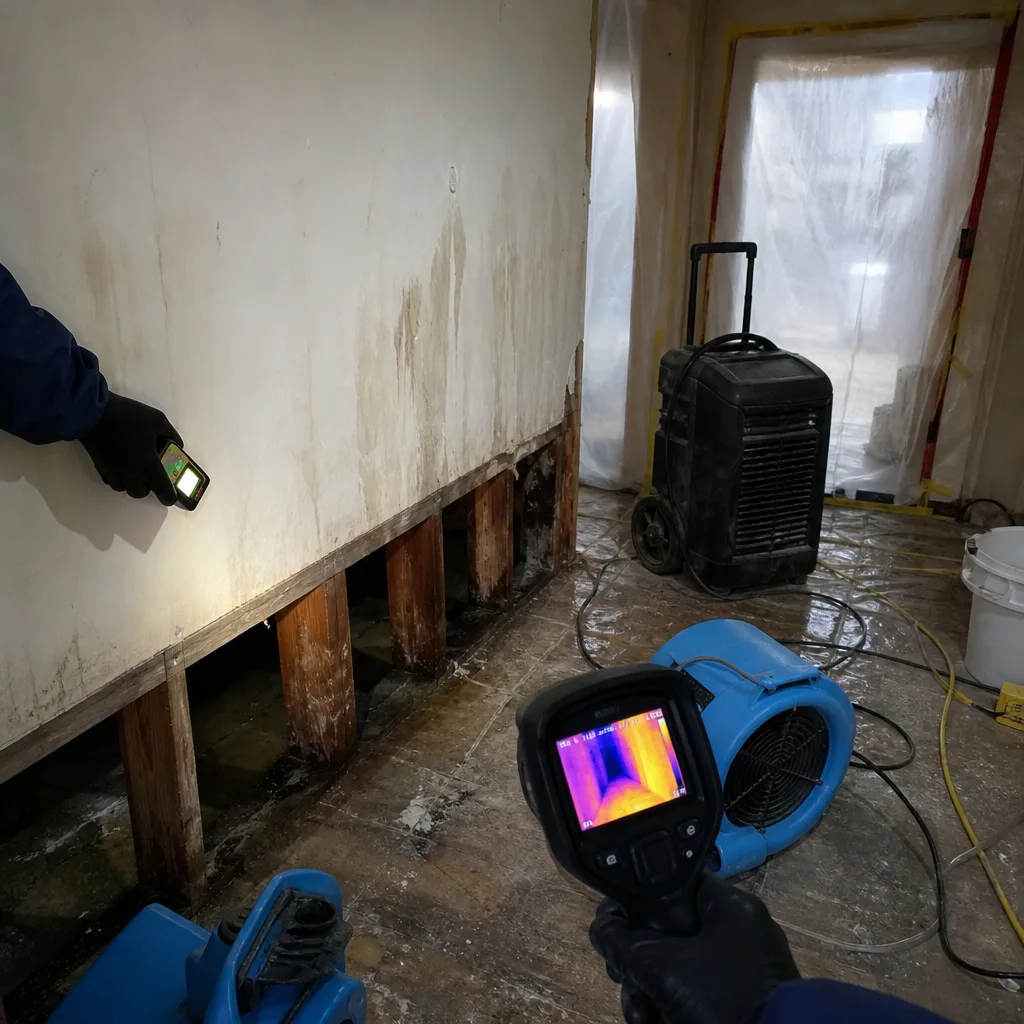
Free visual inspection and a written scope of work before any mitigation begins - photos, moisture readings, and drying logs go in your claim file
The scope we write is the scope we bill. Anything new gets shown to you, in writing, before we touch it.
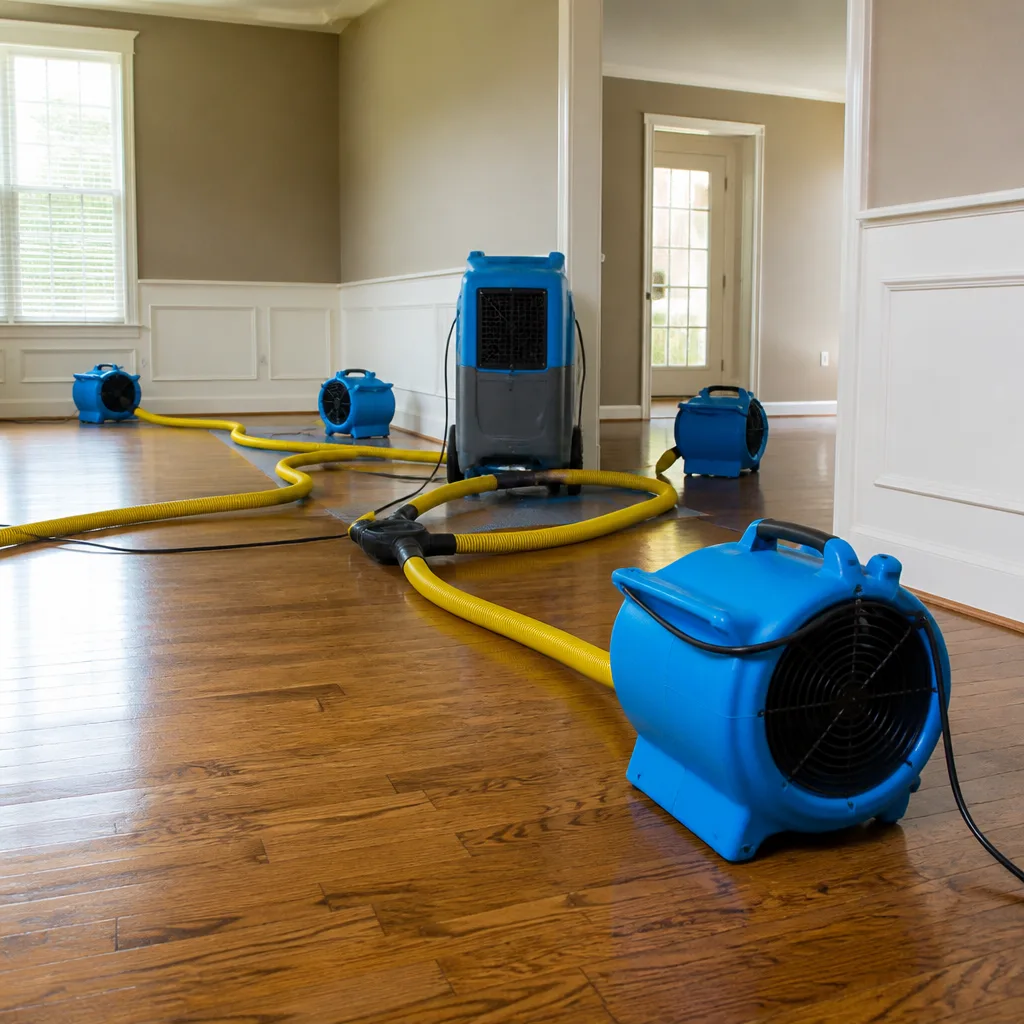
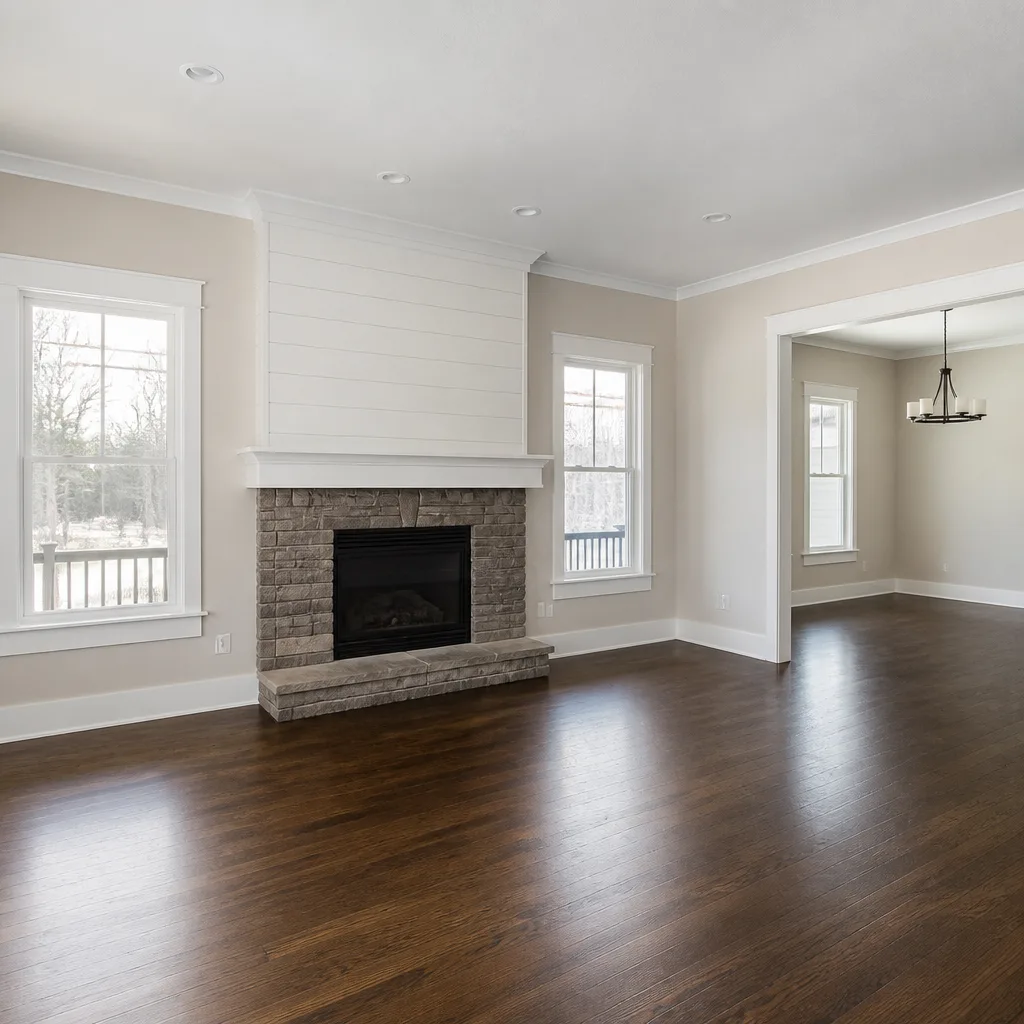
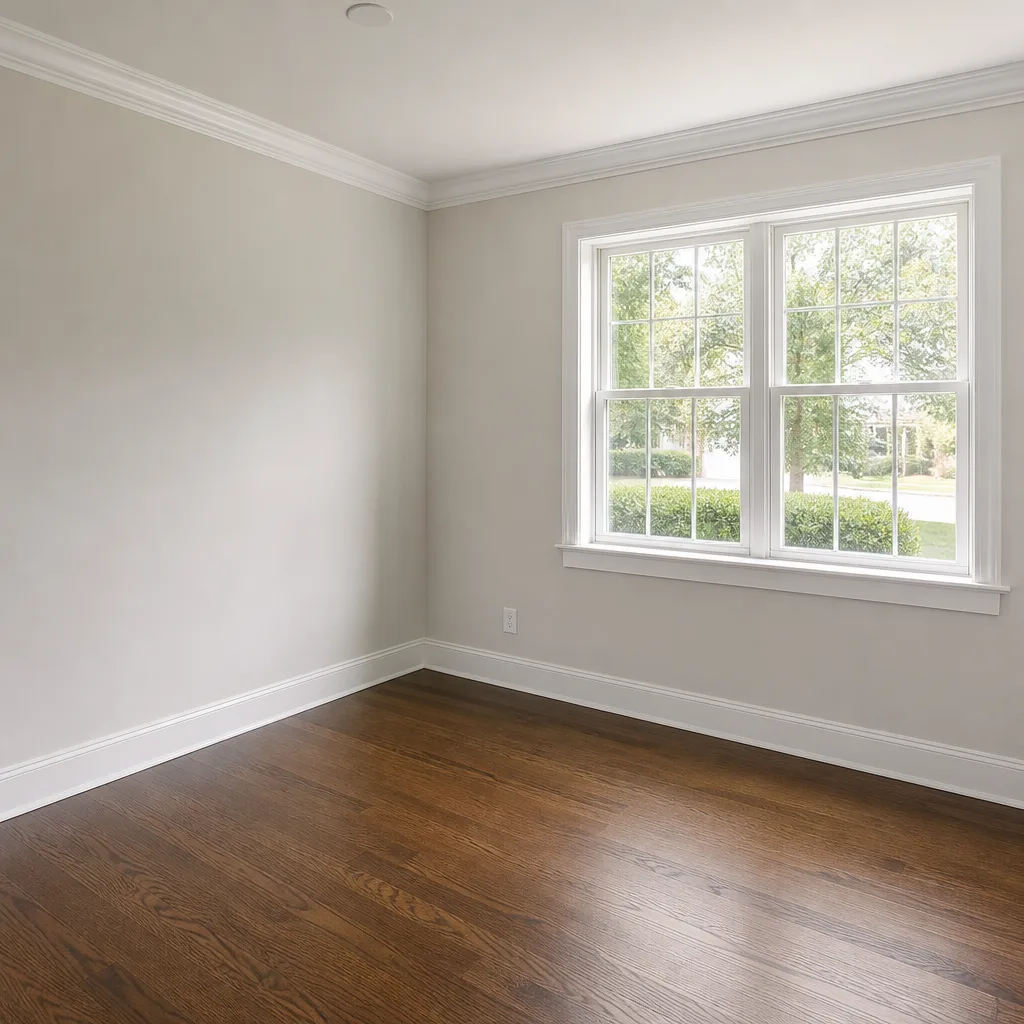
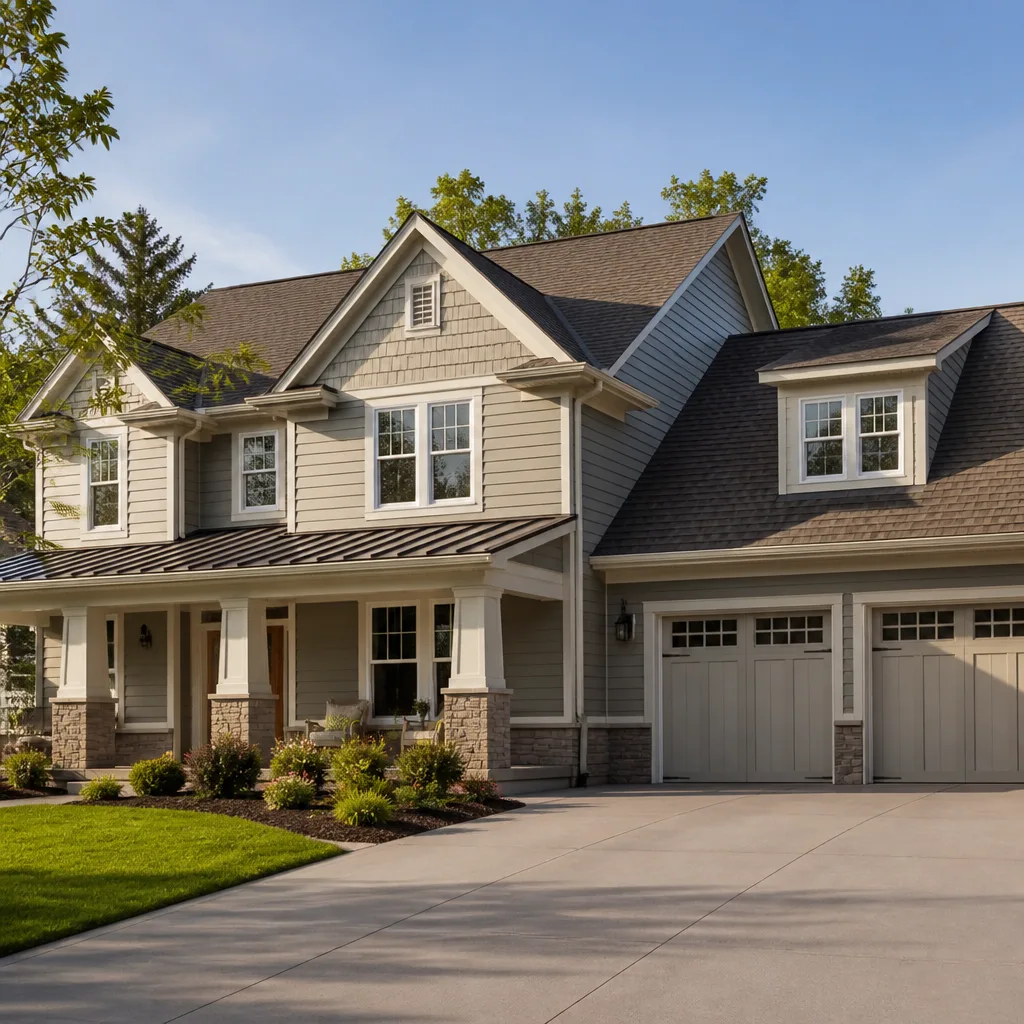
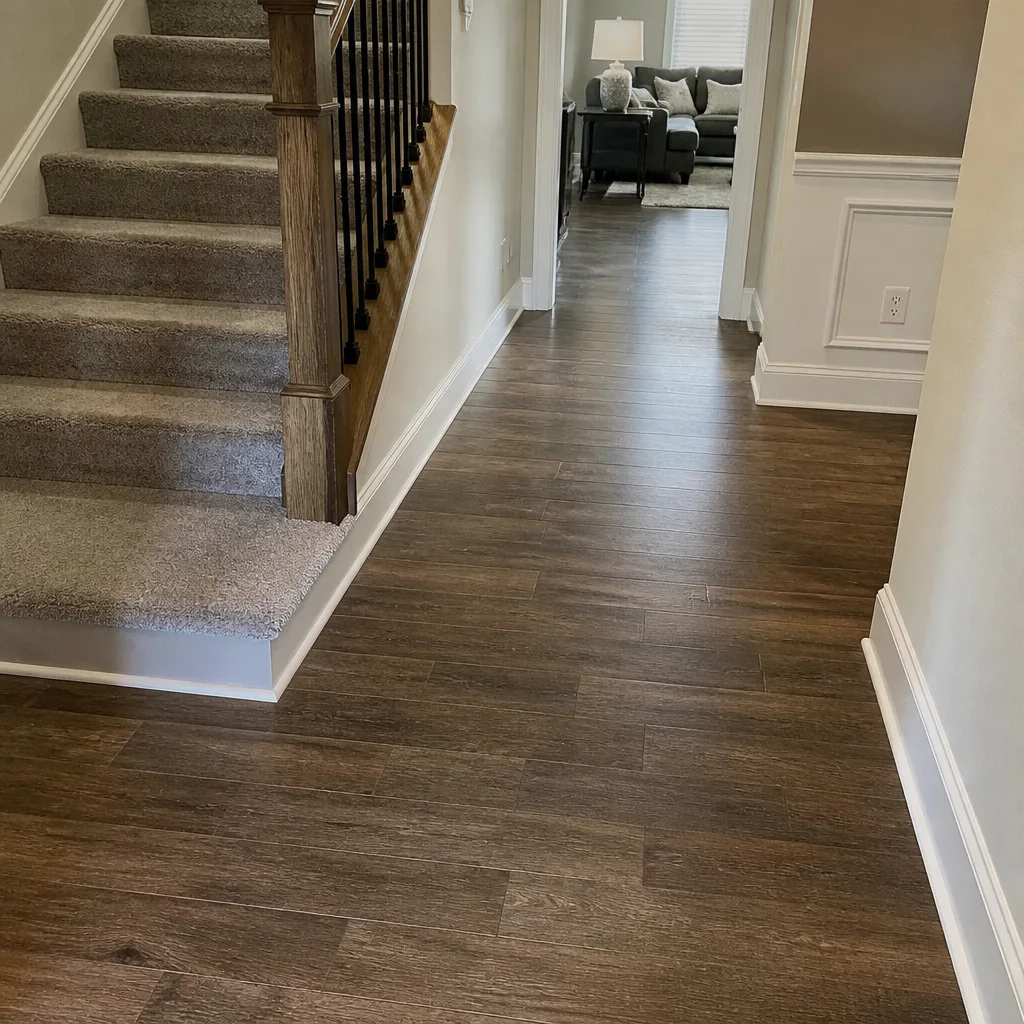
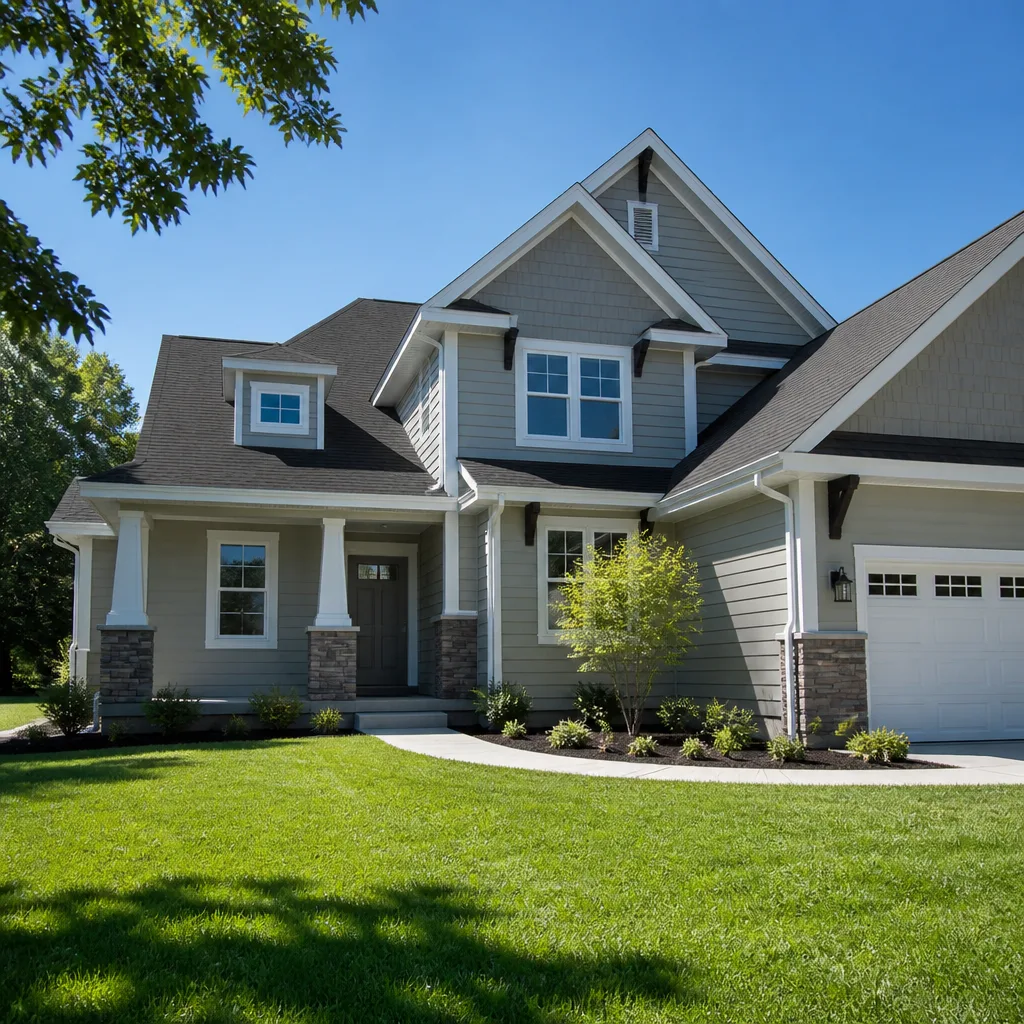
 Before
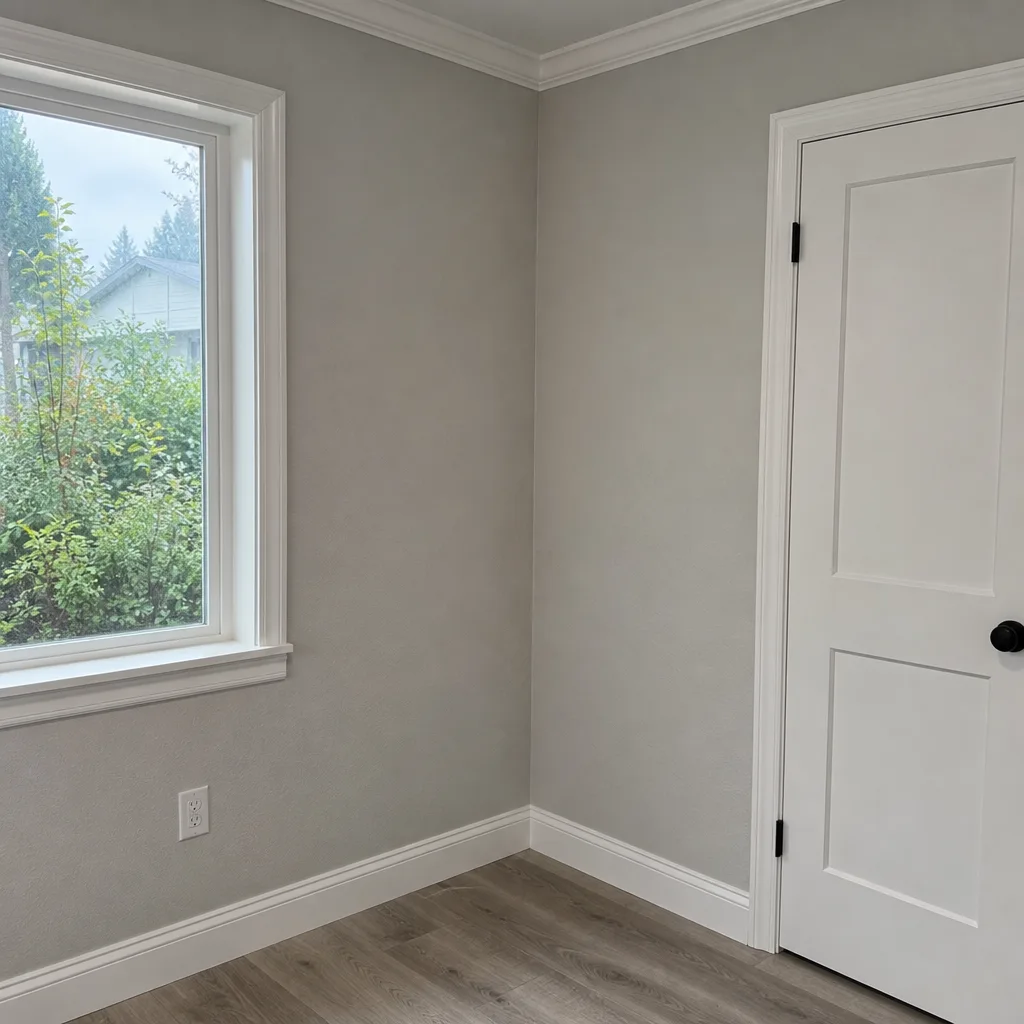 After
After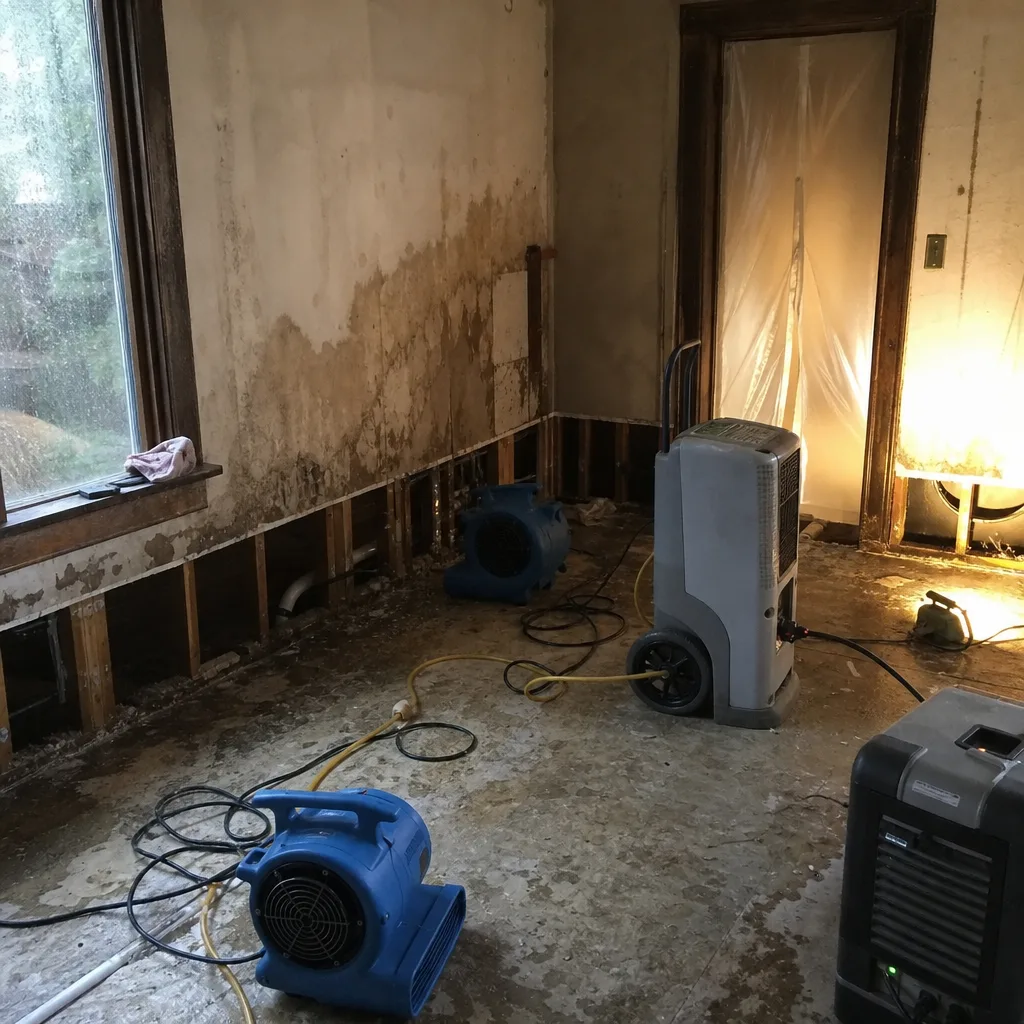 Before
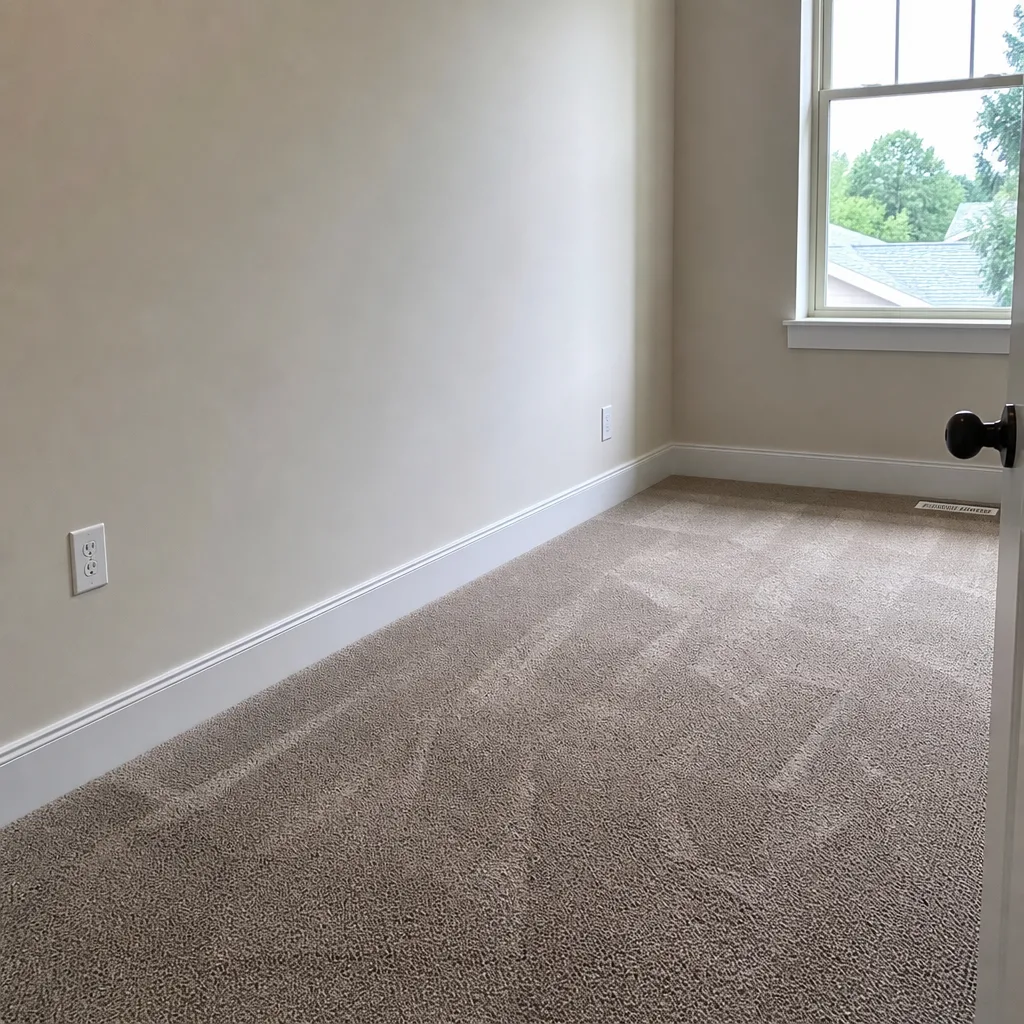 After
After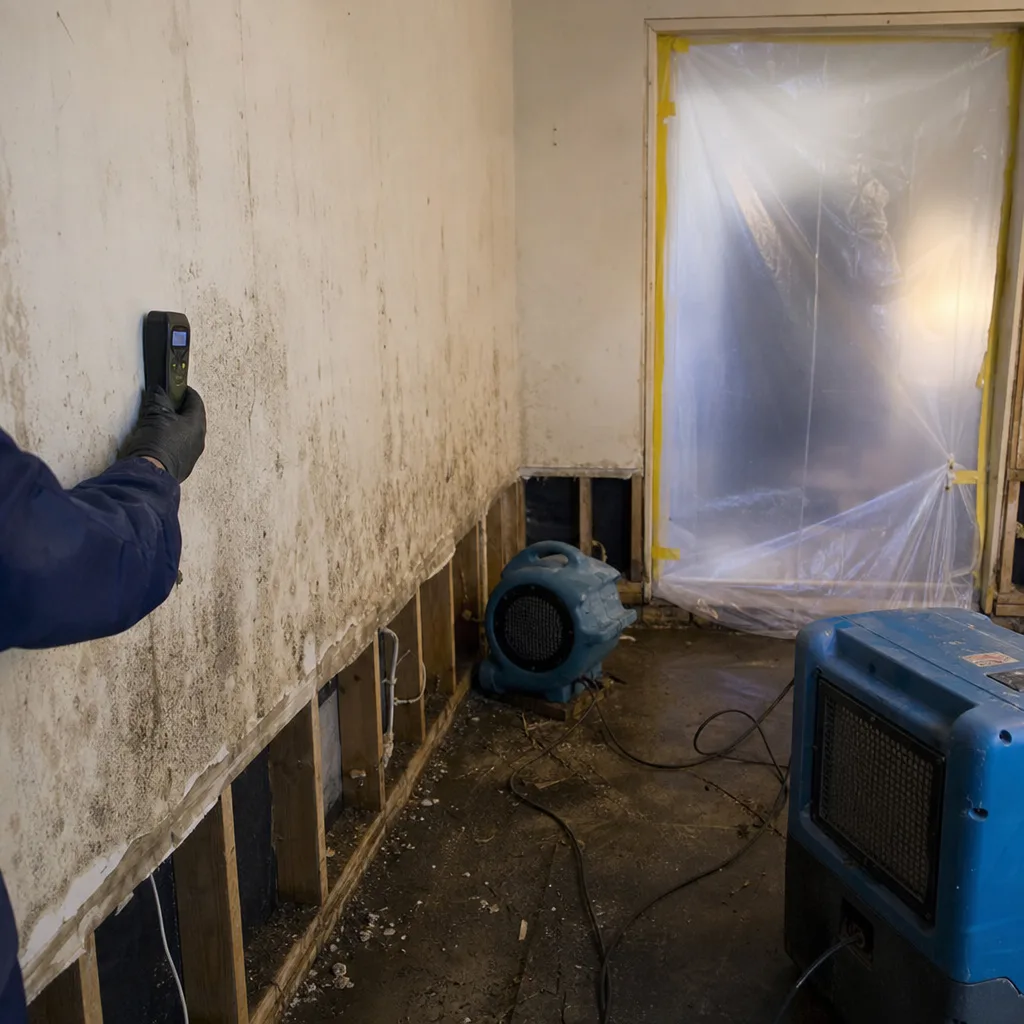 Before
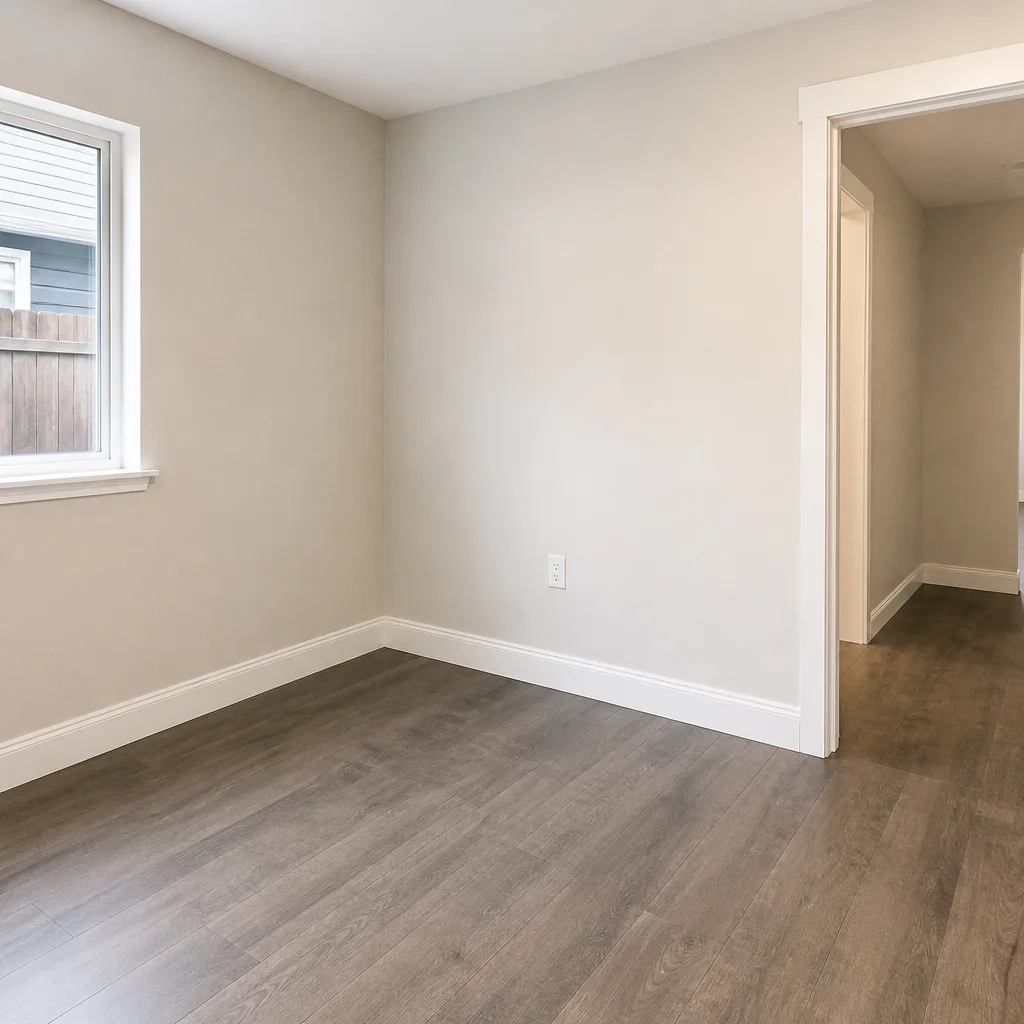 After
AfterFast, Reliable Mold Remediation Across Puyallup
Mold remediation in Puyallup typically runs $1,800-$6,500 depending on affected square footage and whether the job involves crawl space treatment or air quality restoration after Category 3 flooding. Most Puyallup homeowners who call (253) 265-9692 reach our live dispatch in under 60 seconds, and we can have a technician on-site in Puyallup the same day to take moisture readings and deliver a written scope. Because Puyallup sits on the floor of the Puyallup River valley with vented crawl spaces built into alluvial soil, mold here rarely stays surface-level - it amplifies in subfloor framing during weeks of trapped winter humidity, long after the visible water is gone.
Our crews coordinate dispatch from the Seattle office and serve Puyallup locally. We know the alley-load constraints off River Road, the security-gated townhome clusters near downtown, and the balloon-framed wall cavities in the historic core where spores travel faster than containment plans account for. Every job starts with a written price, every visit produces a photo record, and every remediation carries our 365-Day Done Right Promise under The Haven Standard.
Why DryMark Restoration Tacoma Is Puyallup’s Preferred Mold Remediation Company
We’ve restored more than 12,000 homes since 2011, and a significant share of those jobs have been in the Puyallup valley where riverine flooding and volcanic-hazard geography create mold conditions no inland city matches. Homeowners in the North Hill, South Hill, and downtown Puyallup neighborhoods call us back because our drying logs and written scopes have held up under adjuster review - the documentation-first approach that Alicia Brennan built this company around after years as a claims adjuster watching homeowners lose legitimate payouts to sloppy contractor paperwork.
Our Puyallup response time averages same-day arrival for active water events, and we schedule mold remediation assessments within 24 hours for non-emergency calls. Reviews from Puyallup customers consistently cite two things: technicians who name their moisture readings instead of waving a meter around, and the written price that arrives before anyone starts work. Haven Standard, Clause 1. No exceptions.
We also offer a Free Second Opinion on any competitor’s written estimate - bring us another contractor’s scope and we’ll review it at no charge. In a market where mold remediation can range from surface cleaning to full crawl space gutting, that second set of eyes has saved Puyallup homeowners from both under-treatment and oversold demolition.
Our Mold Remediation Services in Puyallup
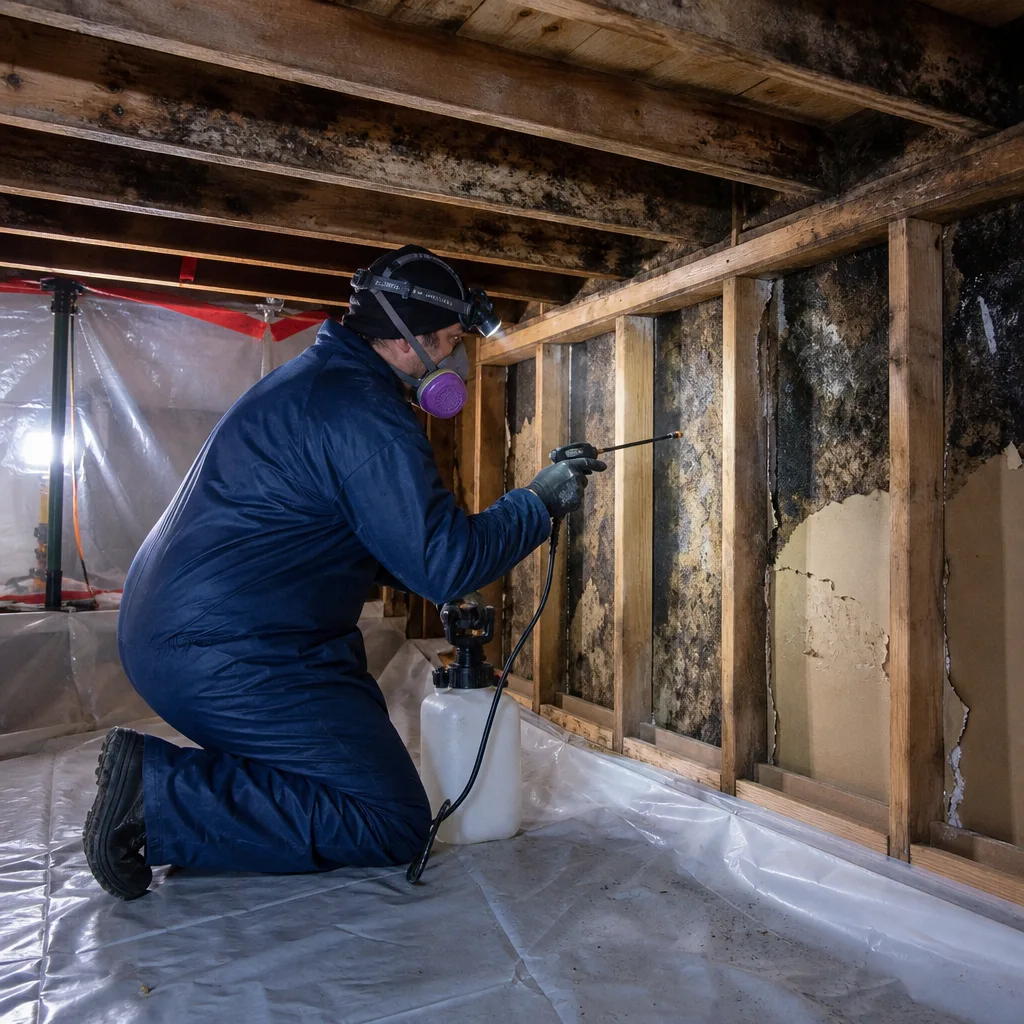
Mold Inspection & Testing
Every Puyallup inspection starts with documented moisture readings, not a visual guess. We measure wood moisture equivalent (WME) in floor joists, subflooring, and wall cavities; record relative humidity and dew-point calculations; and map the vapor pressure differential that drives hidden amplification. In the post-WWII ranch homes off Meridian and the 1960s-1980s builds on South Hill, we pay particular attention to crawl space vapor migration - the valley’s winter inversions keep relative humidity above 70% for weeks, and surface mold on joists often masks deeper colonization in the subfloor. Our inspection report includes a photo record, a moisture map, and a written scope with line-item pricing before any remediation begins.
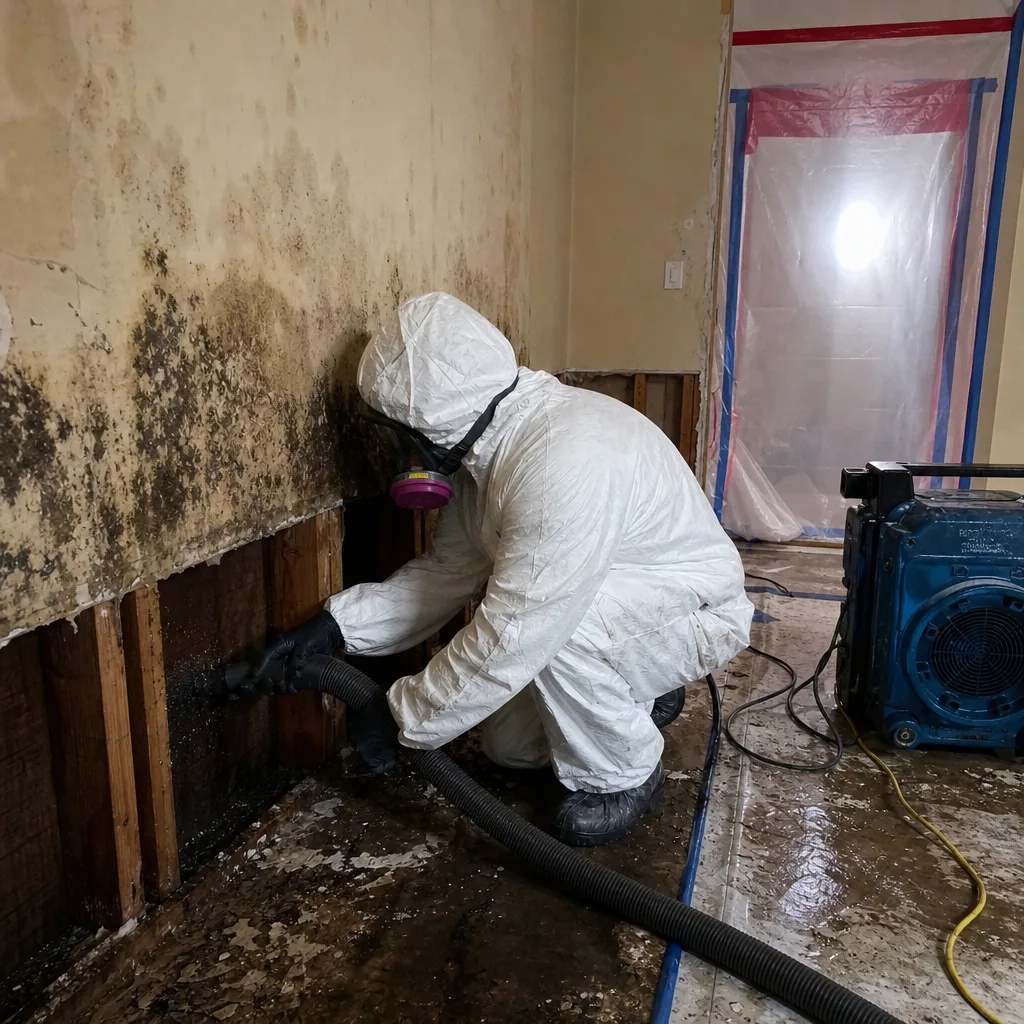
Mold Removal
Removal in Puyallup means containment first, especially in the balloon-framed structures along downtown’s older blocks where wall cavities connect floor to floor without fire stops. We build polyethylene containment chambers, establish negative air pressure with HEPA-scrubbed exhaust, and remove colonized materials by trade classification: non-porous (metal, glass, sealed concrete), semi-porous (wood framing, concrete block), and porous (drywall, insulation, carpet pad). On River Road and the lower valley corridor, we frequently encounter homes where previous contractors removed visible mold but left saturated floor framing - our removal protocol includes Injectidry hose deployment into the subfloor cavity to dry structural members before antimicrobial treatment, not after.
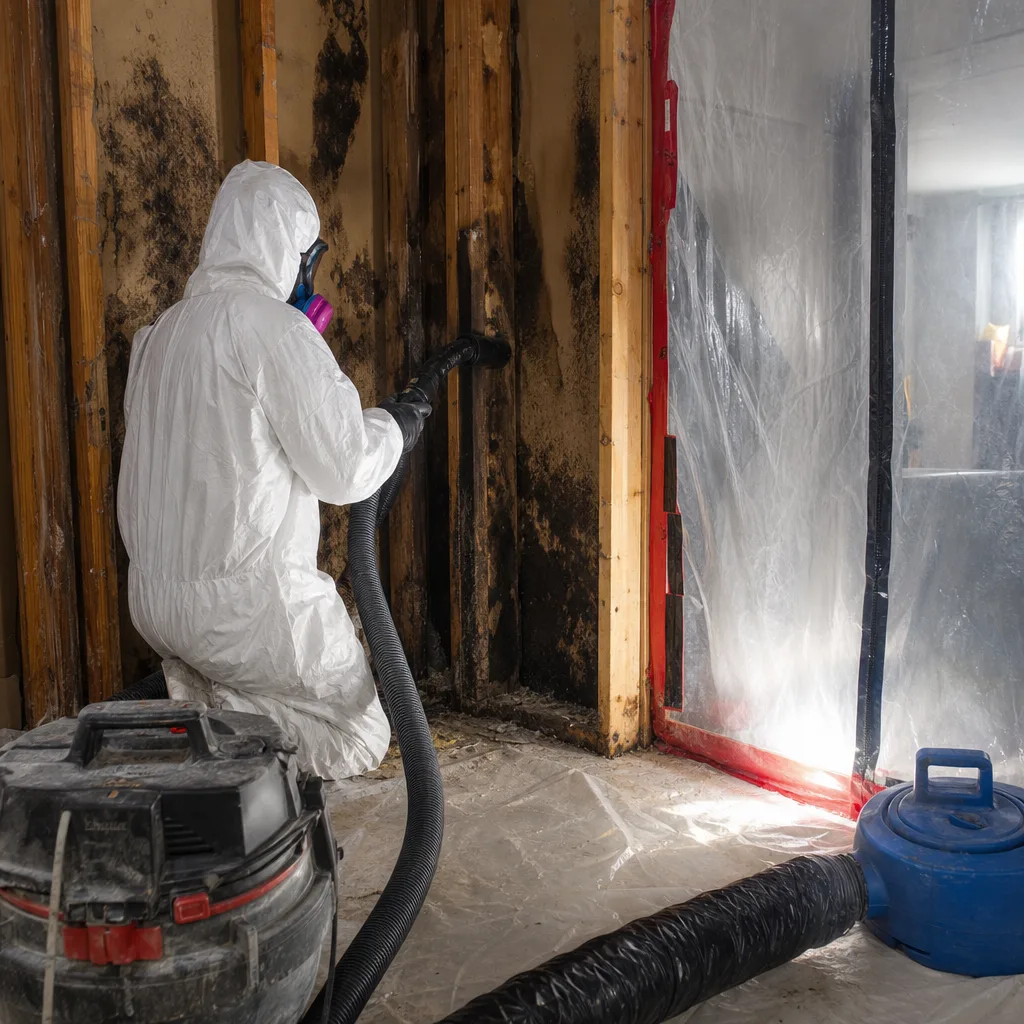
Black Mold Remediation
Stachybotrys chartarum and other toxigenic species require the same containment rigor as any mold job, with additional attention to spore load and cross-contamination pathways. In Puyallup’s tighter townhome developments and security-gated communities, we coordinate access with property management, stage containment materials to minimize hallway intrusion, and run air scrubbers on return-air cycles that protect neighboring units. Our technicians are background-checked, uniformed, and carry license documentation on every job - the named technician who arrives is the one quoted in your written scope.
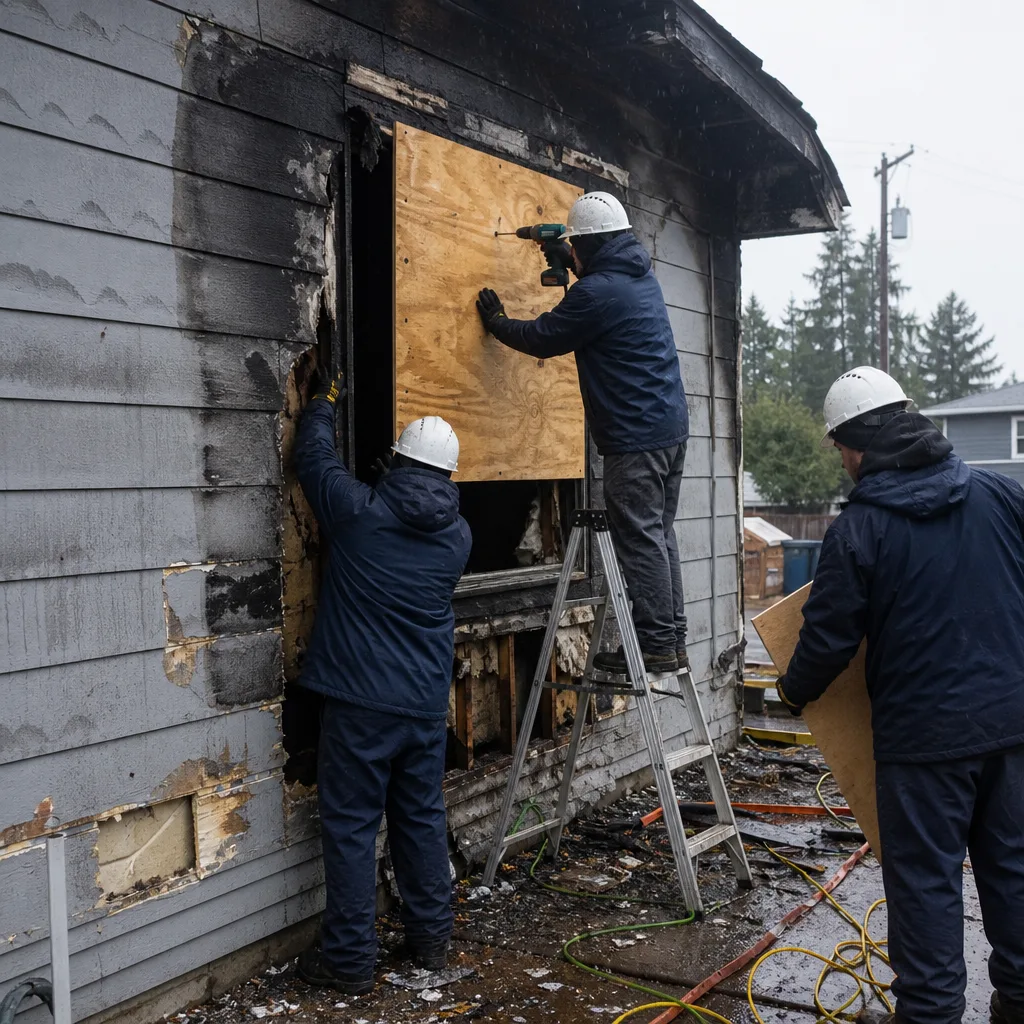
Air Quality Restoration
After remediation, we don’t guess at whether the air is clean. We run post-remediation verification sampling, compare spore counts to outdoor baseline levels per IICRC standards, and document the results in your job file. For Puyallup homes with forced-air systems that ran during an active mold event, we inspect ductwork for contamination and coordinate HVAC cleaning when the scope requires it. The valley’s prolonged humidity season means air quality can degrade slowly - our documentation gives you and your adjuster proof that the envelope was returned to pre-loss condition, not just “looks better.”
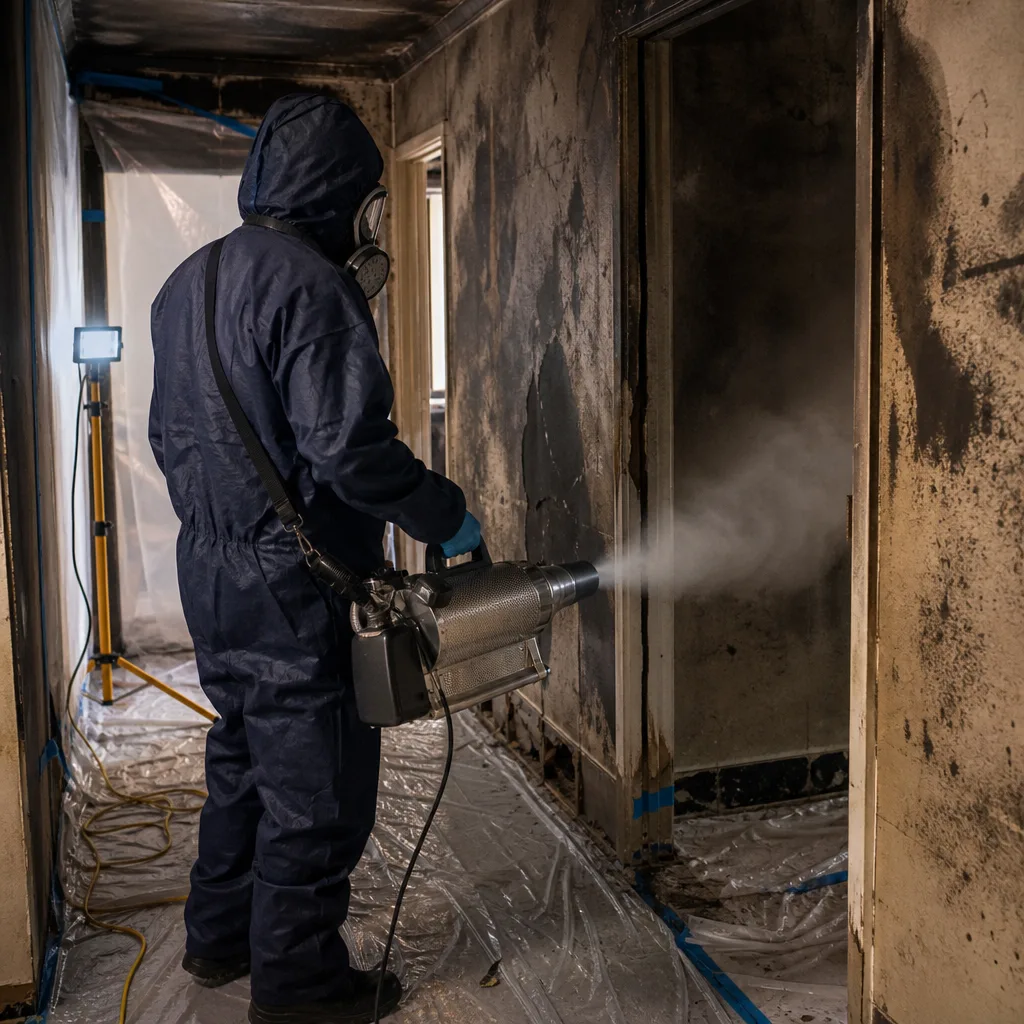
Crawl Space Treatment
This is where Puyallup’s geography hurts most. Vented crawl spaces on alluvial soil pull groundwater vapor year-round, and winter inversions trap that moisture against subfloor framing for weeks. Our crawl space treatment includes vapor barrier assessment, drainage review, subfloor drying with Injectidry and Phoenix dehumidification systems, and antimicrobial application to colonized framing. We also evaluate whether the existing vent configuration is helping or hurting - in some Puyallup homes, sealing vents and adding conditioned air makes more sense than the original 1960s builder’s spec.
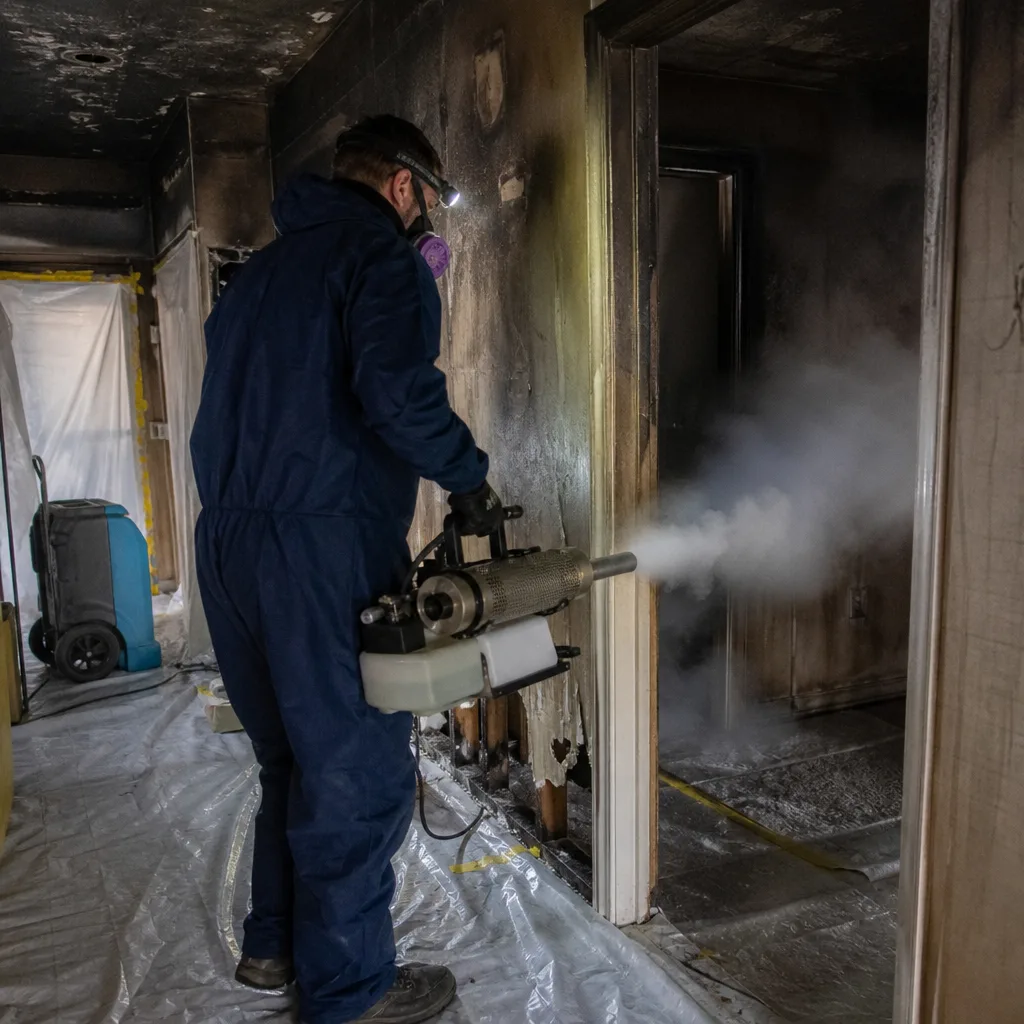
Moisture & Humidity Control
Remediation without humidity control is temporary in the Puyallup valley. We install and document permanent dehumidification solutions sized to the crawl space volume, with hygrometer readouts that feed into your drying log. For homes in recurrent flood zones, we map the moisture rebound pattern across seasons and specify equipment that maintains 30-50% relative humidity even during inversion events. Our Mold Remediation team coordinates this with your insurance scope when coverage applies.
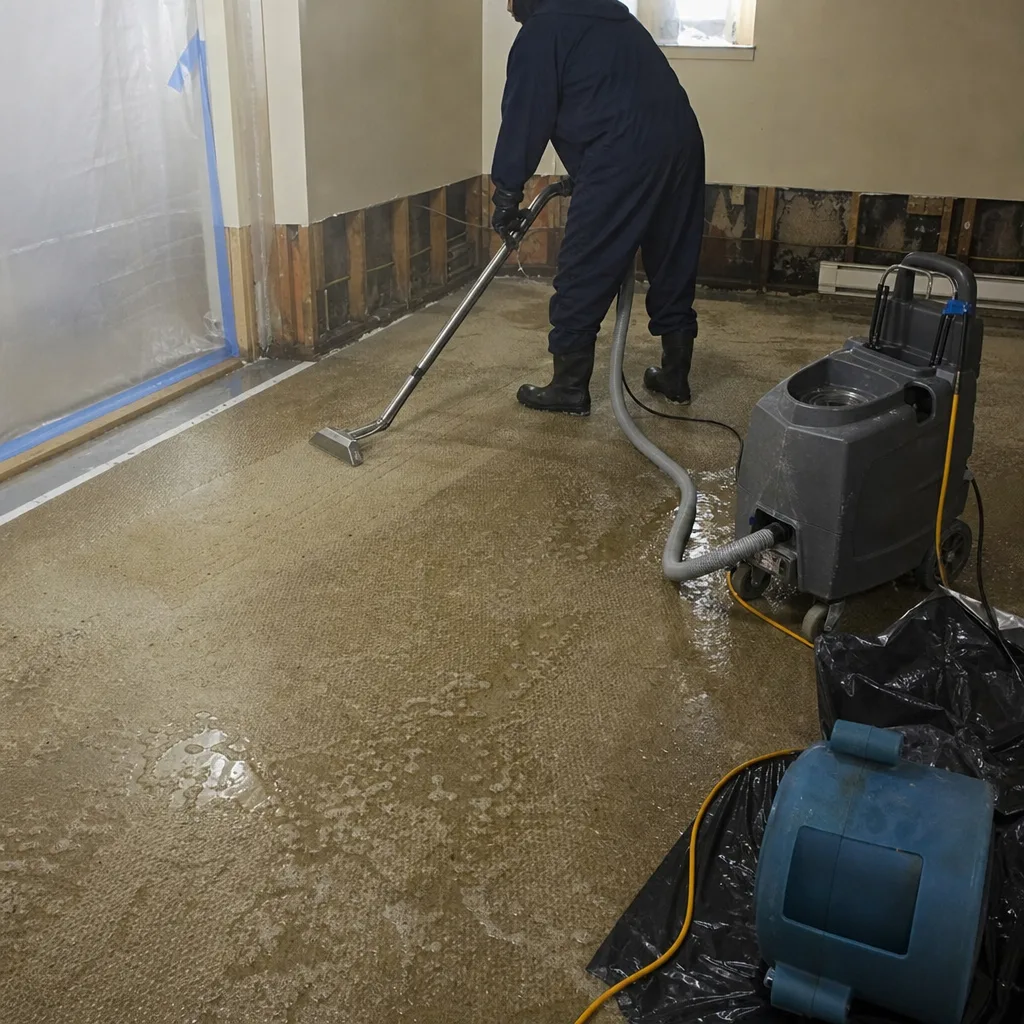
What happens when you call
- 1
A real person answersNo phone trees - you reach a local pro.
- 2
You get an upfront price rangeHonest numbers before anyone is dispatched.
- 3
A background-checked tech heads outLicensed & insured, dispatched right away.
- 4
You approve before work beginsNothing starts until you say go.
BeforeAfterTrusted Brands We Service in Puyallup
Our equipment inventory includes professional-grade drying systems from Dri-Eaz, Phoenix, and XPOWER - brands that produce the psychrometric data and daily drying logs insurers expect to see on a restoration invoice. We stock HEPA air scrubbers, Injectidry cavity-drying systems, and LGR dehumidifiers locally, which means Puyallup jobs don’t wait for Seattle warehouse delivery. For the tight-access properties off River Road and the downtown historic blocks, our smaller-footprint Phoenix and XPOWER units fit through alley-load gates and narrow stairwells without sacrificing capacity. Every machine’s output is logged, every reading is photographed, and every day’s work is documented to IICRC, RIA, and IFA standards before we leave the site.
Common Mold Remediation Problems We See in Puyallup Homes
- Crawl spaces treated as surface problems. Competitors spray antimicrobial on visible joists and leave. The Puyallup valley’s winter inversions keep vapor pressure high for weeks, and without Injectidry deployment into floor framing, moisture re-wicks and mold returns by the next season.
- Balloon-framed downtown blocks without containment planning. Late-1800s and early-1900s structures have continuous wall cavities from foundation to attic. Skip the containment plan, and spores travel through those cavities into rooms that were never part of the original mold map.
- Alley-load access failures on River Road. Trucks that can’t navigate tight entries idle with doors open, containment stays compromised longer than spec, and moisture readings get taken after the psychrometric window has already shifted. We survey access before we dispatch.
- No documentation for insurance review. Puyallup homeowners in FEMA-mapped flood zones frequently need adjuster-ready files. Without photo records, drying logs, and written scopes, legitimate claims get denied for lack of evidence. We build the file as we work.
Pricing for Mold Remediation in Puyallup, WA
Mold inspection and testing in Puyallup typically runs $350-$650 for a standard residential assessment, including moisture mapping, photo documentation, and a written scope with line-item pricing. Surface mold removal on limited square footage starts around $1,800-$2,800. Crawl space treatment with subfloor drying and antimicrobial application generally falls between $3,200-$5,500 depending on joist access and vapor barrier condition. Full-structure remediation after Category 3 flooding, including air quality restoration and post-remediation verification, ranges from $4,500-$6,500+ for affected areas under 1,500 square feet.
Three factors move Puyallup jobs toward the higher end: balloon-framed wall cavities requiring extended containment, recurrent flood history on River Road and lower valley properties, and winter inversion timing that compresses the drying window. Haven Standard, Clause 1: your written price arrives before any work begins, with no scope-creep additions once our crew is inside. Call (253) 265-9692 for a free estimate - we’ll review your situation, take readings, and deliver a documented scope you can compare against any competitor’s quote.
We Also Serve Cities Near Puyallup
Our crews work throughout the south Puget Sound corridor, including Mold Remediation in Puyallup and neighboring Milton, Tacoma, Auburn, and Federal Way. Tacoma and Federal Way share some valley humidity characteristics, but neither sits inside Mount Rainier’s lahar corridor - Puyallup’s dual-hazard geography and alluvial crawl space construction create mold conditions that require specific local experience. Wherever you are in our service area, the same documentation standards apply: written price first, photo record on every visit, 365-Day Done Right Promise.
Serving Puyallup, WA - Our Local Coverage Area
We’re based in the Puyallup area and know this community well. Use the map below to see our service coverage - if you’re nearby, we can almost certainly help.
FAQs - Mold Remediation in Puyallup
Because most Puyallup crawl spaces sit on valley alluvium with high groundwater tables, and winter inversions trap humid air under the home for weeks after surface water is gone. If the previous contractor skipped Injectidry deployment into floor joists and didn’t log moisture readings to dry-standard, the framing never actually dried - it just looked dry enough to spray and leave. We document WME readings daily and don’t close a job until the subfloor hits IICRC dry standard, typically 12-16% WME for Pacific Northwest softwoods. Call (253) 265-9692 and we’ll review what was done before - estimates are free, and we offer a Free Second Opinion on any competitor’s written scope.
Yes. The lahar corridor means county emergency planners model catastrophic water-and-debris events that could inundate the same properties repeatedly, and many Puyallup homes in the corridor have flood history that insurers track. Our scopes account for this by documenting not just current mold damage but also moisture management upgrades - vapor barriers, drainage improvements, dehumidification - that reduce repeat-claim risk. We also coordinate with adjusters who understand the corridor’s hazard profile, and our photo records and drying logs are formatted for their review standards. The Haven Standard requires documentation that holds up under scrutiny, not just surface treatment.
Within 24-48 hours for Category 1 or 2 water; immediately for Category 3, which includes river water, sewage backup, or any flooding that crosses contaminated ground. The Puyallup River’s rain-on-snow surge events push Category 3 water into crawl spaces silently - by the time you smell mustiness, mold amplification has already started in floor joists. Our live dispatch answers (253) 265-9692 24 hours a day, 7 days a week, and we prioritize River Road and lower corridor properties for same-day response when active flooding is reported. Speed matters because the valley’s compressed drying window means every day of delay extends remediation scope and cost.
Category 3 water is grossly contaminated - river floodwater, sewage, or ground surge containing pathogens, chemicals, and organic matter. In Puyallup, riverine flooding almost always qualifies as Category 3. This classification means porous materials like carpet pad, drywall lower than the water line, and saturated insulation must be removed, not dried in place. It also means antimicrobial treatment is mandatory, not optional, and post-remediation verification testing is strongly recommended for insurance documentation. Our written scope specifies Category 3 protocol explicitly, including line-item removal and treatment costs, before any work begins. Haven Standard, Clause 1.
Yes. We survey access during our initial assessment and size equipment accordingly - Phoenix and XPOWER units for narrow entries, coordinated gate codes for managed properties, and staging plans that minimize hallway or common-area intrusion. In downtown Puyallup’s historic blocks and the townhome clusters off South Hill, we’ve developed containment protocols that protect neighboring units while maintaining negative air pressure and HEPA exhaust. The technician who arrives has reviewed your access constraints before leaving our dispatch. Call (253) 265-9692 to schedule an assessment - we’ll walk the property, note the logistics, and build both into your written scope.
Written by Alicia Brennan, Owner at Back to Dry Restoration, serving Puyallup since 2011 under The Haven Standard.